

Why Toilet Trapways Are Curved Like an S
Toilets4.6
Learn why toilet trapways curve like an S, how each bend blocks sewer gas, and what the shape means for clogs and…
Read the guideWaking up to a half-empty toilet bowl is alarming -- and often a sign of a hidden leak or pressure issue that will worsen if ignored. This guide walks through every root cause, how to diagnose each one for free, and exactly what to fix first.
A toilet bowl losing water overnight almost always traces to one of four causes: a worn flapper allowing tank water to refill the bowl, a crack in the bowl or tank, a partial siphon in the trapway, or a faulty fill valve. Start with the free dye test to rule out flapper leaks before calling a plumber.
A toilet that silently drains its bowl overnight can waste between 30 and 200 gallons of water per day, depending on the severity of the leak. EPA WaterSense data shows that household leaks account for more than 1 trillion gallons of water wasted annually in the United States, with toilet leaks being the single largest contributor. A slow flapper leak -- the most common culprit -- can add $50 to $200 to an annual water bill without the homeowner ever noticing a running sound.
Beyond water cost, a bowl that empties overnight can allow sewer gases -- including methane and hydrogen sulfide -- to enter the home through a dry trapway. That partial-siphon scenario is the most misdiagnosed cause because there is no visible leak anywhere. Understanding the distinction between each cause is the difference between a $5 fix and an unnecessary $300 plumber visit.
This guide covers all four causes in diagnostic order, from most to least common. For context on how modern toilet internals work together, see our fill valve explainer and toilet parts diagram.
The four most common reasons are a leaking flapper that lets tank water continuously refill the bowl (then overflow the siphon jet into the drain), a crack in the porcelain bowl or tank, a partial trapway siphon caused by nearby plumbing activity, and a faulty fill valve that allows water to trickle through the overflow tube into the bowl. Each cause produces a slightly different symptom pattern that can be distinguished with simple household tests.
The flapper is a rubber or silicone disc that seals the flush valve opening at the bottom of the tank. When the flapper wears, warps, or collects mineral deposits, it allows a slow but continuous trickle of tank water into the bowl. That water eventually reaches the standing water level in the bowl and drains through the trapway, leaving the bowl looking lower by morning.
According to aggregated owner reviews across TOTO, Kohler, and American Standard models, flapper failure is responsible for an estimated 70 percent of all "phantom flush" and low-bowl complaints. The average rubber flapper lasts 4 to 8 years before the rubber degrades, and chlorinated municipal water accelerates that timeline significantly.
Hard water areas (above 7 grains per gallon hardness) see flapper failure rates roughly twice as high as soft-water regions. The minerals deposit on the seating surface and prevent a complete seal. If you replace a flapper and the problem returns within a year, switch to a silicone flapper rated for hard-water use -- they outlast rubber flappers by 3 to 5 years in most published service-life comparisons.
The dye test takes less than three minutes and costs nothing. Remove the tank lid and add 5 to 10 drops of food coloring (blue or green works best) directly into the tank water. Do not flush. Wait 15 minutes without disturbing the toilet. If the bowl water changes color, the flapper is not sealing and water is bypassing it directly into the bowl.
Dye tablets sold at hardware stores for about $1 per packet accomplish the same test. The EPA recommends this test as the first diagnostic step for any suspected toilet leak.
First, shut off the supply valve behind or beside the toilet (rotate clockwise until it stops). Flush to empty the tank. Disconnect the flapper chain from the flush handle arm, then unhook the two side ears of the flapper from the pegs on the flush valve. Take the old flapper to a hardware store for an exact size match, or note the toilet brand and model number (usually stamped inside the tank lid or on the back wall of the tank) before purchasing a replacement.
Most universal flappers fit 2-inch flush valves, but some models -- including the TOTO Drake and Drake II -- use a proprietary 3-inch flush valve (Tower Flush Valve) that requires a TOTO-specific flapper. American Standard Champion 4 and Cadet 3 models use their own elongated flappers. Kohler Highline and Cimarron toilets use a standard 2-inch flapper that is widely compatible. Installing the wrong size flapper is the most common DIY repair mistake and will cause the problem to recur immediately.
Reconnect the chain with 1/2 to 1 inch of slack -- too much slack lets the chain slip under the flapper and prevent sealing. Turn the supply valve back on, allow the tank to refill, and repeat the dye test to confirm the fix.
| Toilet Model | Flush Valve Size | Flapper Type | Estimated Flapper Lifespan | Replacement Difficulty | Check Price |
|---|---|---|---|---|---|
| TOTO Drake / Drake II | 3-inch (Tower) | TOTO-specific (3D flapper) | 6-10 years | Easy (proprietary fit) | Check price |
| TOTO UltraMax II | 3-inch (Tower) | TOTO-specific (3D flapper) | 6-10 years | Easy | Check price |
| Kohler Highline / Cimarron | 2-inch | Universal or Kohler GP85160 | 4-7 years | Easy | Check price |
| American Standard Champion 4 | 4-inch (FlushTower) | A/S-specific (no flapper, tower) | 8-12 years | Easy (cartridge) | Check price |
| American Standard Cadet 3 | 3-inch | A/S-specific or universal 3" | 5-8 years | Easy | Check price |
| Woodbridge T-0001 | 2-inch | Universal | 4-7 years | Easy | Check price |
| Swiss Madison St. Tropez | 2-inch | Universal | 4-7 years | Easy | Check price |
| Gerber Viper / Avalanche | 3-inch | Gerber-specific or universal 3" | 5-8 years | Easy | Check price |
Porcelain cracks are less common than flapper failures but far more serious. A hairline crack in the toilet bowl -- especially below the waterline -- will allow water to seep out continuously. Because the water evaporates or drips into the base rather than making a puddle, many homeowners mistake a cracked bowl for a phantom flush or a ventilation problem.
Tank cracks also occur, typically near the tank bolt holes or along the base where the tank meets the tank-to-bowl gasket. A cracked tank loses water into the bowl continuously if the crack is above the flush valve, or onto the floor if it is below the waterline.
Dry the outside of the toilet completely with a towel, including the base. Place sheets of dry paper towel around the base and along the sides of the tank. Wait 15 to 30 minutes without flushing. Wet spots on the paper towels -- without any dripping from supply lines -- indicate water escaping from the porcelain itself. Use a flashlight to examine the exterior at the waterline; run a finger along all seams and behind the tank.
For bowl cracks, mark the water level with a pencil on the inside of the bowl just below the rim and on the side at the standing water surface. Shut off the supply valve. Check the level after 30 minutes. If the water drops past the pencil mark without any new water entering (since the supply is off), there is a structural crack below the current water line.
Hairline bowl cracks often start invisible -- the porcelain flexes when you sit on the toilet, and over months, the micro-fracture widens. If you find a crack, the toilet must be replaced. Porcelain repair epoxy is a temporary cosmetic solution only; it will not hold under daily thermal expansion and the mechanical stress of flushing. TOTO, Kohler, and American Standard all offer free replacement under manufacturing defect warranties (typically 1 to 10 years depending on model and crack location).
This is the cause that most online guides overlook, and it is responsible for a significant portion of the "no leak found" complaints. A partial trapway siphon occurs when a nearby drain -- a bathtub, sink, shower, or washing machine -- creates enough negative pressure in the shared drain line to pull water out of the toilet trapway, even though the toilet itself is in perfect mechanical condition.
In properly vented plumbing systems, each fixture vent breaks any siphoning action before it can deplete the water seal. When a vent pipe is clogged (often by leaves, bird nests, or ice in cold climates), degraded (corroded cast-iron vent lines in homes built before 1970), or simply absent due to code violations in older construction, the toilet bowl can lose water overnight every time a nearby fixture is used -- or even passively due to wind-induced pressure changes.
The clearest indicator is that the dye test comes back negative (no color in the bowl after 15 minutes), yet the bowl is still low by morning. Additional clues include: bubbling or gurgling sounds from the toilet when a nearby shower or sink drains, a sewer smell in the bathroom without any visible leak, and the bowl-water level varying by more than 1 inch between days. For more on this, see our toilet gurgling after flush guide and sewer smell from toilet causes.
A roof vent camera inspection (typically $75 to $150) is the definitive diagnostic for siphon-related water loss. Plumbers insert a small camera through the roof vent stack to check for blockages. In climates with hard winters, ice dams can seal vent pipes for weeks at a time, causing persistent bowl-level issues. Running hot water from the nearest sink for 5 minutes often temporarily restores bowl water if a siphon is the cause -- a quick confirmation test before spending on diagnostics.
The fill valve controls how water enters the tank after each flush. When a fill valve malfunctions or is adjusted too high, water fills the tank past the overflow tube -- a vertical tube inside the tank that acts as a safety drain. Any water above the overflow tube's rim drains directly into the bowl through the tube and continuously exits through the trapway, which can lower the bowl water level just as effectively as a cracked flapper.
This cause is easy to confirm visually: remove the tank lid and look into the tank while the toilet is at rest. If water is slowly running down into the overflow tube (a hollow plastic tube typically 1 to 1.5 inches in diameter standing vertically from the flush valve), the tank water level is set too high. The correct water level should be 1 inch below the top of the overflow tube, marked by a "Water Line" stamp or manufacturer indicator line inside the tank.
Most modern fill valves (including the popular Fluidmaster 400A and Korky QuietFILL models) have a float adjustment mechanism. On ballcock-style valves (common in toilets made before 2005), bend the float arm slightly downward or turn the adjustment screw to lower the shutoff point. On modern column-fill valves, pinch the spring clip on the side and slide the float cup lower on the shaft, then test by flushing and watching where the water stops.
If the fill valve is more than 8 years old, or if adjusting the float does not hold the correct water level, replace the entire fill valve. A Fluidmaster 400A universal fill valve costs roughly $10 and is compatible with the vast majority of two-piece toilets from all major brands. The Korky 528 is a preferred alternative for Kohler toilets. See our fill valve replacement guide for a full step-by-step.
| Symptom | Most Likely Cause | Dye Test Result | DIY Fix Difficulty | Estimated Fix Cost |
|---|---|---|---|---|
| Bowl low by morning, faint running sound | Leaking flapper | Positive (color in bowl) | Easy | $5-$15 |
| Wet floor near base, no running sound | Cracked bowl or tank | Negative | Replacement needed | $150-$600+ |
| Bowl low, gurgling when other drains run | Partial trapway siphon | Negative | Moderate (vent clearing) | $0-$150 |
| Tank overflows into tube, bowl then low | Faulty/high fill valve | Negative (no tank-to-bowl leak) | Easy | $10-$20 |
True water loss from a leak or siphon is always more than 0.5 inches of bowl drop overnight. Normal evaporation in a dry climate removes at most 1/16 to 1/8 inch of surface water over 24 hours and is negligible by comparison. If the bowl loses more than half an inch of water in 8 hours with no flushing, a mechanical cause -- not evaporation -- is responsible. Mark the waterline with a pencil, shut off the supply valve, and measure the drop after 8 hours to quantify the loss.
Follow these steps in order before spending any money on parts or service calls. Each step either confirms or eliminates a cause.
Mark the bowl waterline inside with a pencil at bedtime. Check in the morning. If the level is lower, proceed to Step 2. If it is the same, the issue may be perceptual or related to seasonal humidity changes in an infrequently used bathroom.
Add food coloring to the tank (not the bowl). Wait 15 minutes without flushing. Color in the bowl confirms a flapper leak. No color confirms the flapper is sealing correctly, and you move to Step 3.
Remove the tank lid. Look for water running into the overflow tube while the toilet is at rest. If yes, adjust or replace the fill valve. If no, proceed to Step 4.
Dry all exterior surfaces and lay paper towels around the base and along the tank sides. Wait 30 minutes. Any dampness without supply-line drips confirms a crack. If surfaces stay dry, proceed to Step 5.
Shut off the supply valve so no new water enters. Mark the bowl level. Wait 8 hours. If the level drops significantly with the supply off, water is leaving through the bowl itself -- either a crack or a passive siphon pulling water out through the trapway. If level holds, the loss occurs during active plumbing use (confirm by asking household members to use other fixtures while you monitor the bowl).
After confirming the supply valve does not affect overnight level, run the bathroom sink and listen for gurgling in the toilet bowl. If you hear a glug or bubble, the vent stack is compromised. Check the roof vent for debris, or hire a plumber to camera-inspect the stack.
Homeowners who follow this diagnostic order resolve 85 to 90 percent of overnight bowl-water-loss complaints without a service call. The remaining cases -- persistent siphon issues and cracked porcelain -- do require a licensed plumber or a full toilet replacement. Choosing a toilet with a proven toilet flapper design, such as the TOTO Drake II with its 3D flush valve or the American Standard Champion 4 with its FlushTower system (which uses no flapper at all), eliminates flapper-related water loss entirely.
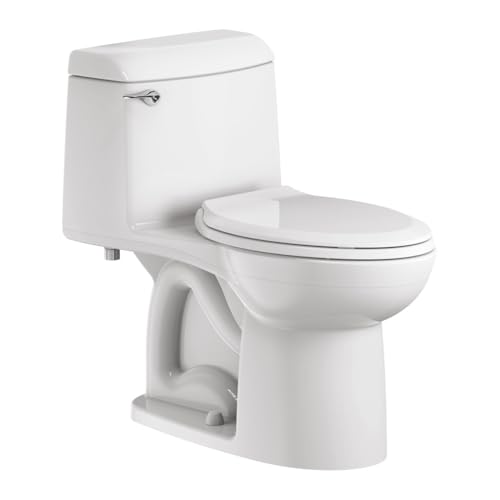
Toilets with tower-style flush valves -- including the American Standard Champion 4 and the TOTO Drake family -- eliminate traditional flapper failure because they use a rigid cartridge or tower mechanism instead of a rubber disc. One-piece toilets like the TOTO UltraMax II and Woodbridge T-0001 have fewer tank bolt seams, reducing the number of potential leak points. Gravity-fed designs with documented EPA WaterSense certification and high MaP testing scores (800 grams or above) tend to have more reliable flush mechanisms with longer published service lives.
If you are replacing a problem toilet, our guide to the best flushing toilets compares MaP scores, flush valve designs, and owner-reported reliability across all major brands. For specific flapper-free models, the American Standard Champion 4's FlushTower is worth special attention -- it uses a canister-lift mechanism with no rubber flapper to degrade, and the manufacturer publishes a 10-year limited warranty on the flush valve.
| Model | Flush Valve Type | MaP Score | GPF | EPA WaterSense | Warranty (Flush Valve) | Check Price |
|---|---|---|---|---|---|---|
| American Standard Champion 4 | 4" FlushTower (no flapper) | 1,000g | 1.6 | No (1.6 GPF) | 10 years | Check price |
| TOTO Drake II | 3" Tower (3D flush valve) | 1,000g | 1.28 | Yes | 5 years | Check price |
| TOTO UltraMax II | 3" Tower | 1,000g | 1.28 | Yes | 5 years | Check price |
| Kohler Cimarron | 2" Class Five flush valve | 800-1,000g | 1.28 | Yes | 1 year (limited) | Check price |
| American Standard Cadet 3 | 3" EverClean flush | 800g | 1.28 | Yes | 5 years | Check price |
| Woodbridge T-0001 | 2" standard gravity | 800g | 1.28 | Yes | 1 year | Check price |
Call a licensed plumber when: you have confirmed a crack in the porcelain (DIY epoxy is not a lasting fix), the diagnostic steps do not identify any cause but water loss continues, the vent stack requires inspection or clearing from the roof, or the toilet is more than 15 years old and showing multiple simultaneous symptoms. A plumber's camera inspection of vent pipes typically runs $75 to $150. A full toilet replacement on a standard floor-mount toilet averages $200 to $400 in labor, depending on region, plus the cost of the new toilet.
For reference on toilet replacement decisions, see our how long do toilets last guide, which covers manufacturer-reported service lives and the signal signs that a toilet is beyond economical repair.
Nighttime water loss without daytime loss often points to a slow flapper leak that is only noticeable after hours of stillness, or to a passive vent siphon that operates when household plumbing use drops. Active plumbing use during the day replenishes the bowl faster than the loss occurs, masking the problem until overnight.
In normal conditions, evaporation removes less than 1/16 inch of bowl water per 24 hours. Any loss greater than 1/4 inch overnight in an enclosed bathroom indicates a real mechanical cause. Evaporation alone cannot explain a bowl that is noticeably lower by morning.
If the bowl drops so low that the trapway loses its water seal (the bowl goes completely dry), sewer gases can enter the bathroom. Methane and hydrogen sulfide are both health hazards at elevated concentrations. A mostly-drained bowl is not immediately dangerous, but an empty bowl should be treated as urgent. Add a bucket of water to the bowl as a temporary measure while you diagnose the problem.
Standard universal rubber flappers retail for $3 to $10 at hardware stores. Silicone flappers and brand-specific models (TOTO, American Standard) run $8 to $20. Replacing a flapper is a repair most homeowners can complete in under 10 minutes with no tools.
Add 5 to 10 drops of liquid food coloring into the tank water (not the bowl). Wait 15 minutes without flushing. If any color appears in the bowl water, the flapper is allowing tank water to bypass the seal. Repeat after replacing the flapper to confirm the repair.
Porcelain cracks do not heal, and they typically widen over time from thermal cycling and mechanical stress. Two-part epoxy or plumber's putty can slow seepage temporarily but are not rated for submersion pressure and will fail. A cracked bowl below the waterline requires full toilet replacement.
The trapway is the S- or P-curved passage inside the toilet base that holds a water seal against sewer gases. A siphon occurs when negative air pressure in the drain line pulls water through that curve and into the drain, breaking the seal. This requires a functioning vent pipe to prevent, and a blocked vent is the most common cause of passive siphoning.
Signs of a clogged vent pipe include gurgling or bubbling sounds from the toilet when nearby drains (sink, shower, tub) are used, slow draining in multiple fixtures simultaneously, a persistent sewer smell in the bathroom, and recurring bowl-water loss that passes the dye test and crack test without explanation. A roof vent camera inspection provides definitive confirmation.
No. A very slow flapper leak -- enough to drain the bowl over 8 hours -- may produce no audible sound at all. The water film over the flapper seat dampens any hissing. This is why the dye test is more reliable than listening for a running sound when diagnosing overnight water loss.
Hard water contributes indirectly. Mineral scale builds up on the flapper seat and creates surface irregularities that prevent a complete seal. Over time this causes constant slow leakage even with a relatively new flapper. Descaling the flush valve seat with white vinegar during each flapper replacement extends seal life significantly.
In soft-water areas with standard rubber flappers, replacement every 4 to 6 years is typical. In hard-water areas (above 7 grains per gallon), replacement every 2 to 3 years is more realistic. Switching to a silicone flapper extends the interval to 8 to 10 years in most water conditions. Performing the dye test annually is the simplest way to catch failures before they become significant leaks.
The TOTO Drake and Drake II use a 3-inch tower flush valve (also called a 3D flush valve) rather than a standard 2-inch flapper-style valve. The larger opening delivers TOTO's Double Cyclone or Tornado Flush rinsing action. A standard 2-inch universal flapper will not seal a 3-inch flush valve seat, so a TOTO-specific replacement part (part number THU338S or equivalent) is required.
This is a classic shared-vent siphon. When the shower drain opens a large volume of water, it creates brief negative pressure in the shared drain line. Without a functioning vent pipe to equalize that pressure, the toilet bowl acts as an air inlet -- pulling water through the trapway. Clearing or repairing the vent stack resolves this in most cases.
Slab leaks involve pressurized supply lines breaking beneath the concrete floor and are not typically associated with toilet bowl water loss. Toilet bowl drainage follows gravity and venting paths, not supply-line pressure. If you have confirmed no mechanical toilet issue and also notice warm spots on the floor, unexplained spikes in water bills, or the sound of running water in walls, a slab leak evaluation is warranted -- but the toilet bowl symptom itself is not a primary indicator.
Yes, indirectly. A fill valve that allows water above the overflow tube level causes a constant trickle into the bowl that then exits through the trapway, lowering the bowl level. The fix is adjusting the float to lower the shutoff point or replacing an aged fill valve. This is the second most common cause after flapper failure.
WaterSense certification is listed on the product specification sheet and model page at epa.gov/watersense. Certified toilets must use 1.28 GPF or less and pass MaP flush testing at a minimum of 350 grams (most certified models score 600 to 1,000 grams). Look for the WaterSense label on the toilet packaging or find the certification lookup tool on the EPA website.
MaP (Maximum Performance) testing is an independent flush-performance protocol that measures how many grams of soybean-paste media a toilet can fully evacuate in a single flush. Scores run from 250 to 1,000 grams, with 1,000 grams (MaP Premium) being the highest rating. Higher MaP scores reduce clogging frequency, which reduces the need for repeated plunging that can stress internal components including flappers and tank seals. Published MaP results are freely searchable at map-testing.com.
If you have replaced the flapper, confirmed no crack, adjusted the fill valve, and had the vent stack inspected -- and the problem persists -- the toilet may have a casting defect, a degraded internal wax seating, or a bowl geometry issue that causes passive siphoning on that specific drain configuration. At that point, replacement is more cost-effective than continued diagnostics. A modern toilet with an EPA WaterSense rating will also reduce water consumption by 20 to 60 percent compared to pre-1994 toilets.
A toilet bowl losing water overnight is almost always a flapper seal failure, a tank water-level issue, a trapway siphon, or a porcelain crack -- in that order of likelihood. Start with the free dye test to rule out the most common cause, then follow the diagnostic sequence above before spending money on parts or service. If you are replacing the toilet entirely, models like the TOTO Drake II, American Standard Champion 4 (with its flapper-free FlushTower), and Kohler Cimarron offer documented reliability improvements that reduce the frequency of these repairs over a 10-to-15-year service life. See our best flushing toilets roundup for full comparisons including MaP scores and EPA WaterSense certification status.
Learn why toilet trapways curve like an S, how each bend blocks sewer gas, and what the shape means for clogs and…
Read the guideAlmost every US toilet has a left-side handle. Learn the plumbing and mechanical reasons behind the layout and when it actually changes.
Read the guideHome toilets rely on tanks because household water lines lack the pressure that public flushometer systems use to flush straight from the…
Read the guide