
Best 30-Inch Bathroom Vanities (2026)
Bathroom Remodeling4.6
Thirty inches is the sweet spot between a cramped 24-inch vanity and a full 36-inch cabinet, giving a single-sink bathroom real drawer…
Read the guideA bathroom remodel is the project homeowners most often misbudget, because the line items that move the total are not the tile or the paint but the fixtures: the toilet, the vanity, the faucet, the shower system, the exhaust fan, the lighting and the labor to set them. Where you spend on fixtures decides whether a remodel comes in lean or balloons, since a single high-end shower system or a custom vanity can cost more than every other surface combined, while a smart mid-tier fixture choice cuts the total without cutting the result. This guide ranks the bathroom fixtures that drive remodel cost in 2026 using the install complexity and labor each one demands, the material and build quality that decides whether you replace it again in five years, the water efficiency that lowers running cost, the rough-in and compatibility that determine whether it drops into your existing plumbing, and the patterns across thousands of aggregated owner reviews, so you can plan a budget around where the money actually goes and pick the fixtures that hold the line without holding back the room.
The Cimarron is the toilet for a remodel that wants a more finished fixture without paying the labor of moving plumbing. It keeps the standard 12-inch rough-in, so it drops in exactly like a basic toilet, but adds comfort-height seating that is easier to sit and stand from and meets ADA seat-height guidance, plus a concealed-trapway skirted option whose smooth sides wipe clean without the nooks an exposed trapway collects. The 1.28 GPF AquaPiston canister flush meets WaterSense and pushes water in a full 360 degrees from the tank, giving a strong, complete flush while keeping running cost low. Kohler's wide parts availability keeps it serviceable for the long term.
Owners praise the comfortable seat height, the clean look of the skirted version, and the strong canister flush. The tradeoffs are budget and preference: it costs more than the Drake for a remodel watching every dollar, and the comfort height that suits most adults can feel tall for very short users or young children who prefer a standard-height seat. For a remodel that wants to upgrade the toilet on a standard install, it is the standout, and it features in our roundup of the best comfort-height toilets of 2026.
When a remodel wants a nicer toilet without adding labor, the Cimarron is the upgrade we point to, because it keeps the standard 12-inch rough-in and drops in like any basic toilet while adding comfort height and a clean skirted look. The 1.28 GPF canister flush is strong and efficient. Pay the small premium over the Drake only if the finished look and the taller seat matter to you, and confirm comfort height suits everyone who uses the bathroom, including children.
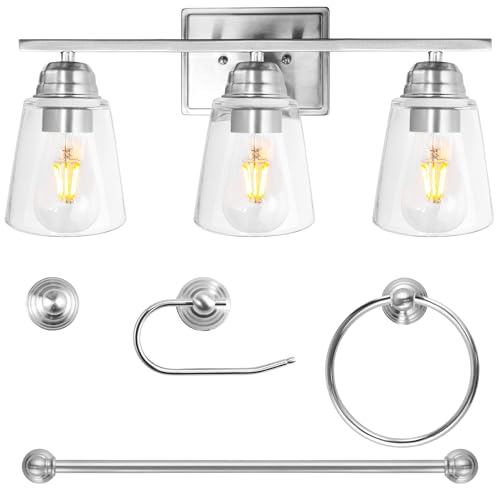
The Hykolity LED Vanity Light is the lighting that finishes a remodel for the least cost, an integrated LED bar with high color rendering and low power draw that mounts to an existing electrical box, transforming how the room and mirror look on a fixture that wires in like the one it replaces.
The Hykolity light is the cheapest fixture to change the whole feel of a finished bathroom, because lighting sets how the tile, paint and mirror actually read, and a builder-grade fixture flattens an otherwise good remodel. It mounts to the existing electrical junction box above the mirror, so it wires in like the fixture it replaces with no new circuit run, keeping the labor low. The integrated LEDs draw little power, carry a long rated life, and deliver a high color-rendering, evenly diffused output that lights a face for grooming without the harsh shadows a single bulb throws, the detail that makes a mirror usable rather than just bright.
Owners value the bright, even and flattering light, the low energy use, and how much it lifts the room for a simple swap. The tradeoffs are design and infrastructure: the LEDs are integrated rather than replaceable bulbs, so the whole fixture is replaced at end of life rather than a bulb, and if you want the light in a new spot you need wiring run there, which adds labor. For a remodel that wants to finish the room on the existing wiring, it is the standout value, and it features in our wider roundup of the best bathroom lighting of 2026.
Lighting is the cheapest fixture to change how a finished bathroom feels, because it sets how the tile, paint and mirror read, and a builder-grade fixture flattens a good remodel. The Hykolity bar mounts to the existing junction box, so it swaps in with low labor, and the high color-rendering LED output makes the mirror genuinely usable. Accept that integrated LEDs replace the whole fixture rather than a bulb at end of life, and keep it on the existing wiring location to avoid adding cost.
If we had to keep a remodel budget lean with the fewest, smartest fixture choices, we would anchor it with the TOTO Drake, since a standard rough-in toilet with a strong 1.28 GPF flush controls the most plumbing-sensitive line item and rarely needs replacing, then add the Delta Trinsic faucet and the Moen Magnetix Engage shower head, because both drop into existing connections and deliver the most visible upgrade for the least labor. That trio covers the fixtures that move a budget most: the toilet that risks plumbing relocation, the faucet that pays twice if it fails early, and the shower upgrade that needs no wall opened. Get those three right, keep every fixture on its existing rough-in, and the labor stays low while the room still feels fully remodeled.
The fixtures themselves vary widely, but the install complexity decides the total. A toilet and faucet that drop into existing connections add little labor, while a relocated shower valve or moved toilet flange adds hours of skilled work and wall repair. Plan the budget around install complexity first, then the fixture material, and the running cost set by water efficiency last.
After labor, the shower is usually the costliest fixture area, since a new valve, pan and tile combine plumbing and waterproofing work. The vanity is often the largest single material line item in a small bath. Choosing fixtures that drop into existing connections, like a standard rough-in toilet and a single-hole faucet, keeps the labor portion low.
Spend where failure is expensive and save where it is cosmetic. A lifetime-warranty faucet cartridge and a strong, efficient toilet flush prevent the early replacements that cost twice, while a value vanity and a screw-on shower head deliver most of the visible upgrade for far less. Match every fixture to its existing rough-in before buying.
Prioritize by consequence. A weak flush or a leaking faucet forces a do-over, so a strong toilet and a warranty-backed faucet earn their place first. An exhaust fan is cheap insurance against mold that would ruin everything else. Lighting and a value vanity then complete the look without driving the budget.
Budgeting a bathroom remodel comes down to four checks that general renovation guides tend to skip: whether each fixture matches your existing rough-in, the build quality that decides if you replace it within five years, the water efficiency that sets the running cost, and the order you spend in so the cost-critical fixtures come before the cosmetic ones. Work through the sections below before you buy and you will land on a fixture mix that drops into your existing plumbing and wiring, holds up to daily use, and keeps the labor, not the tile, from breaking the budget.
This is the most important and most overlooked decision. Relocating plumbing is the line item that quietly doubles a remodel budget, so confirm fit before appearance. Measure your toilet rough-in, usually 12 inches from the wall to the flange bolts, and order a toilet like the TOTO Drake or Kohler Cimarron that matches it. Check your sink-hole drilling, single-hole or widespread three-hole, and pick a faucet like the Delta Trinsic in that configuration. For the shower, decide whether you are keeping the existing valve, in which case a screw-on head like the Moen Magnetix Engage adds the most for no wall work, or rebuilding it, in which case a Delta Monitor 17 valve is set during the tile work. Match the rough-in first, because a fixture that forces the plumbing to move turns a drop-in job into a labor-heavy one.
Decide where an early replacement would force a second purchase and a second install, and spend there. A faucet with a lifetime-warranty diamond cartridge, like the Trinsic, avoids the dripping that sends budget faucets to early replacement, and a strong, complete flush, like the Drake's 1.28 GPF G-Max, avoids the weak-flush toilet you would otherwise swap out. A moisture-resistant vanity cabinet, like the Design House Wyndham, survives a steamy room where bare particleboard swells within a year. An exhaust fan, like the Panasonic WhisperCeiling DC, protects every other fixture from the moisture that ruins them, making it the cheapest insurance in the room. Spend on the fixtures whose failure is expensive, and save on the purely cosmetic ones.
Water and energy efficiency set the running cost for the life of every fixture, so favor WaterSense flush and flow rates that lower bills without sacrificing performance, a 1.28 GPF toilet, a 1.2 GPM faucet aerator and a 1.75 GPM shower head, paired with LED lighting and an Energy Star fan to keep power use low. Then spend in order of consequence: set the cost-critical, plumbing-sensitive fixtures first, the toilet, faucet and shower valve or head, where a wrong choice forces a relocation or an early replacement, and finish with the cosmetic fixtures, the value vanity and the LED lighting, that complete the look on the existing rough-in and wiring for far less. In a busy family bathroom, durability and an efficient, easy-clean fixture mix matter more than a striking finish that fails early.
The mistake we see most often in a bathroom remodel is budgeting for the finishes and being blindsided by the labor, when a fixture forced the plumbing to move. For most homes the order of priority is matching every fixture to the existing rough-in, then spending on build quality where failure costs twice, then choosing efficient flush and flow rates for low running cost, then finishing with the cosmetic vanity and lighting. Confirm your toilet rough-in and sink-hole drilling first, because they decide whether the job is a drop-in or a relocation. Get those right and the room remodels for far less than the worst-case quotes suggest.
Fixture choices and the labor to install them drive the cost, not tile or paint. The biggest lever is whether new fixtures match your existing rough-in: keeping the toilet, sink and shower in place keeps labor low, while relocating plumbing opens walls and multiplies it. Choosing drop-in, standard rough-in fixtures like the TOTO Drake and Delta Trinsic is the most effective way to control the budget.
Labor and plumbing relocation are the most expensive parts, not the fixtures or finishes. Moving a toilet flange, changing a sink location, or rebuilding a shower with a new valve opens walls and floors and adds hours of skilled work. After labor, the shower is usually the costliest fixture area, and the vanity is often the largest single material line item in a small bathroom.
Keep every fixture in its existing location so the plumbing and wiring do not move, which keeps labor low. Choose standard rough-in fixtures that drop in, pick durable mid-tier materials that will not need early replacement, and prioritize an exhaust fan that protects the rest of the work from moisture damage. Spend where failure is expensive and save where it is purely cosmetic.
Upgrade the fixtures that fail expensively or save labor first: a durable toilet and faucet that drop into existing rough-ins, and an exhaust fan that protects new tile, paint and vanities from moisture. These give the most value per dollar. Cosmetic upgrades like lighting and a value vanity finish the room for far less once the cost-critical fixtures are set.
Yes, relocating a toilet is one of the costliest changes in a remodel, because it means moving the flange and the drain line, which opens the floor and adds significant plumbing labor and floor repair. Keeping the toilet in its existing spot with a standard 12-inch rough-in model like the TOTO Drake or Kohler Cimarron keeps it a simple drop-in swap.
The rough-in is the distance from the finished wall to the center of the toilet flange bolts, typically 12 inches but sometimes 10 or 14. It matters because a toilet must match your rough-in to drop in; ordering the wrong size forces a flange relocation that opens the floor and adds labor. Measure it before buying any toilet to keep the install simple.
Yes, if your existing valve works, keep it and add a screw-on upgrade like the Moen Magnetix Engage shower head, which threads onto the existing arm with no wall opened and delivers most of the visible upgrade for minutes of labor. Only replace the in-wall valve when the wall is open anyway for new tile, since tearing out a working valve is costly.
Water efficiency sets the running cost for the life of every fixture. A WaterSense 1.28 GPF toilet, a 1.2 GPM faucet aerator and a 1.75 GPM shower head cut water use meaningfully without weak performance, and LED lighting with an Energy Star fan keep power use low. The upfront price is similar, so efficient fixtures lower bills for years at no real added cost.
Often yes, the vanity is the largest single material line item in a small bathroom, especially a custom or furniture-grade unit. Choosing a durable value vanity like the Design House Wyndham, sold as a cabinet alone or with a sealed top, keeps that line item lean. A floor-standing unit also installs more cheaply than a wall-mounted one that needs solid blocking.
An exhaust fan is the cheapest insurance in a remodel because it protects every other fixture from moisture. Without adequate ventilation, a bathroom grows mold, peels paint, swells vanity cabinets and lifts grout, shortening the life of everything you just installed. A quiet, efficient fan like the Panasonic WhisperCeiling DC that replaces an existing fan adds little labor and pays for itself in protection.
Decide on fixtures and confirm their rough-in fit before or during early planning, since the fixtures determine the plumbing and electrical work. Knowing whether you are keeping every fixture in place or relocating any lets a contractor quote accurately, and choosing drop-in standard rough-in fixtures avoids surprise relocation costs. Always verify the toilet rough-in and sink-hole drilling first.
The faucet style does not change install cost much, but it must match your sink-hole drilling. A single-hole faucet like the Delta Trinsic fits a one-hole sink, while a widespread faucet needs three holes spread apart. Installing the wrong configuration requires a base plate or a new sink, which adds cost, so match the faucet to the drilling you have.
It depends on the fixture and its condition. Refinishing a sound tub or tile can be cheaper than replacing it, since replacement involves demolition and plumbing work. Fixtures like toilets, faucets and shower heads are usually cheaper to replace outright with a drop-in unit than to repair an old failing one, especially when parts are scarce. Match the choice to the fixture's age and condition.
Lighting and a shower head deliver the most visual change for the least cost. An LED vanity light like the Hykolity bar wires into the existing box and transforms how the room and mirror read, while a screw-on shower head like the Moen Magnetix Engage upgrades the shower with no wall work. Both finish a remodel cheaply once the cost-critical fixtures are set.
Confirm every fixture matches its existing rough-in and wiring before you buy, so nothing forces the plumbing or electrical to move. Measure the toilet rough-in and the sink-hole drilling, check the shower valve and the duct for the fan, and choose drop-in fixtures. Surprises almost always come from a fixture that does not fit and turns a swap into a relocation.
Yes, a 1.28 GPF WaterSense toilet uses meaningfully less water per flush than older 1.6 GPF or higher models, and a strong design like the TOTO Drake clears the bowl in one pass so you do not double-flush and erase the saving. Over years of daily use the lower water use adds up, while the upfront price is similar to a standard toilet, so the efficiency comes at no real added cost.
To keep a bathroom remodel budget lean, anchor it with the TOTO Drake Two-Piece, a standard rough-in toilet with a strong 1.28 GPF flush that drops in without relocating plumbing and rarely needs replacing. Add the Delta Trinsic for the best value faucet with a lifetime-warranty cartridge, the Moen Magnetix Engage for the highest-impact shower upgrade with no wall work, the Design House Wyndham for a value vanity that holds the largest line item, the Delta Monitor 17 valve when a new shower opens the wall, the Panasonic WhisperCeiling DC fan as the cheapest insurance against moisture damage, the Kohler Cimarron when you want a finished toilet on a standard install, and the Hykolity LED Vanity Light to finish the room on existing wiring. Confirm your toilet rough-in and sink-hole drilling first, keep every fixture on its existing connections, and the labor, not the finishes, stays controlled, giving a fully remodeled bathroom for far less than worst-case quotes suggest.
Thirty inches is the sweet spot between a cramped 24-inch vanity and a full 36-inch cabinet, giving a single-sink bathroom real drawer…
Read the guide
Cast iron is the material homeowners choose when heat retention and permanence matter more than installation weight, and Kohler remains the brand…
Read the guideStep-by-step fixes for the bathroom vanity problems that show up most often, from misaligned drawers and doors to water damage at the…
Read the guide