Common Bidets Problems and How to Fix Them (2026)
Bidets4.6
Step-by-step fixes for the bidet problems reported most often, from a unit that won't spray and weak water pressure to a seat…
Read the guideA bidet cleans with a directed stream of water, while toilet paper wipes with dry tissue, and the difference shows up in hygiene, comfort, skin health, household cost and environmental footprint. This guide compares the two head to head using water-use data, paper-consumption figures, dermatology guidance and EPA WaterSense standards, then ranks the bidets and bidet toilet seats most worth buying if you decide to switch. The short version is that a warm-water bidet cleans more thoroughly than paper while cutting paper use sharply, and a good bidet seat adds a heated seat, adjustable wash and a dryer without replacing your toilet, so most households that try one stop reaching for the roll.
A bidet is better than toilet paper for most people, cleaning more thoroughly with water while reducing paper use, skin irritation and waste. The best way to switch is a bidet toilet seat, and the top pick is the TOTO Washlet C5 for its instant-warm wash, heated seat and self-cleaning wand. For an outlet-free option, the Tushy Classic 3.0 is the best non-electric choice.
The question of bidet versus toilet paper is really a question about how you clean after using the toilet, and the two methods could hardly be more different. Toilet paper removes waste by wiping with dry tissue, which works but smears rather than rinses and can leave residue behind, especially when the paper is thin or the skin is sensitive. A bidet removes waste with a directed stream of water aimed at the area, which rinses the skin clean the way washing your hands under a tap cleans them better than wiping them on a towel. Once you frame it that way, the hygiene argument tilts toward water, which is why most of the world outside North America has used some form of bidet for generations.
We do not run our own wash trials. Instead we compare published manufacturer specifications, EPA WaterSense water-use data, paper-consumption figures from industry and environmental sources, dermatology and gastroenterology guidance on skin and anal health, and the patterns across thousands of verified owner reviews. For the bidet picks specifically we weighted five things: the quality of the wash, meaning genuinely warm water rather than tank-cold, adjustable pressure and nozzle position; the comfort features such as a heated seat and a warm-air dryer; nozzle hygiene, including stainless or ceramic nozzles and a self-cleaning wand; the practicality of installation, since electric models need a nearby outlet; and the consistency of owner reports about reliability and cleanliness. If you want the broadest performance-first ranking across every toilet type, see our pillar guide to the best flushing toilets.
This guide does two jobs. First it settles the bidet-versus-paper question on the measures that matter: hygiene and how thoroughly each method cleans, skin health and irritation, household cost and how much paper a bidet actually saves, environmental footprint in trees and water, and accessibility for older or less mobile users. Second, for readers who decide a bidet is worth it, it ranks the specific bidets and bidet toilet seats most worth buying. We required real wash quality from every pick, favoring instant or reservoir heating that delivers truly warm water, adjustable pressure and position, a self-cleaning nozzle and, where present, an effective warm-air dryer. We weighted EPA WaterSense data, manufacturer specifications and aggregated owner reports over any marketing language, and we do not accept payment for placement.
| Bidet Product | Best For | Type | Heated Seat | Rating | Check Price |
|---|---|---|---|---|---|
| TOTO Washlet C5 | Best overall bidet seat | Electric | Yes | 4.8 | Check price |
| Tushy Classic 3.0 | Best non-electric | Non-electric | No | 4.5 | Check price |
| Bio Bidet BB-2000 Bliss | Best feature set | Electric | Yes | 4.6 | Check price |
| TOTO Washlet S550e | Best premium | Electric | Yes | 4.7 | Check price |
| Brondell Swash 1400 | Best value electric | Electric | Yes | 4.5 | Check price |
| Kohler Puretide | Best non-electric seat | Non-electric | No | 4.4 | Check price |
| Bio Bidet Slim Two | Best slim electric | Electric | Yes | 4.4 | Check price |
| Luxe Bidet Neo 320 | Best budget warm-water | Non-electric | No | 4.3 | Check price |
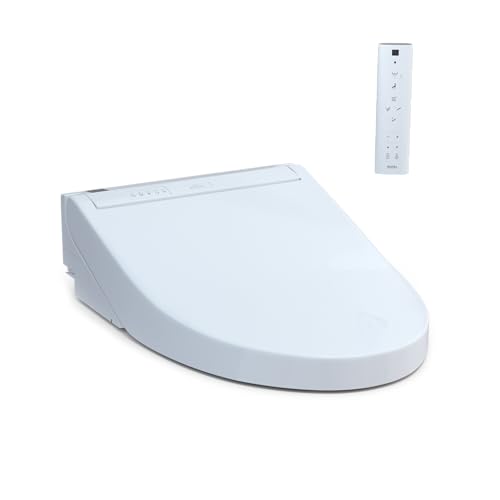
The Washlet C5 is the bidet we recommend first for anyone leaving toilet paper behind, because it delivers TOTO's instant-warm aerated wash, a heated seat and a self-cleaning wand on a seat that bolts onto an existing toilet in minutes.
The C5 is the seat that converts the most paper users, because it gets the fundamentals right without overcomplicating them. It heats wash water on demand rather than from a small tank, so the warm wash never runs cold mid-use, and it offers rear, soft rear and front cleansing with oscillating and pulsing options plus adjustable pressure and nozzle position. A heated seat, a warm-air dryer, an air deodorizer and TOTO's Premist, which sprays the bowl before use so waste has less to grip, round out the package.
Owners consistently report that the wash is genuinely warm thanks to the instant heater, that the dual stainless wand cleans itself before and after use, and that they reach for paper only to pat dry, if at all. The main requirements are a GFCI outlet behind the toilet and a cold-water tap, both standard on the included install kit. For most households making the switch from paper, this is the default choice.
If you want a bidet that replaces paper for daily use without fuss, buy the Washlet C5. The instant heater means the warm wash never quits halfway, the self-cleaning wand keeps maintenance low, and the heated seat and dryer make it a year-round upgrade rather than a novelty. Just confirm you have a GFCI outlet nearby, because the C5 heats on demand rather than running cold.

The Tushy Classic 3.0 is the easiest way to try a bidet without an outlet, a non-electric attachment that fits under your existing seat and delivers a clean adjustable-pressure rinse using your home's water pressure alone.
The Classic 3.0 mounts under your current toilet seat and taps the cold-water supply line with an included adapter, so there is nothing to plug in and the whole job takes about ten minutes with a wrench. A side dial controls the spray pressure, the nozzle angles to reach the right spot, and the wand retracts behind a guard and self-cleans when not in use. The build feels more solid than most attachments, with a metal pressure knob rather than plastic.
Owners praise how cheap and simple it is to confirm whether a bidet works for them, with most reporting they use a fraction of the paper they did before within days. The catch is water temperature: the Classic washes with ambient supply water, which is cold, though Tushy sells a warm-water version that taps a sink hot line. For a low-cost, no-outlet introduction to bidets, it is the standout, and it sits alongside our roundup of the best bidets of 2026, ranked.
The Tushy Classic 3.0 is what we recommend to anyone curious about bidets who does not want to commit to an electric seat. It installs in minutes, needs no outlet, and proves the hygiene case for a modest cost. Just go in knowing the wash is cold unless you step up to the warm-water model, and add a small towel or the dryer later if you decide to upgrade.

The Bio Bidet BB-2000 Bliss packs the longest feature list at a mid price, adding a hydroflush massage, a three-wash-mode nozzle and a warm-air dryer to a heated seat, which makes it the most complete value upgrade from paper.
The BB-2000 is the seat for people who want every comfort feature without paying flagship money. It uses a hybrid heating system that combines a reservoir with inline boosting for a longer warm wash, and its three-position stainless nozzle delivers rear, feminine and oscillating cleansing plus a pulsing massage mode. A heated seat with multiple settings, a warm-air dryer, an adjustable deodorizer, a night light and a wireless remote complete the package.
Owners value getting near-premium functionality at a clear discount to the top TOTO seats, and they single out the strong, adjustable wash and the responsive remote. The tradeoffs are a slightly bulkier profile than the slimmest seats and, like every electric model, the need for a GFCI outlet. For the most features per dollar in a bidet seat, it is the standout, and it ranks highly in our guide to the best bidet toilet seats of 2026.
The BB-2000 Bliss is the seat we point feature-hunters to, because it bundles a warm wash, heated seat, dryer, massage and feminine modes at a mid price that undercuts the flagships. The hybrid heater keeps the wash warm longer than a pure-tank seat, and the remote is genuinely easy to use. Just accept a slightly thicker profile in exchange for the longest feature list here.

The Washlet S550e is TOTO's flagship seat, adding an auto-opening and auto-closing lid, EWATER+ wand and bowl misting and a slim profile to an instant-warm wash, for buyers who want the most refined replacement for paper.
The S550e is what you buy when you want the closest thing to an integrated smart toilet without replacing the bowl. It keeps the instant heating and full wash modes of the C5 but adds an auto-opening and auto-closing lid, a slimmer profile, ambient lighting and TOTO's EWATER+ system, which sprays electrolyzed water to clean the wand and pre-mist the bowl so it stays cleaner between scrubs. Rear, soft rear and front cleansing with oscillating and pulsing patterns cover every preference.
Owners describe it as the seat that makes them forget they ever used paper, praising the auto lid, the warm dryer and the self-sanitizing EWATER+ that keeps the bowl and wand fresh. The tradeoffs are the premium price and the GFCI outlet requirement. For buyers who want the richest bidet experience on their existing toilet, it is the standout, and it leads our roundup of the best bidet toilet seats of 2026.
Choose the S550e when you want the most refined paper replacement short of a full smart toilet. The auto lid, instant-warm wash and EWATER+ self-cleaning put it a clear step above mid-range seats, and the slim profile looks the part. It is the buy for someone who wants the experience to feel effortless and is willing to pay for it.

The Brondell Swash 1400 is the value electric pick, delivering an instant-warm wash, a heated seat and a dual stainless nozzle at a price below the TOTO and Bio Bidet flagships, making it an easy upgrade from paper.
The Swash 1400 punches above its price by using instant ceramic heating rather than a small reservoir, so the warm wash does not run cold partway through, a feature usually reserved for pricier seats. Its dual stainless-steel nozzle delivers rear, wide rear and feminine cleansing with oscillating action and adjustable pressure, position and temperature, and it self-cleans before and after use. A heated seat, a warm-air dryer, a deodorizer and a wireless remote round it out.
Owners highlight that they get instant-heated water and a stainless nozzle, often the dividing line between budget and premium seats, without paying flagship prices, and they rate the wash strong and the remote intuitive. The tradeoffs are the lack of an auto lid and a slightly larger profile than the slimmest seats. For the best balance of price and a truly warm wash, it is the standout value, and it features in our roundup of the best bidets of 2026, ranked.
The Swash 1400 is the value electric seat we recommend most, because it brings instant ceramic heating and a stainless nozzle, the two things that separate good seats from cheap ones, at a mid price. You give up the auto lid of a flagship, but the wash quality and warm-water consistency are genuinely close. For most buyers wanting an electric upgrade from paper, it is the smart spend.
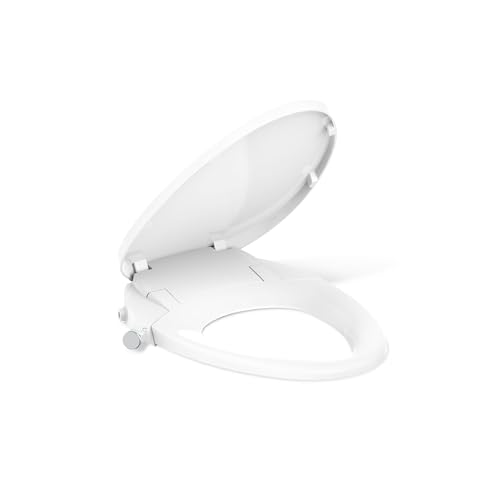
The Kohler Puretide is a full replacement seat rather than an attachment, giving a clean dual-nozzle wash powered by water pressure alone, so it needs no outlet while still looking like an integrated bidet seat.
The Puretide replaces your entire toilet seat with a Kohler bidet seat that runs purely on your home's water pressure, so it looks far more finished than a slim under-seat attachment while needing no power, no battery and no wiring. A side dial controls pressure, separate front and rear nozzles cover feminine and rear cleansing, and the dual nozzle self-cleans, with a quiet-close lid that matches Kohler's toilet styling.
Owners value the integrated look and Kohler's nationwide parts availability, and they appreciate getting a real front-and-rear wash in bathrooms where running power to the toilet is not practical. The tradeoffs are inherent to non-electric design: the water is unheated and there is no heated seat or warm-air dryer. For a clean-looking, no-outlet bidet seat from a major brand, it is the standout, and it pairs naturally with the bowls in our pillar guide to the best flushing toilets.
The Puretide is what we recommend when there is no outlet behind the toilet but you want a finished seat rather than a visible attachment. You give up warm water, a heated seat and a dryer, but you gain a reliable dual-nozzle wash with nothing electronic to fail, plus Kohler's easy parts. For a no-outlet bathroom that still wants an integrated look, it is the most sensible pick.
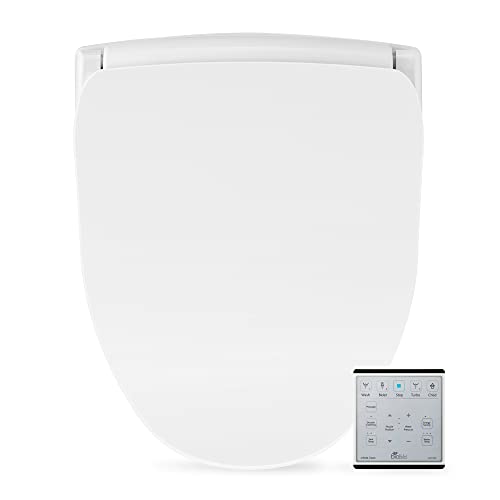
The Bio Bidet Slim Two is the pick for a low-profile electric seat, fitting a warm wash, a heated seat and a stainless nozzle into a slim body that looks closer to a standard seat than most washlets.
The Slim Two trims the bulky hump that makes many electric seats look dated, giving a sleeker line that suits modern bathrooms while keeping the core features intact. It offers rear, feminine and turbo cleansing with oscillating action, adjustable pressure, position and water temperature from a reservoir heater, plus a heated seat, a deodorizer, a night light and a stainless self-cleaning nozzle, controlled by a side panel or remote depending on the trim.
Owners like that it delivers the warm wash and heated seat of a full washlet without the visual bulk, and they rate the wash modes and build solid for the price. The tradeoff is reservoir heating, which gives a warm wash for a set duration rather than the endless instant heat of pricier seats, so very long washes can cool. For buyers who want electric features in the slimmest package, it is the standout, and it appears in our guide to the best bidet toilet seats of 2026.
The Slim Two is the seat we recommend when the look matters as much as the function. It hides the bulk most electric seats carry while still giving you a warm wash, a heated seat and a stainless nozzle. Just know the reservoir heater warms water for a set window rather than endlessly, which is fine for normal use but worth knowing if you prefer long washes.
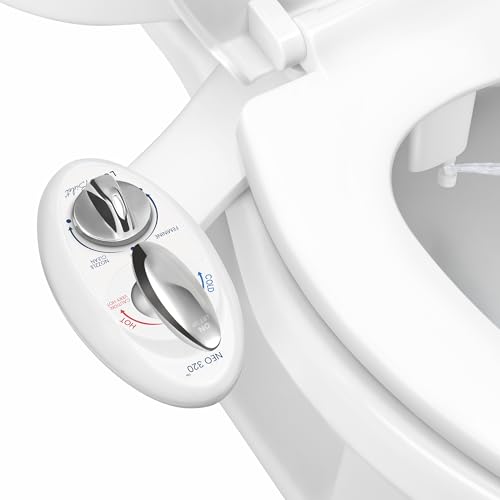
The Luxe Bidet Neo 320 is the budget way to get warm water, a non-electric attachment that taps a hot-water line for a warm front-and-rear rinse at a fraction of an electric seat's cost.
The Neo 320 mounts under your existing seat and connects to both the cold supply and a hot-water source, usually the sink or a nearby hot line, so it mixes a genuinely warm wash without any electricity. Two side dials control temperature and pressure, separate front and rear nozzles cover feminine and rear cleansing, and the dual brass-and-ceramic nozzle self-cleans behind a guard. The all-metal valves feel sturdier than the plastic internals of the cheapest attachments.
Owners praise getting a warm wash without an electric seat's price or outlet requirement, and they rate the build solid and the install straightforward where a hot line is reachable. The tradeoffs are that it is still an attachment without a heated seat or dryer, and it needs access to a hot-water source to deliver warm water. For the lowest-cost path to a warm bidet wash, it is the standout, and it rounds out our roundup of the best bidets of 2026, ranked.
The Neo 320 is the pick when you want warm water on a tight budget and have a hot line you can tap. It delivers a real warm front-and-rear wash without electronics, which most cheap attachments cannot do, and the metal valves hold up. Just confirm you can reach a hot-water source, because warm water is the whole point and it needs that connection to deliver it.
If we had to cover almost every bidet-versus-paper situation with two products, we would keep the TOTO Washlet C5 for the best blend of an instant-warm wash, a heated seat and a self-cleaning wand in a seat that installs in minutes, and the Tushy Classic 3.0 for any buyer who wants to test the switch from paper without an outlet or a big spend. That pairing covers both ways most people enter the bidet world, the full electric seat and the simple non-electric attachment, and it lets you start cheap and upgrade once you are convinced rather than guessing upfront.
The hygiene case rests on rinsing versus wiping. You would not clean your hands by wiping them on a dry towel, and the same logic applies after using the toilet, which is why a directed water stream cleans more thoroughly than tissue. Adding a warm wash and a self-cleaning nozzle, as the electric seats here do, keeps both the user and the equipment cleaner over time.
The math depends on your household size and how much paper you currently buy, but the direction is consistent: less paper purchased, with the bidet itself the main upfront cost. A budget attachment like the Luxe Neo 320 pays back fastest, while a premium electric seat costs more upfront but adds comfort features that paper cannot match.
People often assume a bidet wastes water, but the comparison runs the other way once you count the water used to manufacture paper. A typical bidet wash uses about an eighth of a gallon, while producing the paper it replaces uses many times that in the mill. For households focused on footprint, pairing a bidet with a WaterSense toilet compounds the savings, as our guide to the best flushing toilets explains.
The transition is simple: wash first, then either dry with the seat's warm-air dryer or pat with a little paper or a dedicated towel. Most owners find their paper use drops to a fraction of what it was within days, and households with a dryer-equipped seat often stop buying it for personal use altogether.
Deciding whether to switch comes down to four checks: how much the hygiene and comfort upgrade matters to you, whether you want an electric or non-electric bidet, what your bathroom can support, and how the long-term savings weigh against the upfront cost. Work through the sections below and you will land on the right answer for your household, and the right product if you decide to make the change.
For some buyers the cleaner wash alone justifies the switch, and for others it is a comfort or medical need. People with hemorrhoids, fissures, irritable bowel symptoms, arthritis or limited mobility benefit most, since wiping can be painful, difficult or incomplete, and a warm directed wash solves that. If you are simply curious, a cheap non-electric attachment like the Tushy Classic 3.0 proves the case for little cost, and you can upgrade later if convinced.
This is the main fork. An electric bidet seat, like the TOTO Washlet C5 or Brondell Swash 1400, adds warm water, a heated seat, a warm-air dryer and a self-cleaning wand, but needs a nearby GFCI outlet. A non-electric attachment or seat, like the Kohler Puretide or Luxe Neo 320, runs on water pressure alone, needs no outlet, costs far less, and washes with cold or, in some models, hot-line warm water, but skips the heated seat and dryer. Match the choice to whether you have an outlet and how much comfort you want.
A bidet is an upfront purchase that pays back through lower paper use over time. A budget attachment recovers its cost fastest, often within a few months for a larger household, while a premium electric seat costs more upfront but adds heated comfort, a dryer and a self-cleaning nozzle that paper cannot match. Decide whether you are buying mainly for savings, in which case a non-electric model wins, or for comfort and hygiene, in which case an electric seat earns its price. For a full-fixture upgrade rather than a seat, the heated, washing options in our guide to the best heated toilet seats of 2026 are worth comparing.
The mistake we see most often is buying for price alone and ending up with a cold-water attachment that gets used twice and abandoned. For most homes the order of priority is deciding electric or non-electric based on whether you have an outlet, then choosing warm water if you possibly can, then a heated seat and dryer for year-round use, then the budget. Get the warm wash right and a bidet replaces paper for good; skip it and the novelty wears off fast.
For most people, yes. A bidet cleans with a directed stream of water, which rinses waste off the skin more thoroughly than dry paper, which wipes it across the skin and can leave residue. A bidet also reduces irritation, cuts paper use sharply and lowers waste, so most households that try one stop relying on the roll.
Yes. Water rinses the area clean the way washing your hands under a tap cleans them better than wiping them dry, so a bidet leaves you measurably cleaner than paper. The benefit is largest for people with hemorrhoids, fissures or limited mobility, where wiping is painful or incomplete, and a warm directed wash solves that.
Only to pat dry, if at all. The bidet does the cleaning, so paper is no longer needed to wipe. Many users keep a small amount to dab dry afterward, but seats with a warm-air dryer, like the TOTO and Bio Bidet electric models, can eliminate paper entirely for most uses.
Over time, yes. Most households cut paper use by 75 percent or more, so a non-electric bidet often pays back its cost within months to a couple of years. The water and electricity a bidet uses are minor, typically a fraction of a gallon per wash, so the paper savings outweigh the running cost.
Generally yes. Toilet paper production consumes large volumes of trees, water and energy, while a bidet uses a small amount of water directly per wash. Because making a roll of paper uses far more water than a bidet rinse, switching usually lowers your overall water and resource footprint, not just your tree use.
No. A typical bidet wash uses about an eighth of a gallon of water, far less than the water used to manufacture the paper it replaces. Even with the wash water counted, switching to a bidet usually reduces your total water footprint once paper production is included in the comparison.
A bidet seat replaces your existing toilet seat with a unit that includes the wash function and, on electric models, a heated seat and dryer. An attachment mounts under your current seat and adds only the wash. Seats look more integrated and offer more features; attachments cost less and install faster, making them the easiest way to try a bidet.
Only electric models do. Electric bidet seats need a nearby GFCI outlet to power the heated seat, the warm-water wash, the dryer and the deodorizer. Non-electric attachments and seats, like the Tushy Classic and Kohler Puretide, run on your home's water pressure alone, so they need no outlet but offer no warm water, heated seat or dryer.
Yes, with a dual-temperature attachment. Models like the Luxe Bidet Neo 320 connect to both the cold supply and a hot-water source, usually the sink or a nearby hot line, so they mix a warm wash without electricity. They still lack a heated seat and a dryer, but they deliver warm water at a fraction of an electric seat's cost.
Many doctors suggest them. A gentle warm-water wash cleans without the friction of wiping, which can aggravate hemorrhoids, fissures and irritated skin, so a bidet is often more comfortable and less irritating than paper. Use a low, soft pressure setting and warm water, and avoid scrubbing, to get the gentlest clean.
Yes. The nozzle sprays clean supply water and does not touch the body, and most quality bidets include a self-cleaning function that rinses the wand before and after use. Electric seats often use stainless nozzles and, on premium models like the TOTO S550e, an electrolyzed-water rinse that sanitizes the wand between uses.
Most do, but check the bowl shape. Bidet seats and attachments are sized for elongated or round bowls, so confirm yours and buy the matching version. Verify the mounting holes line up, that the supply line is accessible, and, for an electric model, that a GFCI outlet is within reach of the cord. Skirted bowls may need specific compatible mounting hardware.
No. A non-electric attachment installs in about ten minutes with a wrench, tapping the cold-water line with an included T-valve and mounting under the existing seat. An electric seat takes a little longer to swap the seat and plug into a GFCI outlet, but most are still a DIY job. No plumber is needed for a standard install.
It can at first, especially in winter, which is why warm-water models exist. Cold supply water is bracing but harmless, and many users adjust within days. If cold water is a dealbreaker, choose an electric seat with instant or reservoir heating or a non-electric attachment that taps a hot line for a warm wash.
Yes. Repeated wiping with dry paper causes friction that can irritate sensitive skin, while a gentle water rinse cleans without rubbing. People prone to irritation, itching or skin conditions in the area often find a warm, low-pressure bidet wash noticeably gentler and cleaner than paper.
A simple non-electric attachment like the Tushy Classic 3.0 is the easiest first bidet. It installs in minutes, needs no outlet and costs little, so it proves whether a bidet works for you without a big commitment. If you decide to stay, upgrade to an electric seat like the TOTO Washlet C5 for warm water and a heated seat.
Yes. For older adults or anyone with arthritis, back problems or reduced reach, wiping thoroughly can be difficult or impossible, and a bidet handles the cleaning automatically with a remote or side panel. Electric seats with a warm wash and a dryer can restore independence and dignity for users who struggle with paper.
For many users, yes, especially with a dryer. A bidet washes the user clean, and a seat with a warm-air dryer finishes the job, so paper becomes unnecessary for most uses. Households without a dryer usually keep a small amount of paper to pat dry, but overall consumption drops to a fraction of what it was.
A bidet beats toilet paper for hygiene, comfort, skin health, long-term cost and environmental footprint, so for most households the switch is worth making. The best way to do it is a bidet toilet seat, and the top pick is the TOTO Washlet C5, which pairs an instant-warm aerated wash with a heated seat, a dryer and a self-cleaning wand. Choose the Tushy Classic 3.0 to try a bidet without an outlet, the Bio Bidet BB-2000 Bliss for the most features per dollar, the TOTO Washlet S550e for the most refined premium experience, the Brondell Swash 1400 for the best value electric wash, the Kohler Puretide for a finished no-outlet seat, the Bio Bidet Slim Two for a low-profile electric look, and the Luxe Bidet Neo 320 for warm water on a budget. Decide first whether you want electric or non-electric, prioritize warm water if you can, and a bidet will replace paper for good.
Step-by-step fixes for the bidet problems reported most often, from a unit that won't spray and weak water pressure to a seat…
Read the guideA step-by-step framework for picking the right bidet type, features, and fit based on your toilet, your bathroom's electrical access, and how…
Read the guide
A luxury bidet is judged on a different set of criteria than a standard seat: automatic lid function, a full remote-controlled preset…
Read the guide