Common Bidets Problems and How to Fix Them (2026)
Bidets4.6
Step-by-step fixes for the bidet problems reported most often, from a unit that won't spray and weak water pressure to a seat…
Read the guideA step-by-step framework for picking the right bidet type, features, and fit based on your toilet, your bathroom's electrical access, and how your household actually plans to use it.
Choosing a bidet comes down to four questions in order: does your toilet have compatible seat dimensions, is there a GFCI outlet within reach for an electric model, what is your budget, and how many features do you actually want to use daily. Answer those first and the type, brand, and price tier narrow themselves down quickly.
Before comparing any bidet models, measure your toilet bowl shape and confirm whether it is elongated or round, check the rear clearance between the seat hinge and the tank, and locate the nearest GFCI outlet. These three facts eliminate most of the options on the market before you even look at features, which is a far more efficient way to shop than starting with brand comparisons.
Most bidet shopping guides lead with brand comparisons or feature lists, but the single most common reason a bidet purchase gets returned is a fit problem discovered after delivery: the wrong bowl shape, insufficient rear clearance against the tank, or no outlet within reach of the power cord. Working through fit first, then features, then budget, avoids that outcome. If you have not yet settled on a toilet and are choosing one specifically to pair with a bidet, our best elongated toilet guide covers the safest bowl shape to pair with almost any seat.
Elongated bowls measure approximately 18.5 inches from the mounting bolts to the front rim and have an oval profile. Round bowls measure about 16.5 inches and have a more circular profile. Nearly every bidet seat and attachment on the market is sold in both shapes, so this measurement simply tells you which version to order, not whether a bidet will work at all. A round bidet seat mounted on an elongated bowl will overhang and sit uncomfortably, and the reverse creates a gap at the front, so getting this right the first time avoids a return.
If you are considering an electric bidet seat, measure the distance between where the seat hinges attach and the front of the tank. Most electric seats need at least 1.5 inches of clearance for the control box or side-arm panel that houses the electronics. One-piece toilets with a tank that curves down close to the seat are the most likely to have a clearance problem, so check this before assuming any electric seat will fit a one-piece bowl.
Electric bidet seats require a grounded GFCI outlet within about 4 to 5 feet of the seat, since manufacturers do not recommend extension cords in a bathroom environment. If your bathroom does not already have an outlet near the toilet, you have two paths: hire an electrician to add one, which is typically a modest add-on to an existing bathroom circuit, or choose a non-electric attachment instead, which needs no power at all.
The single most common return reason for bidet seats is a bowl shape mismatch. Measure your bowl before ordering rather than guessing from the toilet model name alone, since some manufacturers sell the same model name in both elongated and compact elongated sizes that look identical in photos but differ by over an inch in seat-to-rim length.
There are five main bidet types: non-electric attachments, electric bidet seats, integrated bidet-toilet combos, handheld sprayers, and standalone porcelain fixtures. For most households replacing an existing toilet seat, the decision is really between a non-electric attachment and an electric seat, since the other three types involve either a full toilet replacement or a fundamentally different fixture.
A non-electric bidet attachment mounts between your existing seat and the bowl rim, tapping the toilet's cold water supply through a T-valve. It requires no electricity, no outlet, and typically installs in under 30 minutes with basic hand tools. This is the right choice if your bathroom has no nearby outlet, if you are in a rental and want a fully reversible installation, or if your budget is the primary constraint. The tradeoff is cold water only, unless you run a separate warm-water line from the sink supply, which is a more involved DIY step most buyers skip.
An electric bidet seat replaces your entire toilet seat and plugs into a GFCI outlet. It adds heated water, adjustable spray pressure and width, a warm air dryer, and often a heated seat and deodorizer. This is the right choice if you have outlet access and want the full comfort feature set. Within this category, the next decision is tank versus tankless heating: tank models are less expensive and draw less power but can run cool after 30 to 60 seconds of continuous use, while tankless models cost more and pull higher peak wattage but never run out of warm water mid-wash.
An integrated bidet-toilet combo merges the bowl and the electronic seat into one sealed unit. This is worth considering only if you are already replacing the entire toilet, since the cost and installation complexity, including both a drain rough-in and an electrical outlet, are not justified by adding this feature to an otherwise fine existing toilet. The tradeoff for that higher investment is a seamless look and features like auto-flush and pre-mist bowl coating that standalone seats cannot replicate.
A handheld sprayer is a hose-mounted trigger nozzle that hangs beside the toilet and connects to the same T-valve as an attachment. It requires no outlet, costs less than most attachments, and gives full manual control over aim and pressure, which makes it popular for parents handling diaper changes or households wanting a general-purpose bathroom sprayer rather than a fixed nozzle position.
A traditional standalone bidet is a separate porcelain fixture requiring its own water supply, drain, and floor space equal to a second toilet. This is realistically only a consideration during a full bathroom renovation with square footage to spare, and even then, an electric bidet seat delivers most of the same hygiene benefit without the plumbing and space commitment.
| Your Situation | Recommended Type | Why |
|---|---|---|
| No outlet near the toilet | Non-electric attachment or handheld sprayer | Neither requires power |
| Renting, want reversible install | Non-electric attachment | Removes cleanly, no permanent changes |
| Outlet available, want full features | Electric bidet seat | Heated water, dryer, adjustable pressure |
| Already replacing the whole toilet | Integrated combo | Seamless look, only worth it during full replacement |
| Want a general-purpose sprayer | Handheld sprayer | Manual control, doubles for cleaning tasks |
For households with an existing toilet and a standard GFCI outlet nearby, an electric bidet seat delivers the best balance of hygiene, comfort, and long-term toilet paper savings. If your bathroom lacks an accessible outlet, a non-electric attachment with a warm-water T-valve connected to the sink hot line is a practical second choice that most homeowners can install themselves.
Water heating, adjustable spray pressure, and a self-cleaning nozzle are the three features that meaningfully affect daily use and are worth prioritizing in your budget. A heated seat and warm air dryer are strong quality-of-life additions in cold climates. Extras like Bluetooth app control, foot sensors, and auto-open lids are conveniences that add cost and another point of potential failure without materially improving hygiene.
Tank-style heaters store a small reservoir of pre-warmed water, giving instant warmth for the first 30 to 60 seconds before the temperature drops. Tankless systems heat water on demand as it flows, so warm water never runs out regardless of wash length. If your household has multiple users or anyone who prefers a longer wash cycle, tankless is worth the added cost. For a single user with short wash habits, tank models save money without a noticeable downside.
Look for at least five pressure settings and an adjustable spray width, from a focused stream to a wider oscillating pattern. Entry-level seats with only three settings still function, but the extra range matters most for users with sensitivity concerns or anyone recovering from a medical procedure who needs a gentler setting.
Nozzles should retract fully between uses, and self-cleaning nozzles that rinse before and after each cycle reduce buildup significantly. Stainless steel nozzles resist scale and are easier to sanitize than plastic, particularly in hard water regions where mineral buildup accelerates wear.
A heated seat is a meaningful comfort upgrade in cold climates or drafty bathrooms, typically offering three to five heat levels. A warm air dryer reduces paper use but rarely eliminates it entirely, since most users still reach for a small amount of paper for final drying even with a dryer installed. Set that expectation going in rather than assuming a fully paperless outcome.
Deodorizer filters require replacement every 6 to 12 months and add an ongoing cost. Auto-open and auto-close lids and Bluetooth remote apps are genuine conveniences for some households but are the features most likely to fail first on lower-tier models, based on the pattern in aggregated owner reviews. If your budget is limited, prioritize the wash and dry functions over these extras.
Bidet marketing often leans hard on the full feature list, but the functions people actually use every single day are water temperature, spray pressure, and the dryer. Everything past that tier is a genuine nice-to-have, not a hygiene necessity, so let your budget guide how many of those extras you add rather than treating them as required.
The most common bidet buying mistakes are ordering the wrong bowl shape without measuring first, assuming any nearby outlet is code-compliant without checking for GFCI protection, underestimating installation complexity on a skirted or one-piece toilet, and buying a premium feature-heavy seat when a simpler model would meet the household's actual daily habits.
It is tempting to order based on the toilet's model name alone, but manufacturers frequently sell the same model in both elongated and compact elongated variants that differ by more than an inch. Always measure from the mounting bolts to the front rim before ordering.
The National Electrical Code requires GFCI protection for all bathroom outlets, and an older home may have an outlet present that is not properly GFCI protected. Confirm this before assuming your existing outlet is ready for an electric bidet seat, and budget for an electrician if it needs an upgrade.
Skirted toilets, which have a smooth outer housing that conceals the trapway, can shift the bolt hole position or change the mounting ledge geometry compared to a standard two-piece toilet. Some bidet seats include skirted-toilet adapter brackets, but this needs to be verified explicitly rather than assumed, since not every model offers one.
A premium seat with a remote control, night light, and app connectivity costs significantly more than a mid-range model with the same core wash and dry performance. If your household will realistically use the seat for warm water wash and a dryer, spending up for rarely used extras is money that could go toward a more durable core unit instead.
When a buyer asks me to just recommend one bidet, I ask three questions first: what is your bowl shape, is there an outlet nearby, and how many people will use it daily. Those three answers point to the right type and tier almost every time, which is a more useful starting point than starting from a list of top-rated products.
Non-electric attachments and handheld sprayers are the most affordable entry point, followed by basic electric seats with heated water and a seat warmer, then mid-range seats adding a dryer and more pressure settings, and finally premium or integrated units with the fullest feature sets and the strongest brand warranty support. Match your spend to how many features your household will actually use rather than defaulting to the top tier.
This tier delivers the core hygiene benefit, a wash cycle, without any electronics. It is the right starting point for renters, strict budgets, or anyone unsure whether they will like using a bidet regularly before investing more.
Basic electric seats add heated water and often a heated seat, without a dryer or advanced pressure controls. This tier suits buyers who want warm water specifically but are not chasing the full feature set.
Mid-range seats typically add a warm air dryer, five or more pressure settings, and sometimes a self-cleaning nozzle or basic deodorizer. For most households, this tier delivers the best balance of features actually used against total cost, which is why it is the tier we recommend as the default starting point for most buyers.
Premium standalone seats and integrated bidet-toilet combos add remote controls, auto-open lids, advanced deodorizing, and in some cases UV sanitization. This tier is worth it primarily for buyers doing a full bathroom remodel or new construction where the integrated look and top-tier features justify the investment.
Most households do not need the top tier. A mid-range electric seat covers the features people actually use daily, warm water, adjustable pressure, and a dryer, without paying for remote controls and app connectivity that often go untouched after the first month of ownership.
TOTO holds the top reliability position based on its decades of washlet production, documented warranty service, and consistently high aggregated owner ratings. Kohler ranks second with strong U.S. service infrastructure. Alpha Bidet offers the best value-to-reliability ratio in the mid-price tier. American Standard and Woodbridge have improved their bidet seat lines but have shorter track records, and Swiss Madison integrated units offer competitive specs at lower prices but more variable owner satisfaction.
TOTO invented the electronic bidet seat and remains the global market leader. The Washlet line spans entry-level through mid-range to the integrated Neorest series. TOTO's ewater+ technology applies a mild cleansing solution to the bowl and nozzle before and after each use, a feature unique to the brand. The company maintains U.S. service centers in major markets and publishes detailed installation clearance documentation for each model. See our TOTO Drake review for how TOTO's engineering philosophy carries across its toilet line as well.
Kohler's bidet seat range includes the C3 series and the PureWash line, designed to pair with Kohler toilets but fitting most standard elongated and round bowls. The entry-level models offer basic warm wash, while higher models add a tankless heater, deodorizer, and night light. Kohler's extensive U.S. dealer and service network is a meaningful advantage when troubleshooting electronic components.
Alpha Bidet has built a loyal following in the mid-price range with tankless heating and adjustable stainless steel nozzles that receive consistent praise in aggregated owner reviews. The brand positions itself a step below TOTO in feature polish but equal or above in core wash functionality at a meaningfully lower price point.
American Standard's Spalet bidet seat series occupies the mid-range segment, including a heated seat, warm wash with multiple pressure settings, a dryer, and a wireless remote. Its wide service and parts availability through plumbing supply houses is a practical advantage for long-term owners.
Both brands offer integrated bidet-toilet combos at prices well below TOTO's Neorest line, making them popular entry points for buyers who want the integrated aesthetic without premium pricing. Build quality and long-term electronic reliability reports are more variable than TOTO or Kohler, based on aggregated ownership data, which is worth weighing against the lower upfront cost.
Both non-electric attachments and electric seats tap the toilet's existing cold water supply through an included T-valve, requiring no soldering or permanent plumbing changes. Electric seats additionally require a grounded GFCI outlet within about 4 to 5 feet of the toilet, which the National Electrical Code mandates for all bathroom outlets regardless of the bidet purchase.
Installation for either type is designed to be reversible: shutting off the toilet's supply valve, connecting the included T-valve to the fill valve inlet, and running a short braided hose to the seat or attachment. Removing a bidet later restores the supply line to its original configuration without any lasting modification, which is part of why this category is popular with renters as well as homeowners.
If your bathroom lacks a nearby outlet and you are committed to an electric seat, adding one is a modest electrical project for a licensed electrician working off an existing bathroom circuit, though exact scope and cost vary by home and local labor rates. Using an extension cord instead is not recommended by manufacturers and typically voids the warranty due to moisture risk in a bathroom environment.
Measure your toilet bowl from the mounting bolts to the front rim. Approximately 18.5 inches indicates an elongated bowl, while approximately 16.5 inches indicates a round bowl. Order the matching seat shape, since most bidet seats are sold in both configurations.
Most non-electric attachments and electric bidet seats are DIY-installable using the included T-valve on your existing cold water supply line, with no soldering or pipe cutting required. Adding a GFCI outlet for an electric seat may require an electrician if one is not already present near the toilet.
Yes. A non-electric attachment or a handheld sprayer requires no electricity at all, since both operate purely on your toilet's water supply pressure. These are the right choice if adding an outlet is not practical or desired.
Washlet is TOTO's registered brand name for its electronic bidet seat line. Bidet seat is the generic product category term used by Kohler, Alpha Bidet, American Standard, and others. All washlets are bidet seats, but not all bidet seats are washlets.
Choose tankless if your household has multiple users or anyone who prefers longer wash cycles, since it never runs out of warm water. Choose a tank model if you are a single user with shorter wash habits and want to save on both upfront cost and peak electrical draw.
Possibly, but check rear clearance first. One-piece toilets can have a tank that curves down close to the seat hinge, and most bidet seats need at least 1.5 inches of clearance for the control box. Measure before ordering rather than assuming compatibility.
Water heating and adjustable spray pressure matter most for daily use. A warm air dryer is a strong second priority. Extras like Bluetooth control, auto-open lids, and deodorizer filters are conveniences worth adding only after the core wash and dry functions are covered by your budget.
Quality electric bidet seats from major brands are commonly rated for tens of thousands of open and close cycles and have documented service lifespans in the range of 10 to 15 years under normal residential use, based on manufacturer warranty claim data. Electronic components like heating elements are the most common failure point. Non-electric attachments have fewer wear parts and often last longer before nozzle or seal replacement is needed.
Yes. Both non-electric attachments and electric seats are fully reversible installations. You can remove and take the unit with you when you move, restoring the supply line to its original condition with standard hand tools. Reviewing your lease terms before installation is still a good idea.
If you have specific medical needs, such as hemorrhoids, limited mobility, or post-surgical recovery, prioritize adjustable spray pressure with a gentle low setting and, if dexterity is a concern, a remote control or side-arm panel over a manual attachment. Consult a physician for guidance specific to your condition.
Yes, with supervision and the pressure set to the lowest setting. Some premium seats include childproof lock features that prevent settings from being accidentally changed, which is worth prioritizing if young children will be using the bidet independently.
Choosing a bidet is a fit decision first and a feature decision second. Measure your bowl shape, confirm outlet access, and only then compare non-electric attachments against electric seats. For most households with outlet access, a mid-range electric seat from TOTO, Kohler, or Alpha Bidet delivers warm water wash, adjustable pressure, and a dryer without overspending on rarely used extras. For rentals or strict budgets, a non-electric attachment remains a fully capable, fully reversible alternative.
Step-by-step fixes for the bidet problems reported most often, from a unit that won't spray and weak water pressure to a seat…
Read the guide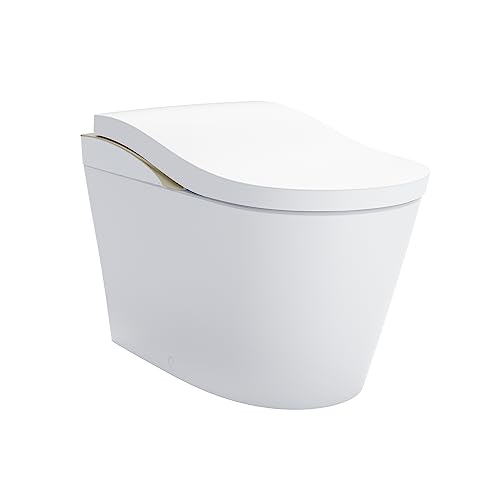
A luxury bidet is judged on a different set of criteria than a standard seat: automatic lid function, a full remote-controlled preset…
Read the guide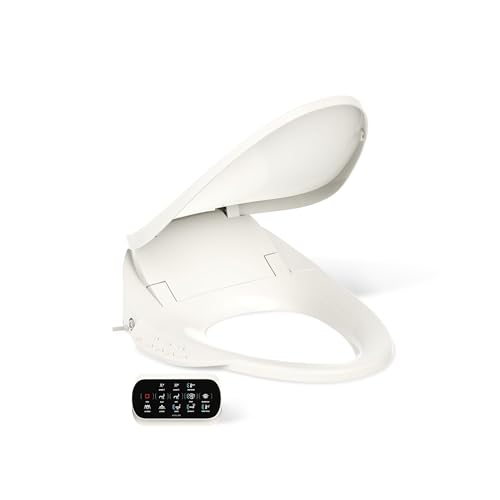
A mid-range bidet seat is where most households find the real sweet spot: genuine heated-seat comfort and adjustable wash settings from a…
Read the guide