
Best Vitreous China Bathroom Sinks (2026)
Faucets & Sinks4.6
Vitreous china is the classic bathroom sink material for a reason: a clay body fired at extremely high temperature and finished with…
Read the guideA bathroom sink is the most-touched fixture in the room, and the differences between models are larger than the showroom suggests: mount type, basin material, bowl depth, overflow design, faucet-hole drilling, and how the surface resists chips, stains and water spots all vary widely and decide whether a sink stays clean and intact for decades or shows wear in a year. We ranked the best bathroom sinks of 2026 using the published material and finish, the mount type and how it fits a standard vanity, the basin depth and dimensions, faucet-hole configuration, overflow and drain compatibility, and the patterns across thousands of aggregated owner reviews, so you can pick a basin that fits your counter, suits your faucet, and wears well without sorting through marketing on your own.
The best bathroom sink is the Kohler Caxton K-2210 Undermount, a vitreous-china basin with a glazed surface that resists stains, a built-in overflow, and a clean rimless edge that wipes flush with stone counters. For a drop-in vanity, the American Standard Cadet leads, and the Kraus Elavo Vessel is the best modern above-counter pick.
A bathroom sink is one of the easiest fixtures to choose badly, because the spec buyers fixate on, the look of the bowl, has little to do with how the sink performs over years of daily use. The features that actually decide satisfaction are the mount type, which must match how your counter is cut and finished; the material, which governs how the basin resists stains, chips and water spots; the bowl depth, which determines whether water splashes out onto the counter; and the faucet-hole configuration, which must match your faucet's spread or you will be left with mismatched holes. A beautiful basin that is the wrong mount for your vanity, or drilled for the wrong faucet, becomes an expensive mistake the moment it ships, which is why we weight fit and material far above appearance.
We do not install our own basins. Instead we compare published manufacturer specifications, the material and finish, the mount type and dimensions, the bowl depth and faucet-hole drilling, the overflow and drain compatibility, and the patterns across thousands of verified owner reviews. For bathroom sinks specifically we weighted four things above all else: material durability, since vitreous china and fireclay resist stains and scratching far better than budget acrylic or some painted finishes; mount fit, because an undermount needs a solid-surface counter and a drop-in suits laminate, and getting this wrong is costly; bowl depth and splash control, since shallow modern basins look elegant but throw water onto the counter; and the consistency of owner reports about chipping, staining, crazing and easy cleaning. If you want our broader bathroom rankings, see our pillar guide to the best flushing toilets.
Every pick here had to suit its mount category cleanly, not just look good in a render. We separated undermount, drop-in, vessel, pedestal and wall-mount sinks clearly, ranking each on its own terms so buyers know exactly how the basin installs and what counter and faucet it needs. We favored vitreous china and fireclay for their stain and scratch resistance, glazed surfaces that wipe clean and resist crazing, and basin depths deep enough to control splash without becoming a bucket. We gave weight to a built-in overflow where it suits the install, since it prevents flooding and works with standard drains, and we flagged the vessel and some modern basins that omit it. We weighted aggregated owner reports about chipping, staining and easy cleaning over marketing language, and we do not accept payment for placement.
| Bathroom Sink | Best For | Mount | Material | Rating | Check Price |
|---|---|---|---|---|---|
| Kohler Caxton K-2210 | Best overall | Undermount | Vitreous China | 4.8 | Check price |
| American Standard Cadet | Best drop-in | Drop-in | Vitreous China | 4.7 | Check price |
| Kraus Elavo Vessel | Best vessel | Vessel | Ceramic | 4.6 | Check price |
| Kohler Memoirs Pedestal | Best pedestal | Pedestal | Vitreous China | 4.6 | Check price |
| Swiss Madison Sublime | Best modern | Vessel | Ceramic | 4.5 | Check price |
| Kraus Quarza Granite | Best composite | Undermount | Granite Composite | 4.5 | Check price |
| DECOLAV Classically Redefined | Best fireclay | Drop-in | Fireclay | 4.5 | Check price |
| Kohler Brenham Wall-Mount | Best wall-mount | Wall-Mount | Vitreous China | 4.5 | Check price |
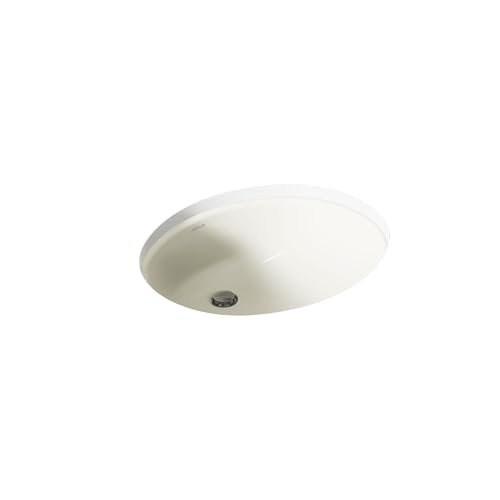
The Kohler Caxton is the bathroom sink we recommend first because it gets the fundamentals right: a vitreous-china basin with a hard glazed surface that resists stains and crazing, a built-in overflow that prevents flooding, and a clean oval shape that mounts under stone or quartz counters for a seamless, wipe-flush edge with no rim to trap grime.
The Caxton covers what matters most in an everyday bathroom sink. As an undermount it clips beneath the counter so the stone edge sits proud of the basin, letting you wipe water and toothpaste straight off the counter into the bowl with nothing to catch on, which is the cleanest possible edge and the main reason undermounts are standard in renovated bathrooms. The vitreous-china body is fired hard and glazed, so it resists the staining, scratching and surface crazing that plague cheaper materials, and the built-in overflow channels excess water to the drain so a left-on faucet does not flood the vanity. Kohler offers it in multiple sizes and finishes to match a range of counters.
Owners consistently report that the glazed surface wipes clean with no effort and shows no staining after years, that the rimless undermount edge keeps the counter tidy, and that the overflow gives genuine peace of mind. The downsides are inherent to the mount: it requires a solid-surface counter such as granite, quartz or marble and cannot be used with laminate, and installation means securing it from below, which is best done before the counter is set. For any bathroom with a stone counter, this is the default choice, and it anchors our coverage of the best bathroom faucets of 2026 you would pair above it.
If you have a stone or quartz counter and want the cleanest, most durable everyday sink, buy the Caxton. The undermount edge lets you sweep water and grime straight off the counter into the bowl with nothing to trap it, and the glazed vitreous china simply does not stain or scratch the way budget basins do. Just confirm your counter is solid-surface, because an undermount cannot hang from laminate, and plan to secure it before the counter goes down.

The American Standard Cadet is the pick for the most versatile install, a drop-in vitreous-china basin with a self-rimming lip that drops into a counter cutout and seals on any surface including laminate, with pre-drilled faucet holes, a built-in overflow, and the EverClean glazed antimicrobial finish that resists staining and buildup.
The Cadet is the sink for buyers who want a foolproof install on any counter. Because it drops in from the top and rests on its own rim, it works on laminate, tile, wood or stone alike and is the easiest type for a homeowner to fit without removing the counter, which makes it the default for replacements and budget remodels. It comes pre-drilled for a standard faucet spread, so you choose the centerset or widespread version to match your faucet rather than drilling holes yourself, and the built-in overflow pairs with a standard pop-up drain. American Standard's EverClean glaze adds an antimicrobial surface that resists the staining and buildup that dull a basin over time.
Owners value the genuinely easy top-mount install, the reliable fit on laminate where undermounts cannot go, and how the glazed surface stays clean and bright. The tradeoff is the visible rim, which sits proud of the counter and catches a little grime at the seam, so it is not as seamless as an undermount, and it keeps a traditional look rather than a modern above-counter profile. For most replacement jobs and any counter that is not solid stone, it is the standout, and it pairs cleanly with the faucets in our guide to the best bathroom faucets of 2026.
The Cadet is the sink we point most replacement buyers to, because a drop-in installs from the top on literally any counter and does not require pulling the countertop the way an undermount does. Pick the hole spacing to match your faucet first, four-inch centerset or eight-inch widespread, and the EverClean glaze keeps it looking new for years. Accept the visible rim as the price of that easy, universal fit.

The Kraus Elavo is the best vessel sink, a fired-ceramic above-counter basin with a non-porous glazed surface that resists stains and scratches, a smooth ADA-friendly shape, and a scratch-resistant finish that sits on top of the counter for a bold, spa-style look paired with a tall vessel faucet.
The Elavo is the vessel to choose when you want the above-counter look done properly. Sitting on top of the vanity, it turns the sink into the focal point of the room, and Kraus uses a fired ceramic body with a hard, non-porous glaze that resists staining and scratching and wipes clean easily, which holds up better than the cheap painted glass vessels that scratch and dull. The smooth interior has no sharp corners to trap grime, and the basin is deep enough to contain water from a tall faucet. Because it raises the basin several inches above the counter, you pair it with a tall vessel faucet so the spout clears the rim.
Owners praise how the vessel transforms a plain vanity, the easy-clean non-porous surface, and the solid feel of the fired ceramic over flimsy glass bowls. The tradeoffs are inherent to vessels: there is usually no overflow, so it needs a grid or pop-up drain rated for no-overflow basins and you should not leave the faucet running, and the raised bowl can splash more and sits higher, which some users find less practical for daily face-washing. For a powder room or a vanity meant to make a statement, it is the standout, and it leads our guide to the best vessel sinks of 2026.
The Elavo is the vessel we recommend when the sink is meant to be the star of the room, usually in a powder room or a design-led vanity. Fired ceramic with a non-porous glaze is the right material here, far more durable than the painted-glass bowls that scratch and dull. Just remember a vessel needs a no-overflow grid drain and a tall faucet, and the raised, exposed bowl splashes more, so it suits a statement bath better than a busy family one.

The Kohler Memoirs Pedestal is the best space-saving sink, a freestanding vitreous-china basin on a matching column that needs no vanity, with crisp architectural Stately or Classic detailing, a generous basin with a built-in overflow, and a footprint small enough to fit a powder room or tight half-bath.
The Memoirs Pedestal is the answer when floor space is tight or a vanity would crowd the room. The basin and column stand alone, braced to the wall and resting on the floor column, so it takes up far less visual and physical space than a cabinet, which is why pedestals are a powder-room staple. Kohler offers the Memoirs in Stately and Classic detailing with crisp, architectural lines, the vitreous-china body and glaze match its undermount and drop-in siblings for stain resistance, and the basin is generous with a built-in overflow. You choose the widespread or single-hole drilling to match your faucet.
Owners single out how the pedestal opens up a small bathroom, the quality of the Kohler china and glaze, and the timeless, upscale look. The tradeoffs are structural: a pedestal gives up the storage and hidden plumbing of a vanity, since the trap and supply lines run behind or are partly concealed by the column but are not fully boxed in, and it must be braced into a stud or backer, so it asks slightly more of the install than a drop-in. For a powder room or any bath where space and looks beat storage, it is the standout, and it suits the same buyer comparing our water-saving picks in the best water saving bathroom faucets of 2026.
The Memoirs Pedestal is the sink we recommend for powder rooms and tight half-baths, because it delivers a full-size, quality china basin without the bulk of a vanity. The architectural detailing and Kohler glaze make it look upscale, and the built-in overflow keeps it practical. Accept that you lose under-sink storage and that the plumbing is only partly hidden behind the column, and brace it properly into the wall, and it is the best way to make a small bathroom feel open.

The Swiss Madison Sublime is the pick for a contemporary look on a budget, a crisp rectangular ceramic vessel with thin, geometric walls and a smooth glazed interior, sitting above the counter for a sharp modern profile that suits floating vanities and minimalist baths.
The Sublime brings the angular, gallery-style vessel look to a budget that mass-market buyers can reach. Its thin-walled rectangular form has crisp edges and a flat bottom that reads distinctly modern, and the glazed ceramic interior wipes clean and resists staining like its rounder rivals. Swiss Madison has built a line of coordinated modern fixtures, so the Sublime pairs neatly with matching faucets and toilets for a consistent contemporary bathroom, and it sits above the counter for the same statement effect as pricier designer vessels.
Owners value the sharp modern look, the surprisingly solid ceramic for the category, and how it elevates a simple vanity into a designer-looking setup. The tradeoffs are the usual vessel caveats, no overflow so it needs a no-overflow grid drain and a watchful eye on the faucet, plus the thin geometric walls and flat interior corners ask for a little more care when cleaning than a smooth oval. For a modern or floating-vanity bathroom that wants a designer profile without a designer outlay, it is the standout, and it sits alongside our rounder picks in the best vessel sinks of 2026.
The Sublime is the basin we suggest for a modern, minimalist or floating-vanity bathroom where the rectangular vessel look is the goal. Swiss Madison delivers that geometric, gallery-style profile in solid glazed ceramic for far less than designer brands, and the coordinated line makes a matching faucet and toilet easy. Plan for a no-overflow grid drain and a tall faucet, and know the angular interior wants slightly more care to keep spotless than a smooth oval.

The Kraus Quarza is the best composite basin, a dense granite-composite sink molded from roughly 80 percent natural granite for a non-porous, scratch and stain-resistant surface that shrugs off chips, heat and harsh cleaners, in a matte modern color that hides water spots far better than glossy china.
The Quarza solves the durability complaint that affects glossy china and budget acrylic, which chip and show every water spot. It is molded from a dense granite-composite that is roughly four-fifths real granite, so the color runs all the way through rather than sitting as a coating that can wear off, and the material resists chips, scratches, stains, heat and harsh cleaners better than almost any other sink surface. The matte finish hides water spots and fingerprints that glossy basins broadcast, and the modern colorways suit contemporary vanities. It comes in undermount and drop-in versions to match your counter.
Owners highlight how nearly indestructible the surface feels, how well the matte finish hides spots and minor wear, and how it cleans up without etching from common cleaners. The tradeoffs are that the dense composite is heavier than china and needs proper support, and it reads decidedly modern and matte rather than the classic glossy white many buyers expect. For a hard-use family bathroom or a buyer who prioritizes durability and a spot-hiding finish, it is the standout, and it suits the efficiency-minded shopper reading our pillar guide to the best flushing toilets.
The Quarza is the sink we recommend for hard-use bathrooms where durability and easy upkeep beat a traditional look. Granite composite with through-color and a matte finish is about as tough as a bathroom basin gets, shrugging off chips, scratches and harsh cleaners while hiding the water spots glossy china shows. Support its extra weight properly, and accept the modern matte aesthetic over classic gloss white, and it will outlast almost anything else on this list.
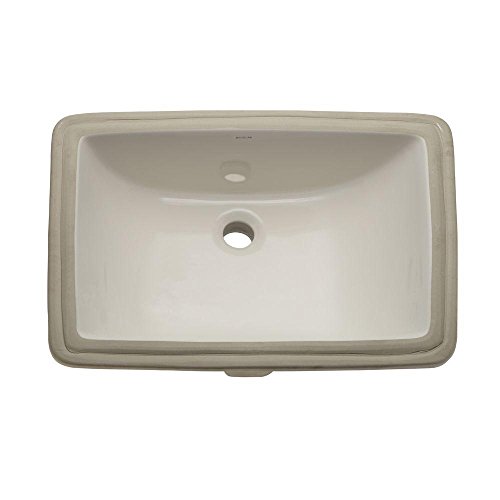
The DECOLAV Classically Redefined is the pick for a premium fireclay basin, a high-fired clay sink with an exceptionally hard, glassy glaze that resists chips, stains, scratches and discoloration better than standard china, finished with crisp lines and a thick, substantial wall that feels heirloom-grade.
The Classically Redefined is the choice when you want a ceramic basin that effectively lasts a lifetime. Fireclay is clay fired at a much higher temperature than standard vitreous china and fused with a thick glaze, which produces an extremely hard, glassy, non-porous surface that resists chipping, staining, scratching and the surface crazing that eventually dulls cheaper basins. The walls are noticeably thick and the body heavy, giving it a solid, substantial feel, and most models include a built-in overflow and pair with standard drains. It comes in drop-in and undermount-capable versions to suit your counter.
Owners praise the heirloom build quality, the glassy surface that cleans with a wipe and shows no staining, and the sense that it will outlast the rest of the bathroom. The tradeoffs are price and weight: fireclay costs more than standard china and is heavier to handle and support, so the install asks for a bit more care. For a buyer who wants the most durable ceramic surface available and plans to keep the bathroom for decades, it is the standout, and it suits the same long-term shopper weighing our best bathroom faucets of 2026 for a lasting pairing.
The Classically Redefined is the basin we recommend when you want a ceramic sink that lasts a lifetime and you are willing to pay for it. Fireclay's higher firing and thick glaze make the hardest, most stain and chip-resistant ceramic surface you can buy, a clear step beyond standard china. Budget for the higher price and the extra weight at install, and you get a substantial, heirloom-grade basin that simply does not wear out.

The Kohler Brenham is the best wall-mount sink, a vitreous-china basin that bolts directly to the wall with no pedestal or vanity, leaving the floor open beneath for the most space-saving, accessibility-friendly install in tight or barrier-free bathrooms, with a built-in overflow and a generous basin.
The Brenham is the sink for the tightest spaces and accessible bathrooms, where even a pedestal column is too much. Bolting straight to the wall, it leaves the floor completely open beneath the basin, which is what makes it the standard choice for wheelchair-accessible vanities where a user needs clear knee space, and for very small or commercial bathrooms where every inch of floor counts. The vitreous-china body and glaze match Kohler's other basins for stain resistance, the basin is generous despite the compact mount, and a built-in overflow keeps it practical. Because all the load hangs on the wall, it needs solid blocking behind the drywall to carry the weight.
Owners value how the open floor makes a small bathroom feel larger and far easier to clean under, the accessibility for seated users, and the Kohler china quality. The tradeoffs are that the plumbing is fully exposed below the basin unless you add a shroud, there is no storage or vanity, and the wall must have proper blocking or be reinforced, so it asks the most of the install of any mount here. For a barrier-free bathroom, a very tight powder room, or a minimalist open look, it is the standout, and it suits the same accessibility-minded shopper comparing our best touchless bathroom faucets of 2026.
The Brenham is the sink we recommend for barrier-free bathrooms and the tightest spaces, because mounting straight to the wall leaves the floor fully open for knee clearance and easy cleaning. The Kohler china and built-in overflow keep it practical, and it makes a cramped room feel bigger. Just plan for solid wall blocking to carry the load and accept the exposed plumbing and lack of storage, since those are the price of a true wall-mount.
If we had to cover almost every bathroom with two sinks, we would keep the Kohler Caxton for any vanity with a stone or quartz counter, since its undermount edge and glazed vitreous china give the cleanest, most durable everyday basin, and the American Standard Cadet for everything else, because its drop-in mount installs from the top on any counter including laminate and needs no countertop removal. That pairing covers both ends of the category, the seamless solid-surface install and the universal top-mount replacement, and it keeps the surface genuinely stain and chip resistant in both cases rather than letting a striking shape hide a basin that splashes, stains or fits the wrong counter.
A bathroom sink succeeds on how well it fits your counter and how its surface wears, not on its shape. The Caxton optimizes the cleanest edge and the most durable common material, which is why it tops the list when you have a solid-surface counter. If your counter is laminate or you want a top-down install, the drop-in Cadet is the better choice.
For most buyers, glazed vitreous china offers the best balance of durability, cost and the classic look, while fireclay and granite composite are the step up for hard use or a lifetime basin. Avoid the cheapest acrylic and painted-glass vessels, which scratch and discolor far sooner than fired ceramic or composite.
The right mount depends on your counter and the look you want. Choose an undermount for stone counters and a seamless edge, a drop-in for laminate or an easy top-down replacement, and a vessel for a statement powder room. Pedestal and wall-mount sinks skip the vanity entirely to save floor space.
An overflow is not strictly required, but it adds genuine flood protection and is worth having on a daily-use sink. If you choose a vessel or other no-overflow basin, simply pair it with the matching no-overflow drain and avoid leaving the faucet running unattended.
Buying a bathroom sink comes down to four checks that general remodeling guides tend to skip: the mount type that fits your counter and plumbing, the material that suits your use and budget, the faucet-hole drilling that matches your faucet, and the bowl depth and overflow that control splash and prevent flooding. Work through the sections below before you buy and you will land on a basin that fits cleanly and wears well, rather than one that looks impressive in a render but fits the wrong counter or splashes onto the floor.
This is the most important and most overlooked decision. The mount must match how your counter is cut and finished, not the look you prefer. An undermount needs a solid-surface counter such as granite or quartz to hang from and cannot be used with laminate, but it gives the cleanest wipe-flush edge. A drop-in rests on its own rim and fits any counter, making it the easiest replacement. A vessel sits on top and needs a tall faucet. A pedestal or wall-mount skips the vanity to save floor space but gives up storage. Confirm your counter material and your plumbing rough-in first, because choosing a mount your counter cannot support is the costliest sink mistake.
Decide how hard the basin will be used and how long you want it to last. Glazed vitreous china, like the Kohler Caxton or American Standard Cadet, is the most common and offers the best balance of durability, the classic look and cost. Fireclay, like the DECOLAV, is fired hotter for the hardest, most stain and chip-resistant ceramic surface and lasts decades. Granite composite, like the Kraus Quarza, gives through-color, a spot-hiding matte finish and the best resistance to chips, heat and harsh cleaners. Avoid the cheapest acrylic and painted-glass vessels, which scratch and dull comparatively fast. Match the material to your use, not just the price.
Bowl depth and overflow are where buyers get caught out by looks. A shallow, flat modern basin looks elegant but throws water onto the counter when you wash your face or fill it from a tall faucet, so favor a basin at least five to six inches deep for daily use and reserve very shallow basins for low-traffic powder rooms. An overflow adds real flood protection and speeds draining, so prefer one on a daily-use sink, and if you pick a vessel or other no-overflow basin, pair it with the matching no-overflow drain. For finish, a glazed china or matte composite surface resists water spots and stains better than glossy painted finishes, and a non-porous glaze wipes clean of toothpaste and soap film. In a busy family bathroom, depth and a durable easy-clean surface matter more than a striking shape.
The mistake we see most often with bathroom sinks is buying for the shape and ending up with a basin that fits the wrong counter, splashes onto the floor or has no overflow. For most homes the order of priority is the mount type your counter and plumbing support, then a durable easy-clean material like vitreous china, fireclay or composite, then faucet-hole drilling that matches your faucet, then a bowl deep enough to control splash with an overflow for flood protection. Confirm your counter material first, because it decides whether you can use an undermount at all. Get those right and the look is the easy part.
The Kohler Caxton K-2210 is the best bathroom sink overall. It is a glazed vitreous-china undermount basin that resists stains and crazing, includes a built-in overflow, and clips below a stone or quartz counter for a seamless, wipe-flush edge with no rim to trap grime. For a drop-in that fits any counter including laminate, the American Standard Cadet leads, and the Kraus Elavo is the best vessel.
Fireclay is the most durable common material, fired hotter than standard china for an extremely hard, glassy, non-porous glaze that resists chips, stains and scratches for decades. Granite composite is a close rival with through-color and excellent resistance to chips, heat and harsh cleaners. Glazed vitreous china offers the best balance of durability and cost for most buyers, while budget acrylic and painted glass scratch and dull fastest.
An undermount sink clips below the counter so the stone edge sits proud of the basin, giving a seamless, wipe-flush edge, but it requires a solid-surface counter such as stone or quartz and cannot be used with laminate. A drop-in rests in a counter cutout on its own rim and works on any surface including laminate, making it the easiest type to install from the top, at the cost of a visible rim.
No. An undermount sink hangs from the underside of the counter and needs a solid, sealed edge such as granite, quartz, marble or solid surface to clip to and seal against. Laminate has an exposed particleboard core that would swell and fail if water reached it, so an undermount is not safe on laminate. On a laminate counter, choose a drop-in sink, which seals on top of the surface.
Usually not. Most bathroom sinks are sold as just the basin, and you buy the faucet and the drain or pop-up assembly separately so you can match the style, finish and faucet-hole spread. Always check the listing, since some kits bundle a drain. Match the sink's pre-drilled holes to your faucet, a 4 inch centerset, an 8 inch widespread or a single hole, before you buy.
It depends on your faucet. A centerset faucet uses a single 4 inch three-hole drilling, a widespread faucet spreads its handles 8 inches apart over three separate holes, and a single-hole faucet needs just one hole. A vessel sink typically has one hole or none and pairs with a tall vessel faucet. Match the sink's drilling to the faucet so the spread and spout height line up.
An overflow is a built-in channel that drains excess water to prevent a left-on faucet from flooding the counter, and it helps the basin drain faster. It is not strictly required, but it adds real flood protection on a daily-use sink. Most undermount, drop-in, pedestal and wall-mount sinks include one, while many vessels omit it and need a special no-overflow grid or pop-up drain.
For everyday use, a basin five to six inches deep or more controls splash well when you wash your face or fill it from a tall faucet. Very shallow, flat modern basins look elegant but throw water onto the counter, so reserve them for low-traffic powder rooms. Vessel sinks are usually deep, which suits their tall faucets, while shallow integrated basins are best paired with a low-arc spout.
A vessel sink sits on top of the counter like a bowl rather than below or in it, for a bold above-counter look. The drawbacks are that it raises the basin several inches so it needs a tall vessel faucet, it usually has no overflow so it requires a no-overflow grid drain, and the exposed raised bowl can splash more and is a little harder to clean around. It suits statement powder rooms more than busy family baths.
Yes. A pedestal sink stands on its own column with no vanity, taking up far less visual and physical space, which makes a small bathroom or powder room feel more open. The tradeoff is that you lose the under-sink storage and hidden plumbing of a vanity, since the trap and supply lines run behind or beside the column and are only partly concealed, and the sink must be braced into the wall.
Both are glazed ceramic, but fireclay is fired at a much higher temperature with a thicker glaze, producing an even harder, glassier, more chip and stain-resistant surface and a heavier, more substantial body. Vitreous china is lighter, more affordable and far more common, and still very durable for everyday use. Fireclay is the upgrade for a lifetime basin, while vitreous china suits most bathrooms well.
For glazed china, fireclay and composite, wipe with a soft cloth and a mild non-abrasive cleaner, and avoid abrasive pads or harsh chemicals that can dull the glaze, though composite tolerates stronger cleaners. Rinse away toothpaste and soap film daily to prevent buildup, and remove hard-water spots with a little white vinegar. A non-porous glazed or matte surface wipes clean easily and does not need sealing.
A drop-in sink is the most DIY-friendly, since it lowers into a counter cutout from the top, seals with a bead of silicone, and connects to the faucet and drain below. Undermounts are harder, as they are best secured before the counter is set. Pedestal and wall-mount sinks need solid wall blocking to carry their weight. For most homeowners a drop-in replacement is a manageable afternoon job.
Measure your counter or vanity cutout and the cabinet width first, since the basin must fit the opening and leave room for the faucet behind it. Common drop-in and undermount basins run about 16 to 20 inches wide and 13 to 16 inches front to back. For a vanity, leave clearance for the bowl below the counter, and for a vessel, ensure the counter is deep enough that the raised bowl does not crowd the faucet.
Kohler and American Standard lead vitreous-china undermount, drop-in and pedestal basins with reliable glazes and built-in overflows. Kraus makes strong vessel and granite-composite sinks, Swiss Madison offers coordinated modern fixtures for less, and DECOLAV is known for premium fireclay. Choosing a major brand matters most for glaze durability, overflow design and long-term parts availability.
The sink basin itself does not set water use; the faucet does, through its flow rate in gallons per minute. To save water, pair any sink with a WaterSense-labeled faucet, which delivers 1.5 GPM or less while still feeling adequate. The basin only influences this indirectly, since a deep enough bowl lets you fill and rinse without running the tap continuously.
Yes. A wall-mount sink bolts to the wall and leaves the floor completely open beneath, which provides the clear knee space a seated or wheelchair user needs, making it a standard choice for barrier-free bathrooms. It also makes a small room easier to clean under. The wall must have solid blocking to carry the load, and the exposed plumbing below can be hidden with a shroud if preferred.
For the best all-around bathroom sink, the Kohler Caxton K-2210 wins, pairing a glazed stain-resistant vitreous-china basin with a built-in overflow and a seamless undermount edge for stone counters. Choose the American Standard Cadet for the best drop-in that fits any counter including laminate, the Kraus Elavo Vessel for a bold above-counter statement, the Kohler Memoirs Pedestal for a space-saving freestanding basin, the Swiss Madison Sublime for a modern rectangular look for less, the Kraus Quarza Granite for the toughest composite surface, the DECOLAV Classically Redefined for heirloom-grade fireclay, and the Kohler Brenham Wall-Mount for the most space-saving, accessibility-friendly install. Confirm your counter material and faucet-hole spread first, then pick the material that suits your use, and you will get a sink that fits cleanly and wears well rather than one that disappoints behind a striking shape.
Vitreous china is the classic bathroom sink material for a reason: a clay body fired at extremely high temperature and finished with…
Read the guide
A glass bathroom sink trades the quiet, functional profile of vitreous china for something meant to be seen, a tempered glass vessel…
Read the guideStep-by-step fixes for the bathroom sink problems homeowners deal with most, from slow and clogged drains to cracked basins, leaking faucets, and…
Read the guide