Sewer Smell From the Toilet: Causes and How to Fix It
A clear, methodical walkthrough of why your toilet smells like sewer gas, from a dried-out trap seal and a failed wax ring to a blocked plumbing vent and a hidden hairline crack, with the exact checks to run in order, the fixes that actually clear the odor, and when the fixture itself is the thing letting gas into your bathroom.
Quick Answer
A sewer smell from the toilet almost always means sewer gas is escaping a broken seal: a dried trap, a failed wax ring at the base, or a blocked plumbing vent. Pour water into a rarely used toilet first, then check the floor seal and the vent. If the bowl itself leaks gas through a hairline crack, a sealed-trapway TOTO Drake or skirted Drake II ends it for good.
A toilet should never smell like a sewer. The water sitting in the bowl and trapway forms a physical barrier that blocks the gases rising from your drain and sewer line. When you catch a whiff of rotten eggs, decay or that septic odor around the toilet, that barrier has failed somewhere and sewer gas is finding a path into your bathroom. The path is almost always short, findable and fixable, and you rarely need a plumber to start narrowing it down.
Sewer gas is mostly hydrogen sulfide, methane, ammonia and carbon dioxide. In small amounts it is unpleasant; sustained, it is worth fixing promptly, both because it signals a plumbing fault and because it is not something you want to breathe day after day. This guide is organized the way a careful plumber works the problem: start with the cheapest, most common causes you can confirm in minutes, then move toward the harder ones, and treat replacing the fixture as the answer only once everything upstream is ruled out. For the broadest cross-brand ranking of well-sealed fixtures, the pillar guide to the best flushing toilets goes wider. This page has one job: explain why your toilet smells like sewer and how to stop it.
How we research and rank
We do not test toilets in a lab. We compare manufacturer specifications, published MaP (Maximum Performance) flush-test gram scores, trapway diameter and glazing, flush-valve size, EPA WaterSense listings and aggregated owner ratings across major retailers. For diagnosing odors we lean on the plumbing physics of trap seals, venting and gasketed connections, plus the failure patterns owners report most often. Where a fix is cheap and likely, we say so plainly rather than pushing a new toilet first.
First principles
What actually lets sewer smell into the bathroom
Every sewer odor at a toilet is a broken seal somewhere between the bowl water and the open room. Naming the right break is the whole game, and there is a short list of places it can happen.
Sewer gas rises continuously inside your drain pipes from the sewer or septic tank below. Your plumbing keeps it out of the house and routes it up through a vent pipe that exits the roof. The toilet's defense is the water trap: the curved channel and standing bowl water form a liquid plug gas cannot pass. As long as that seal stays full and the vent does its job, no smell reaches you. A sewer odor means one of those defenses has failed.
The failures fall into a handful of categories. The trap can dry out from disuse or be siphoned empty by a venting problem. The wax ring at the base can fail, letting gas escape around the floor flange. The roof vent can clog, which both starves flushes of air and pulls trap water out. The tank or bowl can develop a hairline crack or a bad gasket. And sometimes the smell is not sewer gas at all but bacteria and biofilm in a fouled bowl, jets or tank. The sections below take each in turn, in the order you should check them.
Cause 1
A dried-out or siphoned trap seal
The most common and cheapest cause by far. If the water that forms the gas barrier has evaporated or been pulled out, sewer gas walks straight up into the room.
Every toilet holds standing water in the bowl that connects to the curved trapway behind it, and that water is the plug that blocks sewer gas. In a toilet used several times a day, the plug is constantly refreshed and never a problem. But in a guest bathroom, a basement toilet, a vacation home or any fixture that sits unused for a week or more, the bowl water slowly evaporates. Once the seal drops below the trap weir, the barrier breaks and gas flows freely up through the bowl. This is the single most frequent reason a toilet suddenly smells like sewer, and the fix could not be simpler: flush it, or pour a few quarts of water into the bowl to refill the seal.
A trap can also be emptied by siphoning rather than evaporation. If a nearby high-volume drain, or the toilet's own flush, pulls air through the system because of a venting fault, it can suck the water out of the trap as it goes, leaving the seal low even on a toilet that gets used. The tell is an odor that returns within a day or two of refilling the bowl, or a glug in the bowl when another fixture drains. If simply adding water clears the smell for weeks, evaporation was the cause. If the smell comes back quickly, the trap is being siphoned and the vent is the real suspect, covered further down. For a related set of downstream checks, our guide on what to do when your toilet is not flushing properly and how to fix it walks the same vent and drain logic.
Tip: refill the trap before assuming anything is broken
Before you touch a wrench, flush the toilet or pour a half-gallon of water slowly into the bowl, then leave the room for ten minutes and come back to smell it fresh. A large share of sudden sewer odors disappear the moment the trap seal is restored, especially on toilets that sit unused. Add a tablespoon of mineral oil to the bowl of a rarely used toilet and the thin oil layer slows evaporation, keeping the seal intact for weeks. It costs nothing and rules out the most common cause first.
Cause 2
A failed wax ring at the toilet base
The second most common cause and the one most people miss. If the seal where the toilet meets the floor drain has failed, gas escapes around the base, often along with a slow water leak.
The toilet does not connect directly to the drain pipe. It sits on a floor flange and is sealed to it by a wax ring, a thick doughnut of wax that compresses when the toilet is bolted down and forms an airtight, watertight gasket. Over years the wax can harden, crack or get squeezed out of position, especially if the toilet rocks on an uneven floor or the closet bolts loosen. Once that seal breaks, sewer gas escapes from under the base into the room, and you often get a faint water leak at the floor on top of the odor. A toilet that smells worse right after a flush, or that has dark moisture or staining around its base, points strongly at the wax ring.
Press gently on the bowl and see if the toilet rocks; movement means loose bolts or an uneven floor, both of which break the wax seal. Look for discoloration, lifting flooring or a soft spot around the base, which signal a slow leak alongside the gas escape. Replacing a wax ring is an inexpensive DIY job: shut off the water, drain and unbolt the toilet, scrape off the old wax, set a new ring and reseat the bowl, snugging the bolts evenly so it sits flat. If the floor flange itself is cracked or sits below the finished floor, that needs addressing too, and many owners bring in a plumber at that point.
Cause 3
A blocked or restricted plumbing vent
The cause that explains odors that keep coming back. The vent lets air into the drain system; when it clogs, flushes pull trap water out and sewer gas backs up into the house.
Your drain system needs air to flow properly, and it gets that air through a vent pipe that runs up through the roof. The vent does two jobs: it lets fresh air in so water can drain smoothly without forming a vacuum, and it carries sewer gas up and out above the roofline where it dissipates harmlessly. When the vent gets blocked by leaves, a bird nest, ice in winter, or debris, the drain can no longer breathe. Flushing then creates a vacuum that siphons water out of the toilet trap, breaking the seal, and at the same time sewer gas that should be venting up the roof gets pushed back down into the house through the path of least resistance.
The signature of a vent problem is distinctive. You get gurgling or bubbling in the toilet bowl when a nearby sink or tub drains, slow draining across multiple fixtures, and a sewer odor that returns within a day or two no matter how often you refill the trap. Because the vent terminates on the roof, clearing it safely usually means a roof inspection and running a hose or auger down the vent stack, which is a job many homeowners hand to a plumber. A vent fault is also why a brand-new toilet can still smell: the fixture is fine, but the system feeding it cannot breathe. Our companion guide on the weak toilet flush fix and its causes covers the same venting symptoms from the flush-strength angle.
Tip: a returning smell after refilling the trap means the vent
Run this quick logic test. Pour water into the bowl to fully restore the trap seal, then watch for two things over the next two days. If the smell stays gone, the cause was simple evaporation and you are done. If the odor comes back within a day or two, the trap is being emptied faster than evaporation can explain, which means the vent is blocked or the system is being siphoned. That single observation tells you whether to add a habit of refilling, or to get the vent stack cleared.
Why does my toilet smell like sewer only sometimes?
An intermittent sewer smell usually means the trap seal is being broken on and off rather than permanently. Common triggers are a partly blocked vent that siphons the trap empty during heavy drainage, wind blowing back down a roof vent, or a rarely used toilet whose bowl water evaporates between uses. Refill the trap, note how quickly the smell returns, and check the vent if it comes back within a day or two.
Cause 4
A cracked tank, bowl or hairline trapway fault
Less common but real. A crack in the porcelain or the internal trapway can let sewer gas and water escape, and unlike the seals above, this points at the fixture itself.
Porcelain is durable but not indestructible. A toilet that has been over-tightened at the bolts, struck hard, or stressed by an uneven floor can develop a hairline crack, sometimes in the tank, sometimes low in the bowl or the internal trapway where you cannot easily see it. A crack that reaches the trapway or the sealed waste passage lets sewer gas seep out and usually leaks a little water as well, often appearing as unexplained dampness on the floor that is not coming from the base seal. A bad tank-to-bowl gasket or a failing flush-valve seal can produce a similar damp, faintly sewage-tinged smell around the back of the toilet.
Diagnosing a crack takes patience. Dry the toilet, add food coloring to the tank water and check over a few hours for tinted seepage, and inspect the bowl exterior and base in good light for fine lines. A hairline trapway crack rarely repairs reliably, so a cracked toilet is generally a replacement rather than a fix, because porcelain repairs do not hold against constant water and gas pressure. This is the case where the fixture really is the problem, and a modern toilet with a glazed, fully enclosed trapway is the durable answer. Owners with chronic flush and clog complaints alongside odor may want our guide on how to improve toilet flush power with seven proven fixes before deciding to replace.
Cause 5
Bacteria, biofilm and a fouled bowl
Sometimes it is not sewer gas at all. Organic buildup in the bowl, under the rim, in the jets or in the tank can produce a sewage-like odor with no broken seal anywhere.
Not every foul smell is sewer gas leaking past a trap. Bacteria and biofilm thrive in the warm, damp environment of a toilet, and they colonize the underside of the rim, the rim jets, the siphon jet, the standing bowl water and even the inside of the tank. As they grow they release the same sulfurous, decaying smell people associate with sewers, even though the plumbing is perfectly sealed. The tell here is an odor that lingers regardless of flushing, gets worse in a closed bathroom, and is accompanied by visible discoloration, a slimy film under the rim, or mineral and rust staining in a hard-water home.
This cause is the easiest and cheapest of all to fix, and it is worth ruling out before you start pulling the toilet. Scrub the bowl thoroughly including up under the rim where the jets sit, clear the rim holes of any scale or buildup, and pour a cup of white vinegar or a diluted bleach solution into the overflow tube and let it sit before flushing, which treats the rinse channel and the bowl water. In a hard-water home, periodic descaling and cleaning prevents the biofilm and scale that breed odor. If a deep clean removes the smell entirely, the plumbing was never the problem, and you can stop there with no parts and no plumber.
How do I find where the sewer smell is coming from?
Work the seals in order of likelihood. First flush or refill the bowl to restore the trap, since evaporation is the top cause. If the smell returns, check the toilet base for a rocking bowl, dampness or staining that signals a failed wax ring, then watch for gurgling and slow drains that point to a blocked vent. Rule out a fouled, biofilm-coated bowl with a deep clean before suspecting a cracked fixture.
At a glance
Sewer smell causes and fixes compared
A side-by-side summary of the main causes, ranked roughly from cheapest and most common to hardest. Start at the top and stop when the smell stops. The tinted row is the cause most owners overlook and the one most likely to solve a sudden sewer odor.
Cause
Best For (what it explains)
Typical fix
Cost
DIY?
Likelihood
Dried or siphoned trap seal
Smell on a rarely used or guest toilet
Flush or pour water to refill trap
Free
Yes
Very common
Failed wax ring at base
Smell worse after flush, damp floor
Reseat toilet, new wax ring
Low
Partly
Common
Blocked plumbing vent
Odor returns fast, gurgling drains
Clear roof vent stack
Varies
Sometimes
Moderate
Cracked tank, bowl or trapway
Unexplained damp, smell at fixture
Replace toilet
High
No
Uncommon
Bacteria and biofilm
Smell lingers, visible film or stain
Deep clean bowl, rim and jets
Free
Yes
Common
Editorial Take
If we had to name the single most overlooked cause, it is a dried trap seal on a toilet nobody uses much, followed closely by a tired wax ring at the base. Before anyone touches a wrench, flush the toilet, wait, and smell again, then look hard at the floor around the base for any moisture or a bowl that rocks. Those two checks, both free, resolve the large majority of sudden sewer odors. Save the vent inspection and the replacement decision for when the cheap seals have genuinely been ruled out.
When the toilet is the cause
What kind of toilet best prevents sewer odor?
If you have ruled out the trap, the wax ring, the vent and the bowl cleanliness, and the fixture itself is leaking gas, the spec sheet predicts which replacement seals best. The design features that matter are a glazed enclosed trapway, a deep water seal and a quality base gasket.
A toilet resists odor leakage when its waste passage is fully enclosed and glazed rather than rough or exposed, when it holds a generous standing water seal that is slower to evaporate or siphon, and when it pairs with a solid wax or rubber base seal that stays airtight. Skirted, one-piece and modern two-piece designs from the major brands all engineer these elements well. A glazed trapway, such as TOTO's CeFiONtect channel, is not only smoother for waste but also leaves fewer rough surfaces for biofilm and scale to grab, which cuts down the bacterial odor that masquerades as sewer gas. A larger water surface and deeper seal, common on comfort-height elongated bowls, holds the gas barrier longer between uses.
Read those features alongside MaP, the Maximum Performance flush-test score, because a strong, complete flush also keeps the bowl cleaner and the seal fresher. MaP measures the grams of solid waste a toilet clears in one flush: 350 grams meets the minimum certification, 600 grams suits a typical home, 800 grams is strong, and 1,000 grams is the practical ceiling. A toilet that pairs a 1,000 gram MaP score with a glazed enclosed trapway and a generous water seal stays cleaner, flushes completely and is built to keep sewer gas where it belongs. The three picks below cover the common situations: an everyday well-sealed default, a fully skirted easy-clean option, and a value pick that still seals well.
Which toilet is best for preventing sewer smell?
The best odor-resistant toilet pairs a glazed, fully enclosed trapway with a deep water seal and a 1,000 gram MaP flush that keeps the bowl clean. The TOTO Drake hits all three and is the everyday default. For the easiest cleaning and fewest crevices for biofilm, the fully skirted TOTO Drake II is the upgrade, while the Kohler Cimarron is a strong value alternative.
Top recommendations
Three well-sealed toilets that resist odor
If you have confirmed the fixture is the weak link, these three models combine a glazed enclosed trapway, a clean-flushing high-MaP design and a solid base seal. Each suits a different situation, from an everyday upgrade to an easy-clean skirted bowl.
Best Overall
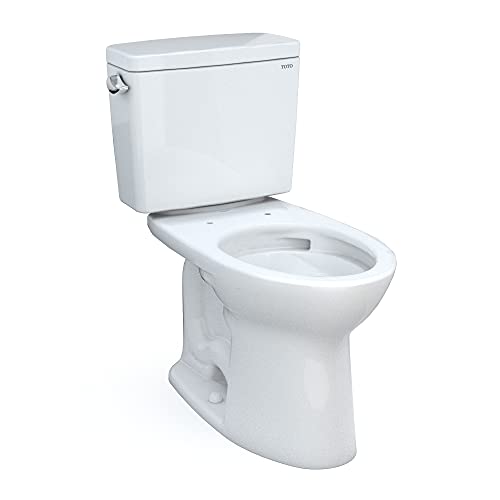
TOTO Drake
Everyday well-sealed default
4.8
A fully glazed CeFiONtect trapway, a strong 1,000 gram MaP flush and a deep water seal keep the bowl clean and the gas barrier intact, all at an efficient 1.28 gallons with a deep parts ecosystem.
A fully skirted base and a Tornado dual-jet wash leave fewer rough surfaces for the biofilm that breeds odor, with the same glazed trapway and a clean, complete flush that keeps the bowl fresh between uses.
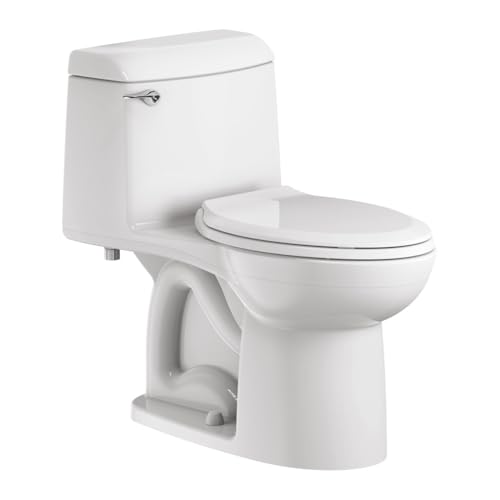
A canister flush valve releases the full tank for a complete, self-cleaning flush, and a comfort-height elongated bowl holds a generous water seal, making it a value pick that still keeps the gas barrier and the bowl in good shape.
Run these checks in order. Each is quick, and stopping at the first that clears the odor saves you money and effort. This is the same logic a methodical plumber follows.
1. Refill the trap and re-smell
Flush the toilet or pour a half-gallon of water slowly into the bowl, leave the room for ten minutes, then return and judge the smell fresh. On a rarely used or guest toilet, this restores an evaporated trap seal and often clears the odor entirely. Note how long the smell stays gone, because a fast return points you toward the vent.
2. Check the base for a failed wax ring
Press the bowl gently to see if it rocks, and inspect the floor around the base for dampness, dark staining or lifting flooring. A rocking toilet, a smell that worsens right after a flush, or any moisture at the base all point to a failed wax ring that lets gas escape around the floor flange.
3. Watch for vent symptoms
Flush and watch the bowl, and run a nearby sink or tub. Gurgling or bubbling in the toilet, slow draining across fixtures, or a sewer odor that comes back within a day or two of refilling the trap all signal a blocked plumbing vent that is siphoning the seal and backing gas into the house.
4. Deep clean the bowl, rim and jets
Scrub the bowl and especially up under the rim where the jets sit, clear any scale from the rim holes, and pour vinegar or a diluted bleach solution down the overflow tube before flushing. If a thorough clean removes a lingering smell, the cause was bacteria and biofilm, not sewer gas, and the plumbing is fine.
5. Inspect for cracks and bad gaskets
Dry the toilet, add food coloring to the tank, and check for tinted seepage and fine cracks in good light, including low on the bowl. Unexplained dampness with no base leak, or a damp, sewage-tinged smell at the back of the toilet, can mean a cracked trapway or a failed tank-to-bowl gasket, which usually means replacing the fixture.
6. Call a plumber if the vent or flange is involved
If symptoms point to the roof vent, or the floor flange is cracked or sits below the finished floor, bring in a professional. Clearing a vent stack safely involves roof access, and a damaged flange needs proper repair to seat a new wax ring correctly and keep the seal airtight.
Editorial Take
Resist the urge to jump straight to a new toilet. In the field, the order that solves the most sewer odors for the least money is trap refill, then wax ring, then a deep bowl clean, and only then the vent and the fixture itself. We have seen homeowners replace a perfectly good toilet when a half-gallon of water down the bowl, or a low-cost wax ring and a proper reseat, would have ended the problem. Replace the fixture only when you can point to the specific fault, a hairline trapway crack or a failed gasket, that makes it the cause. When you do replace, choose a glazed enclosed trapway with a deep water seal and you buy years of odor-free service.
Is sewer gas from a toilet dangerous to breathe?
In small, occasional amounts sewer gas is mostly an unpleasant nuisance, but sustained or strong exposure is worth fixing promptly. Hydrogen sulfide, the rotten-egg component, can cause headaches, nausea and irritation at higher concentrations, and methane is flammable. Treat any persistent sewer smell as a real plumbing fault to correct rather than ignore, and ventilate the room while you diagnose it.
Across the major brands, the pattern for odor resistance holds. TOTO leads on glazed trapways and clean-flushing engineering with the Drake, Drake II and UltraMax II. Kohler counters with the canister-valve Cimarron, Highline and Santa Rosa. American Standard offers the Champion 4 and the value Cadet 3, while Woodbridge, Swiss Madison and Gerber bring modern skirted styling, with the Woodbridge T-0001, the Swiss Madison St. Tropez and the Gerber Avalanche all designed as fully enclosed bowls that are easy to keep clean. Whichever brand you choose, demand a glazed enclosed trapway, a strong complete flush and a deep water seal, and a fixture that quietly keeps sewer gas where it belongs.
The bottom line
Clearing the sewer smell for good
A toilet that smells like sewer is sending a signal, not a verdict on your whole house. The cause is almost always a specific, findable break in a seal: an evaporated trap, a tired wax ring, a blocked vent, a fouled bowl or, rarely, a cracked fixture. Work through them in order, starting with the free fixes, and most households clear the odor without replacing anything at all. When the diagnosis does point to the fixture, read the spec sheet and choose a model with a glazed enclosed trapway, a deep water seal and a strong MaP flush, and the smell stops being part of your bathroom. Confirm the cause first, then check the current price on Amazon for whichever fix or replacement your diagnosis calls for.
Our Verdict
Diagnose before you spend. Refill the trap, check the base for a failed wax ring, deep clean the bowl, then rule out the vent, in that order. Most sewer odors end there for free or close to it. If the fixture itself is leaking gas through a crack or bad gasket, a well-sealed TOTO Drake with its glazed trapway and 1,000 gram MaP flush is the durable fix, with the fully skirted Drake II for the easiest cleaning and the Kohler Cimarron as a strong value alternative.
Manufacturer published specifications (TOTO, Kohler, American Standard)
FAQ
Toilet sewer smell questions answered
? Why does my toilet suddenly smell like sewer?
A sudden sewer smell most often means the trap seal that blocks gas has dropped or broken. On a toilet that sits unused, the bowl water evaporates until gas can pass; on a used toilet, a venting fault may be siphoning the trap empty. Flush or pour water into the bowl first, and if the smell returns quickly, move on to checking the wax ring at the base and the plumbing vent.
? Why does my toilet smell only when I flush it?
A smell that worsens right after a flush usually points to a failed wax ring at the base or a blocked vent. The flush briefly pressurizes the system and pushes gas out through whatever seal has broken, which is often the gasket where the toilet meets the floor drain. Check whether the toilet rocks and whether the floor around the base is damp or stained.
? Can a dried-out toilet trap really cause a sewer smell?
Yes, and it is the single most common cause. The standing water in the bowl and trapway is a physical plug that blocks sewer gas. In a guest bathroom, basement or vacation home, that water evaporates over a week or two until the seal fails and gas flows up freely. Flushing or pouring a half-gallon of water into the bowl restores the seal instantly and clears the odor.
? How do I know if my wax ring is bad?
The telltale signs are a toilet that rocks when you press on it, a sewer smell that gets worse after flushing, and dampness, dark staining or lifting flooring around the base. The wax ring seals the toilet to the floor flange, and when it cracks or shifts, gas escapes around the base and a slow water leak often appears alongside it. Reseating the toilet with a new ring fixes it.
? What does a blocked plumbing vent do to my toilet?
A blocked vent stops the drain system from breathing. Flushing then creates a vacuum that siphons water out of the trap, breaking the gas seal, and sewer gas that should exit the roof gets pushed back into the house. The signs are gurgling in the bowl when nearby drains run, slow draining across fixtures, and an odor that returns within a day or two of refilling the trap. The vent stack usually needs clearing from the roof.
? Is sewer gas from a toilet harmful?
In small, occasional amounts it is mostly an unpleasant nuisance. Sustained or strong exposure is worth correcting promptly, since the hydrogen sulfide that gives the rotten-egg smell can cause headaches, nausea and irritation at higher concentrations, and methane in sewer gas is flammable. Ventilate the bathroom while you diagnose the cause and treat any persistent sewer smell as a real plumbing fault to fix rather than ignore.
? Why does my basement or guest toilet smell worse?
Toilets that sit unused are the classic case of a dried trap seal, because the bowl water evaporates with nothing to refresh it. Basement toilets can also sit lower in the drain system where gas concentrates. Flush these fixtures regularly, or add a tablespoon of mineral oil to the bowl, which floats on the water and slows evaporation so the gas barrier holds for weeks between uses.
? Can a cracked toilet cause a sewer smell?
Yes, though it is less common than seal and vent problems. A hairline crack that reaches the trapway or the sealed waste passage lets gas seep out and usually leaks a little water, often showing as unexplained dampness on the floor. Dry the toilet and inspect in good light, and add food coloring to the tank to check for seepage. A cracked toilet generally needs replacing, since porcelain repairs rarely hold.
? Why does my toilet smell even after I clean it?
If a thorough clean does not clear the odor, the problem is in the plumbing rather than the bowl surface. Most likely the trap seal is broken, the wax ring has failed, or the vent is blocked, none of which scrubbing can fix. Work through refilling the trap, checking the base and watching for vent symptoms. If cleaning the rim, jets and tank does clear it, the cause was biofilm, not sewer gas.
? Can bacteria in the bowl smell like sewer?
Yes. Bacteria and biofilm colonize the underside of the rim, the jets, the bowl water and the tank, releasing a sulfurous, decaying smell that mimics sewer gas even when the plumbing is sealed. The tell is an odor that lingers regardless of flushing, plus visible film or staining. A deep clean of the bowl, rim and jets with vinegar or diluted bleach down the overflow tube usually removes it entirely.
? How do I refill a toilet trap that has dried out?
Simply flush the toilet, or pour a half-gallon of water slowly into the bowl until the standing water level looks normal. That restores the liquid plug in the trapway that blocks sewer gas. For a fixture you rarely use, add a tablespoon of mineral oil afterward; the thin oil film floats on the water and slows evaporation, keeping the seal intact far longer between uses.
? Does a new toilet always fix a sewer smell?
Only if the old fixture was the actual cause. A new toilet ends the smell when the previous one had a cracked trapway or a chronically failing seal. It does nothing if the real problem is a blocked vent, a damaged floor flange, or a drain-line issue, because those are part of the plumbing the toilet connects to, not the toilet itself. Diagnose first, then replace only if the fixture is at fault.
? Why does the smell come back a day or two after I fix it?
A smell that returns quickly after you refill the trap means the seal is being broken faster than evaporation could explain, which points to a venting problem. A blocked or restricted vent siphons water out of the trap during drainage and pushes gas back into the house. This pattern is the clearest sign to inspect or clear the roof vent stack rather than just refilling the bowl repeatedly.
? Can hard water contribute to toilet odor?
Indirectly, yes. Hard water leaves mineral scale in the rim jets, the siphon jet and the trapway, and that rough, porous buildup gives bacteria and biofilm more surface to grow on, which produces a sewage-like smell. Regular descaling with vinegar or a commercial product keeps the surfaces clean, and choosing a glazed trapway like TOTO's CeFiONtect leaves fewer footholds for the buildup that breeds odor.
? Will an air freshener fix the problem?
No, it only masks it. An air freshener covers the smell temporarily while sewer gas keeps escaping a broken seal or biofilm keeps growing in the bowl. Relying on it can also let a slow water leak from a failed wax ring go unnoticed and damage the floor. Find and fix the actual cause, then a clean, well-sealed toilet stays fresh on its own without constant masking.
? Does a glazed trapway help with odor?
It helps in two ways. A glazed, fully enclosed trapway like TOTO's CeFiONtect is smoother, so waste and the residue that feeds bacteria are less likely to cling, and the slick surface resists the scale and biofilm that produce a sewage smell. It also pairs with the deep water seal and complete flush that keep the gas barrier full and the bowl clean, all of which reduce odor at the source.
? Should I call a plumber for a sewer smell?
Start with the DIY checks, since most sewer odors trace to a dried trap, a wax ring or a fouled bowl, all of which you can address yourself for little or no money. Call a plumber when symptoms point to a blocked roof vent, when the floor flange is cracked or sits below the floor, or when multiple fixtures gurgle and drain slowly, which signals a deeper drain or vent fault beyond a single toilet.
? Can a sewer smell mean a problem beyond the toilet?
Yes. When the odor comes with gurgling and slow draining across several fixtures, the cause is more likely a shared vent or main drain-line problem than the toilet alone. A smell isolated to one toilet, on the other hand, usually means that fixture's trap, wax ring or bowl is the issue. Whole-house symptoms call for inspecting the vent stack and main line, often with professional help.
? How can I stop a sewer smell from coming back?
Once you have fixed the immediate cause, keep the trap full by flushing unused toilets regularly or adding mineral oil to the bowl, keep the base bolts snug and the wax seal intact, have the roof vent checked if you have had venting symptoms, and clean the bowl, rim and jets periodically to prevent biofilm. A well-maintained, well-sealed toilet should stay odor-free indefinitely between those routine steps.
Derek researches plumbing specifications, installation requirements and parts availability, cross-checking manufacturer claims against owner-reported reliability. Rankings are based on documented data and real owner reports, never paid placement.
Updated August 2026 · Toilets
Keep reading
Related guides
Why Toilet Trapways Are Curved Like an S
Toilets
4.6
Learn why toilet trapways curve like an S, how each bend blocks sewer gas, and what the shape means for clogs and…