The most expensive toilet leaks are the ones you never see. Water silently moving from the tank into the bowl through a worn flapper can waste 200 gallons a day and add hundreds of dollars to an annual water bill before anyone notices. This guide explains every confirmed method to detect a toilet leak, where it is most likely to come from, how serious each type is, and when to repair versus replace, using published data, engineering specs, and the same spec-first research approach we apply across the site.
Quick Answer
Add 15 drops of food coloring to the tank, wait 15 minutes without flushing, and check the bowl. Color in the bowl confirms a flapper leak, the cause behind roughly 80 percent of silent toilet leaks. If the bowl stays clear but water still appears on the floor, dry the base and flush repeatedly to catch a wax-ring or tank-bolt leak instead.
Toilet leaks divide into two fundamentally different families, and understanding which family you are dealing with determines every step that follows. The first is an internal leak, where water passes from the tank into the bowl continuously, never reaching the floor, wasting water invisibly and causing the fill valve to cycle on periodically even when nobody has used the toilet. The second is an external leak, where water escapes the fixture itself onto the floor, underneath the tank, or down the supply line, threatening the subfloor and in upstairs bathrooms the ceiling below. The damage, the urgency, and the tests that confirm each type are completely different.
Most homes have at least one leaking toilet at any given time without knowing it. The EPA estimates that the average American household leaks nearly 10,000 gallons of water per year and that toilet flappers, flush valves, and fill valves account for the majority. At the plumbing level, a toilet is an assembly of rubber seals rated for a few years of use inside a ceramic fixture rated for decades, which means every toilet will eventually develop a leak at one of its consumable parts. Knowing how to find it early is the only way to avoid the delayed bill that reveals a problem that was already months old. For the broader context on how toilet tank mechanics and flushing power relate to long-term reliability, see our picks for the best flushing toilets and our roundup of the best toilets of 2026 for every bathroom.
Start with your ears. Before any test, stand in a quiet bathroom for sixty seconds. A toilet that hisses, trickles faintly, or whose fill valve kicks on a few minutes after nobody has flushed is most likely leaking internally right now. That sound alone tells you the tank is losing water somewhere. Then scan the floor: any dampness, soft spots, discoloration, or a faint sewer smell around the base points to an external leak, and that one requires faster action.
How do you tell if a toilet is leaking?
The fastest way to tell if a toilet is leaking is the dye test for internal leaks: add 10 to 15 drops of food coloring to the tank, wait 15 minutes without flushing, and check the bowl. If the bowl water has tinted, the flapper is leaking. For external leaks, dry the floor thoroughly, flush several times, and look for new water appearing at the base, under the tank, or along the supply line.
These two tests together cover the overwhelming majority of toilet leaks that exist. The dye test is specific to the internal category because it colors the tank water and then reveals whether any of that colored water migrates past the flapper into the bowl on its own. The external inspection is specific to leaks that escape the fixture, which only become visible when water appears somewhere it should not be after a flush. Running both tests in sequence takes less than thirty minutes and costs nothing beyond a bottle of food coloring, yet they identify whether you have a leak, what type it is, and often which specific part is failing.
A third category that often gets confused with a leak is condensation. When the cold water in the tank chills the porcelain below the dew point of warm bathroom air, moisture condenses on the outside of the tank and drips to the floor, mimicking a base leak. The distinction is the pattern: condensation coats the entire exterior surface evenly and is worst in humid summer conditions, while a real leak concentrates at a specific joint, connection, or the floor seam at the base.
What is the dye test for a toilet leak?
The dye test confirms an internal toilet leak. Drop 10 to 15 drops of dark food coloring or a dye tablet into the tank water only, then wait 15 to 20 minutes without flushing. If the bowl water has tinted any color, water is leaking from the tank past the flapper into the bowl. If the bowl stays perfectly clear, the flapper is sealing and any running sound comes from the overflow tube or fill valve instead.
The physics of the dye test are simple. The flapper sits at the bottom of the tank and creates the only seal between the tank and the bowl. When the rubber stiffens, warps, or develops a rough edge from mineral buildup or chlorine degradation, it no longer seals flat and water seeps past it down into the bowl. That flow is usually slow enough to be inaudible but fast enough to send the tank level down far enough to trigger the fill valve every thirty minutes to a few hours, which is what ghost flushing or phantom flushing sounds like. Coloring the tank water makes the invisible flow visible in the bowl.
To run the test correctly: lift the tank lid, add enough dark food coloring to clearly tint the water, and replace the lid. Do not flush during the wait. After fifteen to twenty minutes, lift the lid to check that the dye is still in the tank, then look in the bowl. Any color in the bowl, even faint streaks, confirms a flapper or flush-valve-seat leak. Flush once to clear the dye and prevent staining. If the bowl is clear, move on to check the overflow tube and fill valve before concluding there is no leak at all.
The pencil-mark test. For a more precise internal leak check: after the tank fills and the fill valve shuts off, mark the water line inside the tank with a pencil. Turn the supply valve at the wall off. Wait 30 minutes and look at the water line. If it has dropped below the mark, water is escaping through the flapper into the bowl. If it is still at the mark, the flapper is sealing and any running sound is the fill valve allowing water over the overflow tube instead, which is a different adjustment.
How do you know if your toilet is leaking from the base?
A toilet leaks from the base when water appears on the floor around the base after flushing, when the floor feels soft or is discolored, or when there is a recurring sewer smell even after cleaning. The standard confirmation test is to dry the floor completely, flush four or five times in quick succession, then watch the seam at the base for water welling up. The usual cause is a failed wax ring or a toilet that rocks on loose closet bolts.
A base leak is the leak category that cannot wait, because water reaching the subfloor causes structural rot and mold, and in a two-story home the water migrates to the ceiling below within days. The wax ring is the circular seal compressed between the toilet horn at the base of the bowl and the closet flange in the floor when the toilet is set. It is rated to last decades if the toilet never moves, but a rocking toilet, which develops when the closet bolts loosen or when an uneven floor creates a gap under one side of the base, gradually compresses and ruptures the wax ring with each flush. Sewer gas then escapes through the broken seal, which is why the smell of sewage after every flush is a classic wax-ring signature before visible water leakage even begins.
To confirm a base leak cleanly, wipe the floor around the entire perimeter of the base bone-dry, then flush three to five times consecutively to produce multiple pressure cycles against the seal. Watch the seam where the toilet base meets the floor tile. Water welling up there, particularly after multiple flushes, confirms a failed seal. Gently press on the bowl in different directions and feel for any rocking movement; a toilet that moves even slightly will eventually break any wax ring. A stable toilet that still leaks at the base points to a deteriorated ring rather than loose bolts.
Where do toilets leak from most often?
Toilets most commonly leak internally from the flapper, which is a rubber valve that wears out in three to five years. The next most common leak sources are the fill valve, the tank-to-bowl gasket and tank bolts, the supply line connections, and finally the wax ring at the base. The flapper accounts for the large majority of toilet leaks because it is the only consumable rubber part subjected to full water pressure from every flush.
The wear order follows the stress each part absorbs. The flapper opens and closes with every flush and maintains a constant pressure seal between cycles; its rubber surface is also exposed to any chlorine or chemical additives placed in the tank. The fill valve and its float are in contact with water constantly and its seal wears from the inside. Tank bolts and the tank-to-bowl gasket are under compression rather than motion, so they fail more slowly, typically when their rubber washers harden after five to ten years. The supply line braided hose is generally durable but its metal nut connections can work loose or the plastic seat washers can crack. The wax ring is the most durable component in normal conditions, but it fails early when the toilet rocks.
Leak Source
Type
How to Confirm
Typical Lifespan
Severity
Flapper
Internal (into bowl)
Dye test tints the bowl
3 to 5 years
Cheap fix
Fill valve / overflow
Internal (over tube)
Water level at or above overflow tube
5 to 7 years
Cheap fix
Tank-to-bowl gasket
External (under tank)
Drips under tank after each flush
5 to 10 years
Moderate
Tank bolts
External (under tank)
Rust streaks, damp washers
5 to 10 years
Moderate
Supply line
External (at wall or tank)
Dry tissue at the nuts picks up moisture
8 to 12 years
Cheap fix
Wax ring (base)
External (floor seam)
Water at base seam, sewer smell
20+ years if stable
Bigger job
The step-by-step leak detection sequence
Work through these steps in order from most common to least. The majority of leaks are confirmed by step three. Each step builds on the previous one so that you do not waste time replacing the wrong part.
Step 1: Listen and observe before touching anything
Go into a quiet bathroom at night or during a period of low household noise. A leaking toilet will often betray itself through sound before any visible sign appears. Listen for a continuous faint hiss from inside the tank, a trickle of water into the bowl, or the fill valve cycling briefly every fifteen minutes to a couple of hours even though nobody has flushed. Any of these means the tank is losing water somewhere. At the same time, examine the floor around the base and the supply line connection at the wall for any dampness, mineral crust, rust stains, or discoloration. Note any musty or sewer smell. These free observations tell you immediately whether to pursue an internal or external leak first and may narrow the location before a single test is run.
Step 2: Run the dye test for an internal flapper leak
Add ten to fifteen drops of dark food coloring or a dye tablet to the tank water and do not flush for fifteen to twenty minutes. Check the bowl. Color in the bowl confirms a flapper or flush-valve-seat leak. If the bowl is clear, the flapper is sealing. Flush once to clear the dye. This single test resolves the most common toilet leak in every home without any tools or parts.
Step 3: Check the overflow tube and water level
If the dye test is negative but the fill valve still cycles on its own, remove the tank lid and look at the standing water level. It should sit roughly one inch below the rim of the overflow tube, which is the open vertical pipe at the center of the tank. If the water level reaches or exceeds the overflow tube rim, water is continuously spilling into the bowl over the tube rather than through the flapper. This is not a seal failure; it is a float or fill-valve adjustment and can be fixed for free by lowering the float setting so the valve shuts off at a lower water level.
Step 4: Check the tank-to-bowl gasket and tank bolts
If the dye test is clear and the water level is fine but water still appears somewhere around or under the toilet after a flush, dry the underside of the tank and the top of the bowl connection completely. Flush and watch immediately for water beading at the tank-to-bowl junction or dripping from the two tank bolt areas on the bottom of the tank. A darkened or hardened gasket lip or rust-streaked bolt washers confirm this source. Gently snugging the nuts on the tank bolts by a quarter turn at a time can stop a minor weep, but a gasket that has hardened needs replacement. Use caution when tightening: porcelain cracks at lower torque than most people expect.
Step 5: Test the supply line and shutoff valve
The braided supply line that connects the wall shutoff valve to the fill valve at the bottom of the tank has two connections that can drip. Run a dry paper towel or tissue deliberately around the nut at the wall valve, around the nut at the bottom of the tank, and around the body of the shutoff valve itself. Any moisture transferred to the dry paper confirms a weeping connection. A loose nut typically stops with a quarter turn of a wrench, and a cracked supply line or corroded shutoff valve needs full replacement. Supply-line leaks are easy to miss because water can travel along the hose and drip from a point well below the actual source.
Step 6: Confirm a base or wax-ring leak
If all the above tests come back clean but water still appears on the floor, the wax ring or the base seal is the likely source. Dry the floor around the entire perimeter of the base. Flush four or five times consecutively, producing multiple pressure cycles. Watch the seam at the floor. Water welling up, a returning sewer smell, or a soft or springy floor surface around the base confirms the wax ring. Press gently on the bowl from different directions to feel for rocking. Pulling the toilet to replace the wax ring is a larger job than any of the above repairs, but once the wax ring is confirmed it is the only fix that works. Our dedicated guide on a toilet leaking at the base walks through the wax-ring replacement sequence in detail.
Editorial Take
The highest-value habit you can build is running the dye test on every toilet in the house twice a year, scheduled when you change the smoke detector batteries in spring and fall. The leaks that cost the most are the silent ones. We see this same pattern consistently in aggregated owner reports: a water bill that climbed over three to five months, traced back on investigation to a single flapper that had stiffened and was leaking past its seat continuously. A fifteen-minute free test with food coloring would have caught it immediately. Make it routine and the bill surprise never happens.
How much water does a leaking toilet waste?
A leaking toilet can waste anywhere from a few gallons to over 200 gallons of water per day depending on the severity of the leak. The EPA estimates that household leaks account for nearly 1 trillion gallons of water wasted nationally each year, with toilet flappers, fill valves, and flapper seats being the leading cause. At typical water rates, a moderate silent flapper leak can add 50 to 100 dollars to a monthly water bill without any visible sign.
To put the numbers in concrete terms, a flapper that leaks at a slow drip rate measurable in the bowl still passes water continuously, twenty-four hours a day, seven days a week. A leak rate of just one gallon per hour amounts to 720 gallons a month and over 8,600 gallons a year from a single toilet. A faster leak that allows a steady trickle into the bowl can lose 200 or more gallons per day, which adds up to more than 6,000 gallons a month. Because this water goes straight down the drain and the toilet refills silently from the tank, the entire loss appears only on the water meter and the bill, not on the floor or anywhere visible.
One practical method to detect a hidden leak before running any other test is the meter check. Read your water meter at night, ensure no water is used anywhere in the house for two to three hours, and read the meter again. Any movement in the meter with everything off means water is escaping somewhere, and a toilet is the most common source. The dye test on each toilet then identifies which one. Our guide on reducing toilet water use covers efficient flushing alongside leak prevention, and our overview of EPA WaterSense toilets explains the certification that defines efficient certified models.
Is my toilet leaking or just sweating?
If water collects on the outside of the tank and drips to the floor, the toilet is sweating from condensation rather than leaking. Condensation forms when cold water in the tank chills the porcelain below the dew point of warm, humid bathroom air. The key difference: sweating wets the entire exterior surface evenly, while a real leak appears at a specific joint, connection, or the floor seam at the base and only after a flush.
Tank condensation is most common in humid summer months and in bathrooms with poor ventilation. Cold water enters the tank during the refill cycle and the temperature contrast with warm room air causes moisture to condense on the porcelain exterior, exactly as it does on a cold drink glass. The water then runs down and pools on the floor at the base, which looks identical to a wax-ring leak to anyone who has not looked at where the water is actually coming from.
To distinguish sweating from a leak cleanly, wipe the entire exterior of the tank and bowl bone-dry. Wait thirty to sixty minutes without flushing. If the exterior surface re-fogs evenly across the whole tank and the drip resumes before any flush, it is condensation. If the exterior stays dry until you flush and then water appears at a specific joint, the base seam, or the supply connection, it is a real leak at that location. Remedies for condensation include a tank insulation liner, improving bathroom ventilation, or a toilet with a built-in tank-within-a-tank design that keeps cold water isolated from the outer porcelain. Our guide on toilet sweating and condensation covers the specific fixes in detail.
Which toilet parts wear out and cause leaks first?
The flapper is the first toilet part to wear and cause leaks, typically failing within three to five years as rubber stiffens and loses its sealing edge. The fill valve and float assembly follow, usually lasting five to seven years. Supply-line washers and tank-bolt rubber gaskets can last five to ten years. The wax ring lasts decades in a stable toilet but fails early if the toilet rocks, and the porcelain bowl and trapway essentially never wear out from normal use.
The wear order helps you decide how to approach a repair. When a toilet is leaking internally and is three or more years old, the flapper is the right first suspect and a two-dollar replacement part is the right first test. When a toilet is seven or more years old and leaking from multiple internal points, the practical move is a complete toilet repair kit that replaces the flapper, fill valve, and any hardware that has aged past its normal service window, resetting all the consumable seals at once for ten to twenty dollars in parts. The bowl, trapway, tank, and porcelain base are essentially permanent, which is why a leaking toilet is almost never a reason to replace the fixture if the porcelain is undamaged.
In-tank chemical tablets, particularly chlorine bleach tablets that sit in the tank water, are known to accelerate flapper degradation. Many toilet manufacturers, including TOTO, Kohler, and American Standard, explicitly note in their installation and warranty documentation that in-tank chlorine tablets can void coverage on tank parts. If you use them, expect to replace the flapper more often, and consider switching to rim-hanging or bowl-targeted cleaners that do not contact the tank hardware.
When should you replace a leaking toilet instead of fixing it?
Replace a leaking toilet rather than repairing it when the tank or bowl porcelain is cracked, when you have already rebuilt all the tank parts and it still leaks, or when the toilet is an older low-efficiency 3.5 GPF or early 1.6 GPF model that also flushes weakly. A modern EPA WaterSense 1.28 GPF toilet with a high MaP flush score ends the leaking, flushes harder, and reduces water consumption by 20 percent or more compared to pre-2000 models.
The repair-versus-replace calculation is straightforward once you define which parts have failed. Consumable soft parts, the flapper, fill valve, supply line, and wax ring, are always worth replacing because they are inexpensive, the job is manageable, and the resulting toilet is effectively renewed. The only exceptions are a cracked tank or bowl, which cannot be safely repaired, and a toilet that has already had multiple tank rebuilds in a short period, which suggests a design or water-chemistry issue that repairs will not solve permanently.
The value of an upgrade is clearest when the existing toilet is also old and inefficient. A pre-1994 toilet typically uses 3.5 GPF. A first-generation 1.6 GPF toilet from the 1990s often has a weak flush performance, commonly scoring below 500 grams on the MaP test, the industry benchmark for flush capacity where 600 grams is the minimum acceptable and 1,000 grams is the target. A modern WaterSense toilet at 1.28 GPF or 1.0 GPF can score 1,000 grams on the MaP test while using roughly 20 percent less water per flush than the old 1.6 GPF standard. The combined water savings and zero ongoing leak maintenance cost makes the upgrade financially compelling. For buyers navigating this decision, our guide to reliable toilets for daily home use and our comparison of the best toilets for large families cover the top-performing models by household type.
Top recommendations if you decide to replace
If a confirmed leak, cracked porcelain, or an aging inefficient toilet makes replacement the right call, these three models are the most reliable upgrades available in 2026. All three carry EPA WaterSense certification, score 1,000 grams or better on the MaP flush test, and use durable, parts-friendly tank hardware designed to minimize the risk of future leaks.
Most Reliable
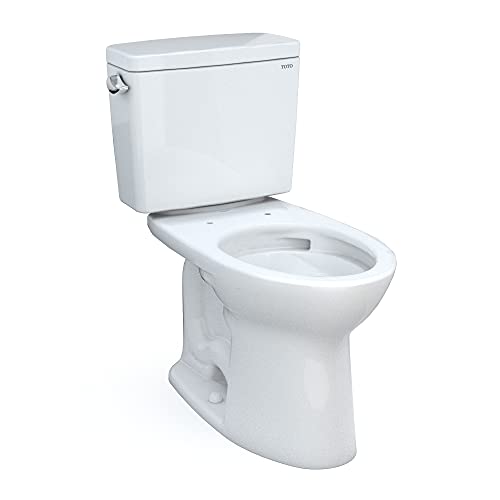
TOTO Drake II
Long-life flapper, 1,000-gram MaP score
4.8
A 1,000-gram MaP score, a 3-inch flush valve, a durable rubber flapper widely praised in aggregated owner reviews for lasting well past five years without leaking, and a large trapway at 2.5 inches that resists clogging make the Drake II the most dependable daily-driver two-piece available.
Kohler's Class Five canister flush valve seals across a wide circular surface rather than a single flapper edge, which is geometrically more resistant to the gradual warping and stiffening that causes most internal flapper leaks. At 1.28 GPF with a 1,000-gram MaP score and WaterSense certification, it is a smart upgrade for any household that has dealt with repeat flapper leaks.
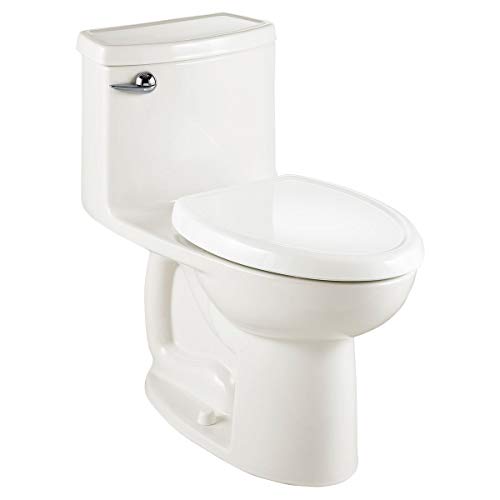
The Cadet 3 uses a wide-seated flapper and a reliable fill valve that is straightforward to replace when the time comes, scoring 1,000 grams on the MaP test at 1.28 GPF. It is the most accessible replacement pick for homeowners who want a proven, low-maintenance toilet from a major brand without paying a premium price.
Check every toilet for leaks at least twice a year using the dye test, and immediately any time the water bill rises unexpectedly or the fill valve cycles on without a flush. Toilets in high-use households, where the flapper opens and closes dozens of times a day, wear their rubber seals faster than lightly used guest bathroom fixtures and benefit from a quarterly check.
The twice-yearly cadence aligns the leak check with the natural rhythm most households already use for seasonal maintenance tasks. Running the dye test on every toilet takes less than twenty minutes for the whole house and catches a worn flapper before it wastes thousands of gallons. Pair the dye test with a physical inspection: look and feel around each base for dampness or soft flooring, run a dry towel along each supply line and its connections, and press on each bowl gently to feel for any rocking that could be working on the wax ring below. These combined checks cost nothing and take very little time but prevent the slow accumulation of water damage and water waste that makes toilet leaks so expensive over time.
Households with toilets that see heavy daily use wear their flappers faster than average, because the rubber opens and closes far more times per day. If yours fits that description, our guide to the best toilets for large families covers durable, low-clog designs with robust tank hardware built for that load. And if you are evaluating comfort-height models for older users, our roundup of the best toilets for seniors covers the same leak-resistant brands in comfort-height configurations.
Editorial Take
The honest repair-versus-replace calculus: keep the toilet and rebuild the tank parts if the bowl flushes adequately and the porcelain is undamaged. A toilet repair kit that bundles a fresh flapper, fill valve, and tank-to-bowl gasket for ten to twenty dollars renews every consumable seal at once and extends the toilet's useful life by years. The only time replacement wins clearly is when the porcelain is cracked, when the toilet has been rebuilt multiple times and still leaks, or when the fixture is an old low-flow model wasting water with a weak flush. In that case a modern TOTO Drake II, Kohler Cimarron, or American Standard Champion 4 ends the leak cycle, flushes harder, and lowers the water bill simultaneously, which outperforms another repair on any reasonable time horizon.
Summary: how to find a toilet leak fast
Confirming a toilet leak follows a short, free sequence. Listen in a quiet bathroom first; a hissing, trickling, or self-cycling fill valve announces an internal leak in real time. Run the dye test to confirm a flapper leak or rule it out. Check the overflow tube and water level if the dye comes back clean. Inspect the tank-to-bowl gasket and supply-line connections for external seeps. Test the base last, with the floor dried and multiple flushes. Those steps identify the large majority of leaks for free in under half an hour. The fix in most cases is a cheap flapper, a gasket, a washer, or a supply line. If a cracked tank or a worn-out old model is the real cause, a high-MaP WaterSense toilet from TOTO, Kohler, American Standard, Woodbridge, Swiss Madison, or Gerber is the permanent solution. Confirm the rough-in distance matches your floor drain before ordering any replacement.
Manufacturer published specifications (TOTO, Kohler, American Standard)
FAQ
Frequently asked questions
? How can I tell if my toilet is leaking without calling a plumber?
Add 10 to 15 drops of food coloring to the tank, wait 15 to 20 minutes without flushing, and check the bowl. Color in the bowl confirms a flapper leak. For external leaks, dry the floor around the base, flush several times, and watch for water at the base seam or under the tank. Run a dry paper towel along the supply line to catch weeping connections. These free tests identify nearly every toilet leak without professional tools.
? What does a toilet dye test actually show?
The dye test confirms whether water is leaking from the tank into the bowl past the flapper. You add dark food coloring to the tank only, wait without flushing, and check the bowl. If the bowl water has tinted, the flapper is not sealing and water is passing through it continuously. If the bowl stays clear, the flapper is sealing properly and any running sound is coming from a different source, usually water spilling over the overflow tube.
? Can a toilet leak without any water on the floor?
Yes. Silent internal leaks are the most common type and the most expensive. Water passes from the tank into the bowl past a worn flapper and goes straight down the drain, so nothing ever appears on the floor. The only signs are a faint hiss, the fill valve cycling on by itself every so often, or a higher-than-expected water bill. The dye test is the only reliable way to catch these invisible leaks.
? Why is there water on the floor near my toilet?
Water on the floor near a toilet comes from one of three places: a base leak from a failed wax ring, a tank-to-bowl gasket or supply line dripping and running down to the floor, or condensation on the tank exterior in humid conditions. Dry the floor, flush several times, and watch where the water first reappears. If it wells up at the base seam it is a wax-ring leak. If it drips from above the base, trace it up to the tank or supply connection.
? Why does my toilet run on its own at random times?
That is called ghost flushing or phantom flushing, and it means the tank level is slowly dropping low enough to trigger a brief fill cycle. The most common cause is a leaking flapper that lets water seep from the tank into the bowl. The second cause is a float set too high, letting water spill into the overflow tube. The dye test distinguishes them: if the bowl tints, the flapper is leaking; if it stays clear, check whether the water level is at the overflow tube rim.
? How much water does a leaking toilet waste per day?
It depends on the severity of the leak. A slow flapper seep wastes around 20 to 30 gallons a day. A moderate leak wastes 50 to 100 gallons a day. A fast leak can waste 200 or more gallons a day. The EPA estimates household leaks account for nearly 1 trillion gallons of wasted water nationally each year, with toilet flappers and fill valves being the leading cause. A few dollars spent on a new flapper eliminates the waste immediately.
? How do I check for a toilet leak using a water meter?
Read the water meter before bed when no water will be used for several hours. Read it again in the morning without using any water. If the number has changed, water is escaping somewhere in the home. Check every toilet with the dye test first, since toilets account for the majority of silent household leaks. Even a difference of a small fraction on the meter dial after a few hours indicates a meaningful continuous leak.
? Is a hissing toilet always leaking?
A hissing sound from the toilet usually means water is entering the tank to replace water that is escaping somewhere. It can mean the flapper is leaking past its seat, water is spilling over the overflow tube because the float is set too high, or the fill valve itself is slowly failing. Run the dye test first to confirm a flapper leak or rule it out, then check the water level against the overflow tube to identify a fill-valve or float issue.
? What does a sewer smell from the toilet mean?
A recurring sewer or sewage smell around the base of the toilet, particularly after every flush, is a classic sign of a failed wax ring. The seal between the toilet horn and the floor drain has broken, letting sewer gas escape. Confirm it with the base test by drying the floor and watching for water after multiple flushes. A failed wax ring needs the toilet pulled and a new ring set, which is a more involved job than most internal repairs.
? How do I know if my toilet tank is cracked?
A cracked tank usually shows as a steady drip from the lower side of the tank even when it is not flushing. Empty the tank by shutting off the supply valve and flushing, then dry the interior and exterior thoroughly. Look for hairline cracks, staining from mineral deposits following a crack line, or any spot that stays wet after drying. A cracked tank cannot be safely repaired and means a new toilet, since the tank is under pressure with every flush.
? What is the difference between a running toilet and a leaking toilet?
A running toilet refers specifically to the fill valve cycling on to refill the tank, which can be caused by a leaking flapper (internal leak into the bowl), water spilling over the overflow tube (float too high), or a fill valve that does not shut off cleanly. A leaking toilet refers to any loss of water, internal or external. Every running toilet has an underlying leak or adjustment issue, but a leaking toilet does not always produce an audible running sound if the leak is slow.
? Why is water leaking from under my toilet tank?
Water appearing under the tank after a flush usually means the tank-to-bowl gasket or the tank bolt rubber washers have aged and lost their seal. Dry the area under the tank, flush, and watch for water at the junction between tank and bowl. Snugging the tank bolts gently a quarter turn at a time can stop a minor seep. A hardened or split gasket requires full replacement. Never overtighten the bolts, as porcelain cracks under surprisingly low torque.
? How long do toilet flappers last before they start leaking?
Most toilet flappers last three to five years under normal use. Hard water shortens this to two to three years because mineral buildup creates rough edges on the valve seat that prevent a clean seal. Chlorine in-tank tablets degrade rubber flappers faster than almost anything else. A flapper that is more than three years old, or one that shows any chalky, stiff, or tacky surface texture, is worth replacing proactively before it leaks.
? Can in-tank toilet tablets cause leaks?
Yes. Chlorine bleach tablets that sit in the tank water degrade rubber flappers and seals faster than normal aging. Many manufacturers including TOTO, Kohler, and American Standard note in their documentation that in-tank chlorine tablets can void warranty coverage on tank parts. If you prefer in-tank convenience, look for non-bleach enzyme tablets. Better yet, use rim-cleaning or bowl-targeted products that do not contact the tank hardware at all.
? Should I turn off the water if my toilet is leaking?
Yes, if you cannot fix it immediately. Close the shutoff valve at the wall behind the toilet by turning it clockwise until it stops. This halts any water waste or floor leak until you source the repair parts. Turn it back on briefly to flush if needed, then close it again. It is a reasonable temporary measure, but not a substitute for the actual repair. An external base leak in particular should not be left running long, given the subfloor damage that follows.
? How often should I check my toilet for leaks?
At minimum, run the dye test on every toilet twice a year and inspect each base and supply connection for dampness. Any unexpected rise in the water bill or a fill valve that cycles on by itself is a signal to run the test immediately outside the routine schedule. Toilets in heavy daily use, such as the main bathroom in a large household, benefit from quarterly checks because their flappers open and close far more times per day.
? When should I replace the toilet instead of fixing the leak?
Replace rather than repair when the tank or bowl porcelain is cracked, when you have already rebuilt all the tank parts and the leak persists, or when the toilet is an older low-efficiency model that also flushes weakly. A modern EPA WaterSense 1.28 GPF toilet scoring 1,000 grams on the MaP test eliminates the leak, flushes significantly harder than older low-flow designs, and reduces per-flush water use by 20 percent or more compared to pre-2000 models.
? Which toilets are least likely to develop internal leaks?
Toilets with canister flush valves, such as the Kohler Cimarron and Kohler Highline, seal across a wide circular surface rather than a single rubber flapper edge, which is geometrically more resistant to warping and stiffening. TOTO models including the Drake II and UltraMax II use high-quality flappers and flush valves that owner reviews consistently praise for durability. American Standard's Champion 4 also has a robust tank design with replacement parts readily available nationwide.
? Can a leaking toilet damage the floor?
Yes. An external base leak from a failed wax ring reaches the subfloor quickly and causes structural rot, mold, and in upstairs bathrooms staining and eventual ceiling damage below. Even a slow tank-to-bowl gasket drip that runs down the back of the bowl and pools behind the toilet can damage flooring over weeks. This is why external leaks are always more urgent than internal ones, and why drying the floor and confirming the source quickly matters.
? Do Gerber, Woodbridge, or Swiss Madison toilets have reliable tank parts?
Yes. The Gerber Viper and Gerber Avalanche use standard-sized flappers and fill valves that are widely replaceable. Woodbridge models including the T-0001 and T-0019 have accessible tank hardware with replacement parts available through the manufacturer. Swiss Madison's St. Tropez and other models also use replaceable tank components. For all brands, a toilet that develops a flapper leak after a few years is following a normal wear pattern and the fix is a standard replacement part, not a new toilet.
Our Verdict
You can confirm a toilet leak in under twenty minutes using free tests you can run right now. Listen for a hissing or cycling fill valve, run the dye test for a flapper leak, check the overflow tube and water level, then inspect the tank-to-bowl gasket, supply line, and base in that order. The fix in most cases is a two-to-five dollar flapper. A complete toilet repair kit replaces every consumable seal for ten to twenty dollars and extends the life of a sound fixture by years. If a cracked tank, a cracked bowl, or a worn-out inefficient old toilet is the real cause of repeat leaks, a modern 1.28 GPF model scoring 1,000 grams on the MaP test, from TOTO, Kohler, American Standard, Woodbridge, Swiss Madison, or Gerber, is the lasting answer that also cuts water use and eliminates the maintenance cycle permanently.
Nadia tracks EPA WaterSense certification, GPF and long-term water-saving performance, focusing on fixtures that cut water use without sacrificing flush power. All findings come from published efficiency data and verified owner reviews, not lab testing.
Updated August 2026 · Toilets
Keep reading
Related guides
Why Toilet Trapways Are Curved Like an S
Toilets
4.6
Learn why toilet trapways curve like an S, how each bend blocks sewer gas, and what the shape means for clogs and…