
Why Toilet Trapways Are Curved Like an S
Toilets4.6
Learn why toilet trapways curve like an S, how each bend blocks sewer gas, and what the shape means for clogs and…
Read the guideThat bubbling, groaning noise after you flush is not random. It signals a specific venting or drain problem -- and most causes can be resolved without calling a plumber. Here is exactly what is happening and how to fix it.
Toilet gurgling after a flush is caused by negative air pressure in the drain or vent stack. The four most common culprits are a clogged drain line, a blocked vent pipe, a failing wax ring, or a shared drain issue. Clearing the obstruction -- usually the vent stack or the drain -- eliminates the noise completely in most cases.
Gurgling after a flush happens when flushing water displaces air in the drain system faster than that air can escape through the vent stack. The trapped or rushing air forces its way back up through the toilet's water seal, creating the bubbling or gurgling sound. Any obstruction in the drain line or the plumbing vent will trigger this effect.
Every toilet drain is part of a larger drain-waste-vent (DWV) system. Water flows down and out; air must flow freely in the opposite direction to maintain neutral pressure. When the pressure balance is disrupted, the path of least resistance for that displaced air is the toilet trap -- the curved section of the bowl that holds standing water. Air forces through the water and creates the characteristic gurgle.
The sound itself falls into two categories: a short single gurgle immediately after flushing (usually a partial obstruction or minor vent restriction), and a prolonged bubbling that lasts several seconds or recurs throughout the day (typically a more serious blockage, a shared drain problem, or a failing seal). Identifying which pattern you have narrows down the diagnosis significantly.
A single gurgle immediately after a flush is rarely an emergency. But gurgling that happens spontaneously -- when no water is running -- or bubbling that accompanies a slow drain is a red flag for a main line blockage or a septic issue. Those situations warrant a professional inspection before the problem escalates to a sewage backup.
Gurgling can range from a minor vent blockage to a significant main sewer line obstruction. If only one toilet gurgles after flushing and all other drains are normal, the issue is usually localized and manageable as a DIY repair. If multiple fixtures gurgle or drain slowly at the same time, the main sewer line is involved and a licensed plumber or drain specialist is needed.
The key diagnostic question is whether the gurgling is isolated or widespread:
Gurgling that is accompanied by slow draining across multiple fixtures should be treated as urgent. A main line backup can result in sewage overflow at the lowest drain point in the home -- often a basement floor drain or ground-floor toilet.
The five most common causes of toilet gurgling after a flush are: a blocked or obstructed roof vent stack, a partial clog in the drain line, a negative pressure issue on a shared drain line, a failing wax ring seal, and in homes on septic, an overfull or failing septic tank. Each has a distinct fix and a different diagnostic test.
The plumbing vent stack is a pipe that runs vertically from your drain system up through the roof. It allows air to enter the system as water drains, preventing the negative pressure that causes gurgling. Leaves, bird nests, ice buildup in winter, or a dead animal are the most common vent stack obstructions. A blocked vent is the single most frequent cause of toilet gurgling, accounting for a significant portion of isolated gurgling complaints.
To diagnose a blocked vent: have someone flush the toilet while you listen near the roof vent opening (safely). If you hear a sucking or whooshing sound near the vent, it is restricted. You can also run water into the vent with a garden hose -- if it drains slowly or backs up, the vent is blocked. The fix is clearing the vent from the roof using a plumber's snake or auger, or flushing it with a garden hose.
Vent stack blockages spike in late fall and early spring when leaves accumulate on roofs. In northern climates, vent pipe diameters that are too small -- anything under 2 inches in diameter -- can ice over during prolonged freezing temperatures and temporarily restrict airflow, causing intermittent gurgling that disappears when the ice melts.
A partial clog in the toilet drain or the main drain line creates back pressure as flushed water rushes past the obstruction. Unlike a full clog that prevents the toilet from draining at all, a partial blockage allows flushing but creates air displacement that bubbles back up through the trap. Common culprits include excess toilet paper, non-flushable wipes, mineral scale buildup in older pipes, and hair or soap accumulation.
A partial drain clog usually presents as gurgling combined with a slower-than-normal drain cycle. The toilet empties, but it takes noticeably longer than it should. The fix: use a toilet auger (also called a closet auger) to break up or retrieve the obstruction. A standard rubber plunger should be the first attempt; if that does not resolve it, a 3-foot or 6-foot auger is the next step.
When a high-volume appliance -- a washing machine, dishwasher, or bathtub -- drains rapidly, it can create a negative pressure wave in the shared drain line. That pressure seeks any available air path, and the toilet trap is the closest one. This is especially common in older homes where the drain pipe diameter is undersized for the number of fixtures connected to it.
The diagnostic test is straightforward: run the washer or flush a nearby toilet while watching the problem toilet. If it gurgles in sync with the other fixture draining, you have confirmed a shared-line pressure issue. Short-term fixes include aerating the line with a studor vent (air admittance valve), but the permanent fix is often to clear any partial blockage in the shared line and ensure the vent stack is unobstructed.
The wax ring seals the toilet base to the floor flange. A degraded or improperly seated wax ring can allow air to enter and exit around the toilet base during flushing, contributing to gurgling sounds and -- more importantly -- allowing sewer gas to leak into the bathroom. If the toilet rocks even slightly, the wax ring is the likely culprit. A rocking toilet is the strongest physical indicator that the wax ring needs replacement.
Homes on septic systems experience gurgling when the septic tank is at or near capacity. A full tank reduces the volume available for incoming wastewater, which slows drainage and creates back pressure. Gurgling combined with sewage odor from any drain in a septic-system home is a strong indicator the tank needs pumping. The EPA and most septic service providers recommend pumping every 3 to 5 years for average household use.
The fix depends on the cause. For a blocked vent stack: clear it from the roof. For a drain clog: use a plunger then a toilet auger. For a shared-line pressure issue: clear the main drain and check vent sizing. For a wax ring failure: replace the ring. For a septic issue: have the tank pumped. Most isolated gurgling cases resolve with vent clearing or drain augering.
Work through these fixes in order -- starting with the simplest, lowest-cost option before escalating.
A ball-type or flanged toilet plunger (not a flat cup plunger) creates targeted suction in the trap. Place the plunger firmly over the drain opening with the flange extended into the drain. Push down slowly to establish a seal, then pull up sharply. Repeat 8 to 10 times. A gurgle that clears immediately after vigorous plunging confirms a partial clog was the cause. If the toilet drains faster after plunging, repeat the process and flush with a full tank to clear residual debris.
A toilet auger (closet auger) reaches 3 to 6 feet into the drain -- beyond what a plunger can address. Feed the cable through the bowl, engage the blockage, and rotate clockwise to either break it up or hook and retrieve it. Augers are especially effective for obstructions caused by items flushed accidentally (toys, hygiene products) that a plunger cannot dislodge. A 3-foot auger handles most toilet drain blockages; a 6-foot model reaches further into the drain branch.
This step requires safe roof access and should only be attempted if you are comfortable working at height. Locate the vent pipe outlet on the roof -- usually a 2- to 4-inch PVC or ABS pipe. Shine a flashlight down the pipe. If you see a blockage, use a plumber's snake to break it up, or run a garden hose down the pipe to flush debris. Never cover a vent pipe with a cap that does not allow airflow -- purpose-built vent covers with mesh screens are available and prevent future blockages without restricting airflow.
If gurgling correlates with another fixture draining, the shared drain line needs attention. Run a drain snake through the cleanout -- the capped fitting on the drain pipe, usually located in the basement, crawl space, or near the foundation. For severe buildup in older cast iron or clay pipes, hydro-jetting (a professional service that uses high-pressure water to scour the pipe interior) is the most effective solution and does not damage pipes the way chemical drain cleaners can.
Wax ring replacement requires shutting off the water supply, disconnecting the supply line, removing the toilet, replacing the ring, and reinstalling the toilet. The toilet must be re-leveled and the closet bolts tightened evenly. A standard wax ring costs under $15 at any hardware store; the labor cost from a plumber ranges considerably depending on region. If the floor flange is damaged or sits below the finished floor level, a flange extension kit is also needed.
An air admittance valve -- also called a studor vent -- is a one-way mechanical valve that opens to allow air into the drain system and closes to prevent sewer gas from escaping. AAVs are an approved solution under most modern plumbing codes as a supplement to (not a full replacement for) traditional venting, and they can resolve gurgling in fixtures that are difficult to vent conventionally. They are typically installed under the sink or in an accessible cavity near the fixture. Check your local plumbing code before installation, as requirements vary.
| Cause | Primary Symptom Pattern | DIY Fix | Difficulty | Estimated Cost (DIY) |
|---|---|---|---|---|
| Blocked vent stack | Gurgling on single toilet, all drains otherwise normal | Clear vent from roof with snake or hose | Moderate | $0 to $20 |
| Partial drain clog | Gurgling + slower drain cycle | Plunger, then closet auger | Easy | $15 to $50 |
| Shared drain pressure | Gurgles when washer or shower drains | Snake cleanout; consider AAV | Moderate | $25 to $80 |
| Failing wax ring | Gurgling + rocking toilet + floor odor | Replace wax ring | Moderate-High | $10 to $25 (parts) |
| Main sewer line blockage | Multiple fixtures gurgling or draining slowly | Professional required | Call a plumber | Professional service |
| Septic tank full | Gurgling + sewage odor + multiple drains slow | Professional pump-out required | Call a pro | Professional service |
Yes. A gurgling toilet that is ignored can escalate into a sewage backup, a broken wax ring seal that allows sewer gas into the home, or a burst pipe from sustained pressure buildup in a main line blockage. Sewer gas contains hydrogen sulfide, which is hazardous at elevated concentrations. A partial drain blockage that causes gurgling will almost always worsen over time without intervention.
The most serious consequence is a main line backup. When the main sewer line becomes fully blocked, wastewater has nowhere to go and backs up through the lowest drain points in the home. Depending on the layout, this can mean sewage overflowing from a floor drain or a ground-floor toilet. Sewage cleanup is expensive, carries significant health risks, and can cause lasting damage to flooring and structural elements.
Sewer gas exposure is the second major risk. A compromised wax ring or a dried trap (in a toilet that is rarely used) allows hydrogen sulfide, methane, and other sewer gases to enter the living space. Hydrogen sulfide has a distinctive rotten egg odor at low concentrations, but at higher concentrations it can cause headaches, nausea, and in extreme cases, serious health effects. If you detect sewage odor in conjunction with gurgling, treat it as urgent.
A good rule: if gurgling persists for more than two to three days after you have cleared the drain and the vent, the problem is deeper in the system than DIY tools can reach. A video inspection of the main sewer line -- a service offered by most licensed plumbers -- will identify root intrusion, pipe collapse, or scale buildup that explains chronic or recurring gurgling.
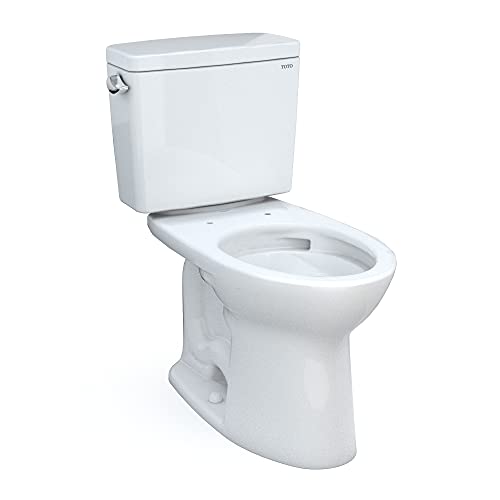
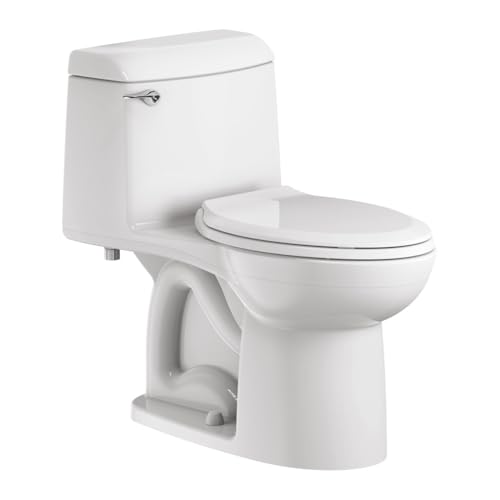
The toilet model itself rarely causes gurgling -- the issue is almost always in the drain and vent system. However, toilets with larger trapway diameters and stronger flush systems, such as the TOTO Drake II (2-inch glazed trapway) and the American Standard Champion 4 (2.375-inch fully glazed trapway), are better at clearing the drain fully and leaving less residual material that can contribute to partial clogs over time.
For homeowners who experience recurring gurgling linked to partial clogs, upgrading to a toilet with a larger trapway and a higher MaP flush score makes practical sense. MaP (Maximum Performance) testing -- conducted by a network of water utilities and published at map-testing.com -- measures how many grams of solid waste a toilet can flush in a single pass. A toilet scoring 800 grams or higher clears waste more completely, reducing the frequency of partial clogs that cause gurgling.
Here are the MaP scores and trapway specs for commonly referenced models that are relevant to clog-resistance and gurgling-related performance:
| Model | MaP Score (g) | Trapway Diameter | GPF | EPA WaterSense | Check Price |
|---|---|---|---|---|---|
| TOTO Drake II (CST454CEFG) | 1,000 | 2-inch fully glazed | 1.28 | Yes | Check price |
| TOTO UltraMax II (MS604114CEFG) | 1,000 | 2-inch fully glazed | 1.28 | Yes | Check price |
| American Standard Champion 4 | 1,000 | 2.375-inch fully glazed | 1.6 | No (1.6 GPF) | Check price |
| American Standard Cadet 3 | 1,000 | 2.125-inch fully glazed | 1.28 | Yes | Check price |
| Kohler Cimarron (K-6418) | 1,000 | Class Five flush engine | 1.28 | Yes | Check price |
| Woodbridge T-0001 | 800+ | 2-inch fully glazed | 1.28 | Yes | Check price |
| Gerber Viper (21-302) | 1,000 | 2-inch fully glazed | 1.28 | Yes | Check price |
| TOTO Aquia IV (MS446124CEMFG) | 600 (0.8G) / 1,000 (1.28G) | 2-inch fully glazed | 0.8 / 1.28 | Yes | Check price |
The American Standard Champion 4 has the largest trapway of any major production toilet at 2.375 inches. The fully glazed trapway coating reduces the friction that can trap debris and contribute to partial blockages. If gurgling recurs despite cleared vents and drains, upgrading the toilet to a high-MaP model is a practical long-term solution. See our guide to the best flushing toilets for ranked options with full MaP data.
Related issues that homeowners often encounter alongside gurgling include a toilet that bubbles when the shower drains, a toilet that drains slowly despite no apparent clog, and a toilet that gurgles specifically when the shower runs. Each has a slightly different diagnostic path but all trace back to the same DWV pressure dynamics.
Gurgling is largely preventable with basic maintenance habits:
For context on related toilet performance factors, our guide on how to improve toilet flush power covers fill valve adjustments and flush valve sizing that also affect how completely a toilet clears its trap on each flush -- which in turn reduces the residual buildup that leads to gurgling over time.
Homes built before 1980 often have cast iron or clay sewer lines that have accumulated decades of scale buildup, or that have experienced root intrusion from trees planted near the sewer line. If you live in an older home and experience recurring gurgling that clears temporarily with drain work but returns within weeks, a video sewer inspection is the most cost-effective diagnostic step -- it rules out pipe damage or root intrusion that cannot be resolved with augering alone.
Most isolated gurgling cases resolve with DIY vent clearing or drain augering. But there are specific situations where a licensed plumber or drain specialist is the right call:
A hydro-jet service -- where high-pressure water scours the interior of the pipe -- can clear buildup that a mechanical snake cannot remove. Video inspection pinpoints exactly where a blockage or pipe defect is located, eliminating guesswork. Both services are offered by most licensed plumbing companies and are significantly less disruptive than excavating a pipe without first confirming the problem location.
For readers also experiencing a toilet that bubbles without being flushed, that article covers the specific pressure dynamics involved when spontaneous bubbling occurs -- a sign of a more advanced blockage than post-flush gurgling.
Gurgling after a flush indicates negative pressure in the drain or vent system. When the flush moves water through the drain, displaced air cannot escape freely through the vent stack and instead pushes back up through the toilet's water trap, creating a bubbling or gurgling sound. The most common causes are a blocked vent pipe or a partial drain clog.
Mild gurgling from a vent or minor drain issue is not immediately dangerous, but it should be addressed. If gurgling is accompanied by sewage odor, it may indicate sewer gas entering the home -- including hydrogen sulfide -- which is a health hazard at elevated concentrations. Gurgling combined with slow drains across multiple fixtures signals a main line blockage that can escalate to a sewage backup.
Yes. A blocked or obstructed vent pipe is the single most common cause of toilet gurgling. The vent pipe equalizes pressure in the drain system. When it is blocked -- by leaves, a bird nest, ice, or debris -- air cannot enter the system normally and instead forces through the toilet trap, creating a gurgle.
Start with a flanged plunger to clear any partial drain clog. If gurgling continues, use a toilet auger to reach deeper into the drain. If both of those steps do not resolve it, check and clear the vent stack on the roof. In most isolated gurgling cases, one of these three steps resolves the problem.
When the toilet gurgles as the shower drains, both fixtures share a drain line with a partial blockage downstream. The shower's draining water displaces air in the shared pipe, which pushes back up through the nearest available opening -- the toilet trap. Clearing the blockage in the shared drain line resolves the issue. See our detailed guide on toilet gurgling when the shower runs.
Washing machines discharge a large volume of water rapidly -- typically 15 to 25 gallons per cycle. If the shared drain line is undersized or partially blocked, the high-volume discharge creates a negative pressure wave that pulls air through the toilet trap. Clearing the shared drain line and confirming the vent stack is unobstructed typically resolves this.
Yes. A deteriorated or improperly seated wax ring allows air to move around the toilet base instead of through the drain system properly, which can contribute to gurgling. More concerning, a failing wax ring also allows sewer gas to enter the bathroom. A rocking toilet is the primary indicator of wax ring failure.
A plunger can fix a gurgling toilet if the cause is a partial clog in the trap or the immediate drain branch. It will not fix a gurgling caused by a blocked vent stack, a shared drain issue deeper in the system, a wax ring failure, or a septic tank problem. Plunging is always the right first step because it is fast, free, and addresses the most common simple cause.
The strongest indicators of a main sewer line blockage are: multiple fixtures draining slowly or gurgling at the same time, sewage backup in a floor drain or the lowest toilet in the home, and gurgling in all toilets when any fixture is used. A single gurgling toilet with normal drains elsewhere is almost never a main line issue.
Yes. Tree root intrusion is one of the most common causes of recurring drain blockages and gurgling in homes with older clay or cast iron sewer lines. Roots enter through joint gaps in aging pipes and gradually restrict flow. The problem will keep returning after mechanical clearing unless the roots are treated with chemical root killer or the pipe is repaired or replaced.
Access the vent pipe outlet on the roof safely. Shine a flashlight into the pipe opening to identify visible blockages. Use a plumber's snake to break up or retrieve debris. Alternatively, insert a garden hose and run water to flush loose material down the pipe. If the vent is blocked by ice in winter, warming the pipe from inside the attic or waiting for a thaw is often the only safe option.
An air admittance valve (AAV) is a mechanical one-way valve that allows air into the drain system without requiring a traditional roof vent. It opens when negative pressure occurs in the drain, allowing air in, then closes to prevent sewer gas from escaping. AAVs can resolve gurgling in fixtures that are difficult to vent traditionally, and they are approved under most modern plumbing codes as a supplement to conventional venting.
Yes. When a septic tank is at or near capacity, drainage slows across all connected fixtures, including toilets. The reduced flow capacity creates back pressure that causes gurgling. If you are on septic and notice gurgling along with slow drains and sewage odor, have the tank inspected and pumped. The EPA recommends septic inspection every 1 to 3 years for average households.
Chemical drain cleaners are not recommended for toilet gurgling. They are ineffective against vent blockages (the most common cause), can damage rubber components inside the toilet and older pipes, and create a chemical hazard if the drain is fully blocked and the cleaner sits in the bowl. A plunger and auger are safer and more effective for drain-related gurgling.
Gurgling that occurs only at night -- when no water is running -- is often caused by pressure changes in the main sewer line or, in homes on septic, gas released as organic matter breaks down in a full or nearly full tank. It can also indicate a partial blockage that allows normal flow during low-traffic hours but creates back pressure as wastewater levels in the main line fluctuate overnight. This pattern warrants professional evaluation.
Most DIY fixes take 15 to 60 minutes. Plunging takes under 15 minutes. Augering the drain takes 20 to 40 minutes. Clearing the vent stack from the roof takes 30 to 60 minutes depending on the blockage. Wax ring replacement takes 1 to 2 hours including the toilet removal and reinstallation. Main line professional service typically takes 1 to 3 hours depending on the severity of the blockage.
Rarely. Gurgling caused by a temporary vent restriction (such as a leaf that dislodges on its own) may resolve without intervention. But most causes -- a drain clog, a blocked vent, a wax ring failure, or a septic issue -- will not resolve on their own and will worsen over time. It is better to diagnose and address the cause promptly before a manageable issue becomes a sewage backup.
TOTO, American Standard, Kohler, and Gerber consistently produce models with MaP scores of 1,000 grams -- the highest rating awarded. The TOTO Drake II, TOTO UltraMax II, American Standard Champion 4, American Standard Cadet 3, Kohler Cimarron, and Gerber Viper all score at or near the 1,000-gram maximum, meaning they clear waste completely and reduce the partial clogs that contribute to gurgling over time.
Indirectly, yes. A toilet using 1.28 GPF (EPA WaterSense certified) has a smaller water volume than a 1.6 GPF model, which means it needs a well-engineered flush valve and bowl design to create sufficient flow velocity. In a drain line that already has partial buildup or a slight restriction, a lower-flow toilet may not generate enough velocity to fully clear the drain, leaving residue that worsens over time. This is why flush efficiency -- not just GPF -- matters.
In most jurisdictions, yes, with standard plumbing knowledge. An AAV connects to the drain pipe using a solvent-weld or threaded connection and does not require electrical work. However, local plumbing codes vary -- some jurisdictions restrict AAV placement or require they be installed only by licensed plumbers. Check your local code or consult a plumber before installing one. If your area permits DIY plumbing work, an AAV installation is considered a straightforward project.
A gurgling toilet after a flush is almost always a solvable problem. In the majority of isolated cases, clearing the vent stack or augering the drain resolves the noise completely. Work through the diagnosis systematically -- confirm whether the gurgling is isolated or affects multiple fixtures, check the vent stack first, then address the drain. For persistent or widespread gurgling, a professional video sewer inspection is the most efficient path to a permanent fix. Upgrading to a high-MaP toilet from brands like TOTO, American Standard, or Kohler provides long-term protection by ensuring complete waste clearance on every flush, which reduces the partial buildup that contributes to recurring gurgling over months and years.
Learn why toilet trapways curve like an S, how each bend blocks sewer gas, and what the shape means for clogs and…
Read the guideAlmost every US toilet has a left-side handle. Learn the plumbing and mechanical reasons behind the layout and when it actually changes.
Read the guideHome toilets rely on tanks because household water lines lack the pressure that public flushometer systems use to flush straight from the…
Read the guide