

Why Toilet Trapways Are Curved Like an S
Toilets4.6
Learn why toilet trapways curve like an S, how each bend blocks sewer gas, and what the shape means for clogs and…
Read the guideGurgling or bubbling from your toilet bowl while the shower runs is a specific signal from your drain-waste-vent system. Here is exactly what is happening, how serious it is, and every fix ranked from easiest to most involved.
When the shower drains and air gets pushed through the toilet trap, you have a blocked or missing vent stack. The fix ranges from clearing a clogged vent pipe on the roof (DIY, under $30) to hydro-jetting a shared branch line (plumber, $150-$500). Ignore it and you risk sewer gas entering the home.
Every drain fixture in your home shares a drain-waste-vent (DWV) network. When shower water rushes down the drain, it creates a column of fast-moving liquid that compresses the air ahead of it. If the vent stack is blocked, undersized, or missing entirely, that compressed air has nowhere to go except back through the nearest water-sealed trap -- your toilet bowl -- causing bubbles or gurgling.
The toilet trap holds roughly 2 to 4 inches of water at all times specifically to block sewer gas. When air is forced through that seal from below, you hear gurgling and see bubbles rise. This is not a coincidence; it is a direct symptom of negative pressure in the shared drain line.
The physics are straightforward. Drain pipes are not sealed pressure vessels; they rely on atmospheric air introduced through vent pipes to equalize pressure as water drains. The International Residential Code (IRC) Section P3101 requires every fixture trap to be protected by a vent pipe. When that vent is blocked, the system tries to self-vent by pulling air through any available water seal -- and the toilet is the most common victim because it shares a wet-wall with the shower in most bathroom layouts.
Identifying this problem early matters. A partial vent blockage that only causes occasional bubbling today can progress to a fully siphoned toilet trap -- meaning the water seal is lost entirely -- and at that point sewer gas (including hydrogen sulfide) enters the bathroom freely. The EPA has documented that hydrogen sulfide at concentrations above 2 parts per million causes eye irritation; at higher concentrations it is acutely toxic.
The four most frequent root causes are: a blocked roof vent stack (leaves, bird nests, or ice dams), a partial clog in the shared horizontal branch drain between the shower and toilet, an undersized or improperly installed air admittance valve (AAV), and a main sewer line obstruction that creates system-wide back-pressure. Blocked roof vents account for roughly 40 to 60 percent of reported cases in single-family homes according to plumbing industry field surveys.
A shared branch clog is the second most likely cause. Soap scum, hair, and mineral scale accumulate in the 2- to 3-inch horizontal branch pipe that connects both the shower trap and the toilet horn to the main stack. When that branch is 50 to 70 percent obstructed, fast-moving shower discharge creates enough pressure differential to push air through the toilet trap.
Here is a ranked breakdown of the most common causes:
| Cause | Frequency | DIY Fix? | Urgency | Typical Repair Cost |
|---|---|---|---|---|
| Blocked roof vent stack | 40-60% | Yes (if roof is safe to access) | Moderate | $0-$75 |
| Partial branch line clog | 20-30% | Yes (snake/auger) | Moderate | $0-$200 |
| Main sewer line obstruction | 10-15% | Rarely | High | $150-$500+ |
| Faulty or missing AAV | 8-12% | Yes | Low-Moderate | $20-$80 |
| Undersized vent pipe | 3-5% | No (code work required) | Low | $300-$1,500+ |
According to licensed plumbing contractors and the guidance in the Uniform Plumbing Code (UPC), a single bubbling event after an unusually long shower is not necessarily an emergency. But if the bubbling happens every time the shower drains, or if you also detect a rotten-egg odor, treat it as urgent. A lost trap seal allows methane and hydrogen sulfide into living space, which is a safety issue, not just a nuisance.
Start with the simplest tests before calling a plumber. Run the shower for two minutes and watch the toilet: if bubbles appear consistently, the problem is persistent, not random. Next, flush the toilet alone and observe the shower drain -- if water backs up slightly into the shower pan, the blockage is in the shared branch line downstream of both fixtures. If flushing is normal but only showering triggers bubbles, the vent stack is the primary suspect.
To confirm a vent blockage, have a helper run the shower while you listen at the roof vent opening (safely) or at a cleanout cap. A strong suction sound at the vent indicates the pipe is restricted. You can also do a smoke test: plumbers introduce non-toxic smoke into the drain system through a cleanout and look for smoke escaping from cracks or backs up to fixtures, confirming vent path obstructions.
A systematic 4-step diagnosis sequence:
Plumbers often use a simple water-pressure test to locate branch clogs precisely. They cap the downstream end of the branch, fill the pipe with water, and measure how quickly pressure drops. A sudden drop localized between the shower inlet and the stack tells them exactly where the restriction is. Homeowners can approximate this by timing how quickly standing water in the shower pan drains versus the toilet bowl refill time after a flush.
Fix 1 (most common): Clear the roof vent stack. Use a garden hose or a plumber's snake fed from the roof opening to dislodge debris. This resolves the problem in the majority of cases where no clog exists in the branch line. Fix 2: Snake the shared branch line from the shower cleanout or through the toilet flange with a 3/8-inch or 1/2-inch drum auger, targeting the horizontal run between shower and main stack. Fix 3: Replace or install an air admittance valve at the wet wall if re-venting through the roof is not feasible. Fix 4: Call a plumber for hydro-jetting if the main line is obstructed.
Most homeowners with a confirmed roof vent blockage can complete Fix 1 in under 30 minutes at zero cost. Fixes 2 and 3 are moderate DIY projects. Fix 4 requires a licensed plumber and camera inspection equipment.
This is the correct starting point in approximately 50 percent of cases. Required tools: garden hose with a nozzle, a 20-foot plumber's auger (optional), safety rope or harness, non-slip rubber-soled shoes.
Important safety note: never work on a wet or frost-covered roof without proper fall protection. If roof access is not safe, an alternative is to run the auger down from the inside through a bathroom cleanout, though this is less direct.
When the vent is clear but bubbling persists, the horizontal branch drain between the shower and toilet is likely partially clogged. This branch is typically 2 to 3 inches in diameter and runs 18 to 60 inches depending on bathroom layout.
If the shower drain is not accessible, you can also approach the branch from the toilet flange after removing the toilet temporarily. This gives direct access to the branch connection at the stack. For homeowners not comfortable removing a toilet, this is a reasonable job to hand off to a plumber.
An AAV is a one-way mechanical valve that opens to admit air when negative pressure builds in the drain line, then seals to prevent sewer gas from escaping. Most modern building codes (including IPC and many state amendments to the UPC) permit AAVs in interior wet-wall applications where re-venting to the roof is impractical.
AAVs are not a substitute for a roof vent in all scenarios. They work well for individual fixture venting but cannot serve as the sole vent for an entire DWV system. Check your local code before installing one as a primary fix.
AAVs have a finite service life, typically 500,000 cycles per manufacturer data sheets. In a busy household bathroom, that can mean 10 to 20 years of service before the valve fails to seat properly and begins admitting sewer gas passively. If your bathroom has an existing AAV that is more than 10 years old and you are experiencing bubbling, replacing it for $15 to $25 is a reasonable first step before any more involved diagnosis.
When multiple fixtures throughout the home are affected -- toilets on different floors bubble, multiple drains run slowly, or you hear gurgling from floor-level drains -- the problem is in the main sewer line, not a single branch. This is a plumber job.
Hydro-jetting uses water pressure up to 4,000 PSI to scour the interior walls of 4-inch sewer pipe and flush accumulated grease, scale, and root intrusion downstream to the municipal sewer. A camera inspection beforehand (typically $100 to $200 separately) confirms whether the pipe is suitable for jetting or whether a section has collapsed and needs spot repair or full replacement.
Root intrusion is particularly common in homes over 30 years old with clay tile or cast-iron sewer lines. Willow, cottonwood, and oak roots seek moisture and can penetrate pipe joints within 5 to 10 years of a tree planting. Hydro-jetting removes roots temporarily; a permanent fix requires root inhibitor treatment annually or pipe relining.
Yes, but the risk level depends on whether the toilet trap seal remains intact. If the bubbling is intermittent and the toilet bowl water level is normal after bubbling stops, the trap is still effective and sewer gas is not entering the bathroom in significant quantities. However, if the trap is being repeatedly stressed by negative pressure events, the seal can eventually siphon dry. A dry trap allows hydrogen sulfide (H2S), methane, and other sewer gases to enter freely.
Hydrogen sulfide at low concentrations (0.01-1.5 ppm) causes the familiar rotten-egg odor. At 2-5 ppm it causes eye irritation. At 50+ ppm it causes acute respiratory distress. The EPA and OSHA both classify H2S as a serious occupational and residential hazard. A lost trap seal in a closed bathroom, especially overnight, can allow concentrations to build that cause headaches, nausea, and in rare documented cases, acute respiratory events.
The practical takeaway: do not ignore consistent toilet bubbling and do not dismiss it as merely annoying. Check the toilet water level after the bubbling stops -- if the bowl appears significantly lower than normal (water level dropped more than half an inch below the usual mark), the trap is being partially siphoned. At that point, prioritize the fix as urgent rather than deferred maintenance.
Methane from sewer lines is also flammable. While residential sewer gas concentrations rarely reach the lower explosive limit (LEL) of methane (5% by volume in air), a cracked sewer line very close to an ignition source in an enclosed utility space is a documented fire risk. This is another reason building codes mandate proper trap seals and vent protection.
Call a plumber if: the bubbling affects more than one bathroom or multiple fixtures simultaneously (indicating a main line problem); you detect a persistent sewer gas odor even when all fixture traps appear intact; a camera inspection or snake reveals root intrusion or a collapsed pipe section; or the vent stack is not accessible from the roof safely. These scenarios require professional equipment and licensed work, particularly if permits are needed for vent pipe modifications.
A good rule of thumb: if two rounds of DIY snaking (vent and branch) fail to resolve consistent bubbling within a week, invest in a plumber's camera inspection. The $100 to $200 diagnostic cost is almost always worth it versus repeated DIY attempts that fail to address the actual root cause.
Signs that push this firmly into plumber territory:
The toilet itself is not the cause of vent or branch line problems -- replacing the toilet will not fix a blocked vent. However, an older toilet with a damaged or worn wax ring seal can create a secondary path for sewer gas to enter the bathroom independently of the trap, compounding the odor problem. Checking and replacing the wax ring (a $10 to $20 DIY job) eliminates that variable.
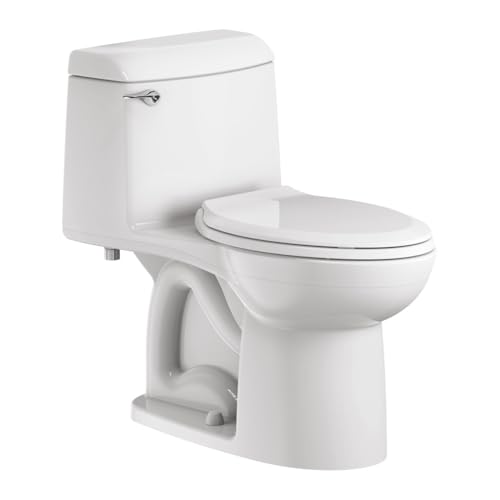
If you are due for a toilet upgrade anyway, toilets with larger trapways create less back-pressure during flushing, which can reduce the severity of bubbling caused by a marginal vent restriction. Toilets certified under the MaP (Maximum Performance) flush-testing protocol with scores of 800 grams or above tend to have fully glazed 2-1/8 inch or larger trapways. Models worth considering in the context of this problem include:
None of these will solve a blocked vent on their own, but if your current toilet has a narrow 1-3/4 inch unglazed trapway, upgrading while you are making other repairs may be worthwhile. See our full guide to best flushing toilets for detailed MaP scores and comparisons across all major brands.
Related reading: toilet gurgling when shower runs, toilet bubbles when washer drains, sewer smell from toilet, and all toilet bubbling causes explained.
Once you have identified and fixed the root cause, a few habits significantly reduce the chance of a recurrence:
One of the most overlooked preventive measures is an annual camera inspection for homes with trees within 30 feet of the sewer line. Root growth is relentless and silent. A $150 camera scope every 3 to 4 years identifies intrusion early, when a low-cost hydro-jet clearing is sufficient, rather than at the failure stage where replacement of a full pipe run becomes necessary at 10 to 20 times the cost.
This pattern specifically points to the shower drain line creating negative pressure in the shared branch. The toilet's own flush is strong enough to overcome the pressure imbalance, but the shower's slower, sustained flow creates a prolonged suction that pulls air through the toilet trap. The vent or branch line is the source, not the toilet itself.
Short-term use is not immediately dangerous as long as the toilet bowl water level remains normal after bubbling stops, meaning the trap seal is intact. However, persistent bubbling is a warning sign that the trap seal is under repeated stress. Stop routine use if you detect a rotten-egg smell (hydrogen sulfide), which signals the seal has been compromised.
Clearing a roof vent with a garden hose and auger typically takes 20 to 40 minutes including setup and testing. If debris is significant or packed deeply, allow up to 90 minutes. Roof safety setup (harness, ladder positioning) often takes longer than the actual clearing work.
Sometimes. If your home has an interior cleanout access point on the main stack (usually in the basement or utility room), you can snake the vent line from below in some configurations. Alternatively, installing an AAV at the wet wall eliminates the need for a roof vent for that branch. However, clearing an actual roof vent blockage from below is less effective because debris tends to fall deeper into the pipe when pushed from underneath.
An AAV is a spring-loaded or gravity-operated one-way valve installed on the drain line that admits atmospheric air when negative pressure builds, then closes to seal against sewer gas. It effectively performs the same function as a vent pipe open to the atmosphere. If your bubble problem is from a missing or undersized vent rather than a blocked one, an AAV ($15 to $40) is a valid permanent fix.
When two different high-volume drains trigger the same symptom, the restriction is further downstream in the system -- likely at the main stack, the building drain (the horizontal run at the base of the stack), or the sewer line itself. This pattern strongly suggests a main line clog or collapsed pipe, and warrants a professional camera inspection.
Yes. The IRC specifies maximum distances between a fixture trap and its vent based on pipe diameter. A 1-1/2 inch drain can only run 42 inches before a vent connection is required; a 2-inch drain gets 60 inches. If a remodel extended the shower drain run without adding a vent, the new configuration may now violate these limits, creating exactly the negative-pressure problem you are experiencing.
Hard water scale builds up in wet areas of the plumbing system but is much less of a factor in vent pipes, which are dry most of the time. Organic debris (leaves, nests), frost, and -- in very old cast iron systems -- interior rust scale are far more common vent blockage causes than mineral deposits.
A 25-foot drum auger with a 3/8-inch cable is suitable for most shower branch lines. Flat-blade screwdrivers to remove the drain cover, rubber gloves, and a bucket to catch debris. For stubborn buildup, a small hand-cranked auger and a drain cleaning brush can dislodge hair mats that a cable alone may push through rather than extract.
Chemical drain cleaners (caustic or acid-based) can partially dissolve organic clogs in the branch line but cannot clear vent blockages and are ineffective against root intrusion or collapsed pipe. They also damage older PVC glue joints with repeated use and are corrosive to ABS plastic. A mechanical auger is both safer for the pipes and more effective for the underlying cause.
Possibly. Pre-1980 construction sometimes used 1-1/2 inch vent pipes where current codes require 2 inches for a toilet branch. If your vent pipe was correctly sized for the original fixture load but you have since added a second showerhead, a high-flow rain shower, or additional fixtures, the vent may now be undersized for the flow volume. A plumber can assess and upsize the vent, though this typically requires permits and wall access.
Root intrusion in vent pipes is uncommon but not unheard of, particularly in clay soil with slow-growing roots near the roof overhang. The far more common root problem is in the sewer line underground. If a camera inspection of the sewer line comes back clean but you still have system-wide bubbling, ask the plumber to scope the main stack interior for unusual obstructions.
Yes. A septic system introduces two additional variables: the baffles inside the tank (inlet and outlet baffles) can deteriorate and create flow restrictions, and an overfull or failing drain field creates back-pressure across the entire household system. If you are on septic and bubbling is a recurring issue, check tank pump-out records first -- an overdue pump-out is often the entire explanation.
A failed wax ring causes sewer gas to escape at the toilet base independently of drain events, and can also allow air to enter the DWV system from below the toilet flange, potentially affecting pressure in the system. However, a failed wax ring alone is rarely the primary cause of shower-triggered bubbling -- it is more likely a contributing factor that amplifies an existing vent restriction problem.
Standard homeowner's insurance policies cover sudden and accidental water damage but generally exclude gradual drain and sewer problems resulting from normal wear or maintenance neglect. A sewer line collapse from tree roots may be covered under a separate sewer backup rider, which many insurers offer as an add-on for $50 to $100 per year. Check your specific policy language and exclusions before assuming coverage.
Run the shower at full flow for at least 3 minutes while watching the toilet bowl. No bubbles and no gurgling sound means the vent or branch blockage has been resolved. Also verify the toilet bowl water level is at its normal mark. If in doubt, check again after 24 hours and after the next 2 to 3 showers. Recurrence within a week suggests an incomplete fix or a secondary obstruction point.
A shop vacuum can be effective for soft debris (leaves, bird nest material, loose dirt) within the first few feet of the vent opening. It is not effective for compacted debris or obstructions deeper than 3 to 4 feet, where the hose cannot maintain suction over the pipe distance. Use it as a first-step cleanup tool before deploying a water hose or auger for deeper blockages.
Yes -- a plastic or stainless mesh vent cap designed specifically for plumbing vent pipes is a low-cost preventive measure. Look for models that maintain the minimum 1/4-inch mesh opening required by plumbing codes to prevent bird nesting while still allowing free air flow. Avoid caps with springs or mechanical closures, as these can ice shut in cold climates.
A partial blockage that causes occasional bubbling can become a full blockage over months as debris continues to accumulate. More seriously, repeated trap siphoning stress can eventually result in a permanently lost water seal, allowing continuous sewer gas entry. In a home with limited air exchange (new tight-construction homes), hydrogen sulfide concentrations can build to levels that cause health symptoms within hours of the seal being lost.
The toilet brand does not affect vent or branch line pressure -- the bubbling symptom is entirely a function of the DWV system, not the toilet fixture itself. However, toilets with smaller, unglazed trapways can trap more debris and are slightly more vulnerable to becoming clogged themselves, compounding a marginal drain situation. TOTO, American Standard, and Kohler toilets with fully glazed 2-inch-plus trapways are less likely to develop secondary toilet clogs during a period when the branch line is running slow.
Toilet bubbling when the shower drains is a fixable DWV venting problem, not a toilet malfunction. In most single-family homes the root cause is a blocked roof vent stack -- a DIY fix that takes under an hour and costs nothing. Start there before calling a plumber. If clearing the vent does not resolve it, snake the shared branch line. Reserve a professional camera inspection and hydro-jet for situations involving multiple affected fixtures, sewer odor, or homes with aging clay or cast iron pipe infrastructure. Addressing it promptly protects your indoor air quality and prevents a small nuisance from becoming a drain failure.
Learn why toilet trapways curve like an S, how each bend blocks sewer gas, and what the shape means for clogs and…
Read the guideAlmost every US toilet has a left-side handle. Learn the plumbing and mechanical reasons behind the layout and when it actually changes.
Read the guideHome toilets rely on tanks because household water lines lack the pressure that public flushometer systems use to flush straight from the…
Read the guide