Toilet Bubbles When the Washing Machine Drains: Fixes
When your toilet gurgles and bubbles up every time the washing machine drains, the two fixtures are sharing a drain line and air is being forced backward through the toilet trap. This almost always points to one of four things: a partial clog in the shared branch drain, a blocked or undersized plumbing vent, a too-small drain pipe, or a developing main-line blockage. This guide diagnoses each cause the way a plumber would, in cheapest-first order, so you can stop the bubbling before it turns into a backup, and shows when a high-MaP, WaterSense-certified toilet is the lasting fix for a trap that gives up its seal too easily.
Quick Answer
A toilet that bubbles when the washing machine drains is being starved of air. The washer dumps water fast into a shared drain, the line cannot vent quickly enough, and the vacuum pulls air through the nearest toilet trap. The fix is to restore airflow: clear a partial clog in the branch drain, unblock the roof vent, and check the main line. If the trap keeps losing its seal afterward, a deep-trap toilet like the TOTO Drake II resists siphoning best.
The gurgle is dramatic, but the cause is simple physics. Your washing machine pumps out a large volume of water very quickly, far faster than a sink or a normal toilet flush. That surge rushes down the drain and, in a healthy system, air rushes in behind it through the plumbing vent to balance the pressure. When something blocks that airflow, the rushing water creates a vacuum in the pipe, and the only place that vacuum can pull air from is the water sitting in the nearest fixture trap. Your toilet bowl holds the biggest, closest pool of water, so the vacuum sucks air up through it, and that air bubbling up through the standing water is the glugging and bubbling you see.
This guide is built the way we research everything on this site. We do not physically install plumbing or run drain tests in a lab. Instead we work from the published behavior of drain-waste-vent systems, EPA WaterSense water-use standards, independent MaP (Maximum Performance) flush-test scores, and the repair patterns that appear consistently across thousands of verified owner reports and plumbing references. That lets us put these fixes in a reliable order, starting with the free checks that solve most cases and ending with the point at which the toilet trap design, or the drain layout itself, is the real limit.
Do this first. Run a washer cycle and stand by the toilet during the drain phase. Note whether the bowl water rises, drops, or just bubbles, whether the bubbling comes from the toilet nearest the laundry, and whether any nearby sink or tub gurgles at the same moment. Sixty seconds of watching tells you whether this is a vent problem, a shared-drain clog, or a main-line issue, and that decides which fix below to start with.
Why does my toilet bubble when the washing machine drains?
Your toilet bubbles when the washing machine drains because the two fixtures share a drain line and the system cannot pull in air fast enough to balance the washer's rapid discharge. The resulting vacuum sucks air up through the toilet trap, which appears as bubbling. The root cause is almost always a partial clog in the shared drain, a blocked plumbing vent, or an undersized drain pipe.
The bubbling itself is harmless, but it is a warning sign. It means the drain system is operating under negative pressure and the toilet trap seal is being disturbed. A drain that vents properly swallows the washer's discharge silently, so any glugging tells you airflow is restricted somewhere. Left alone, a partial clog that causes bubbling today can grow into a full blockage that backs dirty water up into the tub, the laundry standpipe, or the toilet itself. Diagnosing the source now, while it is just air and noise, is far cheaper than dealing with a sewage backup later.
How do I diagnose what is causing the toilet to bubble?
Diagnose by location and timing. If only the toilet nearest the laundry bubbles, the problem is in the shared branch drain or its vent. If multiple fixtures gurgle and drains across the house are slow, suspect the main sewer line. If the bubbling started after roof work or in cold weather, the vent stack is the likely culprit. Watching one wash cycle while listening to nearby fixtures narrows it down fast.
Diagnosis comes down to three questions you can answer in one wash cycle. First, which fixtures react? A single bubbling toilet points to a local branch-drain or vent issue, while several reacting fixtures point to the main line everyone shares. Second, what is the timing? Bubbling only during the washer's fast drain phase confirms it is the volume and speed overwhelming the venting. Third, what changed? If it began after roofing, a storm, or a cold snap, a blocked or frozen vent jumps to the top of the list. Use the table below to match your pattern to the most likely cause before you start any repair.
What you observe
Most likely cause
First fix to try
Severity
Only the nearest toilet bubbles
Partial clog in shared branch drain
Auger the branch line
Moderate, clearable
Bubbling plus a glug, no slow drains
Blocked or frozen roof vent
Clear the vent stack from the roof
Common, fixable
Multiple fixtures gurgle, drains slow
Developing main sewer line clog
Snake or jet the main line
Serious, act fast
New washer or new laundry hookup
Undersized or improperly tied drain
Have a plumber resize or re-vent
Needs a pro
Sewage smell with the bubbling
Dry or siphoned trap, possible backup
Refill traps, then clear the line
Serious, act fast
Bubbling stops after every fix checks out
Toilet trap siphons too easily
Upgrade to a deep-trap high-MaP toilet
Optional upgrade
Fix 1: Clear a partial clog in the shared branch drain
When only the toilet closest to the laundry bubbles, the most common cause is a partial clog in the branch drain that the washer and that toilet both feed into. The washer's fast discharge has to squeeze past the obstruction, and as it does it creates the vacuum that pulls air through the toilet trap. The clog is often a mat of lint, detergent scum, hair and grease that the washer contributes over time, sometimes combined with whatever the toilet sends down. The drain still works, so water gets through, but the restriction is enough to disturb the airflow.
Start with a toilet auger, also called a closet auger, fed through the toilet to reach the trapway and the start of the branch line. If the bubbling continues, the clog is likely farther down where the washer drain ties in, which calls for a longer drum auger fed through a cleanout or the washer standpipe. Clearing the lint-and-scum mat restores the pipe's full diameter, so the washer water flows freely and stops creating the vacuum. This single step resolves a large share of bubbling complaints in homes where the laundry and a bathroom share a wall or a drain run.
Tip. Avoid chemical drain cleaners here. They are formulated for sink and tub drains, can pool in a trapway without clearing a lint-and-grease mat, and may damage seals or burn anyone who later snakes the line. A drum auger and, for stubborn grease, a flush of very hot water with dish soap are the right tools and the safest ones.
Is a bubbling toilet a sign of a clogged vent?
Often yes. A blocked plumbing vent is one of the most common reasons a toilet bubbles when the washer drains. The vent stack on the roof lets air into the drain system so water can flow without creating suction. If a bird nest, leaves, ice, or debris blocks it, the washer's fast discharge pulls air through the toilet trap instead, which shows up as bubbling and a glug.
The plumbing vent is the unsung hero of every drain system. Each fixture trap holds a small pool of water that blocks sewer gas, and the vent stack running up through the roof keeps the pressure on both sides of that trap balanced so water can drain smoothly. When the vent is open, the washer's discharge pulls air down the stack and nothing disturbs the toilet. When the vent is blocked, that air has nowhere to come from except through the path of least resistance, which is the toilet trap. So bubbling that appears with a clean branch drain and no slow drains elsewhere is the classic signature of a vent problem.
Fix 2: Unblock the plumbing vent stack
Clearing the vent means going to the roof, so this is a job for someone comfortable and safe on a ladder and a roof, or for a plumber. Locate the vent pipe, usually a 2 to 4 inch open pipe poking up near the bathroom side of the house. Look down it with a flashlight for obvious obstructions like a bird or wasp nest, leaves, a tennis ball, or a frost cap in winter. Remove what you can reach by hand or with a tool. For a deeper blockage, run a garden hose down the stack and turn it on; if the water backs up at the opening, the vent is plugged, and continued flushing of the hose, or feeding a drain snake down the stack, usually breaks it free.
In cold climates, vents can freeze nearly shut when warm, moist sewer air meets frigid outside air and forms a ring of frost that narrows the opening. This is why some homes only bubble in deep winter. A properly sized vent (at least 3 inches through the roof in cold regions) and keeping the cap clear reduce freezing. Once the vent is open and airflow is restored, the washer can drain at full speed without robbing air from the toilet, and the bubbling stops. A clear vent also protects the trap seal, which prevents sewer odor from entering the home.
Tip. If you cannot safely access the roof, an air admittance valve (AAV) installed under a nearby sink can supply venting air to a fixture in some jurisdictions, but it does not replace a blocked main stack and is not legal everywhere. Confirm local code before relying on one, and treat it as a supplement, not a cure for a plugged roof vent.
Fix 3: Rule out a developing main sewer line clog
If the washer draining makes more than one fixture react, if nearby sinks and tubs gurgle, if drains around the house have gotten slow, or if you notice a sewage smell, the problem has likely moved past a single branch and into the main sewer line that the entire house shares. A partial main-line clog, often from tree roots, accumulated grease, flushed wipes, or a collapsed section of pipe, restricts the whole system. The washer's large discharge then surges against that bottleneck and pulls air through the lowest and nearest fixture trap, which is frequently the toilet on the ground floor.
This is the most serious scenario because it can progress to raw sewage backing up into the lowest fixtures. Locate the main cleanout, usually a capped pipe near where the line leaves the house or in the basement, and have it snaked with a heavy drum auger or, for roots and grease, hydro-jetted by a professional. If a camera inspection shows root intrusion or a broken pipe, the repair is structural. Do not keep running the washer while a main-line clog is suspected, since a forced backup can flood a floor. Treat multi-fixture gurgling as a call-the-plumber-soon signal rather than a wait-and-see one.
Editorial Take
The single most useful diagnostic question is "does anything else react?" One bubbling toilet is almost always a local branch or vent issue you can chase yourself. But the moment a second fixture gurgles or a drain anywhere in the house slows down, we treat it as a main-line problem and stop using the washer until it is cleared. The cost of an early main-line snaking is trivial next to the cost of pulling up flooring after a backup, and bubbling across multiple fixtures is the clearest early warning you will get.
Fix 4: Address an undersized or improperly tied drain
If the bubbling started right after a new washer was installed, a laundry room was added, or a washer drain was tied into an existing line, the drain may simply be too small or improperly connected for the flow. Modern high-efficiency washers still pump out their drain water quickly, and a washer standpipe and trap that are undersized, or a drain that lacks its own adequate vent, cannot handle the surge without pulling air from elsewhere. Code generally calls for a 2 inch standpipe and trap for a washer, and the discharge needs proper venting close to the connection.
This is not a fix you can usually do by augering, because the pipe geometry itself is the limit. A plumber can confirm whether the standpipe diameter, trap, and venting meet current requirements and re-pipe or add a vent as needed. The telltale sign is that every other check (branch drain clear, roof vent open, main line healthy) comes back clean, yet the toilet still bubbles every wash. When the system was never sized correctly, restoring proper drain diameter and venting is the only durable cure.
Can the toilet itself be the problem?
The toilet is rarely the root cause, but its trap design affects how easily it loses its seal. A toilet with a shallow or narrow trapway gives up its water seal more readily under suction, so it bubbles and can leave the bowl low. Toilets with deep, well-engineered traps and high MaP scores resist siphoning better, so once the drain and vent are healthy, a stronger toilet is the most resilient choice.
The drain and vent system causes the vacuum, but the toilet decides how badly that vacuum affects it. A bowl with a deep water seal and a well-designed trapway holds its water against suction and refills its seal cleanly, so even a mild venting hiccup may not bubble much. A cheaper bowl with a shallow trap is more easily siphoned, which is why two toilets on the same drain can behave differently. So while you should always fix the drain and vent first, choosing a toilet with a robust trap and a high MaP score is a sensible upgrade if you are replacing the fixture anyway or if the bubbling persists at the margins after the system is healthy.
If you are replacing the toilet, choose a deep-trap, high-MaP model
When the diagnosis points to a worn toilet with a shallow trap, or you simply want the most resilient bowl on a shared laundry drain, choose specifically for trap depth and clearing power. Look for a high MaP score (aim for 800 grams or higher), a large fully glazed trapway (2 inches or more), and EPA WaterSense certification so you get strong performance and low water use together. The three models below are consistent strong performers across published specifications and aggregated owner feedback, and each holds its seal well under drain-line stress. For the full ranked list, see our roundup of the best flushing toilets.
Best Overall
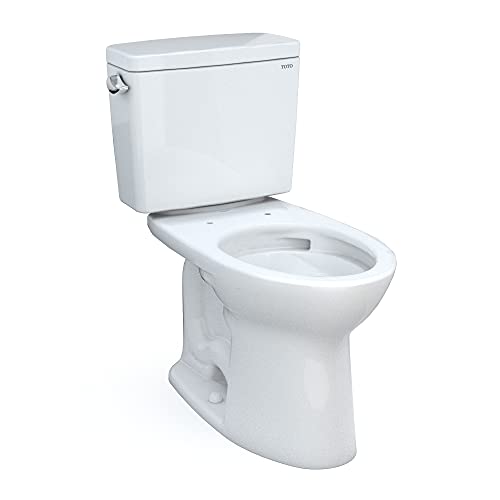
TOTO Drake II
Deep trap, powerful single flush
4.7
The Drake II pairs a top-tier MaP score with TOTO's Double Cyclone flush and a fully glazed trapway, so it holds its water seal well under drain suction while clearing forcefully at 1.28 GPF.
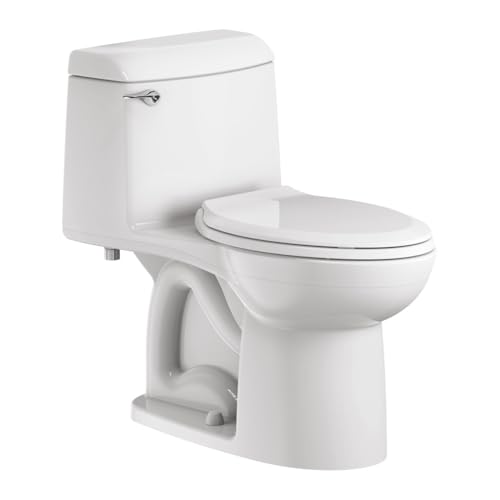
A wide 2-3/8 inch trapway and a large flush valve give the Champion 4 a forceful flush and a deep seal, a strong choice on a shared laundry branch where suction is a regular event.
Kohler's AquaPiston canister flush moves a fast, full volume at 1.28 GPF and the bowl holds a solid seal, giving the Cimarron dependable performance without a premium position.
Other proven options worth a look include the one-piece TOTO UltraMax II for a seamless easy-clean body, the Kohler Highline for wide availability and parts support, the dual-flush TOTO Aquia IV for water savings, and value-focused Woodbridge T-0019, Swiss Madison St. Tropez and Gerber Avalanche models that deliver strong flush specs at a lower position. Whatever you choose, confirm the rough-in distance matches your existing toilet before ordering. Remember that the toilet upgrade only helps after the drain and vent are healthy; it is the last step, not the first.
Editorial Take
People often want to swap the toilet first because it is the fixture they can see misbehaving. Resist that. The toilet is the messenger, not the cause, and a new bowl on a clogged vent will bubble just like the old one. Fix the airflow, then, if you happen to be replacing the toilet anyway, pick a deep-trap model with a MaP score of 800 grams or higher like the TOTO Drake II so the bowl shrugs off normal drain suction. That order saves money and actually solves the problem.
How to keep the bubbling from coming back
Once airflow is restored and the bubbling stops, a few habits keep the shared laundry-and-bathroom drain healthy and quiet, especially because washers are constant contributors of lint, scum and grease.
Use a lint trap on the washer drain hose
A mesh lint trap or filter on the end of the washer discharge hose catches the fibers that would otherwise build into the mat that narrows the branch drain. Rinse or replace it regularly. This single habit slows the most common cause of a returning partial clog on a shared laundry line and is far cheaper than repeat augering.
Keep the vent stack clear
Check the roof vent once or twice a year, especially after storms and before winter, for nests, leaves and debris. In cold climates, make sure the vent is properly sized so it does not frost shut. A clear vent is what lets the washer drain silently, so keeping it open prevents the most common cause of recurring bubbling.
Mind what goes down both fixtures
Grease poured down a kitchen sink that shares the line, wipes labeled flushable that do not break down, and excess detergent all feed the buildup that restricts a shared drain. Flushing only waste and a reasonable amount of toilet paper, and avoiding grease and wipes, keeps the branch and main lines clear so the system can vent properly. For chronic clog issues on the line, our guide to why your toilet keeps clogging covers the recurring causes in detail.
Watch for early warning signs
Slow drains, occasional gurgles from other fixtures, or a faint sewer smell are early signals that the line is restricting again. Acting on them while they are minor keeps a partial clog from becoming a backup. If the flush itself also weakens over time, our guides to improving toilet flush power, fixing a toilet that will not flush properly, and the broader weak toilet flush fix walk through the related causes step by step.
? Why does my toilet bubble when the washing machine drains?
The washer pumps out water fast into a drain it shares with the toilet. When the system cannot pull in air quickly enough to balance that surge, a vacuum forms and sucks air up through the toilet trap, which appears as bubbling. The underlying cause is usually a partial clog in the shared drain, a blocked plumbing vent, or an undersized drain pipe restricting the airflow.
? Is a bubbling toilet dangerous?
The bubbling itself is harmless air, but it is a warning. It means the drain is running under negative pressure and a restriction exists somewhere. A partial clog that bubbles today can grow into a full blockage that backs sewage into the tub or toilet. It is best treated as an early signal to find and clear the restriction before it gets worse.
? How do I know if it is a vent problem or a clog?
Watch which fixtures react during a wash. If only the nearest toilet bubbles and no drains are slow, suspect a blocked roof vent or a clog in that branch line. If several fixtures gurgle and drains around the house are slow, the main sewer line is the likely cause. Bubbling that began after roof work or a cold snap points strongly at the vent.
? Can a clogged vent cause a toilet to bubble?
Yes, it is one of the most common causes. The roof vent lets air into the drain so water flows without creating suction. If a nest, leaves, debris or winter frost blocks it, the washer's fast discharge pulls air through the toilet trap instead. Clearing the vent stack restores airflow and stops the bubbling, and it also protects the trap seal from being siphoned dry.
? Why does my toilet bubble only when I do laundry?
Because the washing machine discharges a large volume of water far faster than a normal flush or a running sink. That sudden surge is what overwhelms a restricted vent or a partially clogged drain and creates the vacuum. Slower-draining fixtures do not produce a big enough surge to pull air through the toilet, which is why only laundry triggers the bubbling.
? Will the bubbling stop on its own?
Not usually, because the restriction causing it does not clear itself. A lint-and-grease mat in a shared drain or a blocked vent stays put or grows until you remove it. Ignoring the bubbling tends to let a partial clog develop into a full one, so the better course is to diagnose and clear the cause while it is still just noise.
? Should I keep using the washer while the toilet bubbles?
For a single bubbling toilet with no slow drains, light use while you arrange a fix is generally fine. But if multiple fixtures gurgle, drains are slow, or you smell sewage, stop using the washer immediately. Those signs point to a main-line clog, and continued use can force a backup into the lowest fixtures and flood the floor.
? How do I clear a clog in the shared laundry drain?
Use a toilet auger through the toilet to reach the trapway and the start of the branch line. If bubbling continues, the clog is likely where the washer ties in, so feed a longer drum auger through a cleanout or the washer standpipe. Avoid chemical cleaners, which do not break up a lint-and-grease mat and can be hazardous to anyone who snakes the line afterward.
? How do I clear a blocked plumbing vent?
Safely access the roof and look down the vent pipe with a flashlight for nests, leaves or debris, removing what you can reach. For a deeper blockage, run a garden hose down the stack; if water backs up, it is plugged, and continued flushing or a drain snake usually breaks it free. If you cannot safely get on the roof, hire a plumber to clear it.
? Why does my vent freeze and cause winter bubbling?
In cold climates, warm moist sewer air meets frigid outside air at the vent opening and forms a ring of frost that narrows the pipe. A narrowed vent cannot supply enough air for the washer surge, so the toilet bubbles. A properly sized vent, at least 3 inches through the roof in cold regions, and keeping the cap clear reduce the chance of freezing.
? Could the main sewer line be the problem?
Yes, especially if more than one fixture reacts. A partial main-line clog from roots, grease or wipes restricts the whole house, so the washer surge pulls air through the lowest toilet trap. Multiple gurgling fixtures, slow drains and any sewage smell are signs to have the main cleanout snaked or jetted promptly, since this scenario can progress to a backup.
? Can a new washing machine cause toilet bubbling?
It can, if the laundry drain or its vent was undersized or improperly tied in. Modern washers still discharge quickly, and a too-small standpipe, trap or vent cannot handle the surge without pulling air from the toilet. If every other check is clean but a newly installed washer still triggers bubbling, have a plumber confirm the drain size and venting meet code.
? Does the type of toilet affect how much it bubbles?
Yes. A toilet with a deep water seal and a well-designed trapway resists siphoning and bubbles less under suction, while a shallow-trap budget bowl gives up its seal more easily. The drain and vent cause the vacuum, but trap design decides how much the toilet reacts. A high-MaP, deep-trap model is the most resilient choice once the system itself is healthy.
? What is an air admittance valve and will it fix this?
An air admittance valve (AAV) is a one-way valve installed under a fixture that lets air in to vent that fixture without a roof connection. It can help an undersized local vent in some jurisdictions, but it does not replace a blocked main stack and is not legal everywhere. Confirm local code and treat it as a supplement, not a cure for a plugged roof vent.
? How can I prevent the bubbling from coming back?
Put a lint trap on the washer discharge hose to stop the fiber buildup that clogs shared drains, check and clear the roof vent once or twice a year, and avoid sending grease and wipes down any drain on the line. These habits keep the branch and main lines open and the vent clear, so the system can vent the washer surge silently.
? Why does my toilet smell after the bubbling?
If the washer surge siphons the toilet trap low enough, the water seal that blocks sewer gas is partly lost, letting odor into the room. Flushing the toilet refills the trap, but the smell will return each wash until the vent or drain restriction causing the siphoning is fixed. A persistent sewer smell with bubbling can also signal a main-line clog.
? When should I call a plumber instead of fixing it myself?
Call a plumber if multiple fixtures gurgle or drains are slow, if you smell sewage, if you cannot safely reach the roof vent, or if a newly installed washer bubbles after every other check is clean. Those point to a main-line clog or an undersized drain, which need professional augering, jetting or re-piping rather than a homeowner fix.
? Does a higher MaP toilet help with bubbling?
Indirectly. MaP (Maximum Performance) testing measures grams of waste cleared per flush, and high-MaP toilets tend to pair strong flushing with deep, well-engineered traps that resist siphoning. So once the drain and vent are healthy, a model rated 800 grams or higher holds its seal better under drain suction. It is an upgrade, not a substitute for fixing the airflow.
Manufacturer published specifications (TOTO, Kohler, American Standard)
Our Verdict
A toilet that bubbles when the washing machine drains is a venting and drainage problem, not a broken toilet. The washer's fast discharge cannot pull in enough air, so a vacuum sucks air through the nearest toilet trap. Work in order: clear a partial clog in the shared branch drain, unblock the roof vent, and rule out a main sewer line clog, then check that a new washer drain is properly sized and vented. That sequence stops the bubbling in the large majority of cases. The toilet is the last thing to suspect, but if you are replacing it or the trap siphons too easily, a deep-trap, high-MaP, WaterSense-certified model like the TOTO Drake II, American Standard Champion 4 or Kohler Cimarron resists drain suction best. Fix the airflow first, and the gurgle goes quiet.
D
Researched by Derek Whitman
Derek researches plumbing specifications, installation requirements and parts availability, cross-checking manufacturer claims against owner-reported reliability. Rankings are based on documented data and real owner reports, never paid placement.
Updated August 2026 · Toilets
Keep reading
Related guides
Why Toilet Trapways Are Curved Like an S
Toilets
4.6
Learn why toilet trapways curve like an S, how each bend blocks sewer gas, and what the shape means for clogs and…