A ghost-flushing toilet, also called a phantom flush, is a toilet that refills itself for a few seconds every so often even though nobody touched the handle. In almost every case the cause is a slow leak from the tank into the bowl, and the leak is almost always a worn or warped flapper, a chain holding the flapper open, or a cracked flush valve seat. This guide diagnoses each cause in cheapest-first order using a simple dye test, manufacturer flapper specifications and the repair patterns that appear consistently across aggregated owner reviews, so you can stop the random refilling, end the wasted water, and decide whether the toilet itself needs replacing.
Quick Answer
A ghost-flushing toilet is leaking water from the tank into the bowl, which drops the tank level and triggers the fill valve to top it up. Run a dye test: put food coloring in the tank, wait 20 minutes, and if color appears in the bowl without flushing, replace the flapper first. That single inexpensive part stops the phantom flush in the large majority of cases.
A ghost-flushing toilet is unsettling the first time you hear it. The bathroom is empty, the house is quiet, and suddenly the toilet hisses and runs for five to fifteen seconds as if an invisible person just flushed it, then falls silent again. People call it a phantom flush, a ghost flush, or self-flushing, and while the name sounds mysterious, the mechanism behind it is completely ordinary. Water is slowly escaping from the tank into the bowl. When enough has leaked out that the tank level drops, the fill valve does exactly what it is designed to do: it switches on and refills the tank back to the line. That refill is the sound you hear. The toilet is not flushing on its own. It is refilling after a quiet, invisible leak.
This guide is built the way we research everything on this site. We do not physically install toilets or run flush tests in a lab. Instead we compare manufacturer specifications for tank components, EPA WaterSense water-efficiency standards, independent MaP (Maximum Performance) flush-test scores for the replacement models we recommend, and the repair patterns that appear consistently across thousands of verified owner reviews. That combination lets us put these fixes in a reliable order, starting with the dye test and the no-cost adjustments that fix most phantom flushes and ending with the point at which the tank parts or the toilet itself genuinely need replacing.
Before you touch anything. Drop a few drops of dark food coloring into the tank water, do not flush, and leave it 15 to 20 minutes. Then look in the bowl. If colored water has crept into the bowl, you have confirmed a tank-to-bowl leak, which is the cause of nearly every ghost flush. This 20-minute test tells you exactly where to start and saves you from replacing parts that are fine.
What causes a toilet to ghost flush or phantom flush?
A ghost flush is caused by water slowly leaking from the tank into the bowl, which lowers the tank level until the fill valve refills it automatically. The most common culprit is a worn, warped or mineral-crusted flapper that no longer seals, followed by a lift chain that is too long and props the flapper open, and a cracked or scaled flush valve seat. Far less often, a faulty fill valve or a leak in the supply system is to blame.
Every ghost flush traces back to the same root problem: the tank cannot hold its water. The tank is supposed to sit full and sealed between flushes, with the flapper closing the drain opening at the bottom and the fill valve shut off. When water sneaks past that flapper seal, the level drops a little at a time. The fill valve has no way to know the water left through a leak rather than a flush, so once the level falls far enough, it kicks on and refills. The refill cycle repeats every few minutes or every few hours depending on how fast the leak is, and that is the phantom flush. Find the leak and you fix the ghost.
The reason the flapper is the usual suspect is simple. It is the only soft, flexible, constantly submerged part in the tank, and it takes the most wear. Rubber flappers stiffen, warp and crack as they age. Chlorine tablets dropped in the tank attack them faster. Hard water leaves mineral scale on the seal ring and on the seat the flapper rests against. Any of those breaks the watertight seal and starts the slow leak that becomes a ghost flush. The good news is that the flapper is also the cheapest and easiest part to replace.
How do I find out where my toilet is leaking?
Use the dye test. Add several drops of food coloring or a dye tablet to the tank water, do not flush, and wait 15 to 20 minutes. If colored water appears in the bowl, the flapper or flush valve seat is leaking, which is the cause of most ghost flushes. If the bowl stays clear but the tank still refills on its own, suspect the fill valve, the float, or a leak below the tank.
The dye test is the single most useful diagnostic for a phantom flush because it instantly separates the two possible directions a leak can go. A toilet that ghost flushes is losing water either downward into the bowl (a flapper or flush valve leak) or out of the tank some other way (a fill valve that will not shut off, an overflow tube set too high, or an external leak). The dye test confirms which. Colored water in the bowl means the leak is the flapper or its seat, and that is the case in the large majority of ghost flushes. A clear bowl after a long wait sends you to the fill side instead.
While you wait for the dye test, take the lid off and watch the resting tank. The water should sit still at the molded fill line, usually about an inch below the top of the overflow tube, with the fill valve completely silent. If you can hear a faint trickle, see ripples on the surface, or watch the level slowly creeping down, you are seeing the leak in action. Note where the water seems to be going, because that observation plus the dye result usually pins down the cause before you replace a single part.
Symptom
Most likely cause
First fix to try
Replace toilet?
Dye appears in bowl, random refills
Worn or warped flapper
Replace the flapper
No, cheap part
Flapper looks fine but bowl colors
Scaled or cracked flush valve seat
Clean the seat or fit a seal kit
No, cheap part
Refills minutes after each flush
Lift chain too long, props flapper
Shorten the chain a link or two
No, free fix
Constant trickle into overflow tube
Water level set above the tube
Lower the float to the fill line
No, free fix
Fill valve hisses and will not stop
Failed or dirty fill valve
Clean or replace the fill valve
No, cheap part
Leaks persist after all parts replaced
Cracked tank or worn valve body
Inspect tank, consider upgrade
Sometimes, upgrade
Fix 1: Replace the flapper (the number one cause)
The flapper is the rubber or silicone seal at the bottom of the tank that lifts when you flush and drops back to plug the drain opening. It is the part that fails first and the part that causes ghost flushing more than any other. Over a few years the rubber stiffens, warps, and develops a worn ring where it meets the seat, and once that seal is no longer perfect, water trickles into the bowl drop by drop. The tank slowly empties, the fill valve refills it, and you get the phantom flush. Chlorine tablets in the tank dramatically speed up this decay, which is one reason plumbers advise against dropping bleach pucks in the tank.
To replace it, shut off the supply valve on the wall behind the toilet, flush to empty the tank, and sponge out the remaining water. Unhook the old flapper from the pegs on the overflow tube and unclip the chain. Take it to the hardware store to match it, or buy a universal flapper that fits most two-inch flush valves. Snap the new one onto the pegs, reconnect the chain with only slight slack, turn the water back on, and let the tank refill. Run the dye test again to confirm the leak is gone. A fresh, correctly sized flapper stops the ghost flush in the clear majority of cases, and it is an inexpensive, five-minute job. If your toilet uses a canister-style flush seal rather than a flap, such as many Kohler models with the AquaPiston canister, the equivalent part is the canister seal, which swaps out just as easily.
Tip. Match the flapper to your flush valve size, not just the brand. Most older toilets use a 2-inch flapper, but many newer high-efficiency models use a 3-inch flapper for faster water delivery. A 2-inch flapper on a 3-inch seat will never seal and will guarantee a permanent ghost flush. Measure the drain opening or check the model specs before buying.
Fix 2: Adjust or shorten the lift chain
Sometimes the flapper is in perfect condition but it still is not sealing, and the culprit is the chain that connects it to the flush handle. If that chain is too long, the excess can slip underneath the flapper as it tries to close, propping it open a hair and letting water trickle through. A chain that is too short has the opposite problem: it holds gentle tension on the flapper and prevents it from seating fully. Either way, the flapper cannot make a watertight seal and the tank slowly drains into the bowl, producing a ghost flush minutes after a normal use.
The fix is free and takes seconds. The chain should have just a small amount of slack at rest, enough that the flapper drops and seats completely but not so much that it can tangle or slip under the seal. Move the chain hook up or down a link or two on the flush rod until the slack is right, then watch a flush from above to confirm the flapper rises fully, holds, and drops cleanly onto a clean seat. If the chain is corroded, kinked or frayed, replace it, since a worn chain can bind and hold the flapper up. This is the cheapest possible fix for a phantom flush and worth checking the moment you confirm the flapper itself looks healthy.
Fix 3: Clean or repair the flush valve seat
If you have fitted a brand new flapper and the dye test still shows color in the bowl, the leak is not the flapper, it is the surface the flapper rests on. That ring-shaped surface at the top of the drain opening is the flush valve seat, and even a perfect flapper cannot seal against a seat that is rough, pitted, or crusted with mineral scale. Hard water is the usual cause, leaving a chalky buildup that breaks the contact between the flapper and the seat. A small crack or chip in a plastic seat does the same thing.
Shut off the water, empty the tank, and run your finger around the seat. If you feel grit, scale or roughness, that is your leak. Scrub the seat clean with a non-abrasive pad and a little white vinegar to dissolve mineral deposits, taking care not to scratch it, then dry it and refit the flapper. If the seat is cracked or so worn it will not clean up smooth, an inexpensive flush valve seat repair kit fits a new sealing ring directly over the old seat and restores a watertight surface without replacing the whole valve. If even that fails, the entire flush valve can be replaced, though at that point many owners weigh the cost and effort against simply upgrading the toilet.
Tip. A monthly wipe of the flush valve seat and a vinegar soak of the tank in hard-water homes prevents the scale that ruins the seal in the first place. The same buildup that scales the seat also clogs the rim jets and weakens the flush, so keeping the tank clean protects both the seal and the flush power at once.
Fix 4: Lower the water level below the overflow tube
Not every ghost flush is a flapper leak. If the tank water level is set too high, water continuously spills over the top of the overflow tube and drains into the bowl. The fill valve then runs intermittently to replace that lost water, mimicking a phantom flush. This often happens after someone adjusts the fill valve, or when an aging valve creeps up over time. The telltale sign is a steady trickle into the open top of the overflow tube even when the tank looks full.
Look for the molded fill line on the inside back wall of the tank or printed on the overflow tube, usually about an inch below the tube's top edge. The resting water should sit right at that line and never spill into the tube. Lower it by adjusting the float: on a modern cup-style fill valve, turn the adjustment screw or twist the float clockwise to lower it; on an older ball-and-arm float, gently bend the arm downward. Set the level so it rests at the fill line with a clear gap below the top of the overflow tube. This stops the overflow leak and the phantom refills that come with it.
Editorial Take
The order here matters more than any single repair. The mistake we see most often is people buying a new fill valve or even a new toilet when a five dollar flapper was the whole problem. Always run the dye test first. If color shows in the bowl, start with the flapper and chain before you touch anything else, because those two account for the overwhelming majority of ghost flushes and cost almost nothing. Save the fill valve and the seat repair for the cases the dye test actually points you toward.
Fix 5: Clean or replace the fill valve
If the dye test came back clear, meaning no color reached the bowl, but the tank still refills on its own, the leak is on the fill side rather than the drain side. The most common version is a fill valve that no longer shuts off completely. A worn seal or a bit of grit inside the valve lets it weep water continuously, dropping the level a touch until the valve cycles to top it off, producing a quiet phantom flush with no leak into the bowl at all. A fill valve that hisses faintly between flushes is the classic sign.
Start by cleaning the valve. Shut off the water, remove the fill valve cap, and flush debris out of the valve by briefly turning the supply back on with a cup held over the opening to catch the spray. Sediment from the water line is a common cause of a valve that will not seal, and a flush-out fixes it. If cleaning does not stop the cycling, replace the fill valve outright. Modern universal fill valves are inexpensive, install in fifteen minutes with the water off, and come with clear instructions. A fresh fill valve cures the ghost flush whenever the fill side is the cause.
Fix 6: Check for an external leak or a cracked tank
This one is rare but worth ruling out when the common fixes all check out. If the flapper, chain, seat, water level and fill valve are all confirmed good and the toilet still refills on its own, water may be escaping the tank somewhere other than into the bowl. Look for moisture around the tank-to-bowl bolts, the spud washer between tank and bowl, the supply line connection, and the base of the toilet. A hairline crack in the tank or a failed gasket lets water seep out slowly, and the fill valve refills to compensate just as it would for any other leak.
Dry every surface around and under the tank, then watch over an hour for fresh moisture. A wet spot at a bolt or the supply connection usually means a gasket or washer to tighten or replace, which is a cheap fix. Moisture seeping from the body of the tank itself points to a crack, and a cracked tank generally is not worth repairing. At that point, and especially if the toilet is old, a 3.5 GPF water guzzler, or one you have already nursed through several repairs, replacement becomes the sensible call rather than chasing one more part.
How much water does a ghost-flushing toilet waste?
A ghost-flushing toilet can waste a surprising amount of water because the leak runs around the clock. A slow phantom flush commonly wastes several hundred gallons a month, and a fast one can waste thousands, since the fill valve cycles repeatedly day and night. Fixing the leak with an inexpensive flapper or fill valve usually pays for itself quickly in lower water bills.
The reason a small leak adds up so fast is that it never stops. A dripping flapper that triggers a refill every few minutes is running continuously, and the EPA notes that household leaks, with running toilets among the worst offenders, can waste enormous volumes of water over a year. That is the financial case for fixing a ghost flush promptly rather than living with it: the part costs little, the repair is quick, and the water savings begin immediately. It is also the environmental case, since a leaking toilet quietly undermines all the efficiency a low-flow or WaterSense design was meant to deliver.
When should I replace the toilet instead of fixing the ghost flush?
Replace the toilet when the tank is cracked, when the flush valve body itself is worn out, or when an old high-water-use toilet has needed repeated repairs and a weak flush on top of the ghost flushing. If the only problem is a leaking flapper, chain or fill valve, always repair, since those parts are cheap. Choose a replacement with a MaP score of 800 grams or higher and EPA WaterSense certification.
The decision comes down to whether the problem is a cheap wear part or the fixture itself. A flapper, chain, fill valve or seat kit is inexpensive and quick, so those always justify a repair first. Replacement makes sense only when the tank is cracked, the flush valve assembly is failing, or you are looking at an aging 3.5 GPF toilet that already flushes weakly and has cost you several repairs. In that situation a new high-efficiency model fixes the ghost flush permanently and cuts water use at the same time. This is where the MaP score becomes the buying signal: it reports how many grams of waste a toilet clears in a single flush, and a strong score predicts you will be happy with the upgrade. For chronic weakness on top of leaks, our weak toilet flush fix guide walks through every cause in detail, and our roundup of the best flushing toilets ranks the strongest replacements.
If the answer is a new toilet, choose for a sealed, reliable tank
When the diagnosis points to the toilet itself rather than a single part, choose a replacement with a reputation for tank reliability and strong flush specs. Look for a high MaP score (aim for 800 grams or higher), EPA WaterSense certification at 1.28 GPF or lower, and a quality flush seal design that resists the wear that causes ghost flushing in the first place. The three models below are consistent strong performers across published specifications and aggregated owner feedback, and they cover the most common needs. For the full ranked list, see our roundup of the best flushing toilets.
Best Overall
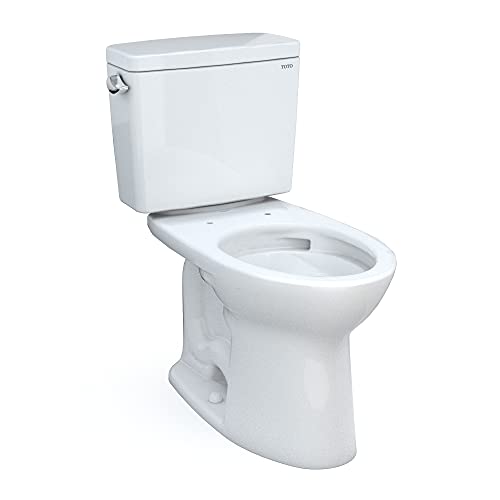
TOTO Drake II
Reliable seal and powerful daily clearing
4.7
The Drake II pairs a top-tier MaP score with TOTO's Double Cyclone flush and a 1.28 GPF rating, and its well-regarded tank hardware holds a tight seal that resists the leaks behind ghost flushing.
Kohler's AquaPiston canister replaces the traditional flapper with a 360-degree seal that has fewer wear points, moving a fast 1.28 GPF volume while resisting the slow leaks that cause phantom flushing.
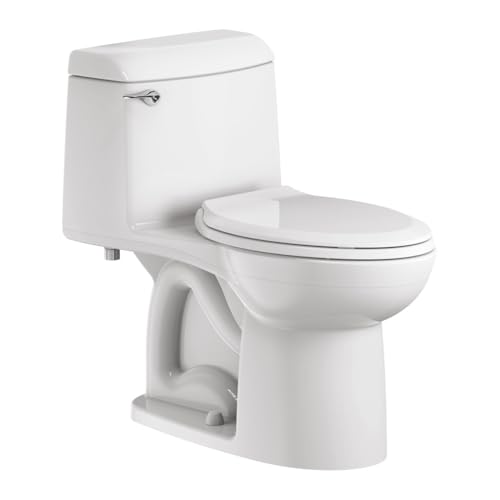
The Champion 4 uses an oversized flush valve and flapper with a tower design built to seal reliably, pairing a wide trapway and forceful flush with hardware made to resist the early leaks that trigger ghost flushing.
Other proven options worth a look include the one-piece TOTO UltraMax II for a seamless easy-clean body, the Kohler Highline for wide availability and parts support, the dual-flush TOTO Aquia IV for water savings, and value-focused Woodbridge T-0019, Swiss Madison St. Tropez and Gerber Avalanche models that deliver strong flush specs at a lower position. Whatever you choose, confirm the rough-in distance matches your existing toilet before ordering, and keep chlorine tablets out of the new tank to protect the seal.
Editorial Take
If you are replacing because of a chronic leak rather than a single failed part, a canister-style flush like Kohler's AquaPiston is worth the look, because the 360-degree seal has fewer wear points than a traditional flapper and tends to hold up longer in hard-water homes. That said, a quality flapper toilet such as the TOTO Drake II is just as dependable when you keep the tank clean and skip the bleach tablets. The real predictor of long-term happiness is still the MaP score, so aim for 800 grams or higher for a primary bathroom regardless of the seal style.
How to prevent a ghost flush from coming back
Once the phantom flush is fixed, a little maintenance keeps it from returning, especially in hard-water areas where mineral scale is the slow enemy of a good tank seal.
Skip the in-tank chlorine tablets
Drop-in bleach and chlorine tablets are the fastest way to destroy a flapper and tank seals. The chemical sits against the rubber around the clock and breaks it down in months instead of years, which is a leading reason a toilet starts ghost flushing again soon after a repair. If you want continuous cleaning, use an in-bowl product or a tablet designed to sit in the bowl, not the tank.
Keep the tank and seat free of scale
A periodic vinegar soak of the tank, or a wipe of the flush valve seat in hard-water homes, prevents the mineral buildup that breaks the flapper seal. The same scale that causes leaks also clogs the rim jets and weakens the flush, so this one habit protects both the seal and the flush power. For more on keeping a flush strong, see our guide to how to improve toilet flush power.
Replace wear parts before they fail
Flappers, chains and fill valves are inexpensive wear items. A flapper that is a few years old and starting to stiffen is cheap insurance to swap on a quiet weekend rather than waiting for the ghost flush to return. A fresh flapper and a correctly tensioned chain keep the tank sealed and the fill valve quiet between uses. If the toilet has started showing other problems too, our guides on a toilet not flushing properly and on why a toilet keeps clogging cover the related failures worth checking at the same time.
A ghost flush, also called a phantom flush, is when a toilet refills itself for a few seconds even though nobody flushed it. It is not actually flushing on its own. Water is slowly leaking from the tank into the bowl, the level drops, and the fill valve switches on to top the tank back up. That refill is the sound you hear, and it repeats as long as the leak continues.
? Why does my toilet randomly run for a few seconds?
Random short refills are the classic sign of a ghost flush caused by a slow tank-to-bowl leak. A worn flapper, a chain holding the flapper open, or a scaled flush valve seat lets water trickle out, and the fill valve cycles to replace it. Run a dye test to confirm, then replace the flapper first, since that fixes the large majority of these cases.
? How do I do a toilet dye test?
Add several drops of dark food coloring or a dye tablet to the tank water and do not flush. Wait 15 to 20 minutes, then look in the bowl. If colored water has appeared in the bowl, you have a leak from the tank, almost always the flapper or the flush valve seat. If the bowl stays clear but the tank still refills, the problem is on the fill side instead.
? What is the most common cause of a ghost-flushing toilet?
A worn or warped flapper is by far the most common cause. It is the only soft, constantly submerged part in the tank, so it ages, stiffens and loses its seal faster than anything else. Once the seal fails, water trickles into the bowl and the fill valve refills the tank repeatedly. Replacing the flapper is cheap and stops most ghost flushes.
? Can a ghost flush fix itself?
It usually will not. A ghost flush is a mechanical leak, and leaks only get worse as the flapper degrades or the scale builds up. Ignoring it wastes water continuously and the noise tends to grow more frequent over time. The fix is quick and inexpensive, so it is better to run the dye test and replace the failing part than to wait for it to resolve on its own.
? How much water does a ghost-flushing toilet waste?
More than people expect, because the leak runs around the clock. A slow phantom flush commonly wastes several hundred gallons a month, and a fast one can waste thousands as the fill valve cycles day and night. The EPA flags running toilets as one of the largest sources of household water waste, so fixing the leak usually pays for the cheap part quickly in lower bills.
? Why does my toilet ghost flush only at night?
It does not only happen at night, you just hear it more then because the house is quiet. The leak runs continuously, and the refill cycle is triggered whenever the tank level drops far enough. During the day, ambient noise masks the short refill. The cause is the same slow tank-to-bowl leak regardless of the time, so the dye test and flapper check still apply.
? Will replacing the flapper fix a phantom flush?
In the large majority of cases, yes. Since a worn flapper is the leading cause of ghost flushing, a new correctly sized flapper restores the seal and stops the leak. Make sure to match the flapper to the flush valve size, since many newer high-efficiency toilets use a 3-inch flapper rather than the older 2-inch size. After fitting it, run the dye test again to confirm the leak is gone.
? Why does my toilet still leak after I replaced the flapper?
If a new flapper did not stop the leak, the problem is the surface it seals against, the flush valve seat. Mineral scale, roughness or a crack on that seat prevents even a perfect flapper from sealing. Clean the seat with a non-abrasive pad and white vinegar, and if it will not clean up smooth, fit an inexpensive seat repair kit that adds a fresh sealing ring over the old seat.
? Can a fill valve cause a ghost flush?
Yes, when the leak is on the fill side rather than the drain side. A fill valve that does not shut off completely weeps water continuously, dropping the level until it cycles to refill, producing a phantom flush with no leak into the bowl. If the dye test comes back clear but the toilet still refills, clean the fill valve to clear sediment, or replace it if cleaning does not stop the cycling.
? Does a chain cause ghost flushing?
It can. A lift chain that is too long can slip under the flapper and prop it open slightly, and a chain that is too short can hold tension that stops the flapper seating fully. Either prevents a watertight seal and leaks water into the bowl. The fix is free: adjust the chain so it has only a small amount of slack, enough for the flapper to drop and seal completely.
? Why do chlorine tablets cause ghost flushing?
Drop-in chlorine or bleach tablets sit in the tank water against the rubber flapper and seals around the clock, breaking the rubber down far faster than normal aging. A flapper that should last years can warp and lose its seal in months, starting a ghost flush. Keep tablets out of the tank entirely, and use an in-bowl cleaner if you want continuous freshening.
? How do I stop water from running into the overflow tube?
That trickle means the tank water level is set too high and is spilling over the top of the overflow tube. Lower the float so the resting water sits at the molded fill line, usually about an inch below the top of the tube. On a cup-style fill valve, turn the adjustment screw or twist the float clockwise; on an older ball-and-arm float, gently bend the arm downward.
? Is a ghost flush dangerous or just annoying?
It is not dangerous, but it is not harmless either. The main costs are wasted water and a rising water bill, plus the nuisance noise. A continuously leaking toilet can waste a large volume of water over months, so while there is no safety risk, the financial and environmental case for fixing it promptly is strong. The repair is cheap and quick, so there is little reason to live with it.
? How long does it take to fix a ghost-flushing toilet?
Most fixes take ten to twenty minutes once you have diagnosed the cause with the dye test. Replacing a flapper, adjusting a chain or lowering the water level are quick jobs with basic tools and the water shut off. Cleaning the flush valve seat or swapping a fill valve takes a bit longer but is still well within an afternoon for a typical do-it-yourselfer.
? Do canister-flush toilets ghost flush less than flapper toilets?
They tend to, because a canister flush like Kohler's AquaPiston uses a 360-degree seal with fewer wear points than a traditional hinged flapper, so there is less to fail over time. They are not immune, since the canister seal can still scale up or wear, but in hard-water homes they often hold a tight seal longer. A quality flapper toilet stays reliable too if you keep the tank clean.
? When should I replace the whole toilet instead of fixing the leak?
Replace it when the tank is cracked, the flush valve body is worn out, or an old high-water-use toilet has needed repeated repairs and also flushes weakly. If the only fault is a leaking flapper, chain or fill valve, always repair, since those parts are inexpensive. When you do replace, choose a model with a MaP score of 800 grams or higher and EPA WaterSense certification.
? What is a good MaP score for a replacement toilet?
MaP (Maximum Performance) testing reports how many grams of solid waste a toilet clears in a single flush. A score of 600 grams handles an average household, 800 grams is strong, and 1000 grams is the maximum for a residential gravity toilet. If you are replacing a leaking toilet, aim for 800 grams or higher for a primary bathroom so the upgrade clears reliably without double flushing.
? Which brands are most reliable for tank parts and seals?
TOTO, Kohler and American Standard lead for flush performance, parts availability and warranty support, which is why they appear most across strong aggregated owner reviews. Woodbridge, Swiss Madison and Gerber offer competitive flush specs at lower positions if value is the priority. Whatever the brand, keep chlorine tablets out of the tank and prioritize a MaP score of 800 grams or higher with WaterSense certification.
Manufacturer published specifications (TOTO, Kohler, American Standard)
Our Verdict
A ghost-flushing toilet is almost never a haunting and almost always a slow leak from the tank into the bowl. Start with the dye test: a few drops of food coloring in the tank and a 20-minute wait will tell you exactly where to look. Color in the bowl means a flapper, chain or flush valve seat problem, and replacing the flapper alone stops the phantom flush in the large majority of cases. A clear bowl with continued refilling sends you to the fill valve or an external leak instead. Work in order, keep chlorine tablets out of the tank, and the fix is usually a few dollars and twenty minutes. Only when the tank is cracked or an old, weak-flushing toilet has been repaired one time too many does replacement make sense, and that is when a sealed, high-MaP, WaterSense-certified model like the TOTO Drake II, Kohler Cimarron or American Standard Champion 4 ends the ghost flush for good while cutting your water use. Diagnose before you replace, and your money goes to the real problem.
D
Researched by Derek Whitman
Derek researches plumbing specifications, installation requirements and parts availability, cross-checking manufacturer claims against owner-reported reliability. Rankings are based on documented data and real owner reports, never paid placement.
Updated August 2026 · Toilets
Keep reading
Related guides
Why Toilet Trapways Are Curved Like an S
Toilets
4.6
Learn why toilet trapways curve like an S, how each bend blocks sewer gas, and what the shape means for clogs and…