The flush valve is the single most important part inside a toilet tank for flush strength. It is the opening at the bottom of the tank, sealed by a flapper or canister, that releases stored water into the bowl, and its diameter decides how fast and how hard that water arrives. This complete guide explains what a flush valve is, how it works, how 2 inch, 3 inch and 4 inch valves differ in real flush performance, how the flapper and canister seals fit on top, how to identify and replace a worn valve, how to diagnose a running or weak toilet, and which proven TOTO, Kohler, American Standard, Woodbridge, Swiss Madison and Gerber models use each size, all drawn from published specifications, MaP flush-test data, EPA WaterSense listings and aggregated owner reviews rather than guesswork.
Quick Answer
For a strong, clog-resistant flush, buy a toilet with a 3 inch flush valve, and the TOTO Drake is the standout because its 3 inch G-Max valve clears a full 1,000 gram MaP load on only 1.28 gallons. A 2 inch valve suits compact and budget toilets, while a 4 inch valve like the American Standard Champion 4 moves the most water for heavy waste.
Almost every toilet problem worth understanding starts at one small part. When a toilet flushes weakly, runs all night, ghost flushes on its own, or needs a second pull to finish the job, the cause is usually the flush valve or the seal that sits on top of it. The flush valve is the round tower at the bottom of the tank, and the flapper or canister is the seal that lifts off it when you press the handle. Together they control how the tank empties, and the way they empty it decides whether a flush feels powerful or feeble.
Most shoppers fixate on gallons per flush or bowl shape and never look at the flush valve, yet it is one of the clearest predictors of whether a toilet flushes hard. This guide is built the way we research every product on this site. We do not physically install or test toilets. Instead we compare published manufacturer flush valve dimensions, independent MaP (Maximum Performance) flush-test scores, EPA WaterSense certification status, and the patterns that surface across thousands of verified owner reviews. By the end you will understand exactly what the flush valve does, how 2 inch, 3 inch and 4 inch valves differ, how the flapper and canister seals work, how to identify and replace a worn valve, and which dependable models use each size.
Read this first. The flush valve size is the diameter of the opening at the bottom of the tank, not the trapway or the drain. The two common categories are the standard 2 inch valve and the high-performance 3 inch valve, with the oversized 4 inch valve reserved for clog-focused models like the American Standard Champion 4. Bigger is not automatically better for every bathroom, but for flush strength a 3 inch valve is the size most worth targeting.
What Is a Toilet Flush Valve and How Does It Work?
A toilet flush valve is the opening at the base of the tank, sealed by a flapper or canister, that releases tank water into the bowl when you flush. When you press the handle, the seal lifts and water rushes through the valve, down into the bowl, and builds the siphon that pulls waste out. The valve's diameter controls how fast the tank empties, so a wider valve creates a faster, stronger flush.
Inside every gravity toilet tank sits a vertical tube called the flush valve, topped by a rubber or plastic seal and connected to the handle by a chain or rod. The valve has three jobs. It holds the tank water back between flushes, it releases that water fast when you flush, and it reseals so the tank can refill. When you press the handle, the seal lifts and the stored water pours down through the valve opening, through the bowl rim holes and the larger jet at the bottom, and into the bowl.
The speed of that water is what creates flush power. Two toilets can hold the same number of gallons, but the one that releases them faster through a bigger valve hits the bowl harder and forms a stronger siphon. The siphon is the key event in a gravity flush. As water rushes in, it lifts the bowl level high enough to crest the trapway, and once it crests, suction pulls the entire contents down the drain in one continuous draw. A larger flush valve feeds that siphon faster and keeps it going longer, which is why valve size is so closely tied to clog resistance. A slow trickle from a small valve can fail to build a full siphon at all, while a 3 inch valve delivers a surge that clears the bowl in one pull. If you want the models that turn this into real-world performance, our guide to the best flushing toilets ranks the strongest flushers, and nearly every top pick uses a larger valve.
What Are the 3 Main Parts of a Flush Valve?
A flush valve assembly has three main parts: the valve body, which is the tube and seat that water flows through; the seal, which is either a hinged flapper or a lift-up canister that opens when you flush; and the overflow tube, which carries excess water into the bowl to prevent the tank from overfilling. Together they release the tank water and then reseal it for the next flush.
Although people often say "flush valve" to mean the whole assembly, it is worth knowing the pieces, because the part that fails is usually the seal rather than the body. The valve body is the rigid tower bolted to the bottom of the tank, with a smooth seat at its base where the seal rests. The seal is the moving part, a hinged flapper on most 2 inch valves or a cylindrical canister on most 3 inch valves, and it is the component that wears out and starts leaking over the years. The overflow tube rises up the side of the valve body and quietly drains any excess water into the bowl, which is why the tank never overflows even if the fill valve sticks open.
Understanding these parts makes diagnosis simple. A toilet that keeps running almost always has a worn seal that no longer seats fully, letting water trickle past into the bowl. A toilet that overflows from the tank usually has a fill valve set too high relative to the overflow tube. The valve body itself rarely fails, so most repairs are a matter of replacing the flapper or canister seal, which is inexpensive and takes only minutes once the water is shut off.
What Are the Standard Toilet Flush Valve Sizes?
The three common flush valve sizes are 2 inch, 3 inch and 4 inch, measured by the diameter of the valve opening. The 2 inch valve is the long-time standard on most budget and compact toilets, the 3 inch valve is the high-performance size on most top-rated flushers like the TOTO Drake, and the 4 inch valve is an oversized design used by a few heavy-duty models such as the American Standard Champion 4.
Flush valve diameter is measured across the round opening at the bottom of the tank. The differences sound minor on paper, but the jump from 2 inch to 3 inch roughly doubles the cross-sectional area of the opening, which means dramatically more water moving per second. That single change is why so many manufacturers switched their flagship lines to 3 inch valves. The table below summarizes how the common sizes compare across the specs that matter.
Flush valve size
Found on
Flush speed
Typical MaP range
Clog resistance
2 inch
Budget, compact, older toilets
Moderate
300 to 800 g
Average
3 inch
Most top-rated flushers (TOTO, Kohler, Woodbridge)
Fast surge
800 to 1000 g
Strong
4 inch
Heavy-duty clog-buster models
Very fast, high volume
1000 g
Very strong
Pressure-assist (sealed)
Flushmate-equipped Kohler, Gerber and others
Forceful blast
1000 g
Very strong
The takeaway is straightforward. A 2 inch valve is the historical standard and performs acceptably for light to moderate use, especially in compact bathrooms. A 3 inch valve is where flush strength clearly improves, and it is the size on the majority of toilets that score 800 grams or higher on the MaP test. A 4 inch valve moves even more water and shows up on a handful of models built specifically to defeat stubborn clogs. Pressure-assisted toilets are a separate category that uses compressed air instead of a wider gravity valve to deliver force. For a deeper look at exactly how the sizes compare in flush behavior, our dedicated flush valve size guide breaks each one down side by side.
Which Flush Valve Size Gives the Strongest Flush?
Among gravity toilets, a 4 inch flush valve gives the strongest, highest-volume flush, and the American Standard Champion 4 is the leading example. However, a 3 inch valve like the TOTO Drake's G-Max delivers nearly the same clog-clearing power on far less water, which is why most top-rated flushers use 3 inch valves rather than 4 inch.
Raw force scales with valve diameter, so a 4 inch valve technically moves the most water per second of any gravity design and is the choice when extreme bulk is the everyday challenge. The American Standard Champion 4 is the best-known model built around this oversized valve, pairing the big opening with a wide, fully glazed trapway to back up the volume. Owner reviews consistently single it out as the toilet that almost never needs a plunger.
That said, bigger is not always smarter. A 3 inch valve already delivers a fast, full surge that reaches the maximum 1,000 gram MaP score on many models while using only 1.28 gallons. Because the 3 inch valve hits that ceiling on less water, it has become the standard for high-performance toilets that also want EPA WaterSense efficiency. The 4 inch valve earns its place when you genuinely need maximum volume and accept the higher 1.6 gallon use that usually comes with it. For most households, a 3 inch valve is the sweet spot of power and efficiency. If you are weighing the water side of this trade-off, our explainer on 1.28 GPF vs 1.6 GPF shows how the flush rating and water use line up.
Editorial Take
If we had to pick one valve size for almost every bathroom, it would be the 3 inch valve. It hits the same 1,000 gram MaP ceiling as a 4 inch valve on a model like the TOTO Drake, but does it on 1.28 gallons instead of 1.6, so you get maximum clog resistance and EPA WaterSense efficiency at once. Reserve the 4 inch valve for genuinely punishing loads, and reserve a 2 inch valve for compact bowls where space, not power, is the priority.
What Is the Difference Between a Flapper and a Canister Flush Valve?
A flapper is a hinged rubber seal that swings open to release water and is common on 2 inch valves. A canister is a cylinder that lifts straight up and opens 360 degrees around the valve at once, common on 3 inch valves, and it releases water faster than a flapper can. They are not interchangeable, so a replacement seal must match both the valve size and the seal style.
The valve and its seal are a matched pair, and the style of seal tells you a lot about the toilet's design. On a standard 2 inch valve, a familiar rubber flapper hinges open on one edge to release the water, then drops back into place as the tank empties. On most 3 inch valves, manufacturers use a canister seal that lifts straight up and opens all the way around the valve at once, releasing water even faster than a hinged flapper can because there is no partial-opening lag. TOTO's G-Max and Tornado systems and Kohler's Class Five valves commonly use this canister approach.
This matters most when something starts leaking. A flapper or canister wears out over years and is the most common cause of a toilet that keeps running or ghost flushes on its own. When you replace it, you must match the part to the valve size and the style, because a 2 inch flapper cannot seal a 3 inch valve, and a canister seal is not interchangeable with a flapper. Confirm the valve diameter and seal type from the owner's manual or the markings near the valve before buying a replacement. If your toilet is running constantly, our walkthrough on a toilet that keeps running diagnoses the seal step by step.
Feature
Flapper seal
Canister seal
Typical valve size
2 inch
3 inch
How it opens
Hinges on one edge
Lifts straight up, opens 360 degrees
Release speed
Moderate
Faster
Common brands
Budget, older toilets
TOTO, Kohler higher-end lines
Replacement cost
Low, stocked everywhere
Low, sometimes brand-specific
Lifespan
Several years
Often longer
Common mistake. Buying a universal flapper for a toilet that uses a 3 inch valve or canister seal. The part will not fit or seal, and the toilet will run continuously. Always read the flush valve size and seal style from the owner's manual or the markings near the valve, and match the replacement to that exact size and style.
How Do I Know If My Flush Valve Is Bad?
A bad flush valve usually shows up as a toilet that keeps running, refills on its own without being flushed (ghost flushing), or flushes weakly. The most common cause is a worn flapper or canister seal that no longer seats fully, letting water leak from the tank into the bowl. A simple dye test in the tank confirms it: if color appears in the bowl within 15 minutes without flushing, the seal is leaking.
The flush valve body rarely fails, but the seal on top of it wears out predictably, and a worn seal is one of the most common and wasteful toilet problems. The symptoms are easy to recognize. A toilet that keeps running long after the flush, a faint trickle of water into the bowl between uses, a tank that refills on its own every few minutes, or a flush that has gradually weakened all point to a seal that no longer holds water back. A single leaking flapper can waste hundreds of gallons a day, which is why catching it early matters.
To confirm a leak, run a dye test. Remove the tank lid, drop a few drops of food coloring or a dye tablet into the tank water, and wait 15 minutes without flushing. If colored water appears in the bowl, the seal is leaking and needs replacing. If the water stays clear, the valve is sealing and the running is more likely a fill valve or float problem. If the flush has simply weakened, the cause may be a worn seal, a low tank water level, clogged rim jets, or a partial trapway clog. Our guides on fixing a weak flush and fixing ghost flushing walk through each check in order.
How Do I Replace a Toilet Flush Valve?
To replace a toilet flush valve, shut off the water supply, flush to empty the tank, sponge out the remaining water, and disconnect the water line. For a seal-only fix, snap the new flapper or canister onto the existing valve body. For a full valve replacement, unbolt the tank from the bowl, remove the old valve nut underneath, and install the matching-size replacement with a new tank-to-bowl gasket.
Most flush valve repairs are just a seal swap, which is the easiest plumbing job in the house. Shut off the supply at the wall, flush to drain the tank, and sponge out the rest. Unhook the old flapper or lift out the old canister, snap or twist the matching-size replacement onto the valve body, reconnect the chain or seal, turn the water back on, and test. The whole job takes minutes and requires no tools beyond your hands, provided you bought the correct size and style.
Replacing the entire valve body is a bigger job, needed only if the body itself is cracked or the seat is pitted. After draining the tank, you disconnect the supply line, unbolt the tank from the bowl, lift the tank off, remove the large nut securing the old valve underneath, and install the new valve with a fresh tank-to-bowl gasket and bolts. The most important step is buying a valve of the exact diameter your toilet uses, since a 2 inch and a 3 inch valve are not interchangeable and the overflow tube height must match your tank. If you are unsure, our broader toilet installation guide covers tank-to-bowl work and gaskets in more detail.
Editorial Take
Before you replace anything, identify the valve size and seal style and buy the exact match. The number one reason a flush-valve repair fails is a mismatched part: a universal 2 inch flapper on a 3 inch canister valve will never seal. Spend the extra minute reading the model number or measuring the opening, and the repair goes from frustrating to a five-minute job.
Top Flush Valve Recommendations by Size
These three models represent the strongest choices across the valve categories, from the efficient 3 inch workhorse to the oversized 4 inch clog-buster and a comfort-height 3 inch pick. Each is a model where the valve size and the MaP score agree, which is the combination that keeps clogs rare. Confirm the exact configuration and rough-in on the listing you choose before ordering.
Best 3 Inch Valve
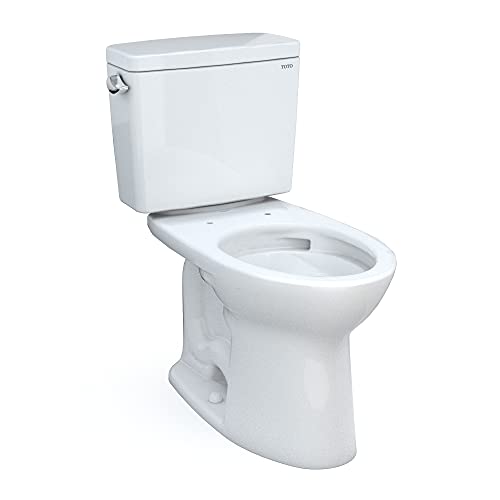
TOTO Drake
A 3 inch G-Max valve for low clogs
4.7
The Drake pairs a 3 inch G-Max flush valve with a wide glazed trapway and a top 1,000 gram MaP score on 1.28 gallons, exactly the combination that keeps repeat flushes and clogs rare.
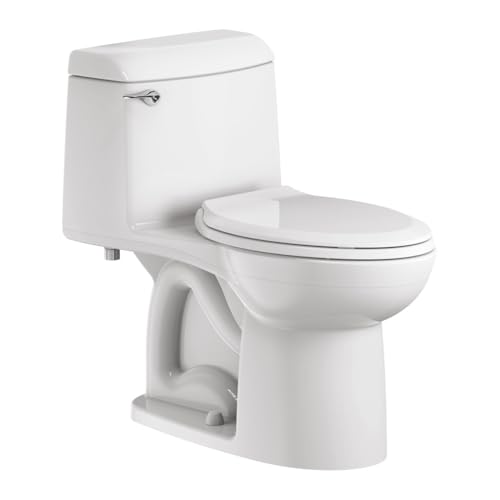
The Champion 4 is built around an oversized 4 inch flush valve and a wide glazed trapway, moving more water per flush than almost any gravity toilet, which is why it is the go-to for stubborn clogs.
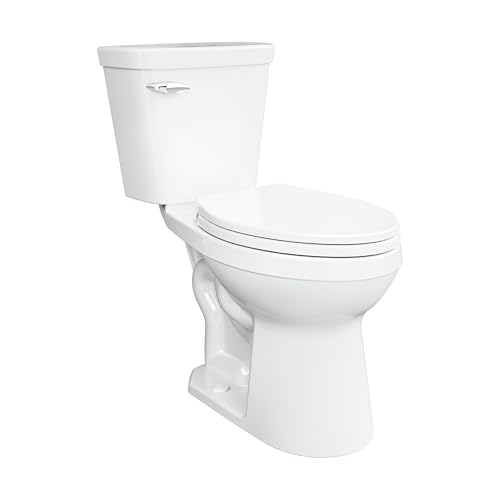
The Cimarron uses a 3 inch canister flush valve with Kohler's Class Five system and a glazed trapway, reaching a 1,000 gram MaP score in a comfort-height body taller users find easier.
Knowing which proven toilets fall into each valve category makes shopping far faster. The picks below group dependable models by their flush valve size and seal style so you can match the right design to your bathroom and your priorities, from efficiency to maximum power. Always confirm the exact valve size and configuration on the specific listing before buying, since some lines offer more than one option.
1
Best 3 Inch Valve Overall
TOTO Drake
4.7Efficient power
The TOTO Drake's 3 inch G-Max flush valve is the benchmark other strong flushers are measured against, delivering a fast full surge that clears a 1,000 gram load on just 1.28 gallons.
Flush TypeGravity, 3 in G-Max canister
GPF1.28
MaP Score1000 g
Bowl HeightStandard / Comfort options
Warranty1 year limited
Best For
Maximum clog resistance on low water
Busy family bathrooms
Easy, cheap parts at any hardware store
Not Ideal For
Buyers wanting a seamless one-piece look
Anyone needing the quietest possible flush
The 3 inch G-Max valve and a wide, fully glazed trapway are why the Drake reaches the top MaP score while staying WaterSense efficient. The canister-style seal opens 360 degrees, releasing the tank faster than a hinged flapper could.
Owner reviews repeatedly describe the Drake as a toilet they rarely if ever plunge, and plumbers favor it for the wide availability of replacement valve seals and fill valves, which keeps long-term service simple and inexpensive.
Editorial Take
If you want the maximum flush rating without overthinking it, the Drake's 3 inch valve is the default we recommend to nearly everyone. It hits the 1,000 gram ceiling on 1.28 gallons, and its parts are stocked everywhere, so it stays cheap to live with for decades.
Bottom Line: The Drake's 3 inch G-Max valve is the gold standard for a powerful flush on minimal water.
2
Best 4 Inch Valve
American Standard Champion 4
4.4Heavy waste
The Champion 4 is built around an oversized 4 inch flush valve, the largest in mainstream gravity toilets, which moves an enormous volume of water fast enough to defeat stubborn clogs.
Flush TypeGravity, 4 in valve
GPF1.6
MaP Score1000 g
Bowl HeightComfort height
Warranty10 year limited on china
Best For
Households with extreme bulk and frequent clogs
Homes where plunging is a constant chore
Buyers who prioritize raw force over water savings
Not Ideal For
Water-conscious buyers wanting 1.28 GPF
Anyone sensitive to a louder flush
The 4 inch valve feeds a wide, fully glazed trapway, and that combination is the engineering that lets the Champion 4 swallow loads that stall ordinary toilets. The trade-off is the full 1.6 gallon water use, which the design needs to exploit its high flow.
Owner reviews and plumber feedback are unusually consistent here, repeatedly calling it the toilet they install when nothing else stops the clogs. The flush is loud, but the clearing power is rarely matched among gravity toilets.
Editorial Take
Reach for the Champion 4's 4 inch valve only when the problem is genuinely extreme bulk rather than water bills. No mainstream gravity toilet moves a mass of solids more aggressively, and that is exactly the job this oversized valve was built for.
Bottom Line: The 4 inch valve makes the Champion 4 the clog-buster of choice when force matters more than water savings.
3
Best 3 Inch Canister
Kohler Cimarron
4.5Tall comfort
The Cimarron uses a 3 inch canister flush valve with Kohler's Class Five system, delivering a strong, clean flush in a comfort-height body that is easier on knees and backs.
Flush TypeGravity, 3 in canister
GPF1.28
MaP Score1000 g
Bowl HeightComfort height
Warranty1 year limited
Best For
Taller and older users wanting an easier seat
Buyers who want power plus efficiency
A clean concealed-trap profile
Not Ideal For
Small children who need a lower bowl
Buyers wanting a removable-flapper repair
The 3 inch canister seal opens fully around the valve for a fast release, and the Class Five engineering channels that water for a clean rinse and a strong siphon at 1.28 gallons. The concealed trapway also makes the base easy to wipe.
Owner reviews praise the balance of a powerful flush, low water use and a comfortable seat height, with the canister seal earning a reputation for lasting longer than a traditional flapper before it needs replacing.
Editorial Take
The Cimarron is the 3 inch-valve toilet we recommend when a taller, easier seat is a priority. You get the full MaP ceiling and WaterSense efficiency in a comfort-height body, and the canister valve tends to outlast a standard flapper.
Bottom Line: A 3 inch canister valve and comfort height make the Cimarron a balanced power-and-comfort pick.
4
Best 3 Inch One-Piece
TOTO UltraMax II
4.6Seamless design
The UltraMax II carries the same 3 inch flush valve and Double Cyclone rinse as the Drake II into a seamless one-piece body that is genuinely easier to keep clean.
Flush TypeGravity, 3 in Double Cyclone
GPF1.28
MaP Score1000 g
Bowl HeightComfort height
Warranty1 year limited
Best For
Buyers who want a seamless, easy-clean body
A strong 3 inch flush in a one-piece
Modern bathrooms valuing a clean look
Not Ideal For
Tight budgets, since one-pieces cost more
Anyone needing the lightest unit to install
The 3 inch valve drives the Double Cyclone rinse, which uses two nozzles instead of rim holes to wash the bowl and feed the siphon, helping the toilet hold its 1,000 gram rating as it ages. The one-piece shell removes the tank seam where grime collects.
Owner reviews highlight how easy the seamless body is to clean and how consistently strong the flush stays over time, with the 3 inch valve delivering the same dependable surge as the two-piece Drake family.
Editorial Take
If you want a 3 inch-valve flush without a visible tank seam, the UltraMax II is the one we point people to. It brings the Double Cyclone engineering into a seamless body that is easier to keep clean than most buyers expect.
Bottom Line: The UltraMax II delivers a 3 inch flush in a seamless, easy-clean one-piece shell.
5
Best Value 3 Inch
Woodbridge T-0001
4.5Value power
The Woodbridge T-0001 packs a 3 inch flush valve and a wide glazed trapway into a modern skirted one-piece, hitting the 1,000 gram MaP ceiling for a lower outlay than the premium brands.
Flush TypeGravity, 3 in valve
GPF1.28
MaP Score1000 g
Bowl HeightComfort height
Warranty5 year limited (varies)
Best For
Value buyers wanting maximum flush power
A modern skirted look with hidden trapway
Included soft-close seat
Not Ideal For
Buyers who want a long-established brand
Anyone needing local same-day parts
The 3 inch valve and hidden trapway give the T-0001 the same clog resistance as far pricier one-pieces, and the included soft-close seat sweetens the value. The main compromise is a younger brand with parts ordered online rather than stocked locally.
Owner reviews consistently praise the flush strength and the modern look for the money, noting that the 3 inch valve delivers a surge on par with established names at a noticeably lower price.
Editorial Take
The T-0001 is the value play for a 3 inch-valve flush in a modern skirted shell. You get maximum clog resistance and a soft-close seat for less, with the only real caveat being online-ordered parts from a younger brand.
Bottom Line: The T-0001 brings a 3 inch valve and 1,000 gram flush into a value-priced skirted one-piece.
6
Best Budget 3 Inch
Gerber Viper
4.3Budget power
The Gerber Viper uses a 3 inch flush valve and a large trapway to post a full 1,000 gram MaP score at one of the lowest prices in the category, which is why plumbers favor it for rentals.
Flush TypeGravity, 3 in valve
GPF1.28
MaP Score1000 g
Bowl HeightStandard / Comfort options
Warranty5 year limited on china
Best For
Rentals and heavy-use bathrooms on a budget
Maximum flush power for the lowest cost
Trade-grade durability
Not Ideal For
Buyers wanting premium fit and finish
Anyone needing a seamless one-piece
The 3 inch valve and wide trapway give the Viper full MaP-ceiling clog resistance at a builder-grade price, and Gerber's plumbing-trade pedigree means it holds up under the kind of heavy use that breaks cheaper builder specials.
Owner and plumber reviews repeatedly cite the Viper as a dependable, no-frills workhorse, with the 3 inch valve delivering a flush that punches well above its price point in apartments and rentals.
Editorial Take
For a budget 3 inch-valve toilet, the Viper is the one we trust. You get full clog resistance at a price that makes the choice easy, and Gerber's trade roots mean it survives heavy use that breaks cheaper toilets.
Bottom Line: The Viper's 3 inch valve delivers maximum flush power at the lowest cost in the category.
7
Best 3 Inch Dual-Flush
Swiss Madison St. Tropez
4.3Modern style
The Swiss Madison St. Tropez wraps a 3 inch flush valve and a glazed trapway inside a low, skirted one-piece, delivering a strong dual-flush in one of the most modern-looking shells for the price.
Flush TypeDual flush, 3 in valve
GPF1.1 / 1.6 dual
MaP Score800 g (varies)
Bowl HeightComfort height
Warranty1 year limited
Best For
Modern bathrooms wanting a low skirted look
Dual-flush water savings
A seamless, easy-clean body
Not Ideal For
Buyers who want a long-established brand
Anyone needing the very highest MaP score
The 3 inch valve feeds a dual-flush system, letting you choose a lighter rinse for liquids and a full flush for solids, and the skirted one-piece shell keeps the base easy to wipe. The dual-flush button assembly replaces the usual flapper or canister.
Owner reviews praise the modern style and the strong flush, with the usual newer-brand caveat that replacement seals and dual-flush parts are ordered online rather than found on a hardware store shelf.
Editorial Take
The St. Tropez is for buyers who want a strong 3 inch-valve flush hidden inside a low, modern shape. It delivers dual-flush efficiency in a skirted one-piece that looks premium, with the typical newer-brand caveat of online parts.
Bottom Line: The St. Tropez pairs a 3 inch dual-flush valve with a modern skirted one-piece design.
How the Flush Valve Works With Trapway and MaP Score
Flush valve size is only one of three specs that decide clog resistance, and it works as a system with the trapway and the MaP score. A big valve pushes water fast, a wide trapway gives that water somewhere to carry the waste, and the MaP score proves the whole system works together. Chasing any one of them in isolation can mislead you, so it pays to read them as a set.
Valve size plus trapway width
A 3 inch valve creates a strong surge, but that surge needs a wide, fully glazed trapway to carry the load out cleanly. A big valve feeding a narrow trapway still chokes on bulk, and a wide trapway fed by a weak 2 inch valve never gets the fast water it needs to build a full siphon. The best low-clog toilets pair a 3 inch valve with a trapway of 2-1/8 inches or larger. Our trapway size guide covers the other half of this pairing in depth.
Valve size and MaP score
The MaP (Maximum Performance) test measures how many grams of solid waste a toilet clears in a single flush, capturing the combined result of valve size, trapway width and flush design in one number. This is why MaP is so useful as a shortcut. A model with a 3 inch valve and a wide glazed trapway will almost always score 800 grams or higher, and many reach the 1,000 gram ceiling. When the published valve size and the MaP score agree, you have strong confidence the toilet flushes as hard as it claims.
What you want
Target spec
Why it matters
Flush valve
3 inch
Fast surge, strong siphon, WaterSense friendly
Seal style
Canister
Opens 360 degrees, releases water faster
Trapway width
2-1/8 in or larger
Carries the load the valve pushes
Glazing
Fully glazed
Smooth channel resists buildup
MaP score
800 g or higher
Proves the system clears real loads
Certification
WaterSense
Verified efficiency at 1.28 GPF
For the full checklist of specs to weigh alongside the flush valve, including height, shape and rough-in, our complete toilet buying guide lays the whole process out step by step, our walkthrough on how to choose a toilet puts fit and performance in the right order, and if you are still deciding on body style, our comparison of one piece vs two piece toilets and our guide to round vs elongated toilets cover the shape and footprint decisions that pair with valve choice.
Editorial Take
The mistake we see most often is shoppers treating a bigger flush valve as automatically better and ignoring the rest of the system. The order that actually matters is valve size paired with trapway width, then glazing, then the MaP score that proves they work together. A 3 inch valve over a wide glazed trap with an 800 gram or higher MaP score is the combination that beats clogs, and chasing valve size alone will leave you disappointed.
Putting It All Together
The flush valve is the engine of every gravity toilet, controlling how fast and how hard water reaches the bowl. For most bathrooms, a 3 inch valve with a canister seal is the sweet spot, delivering a powerful 1,000 gram flush on just 1.28 gallons and earning EPA WaterSense certification. Step up to a 4 inch valve like the American Standard Champion 4 only when extreme bulk is a daily challenge and you accept the higher water use. A 2 inch valve still has a place in compact and budget bathrooms where space matters more than maximum force. When a valve does wear out, the fix is usually a simple seal swap, provided you match the size and style exactly. Read the valve alongside trapway width, glazing and the MaP score, because those specs together, not any one alone, are what give you a toilet that clears the bowl on the first flush for years.
The flush valve is the opening at the bottom of the toilet tank, sealed by a flapper or canister, that releases tank water into the bowl when you flush. Its diameter controls how fast water leaves the tank, which directly affects flush strength. A wider valve empties the tank faster, building a more powerful siphon that clears the bowl more reliably in a single flush.
? What is the difference between a flush valve and a fill valve?
They do opposite jobs. The flush valve releases water from the tank into the bowl when you flush. The fill valve, mounted on the other side of the tank, refills the tank with fresh water afterward and shuts off when the float reaches the set level. A running toilet can be caused by either one, so it helps to know which is which before you start a repair.
? What flush valve size is best for a powerful flush?
A 3 inch flush valve is the best size for most buyers who want a powerful flush, because it empties the tank fast enough to clear a 1,000 gram MaP load on just 1.28 gallons. A 4 inch valve, like the one on the American Standard Champion 4, moves even more water for extreme loads but usually uses 1.6 gallons. A 2 inch valve is fine for compact and light-use bathrooms.
? Is a 3 inch flush valve better than a 2 inch?
For flush strength and clog resistance, yes. A 3 inch valve has roughly double the opening area of a 2 inch valve, so it releases water faster and harder, building a stronger siphon. That is why most top-rated flushers, including the TOTO Drake and Kohler Cimarron, use 3 inch valves. A 2 inch valve still works well in compact toilets where space and a smaller tank matter more than maximum power.
? How do I know if my flush valve is bad?
The clearest signs are a toilet that keeps running, refills on its own without being flushed, or flushes weakly. The usual cause is a worn flapper or canister seal that no longer seats fully. Confirm it with a dye test: add food coloring to the tank, wait 15 minutes without flushing, and if color appears in the bowl, the seal is leaking and needs replacing.
? What is the difference between a flapper and a canister flush valve?
A flapper is a hinged rubber seal that swings open to release water, common on 2 inch valves. A canister seal is a cylinder that lifts straight up and opens 360 degrees around the valve at once, common on 3 inch valves, and it releases water faster than a flapper can. They are not interchangeable, so a replacement must match both the valve size and the seal style.
? How do I measure my toilet's flush valve size?
Turn off the water, remove the tank lid, and measure the inside diameter of the round opening at the bottom of the tank where the flapper or canister seals. About 2 inches across is a standard valve, while roughly 3 inches is a high-performance valve. The seal style is a clue too: a hinged rubber flapper usually means a 2 inch valve, and a tall canister usually means a 3 inch valve. The owner's manual lists it as well.
? Can I replace a 2 inch flapper with a 3 inch one?
No, a 2 inch flapper will not seal a 3 inch flush valve, and a 3 inch flapper will not fit a 2 inch valve. The seal must match the valve opening exactly. Before buying a replacement, confirm the valve size from the owner's manual or by measuring the opening, and match both the size and the style, since a canister seal and a flapper are also not interchangeable.
? How hard is it to replace a flush valve seal?
Replacing the flapper or canister seal is one of the easiest home repairs. Shut off the water, flush to empty the tank, sponge out the rest, remove the old seal, and snap or twist the matching-size replacement onto the valve body. It takes only minutes and no special tools. Replacing the entire valve body is harder because it requires removing the tank from the bowl.
? Does a bigger flush valve use more water?
No, a bigger flush valve does not by itself use more water. The valve controls how fast water leaves the tank, while the total gallons per flush is set by the tank and bowl design. A 3 inch valve simply delivers the same 1.28 gallons faster and harder than a 2 inch valve would, which is why efficient WaterSense toilets favor it. Many 4 inch-valve models do use the full 1.6 gallons to exploit their higher flow.
? Which toilet has a 4 inch flush valve?
The American Standard Champion 4 is the best-known toilet built around a 4 inch flush valve, the largest in mainstream gravity toilets. The oversized valve feeds a wide, fully glazed trapway, moving an enormous volume of water fast enough to defeat stubborn clogs. It is a frequent recommendation for households that deal with heavy waste, with the trade-off of a louder flush and 1.6 gallon water use.
? Why does my toilet keep running after I flush?
A toilet that keeps running almost always has a worn flush valve seal that no longer seats fully, letting tank water leak into the bowl so the fill valve keeps topping it up. Less often, the cause is a fill valve set too high or a float that does not shut off. A dye test in the tank tells you whether the seal is leaking, which is the most common and cheapest fix.
? Does flush valve size affect clog resistance?
Yes, but only as part of a system. A larger flush valve sends water into the bowl faster, building a stronger siphon that pushes waste through the trapway with more force. That power only helps if the trapway is wide and glazed enough to carry the load. The best low-clog toilets pair a 3 inch valve with a 2-1/8 inch or larger glazed trapway and an 800 gram or higher MaP score.
? What is the most common toilet flush valve size?
The 2 inch flush valve has historically been the most common size and is still found on many budget, compact and older toilets. However, the 3 inch valve has become the standard on top-rated and mid-range flushers because it delivers stronger performance on the same water. If you are buying a new toilet for clog resistance, a 3 inch valve is the size most worth seeking out.
? Do pressure-assisted toilets have a flush valve?
Pressure-assisted toilets work differently. Instead of a wide gravity flush valve, they use a sealed inner vessel, often a Flushmate unit, that traps air and uses water-line pressure to blast waste out with extra force. They achieve very strong clearing power and high MaP scores, but they flush more loudly and their sealed cartridge is repaired or replaced as a unit rather than with a simple flapper.
? How long does a toilet flush valve last?
The valve body usually lasts the life of the toilet, often decades, because it is rigid and rarely fails. The seal on top of it is the wear part. A rubber flapper typically lasts several years before it hardens or warps and starts to leak, while a canister seal often lasts longer. Replacing a worn seal early prevents a slow leak that can waste hundreds of gallons a day.
? What is the overflow tube on a flush valve?
The overflow tube is the open vertical pipe that rises from the flush valve body. It quietly drains excess water into the bowl so the tank cannot overfill if the fill valve sticks open. The tank water level should sit about an inch below the top of the overflow tube. If water is constantly running down the overflow tube, the fill valve is set too high or is not shutting off.
? Why does my toilet flush weakly even with a 3 inch valve?
A weak flush on a 3 inch-valve toilet usually points to a worn canister seal, a low tank water level, clogged rim jets, or a partial clog in the trapway. The valve size sets the potential power, but a degraded seal or low water level means the tank never delivers a full, fast surge. Checking the water level, cleaning the rim holes and inspecting the seal usually restores the flush.
? Are flush valve size and trapway size the same thing?
No, they are different measurements. The flush valve size is the diameter of the opening at the bottom of the tank that releases water. The trapway size is the width of the curved internal channel inside the bowl base that waste passes through to reach the drain. Both affect clog resistance, and the best toilets pair a large 3 inch valve with a wide 2-1/8 inch or larger glazed trapway.
? Is WaterSense certification tied to flush valve size?
WaterSense certification is tied to water use and performance, not valve size directly. To earn it, a toilet must use 1.28 gallons or less while still clearing waste effectively. A 3 inch valve helps a toilet meet this standard because it delivers a strong flush on low water, which is why so many WaterSense models use one. The certification confirms the toilet is both efficient and effective.
Our Verdict
The flush valve is the engine of a strong flush, and for nearly every bathroom a 3 inch valve with a canister seal is the design to target. The TOTO Drake nails it with a 3 inch G-Max valve that clears 1,000 grams on 1.28 gallons, the American Standard Champion 4 steps up to a 4 inch valve for the heaviest loads, and the Kohler Cimarron pairs a 3 inch canister valve with comfort height. When a valve does wear out, match the replacement seal to the exact size and style, pair the valve with a wide glazed trapway and an 800 gram or higher MaP score, confirm your rough-in, then check the current price on Amazon before you order.
N
Researched by Nadia Okafor
Nadia tracks EPA WaterSense certification, GPF and long-term water-saving performance, focusing on fixtures that cut water use without sacrificing flush power. All findings come from published efficiency data and verified owner reviews, not lab testing.
Updated August 2026 · Buying Guides
Keep reading
Related guides
Where Does Toilet Water Go After You Flush
Buying Guides
4.6
When you flush, where does it go? Follow toilet water from the bowl through the trap, drain, and stack to a septic…