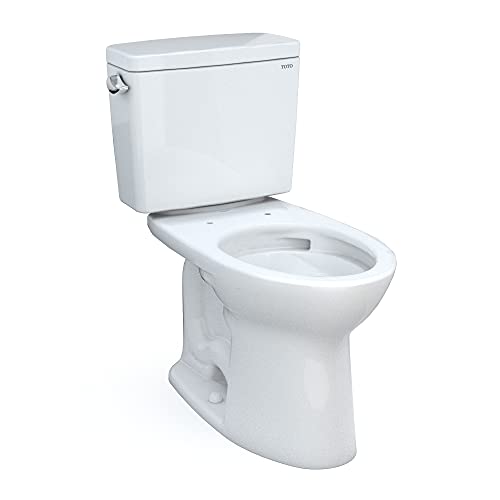
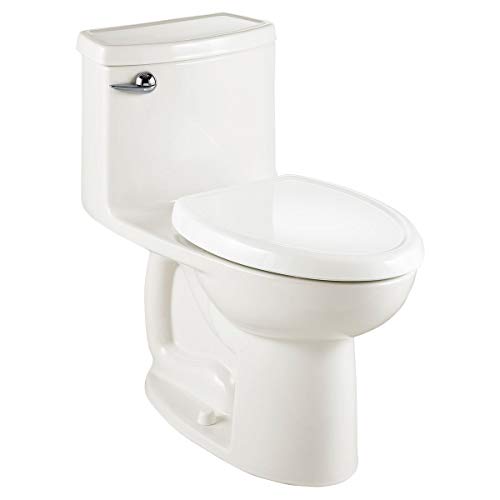
A toilet is one of the few things in your home you use every single day, often for fifteen years or longer, and the buying decision is usually made in a hurry when the old one fails. That rush is how people end up with a fixture that does not seat against the wall, double-flushes on heavy days, or wastes water for a decade. None of that is necessary. The specs that decide whether a toilet fits, flushes clean and saves money are few, and they line up in a clear order. Work that order and the choice gets simple.
We do not test fixtures in a bathroom of our own. Everything here is built from published manufacturer specifications, independent MaP (Maximum Performance) flush-test data, EPA WaterSense certification records and the consistent patterns that surface across thousands of aggregated owner reviews. That is enough to give you confident, honest guidance without marketing spin. Once you understand the order below, our roundup of the best flushing toilets ranks the models that come out on top, and our longer Toilet Buying Guide (2026): everything you need to know expands each spec in more depth. Brands referenced throughout include TOTO, Kohler, American Standard, Woodbridge, Swiss Madison and Gerber.
Start here
The five decisions, in order
Decide these five things, in this sequence: rough-in (will it physically fit), MaP score (will it flush clean), gallons per flush (will it save water), bowl shape (round vs elongated) and seat height (standard vs comfort). The first three are non-negotiable. The last two are comfort preferences. Lock the order and you will not second-guess the purchase.
Step 1: Measure your rough-in so it physically fits
The rough-in is the measurement that can ruin an otherwise perfect purchase, so it goes first. It is the distance from the finished wall behind the toilet to the center of the drain pipe, which is the same as the center of the bolt caps that hold the toilet to the floor. The overwhelming majority of homes use a 12 inch rough-in, but older houses sometimes use 10 inch or 14 inch, and a toilet built for one will not seat correctly on another.
To measure, ignore the baseboard and measure from the bare wall to the center of the rear bolt cap. If the bathroom is gutted during a remodel, measure from the wall to the center of the drain hole in the floor. A toilet rated for 12 inches will not bolt down on a 10 inch drain, and you will be left with a gap behind the tank or a unit that rocks. Most listings state the rough-in plainly, and several brands sell 10 inch versions of popular models like the Kohler Highline and TOTO Drake for exactly this situation. Our toilet rough-in guide walks the measurement step by step if you are unsure.
Quick tip
Round toward more clearance, never less
If your measurement lands between sizes, choose the standard rough-in that leaves the toilet slightly further from the wall, not closer. A fixture sitting a quarter inch off the wall looks completely normal. A fixture that cannot reach the drain does not flush at all. Measure twice before you buy.
Step 2: Set a MaP score target so it flushes clean
The MaP score is the most useful number in this entire category and the one most shoppers have never heard of. MaP stands for Maximum Performance, an independent flush test that loads a toilet with weighted media and records how many grams of solid waste it clears in a single flush. Because every brand is tested the same way, MaP lets you compare a Kohler against a TOTO against a budget American Standard on equal footing, without trusting anyone's advertising.
Reading the numbers is straightforward. A score of 600 grams is workable for a light-use powder room. A score of 800 grams is strong and suits most family bathrooms. A score of 1000 grams is the highest tier the test awards and about as powerful as a residential gravity toilet gets, which is what you want for a busy household or anyone tired of double-flushing. The TOTO Drake II, TOTO Drake, American Standard Cadet 3, Kohler Cimarron and Gerber Viper all reach 1000 g at just 1.28 GPF, which is why they dominate strong-flush rankings.
Step 3: Check water use and the WaterSense label
Flush power is only half the equation. The other half is how much water the toilet uses to deliver it, measured in gallons per flush (GPF). Older toilets use 1.6 gallons or more. Modern efficient toilets use 1.28 gallons and clear the same waste, which adds up to thousands of gallons saved per year in a typical home and a noticeably lower water bill. Our explainer on how much water a toilet uses puts real annual numbers to it.
The certification to look for is WaterSense, an EPA program that confirms a toilet uses 1.28 gallons or less while still meeting strict flush-performance standards. A WaterSense label means you get water savings without sacrificing power, which is exactly the combination you want. Dual-flush toilets take this further, offering a lighter flush (often 0.8 to 1.0 gallons) for liquid waste and a full flush for solids. Modern dual-flush units like the Swiss Madison St. Tropez and TOTO Aquia IV keep a strong full flush available, so confirm the full-flush MaP score still clears the bowl in one push.
Worth knowing
Low water use does not mean a weak flush
A persistent myth is that 1.28 gallon toilets flush weakly. They do not. A WaterSense toilet with a 1000 g MaP score moves waste in one pass while using less water than an old 1.6 gallon unit. Larger flush valves, engineered trapways and swirl-style bowl rinses make the lower volume work harder, not the other way around.
Step 4: Pick the bowl shape, round vs elongated
Toilet bowls come in two shapes. Round bowls are shorter front to back, which makes them ideal for small bathrooms, powder rooms and apartments where every inch counts. Elongated bowls are oval and extend roughly two inches further forward, which most adults find more comfortable. Flush performance is not determined by shape, so this is a comfort and space decision rather than a power one.
If your bathroom has the floor space, elongated is the more comfortable default and the standard choice in new homes. If a door swing or a tight corner is a constraint, a round bowl reclaims valuable inches without giving up flush strength. Our guide to round vs elongated toilets: how to choose breaks down exactly how much depth each adds and which models offer both. Popular lines like the TOTO Drake and Kohler Cimarron sell both shapes under the same name, so you rarely have to trade flush power for fit.
Step 5: Choose the seat height, standard vs comfort
Bowl height is measured from the floor to the top of the seat. Standard height sits around 14 to 15 inches, similar to a low chair. Comfort height (also called chair height or right height) sits around 16 to 17 inches, closer to a dining chair, which makes sitting down and standing up easier on the knees and back.
Comfort height has become the default for adult bathrooms and is strongly preferred by taller people, older adults and anyone with mobility concerns. Standard height can be the better pick for children's bathrooms or shorter users, where a lower seat lets feet rest flat on the floor. Our comparison of comfort height vs standard height toilets covers who each one suits and how to measure for the right fit. The Kohler Highline, TOTO Drake and American Standard Cadet 3 all offer comfort-height versions.
Editorial Take
If you only have time for two checks, make them rough-in and MaP score. Everything else can be adjusted, returned or lived with, but a toilet that does not fit the drain or cannot clear a heavy load is a problem you notice every day. Confirm 12 inches, demand 800 g or higher, and you have already avoided the two complaints that fill owner reviews. Shape and height are then yours to choose for comfort.
Match the flush system to how the toilet will be used
Once fit, power and water use are settled, the flush system determines how the toilet actually moves water. There are three main types, and each has a clear best use. Our overview of toilet flush types explained goes deeper, but here is what decides the choice.
Gravity flush
Gravity is the most common system. Water drops from the tank into the bowl and its weight, combined with a siphon, pulls waste down the trapway. Gravity toilets are quiet, reliable, easy to repair and sold at every price point. TOTO's G-Max and Tornado and Kohler's Class Five are gravity systems, and the strongest of them hit the 1000 g MaP ceiling. For most homes, a good gravity toilet is the right answer.
Pressure-assisted
Pressure-assisted toilets use a sealed inner tank that builds air pressure to blast water into the bowl with extra force. They clear heavy loads aggressively and resist clogs, which makes them popular in commercial settings and high-traffic homes. The trade-off is noise. A pressure-assisted flush is distinctly louder than a gravity flush, and parts cost more to service. Choose this only if maximum force outweighs quiet operation.
Dual flush
Dual-flush toilets give you two buttons: a partial flush for liquid waste and a full flush for solids. Over a year of daily use this is the most water-efficient design, and units like the Swiss Madison St. Tropez and TOTO Aquia IV keep a strong full flush on tap. Just verify the full-flush MaP score so the powerful option still clears the bowl in one push.
The smaller specs that decide clog resistance and cleaning
Two details separate a good flusher from a frustrating one. The first is trapway diameter, the internal channel waste travels through. A wider, fully glazed trapway (roughly 2 to 2-3/8 inches) passes waste more easily and clogs less often than a narrow one. The American Standard Champion 4 leads here with a 2-3/8 inch trapway and a 4 inch flush valve, which is why it is the common recommendation for chronically clog-prone lines.
The second detail is the bowl glaze. Some makers apply a slick ceramic coating, such as TOTO's CeFiONtect or American Standard's EverClean, that helps waste and residue slide away so the bowl stays cleaner between scrubs. A skirted trapway, where a smooth ceramic panel covers the curves on the side of the bowl, is a cleaning and cosmetic upgrade rather than a performance one. None of these change the rough-in or the MaP score, but they make a real difference to daily cleaning and long-term clog resistance.
One piece vs two piece, and what comes in the box
Toilets are sold as one-piece or two-piece designs. A two-piece toilet has a separate tank that bolts onto the bowl, which is the most common and usually more affordable configuration. A one-piece toilet molds tank and bowl into a single seamless unit. Flush strength does not depend on this choice, since it is driven by bowl design, trapway size and the flush valve. The real differences are cleaning and weight: one-piece units have no tank-to-bowl seam and wipe down faster, while two-piece units are lighter and simpler to carry and repair. Our breakdown of one piece vs two piece toilets: which is better? covers the trade-offs in full. The TOTO UltraMax II and Kohler Santa Rosa are well-regarded one-piece options.
Before you commit, check what ships in the box. Many quality two-piece toilets sell the seat separately, so the TOTO Drake and Drake II often need a soft-close seat added. Confirm whether a wax ring, bolts and supply line are included or bought alongside, and note the weight, since one-piece units can exceed 100 pounds and are awkward to set on the flange alone. If your old toilet rocked or leaked, plan to replace the wax ring and inspect the closet flange while the floor is exposed.
Don't forget
Confirm the seat before you celebrate
The single most common surprise in owner reviews is a toilet that arrives without a seat. It is not a defect, it is how many premium two-piece models are sold. Read the listing, and if the seat is not included, add a soft-close elongated or round seat to match the bowl shape so you are not stuck waiting after install day.
Make it easy
Top recommendations
Three proven models that cover the most common needs. Each balances a strong MaP flush with efficient 1.28 GPF water use, and each is widely stocked so any plumber can service it.
Best Overall
TOTO Drake II
The safe default for most homes
A perfect 1000 g MaP flush at 1.28 GPF, a dual-nozzle Tornado rinse and a glazed CeFiONtect trapway that resists clogs for years. The model that gets every fundamental right.
Check price on Amazon
Best Value
American Standard Cadet 3
Strong flush for the least money
A 1000 g MaP rating, 1.28 GPF flush and the stain-resistant EverClean surface at a friendly price. The value pick when budget leads the decision.
Check price on Amazon
Best for Clogs
American Standard Champion 4
Chronic clog-prone lines
The widest 2-3/8 inch trapway and a 4 inch flush valve swallow heavy loads in one pass. The choice when a line clogs no matter what else you try.
Check price on Amazon
Common questions
How Do I Choose the Right Toilet for My Bathroom?
To choose the right toilet, work five specs in order: measure the rough-in (almost always 12 inches), then shortlist by MaP flush score (800 g or higher), confirm 1.28 GPF with EPA WaterSense certification, pick an elongated bowl for comfort or round for tight spaces, and choose comfort height for most adults. Get those five right and reliable models from TOTO, Kohler or American Standard will serve for years.
What Is a Good MaP Score for a Toilet?
A MaP score of 800 grams is strong for a typical home, and 1000 grams is the highest tier the independent Maximum Performance test awards. Scores around 600 grams are acceptable for a low-traffic powder room but not ideal for a busy main bathroom. A higher MaP score means a toilet clears more solid waste in one flush, so fewer clogs and less double-flushing.
Should I Buy a One-Piece or Two-Piece Toilet?
Choose a one-piece toilet if easy cleaning and a seamless look matter most, since there is no tank-to-bowl seam to wipe. Choose a two-piece toilet if you want a lighter unit that is easier to carry, install and repair, often at a lower price. Flush power is identical between the two, because it depends on bowl design, trapway size and the flush valve, not the number of pieces.
Are 1.28 GPF Toilets Powerful Enough?
Yes. Modern 1.28 GPF WaterSense toilets use larger flush valves and engineered trapways to move waste with less water. The TOTO Drake II, American Standard Cadet 3, Kohler Cimarron and Gerber Viper all reach the top 1000 g MaP score at just 1.28 GPF. There is no need to buy an older high-volume toilet to get a powerful flush.
Which Toilet Height Is Best for Most People?
Comfort height, around 16 to 17 inches from floor to seat, is best for most adults because it is easier on the knees and back and suits taller and older users. Standard height, around 14 to 15 inches, is better for children's bathrooms and shorter users who want their feet flat on the floor. Most quality lines, including the Kohler Highline and TOTO Drake, offer a comfort-height version.
Putting it all together
Work the decisions in order and the choice becomes obvious. Measure the rough-in so the toilet fits. Set a MaP target of 800 grams or higher so it flushes clean. Insist on 1.28 gallons and a WaterSense label so it saves water. Pick the shape and height that suit your space and your body. Then choose a flush system: gravity for most homes, pressure-assisted for maximum force, dual flush for water saving. Once those boxes are checked, brand and styling come down to preference, and dependable choices from TOTO, Kohler, American Standard, Woodbridge, Swiss Madison and Gerber will all serve you well.
Editorial Take
The mistake we see most often is shopping by price first and specs last, which is exactly backward. Lead with the rough-in and MaP score, the two things you cannot change after install, and let price break ties between models that already meet your flush and fit requirements. A budget Cadet 3 that clears 1000 g beats a pricier toilet that double-flushes every morning. Power and fit are the value, not the sticker.
FAQ
Frequently asked questions
? What should I look for when choosing a toilet?
Check five things in order: rough-in fit, MaP flush score, gallons per flush with WaterSense, bowl shape and seat height. The first three decide whether the toilet fits, flushes clean and saves water. The last two are comfort preferences. Nail all five and almost any quality model performs well.
? How do I measure my rough-in?
Measure from the finished wall behind the toilet to the center of the rear floor bolts, ignoring the baseboard. Most homes are 12 inches, while some older houses use 10 or 14 inches. If the room is gutted, measure from the wall to the center of the drain hole instead.
? What is a good MaP score?
MaP measures grams of waste cleared in one flush. 600 grams is workable for light use, 800 grams is strong for a family bathroom, and 1000 grams is the highest tier. Aim for 800 grams or higher to avoid double-flushing and reduce clogs in a busy home.
? What does EPA WaterSense mean?
WaterSense is an EPA certification confirming a toilet uses 1.28 gallons per flush or less while still meeting strict flush-performance standards. A WaterSense label means you get water savings without sacrificing power, which lowers your water bill compared with an older 1.6 gallon toilet.
? Round or elongated, which should I choose?
Choose elongated for comfort if you have the floor space, since the oval bowl extends about two inches further forward. Choose round to save space in a small bathroom, powder room or apartment. Flush power is the same for both, so it is purely a comfort and space decision.
? Is comfort height or standard height better?
Comfort height (16 to 17 inches) is easier on the knees and back and is the default for adult bathrooms, especially for taller and older users. Standard height (14 to 15 inches) suits children and shorter users who want their feet flat on the floor.
? Do one-piece toilets flush better than two-piece?
No. Flush strength depends on bowl design, trapway size and the flush valve, not on the number of pieces. One-piece toilets are easier to clean with no tank-to-bowl seam, while two-piece models are lighter and usually more affordable.
? Which flush system should I pick?
Gravity flush suits most homes and is quiet, reliable and easy to repair. Pressure-assisted clears heavy loads with extra force but is louder. Dual flush saves the most water with separate liquid and solid buttons. Match the system to whether you prioritize quiet, raw force or water saving.
? How many gallons per flush should a new toilet use?
Modern efficient toilets use 1.28 gallons per flush and carry WaterSense certification. A 1.28 GPF toilet with a high MaP score clears waste in one push while lowering your water bill. Dual-flush models can save even more over a year of daily use.
? What is the most clog-resistant toilet to buy?
Look for a high MaP score paired with a wide, fully glazed trapway. The American Standard Champion 4 leads with a 2-3/8 inch trapway and 4 inch valve, while the TOTO Drake II combines a 1000 g flush with a glazed CeFiONtect trapway that resists buildup.
? Does a toilet seat usually come included?
Often not. Many premium two-piece toilets, including the TOTO Drake and Drake II, sell the seat separately. Always read the listing, and if the seat is not included, add a soft-close seat that matches your bowl shape before install day.
? What is a trapway and why does its size matter?
The trapway is the internal channel waste travels through after a flush. A wider trapway (around 2 to 2-3/8 inches) passes waste more easily and clogs less often. A fully glazed trapway resists buildup, so width and glaze together matter as much as raw flush power.
? Are budget toilets worth buying?
Yes, when the specs hold up. The Gerber Viper and American Standard Cadet 3 reach the top 1000 g MaP score at 1.28 GPF for mid-tier or low prices. A budget toilet with strong flush data beats a pricier model that double-flushes, so judge by the numbers, not the badge.
? How long should a toilet last?
A quality toilet body lasts fifteen years or longer, since porcelain does not wear out. The parts that fail are inexpensive internal components like the flapper, fill valve and wax ring, all easily replaced. Buying a well-supported brand means those parts stay widely stocked for the life of the fixture.
? Should I install the toilet myself?
Most toilets are a manageable do-it-yourself job for anyone comfortable with basic hand tools. Replace the wax ring, inspect the closet flange, and hand-tighten the floor bolts in small alternating turns so you do not crack the porcelain. If anything feels uncertain, a professional install is inexpensive insurance against a leak.
? Which brands are most reliable?
TOTO, Kohler and American Standard lead for flush performance, parts availability and warranty support, with TOTO especially strong on glazed trapways and clog resistance. Woodbridge, Swiss Madison and Gerber offer strong value, with the Gerber Viper notable for reaching a 1000 g flush at a low price.
? Do I need a dual-flush toilet?
You need one only if maximizing water savings is a priority. Dual-flush models like the Swiss Madison St. Tropez and TOTO Aquia IV use a lighter flush for liquids and a full flush for solids. Confirm the full-flush MaP score so the powerful option still clears the bowl in one push.