

Why Toilet Trapways Are Curved Like an S
Toilets4.6
Learn why toilet trapways curve like an S, how each bend blocks sewer gas, and what the shape means for clogs and…
Read the guideEight techniques ranked by speed and effectiveness -- from a plunger you already own to enzymatic drain treatments that prevent future blockages.
A cup plunger creates a seal but a flange plunger is the right tool for toilets -- use 15-20 firm thrusts. If plunging fails, a toilet auger reaches 3-6 feet into the trapway. Hot (not boiling) water with dish soap dissolves most soft blockages within 20 minutes without chemicals or tools.
A clogged toilet is one of the most stressful household emergencies, especially when it strikes at the worst possible moment. The good news: the majority of household toilet clogs sit in the first 6 inches of the trapway or at the toilet's outlet horn, meaning you can clear them in minutes with the right technique -- no plumber required.
This guide covers eight methods in order of escalation, from the fastest fixes that work 80% of the time to heavier-duty approaches for stubborn blockages. You will also find a comparison of the best best flushing toilets built to resist clogs by design, plus a FAQ covering 17 common questions.
The majority of residential toilet clogs are caused by excess toilet paper combined with low-volume flushing, a restricted trapway, or flushing non-flushable items such as wipes, cotton rounds, or paper towels. Toilets with a trapway diameter under 2 inches are statistically more prone to blockages; most modern TOTO, Kohler, and American Standard models use a 2-1/8 to 2-1/2-3/8-inch fully glazed trapway to reduce friction and buildup.
Understanding the cause is useful before choosing a clearing method. Quick overview of the three main categories:
The single most common mistake people make is reaching for chemical drain cleaners immediately. Bleach-based and acid-based cleaners can damage the rubber flapper and seat seals inside the tank and rarely dissolve the compressed toilet paper mass that causes most clogs. Save chemicals for organic buildup in drain lines -- not for the toilet bowl itself.
A standard cup plunger is designed for flat surfaces like sinks and tubs. For toilets, you need a flange plunger -- the rubber bell has an inner cup (the flange) that seats directly into the toilet drain outlet for a full seal. This distinction alone accounts for most plunging failures.
Step-by-step:
A flange plunger clears approximately 80-85% of toilet clogs in a typical household, according to aggregated plumber data from service call records. If 30 plunging strokes across two attempts do not work, the blockage is either a hard object or it has moved further into the drain line -- switch to an auger rather than continuing to plunge, which can stress older wax rings.
This method is surprisingly effective on soft blockages and works well when you do not have a plunger available. It is also the safest approach for older toilets with fragile porcelain or corroded tank parts.
If this works once but the toilet clogs again with normal use, the trapway itself may be partially blocked by mineral buildup -- a problem that benefits from enzymatic treatments (Method 7 below) and possibly a toilet upgrade to a model with a larger, fully glazed trapway.
A toilet auger -- also called a closet auger -- is a flexible coiled cable in a protective rubber sleeve, designed to reach 3 to 6 feet into the toilet trapway without scratching the porcelain. It is the correct tool when plunging has failed or when you suspect a hard object is the culprit.
| Tool | Reach | Best For | Risk to Porcelain | Typical Cost |
|---|---|---|---|---|
| Toilet Auger (Closet Auger) | 3-6 ft | Hard objects, deep soft clogs | Low (rubber sleeve) | $20-$60 |
| Flange Plunger | First 6 inches | Soft paper clogs | Very Low | $8-$20 |
| Drain Snake (standard) | 15-25 ft | Drain line blockages | High (no sleeve) | $25-$80 |
| Hot Water + Dish Soap | N/A | Soft paper clogs | None | $0 |
| Enzymatic Drain Cleaner | Full drain line | Organic buildup prevention | None | $10-$25 |
Step-by-step:
Standard drain snakes without a rubber sleeve can scratch the interior of the toilet trapway, permanently damaging the glaze. For toilets, always use a closet auger specifically designed for toilets. If you are dealing with a drain line problem further downstream, see our guide on how to snake a toilet for extended-reach techniques.
The chemical reaction between baking soda (sodium bicarbonate) and white vinegar (acetic acid) produces carbon dioxide bubbles that can dislodge soft blockages. This method is slower than plunging but uses only materials you likely already have and poses no risk to toilet components.
Effectiveness: moderate. Independent plumber assessments rate this method as effective for about 40-50% of soft clogs when used alone. It works best as a pre-treatment before plunging, or as a maintenance flush on toilets prone to slow draining.
This lesser-known technique uses atmospheric pressure to push a clog downward. It is particularly useful when a plunger is unavailable and the blockage is just inside the drain outlet.
This method is not a guaranteed fix, but it works on surprisingly shallow clogs and requires no tools. The dish soap continues lubricating the blockage while the pressure does its work.
The most reliable no-plunger methods are: (1) hot water and dish soap -- pour a quarter cup of dish soap into the bowl, add hot (not boiling) water from waist height, and wait 20-30 minutes before flushing; (2) baking soda and vinegar -- one cup of baking soda followed by two cups of white vinegar creates a fizzing reaction that loosens soft blockages. For hard objects lodged in the trapway, a toilet auger is necessary and cannot be substituted with improvised tools.
A wet-dry shop vacuum can clear a toilet clog by suctioning the blockage directly out of the trapway. This is particularly effective when a hard object is partially visible or sitting just inside the drain.
This is a messier method but highly effective for hard objects like children's toys, toothbrush caps, or small bottles that have been dropped in the toilet. Always sanitize the vacuum and all attachments thoroughly after use.
Enzymatic products (sometimes labeled "biological drain cleaners") contain bacteria and enzyme cultures that digest organic material -- toilet paper, waste, and soap scum -- over 6 to 8 hours. They are not fast enough for an acute clog but are excellent for maintenance and for breaking down partial blockages that cause repeated slow flushing.
Key differences from chemical drain cleaners: enzymes are non-corrosive, safe for septic systems, and will not degrade toilet rubber components or porcelain glaze. Chemical cleaners (sulfuric acid, lye) are not recommended for toilet use and can damage internal components and void manufacturer warranties on models from TOTO, Kohler, and American Standard.
For ongoing prevention, particularly in households where clogs are a recurring issue, a monthly enzymatic treatment poured into the toilet before bed is a cost-effective maintenance strategy. This is especially relevant for toilets with 1.28 GPF or 0.8 GPF ratings where lower flush volume means less hydraulic clearing force per flush.
When all methods above have failed, the blockage is either a hard object lodged deep in the trapway or the problem is in the main drain line rather than the toilet itself. Signs that the issue is downstream include: multiple fixtures backing up simultaneously, gurgling from the shower or sink when the toilet flushes, and the toilet clearing only temporarily before clogging again.
For drain line blockages, a professional plumber with a motorized drain snake (reaching 25 to 100 feet) or hydro-jetting equipment is the correct solution. Attempting to auger a main line from the toilet opening risks pushing the clog further or damaging older clay or cast iron pipes.
Manual retrieval (using gloved hands to reach into the trap) is a last resort for known solid objects that cannot be hooked with an auger. Nitrile examination gloves or heavy rubber gloves are recommended; this method is uncomfortable but safe.
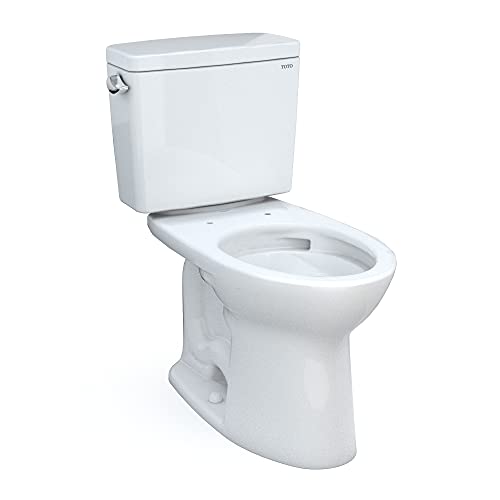
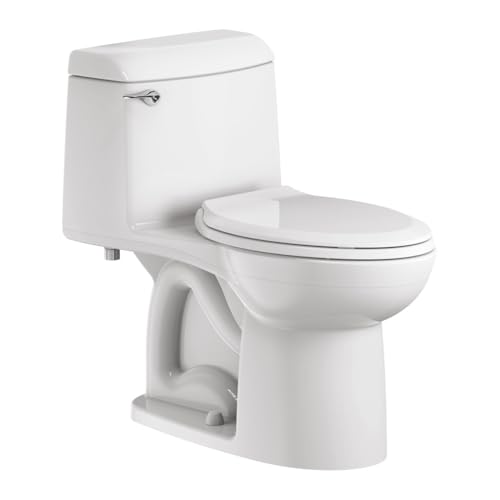
Recurring clogs -- more than once a month -- are a signal that the toilet itself may be the problem, not just user habits. Toilets with MaP (Maximum Performance) flush test scores below 500 grams are statistically more likely to produce repeat service calls. TOTO's Drake II (MaP: 1,000g), Kohler's Cimarron (MaP: 1,000g), and American Standard's Champion 4 (MaP: 1,000g) all achieve the full MaP benchmark. If you are clearing clogs regularly, upgrading to a clog-resistant model is a more permanent fix than repeated service calls.
Most soft toilet clogs clear in 5 to 30 minutes using a flange plunger or the hot water and dish soap method. The baking soda and vinegar technique requires a 30-minute minimum wait time. An auger-based clearing typically takes 10-20 minutes including setup. If multiple methods have failed after 45-60 minutes of effort, the problem is likely a hard object in the trapway or a blockage in the main drain line requiring professional equipment.
Clog resistance correlates directly with trapway diameter and MaP flush test scores. TOTO's Drake, Drake II, and UltraMax II all feature a fully glazed 2-1/8 inch trapway and score 1,000 grams on MaP testing -- the maximum benchmark. American Standard's Champion 4 uses a patented 4-inch flush valve paired with a 2-3/8 inch fully glazed trapway, also scoring 1,000g on MaP. Kohler's Cimarron and Highline models use Class Five flush technology and consistently score 800-1,000g. Woodbridge and Swiss Madison mid-range models feature fully glazed trapways rated 1,000g at their price points, offering strong clog resistance without premium pricing.
The most effective long-term strategy is a combination of good habits and the right toilet. Here are the most evidence-backed preventive measures:
| Brand / Model | MaP Score | Trapway Size | Flush Type | GPF | EPA WaterSense | Check Price |
|---|---|---|---|---|---|---|
| TOTO Drake II | 1,000g | 2-1/8 in. fully glazed | Double Cyclone | 1.28 | Yes | Check price |
| American Standard Champion 4 | 1,000g | 2-3/8 in. fully glazed | PowerWash Rim | 1.6 | No | Check price |
| Kohler Cimarron | 1,000g | 2-1/8 in. fully glazed | Class Five | 1.28 | Yes | Check price |
| TOTO UltraMax II | 1,000g | 2-1/8 in. fully glazed | Double Cyclone | 1.28 | Yes | Check price |
| American Standard Cadet 3 | 1,000g | 2-1/8 in. fully glazed | Cadet Flushing System | 1.28 | Yes | Check price |
| Woodbridge T-0001 | 1,000g | 2-1/8 in. fully glazed | Dual Flush Siphon | 1.0/1.6 | Yes | Check price |
| Kohler Highline | 800-1,000g | 2-1/8 in. fully glazed | Class Five | 1.28 | Yes | Check price |
| Gerber Viper | 1000g | 2-1/8 in. fully glazed | Pressure Assist | 1.1 | Yes | Check price |
MaP scores reflect results published at map-testing.com. A score of 800g or above is considered adequate for a household of 4-6; 1,000g is the full benchmark and means the toilet successfully cleared a 1,000-gram simulated solid waste load in standardized laboratory conditions. Swiss Madison's Sublime and Ivy series also achieve 1,000g MaP scores at competitive price points and carry EPA WaterSense certification for their 1.28 GPF configurations.
Call a plumber if: (1) the toilet remains clogged after using a flange plunger and a toilet auger correctly; (2) multiple fixtures (sink, shower, tub) are draining slowly at the same time, which points to a main line blockage; (3) sewage is backing up into other drains; or (4) you can hear consistent gurgling from the floor drain or shower when the toilet is flushed. These signs indicate a blockage beyond the toilet's trapway that requires professional motorized augering or hydro-jetting of the main drain line.
A cup plunger can work on minor surface blockages but does not seal the toilet drain outlet effectively. A flange plunger, which has an inner rubber sleeve that inserts into the drain, creates the seal needed for effective hydraulic pressure. Using the wrong plunger is the most common reason DIY plunging fails.
No. Boiling water (212 degrees Fahrenheit) can cause thermal shock that cracks porcelain, particularly in older toilets or units with existing microfractures. Use water heated to around 180 degrees -- hot enough to feel uncomfortable to touch, but not at a rolling boil. Water from a standard hot tap (around 120-130 degrees) is too cool to be effective; aim for water that has just been removed from the heat source.
Drano and Liquid-Plumr are formulated for sink and tub drains, not toilets. Their caustic chemicals can damage the rubber flapper and flush valve seat inside the toilet tank, and the instructions on most of these products explicitly state they are not intended for toilet use. They are also largely ineffective against the compressed toilet paper masses that cause most toilet clogs. Stick to dish soap, enzymatic products, and mechanical methods for toilet blockages.
Immediately remove the tank lid and press down firmly on the flapper -- the rubber valve at the bottom of the tank -- to stop water from entering the bowl. Once the flapper is held down, you can also lift the float ball or float cup up manually to shut off the fill valve. This stops additional water from entering and buys you time to address the clog without overflow.
Use the hot water and dish soap method: add a quarter cup of dish soap to the bowl, pour in 3-4 cups of hot (not boiling) water from waist height, and wait 20-30 minutes before flushing. Alternatively, the baking soda and vinegar method can be left to work for 30-60 minutes. For hard objects, improvising is risky -- a toilet auger is the correct tool and is available at most hardware stores for $20-$40.
Recurring clogs after clearing point to one of three underlying causes: a partially blocked trapway due to mineral buildup that has narrowed the passage, a low-MaP toilet that lacks the flushing power to consistently clear the trapway, or persistent flushing of non-flushable materials. Check whether your toilet's MaP score is below 600 grams and consider an upgrade if the unit is more than 15 years old. Monthly enzymatic drain treatments help maintain the trapway between clogs.
A toilet auger (closet auger) is specifically designed with a rubber or vinyl sleeve that protects the porcelain as the cable passes through the bowl and into the trapway. A standard drain snake without this sleeve can scratch and damage the glaze. Always verify you are using a closet auger -- not a standard plumber's snake -- before inserting any cable tool into a toilet.
Before plunging, bail out water with a small cup or disposable container until the bowl is roughly half full. Attempting to plunge an overfull bowl creates splatter and reduces plunging efficiency because the plunger head cannot seat properly when submerged in excess water. Once the level is manageable, proceed with the flange plunger technique.
Yes, consistently. Despite being labeled "flushable," independent testing by water utilities and Consumer Reports has found that most so-called flushable wipes do not disintegrate quickly enough to avoid clogging residential drain systems. Unlike standard toilet paper which begins breaking down within seconds of submersion, most wipe products retain structural integrity for minutes to hours in water -- more than enough time to accumulate and form blockages in the trapway or sewer line.
A flange plunger used correctly -- with the rubber flange seated in the drain outlet, a watertight seal, and 15-20 firm push-pull strokes -- clears most soft toilet clogs within 2-5 minutes. This is faster than any chemical or enzymatic treatment. The key is using the right plunger type (flange, not cup) and maintaining an unbroken seal throughout the plunging process.
Leaving a clogged toilet overnight is generally fine if it is not at risk of overflowing -- simply do not flush it. The one benefit of waiting is that a baking soda and vinegar treatment or dish soap can be left to work through the night, softening a compressed paper mass. However, if sewage or water is actively backing up, the issue needs immediate attention to prevent floor damage or sewage exposure.
Yes. Toilet paper clogs occur when a large amount is flushed in a single flush, particularly in lower-GPF toilets (1.28 GPF and below) where the reduced water volume per flush provides less hydraulic clearing force. Double-ply and quilted toilet papers, while more comfortable, compress into denser masses than single-ply and are more prone to clogging in older or low-flow toilets. Flushing in two stages -- once mid-use and once after -- significantly reduces the risk.
Effective household alternatives include: dish soap (lubricant and surfactant), baking soda and white vinegar (fizzing reaction loosens soft clogs), hot water (thermal and hydraulic pressure), and plastic wrap (creates a pressure seal for the suction method). Wire coat hangers are sometimes suggested as a substitute for an auger but are not recommended -- they can scratch the porcelain and are too short and inflexible to reach most blockages effectively.
Occasionally. If a soft clog consists primarily of toilet paper, the water in the bowl will continue to soften and break down the paper over several hours, and a gentle flush after an hour or two may clear it. However, this is not reliable and waiting too long risks overflow if someone accidentally flushes the toilet during that period. Proactively applying dish soap and waiting is a better strategy than simply hoping the clog dissolves on its own.
Always try the flange plunger first. It is faster, requires no tools beyond the plunger itself, and clears the majority of soft household clogs. Escalate to a toilet auger only if 20-30 plunging strokes over two attempts fail to clear the blockage, which typically indicates either a hard object or a clog that has moved past the toilet's trapway into the drain line where plunging force cannot reach effectively.
Low-flow toilets manufactured before approximately 2005 used early-generation 1.6 GPF flush technology that was often insufficient to clear the trapway reliably, and these models do have a higher clog rate in practice. Modern EPA WaterSense certified toilets at 1.28 GPF or even 0.8 GPF use improved flush valve geometry, larger trapways, and optimized water delivery to achieve 1,000g MaP scores despite lower water volume. The GPF alone does not determine clog resistance -- trapway size, glaze quality, and flush system design all matter equally.
If only the toilet is affected, the clog is in the toilet's trapway or the drain directly beneath it. If other fixtures -- the bathroom sink, shower, or tub -- are also draining slowly or backing up at the same time the toilet is flushed, the blockage is in the shared drain line downstream of all fixtures. Main line clogs require professional equipment and should not be approached with a standard toilet auger.
A flange plunger used correctly clears roughly 80% of toilet clogs in under five minutes -- invest in one if you do not already own it. For blockages that resist plunging, a toilet auger ($20-$60) is the correct next step rather than chemical cleaners that can damage toilet components and rarely work on compressed paper masses. If clogs are recurring more than once a month, the real fix is a toilet with a fully glazed trapway and a MaP score of 1,000 grams: TOTO Drake II, American Standard Champion 4, and Kohler Cimarron are the consistently top-performing models across independent flush testing. Preventing clogs through correct flushing habits and monthly enzymatic maintenance is far more effective than clearing them after the fact.
Learn why toilet trapways curve like an S, how each bend blocks sewer gas, and what the shape means for clogs and…
Read the guideAlmost every US toilet has a left-side handle. Learn the plumbing and mechanical reasons behind the layout and when it actually changes.
Read the guideHome toilets rely on tanks because household water lines lack the pressure that public flushometer systems use to flush straight from the…
Read the guide