
Why Toilet Trapways Are Curved Like an S
Toilets4.6
Learn why toilet trapways curve like an S, how each bend blocks sewer gas, and what the shape means for clogs and…
Read the guideMost toilet clogs clear in under two minutes with a flange plunger and the right technique. This guide explains exactly how to plunge, why each step matters, when to stop plunging and call a plumber, and which toilets are least likely to clog in the first place.
Use a flange plunger (not a cup plunger), soften the clog with hot water for 5 minutes, seal the flange into the drain opening, and pull up with equal force as you push down. Six to ten strokes typically clears a standard paper-and-waste clog. A cup plunger wastes your effort on a toilet drain every time.
A clogged toilet is one of the most urgent plumbing problems you will face at home, and it almost always happens at the worst possible time. The good news is that roughly 90 percent of household toilet clogs sit in the trapway or the drain opening and respond to a properly used flange plunger within a few minutes. The other 10 percent are further down the drain line and need a toilet auger or a plumber. Knowing the difference saves money and panic.
The most common mistake is grabbing the wrong tool. A flat cup plunger is designed for flat drains like sinks and tubs. It cannot form an airtight seal over the curved opening at the bottom of a toilet bowl. The result is a lot of splashing and zero pressure. A flange plunger has a soft rubber extension (the flange) that folds out to fit directly into the toilet drain, creating the seal that generates the hydraulic pressure that breaks the clog free. This distinction alone explains why so many people give up and call a plumber when the job was entirely within reach.
If your toilet keeps clogging repeatedly even after you clear it, read why does my toilet keep clogging for the root cause diagnosis. If the problem is a generally weak flush rather than a complete blockage, see how to improve toilet flush power first.
Gathering supplies before you approach the bowl keeps the situation under control. You need one tool and a few household items.
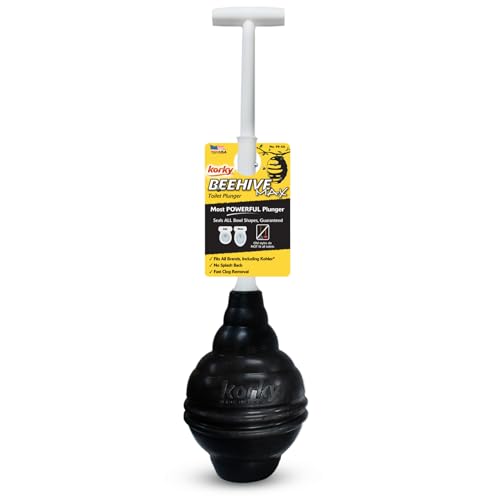
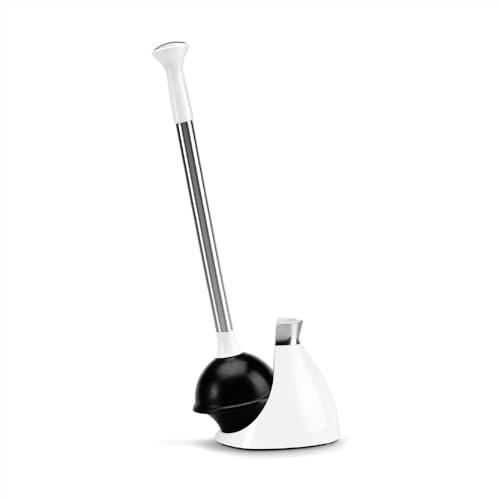
A flange plunger has a bell-shaped rubber cup with a soft inner sleeve that extends downward. That sleeve (the flange) is what seats into the toilet drain. Brands like Korky and Simplehuman make well-rated flange plungers that cost under $15 at any hardware store. Avoid accordion plungers for beginners: they create more pressure but are harder to control and more likely to splash.
A few squirts of dish soap and a kettle or pot of hot (not boiling) water poured into the bowl can soften the clog and lubricate the trapway before you plunge. This is especially effective on clogs caused by thick toilet paper or sanitary products. Give it 5 to 10 minutes to work before you pick up the plunger.
Plunging splashes. Lay old towels around the base of the toilet before you start. Rubber gloves protect your hands from bacteria in the bowl water. If the bowl is filled to the rim and at risk of overflow, use a bucket to remove some water before you begin so you have room to work.
If the bowl is nearly full, lift the tank lid and press down the flapper by hand to stop the fill cycle. You can also turn the shut-off valve clockwise (usually located on the wall behind and below the toilet) to cut the water supply. This prevents an overflow while you work.
Pour about a gallon of hot tap water into the bowl from waist height. The drop and temperature help loosen the clog. Add two to three squirts of dish soap. Wait 5 to 10 minutes. This step is not mandatory but it meaningfully raises your success rate on the first round of plunging.
Tilt the plunger at an angle as you lower it into the bowl so that you push out any trapped air inside the cup before sealing it against the drain. Air in the cup compresses and releases as a bubble instead of transferring pressure to the clog. Seat the flange extension directly into the drain opening. The rim of the rubber cup should sit flat against the bowl surface surrounding the drain with no gaps.
This is the step most people get wrong. Push down gently on the first stroke to solidify the seal without blowing it open. Then pull up with firm, steady force. The pull is where the hydraulic action actually dislodges the clog by creating a vacuum behind it. Follow with a firm push. Alternate push and pull strokes at a moderate pace, about one per second. Keep the plunger sealed to the drain throughout: breaking the seal between strokes releases all the pressure you built up.
Six to ten strokes per plunging session is the standard. After each cycle, carefully break the seal and check whether the water level drops. A dropping water level tells you the drain has opened. If the water level stays the same, reposition the plunger, ensure the seal is solid, and run another 6 to 10 strokes.
Do not flush at full force as your first test. Instead, lift the flapper by hand inside the tank to release water gradually. Watch whether the bowl drains completely. If it does, the clog is clear and you can flush normally. If the water rises again, the clog is only partially cleared: plunge again before flushing.
Once the drain is running freely, flush two to three more times to push the debris further down the drain line and confirm that the cleared path holds. Check for any overflow or backup in nearby drains (shower, sink) as the water moves through the line.
A flange plunger has a soft rubber inner sleeve that extends from the cup and fits directly into the toilet drain opening, creating an airtight seal over a curved surface. A cup plunger is flat-bottomed and is designed for flat drains like sinks. Using a cup plunger on a toilet produces little to no hydraulic pressure because it cannot seal against the curved drain opening. For toilet clogs, always use a flange plunger.
Accordion-style plungers generate the highest pressure but are harder to control and more likely to cause splashing. For most homeowners, a quality rubber flange plunger is the best starting point.
Plumbing professionals generally recommend three full plunging sessions of 6 to 10 strokes each before concluding that a plunger alone will not clear the clog. If the water level has not dropped at all after 20 to 30 strokes with correct technique and a flange plunger, the blockage is either very compact (possible with wet wipes or sanitary products) or located further down the drain line than a plunger can reach. At that point, a toilet auger is the next step.
Never use chemical drain cleaners on a fully blocked toilet. They sit in the bowl, cannot reach the clog through standing water, and can damage the porcelain glaze and trapway seals over time.
Yes, but results are less reliable. The most effective no-plunger method is hot water and dish soap: pour a gallon of hot (not boiling) water from waist height into the bowl, add dish soap, and wait 15 to 30 minutes. This softens paper and waste clogs and often lets them pass on their own. A toilet snake or auger is the other option, cranking through tougher obstructions. Baking soda and vinegar produce a fizzing reaction that some people find helpful but the chemical reaction is not strong enough to dislodge a solid blockage. See our full guide on how to unclog a toilet without a plunger for detailed steps.
Enzymes and biological drain cleaners can help maintain a cleared drain but are too slow for an active overflow situation.
The four most common causes of toilet clogs are excess toilet paper, flushing non-flushable items (wet wipes, paper towels, cotton pads, feminine products), low water volume per flush (1.0 GPF or lower toilets on older plumbing), and a narrow trapway. A trapway smaller than 2 inches in diameter catches solid waste more easily than the 2.125-inch openings found on high-performance models like the TOTO Drake, American Standard Champion 4, and Kohler Highline. Hard water mineral buildup inside the trapway over years can also narrow the passage and increase clog frequency. For a full root-cause breakdown, read why does my toilet keep clogging.
Use a toilet auger (also called a closet auger) when three full plunging sessions with a flange plunger have not moved the clog. An auger inserts a coiled cable into the drain that can reach 3 to 6 feet into the drain line, break up compact blockages, and retrieve items like toys or bottles that are wedged in the trapway. Unlike a drain snake, a toilet auger has a rubber sleeve that protects the porcelain bowl from scratches. If the auger also fails to clear the line, or if water backs up into other fixtures, the blockage is in the main sewer line and requires a plumber with a powered drain cleaning machine.
The most important variable is the plunger, not the technique. A worn-out cup plunger with a cracked lip or a stiff cold rubber cup is next to useless on a toilet drain. A fresh flange plunger with soft, pliable rubber costs about $12 and clears the vast majority of household toilet clogs in one session. Keep one under every bathroom sink. When owners report repeated clogs after plunging, the issue is almost always the plunger type, not the drain line.
The right plunger makes the difference between a two-minute fix and a 30-minute struggle. These three are the most consistently recommended by plumbing professionals and supported by strong owner feedback.
Corrosion-resistant T-bar handle with a full flange extension; the rubber stays flexible in cold bathrooms.
Check price on AmazonMagnetic holder keeps the drip cup closed between uses; heavy-gauge rubber flange seats firmly in most drain profiles.
Check price on AmazonOversized flange creates more contact area and higher pressure per stroke; a good choice if your toilet has a wider-than-average drain opening.
Check price on AmazonThe best time to think about clogs is before one happens. Most household toilet clogs are predictable and preventable through a combination of habits and hardware.
Every major plumbing authority, including the American Society of Plumbing Engineers, states that only human waste and single-ply or standard toilet paper should enter a toilet drain. Wet wipes labeled "flushable" still cause significant drain blockages because they do not break down quickly in water the way toilet paper does. Paper towels, cotton pads, tampons, Q-tips, and medications should always go in the trash. Establishing this habit alone eliminates the majority of preventable clogs.
Thick or multi-layer toilet paper does not dissolve as fast as single-ply. If your household uses quilted or thick paper, flushing in two batches rather than loading the bowl with a large amount at once significantly reduces clog risk. Septic-safe or rapid-dissolve toilet paper is the right choice for homes on a septic system or with older low-flow toilets rated at 1.28 GPF or below.
Pour a bucket of hot water into the bowl from waist height once a month. This flushes out minor mineral deposits and paper buildup from the trapway before they accumulate into a full blockage. Add a squirt of dish soap and let it sit for a few minutes if you want extra lubricating action. This takes 30 seconds and prevents a large share of slow-drain situations.
Trapway diameter is one of the most underrated specifications in toilet buying decisions. Standard toilets have fully glazed trapways measuring approximately 2 inches. High-performance models like the best flushing toilets achieve 2.125 inches or more. The American Standard Champion 4 is specifically marketed around its 2.375-inch fully glazed trapway, which is wide enough to pass a golf ball and dramatically reduces clog incidents. The TOTO Drake uses a 2.125-inch fully glazed trapway combined with a G-Max siphon jet flush that generates enough velocity to clear the bowl before paper has time to bunch up.
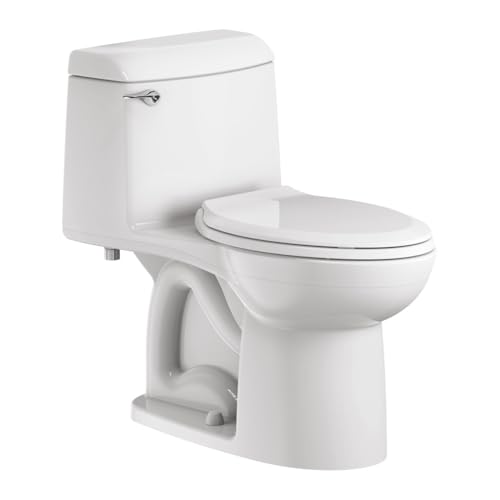
If you are dealing with frequent clogs, the underlying issue may be the toilet itself rather than your habits. These three models are specifically cited for clog resistance in owner reviews, manufacturer data, and third-party evaluations.
| Toilet | Trapway Diameter | MaP Score | GPF | Flush Type | Clog Resistance | Check Price |
|---|---|---|---|---|---|---|
| American Standard Champion 4 | 2.375 in (glazed) | 1000 g | 1.6 | Champion Flushing System | Very High | Check price |
| TOTO Drake II | 2.125 in (glazed) | 1000 g | 1.28 | G-Max siphon jet | Very High | Check price |
| Kohler Highline | 2.0 in (glazed) | 1000 g | 1.28 | Class Five | High | Check price |
| Gerber Viper | 2.125 in (glazed) | 800 g | 1.28 | Power Flush | High | Check price |
| Woodbridge T-0001 | 2.0 in (glazed) | 800 g | 1.28 | Siphon flush | Moderate-High | Check price |
The American Standard Champion 4's 2.375-inch trapway is the widest of any major production toilet. Its flush system is engineered to pass objects up to 70 percent larger than standard models, and owner reviews consistently describe it as the toilet that never clogs. The tradeoff is a 1.6 GPF water consumption that is higher than WaterSense certified models. For households with chronic clogging problems, the extra water use is usually worth it. For more information on this comparison, see toilet not flushing properly and weak toilet flush fix.
If you have plunged the same toilet more than three times in a single month, the toilet itself deserves inspection. A 20-year-old toilet likely has mineral scale narrowing the trapway, worn jet ports reducing flush velocity, and possibly a degraded flapper releasing too little water per flush. The aggregate effect is a toilet that needs two or three flushes to clear what a newer model handles in one. Replacing an aged toilet with a modern 1000 g MaP rated model from TOTO, Kohler, or American Standard typically eliminates chronic clogging entirely.
Chemical drain cleaners are one of the most misapplied products in home maintenance. Products like Drano or Liquid-Plumr are formulated for sink and tub drains and contain highly caustic compounds, typically sodium hydroxide (lye) or sulfuric acid, that dissolve hair and soap scum.
The problem in a clogged toilet is that the product has to sit in standing water in the bowl before it can contact the clog. The dilution effect in that volume of water significantly reduces the chemical's effectiveness. More importantly, caustic chemicals can crack porcelain, damage the wax ring seal at the toilet base, and degrade the rubber flapper and fill valve seals inside the tank over repeated use. Some manufacturers explicitly void warranties for chemical drain cleaner damage.
The one partial exception is enzyme-based biological drain cleaners. These do not contain caustic compounds, pose no risk to porcelain or rubber components, and can help maintain a cleared drain by breaking down organic matter. They are too slow for an active blockage but work as a monthly maintenance treatment.
For an active clog, stick to mechanical methods: a flange plunger first, a toilet auger second, and a plumber third if both fail.
A toilet auger has a bent metal shaft inside a rubber or plastic sleeve. Lower the sleeve into the toilet drain opening. The rubber protects the porcelain from the metal cable. The bent tip of the cable should point in the direction of the drain curve.
Turn the handle clockwise as you push the cable forward. The rotation breaks the cable tip into and through the blockage. Most household clogs are within 3 feet of the drain opening; a standard 3-foot toilet auger reaches them. If you feel significant resistance that does not break with a few turns, reverse direction slightly and then push forward again rather than forcing the cable, which can scratch the drain or get the cable stuck.
Once you feel the resistance clear, retract the cable slowly by turning counterclockwise while pulling back. The clog may come out with the cable. Flush to confirm the drain is clear. Run two additional flushes to push any remaining debris down the line.
Toilet water contains fecal bacteria including E. coli and other pathogens. The physical act of plunging creates aerosol droplets. These precautions are standard practice and take about 30 extra seconds.
Wear rubber gloves that extend up the forearm if available, or standard dishwashing gloves at minimum. Lay towels around the toilet base to absorb splashes. Close the lid before flushing after the clog clears to limit aerosol spread. Disinfect the plunger after use by submerging it in a bleach and water solution (1 tablespoon bleach per gallon of water) for 10 minutes, then rinsing. Wash your hands thoroughly with soap and water for at least 20 seconds after the job is done. Replace a plunger if the rubber has cracked, stiffened, or is showing signs of wear: a compromised rubber cup will not seal reliably.
A flange plunger is the correct tool for a toilet. It has an inner rubber extension (the flange) that fits into the toilet drain and forms an airtight seal. Cup plungers are designed for flat sink drains and cannot seal properly over the curved toilet drain opening. Accordion plungers work but are harder to control for most users.
Three sessions of 6 to 10 strokes each, totaling 20 to 30 strokes with correct flange plunger technique, is the standard recommendation. If the water level has not dropped at all after that effort, move to a toilet auger. Continuing to plunge beyond 30 strokes rarely produces a different result.
Both motions are needed, but the pull stroke is what generates the hydraulic action that dislodges the clog. The push compresses the air and water behind the clog; the pull creates a vacuum that drags the clog back toward the drain opening and breaks it apart. Use a gentle first push to seal the plunger, then alternate firm pulls and pushes of equal force.
You can, but it makes a mess. If the bowl is full to the rim, use a bucket or cup to remove some water until the level is about halfway up the bowl before plunging. This gives you room to work without splashing contaminated water onto the floor and walls.
It is not recommended. Drano and similar caustic chemical drain cleaners can crack porcelain, degrade the wax ring and internal rubber seals, and are diluted by the standing water in a clogged bowl before they can contact the obstruction. Most plumbing professionals advise against using chemical cleaners in toilet drains. Use a flange plunger or a toilet auger instead.
If a toilet clogs repeatedly within days or weeks of being cleared, the most common causes are: flushing non-flushable wipes or thick toilet paper, low water volume per flush (check if the flapper is closing too early), mineral scale narrowing the trapway, or a partial blockage further down the drain line that plunging is not reaching. A chronic problem usually means the toilet itself needs inspection, descaling, or replacement.
If plunging and augering both fail, call a licensed plumber. The clog is likely in the main drain line beyond the toilet's trapway and requires a powered drain cleaning machine (electric snake). Drain line blockages often affect multiple fixtures and can signal a more serious issue like a root intrusion or a collapsed drain section.
Hot water alone can clear minor paper and waste clogs, particularly if the clog is loose or soft. Pour about a gallon of hot (not boiling) water from waist height into the bowl and wait 10 to 15 minutes. Boiling water can crack the porcelain bowl. This method works best as a first attempt on minor clogs before reaching for a plunger.
Dish soap is a useful supplement to plunging or hot water treatment. It lubricates the trapway and softens paper-based clogs. Add two to three generous squirts of dish soap, wait 10 to 15 minutes, then plunge or pour hot water. On its own, dish soap rarely clears a solid blockage but it increases your overall success rate when combined with mechanical methods.
A toilet overflows when the drain is blocked and the tank releases more water than the bowl can hold. The most common cause is a clog in the trapway or drain line. Less commonly, a fill valve set too high can cause the tank to overflow into the bowl continuously. If your toilet overflows on every flush, turn off the water supply valve behind the toilet before investigating.
The most effective alternative to a plunger is hot water and dish soap poured from waist height. A toilet auger is the next best tool. A wire coat hanger straightened and wrapped with a cloth at the tip can reach shallow clogs just past the drain opening, but use it carefully to avoid scratching the porcelain. Avoid improvised pressure methods using plastic bags or air pumps as they can splash waste water dangerously.
If only one toilet is clogged and all other fixtures drain normally, the blockage is in the toilet's trapway or the drain immediately below it. If flushing the toilet causes water to back up in a nearby shower, sink, or floor drain, the clog is in the shared main drain line below the toilet's branch connection. A main line clog requires a plumber with a powered snake, not a hand plunger.
The fastest method is a flange plunger with correct technique: seat the flange into the drain, prime with a gentle push to clear air from the cup, then alternate firm pulls and pushes for 6 to 10 strokes without breaking the seal. Most standard paper-and-waste clogs clear in under two minutes this way. Adding hot water and soap before plunging adds 10 minutes but raises the success rate significantly on the first attempt.
Yes. Toilets with a fully glazed trapway measuring 2 inches or more are meaningfully more clog-resistant than models with narrow or partially glazed passages. The American Standard Champion 4 (2.375-inch trapway) and TOTO Drake series (2.125-inch fully glazed trapway with G-Max siphon jet) are the most consistently recommended models for clog prevention in owner data and plumbing professional recommendations. If your toilet clogs repeatedly, a hardware upgrade is often the most effective long-term fix.
Not necessarily, if the toilet is designed well. A 1.28 GPF toilet with a wide, fully glazed trapway and a high-velocity siphon jet, like the TOTO Drake II or Kohler Cimarron, produces fewer clogs than many 1.6 GPF models with narrow trapways and weak flush velocity. The MaP flush score is a more reliable predictor of clog risk than GPF alone: a 1.28 GPF toilet with a 1000 g MaP score will outperform a 1.6 GPF toilet with a 500 g score.
Submerge the plunger head in a bucket with 1 tablespoon of bleach per gallon of water for 10 minutes after each use. Rinse with clean water, shake off excess, and store the plunger with the cup facing up to allow it to dry. Many plungers come with a drip tray or covered holder for hygienic storage. Inspect the rubber periodically and replace if it has cracked, stiffened, or deformed, as a damaged cup will not seal properly.
The most useful household alternatives to a plunger are: dish soap and hot water (as a soak before plunging), a wire coat hanger with a cloth tip (to dislodge shallow clogs), and baking soda followed by white vinegar (the fizzing action can loosen minor blockages but is not reliable on solid clogs). Avoid using anything that could be sucked into the drain, such as rags or sponges, as retrieval is difficult and can make the clog worse.
A quality flange plunger used correctly clears the overwhelming majority of household toilet clogs in under two minutes. Use hot water and dish soap to soften the clog first, seat the flange directly in the drain opening, and pull up with as much force as you push down. If plunging fails after three sessions, a toilet auger is the next step, and a plumber is the right call if the clog affects multiple fixtures. For households dealing with repeated clogs, upgrading to a toilet with a wide, fully glazed trapway and a high MaP score, such as the American Standard Champion 4 or TOTO Drake II, eliminates the root cause rather than treating the symptom.
Learn why toilet trapways curve like an S, how each bend blocks sewer gas, and what the shape means for clogs and…
Read the guideAlmost every US toilet has a left-side handle. Learn the plumbing and mechanical reasons behind the layout and when it actually changes.
Read the guideHome toilets rely on tanks because household water lines lack the pressure that public flushometer systems use to flush straight from the…
Read the guide