A low toilet bowl water level weakens flushing power, exposes porcelain to staining, and breaks the trap seal that keeps sewer gas out of your bathroom. Every cause is fixable in under twenty minutes with no special tools. This guide covers the five proven methods for raising toilet bowl water, the exact target level you are aiming for, how the refill tube and fill valve work together to control it, and when a persistently low bowl points to a clog or a worn part rather than a setting.
Quick Answer
The fastest fix for a low toilet bowl water level is to reseat the refill tube so it clips firmly onto the top of the overflow pipe inside the tank. That thin tube controls all bowl refill water after every flush. If the tube is already positioned correctly, the second step is to raise the fill valve float so the tank fills higher, sending more water down the refill path and into the bowl until it reaches its molded fill line.
A toilet bowl that sits visibly lower than normal is one of those problems that looks minor until it is not. The standing water in the bowl forms the trap seal, the water plug that physically blocks sewer gas from rising through the drain. Drop the level below the trap's air-lock point and you lose that seal, letting hydrogen sulfide and other gases drift into your bathroom. Drop it a little further and flushes become weak and streaky because the swirl has less water mass to work with. Restore the bowl level and both problems vanish at once.
Unlike the tank level, which you adjust by moving a float, the bowl level is controlled by a different part entirely: the slim refill tube that runs from the fill valve to the top of the overflow pipe. After every flush, the fill valve sends the bulk of its water into the tank and a separate, smaller stream through that tube down into the overflow, which channels it into the bowl and restores the trap. Fixing a low bowl is almost always a refill-tube job first, a fill-valve adjustment second, and a clog or worn-part diagnosis third.
Before you adjust anything. Lift the tank lid carefully and set it flat on a soft surface. Flush once and watch the refill phase closely. Look for the thin refill tube clipped to the overflow pipe in the center of the tank. If the clip has loosened and the tube is spraying water into the tank instead of down into the pipe, you have found the cause before touching a single setting.
What causes a low toilet bowl water level?
The five most common causes of a low toilet bowl water level are: a displaced or kinked refill tube that is not delivering water into the overflow pipe; a fill valve float set too low, limiting total refill water; a partial clog in the trapway that siphons the water down; a worn fill valve that shuts off too early; and less commonly a hairline crack in the bowl trap or a plumbing vent problem that breaks the water seal. The refill tube is the right starting point because it is the most frequent cause and the quickest to fix.
Each cause produces a slightly different pattern that helps you identify the culprit before reaching for parts. A displaced refill tube causes the bowl to sit low immediately after every flush, since the tube never delivers its bowl-refill water. A float set too low has the same effect but also shows a tank that fills to a visibly low line compared to the overflow tube. A partial clog produces a bowl that initially fills normally but slowly loses water over minutes as the clog creates back-suction in the trap. A vent problem looks similar but happens faster and is often accompanied by gurgling sounds from other drains. A hairline crack is the rarest cause and shows as a bowl that drains continuously whenever the toilet is not in use.
Working through these in order from fastest to fix to most involved means you will resolve the problem in one visit to the tank the majority of the time. The sections below follow that sequence.
What is the correct toilet bowl water level?
The correct toilet bowl water level is the point where standing water reaches the molded fill line visible on the inside of the bowl, typically about halfway to two-thirds up the visible water surface and well above the trap outlet at the bottom. Most manufacturers mark this with a faint molded line or a color change in the porcelain. Water sitting below that line signals a problem; water sitting above it on every flush signals over-refilling or a partial blockage.
The target is set by the bowl manufacturer and molded into the porcelain during production, which means the right level varies a few millimeters between a squat round bowl and a deep elongated design. In every case, however, the water must fully cover the bottom of the bowl and sit at or slightly above the visible shoulder of the trap outlet. Any lower and the trap air lock breaks; any higher and the bowl may overflow during a large flush or signal a trapway restriction.
For reference, the tank level and the bowl level are not directly linked to the same setting. The tank water level, which you target at one inch below the top of the overflow tube, controls flush power. The bowl water level, which you target at the molded line, controls trap sealing. Both come from the same fill valve but through two separate paths, so you can have one correct and the other wrong at the same time.
How do you increase the water level in a toilet bowl by fixing the refill tube?
To increase the toilet bowl water level by fixing the refill tube, locate the thin flexible tube running from the fill valve to the top of the overflow pipe in the center of the tank. Re-clip it so it sits at the very top of the overflow pipe and aims straight down into it, but does not extend more than one inch inside the pipe. Flush and watch the bowl refill. If the tube was misaligned, the bowl level should return to the molded fill line within one or two flushes.
The refill tube is almost always the right starting point. It is a small piece of flexible plastic tubing, usually around a quarter-inch in diameter, that connects to the side of the fill valve body at one end and clips to the top of the overflow pipe at the other. The clip is what keeps it aimed correctly, and on older toilets or after any tank maintenance, the clip works loose and the tube swings free. When that happens, the tube squirts refill water into the tank instead of down the overflow pipe, the bowl gets zero refill water, and the trap seal drops after every flush.
Repositioning the tube takes under a minute. Lift the lid, look for the tube, and press the clip firmly back onto the lip of the overflow pipe. The tube should aim downward into the pipe without touching the water at the bottom. If the tube is aimed into the pipe but the bowl level is still low, the tube may be kinked or too short, both of which reduce flow. A kinked tube can be replaced with a new universal refill tube for under two dollars at any hardware store.
Critical detail. Do not push the refill tube more than one inch into the overflow pipe. If the tube extends far enough to reach the standing water level inside the overflow, it creates a siphon that continuously drains the tank into the bowl even when the toilet is not in use, causing phantom running and a bowl that overfills before slowly draining. The tube should aim in, not submerge.
How do you raise the toilet bowl water level by adjusting the fill valve float?
To raise the bowl water level through the fill valve, increase the float setting so the tank fills higher. On a modern column fill valve such as a Fluidmaster 400A, pinch the spring clip on the side and slide the float cup upward on the shaft by a quarter to half an inch, then flush and recheck. A higher tank fill means more water enters the overflow pipe during refill, which raises the bowl level. Always confirm the tank does not overfill past the top of the overflow tube after adjusting.
The fill valve supplies both the tank and the bowl during the refill cycle. Most of the water goes into the tank through the main valve outlet, while the refill tube diverts a smaller portion into the overflow pipe. When you raise the float setting, the valve stays open slightly longer, putting more total water into the system. That extra volume includes a proportional increase through the refill tube, which lifts the bowl level.
This adjustment is secondary to the refill tube check because moving the float changes the tank level at the same time. If your tank is already filled to its target line at one inch below the overflow tube, raising the float further sends excess water over the overflow continuously, which is wasteful and noisy. Use the float adjustment only when the refill tube is correctly positioned but the bowl is still low because the valve is not sending enough refill water. Move the float in small increments, flush after each change, and stop when the bowl reaches its fill line and the tank still rests below the overflow tube top.
Adjusting a modern column float-cup fill valve
This is the valve type installed in most toilets made in the last two decades, including those by TOTO, Kohler, American Standard, Woodbridge, and Swiss Madison. The valve is a tall cylinder in the corner of the tank with a plastic float cup that slides on the shaft. Find the adjustment clip or screw on the side of the shaft: pinch the clip inward and slide the float cup upward by a quarter inch, or turn the adjustment screw one quarter turn clockwise. Release, flush, and wait for the full refill before checking both the tank and bowl levels. Repeat until the bowl reaches its line and the tank settles just below the overflow.
Adjusting an older ballcock float-ball valve
Older toilets, particularly those made before 2000, often use a brass or plastic ballcock with a large float ball on a horizontal arm. To raise the water level, look for a thumb screw at the valve end of the arm and turn it clockwise, or gently bend the arm upward at the midpoint using both hands to avoid stressing the valve connection. A float ball that has developed a pinhole and partially filled with water will sit low in the tank regardless of arm position. In that case, unscrew the ball from the arm and shake it; any sloshing means water is inside and the ball needs replacing, which costs under three dollars at any hardware store.
How do you fix a toilet bowl that keeps losing water after refilling?
A toilet bowl that fills to the correct level but then slowly loses water between flushes is almost always caused by a partial clog in the trapway creating siphon suction, a vent blockage preventing air from equalizing the trap, or a hairline crack in the porcelain trap. Try clearing the trapway with a plunger first. If the level holds after plunging, a partial clog was the cause. If it continues dropping with no gurgling sounds, inspect the porcelain carefully for cracks using the food-dye test.
This is a distinct problem from a bowl that never fills high enough. When the bowl refills correctly but then drops over the next ten to thirty minutes, the bowl-side plumbing rather than the tank mechanism is at fault. The three causes produce different patterns that help you identify them before reaching for parts.
A partial trapway clog creates a slow siphon because the restriction holds a column of water that, as it drains past the clog, pulls the bowl water behind it. You will usually see the level fall steadily in the minutes after each flush. Plunging dislodges the partial clog and the bowl holds its level normally afterward. This is the most common cause of an intermittent low-bowl problem in homes where the toilet sees heavy daily use, and it is the reason toilets in busy households benefit from a wide, glazed trapway.
A blocked plumbing vent produces a sharper pressure drop. When you flush, the water rushing down the drain needs air from the vent stack to replace it; if the vent is blocked by debris or a dead animal in the stack, the rush of draining water pulls air from the nearest available source, which is the bowl itself, breaking the seal. The signature is a gurgling sound from the bowl immediately after flushing, sometimes from nearby sink drains too. Clearing the roof stack with a garden hose usually restores normal behavior.
A hairline crack in the porcelain bowl is the least common but most serious cause. The crack allows water to seep out continuously, so the bowl level drops even when the toilet has not been used for hours and the tank is not running. Look for white mineral-deposit streaks on the outside of the bowl near the water line. A cracked bowl cannot be repaired reliably and should be replaced. If the toilet is outdated and you are already planning a replacement, our guide to the best flushing toilets covers the top options for every budget.
Editorial Take
Most low-bowl problems are refill-tube problems, and most refill-tube problems happen right after someone has worked on the tank: replaced a flapper, cleaned the tank, or replaced the fill valve. The new valve gets installed, the refill tube gets reassembled, and nobody notices the clip did not seat fully. The bowl sits low for weeks before anyone connects it to the maintenance visit. If your bowl level dropped shortly after any tank work, start with the refill tube and you will almost certainly be done in two minutes flat.
What are the steps to increase toilet bowl water level in order?
Follow these steps from simplest to most involved. Most people resolve a low bowl level at step one or two without touching a single part.
Step
Action
Solves
Time
Cost
1
Reseat refill tube firmly on overflow pipe top
Tube slipped off or misdirected
2 min
Free
2
Raise fill valve float by a quarter inch
Tank fills too low to supply bowl
5 min
Free
3
Replace a kinked or cracked refill tube
Tube restricts flow even when seated
10 min
Under $2
4
Plunge the trapway to clear a partial clog
Bowl fills but loses water slowly
10 min
Free
5
Clear mineral scale from rim jets and siphon jet
Hard water homes, slow refill flow
20 min
Free
6
Replace the fill valve
Valve shuts off too early, low refill volume
20 min
$12 to $25
7
Replace toilet with a high-MaP WaterSense model
Old low-MaP design, shallow bowl by design
2 to 4 hrs
Replacement
If the bowl still sits low after completing all seven steps, the problem is structural rather than mechanical. A vent stack obstruction or a cracked bowl trap both require professional diagnosis or full toilet replacement. For a toilet that is already old and underperforming, replacement with a modern high-MaP, WaterSense-rated model from TOTO, Kohler, or American Standard is a more cost-effective answer than extended repairs. The three top picks below cover the most common upgrade scenarios.
Which toilets maintain a consistently high bowl water level?
Toilets with well-designed refill systems and fully glazed wide trapways hold their bowl water level most reliably. The TOTO Drake and TOTO UltraMax II use TOTO's E-Max flushing system with an oversized flush valve and a fully glazed 2.125-inch trapway, which maintains bowl water efficiently at 1.28 GPF and earns maximum MaP scores of 1,000 grams. The Kohler Cimarron and Gerber Avalanche also hold strong bowl levels with reliable refill mechanisms and EPA WaterSense certification.
A toilet bowl that holds its water level depends on two design factors: how the fill valve delivers refill water, and whether the trapway is smooth and wide enough to drain cleanly without leaving residual suction that pulls water down. Glazed trapways reduce the friction that causes partial clogs and post-flush siphoning. Wide trapway diameters move waste through on the first flush without leaving the residual pull that drops bowl levels between uses.
The three picks below have the strongest track records for consistently holding bowl water levels at the correct height, based on published specifications, independent MaP flush-test results, and aggregated owner feedback. All three carry EPA WaterSense certification at 1.28 GPF.
Top Overall Pick
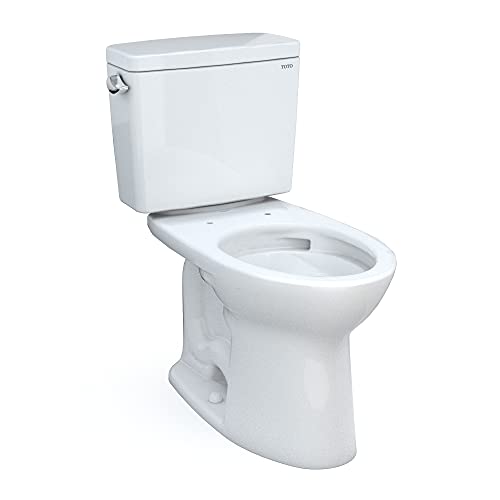
TOTO Drake
Consistent bowl level and 1,000 g MaP
4.7
TOTO's E-Max flush system pairs a 3-inch flush valve with a fully glazed 2.125-inch trapway and a precise refill mechanism that holds the bowl level at the molded line after every flush, earning a perfect 1,000-gram MaP score at 1.28 GPF.
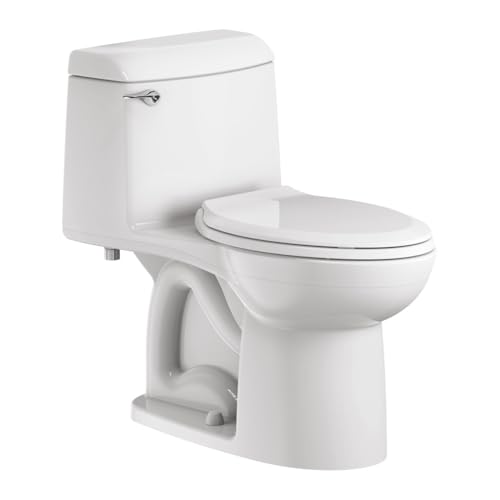
American Standard's Champion 4 uses a 4-inch flush valve and a 2.375-inch fully glazed trapway, the widest in this comparison, which moves waste so cleanly that the partial clogs causing bowl-level drops are significantly reduced in daily use.
Kohler's Class Five flushing technology and a fully glazed trapway make the Cimarron a dependable performer for maintaining correct bowl water levels at 1.28 GPF without the premium price of TOTO, with widely available parts support.
Comparison of toilets that hold the deepest, most stable bowl water level
If your current toilet is old, frequently develops a low bowl level, and fixes are only holding temporarily, the table below compares leading replacements on the specifications that actually predict long-term bowl-level stability: trapway width, MaP score, and GPF.
The TOTO Drake leads here because its 1,000-gram MaP score at 1.28 GPF, fully glazed wide trapway, and mature parts ecosystem make it the safest long-term choice for consistent bowl-level stability. The American Standard Champion 4 is the strongest pick specifically for clog prevention due to its industry-leading trapway width. For more context on how these models rank across all performance categories, our full roundup of the best toilets of 2026, top picks for every bathroom covers the complete field.
How does the refill tube control toilet bowl water level?
The refill tube is a thin flexible tube, usually about a quarter inch in diameter, that connects to the side of the fill valve and clips to the top of the overflow pipe inside the tank. After every flush, the fill valve sends the main stream of water directly into the tank to power the next flush, and a smaller diverted stream through the refill tube, down the overflow pipe, and into the bowl to restore the trap seal. If this tube is displaced, kinked, or not present, no water enters the bowl during refill and the bowl level drops immediately after every flush.
Understanding the refill tube's role makes it clear why so many bowl-level problems appear to come from the fill valve when they actually come from one small tube. The fill valve itself may be working correctly, filling the tank to the right level. But if the diverted refill stream never reaches the overflow pipe, the tank fills normally and the bowl sits low. A homeowner who adjusts the float trying to fix the bowl level is changing the wrong variable entirely.
The refill tube is replaceable independently of the fill valve. Universal refill tubes sold at hardware stores include a clip that fits most standard overflow pipe diameters, and the replacement process is simply removing the old tube from the valve barb, pressing the new one on, and clipping it to the overflow. If your fill valve is otherwise working correctly and only the bowl level is wrong, a two-dollar tube replacement is the right fix rather than a full valve swap.
What is a good MaP score for preventing bowl-level problems?
A good MaP (Maximum Performance) score for a residential toilet is 600 grams or higher, with 800 to 1,000 grams considered excellent. MaP testing measures how many grams of solid waste a toilet can clear in a single flush using standardized test media. A toilet with a high MaP score clears waste completely in one flush, which means less residual material in the trapway that can cause the partial clogs responsible for pulling bowl water levels down between uses.
MaP testing is conducted by an independent laboratory and represents one of the most reliable published performance benchmarks for toilets. The testing protocol uses a standardized soybean paste and toilet paper media load measured in grams. A score of 1,000 grams is the maximum and indicates the toilet can clear that load in a single flush. The TOTO Drake, TOTO UltraMax II, American Standard Champion 4, and Gerber Viper all achieve 1,000-gram MaP scores at their rated GPF.
The connection to bowl water level is indirect but real. A toilet with a low MaP score (below 500 grams) leaves partial loads in the trapway more often, and those partial clogs create the back-suction conditions that drain the bowl seal between flushes. Upgrading to a high-MaP model eliminates that cycle entirely rather than patching it with repeated plunging. This is why we cite MaP scores throughout our research on this site alongside EPA WaterSense certifications.
Can a clogged fill valve cause low bowl water level?
Yes. A fill valve with a partially clogged diaphragm or screen can restrict the total water flow during refill, including the portion that flows through the refill tube to the bowl. The bowl level ends up lower because the valve shuts off before completing a full refill cycle. Replacing a worn fill valve with a universal replacement unit, which costs around fifteen dollars and installs in about twenty minutes, often resolves persistent low-bowl issues when the refill tube is confirmed correctly positioned.
Fill valves on toilets from TOTO, Kohler, American Standard, Woodbridge, Gerber, and Swiss Madison all use a similar diaphragm mechanism that can wear or pick up debris over time. In hard-water areas, mineral scale deposits on the valve seat restrict flow gradually, so the bowl level drops slowly over months rather than suddenly. If adjusting the refill tube and the float both fail to restore the bowl, the valve itself should be the next suspect.
A universal fill valve such as the Fluidmaster 400A or Korky 528T installs in virtually all two-piece toilets by disconnecting the water supply line, unscrewing the lock nut under the tank, dropping the old valve out, and pressing the new one in. Reset the float at one inch below the overflow tube, reseat the refill tube on the overflow, and the bowl level typically returns to its line on the first flush. For the complete process, our guide on how to replace a toilet fill valve walks through each step with diagrams.
How does low bowl water affect flushing power?
Low bowl water directly reduces flush power because the bowl water is part of the hydraulic mass that carries waste into the trapway during a flush. When tank water drops into a bowl with low standing water, the flush lacks the volume needed to form a strong siphon in the trap. The result is a weak, incomplete flush that requires a second attempt and leaves residue. Restoring the bowl to its correct fill level is a genuine flush-power upgrade for any toilet where the level has dropped below the molded line.
Flush power in a gravity toilet depends on two water sources working together: the tank water rushing downward, and the bowl water already in place creating the hydraulic column in the trap. The bowl acts as the receiving vessel, and the combined mass of fresh water from the tank plus existing bowl water is what generates the siphon that clears waste. Remove part of the bowl water and the siphon forms incompletely or not at all, producing an incomplete flush, streaking on the porcelain, and the need for a second flush.
This is why restoring a low bowl level is one of the fastest, cheapest flush-power upgrades available: no new parts, no replacement, no tools in many cases. If you are dealing with both a low bowl and weak flushing, fix the bowl level first and retest before assuming the flush mechanism itself needs work. For more detailed flush-power troubleshooting after the bowl level is correct, our guide on how to improve toilet flush power with seven proven fixes covers the full hierarchy of causes.
If you share your home with multiple people and the toilet sees heavy daily use, bowl level problems often correlate with partial clogs building up over time. Our guide to the best toilets for large families that resist clogs under heavy use covers the models with the widest trapways and highest MaP scores that handle that demand without the constant maintenance cycle.
When should you call a plumber for a low toilet bowl water level?
Call a plumber if: the bowl level drops consistently even after refill tube and float adjustments confirm both are working correctly; there is audible gurgling from other drains whenever the toilet flushes, indicating a vent stack obstruction; the bowl never fills above a very low point no matter what you adjust; or you see visible cracks in the porcelain. All four scenarios exceed DIY scope and can indicate problems in the main drain line or roof vent stack that require a camera inspection.
The steps in this guide resolve bowl-level problems in a large majority of cases. But a vent stack blocked by leaves, a bird nest, or ice in cold climates requires clearing from the roof, which is a safety concern for many homeowners. A main drain line with root intrusion or a collapsed section requires professional diagnosis with a drain camera. A cracked bowl is both a replacement decision and a potential subfloor water-damage issue that a plumber should assess before you install a new toilet over it.
If you keep raising the bowl level only to watch it sink within a day, stop adjusting and start hunting for the leak. A sound toilet holds its bowl level for days without touching it. A bowl that drops on its own is losing water through the trap, whether from a partial clog, a hairline crack, or a vent siphon, and no amount of extra refill will fill a hole. Put a few drops of food coloring in the bowl, wait an hour without flushing, and see if the colored water level falls. That five-minute test tells you whether you have a refill problem you can set right in minutes, or a cracked bowl that means a replacement.
FAQ
Frequently asked questions
? How do I raise the water level in my toilet bowl?
Start by reseating the small refill tube so it clips firmly to the top of the overflow pipe inside the tank and aims straight down into it, not into the tank. Flush and check whether the bowl level rises to its molded fill line. If not, raise the fill valve float slightly by sliding the float cup upward on a column valve or turning the adjustment screw clockwise. Flush and recheck, adjusting in small steps until the bowl reaches its line.
? Why is my toilet bowl water level low?
The most common reason is a displaced refill tube. This thin tube clips to the top of the overflow pipe inside the tank and directs water into the bowl after every flush. If it has slipped off and is spraying into the tank instead, the bowl never refills. After the refill tube, check whether the fill valve float is set too low. Partial clogs, scale-blocked rim jets, and vent issues are less common but also possible.
? What part controls the toilet bowl water level?
The bowl level is controlled by the small refill tube that clips to the top of the overflow pipe, fed by the fill valve. After each flush the valve sends a measured stream through that tube into the overflow, which refills the bowl and reseals the trap. The flapper and flush handle control how the tank empties, not how the bowl refills, so they have nothing to do with the bowl level.
? What is the correct toilet bowl water level?
The bowl water should sit at the molded fill line on the inside of the bowl, typically about halfway to two-thirds up the visible water surface and well above the trap outlet at the bottom. The exact mark varies by bowl design. Water below this line weakens the trap seal and reduces flush power; water above it on every flush suggests a partial clog or an over-delivering refill tube.
? Can a low toilet bowl water level cause sewer smell?
Yes, directly. The standing water in the bowl fills the trap below the bowl and forms an air-lock seal that physically blocks sewer gas from rising through the drain into the bathroom. When the bowl level drops below the trap shoulder, that seal breaks and sewer gas, primarily hydrogen sulfide, can enter the room. Restoring the bowl to its correct fill line reestablishes the seal and eliminates the odor without any chemical treatment.
? Does adjusting the toilet fill valve change the bowl water level?
Yes, indirectly. Raising the tank fill level to one inch below the overflow gives the refill stream more water to work with, which can nudge a marginally low bowl back to its line. However, the refill tube position is the primary control for bowl level. Always check the refill tube first, then the fill level, to avoid over-adjusting the tank and sending water continuously into the overflow.
? Will replacing the flapper fix a low bowl water level?
No. The flapper controls how the tank drains during a flush and has no role in refilling the bowl afterward. A worn flapper causes phantom running and slow tank water loss, but it does not directly lower the bowl level. To raise bowl water, adjust the refill tube or the fill valve float, not the flapper.
? Why does my toilet bowl keep losing water after it fills?
A bowl that fills correctly but then loses water between flushes usually indicates a partial clog in the trapway creating a slow siphon, a vent stack obstruction pulling air from the trap, or a hairline crack in the porcelain. Plunge the trapway first. If the level holds after plunging, that was the cause. Persistent gurgling from other drains points to a vent issue, and a bowl that drains continuously when not in use points to a crack.
? How does the refill tube work?
The refill tube is a thin flexible plastic tube, typically a quarter inch in diameter, that connects to a barb on the side of the fill valve body and clips to the top of the overflow pipe. During every refill cycle, the fill valve diverts a small portion of incoming water through this tube, which carries it down the overflow pipe and into the bowl, restoring the trap water and the standing water level. Without this tube properly positioned, no water enters the bowl during refill.
? How do I adjust a Fluidmaster fill valve to raise the bowl water level?
Locate the float cup on the tall vertical shaft of the valve. On a Fluidmaster 400A or similar model, you will see either a long adjustment screw running between the float cup and the top of the valve, or a spring clip on a metal rod. Turn the screw clockwise or pinch the clip and slide the float cup upward by about a quarter inch. Flush, let the tank refill completely, then check both the bowl level and the tank level before adjusting further.
? What happens if the refill tube is inserted too far into the overflow pipe?
If the refill tube extends far enough into the overflow pipe to reach the water level below, it creates a continuous siphon that drains the tank into the bowl even between flushes. This causes the fill valve to run constantly and a bowl that slowly overfills and then drains. The refill tube should aim into the top of the overflow pipe without extending more than one inch inside it.
? Can low toilet bowl water cause weak flushing?
Yes. Flush power in a gravity toilet depends on the combined hydraulic mass of tank water plus bowl water creating a siphon in the trap. A bowl that sits below its designed fill line reduces that combined volume and weakens the siphon, producing a soft, incomplete flush. Restoring the bowl to its correct level is sometimes the only change needed to fix a flush that suddenly became weak.
? Does the type of fill valve affect the bowl water level?
Yes, because different fill valve designs deliver different amounts of water through the refill tube. Modern column fill valves allow precise adjustment of both the tank fill level and the refill tube flow. Older ballcock designs are less adjustable and more prone to delivering inconsistent refill volumes as the diaphragm wears. If your toilet has a ballcock more than ten years old and the bowl is consistently low despite correct tube placement, replacing the valve with a modern adjustable unit often resolves it permanently.
? What MaP score should I look for to avoid future bowl water level problems?
Look for a MaP score of 800 grams or higher. Toilets rated at 800 to 1,000 grams on the Maximum Performance test clear waste reliably in a single flush, which reduces the partial trapway clogs that create the siphon conditions most responsible for pulling bowl water levels down between flushes. The TOTO Drake, American Standard Champion 4, and Gerber Avalanche all achieve the maximum 1,000-gram MaP score at 1.28 GPF.
? Does a partial clog cause low toilet bowl water level?
Yes. A partial clog in the trapway does not always prevent flushing completely. Instead it leaves a restriction that, as water drains past it, creates a suction effect that pulls the trap water down behind it. The bowl fills normally right after the flush and then slowly loses water over the next five to thirty minutes as the clog siphons it. Plunging the trapway clears the clog and the bowl level holds steady afterward.
? Is it safe to add water manually to the toilet bowl to raise the level?
Yes, temporarily. Pouring a bucket of water directly into the bowl raises the level immediately and can verify that the problem is in the refill system rather than in the bowl itself. However, manually adding water does not address the underlying cause, and the level will drop again after the next flush if the refill tube or float has not been corrected. Use it as a diagnostic tool or a short-term fix while sourcing parts.
? How do I know if my toilet vent is blocked and causing a low bowl?
A blocked vent typically produces gurgling sounds from the toilet bowl or a nearby sink drain immediately after flushing, because the draining water pulls air from the trap instead of from the blocked vent stack. The bowl level may drop suddenly right after the flush rather than slowly over minutes. Clearing roof vent blockages usually requires running a garden hose down the stack from the roof, or a call to a plumber if the blockage is severe.
? When should I replace the toilet instead of fixing the bowl water level?
Replace the toilet when the bowl level is correct, the flush mechanism is in good condition, and the toilet still flushes weakly or clogs repeatedly. This pattern indicates the bowl design has a low MaP score that limits clearing power regardless of water level. Also consider replacement for any toilet more than twenty years old, any bowl with visible cracks in the porcelain, or any model that uses more than 1.6 GPF on a metered water supply.
? Can hard water cause a persistently low toilet bowl water level?
Indirectly, yes. Mineral buildup from hard water can restrict the small refill tube over time, reducing the flow of water into the overflow pipe and gradually lowering the bowl level. Check the refill tube for white calcium deposits around the connection at the fill valve barb. Soaking the tube in white vinegar for thirty minutes dissolves the buildup and usually restores full flow. If deposits have built up inside the fill valve body, a full valve replacement may be the cleaner solution.
? Do EPA WaterSense toilets have lower bowl water levels?
No. EPA WaterSense certification requires a toilet to flush effectively at 1.28 GPF or less, but it does not allow reducing the bowl water level below the manufacturer-specified fill line. WaterSense toilets achieve their water savings through more efficient flush-valve and bowl design, not by providing less bowl water. A properly functioning WaterSense toilet from TOTO, Kohler, American Standard, Gerber, or Woodbridge maintains the correct bowl level at every flush.
Manufacturer published specifications (TOTO, Kohler, American Standard)
Our Verdict
Increasing the toilet bowl water level is almost always a refill-tube fix, a float adjustment, or a partial-clog clear, each of which costs nothing and takes under ten minutes. Reseat the refill tube on the overflow pipe first, raise the fill valve float in small increments if needed, and plunge the trapway if the bowl fills but then drops slowly between flushes. If a correctly positioned tube and correctly set float still leave the bowl low, replace the fill valve for around fifteen dollars before assuming a structural drain or vent problem. Only when the bowl level is correct and the toilet still flushes weakly should you consider a full replacement. In that case, the TOTO Drake at a 1,000-gram MaP score and 1.28 GPF is the most reliable upgrade for consistent bowl-level stability and genuine flushing power. Confirm the rough-in matches yours and check the current price on Amazon before ordering.
Nadia tracks EPA WaterSense certification, GPF and long-term water-saving performance, focusing on fixtures that cut water use without sacrificing flush power. All findings come from published efficiency data and verified owner reviews, not lab testing.
Updated August 2026 · Toilets
Keep reading
Related guides
Why Toilet Trapways Are Curved Like an S
Toilets
4.6
Learn why toilet trapways curve like an S, how each bend blocks sewer gas, and what the shape means for clogs and…