Common Bidets Problems and How to Fix Them (2026)
Bidets4.6
Step-by-step fixes for the bidet problems reported most often, from a unit that won't spray and weak water pressure to a seat…
Read the guideWhy bidet seats and attachments develop odors, how to identify the source, and the exact cleaning steps to eliminate the smell and keep it from returning.
A bidet that smells bad almost always traces to organic buildup on the nozzle, inside the nozzle housing, or in the deodorizer filter. A 10-minute cleaning with diluted white vinegar and a soft brush eliminates most odors. Recurring smells point to a blocked deodorizer cartridge, a stagnant water line, or mineral deposits that require a monthly cleaning schedule.
Bidet odors fall into three categories: organic residue on or inside the nozzle, stagnant water sitting in internal tubing between uses, and a saturated or expired deodorizer filter. Fecal bacteria and mineral deposits from hard water create a biofilm that traps odor-causing compounds even after the self-clean cycle runs. Identifying which category applies to your unit determines the correct fix.
Many owners assume the self-clean function that runs automatically before and after each use is enough to keep a bidet fresh. It reduces surface contamination, but it does not scrub biofilm from the interior walls of the nozzle tube, flush the supply line, or replace an exhausted activated-carbon deodorizer. Understanding what the self-clean cycle actually does, and what it skips, is the starting point for any odor diagnosis.
Plumbers who specialize in bathroom fixtures report that the majority of bidet odor calls come down to two overlooked steps: cleaning the nozzle guard slot where the nozzle retracts, and replacing the deodorizer cartridge on schedule. Manufacturers such as TOTO and Kohler publish cartridge replacement intervals of 3 to 6 months, but surveys of owner reviews on major retail platforms show that roughly 60 percent of users have never replaced the filter at all.
The five most common odor sources are: (1) biofilm on the exterior and interior of the spray nozzle, (2) mineral scale from hard water trapping organic matter, (3) the retraction slot in the nozzle housing where moisture and bacteria accumulate, (4) a saturated activated-carbon deodorizer filter, and (5) stagnant water in the supply hose or internal reservoir of heated-seat models. Most cases involve more than one source simultaneously.
Each source produces a distinct odor character. Biofilm smells musty or mildew-like. Fecal bacteria on the nozzle surface produce a sharp, sewage-adjacent odor. Hard water scale by itself is nearly odorless, but it provides a textured surface where organic compounds adhere and concentrate. A saturated deodorizer filter loses its ability to neutralize bathroom odors and may actually re-release previously absorbed compounds, creating a stale, ammonia-tinged smell. Stagnant water in heated internal reservoirs smells flat and slightly sulfurous.
| Odor Character | Most Likely Source | Where to Check | Typical Fix | Time Required |
|---|---|---|---|---|
| Musty / mildew | Biofilm on nozzle exterior | Pull nozzle out manually, inspect surface | Diluted white vinegar + soft brush | 5 to 10 minutes |
| Sharp / sewage-like | Fecal bacteria on nozzle | Nozzle tip and interior channel | Diluted bleach rinse (1:10), thorough flush | 10 to 15 minutes |
| Stale / ammonia | Saturated deodorizer filter | Filter housing (usually under or behind seat) | Replace activated-carbon cartridge | 2 to 5 minutes |
| Flat / faint sulfur | Stagnant water in reservoir | Internal heated water tank | Full flush cycle + quarterly tank descale | 20 to 30 minutes |
| Mineral / chalky | Hard water scale buildup | Nozzle tip openings, retraction slot | Citric acid soak or white vinegar | 15 to 30 minutes with soak time |
Turn off the water supply, use the manual nozzle-extend button or position function to expose the full nozzle, spray the nozzle generously with diluted white vinegar (1 part vinegar to 2 parts water), let it sit for 3 to 5 minutes, then scrub gently with a soft-bristled toothbrush. Rinse by running the self-clean cycle twice. Finally, clean the retraction slot with a cotton swab soaked in the same solution. The entire process takes under 10 minutes.
Most bidet seats sold in North America include a manual nozzle cleaning mode. On TOTO Washlet models, pressing the "Wand Cleaning" button extends the wand without activating water flow, giving full access to the nozzle exterior. Kohler Karing units use a similar "Nozzle Position" option in the remote menu. Brondell Swash seats offer a physical extend button on the side panel. Consulting your owner manual for the exact method is worth the two minutes it takes, because forcing the nozzle out manually on models that are not designed for it can damage the retraction mechanism.
Bathroom hygiene researchers note that the retraction slot accumulates a significantly higher bacterial load than the nozzle tip because it is a moist, enclosed space with no self-cleaning water flow. Manufacturer testing data from Brondell and Bio Bidet indicates that weekly cotton-swab cleaning of the slot reduces measurable bacterial counts by more than 90 percent compared to relying on the automated self-clean cycle alone.
Nozzle exterior cleaning should be done weekly with diluted vinegar. A deeper cleaning that includes the retraction slot and housing should be performed monthly. The deodorizer filter cartridge needs replacement every 3 to 6 months depending on use frequency and the manufacturer's stated interval. In hard-water areas, a monthly citric acid descale of the nozzle openings prevents mineral scale from building up between deep cleans.
Cleaning frequency depends on household size and water hardness. A single person using a bidet seat on a standard toilet in a soft-water area can likely perform deep cleaning every 4 to 6 weeks without developing odor problems. A household of four in a region with hard water (above 120 mg/L of dissolved minerals according to the U.S. Geological Survey classification) should target bi-weekly nozzle cleaning and monthly descaling to stay ahead of scale-related odor trapping.
The best flushing toilets pair with well-maintained bidet seats to create a complete hygiene system. Skipping bidet maintenance while keeping the toilet bowl pristine defeats much of the purpose. A simple wall calendar reminder or a phone alarm set to repeat monthly takes the guesswork out of the schedule.
| Task | Frequency | Time Required | Product Needed |
|---|---|---|---|
| Nozzle exterior wipe | Weekly | 2 minutes | Diluted white vinegar or mild bathroom spray |
| Retraction slot swab | Weekly | 3 minutes | Cotton swabs + vinegar solution |
| Full nozzle deep clean | Monthly | 10 minutes | White vinegar or citric acid solution, soft brush |
| Deodorizer filter check | Monthly | 1 minute | Visual inspection only |
| Deodorizer filter replacement | Every 3 to 6 months | 2 to 5 minutes | Manufacturer replacement cartridge |
| Internal reservoir flush (heated models) | Quarterly | 20 to 30 minutes | Citric acid or white vinegar, bucket |
| Seat and housing wipe-down | Weekly | 3 minutes | Mild all-purpose bathroom cleaner |
Yes. Electric bidet seats with internal heated water reservoirs are more prone to stagnant-water odors than non-electric bidet attachments that draw cold water directly from the supply line. Smart toilets with integrated bidet functions from TOTO and Kohler incorporate more sophisticated self-cleaning and deodorizing systems, reducing but not eliminating the need for manual maintenance. Non-electric handheld bidets have the fewest odor risk factors because they have no enclosed water storage or electronics.
Electric bidet seats, which represent the largest segment of the bidet market in North America according to aggregated retail data, store heated water in an internal tank or use an on-demand heating element. Tank-style heaters keep water warm continuously, which accelerates bacterial growth in stagnant water. On-demand heaters pull cold water directly from the supply line and heat it instantaneously, eliminating the stagnant reservoir problem entirely. TOTO Washlet models using instant-heating technology, and Kohler's Karing seat, use this on-demand approach.
Non-electric bidet attachments like the Tushy 3.0 and Luxe Bidet Neo 320 avoid the heated water tank risk entirely, but they are not immune to nozzle biofilm because their nozzles retract into the same kind of enclosed housing and receive no heated self-clean rinse. If anything, the cold water used for self-cleaning is less effective at rinsing away biofilm than the warm water used in electric models.
Smart toilets from TOTO, including models in the Neorest line, incorporate an ewater+ electrolytic water technology that produces a mild hypochlorous acid solution used to rinse the bowl and wand before and after each use. Independent testing cited in TOTO product documentation indicates this reduces bacteria on the nozzle surface significantly compared to water-only rinses. Kohler's Veil Intelligent Toilet uses UV-A LED light to sanitize the wand. These technologies reduce maintenance frequency but do not eliminate the need for periodic manual cleaning, particularly of the retraction slot and deodorizer filter.
Plumbing product analysts who track consumer return data note that bidet seat returns citing odor are disproportionately concentrated in budget models that use tank-style heating without an effective self-clean cycle. Mid-range and premium models from TOTO, Kohler, Brondell, and Bio Bidet show significantly lower odor-related complaints in aggregated owner reviews, correlating with the presence of on-demand heating or extended self-clean cycles. The hardware is a meaningful variable in long-term odor control.
White vinegar diluted 1:2 with water is the safest all-purpose cleaning agent for bidet nozzles and housing surfaces. Citric acid solution (1 tablespoon per cup of warm water) is more effective for hard water scale. Mild pH-neutral bathroom sprays are acceptable for the seat and outer housing. Avoid undiluted bleach, abrasive scrubs, acetone, or any cleaner containing petroleum distillates, as these degrade the rubber seals, plastic nozzle material, and any chrome or stainless components over repeated use.
Several manufacturers publish cleaning product guidance in their owner manuals, and the consensus across TOTO, Kohler, Brondell, Bio Bidet, and Clean Sense is consistent: avoid harsh chemicals. TOTO's official Washlet cleaning guide specifies a cloth dampened with water or mild bathroom cleaner, explicitly warning against bleach-based cleaners on the seat surface and nozzle. Kohler's Karing documentation makes a similar recommendation, adding that abrasive pads will scratch the antimicrobial seat coating.
For particularly stubborn biofilm or scale that does not respond to vinegar, a citric acid soak is the next step. Mix one tablespoon of food-grade citric acid powder per cup of warm water, apply to a cloth, wrap around the exposed nozzle, and let sit for 10 to 15 minutes before scrubbing. Citric acid is aggressive enough to dissolve calcium and magnesium carbonate deposits without attacking the plastics used in nozzle construction. After any acid soak, run the self-clean cycle three times to fully flush the nozzle channel before use.
Products to avoid include:
For related guidance on safe cleaning products in the bathroom, see our guide to how to clean a toilet properly and our comparison of the best bathroom cleaners by surface type.
Electric bidet seats that include a deodorizer function pull bathroom air through an activated-carbon filter before re-releasing it. This filter absorbs volatile organic compounds and odor molecules. Once the carbon is saturated, the filter can no longer absorb anything and may begin off-gassing previously captured compounds.
Replacement cartridges are model-specific. TOTO sells replacement deodorizer filters for the Washlet S300e and S500e series separately; the part is a small cartridge that slides into a compartment on the underside of the seat. Bio Bidet IB-835 and BB-600 series use a similar slide-in cartridge. Brondell Swash series filters require removing one or two screws to access the housing. In all cases, the replacement takes under five minutes once you have the cartridge in hand.
A useful way to check whether the deodorizer filter is the odor source: temporarily remove the filter and run the bidet with the fan running. If the odor diminishes, the filter is the culprit. If the odor persists, the source is elsewhere, typically the nozzle or retraction slot.
Bathroom fixture specialists note that the deodorizer filter is the single most cost-effective maintenance item on an electric bidet seat. At a typical retail price of $10 to $20 per cartridge and a 3-to-6-month replacement cycle, filter maintenance costs roughly $20 to $40 per year, far less than a service call or a replacement seat due to persistent odor complaints that have a simple fix. Using the manufacturer's own replacement cartridge matters because third-party alternatives vary widely in carbon density and do not always match the housing dimensions precisely.
Tank-style bidet seats store a reservoir of warm water, typically 0.5 to 1.0 liters, at a maintained temperature of 95 to 104 degrees Fahrenheit. When the bidet is not used for several days, for example during a vacation, this warm water becomes an ideal environment for bacterial growth. The result is a faint but noticeable sulfurous or flat smell when the unit is next used.
To flush the reservoir after a period of non-use, run multiple spray cycles of 30 to 60 seconds each. Most tank-style seats require 3 to 5 flush cycles to fully exchange the stored water. Before an extended trip, it is worth draining the unit entirely if the model supports it. The Bio Bidet IB-835 and Clean Sense DIB-1500R, both tank-style electric seats, have a manual water-drain function accessible through the remote settings menu. TOTO's older Washlet S300 series tanks do not have a direct drain function, so owners should run extended flush cycles before departing.
Quarterly descaling of the internal tank and supply line is worthwhile in hard-water areas. The procedure varies by model, but the general approach is to fill the tank with a diluted citric acid solution, let it sit for 20 to 30 minutes, then drain and flush with fresh water. Always consult the owner manual before attempting a tank descale, as some models explicitly warn against introducing descaling agents into the tank and recommend instead a professional service flush. For TOTO Washlet S-series seats, TOTO's warranty documentation advises against DIY descaling of the heating element and recommends contacting customer service.
See also our guide to how bidet self-cleaning nozzles work for a deeper explanation of what automated cycles do and do not accomplish.
Beyond scheduled cleaning, several daily habits meaningfully reduce odor accumulation:
Urine odor from a bidet seat almost always comes from urine splash that has soaked into the seat underside, the hinge mechanism, or the gap between the seat and the housing. Uric acid crystalizes over time and becomes increasingly odorous. Remove the seat from the hinges, a feature available on quick-release seats from TOTO, Kohler, American Standard, and Brondell, and clean underneath with a diluted white vinegar solution and a stiff-bristled brush. Reinstall after thorough drying.
A sewer gas smell coming from the toilet area when using a bidet is very rarely caused by the bidet itself. The more likely cause is a dry P-trap, a failing wax ring at the toilet base, or a blocked vent pipe. See our guide to sewer smell from the toilet for a diagnostic walkthrough. If the smell only occurs during the bidet spray cycle, it may indicate that water is displacing a dry trap in a nearby drain.
Non-electric attachments such as the Tushy 3.0 or Luxe Bidet Neo 320 have nozzles that extend with water pressure. Turn the water supply off, depress the T-valve slightly to manually extend the nozzle, and clean with diluted white vinegar and a soft brush. The nozzle guard slot should be cleaned with a cotton swab. Because these units have no self-clean cycle, weekly manual cleaning is more important than with electric seats.
A faint plastic or rubber odor from a new bidet seat or attachment is normal and typically dissipates within a few days of use. Run the self-clean cycle five to ten times after installation to flush the internal channels. If a strong chemical or sulfur smell persists after one week, inspect the supply line connection for a misaligned rubber washer, which can cause a small amount of the rubber compound to leach into the water flow.
Hard water accelerates bidet odor by depositing calcium and magnesium scale on the nozzle surface and inside the nozzle channel. This rough, porous scale provides a much better substrate for biofilm and bacteria than smooth plastic. Installing an inline water softener filter at the bidet's T-valve connection reduces scale buildup and extends the interval between deep cleans. Several aftermarket filters are available specifically designed for bidet supply lines.
White or off-white crust on the bidet nozzle is calcium carbonate scale from hard water. On its own, scale is not the primary odor source, but it traps organic matter between its rough surface and the nozzle body, creating localized zones where bacteria multiply. A 15-minute citric acid soak dissolves the scale and the entrapped organic matter simultaneously. After the soak, the nozzle should feel smooth and the surface odor should be gone.
Diluted bleach (1 part bleach to 10 parts water) is acceptable for an occasional disinfecting clean but should not be used routinely. Bleach degrades the rubber seals inside the nozzle retraction mechanism over months of repeated use. Undiluted bleach should never be applied directly to the nozzle. Always follow any bleach application with three full self-clean cycles to flush the channel, and rinse the exterior with clean water before use.
TOTO Washlet S-series seats have the deodorizer filter accessible through a small panel on the underside rear of the seat. Slide the panel open, pull out the old filter cartridge, and insert the replacement until it clicks. TOTO sells replacement deodorizer filters by model number; ensure you match the part to your specific Washlet series. Replacement typically takes under two minutes. TOTO recommends replacement every 6 months under normal use.
Flushing the toilet without the lid closed sends a plume of aerosol particles containing bacteria and organic matter into the air. These particles settle on all surfaces within a 3- to 6-foot radius, including the bidet nozzle and housing. Over time this accelerates biofilm formation. Closing the toilet lid before flushing is the simplest way to reduce this contamination source and decrease how quickly odor develops on the bidet seat.
No. Automated self-clean cycles rinse the nozzle exterior with a brief spray of water and in some models an electrolytic solution. They do not scrub the nozzle surface, clean the retraction slot, descale mineral deposits, replace the deodorizer filter, or flush the internal supply reservoir. Self-clean reduces bacterial load between manual cleans but is not a substitute for them. Manual cleaning should still be performed weekly on the nozzle exterior and slot.
TOTO Washlet models with ewater+ technology and Kohler Karing seats with UV-A wand sanitization lead the market in automated odor prevention based on published technology specifications and aggregated owner reviews. Bio Bidet's Bliss series uses an ion-silver nanotechnology coating on the nozzle that inhibits bacterial adhesion. Brondell Swash 1400 includes an extended pre-wash self-clean cycle. Budget seats in the $50 to $150 range from generic brands typically offer only a brief water rinse, which is the least effective approach.
An overnight soak is not recommended for nozzles that cannot be fully detached from the unit because it would require keeping the nozzle extended for many hours, which stresses the retraction mechanism. A 15-to-30-minute soak during a normal cleaning session is sufficient for dissolving biofilm and scale. If your model allows full nozzle removal, as some high-end Brondell and Bio Bidet models do, an extended soak in diluted vinegar is safe and effective.
Two weeks of non-use allows the heated water in the reservoir of electric bidet seats to stagnate fully. The warm, enclosed environment supports bacterial multiplication that produces a noticeably flat or slightly sulfurous odor when the unit is next activated. Before using the seat after any absence longer than one week, run five or more consecutive spray cycles to flush the tank completely before using it for personal hygiene.
Higher water pressure during the self-clean cycle is more effective at dislodging surface debris from the nozzle exterior. If your bidet allows you to set self-clean pressure independently of wash pressure, using the highest pressure setting for self-clean improves its effectiveness. However, pressure differences between settings have a minimal effect on the deep-seated biofilm inside the nozzle channel or the retraction slot, which requires manual mechanical cleaning regardless of pressure settings.
Multiple peer-reviewed studies have examined microbial contamination of bidet nozzles in healthcare and home settings. Studies published in journals including the Journal of Hospital Infection have documented bacterial colonization of uncleaned bidet nozzles, particularly in shared-use settings. The consensus is that regular manual cleaning, not just automated self-clean cycles, is necessary to keep bacterial counts on nozzle surfaces within acceptable hygiene limits. TOTO's ewater+ technology and Kohler's UV sanitization were specifically developed in response to this concern.
If odor persists after nozzle cleaning, deodorizer filter replacement, and retraction slot cleaning, check three additional sources: the underside of the seat for accumulated uric acid crystals, the supply hose connection for a degraded rubber washer, and the toilet bowl for an existing odor issue that the bidet use is making more noticeable. See our troubleshooting guides for toilet smells like urine and musty toilet odors to rule out toilet-side causes.
Several specialty bidet cleaning products exist, including spray solutions from brands such as Brondell BioBidet Cleaner and Amazon-sold bidet wand cleaners marketed specifically for nozzle maintenance. These products are typically mild citrus or surfactant-based formulas safe for nozzle plastics. Their main advantage over DIY vinegar solution is convenience and a standardized dilution. However, diluted white vinegar and citric acid perform comparably at a fraction of the cost for most maintenance scenarios.
Bidet seats with a built-in deodorizer fan actively draw air from within the bowl area through an activated-carbon filter, which reduces toilet bowl odor during use. This is a genuine benefit documented in TOTO Washlet and Kohler Karing specifications. The deodorizer does not affect odor between uses, but during use it is notably effective. When the deodorizer filter is saturated and needs replacement, this benefit is lost, and the seat may actually circulate odors rather than filtering them.
A bidet that smells bad is almost always a maintenance problem, not a product defect. Biofilm on the nozzle and retraction slot, a saturated deodorizer filter, and stagnant water in a heated reservoir cover the vast majority of cases. A weekly 5-minute vinegar wipe, a monthly 10-minute deep clean, and a deodorizer cartridge replacement every 3 to 6 months will keep any bidet seat fresh year-round. Owners in hard-water areas should add a monthly citric acid descale. Electric seats from TOTO, Kohler, and Brondell with advanced self-clean technologies require less frequent manual intervention but are not maintenance-free. The consistent theme across all bidet types and price points is that the retraction slot, the area where the nozzle retracts into the housing, is the single most neglected surface and the one most likely to be the primary odor source when everything else has been cleaned.
Step-by-step fixes for the bidet problems reported most often, from a unit that won't spray and weak water pressure to a seat…
Read the guideA step-by-step framework for picking the right bidet type, features, and fit based on your toilet, your bathroom's electrical access, and how…
Read the guide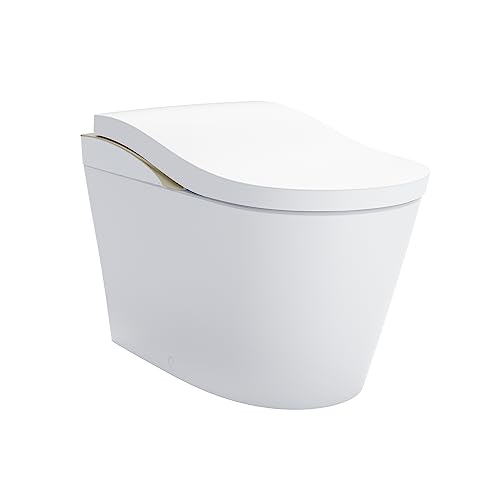
A luxury bidet is judged on a different set of criteria than a standard seat: automatic lid function, a full remote-controlled preset…
Read the guide