
How Often Should You Clean a Toilet?
Cleaning & Maintenance4.6
Clean a toilet fully once a week, wipe the handle and seat with a disinfecting cloth two to three times between weekly…
Read the guideCleaning a toilet properly takes about ten minutes and the right two products, yet most people do it backwards: they squirt cleaner in, scrub immediately, flush, and wonder why the ring under the rim and the band at the waterline never quite leave. The right way follows a sequence that matches the chemistry to the job. You let a clinging bowl cleaner dwell so it actually dissolves the stain instead of running to the trap, you disinfect the seat, lid, handle and the wall behind the toilet where germs land, and you treat a hard-water or rust ring with an acid cleaner because bleach cannot touch a mineral deposit. This guide walks through the full method step by step, the products that make each step work, how often to repeat it, and the safety rules that keep you out of trouble, so the bowl ends up genuinely clean and sanitized rather than just smelling like it.
To clean a toilet the right way, apply a clinging gel like Clorox Toilet Bowl Cleaner with Bleach under the rim, let it dwell five to ten minutes while you disinfect the seat, lid, handle and base with Clorox Disinfecting Wipes, then scrub and flush. For a hard-water ring, switch to acid-based Lime-A-Way, and never mix the two.
Cleaning a toilet is simple once you understand the one idea that decides whether it works: the cleaner has to stay on the stain long enough to dissolve it, and the chemistry has to match what the stain actually is. Brown, gray or pink grime and the film at the waterline are organic, so a bleach or disinfecting gel whitens and kills them. A chalky white band or an orange-brown streak is a mineral deposit, calcium and lime or iron, which bleach cannot dissolve, so it needs an acid cleaner. Almost every failed toilet cleaning traces back to one of two mistakes: scrubbing before the cleaner has had time to work, or using a bleach product on a mineral ring it was never going to remove.
We do not run our own cleaning trials. Instead we compare published manufacturer specifications and safety data, the active ingredient in each product and the stain class it targets, EPA WaterSense and public-health cleaning guidance, whether each formula is labeled septic-safe and safe for porcelain and seals, and the patterns across thousands of verified owner reviews. For the cleaning routine specifically we weighted four things above all else: matching the active ingredient to the stain, since the wrong chemistry simply will not lift the ring; cling and dwell time, because a cleaner that runs to the trap never touches the stain under the rim; disinfection versus mere cleaning, since a bowl can look clean and still harbor germs; and safety, because bleach and acid must never be combined. For the fixtures this routine maintains, see our pillar guide to the best flushing toilets.
Every product in this routine had to match its active ingredient to a clearly identified job, then do that job without damaging the porcelain, the rubber flapper, the seals or a septic system. We separated the bowl cleaner that dissolves stains under the rim, the disinfectant that sanitizes the seat, lid, handle and surrounding surfaces, the acid remover that lifts mineral and rust rings bleach cannot touch, the brush that delivers the scrub, and the protective gloves that keep the chemistry off your skin. We favored thick clinging gels over thin liquids that run to the trap, registered disinfectants with verified germ-kill claims over vague freshening sprays, septic-safe and surface-safe formulas over harsh chemistries that degrade seals, and honest labeling over marketing. We weighted aggregated owner reports about stain removal, residue and durability over advertising language, and we do not accept payment for placement.
| Product | Role In The Routine | Type | Septic Safe | Rating | Check Price |
|---|---|---|---|---|---|
| Clorox Toilet Bowl Cleaner with Bleach | Best bowl cleaner | Bleach gel | As directed | 4.8 | Check price |
| Clorox Disinfecting Wipes | Best for seat and surfaces | Disinfecting wipe | Do not flush | 4.8 | Check price |
| Lime-A-Way Toilet Bowl Cleaner | Best for hard water and rust | Acid gel | As directed | 4.6 | Check price |
| OXO Good Grips Toilet Brush | Best scrub brush | Brush and canister | N/A | 4.7 | Check price |
| Lysol Toilet Bowl Cleaner | Best disinfecting bowl gel | Acid disinfectant | As directed | 4.7 | Check price |
| Better Life Natural Toilet Bowl Cleaner | Best bleach-free option | Plant-based | Yes | 4.6 | Check price |
| Iron OUT Rust Stain Remover | Best for deep rust | Rust remover | As directed | 4.6 | Check price |
| MR.SIGA Reusable Cleaning Gloves | Best hand protection | Reusable gloves | N/A | 4.6 | Check price |
Work the bowl chemistry and the surface disinfecting at the same time so nothing waits idle. Put on gloves, then apply the bowl cleaner under the rim first so it dwells while you disinfect everything else. The order below is what turns a ten-minute clean into a genuinely sanitized toilet rather than a wiped-down one.
The step almost everyone skips is dwell time. People squirt cleaner in, scrub for thirty seconds and flush, then blame the product when the ring survives. The chemistry needs five to ten minutes on the stain to do its work, which is exactly why you apply the bowl cleaner first and disinfect the seat and surfaces while it sits. Do those two things in parallel and a toilet that used to take a frustrating scrub comes clean in one easy pass.
The Clorox Toilet Bowl Cleaner with Bleach is the cleaner the routine is built around, because the most common bowl problem is organic grime and bacterial film, and this thick clinging gel whitens it, disinfects it and rinses clean, with an angled bottle neck made to reach and coat the band under the rim where film hides.
This gel is built for the job most bowls actually need: cutting organic grime, removing the brown and gray film bacteria leaves, and disinfecting the surface. The bleach base whitens stains as it cleans, and the thick gel is the part that matters most, clinging to the porcelain instead of running straight to the trap, so the cleaner sits on the stain long enough to work. The angled neck squirts under the rim to coat the hard-to-reach band, and after the dwell time a quick brush and flush leaves the bowl white and sanitized. It is the product you apply in step two and let work while you handle the rest of the toilet.
Owners consistently report that it whitens a dingy bowl, holds its place on the porcelain instead of sliding off, and leaves a clean finish without heavy residue. The two limits are scope rather than quality: as a bleach product it does little against a hard-water or rust ring, which is a mineral deposit an acid removes, and the fumes are too much for households that want a no-bleach formula. For the everyday bowl cleaner at the center of the routine, it is the standout, and it sits at the top of our guide to the best toilet bowl cleaners of 2026.
This is the cleaner we point most people to first, because the everyday problem is organic grime and germs, not minerals, and it whitens and disinfects both. The thick gel clings instead of running to the trap, and the angled neck gets under the rim where film hides. Apply it first, let it dwell while you wipe the seat and surfaces, then scrub. Just know it is a bleach product, so a hard-water or rust ring needs an acid cleaner instead.
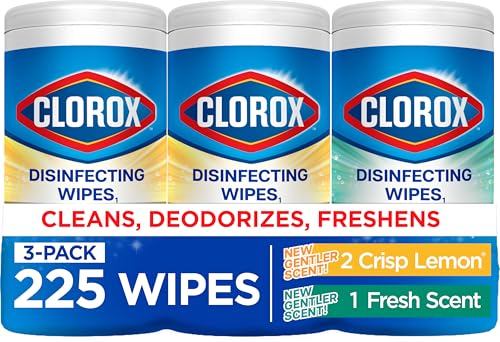
The Clorox Disinfecting Wipes are the pick for everything outside the bowl, a registered disinfectant on a ready-to-use cloth that sanitizes the handle, tank, seat, lid and the base and floor where germs land, the product that turns a bowl-only clean into a fully disinfected toilet.
The bowl is only part of a toilet, and the seat, lid, handle and the wall behind it collect just as many germs from flush spray. These wipes carry a registered claim to kill common bacteria and viruses, so they sanitize rather than just wiping, and the ready-to-use cloth makes the clean-to-dirty pass fast: handle, tank, lid, seat top and bottom, rim, then the base and floor, with a fresh wipe whenever one gets soiled. The key is to let the disinfectant stay wet on the surface for the label time, because that contact time is what kills germs rather than just moving them around.
Owners value the convenience, the verified disinfection and the way one container covers the whole bathroom, and many keep a tub beside the toilet for quick touch-ups between deep cleans. The one firm rule reviewers and the label both stress is to throw the used wipe in the trash and never flush it, because wipes do not break down like toilet paper and are a leading cause of clogs and sewer backups. For disinfecting every surface a toilet has, it is the standout, and it pairs with the surface picks in our guide to the best bathroom cleaners of 2026.
These are the product we recommend for everything the bowl cleaner does not touch, which is most of the toilet by surface area. Flush spray lands on the seat, lid, handle and the wall behind, so disinfecting those matters as much as the bowl. Work clean-to-dirty, let the surface stay wet for the label time so it actually disinfects, and put the used wipe in the trash. Never flush them, because that is how drains clog.

The Lime-A-Way Toilet Bowl Cleaner is the pick for the stain bleach cannot touch, pairing an acid-based formula that dissolves calcium, lime and rust deposits with a thickened gel that clings to the waterline ring, the cleaner you switch to when a white or rusty band survives the bleach gel.
Lime-A-Way solves the problem bleach gels cannot. A hard-water ring is a mineral deposit of calcium and lime, and a rust stain is iron, neither of which bleach dissolves, which is why those rings survive bottle after bottle of bleach cleaner. The acid base here breaks down those minerals chemically, so the ring loosens and rinses away with a brush instead of resisting endless scrubbing. The thickened formula clings to the waterline band where mineral rings form, giving the acid time to work. In the routine, you reach for this only when a ring survives the bleach gel, and only after that bleach has fully flushed away.
Owners value how quickly it lifts a stubborn waterline ring that bleach never budged, and reviewers in hard-water and well-water regions treat it as the only thing that works on their bowls. The tradeoffs are about handling: it is an acid, so it is too harsh for everyday cleaning, must be ventilated, and absolutely must never be mixed with bleach, which produces dangerous chlorine gas. For mineral and rust rings, it is the clear standout, and it appears in our guide to the best toilet bowl cleaners of 2026.
This is the cleaner we recommend the moment someone describes a ring that bleach will not remove, because that ring is mineral, not organic, and only acid dissolves it. In the routine it is the second pass, used only after the bleach gel has flushed away, never alongside it. Ventilate, keep it for the mineral jobs rather than daily cleaning, and never let it meet bleach. For hard-water and well-water bowls, it is the one that actually works.

The OXO Good Grips Toilet Brush is the pick for the scrub itself, pairing dense angled bristles that reach under the rim with a ventilated canister that holds the brush off its own drips, the tool that delivers the mechanical part of the clean after the cleaner has loosened the stain.
A cleaner loosens the stain, but a brush delivers the scrub, and the design that matters is reach and drainage. The angled head and dense bristles get into the band under the rim and down into the trap, the two spots a flat brush misses, so the loosened grime actually comes off rather than getting half-wiped. The ventilated canister is the underrated part: instead of sealing a wet brush in a closed cup where it grows its own film, it holds the brush above its drips with airflow, so it dries between uses and stays sanitary. The non-slip handle keeps your grip steady through the scrub.
Owners value the sturdy bristles that do not splay after a few months, the reach under the rim, and the canister that keeps the brush and floor dry. The tradeoffs are simply category limits: it is a tool, not a cleaner, so it scrubs what the gel has loosened rather than dissolving a stain itself, and buyers who prefer a disposable scrubber head will want a different style. For the brush that delivers the scrub in this routine, it is a strong pick, and it leads our guide to the best toilet brushes of 2026.
The brush only matters after the cleaner has done its work, but a bad one wastes that work by missing the under-rim band where film hides. We like a dense angled head that reaches the rim and the trap, and a ventilated canister rather than a sealed cup, because a brush that cannot dry grows its own grime. Flush while the brush is still in the bowl to rinse it, let it drip, then air-dry it before it goes back in the canister.

The Lysol Toilet Bowl Cleaner is the pick for buyers who want the bowl itself disinfected, pairing a registered disinfecting formula that kills common bacteria and viruses with a thick clinging gel and an angled neck, an alternative bowl cleaner for households focused on germs over whitening.
Lysol leads on disinfecting the bowl itself. It carries a registered claim to kill common bathroom bacteria and viruses, so it sanitizes the porcelain rather than only cleaning it, which matters for households focused on germs. Its hydrochloric-acid base also gives it a measure of limescale-cutting power that pure bleach gels lack, so it handles light mineral build-up along with organic grime. The thick gel clings to the porcelain and the angled neck reaches under the rim, the same delivery that makes a bowl cleaner effective, holding the formula on the stain long enough to disinfect and lift it. In the routine it is a direct alternative to the Clorox gel when germ-kill in the bowl is the priority.
Owners value the disinfecting performance, the cling that keeps the gel on the bowl, and the range of scents, and many keep it as the household sanitizing bowl cleaner. The tradeoffs are that for a heavy, set-in hard-water or rust ring a dedicated acid remover works faster, and because it is acid-based it must never be combined with bleach. For disinfecting the bowl while cleaning it, it is a top pick, and it sits in our guide to the best bathroom cleaners of 2026.
Lysol is the bowl cleaner we recommend when disinfection is the priority, because it carries a registered germ-kill claim and still clings and cleans like a good gel should. The acid base gives it some limescale power that bleach gels miss. Pick it or the Clorox bleach gel, not both at once, and for a heavy mineral or rust ring step up to a dedicated acid remover. Never mix it with bleach, but for sanitizing the bowl regularly, it is excellent.
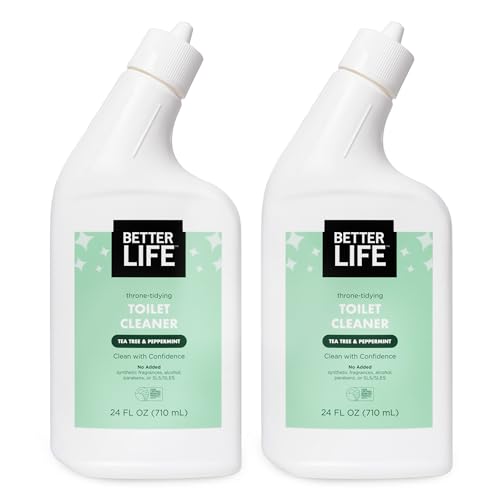
The Better Life Natural Toilet Bowl Cleaner is the pick for households that want no bleach and no harsh fumes, pairing a plant-derived formula with a tea-tree and peppermint scent, a bowl cleaner that lifts everyday grime while staying gentle on septic systems and easy on the lungs.
Better Life targets the buyer who wants a clean bowl without bleach in the house. Its plant-derived surfactants lift everyday grime and light organic staining, and the formula is biodegradable and septic-safe, which matters for homes on a septic tank where harsh chemistries can disrupt the bacteria that break down waste. The tea-tree and peppermint scent gives a fresh finish with far less fume than a bleach or acid cleaner, so it suits homes with children, pets or anyone bothered by strong chemical smells. In the routine it slots in as the bowl cleaner for bleach-free households, used the same way: apply under the rim, let it dwell, scrub and flush.
Owners value the genuinely low fumes, the plant-based formula and the fresh natural scent, and many switched after bleach fumes bothered the household. The tradeoffs come from the gentle chemistry: it is not the tool for a heavy hard-water or rust ring, which still needs an acid cleaner, and it is a cleaner rather than a registered disinfectant, so a household wanting verified germ-kill should pair or alternate it. For a bleach-free everyday clean, it is the standout, and it features in our guide to the best toilet bowl cleaners of 2026.
Better Life is the bowl cleaner we recommend when someone does not want bleach in the home, whether for kids, pets, a septic system or just the fumes. It lifts everyday grime and leaves a fresh tea-tree scent without the harshness. It will not beat a mineral ring, which needs acid, and it is a cleaner rather than a registered disinfectant, so pair it with a disinfecting wipe on the surfaces. For a gentle, septic-safe everyday clean, it is the smart natural pick.

The Iron OUT Rust Stain Remover is the pick for the orange and brown iron stains that hard well water leaves, using a rust-dissolving formula built specifically to break down iron deposits, the targeted answer when a bowl has gone rust-stained and ordinary cleaners only smear it.
Iron OUT exists for one stain class: rust and iron. Well water and high-iron supplies leave the orange and brown staining that no bleach and few general cleaners remove, because the stain is oxidized iron rather than grime or even calcium. The Iron OUT formula chemically reduces and dissolves those iron deposits so they rinse away, which is why it succeeds where a bleach gel only spreads the stain around. It comes in spray and powder forms for the bowl, and on a heavy stain you let it dwell, then brush and flush to clear the rust the iron deposited over weeks. In the routine it is the specialist you reach for only when the leftover ring is clearly rust.
Owners in well-water and high-iron regions repeatedly describe it as the only product that clears a rust-stained bowl, and value the targeted iron chemistry and lower odor than harsh mineral acids. The tradeoffs are that it is a specialty remover, overkill for routine organic grime where a simple bleach gel is easier, and it is not a disinfectant. For deep rust and iron stains specifically, it is the standout, and it appears in our guide to the best toilet bowl cleaners of 2026.
Iron OUT is the product we recommend the instant someone has orange or brown staining from well water, because that is iron, and only a rust-dissolving chemistry removes it. It clears what bleach only smears around. It is a specialist, so keep a bleach gel for routine grime and reach for this only when the leftover stain is rust, and never use it alongside bleach. For high-iron and well-water bowls, nothing else we know of works as reliably.

The MR.SIGA Reusable Cleaning Gloves are the pick for keeping the chemistry and germs off your skin, a waterproof reusable glove with a textured grip and an extended cuff, the protection you put on before step one so bleach, acid and bacteria never touch your hands.
Gloves are the step people skip and regret. Bleach and acid cleaners are hard on skin, and the whole point of disinfecting is that the surfaces are covered in germs, so a barrier between your hands and both matters. These reusable gloves are waterproof with a textured palm that keeps a grip on a wet brush or a slippery bottle, and the extended cuff stops splashes and runoff from reaching your wrists and forearms. Because they are reusable, you rinse and hang them to dry after each clean rather than burning through a box of disposables, and a dedicated pair kept only for the toilet avoids cross-contaminating other chores.
Owners value the durability over flimsy disposables, the secure grip when hands are wet, and the longer cuff for splashy jobs. The tradeoffs are minor: buyers who prefer the convenience of single-use disposables will want a different style, and gloves protect your skin but do not replace ventilation, so you still open a window when using bleach or acid. For hand protection through the whole routine, they are a smart pick, and they round out the supplies in our guide to the best bathroom cleaners of 2026.
Gloves go on before anything else, because you are about to handle bleach, possibly acid, and surfaces covered in germs, and your bare hands have no business touching any of it. We like a reusable pair with a textured grip and a long cuff, kept only for the toilet so it never mixes with kitchen chores. Rinse and hang them to dry after each clean. They protect your skin, but they do not replace opening a window.
If we had to clean almost any toilet with the fewest products, we would keep four: a clinging bleach gel like Clorox for the bowl, because the everyday problem is organic grime and germs; disinfecting wipes for the seat, lid, handle and base, because flush spray germs land everywhere, not just in the bowl; a good brush to deliver the scrub the gel has loosened; and a pair of gloves so none of it touches our skin. Add Lime-A-Way only when a hard-water ring survives the bleach, and Iron OUT only for well-water rust. That set covers the two stain classes and every surface a toilet has, and the cardinal rule across all of it never changes: never mix bleach and acid in the same bowl.
The sequence matters because it lets the chemistry and the surface cleaning happen in parallel. Applying the bowl gel first means it dwells and dissolves grime while you wipe the seat and surrounding surfaces, so nothing waits idle. By the time you pick up the brush, the gel has loosened the stain and the scrub is light. Match the product to the stain, give it dwell time, and a toilet comes clean in about ten minutes.
The reason for a weekly cadence is that a fresh stain wipes away in seconds while a set-in ring takes a dedicated cleaner and far more scrubbing. Keeping the bowl on a regular schedule means you almost never face a hard ring, and a quick wipe of the high-touch handle and seat between cleanings keeps germs down. During illness, disinfect the handle and seat daily to limit spread.
The fix is to identify the ring before reaching for a product. If it is white and chalky, it is hard-water minerals; if it is orange or rusty, it is iron from the water supply. Both need an acid, not a bleach gel, and both must be used only after any bleach has flushed away, never together. Once the right chemistry dissolves the deposit, a light brush clears it.
The danger is chemical: bleach plus acid releases chlorine gas, which can cause serious respiratory harm in a small, closed bathroom. If your routine needs both a bleach disinfectant for everyday grime and an acid remover for a mineral ring, use them on separate passes with a thorough flush and rinse between them, and never combine them in the same bowl. When in doubt, ventilate and stick to one product at a time.
Building a toilet-cleaning kit comes down to four checks that generic cleaning guides tend to skip: identifying the stain class in your bowl, matching a bowl cleaner to that stain, choosing a registered disinfectant for the surfaces, and adding the brush and gloves that make the routine safe and effective. Work through the sections below and you will land on a kit that genuinely cleans and sanitizes, rather than one that just freshens the smell.
This is the first decision, because the wrong chemistry simply will not work. Brown, gray, black or pink organic grime and bacterial film respond to a bleach or disinfecting gel like Clorox or Lysol that whitens and kills germs. A chalky white or hard ring at the waterline is calcium and lime, which needs an acid cleaner like Lime-A-Way. An orange or brown stain is iron, which needs a rust remover like Iron OUT. A bleach-free household wants a plant-based formula like Better Life. If you are on well water or in a hard-water area, plan to keep an acid cleaner on hand for periodic mineral rings.
A clean-looking bowl is not the same as a sanitized toilet. Add a registered disinfectant like Clorox Disinfecting Wipes for the seat, lid, handle, tank and base, the high-touch surfaces flush spray reaches, and let the surface stay wet for the label contact time so it actually kills germs rather than just wiping them around. Then choose a brush that reaches under the rim with a ventilated canister so it dries between uses, and a pair of reusable gloves to keep bleach, acid and germs off your skin. The brush and gloves are inexpensive, but they are what make the routine both effective and safe.
The last checks are about protecting the toilet and yourself. On a septic system, use harsh chemistries in normal label amounts rather than pouring them liberally, and default to plant-based, biodegradable cleaners for routine use, since heavy bleach and acid use can disrupt septic bacteria. Watch in-tank products around an older rubber flapper, since a bleach tablet sitting in the tank can degrade seals over time. And always ventilate when using bleach or acid, opening a window or running the exhaust fan, which matters even more in a small bathroom. For the fixtures this routine keeps in shape, see our pillar guide to the best flushing toilets.
The mistake we see most often is treating toilet cleaning as one squirt-and-scrub step and expecting one bottle to handle every stain and every surface. For most homes the order of priority is identify the stain class first, match a bowl cleaner to it, add a registered disinfectant for the seat and surfaces, then bring the brush and gloves. A clinging bleach gel, disinfecting wipes, an acid remover for mineral rings and a good brush cover nearly every toilet, just never use the bleach and the acid together.
Apply bowl cleaner under the rim first and let it dwell, then disinfect the seat, lid, handle and base from cleanest surface to dirtiest while the gel works, then scrub the bowl, flush to rinse the brush, and treat any leftover mineral ring with an acid cleaner. Applying the bowl gel first means it dissolves grime while you handle the surfaces, so nothing waits idle.
Let it dwell five to ten minutes for everyday grime and longer for tough stains, following the label. A bleach gel needs a few minutes before brushing and flushing, while an acid cleaner on a heavy mineral or rust ring may need ten minutes or more to dissolve the deposit. The dwell time is when the chemistry works, so do not brush and flush immediately.
About once a week for a typical household keeps grime, film and rings from setting in, with a quick wipe of the high-touch handle and seat every few days. Regular cleaning is far easier than removing a set-in stain, and during illness you should disinfect the handle and seat daily to limit spread. Hard-water homes may need an acid cleaner periodically for mineral rings.
Usually because you are using the wrong cleaner for the stain or have hard water. If a bleach gel keeps failing on a ring, the ring is mineral or rust, not organic, and needs an acid or iron remover. If a stain returns quickly even after the right cleaner, hard water is depositing minerals fast, so periodic mineral cleaning keeps it under control.
No. Never mix a bleach cleaner with an acid cleaner like Lime-A-Way or Lysol, because the combination produces toxic chlorine gas that is dangerous to breathe. Use only one type at a time, flush and rinse the bowl thoroughly before switching products, and ventilate the bathroom. This is the most important safety rule when cleaning a toilet.
Cleaning removes visible grime and stains, while disinfecting kills germs. A plain cleaner can leave a toilet visibly clean but not sanitized, while a registered disinfectant like Clorox wipes or a bleach cleaner kills bacteria and viruses. For a sanitized toilet, use a product with a registered disinfection claim and let the surface stay wet for the contact time the label specifies.
Use an acid-based cleaner, because a hard-water ring is a calcium and lime mineral deposit that bleach cannot dissolve. A cleaner like Lime-A-Way breaks the mineral down chemically so it rinses away with a brush. Bleach and ordinary cleaners only smear a hard-water ring around, which is why it keeps surviving repeated cleanings until you switch to an acid.
Use a rust-dissolving cleaner like Iron OUT, because rust and orange staining are oxidized iron, usually from well water, that bleach cannot remove. Apply it, let it dwell per the label, then brush and flush to clear the dissolved iron. General cleaners only spread a rust stain around, so a dedicated iron remover is the reliable fix for high-iron bowls.
Yes, every time. Flush spray lands on the seat, lid, handle, tank and the wall behind the toilet, so those high-touch surfaces collect germs and need disinfecting just as much as the bowl. Use disinfecting wipes from the cleanest surface to the dirtiest, the handle first and the base last, and let each surface stay wet for the label contact time to actually kill germs.
No. Disinfecting wipes and so-called flushable wipes do not break down like toilet paper and are a leading cause of clogs and sewer backups. Always throw a used wipe in the trash, never in the bowl. This applies even to products labeled flushable, which plumbers and water utilities consistently warn against putting down the drain.
Yes, in normal amounts and used as directed. A bleach gel cleaner is safe for porcelain and septic systems when used in label quantities, and it whitens and disinfects organic grime well. The cautions are to ventilate the bathroom, never mix it with an acid cleaner, and watch any in-tank bleach product around an older rubber flapper, which it can degrade over time.
Use a plant-based cleaner like Better Life for the bowl, which lifts everyday grime without bleach or harsh fumes and stays septic-safe. For disinfection without bleach, choose a registered non-bleach disinfectant for the surfaces. A bleach-free routine works well for everyday grime, but a heavy mineral or rust ring still needs an acid cleaner, which is a separate chemistry from bleach.
Plant-based, biodegradable cleaners like Better Life are the gentlest on the bacteria a septic tank relies on, so they are the safest default for routine use. Bleach and acid cleaners are generally fine in small label amounts, but heavy or constant use can disrupt septic bacteria, so a septic-heavy household should use harsh chemistries sparingly and default to plant-based formulas.
Usually because the cleaning addressed only the bowl, not the surfaces. Urine and flush spray on the seat hinges, the base where the toilet meets the floor, and the wall behind hold odor that a bowl clean misses. Disinfect those surfaces, check the seat hinges and the floor seal, and if a sewer-gas smell persists, the issue may be the wax ring or a dry trap rather than dirt.
Yes, those are usually organic. A black or pink ring at the waterline is typically mold, mildew or bacteria like Serratia, not a mineral deposit, so a bleach or disinfecting cleaner removes it and kills the organism. Scrub the ring with a bleach gel, let it dwell, then flush, and keep the bowl cleaned regularly to stop the organic ring from returning.
Yes. Continuous products like rim stamps and in-tank systems slow build-up and keep a clean bowl cleaner, but they do not remove an existing stain or replace a periodic real cleaning. You still need a brush and a cleaner to deep-clean the bowl, then the continuous product stretches the time between those cleanings. Use them together, not as a substitute for the routine.
Flush while the brush is still in the bowl to rinse it in clean water, hold it over the bowl to drip, then prop it to air-dry before returning it to its canister. A ventilated canister that lets the brush dry beats a sealed cup that traps moisture and grows its own film. Replace the brush every six months or so, sooner if the bristles splay.
To clean a toilet the right way, apply Clorox Toilet Bowl Cleaner with Bleach under the rim and let it dwell five to ten minutes while you disinfect the seat, lid, handle and base with Clorox Disinfecting Wipes, then scrub with the OXO Good Grips Toilet Brush, flush, and protect your hands the whole time with MR.SIGA Reusable Cleaning Gloves. Switch to acid-based Lime-A-Way for a hard-water ring or Iron OUT for well-water rust, and choose Better Life Natural or Lysol as your bowl cleaner if you want bleach-free or disinfection-first instead. Match the chemistry to the stain, give it dwell time, disinfect every surface flush spray reaches, and never mix bleach and acid in the same bowl.
Clean a toilet fully once a week, wipe the handle and seat with a disinfecting cloth two to three times between weekly…
Read the guideOrange and rust-brown streaks in a toilet bowl are iron oxide, a mineral deposit that bleach cannot dissolve and often intensifies. This…
Read the guide
The toilet tank sits out of sight and out of mind until the flush goes weak, the bowl develops a mystery ring,…
Read the guide