

Why Toilet Trapways Are Curved Like an S
Toilets4.6
Learn why toilet trapways curve like an S, how each bend blocks sewer gas, and what the shape means for clogs and…
Read the guideA toilet that makes noise at night is not haunted. It is almost always one of four mechanical problems: a flapper leaking water into the bowl, a fill valve that cannot fully shut off, elevated nighttime water pressure driving more frequent refills, or a waterlogged ballcock float. Every cause has a specific repair, and none require replacing the toilet. This guide diagnoses each noise by type and timing, covers cheapest-first fixes, and explains the water waste behind each one using EPA WaterSense data and patterns from aggregated owner reviews.
A toilet making noise at night when nobody flushed is almost always a ghost flush caused by a leaking flapper. Run the dye test: add food coloring to the tank, wait 20 minutes without flushing, and check the bowl. If color appears, replace the flapper. If the fill sound is continuous rather than intermittent, lower the float so the water level sits one inch below the overflow tube top. Both repairs cost very little and take under 20 minutes.
Nighttime is when toilet noise is at its most disruptive and also its most informative. During the day, the sounds of a running or cycling toilet blend into background noise. At night, when the house is quiet, you hear exactly what your toilet is doing: a sudden refill that lasts 10 seconds, a faint hiss that runs on and on, a bang after a phantom flush, or a slow gurgle that wakes you at 2 a.m. Each of those sounds has a specific mechanical cause, and identifying which sound you have narrows the diagnosis to one or two parts worth inspecting.
The good news is that toilet noises at night almost never signal anything catastrophic. They are almost always tank components, specifically the flapper, fill valve, float, or supply valve, doing something they should not be doing because they are worn, misadjusted, or responding to pressure conditions in the supply lines. This guide covers every common nighttime toilet noise scenario, explains the underlying cause, provides a step-by-step fix sequence for each, and connects the noise to its water waste impact.
For background on how toilet tank components fit together, our overview of toilet parts explained walks through each component in detail. If the toilet is also flushing weakly in addition to making noise, see our guide on how to improve toilet flush power.
The ghost flush is the most common nighttime toilet complaint. It works like this: the flapper, the rubber seal at the bottom of the tank, is not seating perfectly against the flush valve. Water seeps slowly from the tank into the bowl through the imperfect seal. As the tank level drops a few inches, the fill valve's float drops with it, opening the valve and triggering a refill. That refill lasts 10 to 30 seconds depending on the tank size and leak rate, then the tank is full again and the noise stops. This cycle repeats every 20 minutes to a few hours depending on how fast the flapper is leaking.
During the day you may not notice it at all. At 2 a.m. it sounds like someone flushed when they did not. The fix, replacing the flapper, is one of the most straightforward plumbing repairs there is: turn off the supply valve, flush to empty the tank, unhook the old flapper from the overflow tube ears, snap on a new one in the correct size, turn the water back on. The entire repair takes 5 to 10 minutes and the part is inexpensive. If the dye test (food coloring in the tank, 20 minutes without flushing, check the bowl for color) confirms the flapper is leaking, this repair stops the nighttime noise entirely in most cases.
| Nighttime noise type | When it occurs | Most likely cause | First fix | Difficulty |
|---|---|---|---|---|
| Running / refill sound, 10-30 seconds | Randomly, every 20 min to 2 hours | Leaking flapper (ghost flush) | Replace flapper | Very easy |
| Continuous hiss or running | Never stops | Fill valve not shutting off, water over overflow tube | Lower float setting | Very easy |
| High-pitched whistle or squeal | During fill cycle | Worn fill valve diaphragm vibrating | Replace fill valve | Easy |
| Loud bang or water hammer | Right after fill cycle ends | Fill valve snapping shut at high pressure | Install water hammer arrestor | Easy |
| Gurgling from bowl or drain | Randomly at night | Partial vent blockage or sewer gas pressure shift | Clear vent stack | Moderate |
| Trickling, continuous low sound | All night | Waterlogged ballcock float or worn fill valve | Replace float or fill valve | Easy |
The pressure factor is important and often overlooked. Standard residential water pressure runs between 40 and 80 PSI during peak daytime demand. At night, when fewer homes are drawing water, the municipal system pressure can rise toward or above 80 PSI. That higher pressure pushes harder on every component in the system. A flapper that barely holds at 50 PSI during the day may leak continuously at 75 PSI overnight. A fill valve that closes cleanly at moderate pressure may slam shut at high pressure and produce a pipe bang.
You can measure your household water pressure with an inexpensive pressure gauge that threads onto an outdoor hose bib. Check it during the day and again after midnight. If the nighttime reading is above 80 PSI, a pressure-reducing valve (PRV) on the main supply line is worth considering. A plumber can install one in an hour, and it protects every fixture in the house, including the washing machine hoses and dishwasher connections, not just the toilet.
Most homeowners are surprised to learn their water pressure varies by 20 or 30 PSI between day and night. That variation is what turns a barely-noticeable flapper drip into a toilet that cycles every 20 minutes overnight. Before spending anything on toilet parts, measure your pressure at night. If it is above 80 PSI, a pressure-reducing valve solves the root problem for multiple fixtures at once. If pressure is normal, the diagnosis is almost certainly the flapper or fill valve and a simple low-cost part swap resolves it.
Work through this sequence before buying any parts:
Flappers wear out faster than most homeowners expect, typically lasting 4 to 8 years under normal conditions. Chlorine in municipal water is the primary accelerant of flapper deterioration, and the EPA estimates that a running toilet can waste 200 to 700 gallons per day when the flapper fails significantly. Even a slow ghost-flush leak that cycles every 30 minutes wastes roughly 4,000 to 6,000 gallons per month, enough to add noticeably to your water bill without ever triggering the dramatic running sound most people associate with a toilet problem.
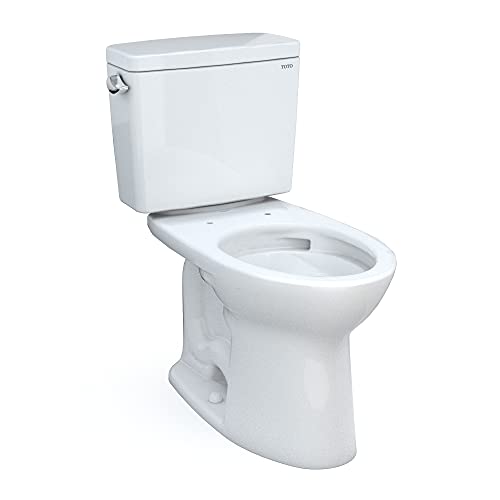
When buying a replacement flapper, flapper size matters. Standard two-piece toilets made before roughly 2005 almost universally use a two-inch flapper. Many one-piece toilets and newer high-efficiency models, including several TOTO Drake II and American Standard Champion 4 variants, use a three-inch flapper. The flush valve drain opening at the bottom of the tank tells you which you need. Fitting a two-inch flapper on a three-inch drain creates a center-only contact that does not seal and the ghost flush continues immediately after you reassemble.
Several brands make size-specific flappers worth noting. Kohler recommends its own flappers for the Highline and Cimarron because the AquaPiston canister on some newer Kohler models requires a proprietary seal rather than a standard flapper entirely. TOTO sell replacement flappers for the Drake and UltraMax II. Universal flappers from Fluidmaster and Korky are reliable for most standard two-piece toilets and carry wide compatibility claims, but confirming size first avoids a second trip to the hardware store.
The relationship between water pressure and nighttime toilet noise is one of the most underappreciated factors in toilet troubleshooting. Standard residential guidelines call for pressure between 40 and 80 PSI. Many municipal systems run 60 to 70 PSI during daytime peak demand, which is within range. But after midnight, when neighborhoods are mostly asleep and large commercial users go offline, the same pipes carry the same water volume to fewer open taps. Pressure rises. A 65 PSI daytime system may run at 85 or 90 PSI at 3 a.m.
At those pressures, three things happen that cause noise. First, flapper leaks become faster and more frequent because more pressure is pushing down on the imperfect seal. Second, fill valves that operate quietly at 65 PSI may vibrate and hiss at 85 PSI because the diaphragm inside is flexing harder than it was designed for. Third, when the fill valve does close, the water column moving through the supply line cannot stop instantly and hammers against the closed valve, producing a bang or thump that travels through the pipes. That sound can be surprisingly loud in a quiet house at night.
A pressure-reducing valve set to 60 PSI on the main supply line smooths all three problems. It also reduces the stress on every fill valve, flapper, washing machine hose, and icemaker line in the house, all of which fail faster under sustained high pressure. If your household has had multiple unexplained leaks or appliance connections fail in recent years, high water pressure is worth measuring before it causes something more expensive than a noisy toilet.
Water hammer, the bang that follows the end of a toilet fill cycle, is one of the more startling nighttime toilet noises. It sounds structural, like something is hitting the wall inside, but it is purely hydraulic. A water hammer arrestor, a small spring-and-piston device installed on the supply line at the toilet's shut-off valve, absorbs the pressure spike when the fill valve closes and eliminates the bang entirely. It is a cheap, one-piece install that threads on in minutes and lasts for years. If the bang persists after the arrestor, household pressure is too high and a PRV is the right next step.
This is the classic ghost flush pattern and points almost always to the flapper. The interval between ghost flushes reflects how fast the leak is: a tiny hairline leak in the flapper seal takes two hours to drop the tank level enough to trigger a refill. A larger leak may cycle every 20 minutes. If the dye test confirms bowl coloring, replace the flapper. If a new flapper does not stop the dye migration, inspect the flush valve seat, the ring the flapper rests against. A chipped or scaled seat prevents even a new flapper from sealing. Clean it with a non-abrasive pad and white vinegar, or install a flush valve seat repair ring over the damaged surface.
A sound that runs without interruption, not periodic but constant, means the fill valve is not shutting off. The most common reason is that the water level is set too high and is spilling into the overflow tube, which drains into the bowl continuously. The fill valve responds by trying to keep up, but since it can never outrun the overflow drain, it runs indefinitely. Fix: lower the float adjustment until the water level is comfortably one inch below the overflow tube top. If the fill valve still does not shut off cleanly after adjustment, the valve diaphragm is worn and the valve needs replacing. For a full step-by-step replacement sequence, our guide on toilet hissing noise and how to fix it walks through every step.
A whistle that occurs during the fill cycle, typically starting after the flush and ending when the tank reaches its set level, is caused by a stiffened or torn diaphragm inside the fill valve vibrating under water pressure. This sound often gets worse over time as the diaphragm continues to degrade. Adjusting the float does not fix a vibrating diaphragm; the fill valve itself needs replacing. A universal anti-siphon fill valve takes 15 to 20 minutes to install and the whistling stops immediately on the first fill cycle with the new valve. Make sure the supply valve is fully open after installation, since even a slightly closed valve creates enough turbulence to whistle through a new component.
A single bang or thump that occurs the moment the fill valve shuts off is water hammer: the kinetic energy of moving water column slamming against the closed valve. At high pressure, this can be loud enough to sound like a knock on the wall. The cleanest fix is a water hammer arrestor installed at the toilet supply connection. They thread on in minutes and use a sealed air chamber and spring piston to absorb the pressure spike. If the bang occurs earlier in the fill cycle rather than at the very end, the supply valve may be vibrating; try opening it completely, as a partially open valve creates turbulence at any flow rate.
Gurgling at night that comes from the bowl, not the tank, points to a venting issue rather than a tank component problem. Toilet drains rely on a vent stack that runs through the roof to allow air into the drain system. When the vent is blocked, partially by debris, a dead animal, or ice in cold climates, the drain system creates a partial vacuum that pulls air backward through the nearest water trap. The water in the toilet bowl's trap acts as the seal, and when air bubbles through it, you hear the gurgle. Clearing the vent stack typically requires access to the roof and a garden hose or plumber's snake used from above. Our guide on toilet gurgling after flush covers the full diagnosis and fix.
A quiet trickling that is lower in pitch than a normal refill often means either a very slow flapper leak producing a slow continuous overflow into the bowl, or a supply line weep at a connection point. Run the dye test first to check for the flapper scenario. If no dye appears in the bowl after 20 minutes, dry the supply line connections and the underside of the tank and check for moisture. A supply line with a slightly loose fitting can weep quietly for months before the leak becomes visible on the floor.
The EPA WaterSense program identifies running and leaking toilets as the single largest category of indoor residential water waste. A toilet whose fill valve runs continuously wastes an estimated 200 gallons per day at minimum, and up to 700 gallons per day if the flow rate is high. A ghost-flushing flapper that cycles every 30 minutes, producing a 15-second refill each time, wastes roughly 48 refills per day. A modern EPA WaterSense-certified toilet like the TOTO Drake (1.28 GPF, MaP score 800 grams) uses 1.28 gallons per flush; 48 ghost flushes per day adds 61 gallons of waste daily, or roughly 1,830 gallons per month, from a single flapper costing a few dollars to replace.
EPA WaterSense certification covers the toilet's designed flush volume and clog performance, but it does not guarantee that tank components will remain leak-free indefinitely. Every toilet, including WaterSense-certified models from TOTO, Kohler, American Standard, Woodbridge, Swiss Madison, and Gerber, uses rubber flappers and valve seals that degrade over time. The difference between a well-maintained toilet and a neglected one is not the brand; it is whether someone checks the tank components every few years and replaces worn parts before they start leaking at night.
From a water-savings standpoint, fixing a ghost flush is more impactful per dollar spent than almost any other home conservation measure. A two-dollar flapper that stops 1,800 gallons of monthly waste saves water at a rate that no low-flow showerhead or faucet aerator can match on a per-dollar basis. If your water utility charges for both water supply and sewer, the savings apply to both meters, since leaked water still flows through the sewer system even when no one is using the toilet.
If you are shopping for a replacement toilet after experiencing repeated nighttime noise issues with an aging unit, several models are consistently noted in owner reviews and published specifications for quiet, reliable operation. For a full ranked comparison, see our guide to the best flushing toilets, which covers MaP scores, GPF ratings, and long-term reliability patterns across all major brands.
| Model | Flush system | GPF | MaP score | Quiet-operation notes | Check Price |
|---|---|---|---|---|---|
| TOTO Drake II | Tornado Flush gravity | 1.28 | 1,000 g | Consistently rated quiet in owner reviews; fill valve shuts off cleanly | Check price |
| TOTO UltraMax II | Tornado Flush gravity, one-piece | 1.28 | 1,000 g | One-piece design reduces tank joint vibration; very quiet fill | Check price |
| Kohler Cimarron | AquaPiston canister | 1.28 | 1,000 g | Canister flush valve seals from all sides; fewer flapper-related leak complaints | Check price |
| Kohler Highline | AquaPiston canister | 1.28 | 800+ g | Standard two-piece; quiet fill valve; widely available replacement parts | Check price |
| American Standard Champion 4 | Gravity, large trapway | 1.6 | 1,000 g | Standard flapper design; durable; owner reviews note quiet long-term operation | Check price |
| American Standard Cadet 3 | Gravity | 1.28 | 800+ g | Simple, well-proven tank components; universal flapper compatibility | Check price |
| Woodbridge T-0001 | Gravity, one-piece | 1.28 | 800+ g | One-piece construction; soft-close seat; owner reviews note quiet operation | Check price |
| TOTO Aquia IV | Dual flush gravity | 1.0 / 0.8 | 600+ g | Dual flush at very low GPF; engineered for quiet operation | Check price |
The TOTO Drake II and UltraMax II draw the most consistent praise for quiet tank operation across verified owner review aggregates. Both use the E-Max single-flush system at 1.28 GPF and achieve the maximum 1,000-gram MaP flush test score, meaning they clear the largest payload the test measures while using less water than older 1.6 GPF models. The fill valve on TOTO Drake models is engineered to shut off with minimal turbulence, which is the primary source of the fill-cycle hiss that other brands sometimes generate.
Kohler's AquaPiston canister, used in the Cimarron and Highline, eliminates the traditional flat rubber flapper in favor of a cylindrical canister that seals with equal pressure from all sides. This design is inherently more resistant to the warping and off-center seating that causes flappers to leak over time. Owner reviews for both models frequently note that the canister seal outlasts the traditional flappers in comparable gravity toilets, which means fewer ghost flushes and fewer middle-of-the-night refill cycles over the toilet's service life.
Before touching anything, sit near the toilet for five minutes in a quiet house. Note: Is the sound intermittent (stops and starts) or continuous? Does it match the timing of a fill cycle? Does it come from the tank or from the bowl? Is there a bang at any point? Your answers send you directly to the right fix and avoid replacing parts that are working fine.
For any intermittent nighttime sound, run the dye test before buying parts. Add food coloring to the tank. Do not flush. Wait 20 minutes. Check the bowl. Color in the bowl confirms a flapper or flush valve seat leak. No color rules out the flapper and points toward the fill valve or supply line.
Remove the tank lid. At rest (not during a fill), observe where the water surface sits relative to the top of the overflow tube. If it is at the rim or overflowing, the fill valve is set too high. Find the float adjustment on the valve, most commonly a clip you slide or a screw you turn, and lower it so the water settles one inch below the overflow tube top. Flush and observe the full refill. The valve should shut off cleanly.
Turn the supply shut-off valve clockwise until it stops. Flush to drain the tank. Unhook the old flapper from the ears on either side of the overflow tube base. Remove the refill tube clipped onto the overflow tube if it is attached to the flapper. Install the new flapper by hooking both ears and setting the chain length so there is about a half-inch of slack with the flapper closed. Restore the supply, let the tank fill, and re-run the dye test in 20 minutes to confirm the seal.
If float adjustment did not stop a continuous running sound, or if the fill cycle produces a hiss or whistle that persists with a new flapper, the fill valve itself needs replacing. Turn off the supply, flush, and sponge out remaining tank water. Disconnect the supply line from the fill valve shank under the tank. Inside the tank, hold the valve steady and unscrew the locknut underneath. Lift out the old valve. Set the new valve to the appropriate height (check that the critical water level mark sits above the overflow tube top), drop it in, hand-tighten the locknut plus a quarter turn, reconnect the supply line, thread the refill tube into the overflow tube, and restore the supply. Let the tank fill and set the float to the one-inch-below position.
Thread a water hammer arrestor onto the supply line at the shut-off valve connection. Restore the supply. The bang should disappear immediately on the first fill cycle. If it persists, measure household water pressure. A reading above 80 PSI at night warrants a plumber-installed PRV on the main supply line.
If the dye test is negative, the water level is correct, the fill valve is new, and you still hear gurgling at night, the vent stack is the likely cause. Check the roof vent opening for debris (leaves, a bird nest, ice) and clear it. If you are not comfortable with roof access, a plumber can snake the vent from above in under an hour. A gurgling that only happens when another fixture drains simultaneously is a different pattern, covered in our guide on toilet gurgling when shower runs.
The step-by-step approach above sounds like a lot, but in practice most nighttime toilet noise resolves at Step 4. Flapper replacement ends the ghost flush that is the underlying cause in the majority of complaints. If you are going to do only one thing before calling anyone, run the dye test first. A clear dye test that shows no bowl coloring eliminates the flapper and immediately narrows the search to the fill valve or water pressure, saving you from buying and installing a part you do not need.
A toilet that randomly refills at night is experiencing a ghost flush. The flapper, the rubber seal at the bottom of the tank, is leaking water slowly into the bowl. When the tank level drops enough, the fill valve opens to replenish it, producing the running sound. Run the food-coloring dye test to confirm the flapper is the source, then replace it. The repair takes under 10 minutes and costs very little.
A correctly functioning toilet should be completely silent between flushes. Any noise at night, including hissing, running, gurgling, or banging, indicates a mechanical issue or abnormal water pressure. The most common cause is a worn flapper, but elevated nighttime water pressure, a worn fill valve, or a partially blocked vent can all produce nighttime toilet noise that does not occur during louder daytime hours.
First run the dye test to see if the flapper is leaking. If color appears in the bowl, replace the flapper. If the fill valve runs continuously without stopping, lower the float adjustment so the water level sits one inch below the overflow tube top. If those steps do not resolve it, replace the fill valve. All three steps are DIY-friendly and take under 20 minutes each.
A ghost flush is a refill cycle that starts on its own, with no one touching the handle, because the flapper is leaking water from the tank into the bowl. It sounds like someone flushed when they did not. Fix it by replacing the flapper. Confirm the flapper size matches the drain opening, install the new flapper, and re-run the dye test 20 minutes later. If the dye still appears in the bowl, the flush valve seat may need cleaning or a repair ring.
Yes. Municipal water pressure frequently rises at night when neighborhood demand falls. Pressure above 80 PSI can push water faster through a slightly worn flapper, triggering more frequent ghost flushes, make fill valves vibrate and hiss during the fill cycle, and cause water hammer bangs when the fill valve snaps shut. Measuring pressure with an inexpensive gauge at night and installing a pressure-reducing valve if it exceeds 80 PSI fixes the source rather than individual symptoms.
A banging noise that occurs at the end of the fill cycle is water hammer: the momentum of moving water slamming against the fill valve when it closes. At higher nighttime water pressure, the impact is harder and louder. Install a water hammer arrestor on the supply line at the toilet shut-off valve to absorb the pressure spike. If the bang persists, check whether household water pressure exceeds 80 PSI and consider a pressure-reducing valve on the main supply line.
A flapper that triggers a 15-second fill cycle every 30 minutes produces 48 refills per day. On a 1.28 GPF toilet, that adds over 60 gallons of waste per day, or roughly 1,800 gallons per month, entirely from an inexpensive part that needs replacing. Severe flapper failures, or fill valves running continuously, can waste 200 to 700 gallons per day according to EPA WaterSense estimates. The EPA identifies running toilets as the largest single category of residential indoor water waste.
The dye test is the most reliable method: add food coloring to the tank, wait 20 minutes without flushing, and check the bowl. If color appears, the flapper is leaking. You can also press the flapper firmly down with your finger while the toilet is running; if the running stops immediately, the flapper is not sealing under its own weight and needs replacing. Inspect the rubber for cracking, stiffness, or visible mineral buildup on the contact surface.
Yes. Replacing a flapper is one of the most beginner-friendly plumbing repairs. Turn off the supply shut-off valve, flush to drain the tank, unhook the old flapper from the overflow tube ears, install the new same-size flapper, adjust the chain length to about half an inch of slack, restore the supply, and run the dye test to confirm. No tools are required. The entire process takes 5 to 10 minutes.
A hiss that appears at night but not during the day almost always reflects elevated nighttime water pressure pushing water faster through a slightly worn fill valve diaphragm or past a marginally leaking flapper. During the day, lower pressure means the leak is slower and below the threshold your fill valve notices. At night, higher pressure drives a faster leak or makes the fill valve vibrate. Measure pressure after midnight; if it is above 80 PSI, that is the primary cause. If pressure is normal, the fill valve diaphragm is close to failure and a replacement fill valve will stop the hiss.
Nighttime gurgling from the bowl or drain points to a venting problem rather than a tank component issue. The vent stack that runs from the drain system through the roof allows air to equalize pressure in the pipes. A blockage causes negative pressure that pulls air backward through the toilet bowl trap, producing a gurgling sound. Clearing the roof vent opening, typically with a garden hose flushed from above, resolves most cases. Gurgling that happens only when another fixture drains simultaneously is a shared drain obstruction scenario.
Chlorine tablets placed directly in the toilet tank are not recommended. The concentrated bleach solution accelerates rubber flapper degradation, causing failures in as little as one year rather than five to eight years under normal conditions. Accelerated flapper wear leads directly to the ghost-flush leaks and nighttime noise described in this guide. Rim-hanging cleaning tablets that dispense into the bowl water only are safer for tank components.
A quality toilet fill valve typically lasts 5 to 10 years under normal conditions. Hard water shortens that range by depositing mineral scale inside the valve body and on the diaphragm seal. A fill valve in a hard-water area may start hissing, whistling, or failing to shut off cleanly in 3 to 5 years. Many plumbers recommend replacing both the flapper and the fill valve together every 5 to 7 years as preventive maintenance, particularly in areas with hard or highly chlorinated water.
Residential water pressure between 40 and 80 PSI is considered normal and safe for toilet tank components. Below 40 PSI, fill times may be very slow. Above 80 PSI, flappers and fill valves wear faster, water hammer risk increases, and washing machine hoses and other connections are under stress. A PRV set to 60 PSI on the main supply line brings the whole system into the optimal range and reduces nighttime pressure spikes that cause toilet noise.
No toilet is completely immune to ghost flushing over time because all flappers and flush valve seals eventually wear. However, toilets with canister-style flush valves, such as the Kohler Cimarron and Highline with the AquaPiston canister, are less prone to the off-center seating that causes traditional flappers to leak prematurely. TOTO's Drake II and UltraMax II draw consistently positive owner reviews for quiet, reliable tank operation over multiple years. Regular maintenance, replacing the flapper every 5 to 7 years regardless of whether it is leaking yet, prevents most ghost flush problems.
A noise that starts roughly an hour after the last flush is a slow ghost flush pattern. The flapper is leaking very slowly, taking about an hour to drop the tank water level enough to trigger the fill valve. This slow rate makes it hard to notice during the day but very audible at night. The dye test will confirm it: add food coloring to the tank after the last flush and wait an hour before checking the bowl. Color migration after a long wait confirms a slow flapper leak that needs replacing.
Gurgling sounds from the toilet bowl at night can sometimes indicate sewer-related pressure changes, particularly if a main line is partially blocked or a vent stack is clogged. If gurgling occurs simultaneously with sounds from other drains in the house (bathtub, sink), that pattern suggests a shared drain or vent issue rather than a toilet-specific tank problem. Gurgling from the tank rather than the bowl is almost never sewer-related and traces instead to fill valve or flapper issues.
Three methods work well. The dye test checks for flapper leaks (food coloring in tank, 20 minutes, check bowl). The water meter test checks for any household leak: turn off every fixture, note the meter reading, wait an hour without using water, and check again. Any meter movement with all fixtures off confirms a running toilet or another leak. Finally, check your water bill for unexplained increases; a ghost-flushing toilet often shows up as a 10 to 20 percent increase in monthly usage with no change in household habits.
Replacing the toilet is rarely necessary to fix nighttime noise. In almost all cases, replacing the flapper, adjusting or replacing the fill valve, or installing a water hammer arrestor resolves the noise entirely. Replacement makes sense when the toilet is over 15 years old, when multiple tank components are failing at once, when the tank has a hairline crack, or when the toilet uses 3.5 GPF or more and upgrading to a modern EPA WaterSense-certified model (1.28 GPF) would generate meaningful water savings that offset the cost.
For a bedroom-adjacent bathroom, the TOTO Drake II and TOTO UltraMax II draw the most consistent owner-review praise for quiet fill valve operation and reliable tank sealing. The UltraMax II's one-piece construction also reduces the resonance that can make two-piece toilet tanks amplify fill sounds. The Kohler Cimarron with AquaPiston canister is a quieter alternative at a lower cost. All three are EPA WaterSense certified at 1.28 GPF and achieve MaP scores of 1,000 grams. For a broader comparison, see our guide to the best quiet toilets for bedrooms.
A toilet making noise at night almost always traces to one of three fixable problems: a leaking flapper causing ghost flushes, a fill valve that cannot shut off cleanly, or elevated nighttime water pressure amplifying minor component wear. Start with the dye test to confirm or rule out the flapper. If the tank water level is above the overflow tube top, lower the float setting. Replace the fill valve if it still will not shut off after adjustment. Install a water hammer arrestor for banging sounds. Measure nighttime water pressure if the noise persists after replacing tank parts. In most cases the repair costs very little, takes under 20 minutes, and the toilet is permanently silent between flushes. Replacement makes sense only when the porcelain is cracked or when an aging high-flow toilet makes upgrading to an EPA WaterSense-certified model with a proven MaP flush score the more practical long-term choice.
Learn why toilet trapways curve like an S, how each bend blocks sewer gas, and what the shape means for clogs and…
Read the guideAlmost every US toilet has a left-side handle. Learn the plumbing and mechanical reasons behind the layout and when it actually changes.
Read the guideHome toilets rely on tanks because household water lines lack the pressure that public flushometer systems use to flush straight from the…
Read the guide