
Why Toilet Trapways Are Curved Like an S
Toilets4.6
Learn why toilet trapways curve like an S, how each bend blocks sewer gas, and what the shape means for clogs and…
Read the guideGhost flushing, sometimes called a phantom flush, happens when a toilet refills itself every few minutes or hours without anyone touching the handle. The cause is almost always a slow tank-to-bowl leak caused by a worn flapper, a kinked lift chain, or a scaled flush valve seat. This guide walks through each cause and its fix in order from free adjustment to inexpensive part swap, using EPA WaterSense data, manufacturer specifications, and aggregated owner repair reports to tell you exactly what to check first.
Ghost flushing is water leaking from the tank into the bowl, which triggers the fill valve to refill automatically. Confirm it with the dye test: drop food coloring in the tank, wait 20 minutes, and if color reaches the bowl, replace the flapper, which stops the phantom flush in the vast majority of cases for under ten dollars and fifteen minutes of work.
A ghost-flushing toilet sounds like a plumbing mystery. The house is quiet, no one has touched the handle, and then for five to fifteen seconds the tank hisses, refills, and goes silent again. It happens at 2 a.m. It happens while you are eating dinner in the next room. It repeats every twenty minutes, or maybe every two hours. People call it a phantom flush, a self-flushing toilet, or spontaneous refilling, and while the name sounds strange, the mechanism is completely ordinary.
The tank is losing water. When the level inside the tank drops far enough, the fill valve does exactly what it was designed to do: it switches on, refills the tank back to the set line, and shuts off. That cycle of slow draining followed by automatic refilling is the ghost flush. There is no sensor malfunction, no electronic gremlin, and no plumbing emergency. There is a seal somewhere in the tank that is no longer holding, and water is escaping through it quietly enough that you cannot hear the drip, only the refill.
The good news is that the tank mechanism on nearly every toilet sold in the United States, from the TOTO Drake and Drake II to the Kohler Highline and Cimarron to the American Standard Champion 4 and Cadet 3, follows the same basic layout. There is a flapper, a flush valve seat, a lift chain, a fill valve, and an overflow tube. When a toilet ghost flushes, the problem is almost always in one of those five places, and four of the five fixes cost under fifteen dollars and require no special tools.
This guide follows the research approach used across the entire site. Rather than running hands-on disassembly tests, we compare how major brands engineer their tanks, review published specifications from TOTO, Kohler, American Standard, Woodbridge, Swiss Madison, and Gerber, cross-reference EPA WaterSense water-efficiency data, and look at repair patterns that appear consistently across aggregated owner reviews and verified plumbing resources. That combination lets us put the fixes in a reliable order so you start with the change most likely to work and stop spending money on parts that are not the problem.
Every ghost flush follows the same sequence. Water escapes through some gap in the tank, the level drops, the fill valve detects the low level and refills, the tank goes quiet, and then the process repeats. How frequently the toilet ghost flushes depends on how fast the leak is. A small flapper gap might cause refilling every hour or two. A badly warped flapper or a chain propping the flapper open might cause refilling every five to ten minutes. A fill valve that will not fully close can cause an almost continuous low hiss.
The flapper is by far the most common cause. It is a soft rubber or silicone disc that sits over the drain opening at the bottom of the tank and creates a watertight seal between flushes. Every flush lifts the flapper off its seat, empties the tank into the bowl, and then lets the flapper drop back down and reseal. Over months and years, that rubber absorbs chlorine from the water supply, stiffens, warps, and develops surface grime and mineral scale. The seal ring on the underside gradually hardens and no longer presses flat against the valve seat. Even a small gap, invisible to the eye, allows a slow, steady trickle that empties enough water to trigger the fill valve every hour. According to EPA WaterSense estimates, a toilet with a slow flapper leak can waste between 20 and 200 gallons of water per day depending on the severity of the leak, which adds a measurable amount to a water bill over time.
The lift chain is the second most common and least obvious cause. It connects the flush handle arm to the flapper. If it is too long, a loop or kink can get pinched under the edge of the flapper when it closes, holding the flapper slightly off its seat. The toilet may flush normally but then ghost flush repeatedly afterward because the chain keeps the seal from fully closing. This is especially common after a flapper replacement if the new chain was set to the wrong length. A quick look inside the tank after the flapper closes will show whether a chain link is sitting under the flapper edge.
The flush valve seat is the ring at the bottom of the tank that the flapper presses against to form the seal. It is usually made from plastic or brass, and over time it develops mineral deposits, hairline cracks, and rough patches from scale buildup. Even a new, perfectly good flapper cannot seal against a pitted or scaled seat. If you have already replaced the flapper and the toilet still ghost flushes, the seat is usually the next place to look. Running a finger around the seat ring will reveal roughness or buildup that a visual inspection misses.
Finally, a fill valve that will not fully close can cause the tank to cycle without any downward leak at all. In this case the dye test will come back negative because water is not leaking into the bowl. Instead, the fill valve keeps adding water above the set line, which eventually spills over the top of the overflow tube and drains into the bowl from above. The overflow tube empties into the bowl drain, so the tank level stays artificially low and the fill valve cycles almost continuously. This is less common than a flapper problem but is easy to diagnose because you can see or hear water flowing into the overflow tube when you remove the tank lid.
| Symptom pattern | Most likely cause | First fix | Typical cost | Needs plumber? |
|---|---|---|---|---|
| Dye test positive, refills every 20 to 60 min | Worn or warped flapper | Replace the flapper | Under $10 | No |
| Refills every few minutes after each flush | Chain too long, propping flapper open | Shorten chain, 1 to 2 links | Free | No |
| New flapper installed, still ghost flushes | Scaled or cracked flush valve seat | Clean seat or install seat repair kit | Under $15 | No |
| Dye test negative, continuous low hiss | Water spilling into overflow tube | Lower the float to the fill line | Free | No |
| Float adjusted, still hissing | Worn fill valve seal or diaphragm | Replace the fill valve | Under $15 | No |
| Tank cracks visible, or toilet over 20 years old | Aged hardware throughout | Replace the toilet | Mid to high | Optional |
Remove the tank lid and set it safely aside before you do anything else. Take thirty seconds to observe what is happening at rest. Is the water level sitting at the molded waterline mark, typically an inch to an inch and a half below the top of the overflow tube? Is the fill valve silent? Are there ripples on the surface? Can you hear any sound at all from the tank? A tank that is actively ghost flushing will often reveal its problem within thirty seconds of quiet observation if you know what to look for.
Then do the dye test. This is not optional, because it is the only way to confirm whether water is going down into the bowl or up and over the overflow tube. Drop food coloring or a commercial toilet dye tablet into the tank water and make a note of the time. Do not flush. Come back twenty minutes later and look carefully into the bowl at the water level. Colored water in the bowl confirms a tank-to-bowl leak, which means the flapper or valve seat. A completely clear bowl after twenty minutes tells you no water is leaking downward, and you need to investigate the fill valve and float instead.
If the dye test is positive, the next step is narrowing down whether the problem is the flapper itself, the chain, or the seat beneath the flapper. Flush the toilet and watch the flapper drop back onto the seat in slow motion. Does it sit flat and centered? Is any part of the chain pinched under the edge? Does the flapper rock or tilt slightly? These are all visual clues. Then push down on the flapper body with one finger while the tank refills: if the ghost flushing stops or the refilling slows noticeably while you hold the flapper down, the flapper is not sealing on its own, and replacement will fix it.
If the dye test is negative, remove the lid and watch the fill tube and overflow tube while the tank sits at rest. If water is trickling into the overflow tube, the float is set too high. Adjust the float downward until the water settles an inch below the overflow tube top and the fill valve shuts off cleanly. If no water is going into the overflow tube but the fill valve keeps cycling on, the fill valve diaphragm or seal is worn and the valve is allowing a tiny bleed of water that triggers it to refill repeatedly. A clean, accurate diagnosis at this stage saves you from replacing parts unnecessarily, so take the time to complete it before buying anything.
The lift chain costs nothing to adjust and takes two minutes. Remove the lid, flush, and watch the flapper seat as the tank empties. Once the flapper drops, look carefully at where the chain lands. Is any link sitting under the edge of the flapper? Is the chain bunched up or kinked against the side of the flush valve? Either of those conditions can hold the flapper partially open.
The chain should have just enough slack that the flapper sits fully down but the handle can still lift it completely when you flush. About a half inch of slack at rest is the target. If the chain is too long, unhook it from the handle arm and reattach it one or two links higher, shortening the effective length. Clip off any excess links more than two beyond the connection point so they do not fall under the flapper during the next flush. Reattach the lid, wait thirty minutes, and run the dye test again. If the ghost flushing was caused by chain interference, this free adjustment is all you need.
If the chain is fine but the dye test came back positive, the flapper itself is the problem. This is the repair that solves the largest share of ghost-flushing toilets. Turn the supply valve at the wall clockwise until it stops, flush to empty the tank, and then remove the old flapper. Most flappers hook over two ears on the sides of the overflow tube and clip or chain to the handle arm. Unhook both ears and unhook the chain, and the flapper lifts right out.
Before installing the new one, clean the flush valve seat with a damp cloth to remove any grit, scale, or grime that could prevent a new flapper from sealing. Bring the old flapper to the hardware store to match the size, since toilets use either a 2-inch or a 3-inch flush valve opening. TOTO toilets including the Drake, Drake II, UltraMax II, Aquia IV, and Entrada typically use a TOTO-specific flapper that is sold as an OEM replacement part, and using a generic flapper in those models often produces continued ghost flushing. Kohler models like the Highline, Cimarron, Santa Rosa, and Memoirs use standard 2-inch flappers in most configurations, though Kohler publishes part numbers for each model on their site. American Standard models including the Champion 4 and Cadet 3 use a 3-inch tower-style flush valve, and the Champion 4 specifically ships with a piston-style valve that does not use a traditional rubber flapper at all, which eliminates this failure mode entirely on that model.
Snap the new flapper ears onto the overflow tube pegs, reconnect the chain with half an inch of slack, turn the supply back on, let the tank refill, and run the dye test for twenty minutes. A properly seated new flapper on a clean seat stops the ghost flushing immediately. If color still appears in the bowl after installing a brand-new, correctly sized flapper, the problem has moved to the valve seat, which is the next step.
Generic universal flappers fit most toilets but are a poor choice for TOTO models with Tornado Flush technology, where the tank geometry and valve seat dimensions are engineered around the OEM rubber disc. Aggregated owner feedback on Woodbridge T-0001, T-0019, and Swiss Madison St. Tropez models shows the same pattern: slightly off-size generic flappers generate persistent ghost flushing that stops immediately when the correct replacement part is used. Spending an extra few dollars on the brand-specified part is worth it to avoid the second round of diagnosis.
If a new, correctly sized flapper still leaks per the dye test, the seat it is resting against is the problem. The valve seat is the plastic or brass ring at the very bottom of the tank. Run a bare fingertip slowly around the entire perimeter of the seat in a firm circle. You are looking for roughness, pitting, sharp calcium deposits, or any ridge that would prevent the flapper from sitting flat. A healthy seat feels smooth and uniformly flat all the way around.
If you feel mineral deposits, try cleaning the seat first. Turn off the supply, drain the tank, and scrub the seat with a cloth dampened with white vinegar. Stubborn hard-water scale responds to a small amount of CLR or a diluted lime-away product applied with the cloth and left for five minutes before wiping. Do not use abrasive pads, which scratch the plastic and create new rough spots. After cleaning, rinse thoroughly, reinstall the flapper, and retest. For a pitted seat that has developed actual cracks or chips, the best fix is a plastic seat repair ring, sold under brands like Fluidmaster and Korky, that press-fits over the existing seat and gives the flapper a fresh, smooth surface to seal against. These kits cost under fifteen dollars and take ten minutes to install without removing the toilet.
If the dye test came back negative and the ghost flushing is a continuous low hiss or the fill valve keeps cycling even without a downward leak, look at the float and overflow tube. With the lid off and the tank full, is water trickling into the overflow tube? The tube is the tall open-top pipe standing in the center of the tank, and water should never be entering it while the toilet is at rest. If it is, the float is telling the fill valve to fill the tank higher than the overflow tube can hold.
On modern float-cup fill valves found in most current production toilets from Gerber, American Standard, and Woodbridge, pinch the spring clip on the side of the float cup and slide it downward on the fill valve shaft, then release. The adjustment lowers the shutoff point so the valve stops filling before water reaches the overflow tube. On older ballcock valves with a float ball on an arm, bend the arm gently downward by a small amount. After each adjustment, flush and let the tank refill fully, then check whether the fill valve shuts off and whether any water enters the overflow tube. The correct water level is approximately one inch below the top of the overflow tube opening. Once you hit that level and the fill valve clicks off cleanly, the ghost flushing from this cause stops permanently.
If the float is properly set but the fill valve still will not fully shut off, the valve's internal diaphragm or seal is worn. These parts deteriorate over years of use and can allow a tiny bleed of water that keeps the valve cycling. Replacement fill valves are universal parts available at any hardware store and cost between eight and fifteen dollars. They install without any pipe fitting experience.
Turn off the supply at the wall, flush to empty the tank, and sponge out any remaining water. Under the tank, unscrew the plastic locknut holding the fill valve to the bottom of the tank. Lift the old valve straight out of the tank hole. Install the new valve, set its height so the critical level mark sits about an inch above the top of the overflow tube, hand-tighten the locknut, reconnect the supply hose, and turn the water back on. Let the tank refill and confirm the valve shuts off cleanly and the water sits at the correct level. A fresh fill valve also refills the tank faster and more quietly, which is a side benefit beyond solving the ghost flushing. For a detailed look at fill valve selection, see our guide to improving toilet flush power, which covers how the fill valve and refill rate affect the quality of each flush.
In a small number of cases, multiple tank components have failed simultaneously, the toilet is very old, or the tank itself has developed a hairline crack that allows water to seep out slowly. If you have replaced the flapper and fill valve, adjusted the float, and cleaned the seat, and the ghost flushing persists, a cracked tank is a possibility worth investigating. Empty the tank completely, dry the interior with a cloth, and inspect the porcelain under bright light for any thin line or damp spot. A cracked tank cannot be reliably repaired and is a reason to replace the toilet.
Toilets manufactured before 1992 legally used 3.5 gallons per flush (GPF) or more. Models from the early WaterSense transition period, roughly 1992 to 2004, often used 1.6 GPF but came with early rubber and plastic components that have had decades to degrade. If a toilet in that age range is already showing persistent ghost flushing alongside other issues such as weak flush performance, frequent clogging, or a stained bowl that no longer cleans well, a full replacement with a modern 1.28 GPF EPA WaterSense certified model frequently costs less over five years in water savings and repair parts than continuing to maintain the old unit. See our best flushing toilets guide for a breakdown of the strongest current options across every major brand and price tier.
The single most underestimated factor in repeat ghost flushing is water chemistry. In areas with very hard water or high chlorine content, flappers and fill valve seals degrade much faster than the three-to-five year lifespan cited in most manufacturer documentation. If you are in a hard-water region and have replaced the flapper more than twice in two years, the toilet's tank design itself is worth evaluating. The TOTO Drake and Drake II use a wide-angle refill system that reduces turbulence inside the tank, which modestly extends seal life. The American Standard Champion 4's tower-style flush valve eliminates the rubber flapper entirely and uses a sealed piston, which is more resistant to mineral buildup. Gerber Avalanche models use a dual-function flush valve that also avoids traditional rubber. Switching to one of these designs eliminates the ghost-flushing failure mode at the source rather than treating it repeatedly.
The EPA's WaterSense program identifies silent toilet leaks as one of the largest sources of residential water waste in the United States. WaterSense data shows that a leaking toilet can waste up to 6,000 gallons per month in a severe case. Even a slower leak that causes ghost flushing every thirty minutes adds up. Each refill cycle on a 1.28 GPF WaterSense toilet tops off only a portion of the tank, but the cumulative daily volume of those partial refills reaches meaningful totals quickly.
That waste also has a direct dollar cost. Depending on local water and sewer rates, which typically run combined between $5 and $20 per 1,000 gallons across US municipalities, a ghost-flushing toilet leaking at the moderate end of the range can add $30 to $80 per year to a water bill. A severe leak can add substantially more. The flapper or fill valve replacement that stops the ghost flushing pays for itself within one billing cycle in nearly every case.
For households on EPA WaterSense certified toilets already using 1.28 GPF or less per flush, the ghost flushing waste figure is slightly lower per refill cycle than for older high-volume toilets, but the cumulative daily total is still significant because the refill cycles happen regardless of flush volume. Fixing the leak is always worth the investment on both economic and conservation grounds.
Most ghost flushing problems trace to a single point of failure: the rubber flapper seal. Any toilet design that reduces reliance on that one rubber disc is inherently less prone to this problem. American Standard's Champion 4 tower flush valve is probably the clearest example. Rather than a flapper that must seal against an exposed ring at the bottom of the tank, the Champion 4 uses an injection-molded plastic tower that slides over a center post. The seal is internal and protected from constant water exposure and gravity, which is why the Champion 4 consistently ranks among the lower-maintenance single-piece toilets in terms of ghost-flushing complaints in aggregated owner reviews. The American Standard Cadet 3 uses a more conventional valve but with a wide flush valve opening and heavy-duty flapper that many owners report lasting longer before degradation begins.
TOTO's Tornado Flush system, used in the UltraMax II, Aquia IV, and Vespin II, directs water in a cyclonic pattern through two nozzles rather than through a traditional rim-mounted rim holes. This changes how water exits the tank rather than fundamentally changing the flapper design, but TOTO's wide-diameter flush valve and CeFiONtect ceramic glazing on tank interior surfaces reduce the mineral adhesion that accelerates flapper seat scaling. TOTO publishes OEM replacement flappers for each model with dimensions optimized for each valve seat geometry, and reviews from UltraMax II owners consistently note longer-than-average intervals between ghost-flushing episodes compared to older toilets in the same household.
Pressure-assist models from Gerber Avalanche and Kohler Flushmate eliminate the open-tank flapper system entirely by using a sealed pressure vessel inside the tank. The vessel charges with incoming water pressure and delivers a pressurized flush. Ghost flushing caused by a flapper leak is impossible in a true pressure-assist toilet because there is no exposed flapper. They have different maintenance considerations, but phantom flush from tank-to-bowl leaks is not one of them. Woodbridge T-0001 and T-0019 dual-flush models use a different flush valve geometry optimized for the dual-button mechanism, and when the correct OEM cartridge is installed, ghost flushing rates are low in owner reviews. Swiss Madison St. Tropez one-piece models also use a tower-style flush valve cartridge rather than a flat flapper on several configurations, reducing this failure mode.
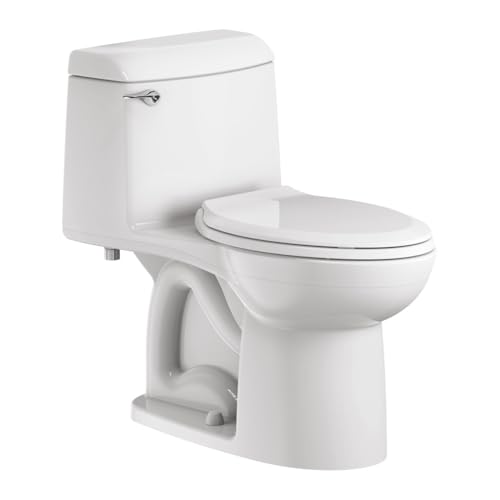
The tower-flush valve eliminates the traditional rubber flapper entirely, making this one of the lowest-maintenance toilets available for households tired of repeated ghost-flushing repairs.
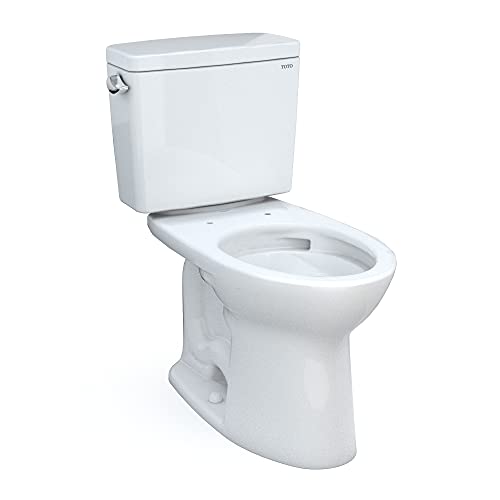
Check price on AmazonMaP-tested at 1,000 grams, the Drake II pairs TOTO's Double Cyclone flush with a CeFiONtect-glazed tank that slows mineral adhesion on the valve seat and extends flapper life.
Check price on AmazonKohler's Cimarron uses a clean, well-documented AquaPiston flush valve with accessible OEM parts that owner reviews consistently cite as straightforward to replace when maintenance is eventually needed.
Check price on AmazonThe most immediate secondary problem from a ghost-flushing toilet is accelerated component wear. Every refill cycle runs water through the fill valve, and every cycle adds wear on the valve's internal seal and float mechanism. A fill valve rated for a ten-year service life under normal use may fail significantly sooner if it is running dozens of extra cycles per day to compensate for a slow flapper leak. Fixing the flapper first therefore often extends the life of the fill valve as well.
Constant cold-water cycling also keeps the inside of the tank at a lower temperature than normal. In warm, humid months this increases condensation on the outside of the tank, sometimes enough to drip onto the floor. Homeowners who notice their toilet tank sweating heavily alongside ghost flushing are often seeing two symptoms of the same underlying issue: the flapper leak is both causing ghost flushing and keeping the tank cold enough to condense more moisture from the air. Fixing the flapper usually reduces the condensation at the same time. For more on this issue, our guide on toilets not flushing properly covers how tank components interact with flush performance and reliability.
In homes with moderate to hard water, the constant refilling from a ghost-flush cycle also deposits more minerals inside the tank per day than a properly sealed toilet would. Those deposits accumulate on the fill valve internals, the overflow tube, and the rim of the flush valve seat, and they speed up the degradation cycle that caused the flapper to fail in the first place. Breaking that cycle by replacing the flapper and cleaning the seat gives all the other parts a chance to last their intended service life. If you are also dealing with hard water deposits causing slow draining or weak flushes, see our article on weak toilet flush causes and solutions for the full diagnostic path.
Ghost flushing is when a toilet refills itself automatically without being flushed, caused by water slowly leaking from the tank into the bowl and triggering the fill valve to top the tank back up. It is also called phantom flushing or spontaneous refilling.
It is both. Beyond the noise and inconvenience, a ghost-flushing toilet wastes between 20 and 200 gallons of water per day according to EPA WaterSense data, raises the water bill, and accelerates wear on the fill valve. Left unfixed for months, it can contribute to mineral buildup and secondary part failures.
Drop food coloring into the tank, wait 20 minutes without flushing, and check the bowl. Colored water in the bowl confirms a tank-to-bowl leak causing ghost flushing. A clear bowl but cycling fill valve points to a fill valve or float issue instead.
Most rubber flappers last three to five years under normal conditions. Flappers in homes with hard water, high chlorine content, or chlorine tablets dropped in the tank may degrade in as little as one to two years. Silicone flappers tend to last longer than rubber in harsh water conditions.
Universal adjustable flappers work on most Kohler, American Standard (non-Champion 4), Gerber, Woodbridge, and Swiss Madison models. TOTO toilets require OEM-specified flappers because of proprietary valve seat geometry. Using a generic flapper on a TOTO frequently causes continued ghost flushing even with an otherwise new flapper installed.
If a new flapper still leaks, the most common cause is a scaled or pitted flush valve seat that prevents the flapper from sealing fully. Run a finger around the seat to feel for roughness. Clean it with vinegar or a lime-scale remover, or install a seat repair ring kit, and retest.
The water in the tank should sit approximately one inch below the top of the overflow tube. Any higher and water spills into the tube and drains into the bowl continuously, causing the fill valve to cycle without any true leak from the flapper.
Unhook the chain from the flush handle arm and reattach it one or two links closer to the flapper so the effective chain length is shorter. Leave about a half inch of slack when the flapper is seated. Remove any excess chain links more than two beyond the connection point to prevent them from falling under the flapper.
Yes. Drop-in chlorine or bleach tablets placed in the tank are a well-documented cause of accelerated flapper degradation. The concentrated chlorine attacks rubber, causing it to stiffen and crack far earlier than normal water exposure would. Most flapper manufacturers and toilet brands specifically advise against tank tablets for this reason.
On a column-style fill valve, pinch the float cup clip and slide it down the shaft to lower the shutoff point. On an older ballcock valve with a ball float on a metal arm, gently bend the arm downward. Adjust in small increments, flush, let the tank refill, and confirm the fill valve shuts off with the water one inch below the overflow tube top.
They share the same root cause but feel different. A running toilet produces a continuous or near-continuous sound. Ghost flushing is intermittent: the toilet refills for a few seconds every twenty minutes to a few hours, then goes quiet. Both are caused by water leaving the tank unexpectedly, but ghost flushing usually indicates a slower, subtler leak.
Most ghost-flushing repairs cost between zero and fifteen dollars in parts. A replacement flapper runs $5 to $10. A flush valve seat repair ring costs $8 to $15. A new fill valve costs $10 to $20. Adjusting the float or chain costs nothing. A plumber visit is rarely necessary for these repairs.
American Standard Champion 4 and Cadet 3 consistently show low ghost-flushing complaint rates because the Champion 4 uses a tower-style piston valve and the Cadet 3 uses a wide, heavy-duty flapper. TOTO Drake and Drake II rank well when the correct OEM flapper is used. Gerber Avalanche pressure-assist models effectively eliminate ghost flushing caused by flapper wear entirely.
Yes, though it is uncommon. A hairline crack in the porcelain tank can allow water to seep out slowly. Empty and dry the tank completely, then inspect under bright light for thin lines or residual damp spots. A cracked tank cannot be durably repaired and requires a full toilet replacement.
Usually yes. Flapper material continues to degrade once it has started hardening or warping, so the gap that causes the leak gradually widens and the ghost flushing frequency increases. Mineral scale on the valve seat also builds up over time. Fixing the issue promptly limits further damage to the fill valve from extra cycling.
Yes, a replacement toilet with a new flapper, fill valve, and flush valve seat will resolve ghost flushing immediately. Whether replacement is warranted depends on the toilet's age and overall condition. If the existing toilet is under ten years old and otherwise functional, repairing the specific failed part is more economical than replacement.
EPA WaterSense is a federal certification program that labels toilets using 1.28 GPF or less and meeting minimum flush performance criteria. WaterSense also publishes data on household water waste, including estimates for leak-related loss. A ghost-flushing toilet undermines the efficiency gains of a WaterSense toilet by adding dozens of unnecessary refill cycles per day.
Temperature can affect flapper sealing. Very cold supply water can cause some rubber flappers to temporarily harden and lose flexibility, reducing how well they seal and potentially causing ghost flushing that only appears in winter. Silicone flappers are more dimensionally stable across temperature ranges than rubber for this reason.
For a flapper replacement: no tools at all, just your hands. For adjusting the float: no tools. For replacing a fill valve: a pair of slip-joint pliers or an adjustable wrench to remove the locknut under the tank, plus a sponge to remove remaining water. The entire repair sequence can be completed in under thirty minutes by most homeowners.
A plumber is rarely needed for ghost flushing. Flapper, chain, float, and fill valve repairs are among the most accessible DIY plumbing tasks. A plumber becomes appropriate if the toilet shows a cracked tank, if the ghost flushing is accompanied by visible water on the floor indicating a wax ring or supply line leak, or if multiple components have failed simultaneously in a very old toilet.
The most common mistake homeowners make with a ghost-flushing toilet is replacing the fill valve before confirming the flapper is sealed. The fill valve is easier to see and feels more mechanical, so it gets blamed first. But fill valves rarely cause ghost flushing on their own unless water is visibly trickling into the overflow tube. Start with the dye test every time, replace the flapper first if it is positive, and you will solve the problem in fifteen minutes for under ten dollars in the large majority of cases. Save the fill valve replacement for step five, after the flapper, chain, and seat are confirmed good.
For toilets that ghost flush despite a working flapper and fill valve, the most productive next step is evaluating whether the toilet design itself is contributing to the problem. Older high-volume toilets, particularly pre-2000 models, may have flush valve seats made from materials that are harder to keep clean or seal against with modern universal flappers. In those cases, the toilet is approaching the end of its useful service life on the hardware side, and a modern 1.28 GPF EPA WaterSense certified replacement from TOTO, Kohler, or American Standard delivers better flush performance, lower water use, and fewer maintenance episodes. For more on whether to repair or replace, our guide to why toilets keep clogging and our toilet not flushing properly guide both walk through the repair-versus-replace decision in detail.
Ghost flushing is a slow tank-to-bowl leak that almost always starts with the flapper. Do the dye test first, replace the flapper with the correct brand-specified part if the test is positive, clean the flush valve seat while you are there, and adjust the chain to leave a half inch of slack. That sequence resolves the phantom flush in the vast majority of cases for under fifteen dollars and no specialized tools. If the toilet is old, has multiple worn components, or uses a design that still relies on rubber flappers in hard water, upgrading to a modern EPA WaterSense certified model with a low-maintenance flush valve system eliminates the problem at its source.
Learn why toilet trapways curve like an S, how each bend blocks sewer gas, and what the shape means for clogs and…
Read the guideAlmost every US toilet has a left-side handle. Learn the plumbing and mechanical reasons behind the layout and when it actually changes.
Read the guideHome toilets rely on tanks because household water lines lack the pressure that public flushometer systems use to flush straight from the…
Read the guide