
Why Toilet Trapways Are Curved Like an S
Toilets4.6
Learn why toilet trapways curve like an S, how each bend blocks sewer gas, and what the shape means for clogs and…
Read the guideWhen plunging fails and the water still won't drain, the clog has moved past the trap into the drain line. This guide walks through every proven method to clear a deep blockage, from a toilet auger to professional hydro-jetting, so you can decide the right fix before calling a plumber.
A deep toilet clog sits beyond the toilet trap in the 3- or 4-inch drain line. A 6-foot toilet auger clears most blockages. If the auger fails, the clog may be in the branch drain or stack and requires a longer drain snake or professional hydro-jetting to remove safely without damaging pipes.
A regular toilet clog sits in the trapway, the S-shaped or P-shaped curve built into the porcelain base. A deep clog has moved past the trap and lodged in the horizontal branch drain pipe, the soil stack, or the main building drain. Because those pipes are hidden inside walls and floors, standard plunging cannot generate enough pressure to dislodge the blockage.
The clearest sign of a deep clog is water that drains very slowly or backs up into other fixtures such as a tub or floor drain when the toilet is flushed. A toilet-only backup that clears with a few plunges is almost always a trap clog, not a drain-line clog.
Understanding exactly where a clog sits determines which tool to reach for and how much the repair is likely to cost. According to published data from the American Society of Plumbing Engineers, residential drain lines run at a slope of approximately 1/4 inch per foot. A partial clog that forms at a low point in the run or at a fitting joint can accumulate waste over weeks before it becomes a full blockage.
Drain-line blockages fall into three broad categories:
Certified Master Plumbers frequently note that homeowners underestimate how far a clog can travel before it becomes symptomatic. A wad of flushable wipes flushed Monday may not fully block the line until Thursday, by which time it has traveled several feet down the branch drain. The delayed symptoms lead many people to blame the wrong flush as the cause.
If a toilet plunger applied with full suction and 10 to 15 firm strokes fails to clear the backup, and the water level in the bowl rises toward the rim before draining at all, the clog is almost certainly past the trap. A secondary confirmation is gurgling sounds or slow drainage in a nearby tub, sink, or floor drain when the toilet is flushed, which indicates a shared drain is partially blocked.
A toilet auger that passes 6 feet into the drain without meeting resistance and yet the toilet still drains slowly points to a clog deeper in the branch drain or stack, not the toilet itself.
The table below summarizes symptoms and their most likely locations to help you triage before reaching for tools.
| Symptom | Likely Location | First Tool | DIY Difficulty |
|---|---|---|---|
| Toilet backs up; other fixtures drain fine | Toilet trap or branch drain close to toilet | Toilet auger (6 ft) | Easy |
| Toilet and tub gurgle or back up together | Shared branch drain or stack | Drum drain snake (25 ft) | Moderate |
| All fixtures back up at ground level | Main building drain or sewer line | Sewer snake (50+ ft) or camera inspection | Professional recommended |
| Slow drain only, no backup | Partial clog anywhere in the run | Enzyme cleaner + auger | Easy to moderate |
| Outdoor cleanout cap leaking or wet | Main sewer line or root intrusion | Camera inspection first | Professional required |
The core tool for a deep toilet clog is a toilet auger (also called a closet auger) with a cable at least 6 feet long. For clogs that are confirmed to be in the branch drain, a drum-style drain snake with 25 to 50 feet of cable is necessary. Protective gloves, a bucket, old towels, and a flashlight are the non-negotiable safety supplies before starting any drain work.
Chemical drain openers are not recommended for full toilet clogs because they cannot penetrate standing water effectively and can damage older porcelain, PVC, or rubber components inside the flush system. Enzyme-based drain maintainers are safer for partial or recurring soft clogs.
Here is a complete supply list before beginning work:
Ridgid's K-3 toilet auger is a frequently cited professional-grade choice. Its 3-foot cable is extendable and the bulb head retrieves foreign objects rather than simply pushing them further. For homeowners who expect to snake drains occasionally, investing in a 6-foot closet auger rather than a basic 3-foot version saves a second trip to the hardware store on the majority of calls.
Feed the protective sleeve of the auger into the toilet bowl so the rubber tip rests against the drain opening, then turn the handle clockwise while applying steady forward pressure to advance the cable. When you feel resistance, continue rotating to either break up a soft clog or hook a solid obstruction. Withdraw the cable slowly with a rotating motion and flush twice with a full tank to flush debris through.
If the auger reaches its full extension without finding a blockage but drainage is still slow, the clog is deeper than 6 feet and you will need a drum snake accessed from the branch drain cleanout or by removing the toilet entirely.
Follow this precise sequence for best results:
Plumbers frequently remind homeowners not to yank the auger cable back quickly. Rapid withdrawal can drag waste-laden cable across the bowl surface and create scratches where bacteria accumulate. A slow, clockwise rotating withdrawal keeps the cable tight to the center of the pipe and reduces mess significantly.
Call a licensed plumber if a 6-foot toilet auger finds no resistance and drainage remains impaired, if multiple fixtures are backing up simultaneously, or if you see sewage backing up into a floor drain. These signs point to a clog in the main soil stack or building sewer line that requires motorized equipment and professional diagnosis to clear safely.
Also call a plumber if you have an older home with cast-iron or clay sewer pipes, because aggressive snaking without a camera inspection can displace or crack deteriorating joints, turning a clog into a pipe failure.
The table below compares DIY auger work versus professional drain service so you can weigh the decision:
| Factor | DIY Toilet Auger | Professional Snaking | Hydro-Jetting |
|---|---|---|---|
| Reach | Up to 6 ft past trap | 25 to 100 ft | Full line to sewer main |
| Best for | Trap and near-drain clogs | Branch drain blockages | Grease, root, scale buildup |
| Cost range | Tool cost only ($20 to $60) | $150 to $350 service call | $350 to $900+ |
| Pipe safety | Safe for all pipe types | Safe with camera pre-check | Not for clay or badly corroded pipe |
| Root removal | No | Partial | Yes, with cutter head |
| Camera inspection | No | Add-on ($100 to $300) | Often included |
If the plumber recommends a camera inspection, agree to it when the pipes in your home are older than 20 years. A sewer camera identifies root intrusion, pipe offsets, or collapsed sections that would cause recurring clogs no matter how many times the line is snaked.
The three most damaging mistakes are pouring chemical drain openers into a fully backed-up toilet, flushing repeatedly to "force" the clog through, and using a standard household plunger instead of a flange plunger. Chemical openers in standing water generate heat and can warp the wax ring, degrade rubber components, and create a caustic hazard when a plumber later opens the drain. Repeated flushing risks overflowing the bowl.
Forcing a cheap spring-coil snake through a toilet without a protective sleeve scratches the glazed porcelain inside the trap, creating rough surfaces where mineral deposits and waste cling, which leads to faster future clogging.
A detailed breakdown of what not to do:
The most effective prevention is using only toilet paper rated for quick dissolution and flushing in small amounts rather than a single large wad. Monthly enzyme drain treatments maintain a healthy bacterial colony in the drain line that digests organic buildup before it accumulates to clog-forming density. Households with hard water benefit from annual acid descaling of drain lines to remove calcium buildup that narrows pipe diameter over time.
Installing a toilet with a large-diameter glazed trapway (2-3/8 inches or larger) and a MaP flush score of 800 grams or above significantly reduces clog frequency compared to toilets with 2-inch trapways and weak flush volumes.
Prevention is far less expensive than repeated plumber visits. Published plumbing industry data suggests that the majority of residential toilet clogs are caused by three things: excessive toilet paper, disposable wipes (including products labeled flushable), and foreign objects flushed by children.
Flush habits that prevent deep clogs:
Drain maintenance schedule:
Yes. Toilet trapway diameter, flush volume, flush mechanism, and bowl geometry all affect how well waste is propelled into and through the drain line. Toilets with a fully glazed 2-3/8-inch trapway, a siphonic flush action, and a MaP flush score of 1,000 grams push waste further down the drain line with each flush, reducing the chance of accumulation becoming a deep clog. Low-flush toilets with weak siphon action are statistically associated with higher clog frequency in owner reviews and plumbing repair records.
EPA WaterSense certified toilets use 1.28 GPF or less, but high-performing models like the TOTO Drake II and American Standard Champion 4 achieve 1,000-gram MaP scores at those volumes, meaning water efficiency does not require sacrificing clog resistance.
Below are the standout toilet models recommended by plumbing professionals and supported by published MaP flush test data for clog-resistant performance. If your current toilet clogs repeatedly, upgrading to one of these models addresses the root cause rather than treating symptoms with repeated drain clearing. For a full comparison see the best flushing toilets guide.
| Model | MaP Score | GPF | Trapway | EPA WaterSense | Check Price |
|---|---|---|---|---|---|
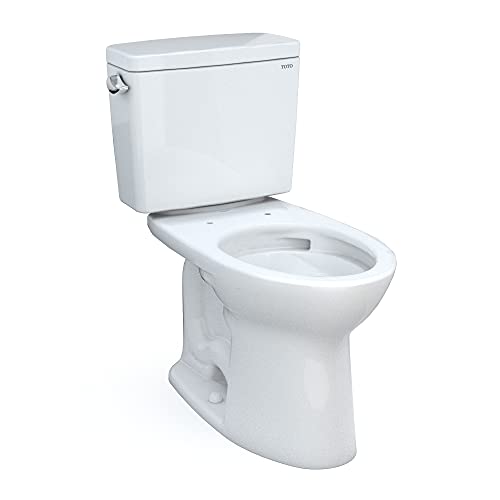
| TOTO Drake II | 1,000 g | 1.28 | 2-1/8 in glazed | Yes | Check price |
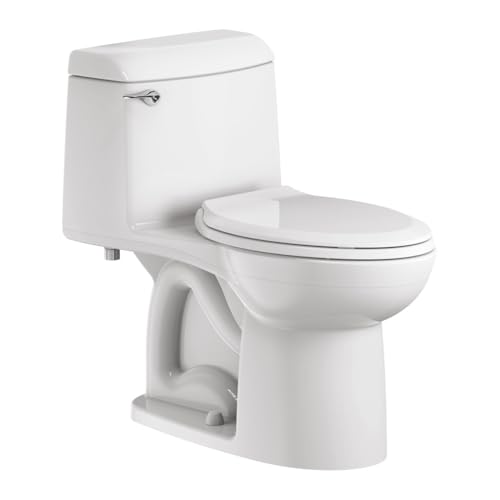
| American Standard Champion 4 | 1,000 g | 1.6 | 2-3/8 in glazed | No (1.6 GPF) | Check price |
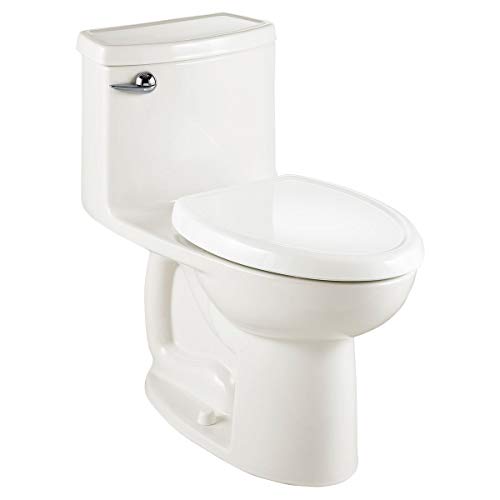
| American Standard Cadet 3 | 1,000 g | 1.28 | 2-1/8 in glazed | Yes | Check price |
| TOTO UltraMax II | 1,000 g | 1.28 | 2-1/8 in glazed | Yes | Check price |
| Kohler Highline | 800 g | 1.28 | 2 in | Yes | Check price |
| Kohler Cimarron | 1,000 g | 1.28 | 2-1/8 in | Yes | Check price |
| Woodbridge T-0001 | 800 g | 1.28 | 2 in glazed | Yes | Check price |
| TOTO Aquia IV | 800 g (1.28) / 500 g (0.9) | 1.28/0.9 dual | 2-1/8 in glazed | Yes | Check price |
| Gerber Viper | 1,000 g | 1.28 | 2-1/8 in | Yes | Check price |
The American Standard Champion 4 has the largest glazed trapway of any mainstream residential toilet at 2-3/8 inches, which is specifically why it is marketed as a clog-resistant model. Published MaP test data confirms it passes the 1,000-gram maximum test threshold. For households with a history of repeated drain clogs, the Champion 4's 1.6 GPF flush volume provides extra hydraulic force compared to 1.28 GPF models, at the expense of using approximately 25% more water per flush.
The TOTO Drake II uses TOTO's Tornado Flush system, which produces a powerful siphonic action at only 1.28 GPF. It achieves a 1,000-gram MaP score by optimizing bowl geometry and jet placement rather than relying on high flush volume. It is a strong choice for households that want EPA WaterSense efficiency without sacrificing clog resistance. See the detailed TOTO Drake II review for full specifications.
The Kohler Cimarron is a well-documented performer in the mid-price segment. Kohler's AquaPiston canister flush valve, which releases water from 360 degrees around the canister rather than through a narrow flapper opening, delivers a more forceful flush cycle. Owner aggregated reviews on major retail platforms consistently note clog-free performance over multi-year ownership periods. See the Kohler Cimarron review for a complete breakdown.
If you are dealing with recurring deep drain clogs and your current toilet is more than 12 years old, read the best toilet for frequent clogs guide for a targeted comparison of clog-resistant models across price ranges.
A toilet clog can travel anywhere from the trapway (within the porcelain) to the building's main sewer connection, which may be 50 to 100 feet from the toilet. Most residential clogs are within the first 10 to 20 feet of the toilet because that is where slope transitions, fittings, and partial buildup create the lowest-velocity points in the drain run.
Soft organic clogs composed primarily of toilet paper can partially dissolve in standing water over several hours and may eventually pass through. However, waiting for a clog to self-clear risks an overflow if someone flushes the toilet before it clears. Foreign objects and compacted wipes will not dissolve and must be mechanically removed.
Most licensed plumbers advise against chemical drain openers for toilets. Products containing sodium hydroxide (lye) or sulfuric acid generate significant heat and can soften PVC drain pipe joints, degrade rubber wax rings, and damage the porcelain glaze. If a plumber is later called, standing caustic solution creates a serious safety hazard. Enzyme-based products are the only chemistry generally considered safe for regular toilet use.
A toilet auger (closet auger) has a protective rubber or vinyl sleeve that prevents the metal cable from scratching porcelain inside the bowl. It is designed specifically for toilet geometry and is typically 3 to 6 feet long. A standard drain snake is an unprotected coiled cable, usually 25 to 100 feet long, used for branch drain and main drain access via cleanout ports or after the toilet is removed. Using an unprotected drain snake through a toilet bowl risks permanent surface scratches.
Recurring deep clogs after clearing usually point to one of three causes: continued flushing of non-dispersible materials such as wipes, a partial root intrusion in the sewer line that catches debris with each flush, or a low-flush toilet that does not generate enough hydraulic force to carry waste fully through the drain run. A camera inspection of the drain line is the definitive diagnostic step for a toilet that re-clogs within a few weeks of clearing.
A straightforward branch drain blockage that responds to a motorized drain snake typically takes a licensed plumber 30 to 60 minutes from arrival to clear and confirm. A main sewer line blockage requiring hydro-jetting can take 2 to 3 hours. Root intrusion with camera inspection adds additional time for documentation and the plumber's recommendation report.
Yes. Despite marketing claims, independent laboratory testing published by Consumer Reports and verified by municipal water utility investigations consistently shows that products marketed as flushable wipes do not disintegrate within the time frame that toilet paper does. They remain structurally intact through the toilet trap and often accumulate in branch drains and sewer lines, where they catch other debris and form dense blockages. Major water utilities in North America and the UK have issued official guidance recommending that no wipes of any kind be flushed.
Low water pressure at the supply line affects how quickly the tank refills but does not directly control flush force, which is driven by gravity and tank volume. However, a fill valve that does not bring the tank to its correct water line produces an under-fill flush with reduced siphon action, which is less effective at propelling waste through the drain line. Ensuring the tank fills to within half an inch of the overflow tube top is more important than supply pressure for clogs.
Gurgling between fixtures indicates that air is being drawn through the water trap of one fixture by a partial blockage in the shared drain line. The negative pressure created as water moves past the clog pulls air backward through nearby traps, producing the gurgling sound. This is a reliable indicator that the blockage is in the shared branch drain, not the toilet itself, and requires a drain snake long enough to reach from a cleanout access point.
Standard consumer toilet augers reach 3 to 6 feet. Professional closet augers with extended cables reach up to 10 feet. Beyond that distance, access through the toilet bowl becomes mechanically impractical because the cable must navigate the S-curve of the trap before entering the straight drain run. Branch drain blockages deeper than 6 to 8 feet require a drum snake accessed from a floor cleanout or by removing the toilet.
Removing the toilet is a practical step when the clog is confirmed to be in the drain line, a large foreign object must be retrieved, or when a drum snake needs straight-line access to the drain. It requires disconnecting the water supply, removing the tank, and unbolting the bowl from the floor flange. A new wax ring is required on reinstallation, costing approximately $5 to $15 in materials. This is a DIY-accessible repair for someone comfortable with basic plumbing.
Hydro-jetting uses high-pressure water (typically 1,500 to 4,000 PSI) delivered through a specialized nozzle to scour the interior walls of drain pipes clean. It removes grease, mineral scale, root fibers, and compacted debris that a mechanical snake can punch through but not fully clear. It is most commonly used for main sewer lines, commercial drain systems, or residential lines with confirmed root intrusion or heavy scale buildup that causes repeated clogging despite regular snaking.
Yes. A deep clog that allows sewer gases to back up through the drain system will cause a sewage odor even before a visible backup occurs. The water in the toilet trap normally acts as a gas barrier. When a clog causes pressure differentials in the drain system, those gases can be forced past trap water seals. A dry trap (from an infrequently used toilet) produces a similar smell without a clog.
Pressure-assist toilets use compressed air trapped in a sealed inner tank to deliver a forceful, high-velocity flush that propels waste further into the drain line than gravity-fed siphonic systems typically can at the same water volume. Published plumber surveys indicate that pressure-assist models installed in buildings with long or low-slope drain runs experience significantly fewer deep drain clogs. The tradeoff is louder operation and a higher unit cost compared to gravity-flush toilets of equivalent quality.
The American Standard Champion 4 has the largest advertised glazed trapway in mainstream residential toilet production at 2-3/8 inches in diameter, which is larger than the 2-inch trapway found in most standard toilets. TOTO's Drake and UltraMax II models offer 2-1/8-inch glazed trapways. A larger diameter combined with a fully glazed (smooth) surface significantly reduces the friction points where debris can accumulate and form a clog nucleus.
A sewer main clog typically causes simultaneous backup in all fixtures at or near floor level, including floor drains if present. Outdoor cleanout caps (the white or black PVC caps at grade level near the foundation) may show signs of moisture, overflow residue, or they may pop off under pressure. A sewer main clog almost always requires a licensed plumber and motorized drain equipment to clear.
Tree roots are one of the leading causes of sewer line blockages in older residential neighborhoods. Fine feeder roots enter drain pipes through hairline cracks or loose joints, then expand over time and create a mesh that catches solid waste with each flush. Homeowners are often unaware of root intrusion until it causes a full backup. Properties with large established trees within 10 to 15 feet of the sewer line are at elevated risk and should include camera inspection in a routine drain maintenance plan.
Homes built before the 1980s may have 3-inch branch drains rather than the current standard 4-inch diameter. Smaller pipes clog more easily and are less forgiving of heavy flush loads. Prevention in these homes includes strict no-wipes and no-paper-towels policies, monthly enzyme treatments, and annual professional drain maintenance. If the pipes are clay or cast iron in poor condition, re-lining or replacement is the long-term solution that eliminates the root of recurring clogs.
The MaP (Maximum Performance) flush testing protocol, independently administered by Veritec Consulting and Koeller and Company, rates toilets on how many grams of solid waste they can flush in a single cycle. A score of 800 grams is considered the minimum acceptable threshold for residential clog resistance. Toilets scoring 1,000 grams (the maximum test threshold) provide the highest confidence against clogging. The TOTO Drake II, American Standard Cadet 3, Kohler Cimarron, and American Standard Champion 4 all achieve 1,000-gram scores under independent MaP testing.
Published plumbing industry pricing guides indicate that a professional drain snaking service for a toilet or branch drain costs approximately $150 to $350 for a standard service call in most U.S. markets, depending on region and time of day. Main sewer line clearing with a motorized machine ranges from $250 to $500. Hydro-jetting for severe root or scale buildup typically costs $350 to $900. Emergency or after-hours calls add a premium of 25 to 50 percent in most markets.
A deep toilet clog in the drain line is a step beyond what a plunger can fix, but the majority of branch drain blockages within 6 to 8 feet of the toilet respond well to a toilet auger used correctly. The key is accurate diagnosis: confirm the clog is past the trap, match the tool to the depth, and avoid chemical openers that create safety risks without clearing the line. If the auger does not resolve the issue, secondary symptoms from other fixtures or a third recurrence within a year are reliable indicators to call a professional plumber and request a camera inspection. Long-term, installing a toilet with a 1,000-gram MaP score, a fully glazed trapway, and flushing only toilet paper eliminates the conditions that produce deep drain clogs in the first place. See our comparison of the best no-clog toilets for models engineered to minimize future blockages.
Learn why toilet trapways curve like an S, how each bend blocks sewer gas, and what the shape means for clogs and…
Read the guideAlmost every US toilet has a left-side handle. Learn the plumbing and mechanical reasons behind the layout and when it actually changes.
Read the guideHome toilets rely on tanks because household water lines lack the pressure that public flushometer systems use to flush straight from the…
Read the guide