

Where Does Toilet Water Go After You Flush
Buying Guides4.6
When you flush, where does it go? Follow toilet water from the bowl through the trap, drain, and stack to a septic…
Read the guideFrom the flush valve to the trapway, understand the mechanics behind the most important fixture in your home. This guide covers gravity-feed, pressure-assist, and dual-flush systems with real specs and MaP scores.
A toilet works by using gravity or pressure to move water from the tank into the bowl, creating a siphon that pulls waste through the trapway and into the drain. The key components are the flush valve, fill valve, flapper, and trapway. Modern toilets achieve high performance with low water use, typically 1.28 GPF, and MaP scores above 800 grams.
A toilet consists of a tank, bowl, flush valve, fill valve, flapper, overflow tube, and trapway. When you press the flush handle, the flapper lifts, releasing water from the tank into the bowl through the flush valve. The water fills the bowl and creates a siphon that pulls waste through the trapway and into the drain. The fill valve then refills the tank and bowl for the next use.
The tank holds the water used for flushing. Inside, the flush valve is the opening at the bottom covered by a rubber flapper. The flapper seals the valve when not in use. The fill valve, often a float cup or float ball, controls the water level. The overflow tube prevents overfilling and sends excess water to the bowl. The trapway is the curved channel in the bowl that leads to the drain. Its shape and diameter determine clog resistance. A wider trapway, typically 2 to 3 inches, allows more waste to pass without clogging.
When you flush, the handle lifts the flapper via a chain or rod. Water rushes from the tank into the bowl through rim holes and the siphon jet. The siphon jet is a small hole at the bottom of the bowl that directs water into the trapway, initiating the siphon. The siphoning action pulls everything out of the bowl. Once the tank empties, the flapper drops back, sealing the valve. The fill valve opens, refilling the tank. A small amount of water also flows through the overflow tube to refill the bowl, reestablishing the water seal that prevents sewer gases from entering your home.
The trapway is the most critical part for flushing performance. A 2 1/8-inch trapway is standard, but high-performance models use 2 3/8-inch or larger. The MaP test measures how many grams of solid waste a toilet can flush in a single test. Toilets with MaP scores above 800 grams are considered excellent for residential use.
A gravity-feed toilet uses the weight of water in the tank to create flushing force. A pressure-assist toilet uses compressed air inside a sealed tank to push water into the bowl with greater force. Gravity models are quieter and less expensive, while pressure-assist models are louder but more powerful and less prone to clogging.
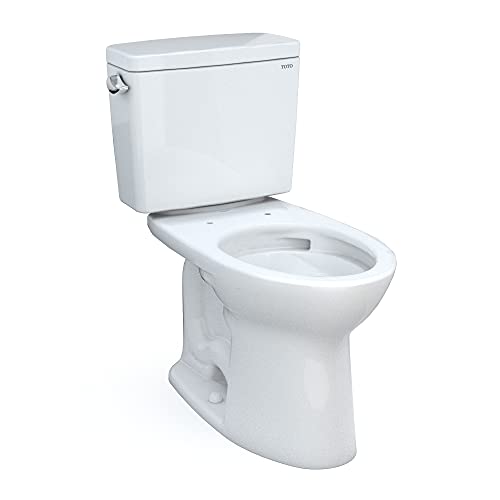
Gravity-feed toilets are the most common. The tank holds 1.28 to 1.6 gallons of water. When flushed, gravity pulls the water down into the bowl. The water velocity creates a siphon. These toilets rely on the height of the tank and the design of the bowl and trapway. They are simple, reliable, and easy to repair. Most residential toilets are gravity-feed. The TOTO Drake II is a top example, with a MaP score of 1,000 grams and a 1.28 GPF flush.
Pressure-assist toilets use a plastic tank inside the ceramic tank. The tank traps air as it fills with water. The air compresses, building pressure. When flushed, the compressed air forces water into the bowl at high speed. This creates a powerful, fast flush that clears the bowl effectively. These toilets use less water, often 1.0 to 1.28 GPF, and have very high MaP scores. The Kohler Highline Pressure Lite is a common model. However, they are louder, often described as a loud whoosh or bang, and the internal tank can be more expensive to replace. They are common in commercial buildings and high-traffic homes.
For most homes, a gravity-feed toilet with a MaP score above 800 grams is sufficient. Pressure-assist is best for homes with frequent clogs or for basement installations where waste must travel uphill. Always check the decibel rating if noise is a concern.
A dual-flush toilet offers two flush options: a lower volume flush for liquid waste and a higher volume flush for solid waste. The mechanism uses a larger flapper or a two-stage flush valve that allows the user to select the amount of water released. This design saves water without sacrificing performance.
Dual-flush toilets typically use a 0.8 GPF flush for liquids and a 1.28 or 1.6 GPF flush for solids. The user activates the flush by pressing one of two buttons or lifting a handle in one of two directions. The mechanism inside the tank is a special flush valve with a larger and smaller opening, or a flapper that lifts to different heights. When the liquid flush is selected, only a portion of the tank water is released. The solid flush releases the full tank.
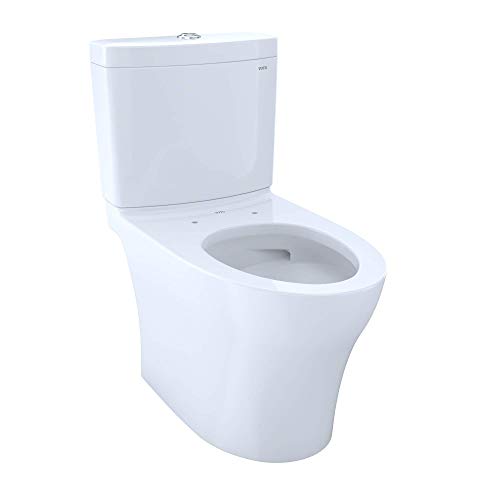
The bowl design is also different. Many dual-flush toilets use a wash-down or direct-fed bowl instead of a siphon jet. The wash-down design uses water from the rim to push waste down the trapway. It is simpler but can be louder. The TOTO Aquia IV is a popular dual-flush model with a MaP score of 1,000 grams on the full flush. The American Standard H2Option uses a 0.8/1.28 GPF flush and has a MaP score of 800 grams. Dual-flush toilets can save a household up to 4,000 gallons of water per year compared to older 3.5 GPF models.
Dual-flush toilets are excellent for water conservation, but some users find the liquid flush less effective for clearing the bowl. Look for models with a MaP score of at least 600 grams on the liquid flush. The TOTO Aquia IV is a reliable choice with strong owner reviews.
| Model | MaP Score | GPF | Flush Type | Trapway | Height | Best For | Check Price |
|---|---|---|---|---|---|---|---|
| TOTO Drake II | 1,000g | 1.28 | Gravity | 2 3/8 in | 16 1/8 in | Overall performance | Check price |
| Kohler Highline Pressure Lite | 1,000g | 1.28 | Pressure | 2 in | 16 1/2 in | High traffic | Check price |
| American Standard H2Option | 800g | 0.8/1.28 | Dual flush | 2 1/8 in | 16 1/2 in | Water savings | Check price |
| TOTO Aquia IV | 1,000g | 0.9/1.28 | Dual flush | 2 1/8 in | 16 1/2 in | Design and efficiency | Check price |
| Woodbridge T-0001 | 1,000g | 1.28 | Gravity | 2 3/8 in | 16 1/2 in | Value | Check price |
MaP stands for Maximum Performance. It is a standardized test that measures how many grams of solid waste a toilet can flush in a single flush. The score, reported in grams, indicates the toilet's ability to clear waste without clogging. A MaP score of 800 grams or higher is considered excellent for residential use.
The MaP test uses a mixture of soybean paste and synthetic media to simulate solid waste. The test is conducted by independent labs. Toilets are tested multiple times, and the lowest score is reported. The test also measures the amount of water used and the number of flushes needed to clear the bowl. MaP scores range from 200 grams to over 1,000 grams. A toilet that scores 1,000 grams can flush nearly 2.2 pounds of waste in one flush.
MaP scores are more reliable than marketing claims. A toilet with a 1.28 GPF rating may still clog if the trapway is narrow or the bowl design is poor. Checking the MaP score is the best way to compare flushing power. The TOTO Drake II and the Kohler Highline Pressure Lite both score 1,000 grams. The American Standard Champion 4 scores 1,000 grams as well. For a budget option, the Woodbridge T-0001 also scores 1,000 grams. The Gerber Viper scores 800 grams. Always look for a MaP score above 600 grams for acceptable performance.
MaP testing is voluntary, so not all manufacturers publish scores. Brands like TOTO, Kohler, and American Standard are transparent. If a MaP score is not listed, the toilet may not perform well. Use the MaP database at map-testing.com to verify any model.
The trapway is the curved channel in the toilet bowl that connects to the drain. Its diameter and shape directly affect how easily waste passes through. A wider trapway, typically 2 3/8 inches or larger, reduces clogs. The glazing of the trapway also matters; a smooth, fully glazed surface prevents waste from sticking.
Standard trapways are 2 inches in diameter. High-performance toilets use 2 1/8, 2 3/8, or even 3-inch trapways. A larger diameter allows larger waste to pass without obstruction. The trapway also has a specific curve that creates the siphoning action. A poorly designed curve can reduce the siphon strength, leading to incomplete flushes. The trapway must be fully glazed, meaning the ceramic is coated with a smooth finish. Some toilets have unglazed sections inside the trapway, which can catch waste and cause clogs over time.
The siphon jet is located at the bottom of the bowl. It directs water into the trapway to start the siphon. A larger siphon jet hole delivers more water faster, improving flush power. The TOTO Drake II uses a 3-inch flush valve and a 2 3/8-inch trapway, which is why it achieves a 1,000-gram MaP score. The American Standard Champion 4 uses a 4-inch flush valve and a 2 3/8-inch trapway. The Kohler Wellworth uses a 2-inch trapway and has a lower MaP score of 600 grams. When shopping, look for the trapway diameter in the specifications.
Always check if the trapway is fully glazed. Some manufacturers only glaze the visible parts of the bowl. A fully glazed trapway is a sign of quality. The TOTO Drake II and the Woodbridge T-0001 both have fully glazed trapways. This reduces the need for plunging.
A siphon jet is a small hole at the bottom of the toilet bowl that directs water into the trapway during a flush. This jet of water initiates the siphoning action, pulling waste and water out of the bowl. Toilets with a siphon jet flush more powerfully and quietly than those without.
In a typical gravity-feed toilet, water enters the bowl through rim holes and the siphon jet. The rim holes clean the bowl sides. The siphon jet provides a concentrated stream of water into the trapway. This stream creates a vacuum that pulls the bowl contents into the drain. The siphon continues until the bowl is empty and the trapway is sealed with fresh water. Without a siphon jet, the flush relies entirely on gravity and rim water, which is less effective.
The size and position of the siphon jet matter. A larger jet delivers more water. The jet must be angled correctly to direct water into the trapway. Some toilets, like the TOTO UltraMax II, use a double-cyclone or tornado flush system that uses two jets for better cleaning. The Kohler Cimarron uses a single siphon jet. The American Standard Cadet 3 uses a larger jet for improved performance. The MaP test measures the effectiveness of the siphon jet. A toilet with a strong siphon jet will have a higher MaP score.
The siphon jet is a key feature for a quiet, powerful flush. If you have a toilet that requires double flushing, the siphon jet may be clogged with mineral deposits. Cleaning the jet with a wire hanger can restore performance. For new toilets, look for a model with a large, unobstructed siphon jet.
Most residential toilets use gravity. The weight of water in the tank creates enough force to initiate a siphon. No electricity is needed for the flush itself. Some pressure-assist toilets use compressed air, but that is also mechanical, not electrical.
A running toilet is usually caused by a worn flapper, a faulty fill valve, or a chain that is too tight. The flapper may not seal properly, allowing water to leak into the bowl. Replacing the flapper or adjusting the fill valve often fixes the issue.
GPF stands for gallons per flush. A 1.28 GPF toilet uses 20% less water than a 1.6 GPF model. Both can achieve high MaP scores if designed well. The 1.28 GPF is the current EPA WaterSense standard.
A dual-flush toilet uses a lower volume flush for liquid waste, typically 0.8 GPF, and a higher volume flush for solid waste, typically 1.28 GPF. This can reduce household water use by up to 30% compared to a single-flush toilet.
A MaP score of 1,000 grams means the toilet can flush 2.2 pounds of solid waste in a single flush. This is the highest score in the MaP test and indicates excellent clog resistance.
Pressure-assist toilets have a sealed plastic tank that can be more complex to repair. The internal components are less common than gravity parts. Most repairs require replacing the entire pressure vessel, which can cost more than a gravity-flush valve.
A flapper should be replaced every 3 to 5 years, or sooner if it shows signs of wear like cracking or warping. A worn flapper is the most common cause of a running toilet.
Toilets with a MaP score of 1,000 grams and a trapway of 2 3/8 inches or larger are best for avoiding clogs. The TOTO Drake II and the American Standard Champion 4 are top choices.
After the tank empties, the fill valve opens and sends water into the tank. A small tube, the refill tube, sends water through the overflow tube into the bowl. This refills the bowl and reestablishes the water seal.
The water seal is the standing water in the bowl that blocks sewer gases from entering the home. The seal is maintained by the trapway, which holds water after each flush. A proper seal is about 2 to 3 inches deep.
A weak flush can be caused by a clogged siphon jet, a low water level in the tank, a worn flapper, or a partially blocked trapway. Cleaning the siphon jet and adjusting the water level often helps.
A round bowl is shorter, about 16.5 inches from front to back, and takes up less space. An elongated bowl is about 18.5 inches long and provides more comfort. Both can have the same flushing mechanism.
Some toilets use a canister flush valve instead of a flapper. A canister lifts straight up to release water. This design is more durable and less prone to leaks. The TOTO Aquia IV uses a canister valve.
The best GPF depends on your needs. For water efficiency, 1.28 GPF is the standard. For maximum flushing power, 1.6 GPF is still available but less common. Dual-flush toilets offer the best of both.
Understanding how a toilet works helps you choose a model that will perform reliably for years. The key factors are the flush type, trapway diameter, and MaP score. Gravity-feed toilets like the TOTO Drake II offer excellent performance with quiet operation. Pressure-assist models are best for high-traffic areas. Dual-flush toilets save water without sacrificing power. Always check the MaP score and trapway size to ensure a clog-free experience.
When you flush, where does it go? Follow toilet water from the bowl through the trap, drain, and stack to a septic…
Read the guideDo toilets need electricity to flush? Most do not. Learn which toilets use power, how a standard flush works, and how to…
Read the guideFind out how many gallons per flush an old toilet really uses, how to check your own tank, and how much water…
Read the guide