
Where Does Toilet Water Go After You Flush
Buying Guides4.6
When you flush, where does it go? Follow toilet water from the bowl through the trap, drain, and stack to a septic…
Read the guideEverything homeowners need to know before breaking ground: project costs, plumbing requirements, permit rules, fixture selection, and which toilets survive decades of daily use in a newly added bathroom.
Adding a full bathroom costs $15,000 to $90,000+ depending on location, size, and whether you are building from scratch or converting existing space. Plumbing proximity to existing lines, local permit fees, and fixture quality drive most of the cost variation. Budget 10 to 15 percent extra for surprises behind walls.
A full bathroom addition (toilet, sink, tub or shower, and tub/shower combo) typically runs $20,000 to $65,000 for a new room built within existing home footprint, or $30,000 to $90,000+ when a home addition is required. National averages cited by Remodeling Magazine's Cost vs. Value report place midrange bathroom additions at roughly $49,000 with a 54 percent average resale return. Costs vary sharply by region: markets like San Francisco or New York City run 40 to 60 percent above national averages, while rural Midwest projects can run 20 to 30 percent below.
Breaking a full bathroom addition cost down by category helps you build an accurate budget before speaking with contractors. Here are the major line items based on industry data from RS Means, Remodeling Magazine, and HomeAdvisor aggregated project reports through early 2026:
| Cost Category | Budget Range | Mid-Range Estimate | Notes |
|---|---|---|---|
| Plumbing (rough-in + fixtures) | $3,500 - $15,000 | $7,500 | Higher when far from existing stack |
| Electrical (GFCI, fan, lighting) | $1,200 - $4,500 | $2,200 | GFCI and exhaust fan required by code |
| Framing (new room addition) | $8,000 - $25,000 | $14,000 | Skip this if converting existing space |
| Tile and flooring | $1,500 - $8,000 | $3,200 | Porcelain tile adds $4-$10/sq ft installed |
| Toilet | $150 - $1,200+ | $400 | Quality toilets last 20-30 years |
| Vanity + sink + faucet | $600 - $5,000 | $1,800 | Custom vanities push cost higher |
| Tub or shower (installed) | $1,500 - $12,000 | $4,500 | Walk-in tile shower costs most; alcove tub least |
| Permits and inspections | $500 - $3,000 | $1,100 | Varies significantly by municipality |
| Drywall, insulation, paint | $1,200 - $5,500 | $2,600 | Cement board required behind wet areas |
| Contingency (10-15%) | $3,000 - $12,000 | $5,000 | Budget this from day one |
The single biggest cost driver is plumbing chase distance. If your new bathroom can share a wall with an existing bathroom or kitchen, you could cut rough-in plumbing costs by 40 to 60 percent compared to running new lines 20 or 30 feet across a basement. Planning the location of your addition around existing plumbing stacks is the most reliable way to control budget without sacrificing quality.
Almost every municipality requires at minimum a building permit for a bathroom addition; most also require separate plumbing and electrical permits. Inspectors typically check rough-in plumbing before walls close, GFCI electrical compliance, ventilation (exhaust fan vented to exterior), and final fixture installation. Skipping permits risks problems when selling the home, can void homeowner's insurance claims, and may require expensive demolition to pass inspection retroactively.
The bathroom permit guide covers jurisdiction-specific requirements in detail, but the core steps are consistent across most U.S. markets:
Permit fees range from $500 in small municipalities to $3,000+ in high-cost cities. Timeline from application to final inspection ranges from 2 weeks to 4 months depending on local building department workloads. Factor this into your project timeline before scheduling contractor start dates.
Proximity to existing drain-waste-vent (DWV) stacks and water supply lines is the primary plumbing cost variable. A bathroom placed directly above or beside an existing kitchen or bathroom can share the main stack and nearby supply runs, cutting rough-in labor by thousands of dollars. Every additional foot of new drain line adds cost because drain pipes must maintain a minimum 1/4-inch-per-foot slope toward the stack, which affects how far horizontally a drain can run from a given vertical stack location.
The bathroom plumbing rough-in guide explains standard rough-in dimensions for toilets and fixtures. Key numbers for planning a full bathroom addition:
Basement additions have a natural advantage: gravity-fed drains can often connect to floor-level cleanouts without cutting into existing drain lines above. First-floor additions over crawlspaces share that advantage. Second-floor additions are the most expensive for plumbing because every drain line must be chased through walls or floors, and the DWV vent must reach above the roofline.
A functional full bathroom with toilet, single vanity, and tub/shower combo requires a minimum of approximately 40 square feet (roughly 5x8 feet), which is the classic builder-grade layout. A comfortable full bath with generous clearances runs 50 to 60 square feet; a luxury full bath with separate tub and walk-in shower typically needs 80 to 120 square feet or more. ADA-accessible bathrooms require 60-inch turning radius clearance and specific fixture clearances defined in ANSI A117.1.
Minimum clearances matter for code compliance and livability. These are the key numbers to build your floor plan around:
For a deeper dive into layout options, see the bathroom layout guide, which covers 12 common floor plan configurations with dimension callouts.
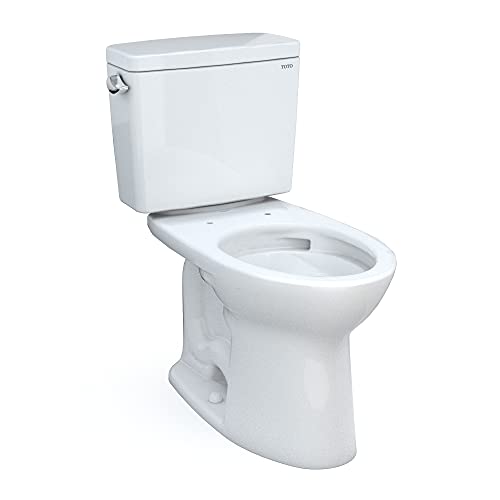
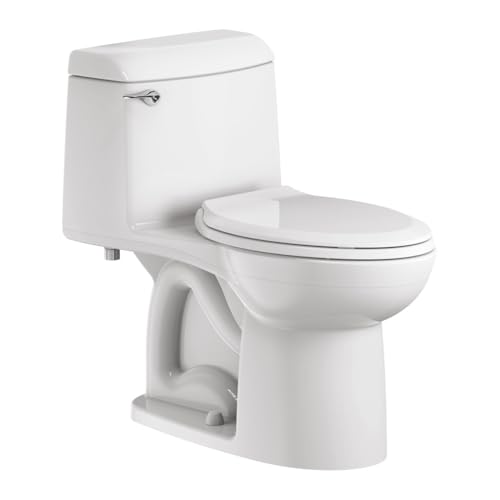
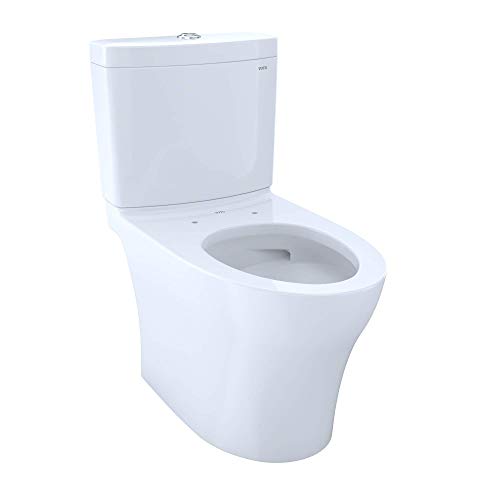
For a newly added full bathroom, choose an EPA WaterSense-certified toilet with a MaP flush score of at least 800 grams (1000 grams preferred). The TOTO Drake II and American Standard Champion 4 are the most frequently recommended models for new construction and additions because of their proven clog resistance, available rough-in sizes, and long-term reliability. Dual-flush models like the TOTO Aquia IV add water savings without sacrificing flush power.
A full bathroom addition is the ideal time to choose a quality toilet because installation in new construction is cleaner than retrofit work, and the right toilet will serve the space for 20 to 30 years. See the best flushing toilets guide for full model comparisons and MaP score rankings. Here is how the top models compare for new bathroom installations:
| Model | GPF | MaP Score | EPA WaterSense | Rough-In | Best For | Check Price |
|---|---|---|---|---|---|---|
| TOTO Drake II (CST454CEFG) | 1.28 | 1000g | Yes | 12" | Best overall; families, heavy use | Check price |
| American Standard Champion 4 | 1.6 | 1000g | No (1.6 GPF) | 12" | Maximum flush power; large households | Check price |
| TOTO Aquia IV | 1.0/0.8 | 800g | Yes | 12" | Water savings; eco-conscious buyers | Check price |
| Kohler Cimarron | 1.28 | 1000g | Yes | 12" | Wide availability; mid-budget | Check price |
| American Standard Cadet 3 | 1.28 | 1000g | Yes | 10"/12"/14" | Multiple rough-in sizes | Check price |
| TOTO UltraMax II | 1.28 | 1000g | Yes | 12" | One-piece; easier cleaning | Check price |
| Woodbridge T-0001 | 1.0/1.6 | 800g+ | Yes | 12" | Modern design; budget one-piece | Check price |
| Kohler Highline | 1.28 | 1000g | Yes | 12" | Classic two-piece; contractor favorite | Check price |
About MaP Scores: MaP (Maximum Performance) testing is an independent flush-test protocol that measures how many grams of solid waste a toilet can evacuate in a single flush. Scores of 1000g represent maximum performance; scores below 500g indicate poor clog resistance. EPA WaterSense certifies toilets at 1.28 GPF or less that meet minimum flush performance standards. The best toilets earn both: 1000g MaP at 1.28 GPF or less.
Rough-in flexibility matters in additions. Most new construction uses 12-inch rough-in toilets, which is the universal standard. However, if you are adding a bathroom in a space constrained by existing joists or walls, having options like the American Standard Cadet 3 (available in 10/12/14 inch) adds flexibility without custom plumbing work.
Plumbers and general contractors consistently favor the TOTO Drake line and the American Standard Champion 4 for new bathroom installations because callback rates are low, parts are universally available, and both lines have maintained consistent rough-in dimensions across decades of production. Swiss Madison and Gerber also offer reliable WaterSense-certified options worth considering in the mid-budget range.
Converting existing interior space (a closet, part of a bedroom, unused attic space) costs substantially less than a structural home addition because it avoids exterior framing, roofing, foundation work, and siding. Converted-space bathroom projects typically run $15,000 to $35,000, while true home additions run $30,000 to $90,000+. The trade-off is that conversions permanently reduce the square footage of the donor room, which can affect bedroom count on property listings.
Here are the most common space sources for bathroom conversions, with realistic assessments of each:
ROI analysis consistently favors bathroom additions over many other remodeling projects, but only when the home is already at or near the bedroom-to-bath ratio expected in your market. Adding a third full bath to a three-bedroom home in a neighborhood where most three-bedroom homes have two baths returns more than adding a fourth bath where three is already the norm. Talk to a local real estate agent before finalizing plans, not after construction starts.
A bathroom addition project typically takes 6 to 20 weeks from permit application to final walkthrough. The longest delays come from permit processing (2 to 12 weeks depending on municipality), contractor scheduling (4 to 8 weeks lead time is common in 2026), and material lead times for tile, custom vanities, or specialty fixtures. Structural additions take 12 to 24 weeks; conversions of existing space with available plumbing can be completed in 4 to 8 weeks.
A realistic week-by-week framework for planning your project:
A tub/shower combo in an alcove configuration is the most space-efficient option for a full bath addition, fitting in a 60x30-inch alcove (5 feet wide, 2.5 feet deep). A separate walk-in shower with a freestanding tub requires at minimum 80 to 100 additional square feet and significantly higher installation costs. Real estate data consistently shows that homes with at least one tub sell faster in markets with young families, making a combo or separate tub the safer choice in most full bathroom additions.
The most common configurations ranked by square footage requirement from smallest to largest:
For most full bathroom additions aimed at improving home value and daily utility, a 60-inch alcove tub with tile surround and pressure-balanced shower valve is the most practical choice. It costs less, requires less floor space, and satisfies the broadest range of future buyers.
Most full bathroom additions cost between $20,000 and $65,000 when converting existing interior space. Building a true home addition to house the new bathroom raises the range to $30,000 to $90,000 or more. High-cost metro areas add 40 to 60 percent to these figures.
Yes, typically. Remodeling Magazine's Cost vs. Value Report estimates a midrange bathroom addition recoups approximately 54 percent of project cost at resale. In markets where the home is under-bathed relative to comparable properties, the return can be significantly higher and can also reduce days on market.
Technically possible but highly inadvisable. Unpermitted bathrooms can block home sales, trigger demolition orders from building departments, and void homeowner's insurance coverage for water damage events in that space. Most buyers' home inspectors flag unpermitted work, creating difficult negotiation situations.
A full bathroom with toilet, single vanity, and tub/shower combo can fit in approximately 40 square feet (5x8 feet). This is a tight but code-compliant layout. A comfortable full bath runs 50 to 60 square feet; a master bath typically needs 80 square feet or more for adequate clearances and storage.
Expect 6 to 20 weeks from permit application to final walkthrough. Conversions of existing interior space with nearby plumbing connections run toward the shorter end. Structural home additions with new framing, roofing, and foundation work take longer, typically 12 to 24 weeks.
The TOTO Drake II (CST454CEFG) is the most consistently recommended toilet for new bathroom installations, with a 1000g MaP flush score, 1.28 GPF (EPA WaterSense certified), and decades of proven reliability. The American Standard Champion 4 is the best choice if maximum flush power is the priority.
Yes. Most U.S. building codes require mechanical ventilation (an exhaust fan) in bathrooms without operable windows, and many jurisdictions require it regardless of window presence. The fan must vent to the exterior (not into the attic). Minimum 50 CFM; 80-100 CFM recommended for a full bath.
The standard rough-in is 12 inches from the finished wall to the center of the drain. Some older homes use 10-inch or 14-inch rough-ins. New bathroom additions should be plumbed to 12-inch standard unless site constraints require otherwise, as 12-inch models offer the widest toilet selection.
Generally yes, particularly when going from one to two bathrooms or two to three in a market where the neighborhood norm is two-plus baths. The improvement in daily convenience is significant, and the resale impact is consistently positive in most U.S. markets. Consult a local agent before committing.
The most cost-effective approach is converting an existing large closet or under-utilized bedroom space that shares a wall with an existing plumbing stack. This minimizes plumbing chase distance, eliminates structural framing costs, and can cut total project cost by 30 to 50 percent compared to a home addition.
Yes, if the garage structure can support the additional load (plumbing, fixtures, and tile add significant weight). A structural engineer should assess the floor joists before planning. Plumbing must be chased from the existing home through the garage ceiling or walls, which adds cost. HVAC extension is also required.
Choose EPA WaterSense-certified 1.28 GPF as a minimum in most cases. Modern 1.28 GPF toilets with MaP scores of 1000g outperform older 1.6 GPF models in clog resistance while using 20 percent less water. If your local water pressure is consistently below 25 PSI, avoid pressure-assist toilets and choose gravity models with proven high MaP scores.
ADA-compliant bathrooms require a toilet seat height between 17 and 19 inches (called "comfort height" or "ADA height" in manufacturer listings). The toilet must also have specific clearance zones: 60 inches minimum from side wall to opposite wall, and 18 inches from toilet centerline to the side grab bar wall. Most major brands offer ADA-compliant models; TOTO, Kohler, and American Standard all label these clearly.
A full bathroom contains four elements: toilet, sink, bathtub, and shower (often combined as a tub/shower). A three-quarter bathroom has toilet, sink, and shower but no tub. A half bath (powder room) has only toilet and sink. A full bath addition is the highest-value upgrade for resale purposes.
Start by identifying where your kitchen and existing bathrooms are on each floor -- drain stack locations are usually directly below or above those rooms. A licensed plumber can trace lines using a drain camera or pressure test. For new construction, building plans from your municipality's permit office often show original plumbing chase locations.
Both brands offer solid entry-level to mid-range options for new bathroom additions. The Woodbridge T-0001 one-piece dual flush is a popular choice for modern bathroom aesthetics at a lower price point than TOTO. Swiss Madison Chateau and Concorde models are WaterSense certified and draw positive owner reviews for finish quality. Neither has the multi-decade track record of TOTO or Kohler, but both carry adequate warranties for residential use.
Current best practice is a liquid-applied waterproofing membrane (such as Schluter Kerdi, WEDI, or RedGard) over cement board backer, covered with tile set in polymer-modified thinset. The membrane must extend at least 6 inches beyond the shower threshold onto the floor and 6 inches above the showerhead on walls. Many jurisdictions now require a flood test of the shower pan before tile is installed.
Ask for proof of license and insurance, a list of at least three recently completed bathroom addition references, clarification on who pulls permits (should always be the licensed contractor, not the homeowner), a detailed written scope of work with line-item pricing, and the payment schedule (never pay more than 10 to 15 percent upfront for a project of this size).
Most full bathroom additions need either an extension of existing ductwork or a supplemental heating source (electric radiant floor heat, electric baseboard, or a ductless mini-split for a large addition). Bathrooms are legally required to maintain habitable temperatures in most cold-climate jurisdictions. An exhaust fan is not a substitute for heating.
Plumbers typically charge $150 to $400 for toilet installation in a new rough-in (where the flange is already set). If the toilet is being installed after a fresh rough-in by the same plumber, it is often included in the overall rough-in labor quote. The toilet itself ranges from $150 for a basic model to $1,200+ for a high-end one-piece with bidet seat.
Adding a full bathroom is one of the highest-return home improvement projects when planned correctly. Locate the new bathroom adjacent to existing plumbing stacks to control costs, secure all required permits before breaking ground, and choose a toilet with a MaP score of 1000g and EPA WaterSense certification for 20 to 30 years of reliable service. Budget $20,000 to $65,000 for a conversion of existing space, $30,000 to $90,000 for a structural home addition, and always hold a 10 to 15 percent contingency for what hides behind walls. The TOTO Drake II or American Standard Champion 4 are proven first choices for the toilet; both are widely available and supported by extensive parts networks.
When you flush, where does it go? Follow toilet water from the bowl through the trap, drain, and stack to a septic…
Read the guideDo toilets need electricity to flush? Most do not. Learn which toilets use power, how a standard flush works, and how to…
Read the guideFind out how many gallons per flush an old toilet really uses, how to check your own tank, and how much water…
Read the guide