
Best French Toilets (2026)
Toilets4.6
Refined, softly curved one-piece and skirted silhouettes with a polished, Parisian-elegant profile, paired with verified MaP flush scores rather than a stylist's…
Read the guideStubborn toilet stains are not always a hygiene failure. Mineral deposits, rust, hard water scale, and mold each require a completely different approach. This guide explains exactly what you are dealing with and which product or method removes it without damaging porcelain.
Research updated June 2026.
For most toilet stains that refuse to budge, a pumice stone (wet, used gently) removes mineral rings without scratching vitreous china; a phosphoric-acid cleaner like CLR or Lime-A-Way dissolves limescale and rust in 30 minutes; and a bleach-based gel kills mold and organic stains overnight. Match the product to the stain type first.
Toilet stains that refuse to budge after a regular scrub are one of the most common bathroom frustrations homeowners report. The reason the stains persist is almost always a mismatch between the cleaner being used and the chemistry of the stain itself. Bleach, for instance, is excellent at killing mold and bacteria but does nothing to dissolve mineral deposits. Acid cleaners remove limescale and rust but cannot bleach out organic discoloration. Understanding which category your stain falls into is the single most important step before you reach for any product.
This guide covers every common stain type found in residential toilets, the proven cleaners and manual methods for each, safety information you need before mixing chemicals, and tips for preventing stains from returning. Toilets with advanced surface coatings, such as TOTO's CeFiONtect glaze or Kohler's CleanCoat, resist staining significantly better than uncoated vitreous china, which is worth noting if you are considering a replacement. But even the best-coated toilet can develop stubborn buildup if cleaning intervals stretch past a few weeks.
The four most common toilet stain types are: hard water mineral rings (white, gray, or brown calcium and magnesium deposits), rust stains (orange or reddish-brown iron deposits from pipe corrosion or well water), mold and mildew (black, green, or pink organic growth under the rim and along the waterline), and urine scale (yellow-brown deposits of dried urine solids, especially under the rim). Each stain has a distinct chemistry, so the remover must match. Using the wrong product wastes time and can set the stain deeper into porous porcelain surfaces.
Hard water is water with elevated concentrations of dissolved calcium and magnesium. The U.S. Geological Survey estimates that approximately 85 percent of homes in the United States receive hard water. When that water sits in a toilet bowl, it evaporates slowly at the waterline and leaves behind a chalky residue of calcium carbonate, magnesium hydroxide, and similar salts. Over time, these layers accumulate into thick, rock-hard scale that ordinary scrubbing cannot remove because the deposits are chemically bonded to the porcelain surface. The only reliable way to dissolve them is with an acid that reacts with the carbonate chemistry.
Orange-brown rust stains in a toilet bowl typically come from one of two sources: iron pipes in older homes that shed rust particles into the supply water, or well water with naturally elevated dissolved iron. Iron oxidizes on contact with the air in the bowl and bonds to the vitreous china surface, forming ferric oxide stains that are immune to bleach and most general-purpose cleaners. A dedicated rust-removing acid, such as oxalic acid or phosphoric acid, is required to dissolve the iron oxide bonds.
The dark ring that forms just above the waterline in a toilet bowl is almost always a colony of mold, mildew, or bacteria, sometimes including Serratia marcescens (the bacterium responsible for pink or orange slime). These organisms thrive on the moisture, warmth, and trace organic matter present in a toilet bowl. Bleach-based cleaners are highly effective against biological stains because sodium hypochlorite destroys microbial cell walls on contact. For more on this specific issue, see our guide on the black ring in toilet bowl.
Yellow or brown staining beneath the rim and inside the trapway is primarily composed of dried urine, uric acid crystals, and associated mineral deposits. These stains are often dismissed as simple dirt, but uric acid is a crystalline organic compound that bleach does not dissolve well. Enzymatic cleaners, which contain protease and urease enzymes that break down uric acid at the molecular level, perform better here. Alternatively, a dilute acid cleaner left to soak overnight softens urine scale enough for a stiff brush to remove it.
Acid-based cleaners (CLR, Lime-A-Way, Bar Keepers Friend) are best for mineral deposits and rust; bleach gel cleaners (Clorox Toilet Bowl Cleaner with Bleach, Lysol Power) are best for mold, mildew, and organic stains; enzymatic cleaners (BioKleen, Zout) target urine scale; and mechanical abrasion with a wet pumice stone removes thick mineral rings that resist chemical treatment. Never mix acid and bleach cleaners in the same session -- the combination produces chlorine gas.
| Stain Type | Primary Chemistry | Best Cleaner Category | Top Products | Typical Contact Time | Pumice Stone Useful? |
|---|---|---|---|---|---|
| Limescale / Mineral Ring | Calcium carbonate | Phosphoric or citric acid | CLR, Lime-A-Way, Bar Keepers Friend | 30 min to 2 hours | Yes, after softening |
| Rust / Iron Stain | Ferric oxide (Fe2O3) | Oxalic or hydrochloric acid | CLR, The Works, Bar Keepers Friend | 15 to 30 minutes | Occasionally |
| Mold / Black Ring | Organic biofilm | Sodium hypochlorite bleach | Clorox Toilet Gel, Lysol Power | Overnight or 6-8 hours | No |
| Pink / Orange Slime | Serratia marcescens bacteria | Bleach disinfectant | Clorox Disinfecting Gel, Lysol Concentrate | 30 to 60 minutes | No |
| Urine Scale / Yellow Stain | Uric acid crystals | Enzymatic cleaner or mild acid | BioKleen, CLR, white vinegar soak | 6 to 12 hours | No |
| Hard Water Film (light) | Mineral residue | Citric acid or vinegar | Distilled white vinegar, Seventh Generation | 1 to 3 hours | No |
The most common mistake homeowners make is reaching for bleach first, every time. Bleach does a great job whitening organic stains, but it has zero effect on mineral scale or rust, and it can actually set some stains deeper by oxidizing iron compounds into a darker, more stubborn form. Identify the stain before choosing the cleaner. A simple rule: if the stain is the color of rust, rock, or mineral residue, use an acid. If it is black, pink, or slimy, use bleach. If it is yellow under the rim, try an enzyme cleaner first.
For hard limescale rings, the most reliable two-step method is: first, lower the water level in the bowl (turn off the shutoff valve and flush to drain), then apply a thick phosphoric-acid gel cleaner like CLR or Lime-A-Way directly to the ring and let it sit for at least 30 to 60 minutes before scrubbing. For rings that do not fully dissolve, a wet pumice stone used with light circular pressure on the damp porcelain surface will physically abrade the remaining scale without scratching glazed vitreous china, provided the stone and the surface stay wet throughout.
Baking soda and vinegar is often recommended online as a natural alternative, but the fizzing reaction between them is largely theatrical. The acetic acid in household white vinegar (5% concentration) is mild enough to help with fresh or light mineral deposits, but it is far too weak to tackle thick, hardened scale. For truly stubborn mineral rings, a purpose-formulated phosphoric acid cleaner is between 5 and 15 times more effective. Save vinegar for maintenance cleaning after the major scale has already been removed.
The fastest way to remove rust stains from a toilet bowl is to apply a rust-specific acid cleaner such as CLR (calcium, lime, rust remover), Bar Keepers Friend (oxalic acid), or a product containing hydrochloric acid like The Works directly to the dry or drained stained area, wait 15 to 30 minutes, then scrub and flush. Bar Keepers Friend applied as a paste and left for 15 minutes removes light to moderate rust stains in a single treatment in most cases.
Bar Keepers Friend contains oxalic acid, which forms a soluble complex with iron oxide (rust), pulling it off the surface. To use it in a toilet: lower the bowl water level by turning off the supply valve and flushing, sprinkle or squeeze the powder or liquid directly onto the rust stain, let it sit for 10 to 15 minutes (do not let it dry), then scrub with a stiff brush or sponge. For under-rim rust deposits, mix the powder into a paste with a small amount of water, apply it manually with gloved hands or a sponge, and let it sit before scrubbing.
Removing the stain is only half the solution. If iron pipe corrosion or high-iron well water is the source, rust stains will return within weeks. Installing a whole-house sediment filter and a water softener or iron filter addresses the root cause. Toilets with ceramic-coated tank internals, such as those available on several Kohler Cimarron and TOTO Drake models, are also slower to develop rust staining inside the tank, which reduces iron-rich water dripping down the bowl walls.
Bleach is effective for mold, mildew, pink slime, and organic stains when left in contact for several hours, but it should never be used on rust or mineral deposits because it does not dissolve them and can worsen iron staining. Bleach must also never be combined with acid cleaners in the same session; flushing thoroughly between products is essential. Toilets with septic systems can tolerate occasional bleach use, but regular heavy bleach use may harm beneficial bacteria in the septic tank.
Drop-in toilet tank bleach tablets are widely sold but can cause long-term damage to flush valves, flappers, and tank seals. TOTO, Kohler, American Standard, and Gerber all note in their warranty documentation that damage caused by bleach tablets placed in the tank may void relevant parts coverage. Bleach tabs also continuously release chlorine whether or not the toilet is being cleaned, which can corrode rubber and plastic components over 6 to 12 months. Gel cleaners applied to the bowl directly are safer for the toilet's internal components.
White vinegar (5% acetic acid) is genuinely effective for light mineral deposits and preventive maintenance if used regularly with a long dwell time of two to four hours, but it is not strong enough to remove thick limescale or rust stains. Baking soda alone has mild abrasive cleaning properties but no significant chemical action on mineral or rust stains. Together, vinegar and baking soda neutralize each other into mostly water and carbon dioxide, producing a dramatic fizz but reducing the acid's effectiveness. For heavy stains, purpose-formulated acid cleaners are significantly more effective.
For very light discoloration, early-stage mineral film at the waterline, or as a maintenance rinse after more aggressive cleaning, a cup of distilled white vinegar poured into the bowl and left for two to four hours, followed by scrubbing, is a reasonable eco-friendly approach. Seventh Generation Toilet Bowl Cleaner, which uses lactic acid as the active ingredient, is a stronger natural alternative that performs comparably to commercial acid cleaners on light-to-moderate mineral deposits while using biodegradable chemistry.
Citric acid powder mixed with water to a 10 to 20 percent solution is considerably more effective than vinegar against mineral deposits. Dissolved citric acid chelates (binds to) calcium ions, pulling them off the porcelain surface. A citric acid soak of 2 to 4 hours can remove light to moderate hard water rings that vinegar alone could not shift. Food-grade citric acid powder is inexpensive and widely available, and it is safer to handle than stronger commercial acid cleaners.
Natural cleaners have a valid role in a regular maintenance routine. The mistake is expecting them to perform like heavy-duty chemical cleaners on years of accumulated scale. If you have been using vinegar monthly and the stains are still there, that is confirmation you need a stronger acid. Once you have removed the major buildup with a commercial cleaner, switching to monthly citric acid or vinegar maintenance can keep the bowl clean without stronger products indefinitely, provided you do not let scale rebuild past the light stage.
The most effective long-term strategy for stain prevention combines three elements: a weekly preventive cleaning with a toilet brush and mild cleaner to prevent biofilm and early mineral deposits from hardening, a water softener or whole-house filter if water hardness exceeds 120 mg/L (7 grains per gallon), and a toilet with a superior surface coating such as TOTO's CeFiONtect ion-barrier glaze, which reduces the microscopic pores where mineral deposits and bacteria gain a foothold. Regular 1.28 GPF toilets certified under EPA WaterSense, which maintain full flush performance, also help by cycling the bowl water more completely than older high-volume designs.
Modern toilets from leading brands include surface treatments specifically engineered to resist staining. TOTO's CeFiONtect is an ultra-smooth ion-barrier glaze applied to the bowl interior that reduces the microscopic ridges and pores where mineral deposits, bacteria, and waste particles accumulate. In comparative tests and long-term owner reviews, TOTO bowls with CeFiONtect, including the TOTO Drake, TOTO Drake II, and TOTO UltraMax II, consistently show slower stain accumulation than uncoated bowls. Kohler's CleanCoat and American Standard's EverClean antimicrobial surface serve similar purposes, with EverClean specifically inhibiting the growth of mold, mildew, and bacteria on the bowl surface.
If you are dealing with chronic staining and considering a toilet upgrade, these surface technologies are worth factoring into your decision. Our roundup of the best flushing toilets evaluates surface coatings alongside flush performance metrics, MaP testing scores, and water efficiency ratings. For hard-water-specific needs, see our guide to the best toilets for hard water.
Before investing in cleaning products or a water treatment system, it is worth knowing your actual water hardness. Inexpensive test strips available at home improvement stores measure hardness in grains per gallon (GPG) or milligrams per liter. Water above 120 mg/L (7 GPG) is classified as hard and will produce visible toilet bowl deposits within weeks. Water above 250 mg/L (14.6 GPG) is classified as very hard and will require either a water softener or very frequent cleaning with acid cleaners to prevent heavy buildup.
For toilets in areas with hard water (above 120 mg/L), cleaning the bowl with a mild acid cleaner every 1 to 2 weeks prevents mineral deposits from hardening into scale. For soft water areas, a weekly scrub with a general-purpose cleaner is sufficient. Under-the-rim cleaning is important regardless of water quality; mold and bacteria accumulate in the rim holes and the dark recesses beneath the rim even in soft-water homes, because the area stays permanently damp and receives organic matter with every flush. A cleaner specifically formulated to apply under the rim (angled bottle nozzle) is more effective than applying a product to the bowl water and hoping it flows up under the rim.
Very old toilets, particularly those manufactured before 1994, often have thick, porous vitreous china glaze that has absorbed years of mineral deposits, iron, and biological staining. The rough, micro-pitted surface that develops over decades of cleaning with abrasive powders also holds stains more tenaciously. In many cases, a complete removal of visible staining from a toilet manufactured in the 1970s or 1980s may not be achievable without refinishing or replacement. If you are dealing with a persistently stained older toilet, consider whether replacement is more cost-effective than continued cleaning labor. See our guide to how long toilets last for a full assessment of when to replace versus repair.
CLR is a multipurpose acid-based cleaner containing a blend of lactic acid, gluconic acid, and surfactants. It is effective on calcium and magnesium mineral deposits, rust, and iron stains. For toilet use, drain the bowl, apply CLR directly to the stained area, wait 2 minutes to 2 hours (heavier deposits need longer), scrub, and flush thoroughly. CLR should not be used on colored or decorative grout, but it is safe for standard white vitreous china.
Lime-A-Way's formula is based primarily on phosphoric acid and is particularly effective on calcium and lime deposits. It is thicker than CLR and clings better to vertical bowl surfaces. The standard application involves squeezing it under the rim and around the bowl, waiting 30 minutes to 2 hours, scrubbing, and flushing. For severe deposits, leave it overnight after draining the bowl water. Lime-A-Way is one of the more widely recommended products in plumbing trade literature for toilet bowl limescale.
The Works contains hydrochloric acid (9.5%) and is among the strongest acid cleaners available at retail for toilet bowl use. It dissolves mineral deposits and rust rapidly, usually within 15 to 30 minutes. Due to its strength, it requires good ventilation, rubber gloves, and should not be left in contact with surfaces longer than recommended. It should never be combined with any bleach-containing product. The Works is often recommended for heavily neglected toilets that have not responded to milder acid cleaners.
Bar Keepers Friend contains oxalic acid and mild abrasive particles. It works especially well on rust and iron stains, and moderately well on light mineral deposits. Unlike liquid acid cleaners, the powder form can be mixed to a paste and applied manually to specific stained areas with a gloved hand, which is useful for under-rim staining or for toilet seats. It is also one of the safer acid-based cleaners to handle. For toilet seats specifically, see our guide to how to remove toilet seat stains.
The Clorox toilet gel is a sodium hypochlorite-based product formulated to cling to the bowl surface during a long dwell period. It is effective against mold, mildew, pink bacteria, and general organic stains. The angled nozzle allows application under the rim. For best results on mold rings, apply it before bed, allow 6 to 8 hours of contact, and scrub in the morning. It is also effective for general disinfection and whitening of stained grout between floor tiles adjacent to the toilet.
A wet pumice stone is a purely mechanical cleaning method for mineral deposits and hard water rings. Pumice is a volcanic glass with a Mohs hardness of approximately 6, while glazed vitreous china has a hardness of 7. This means a wet pumice stone can abrade mineral scale (which is softer than the glaze below it) without scratching the porcelain itself, provided the stone and the porcelain stay wet throughout the entire process. Using a pumice stone dry on porcelain can and does leave visible scratches. Always saturate the pumice stone in water for at least a minute before use. For toilet bowl cleaning specifically, use a pumice stone mounted on a long handle to avoid direct hand contact with the bowl surface.
A common question is whether WD-40 removes toilet stains. WD-40 can loosen some mineral deposits and is occasionally used as a pre-treatment before acid cleaners, but it leaves an oily residue in the bowl that requires thorough cleaning to remove and that can make future bowl dirt stick more readily. It is not a recommended cleaning product for toilet bowls and should not be a substitute for purpose-formulated cleaners.
Toilet bowl cleaners are among the most chemically reactive household cleaning products. Following a few basic safety rules protects both you and your toilet:
Stains recur because the source of the staining has not been addressed. For mineral and rust stains, the mineral content of your water continually deposits scale each time water evaporates at the waterline. The only long-term solutions are a water softener, a more frequent cleaning schedule, or a toilet with an ion-barrier surface glaze like TOTO's CeFiONtect that resists mineral adhesion. For mold, recurring growth indicates persistent moisture or inadequate ventilation in the bathroom.
A brown ring at the waterline is most often a combination of hard water mineral deposits and iron. Water evaporates at the surface-air interface, depositing minerals and any dissolved iron directly onto the porcelain at that level. In high-iron well water areas, the ring can appear within days of cleaning. A phosphoric acid cleaner like Lime-A-Way applied to a drained bowl for 30 to 60 minutes is the most reliable remover.
Magic Erasers (melamine foam) can remove surface-level staining, light mold marks, and scuff marks from toilet exteriors and seats, but they are not effective enough on thick mineral or rust deposits inside the bowl. They are safe for glazed porcelain surfaces if used gently. They work well as a supplemental tool after chemical cleaning but should not replace acid cleaners for mineral scale.
CLR's instructions recommend a maximum contact time of 2 minutes on most surfaces, though many homeowners report using it for 30 to 60 minutes in a toilet bowl without damage. Lime-A-Way is formulated for longer dwell times. Leaving these products overnight without dilution is generally not recommended by manufacturers, as prolonged acid contact can affect the grout lines and the internal seals in the trap. Drain the bowl and flush thoroughly after the recommended contact time.
Rapid orange staining after cleaning indicates high dissolved iron in your water supply, either from iron pipes or from well water. When iron-rich water sits in the bowl and oxygen from the air dissolves in, ferric oxide (rust) precipitates out and bonds to the porcelain. Installing a whole-house iron filter or water softener is the most effective long-term solution. A toilet with a CeFiONtect or EverClean surface will slow but not eliminate iron staining if the water source is not treated.
Overnight application of a thick bleach gel cleaner will dissolve mold and organic stains with no scrubbing for most cases. For mineral deposits, draining the bowl and soaking with Lime-A-Way for 1 to 2 hours can soften scale enough that flushing alone removes the loosened material, though light scrubbing usually improves results. True no-scrub results depend on the stain type and severity.
The area under the toilet rim stays damp, rarely receives light, and collects mineral deposits and biofilm through the rim holes with every flush. Use a cleaner with an angled nozzle designed to reach under the rim (Clorox and Lysol both offer this bottle shape), apply it generously, and allow it to dwell for at least 30 minutes. A firm toilet brush with an angled head helps scrub the underside. An old toothbrush or a specialized rim-scrubbing brush reaches into the individual rim holes where buildup accumulates directly. See our dedicated guide on how to clean under the toilet rim for detailed techniques.
WD-40 can lubricate and slightly loosen mineral deposits, and some homeowners use it as a pre-treatment before scrubbing. However, it leaves a petroleum-based film in the bowl that must be thoroughly cleaned out and that can attract dirt over time. It is not a cleaning product and should not be a primary method for toilet stain removal. Purpose-formulated acid cleaners are more effective and leave no residue.
Occasional use of bleach cleaners does not damage vitreous china glaze. However, consistent, prolonged contact with high-concentration bleach can degrade rubber seals, the wax ring, and plastic flush components over months to years. The porcelain itself is largely inert to bleach at normal concentrations. The risk is primarily to internal hardware, which is why bleach tank tablets are discouraged by most major toilet manufacturers including TOTO, Kohler, and American Standard.
Black stains visible inside the trapway (the curved exit channel at the bottom of the bowl) are usually mold or mineral deposits that the flush cycle does not clear away. Lowering the bowl water level and applying an overnight bleach treatment addresses mold. For mineral deposits deep in the trap, a toilet auger or a long-handled brush can apply mechanical force, and acid cleaner poured directly into the full bowl (not drained) can help if left to work for several hours. Toilets with fully glazed trapways, such as the TOTO UltraMax II and Woodbridge T-0001, are more resistant to this type of staining because the smooth glaze extends throughout the trapway interior.
For homes on a septic system, enzymatic toilet bowl cleaners are the safest choice because they use beneficial bacterial enzymes to break down organic waste rather than killing organisms with chemicals. BioKleen, Seventh Generation's plant-based cleaners, and similar enzyme-based products are well-rated by septic-system owners. Bleach use should be limited to monthly or less. Hydrochloric acid products like The Works should be avoided entirely for regular use, as they can significantly disrupt septic microbiology.
A water softener that removes calcium and magnesium hardness ions will essentially eliminate limescale deposits in toilets and throughout the home's plumbing. However, it does not remove iron. A separate iron filter is needed if the water supply contains dissolved iron above 0.3 mg/L (the EPA's secondary standard for iron in drinking water). Most water treatment installers can test for both hardness and iron simultaneously. After softener installation, existing scale must still be removed with an acid cleaner, but new scale formation effectively stops.
A wet pumice stone is safe for standard white vitreous china toilet bowls when kept wet throughout use. It should not be used on colored porcelain finishes, matte or satin surfaces, acrylic surfaces, or any non-porcelain bowl material. It should also not be used on toilet seats, which are typically polypropylene or wood and will be scratched. Before using a pumice stone in your specific toilet, test it in an inconspicuous area near the base of the bowl while keeping it wet, and check for any scratch marks.
Most manufacturers recommend 5 to 30 minutes for regular maintenance cleaning. For stubborn stain removal, a longer dwell time dramatically improves results: acid cleaners benefit from 30 minutes to 2 hours for heavy mineral scale; bleach gels work best left for 6 to 8 hours (or overnight) for mold. Draining the bowl before applying acid cleaners concentrates the product on the stain rather than diluting it in standing water.
Toilet seat stains are typically surface-level discoloration from cleaning product residue, body oils, urine splash, or UV yellowing of plastic. A paste of Bar Keepers Friend and water applied gently and wiped off with a damp cloth removes most stains without bleaching the seat. Avoid abrasive scrubbers, which scratch the seat surface and create more porous areas that stain faster. For detailed guidance, see our full article on toilet seat stain removal.
Yes, significantly. Toilets with advanced surface coatings, such as TOTO's CeFiONtect ion-barrier glaze, Kohler's CleanCoat, or American Standard's EverClean antimicrobial surface, develop visible staining substantially more slowly than uncoated vitreous china, according to aggregated long-term owner reviews and manufacturer testing data. Fully glazed trapways in models like the TOTO Drake II and Woodbridge T-0001 also reduce interior staining that standard exposed-clay trapway designs accumulate over time.
In hard water areas (above 120 mg/L), a light acid treatment every 1 to 2 weeks prevents scale from hardening. In soft water areas, monthly acid cleaning for maintenance is usually sufficient, supplemented by a weekly scrub with a mild cleaner. If your water supply contains iron above 0.3 mg/L, weekly cleaning and a dedicated rust remover every 2 weeks helps keep staining manageable without a water treatment system. Consistent short cleaning sessions are always more effective than infrequent deep-cleaning sessions.
Avoid: bleach tank tablets (damage rubber seals and void most manufacturer warranties); steel wool or metal scrapers (permanently scratch the porcelain); mixing bleach and acid cleaners in the same session (produces toxic chlorine gas); and drain cleaners containing lye (sodium hydroxide) in toilet bowls, as these are formulated for pipes and can damage porcelain seals and wax rings. Also avoid leaving hydrochloric acid-based cleaners like The Works in contact with the bowl for longer than the manufacturer recommends.
In most cases, yes. Even severely stained toilets, including those with years of accumulated rust, limescale, and mold, can be restored to near-original appearance with a combination of acid treatment, overnight bleach soaking, and pumice stone work applied in the correct sequence. The limiting factor is the physical condition of the porcelain glaze. Toilets with crazed (finely cracked) glaze from age or prior abrasive cleaning may not fully restore because the staining has penetrated below the glaze surface. In those cases, professional toilet bowl refinishing or replacement is the practical option. For help deciding, see our toilet lifespan guide.
Stubborn toilet stains that resist ordinary scrubbing are almost always solvable once you match the correct remover to the stain chemistry. Use a phosphoric or oxalic acid cleaner for mineral deposits and rust; overnight bleach gel for mold and biological stains; enzyme cleaner for urine scale; and a wet pumice stone as a safe mechanical backup for thick scale that partially resists chemical treatment. For long-term prevention, a water softener is the highest-impact investment in hard water areas, and upgrading to a toilet with a factory-applied ion-barrier or antimicrobial surface coating, such as the TOTO Drake or American Standard Champion 4 with EverClean, significantly reduces how fast stains accumulate between cleanings.
How we rank & our data sources
We do not run physical lab tests. Rankings are built from published, verifiable data and real owner feedback, never paid placement.
Researched by Derek Whitman · Last updated March 31, 2026 · Our review method
Refined, softly curved one-piece and skirted silhouettes with a polished, Parisian-elegant profile, paired with verified MaP flush scores rather than a stylist's…
Read the guide
Clean, low-profile silhouettes with real MaP-verified flush performance and efficient dual-flush water use, sized for a minimalist Nordic bathroom without sacrificing function.
Read the guide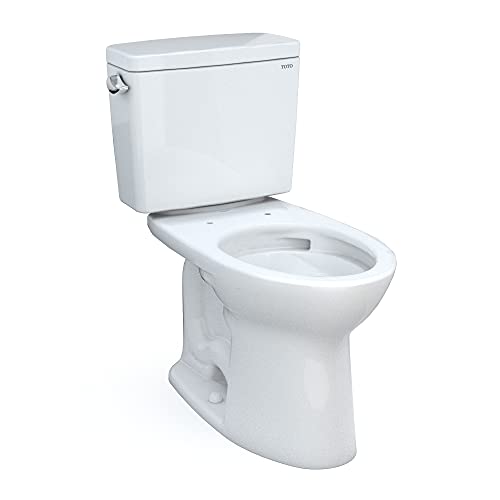
Classic two-piece toilets with tall tanks and elegant, understated proportions, the quiet country-house look that suits a traditional English bathroom without tipping…
Read the guide