
Best Scandinavian Toilets (2026)
Toilets4.6
Clean, low-profile silhouettes with real MaP-verified flush performance and efficient dual-flush water use, sized for a minimalist Nordic bathroom without sacrificing function.
Read the guideA sulfur or rotten-egg odor rising from your toilet is more than unpleasant, it can signal a plumbing problem that needs immediate attention. Here are the seven most common causes and exactly how to fix each one.
Research updated June 2026.
A sewer smell from your toilet is almost always caused by a dry P-trap, a cracked or loose wax ring, a blocked vent stack, a failed toilet flapper allowing sewer gas to seep through, or biofilm buildup in the tank or bowl. Most fixes take under an hour and cost nothing or very little.
Sewer gas is a mixture of gases produced by the decomposition of organic waste in sewer lines. It primarily contains hydrogen sulfide (H2S), which produces the characteristic rotten-egg smell, along with methane, ammonia, carbon dioxide, and trace volatile organic compounds. At high concentrations, hydrogen sulfide is toxic and methane is flammable, which is why a persistent sewer smell should never be ignored.
According to the Occupational Safety and Health Administration (OSHA), hydrogen sulfide concentrations above 10 parts per million (ppm) can cause eye irritation, while concentrations above 100 ppm can impair your sense of smell within minutes, removing the natural warning signal. At household exposure levels the immediate health risk is low, but regular exposure is a reason to act fast. Methane, the other primary component, is odorless on its own and explosive at concentrations between 5% and 15% in air.
Sewer systems are designed with a series of water traps, sealed vents, and tight connections specifically to keep these gases out of living spaces. When a sewer smell enters through your toilet, something in that barrier system has failed. The seven causes below cover the vast majority of cases.
Plumbing codes exist for good reason. The P-trap, which holds a water seal between your drain and the sewer, is the first and most important barrier against sewer gas intrusion. Any toilet that has not been used in weeks -- such as in a guest bathroom -- should be flushed and inspected before the space is occupied again.
The seven most common causes are: a dry or evaporated P-trap, a damaged or improperly sealed wax ring at the toilet base, a blocked or partially blocked vent stack that allows sewer gas to back-pressure through fixtures, a worn or warped toilet flapper that lets gases travel up through the tank, a cracked toilet base or bowl, biofilm and bacterial growth inside the toilet tank, and a full or blocked drain line that forces gas backward through the toilet. Each cause has a distinct set of accompanying symptoms that help pinpoint the problem.
The table below summarizes each cause, the primary symptom that distinguishes it, and the difficulty level of the fix:
| # | Cause | Key Symptom | Fix Difficulty | Average Cost |
|---|---|---|---|---|
| 1 | Dry P-trap | Smell only in unused bathroom | Very easy | Free |
| 2 | Failed wax ring | Smell + water at base | Moderate | $10-$30 DIY |
| 3 | Blocked vent stack | Gurgling + smell throughout house | Moderate-hard | $150-$500 pro |
| 4 | Worn flapper | Smell from tank + phantom flushing | Very easy | $5-$15 |
| 5 | Cracked toilet base | Visible crack + persistent smell | Replacement needed | $100-$800+ |
| 6 | Tank biofilm | Smell from tank when lid lifted | Very easy | Free |
| 7 | Blocked drain line | Multiple fixtures slow + smell | Moderate-hard | $80-$400 pro |
A dry P-trap is fixed simply by flushing or pouring water into the toilet or drain. The P-trap is a curved section of pipe beneath every drain fixture that holds standing water, creating a physical seal against sewer gases. When a toilet or floor drain goes unused for two to four weeks, especially in hot or low-humidity environments, that water seal evaporates completely, leaving an open channel directly to the sewer line. Flushing the toilet several times restores the seal immediately.
Some plumbers recommend mineral oil instead of cooking oil because it does not go rancid. Either works effectively as a slow-evaporation barrier over the trap's water seal.
A dry trap is far and away the most common cause of sewer odor in a second bathroom or basement. Before spending any money on professional inspection, confirm whether the smell disappears within an hour of flushing the toilet and pouring water into any nearby floor drains. In the majority of cases, it will.
A failed wax ring typically produces a sewer smell at floor level near the base of the toilet, often accompanied by water staining or moisture on the floor around the toilet's base. The wax ring creates an airtight and watertight seal between the toilet's horn (the outlet at the base) and the drain flange embedded in the floor. When this ring cracks, deteriorates, or shifts because the toilet rocks, both water and sewer gas can escape at the base. A toilet that moves or rocks when you sit on it should have its wax ring replaced immediately.
Wax rings cost between $5 and $20 at any hardware store. Rubber gasket alternatives (such as the Fernco wax-free seal) are easier to reposition if you need to remove the toilet again in the future, though they are slightly more expensive.
Every toilet drain connects to a vent pipe that runs up through the roof of the house. This vent pipe serves two functions: it allows sewer gases to escape safely above the roofline, and it equalizes air pressure in the drain system so water flows smoothly. When this vent is blocked by a bird nest, leaves, ice, or debris, sewer gas has no escape route and instead backs up through the nearest drain fixture -- typically the toilet, since it has the largest trap and the most direct connection to the main drain line.
Symptoms of a blocked vent stack include gurgling sounds from the toilet when other fixtures drain, slow drains throughout the house, and sewer smells that appear in multiple rooms rather than just one bathroom. If you hear your toilet gurgle when the washing machine or shower drains, a blocked vent is a likely cause. This is covered in detail in our guide to why your toilet bubbles when the shower drains.
Clearing a vent stack typically requires climbing on the roof with a garden hose and flushing the vent opening downward, or using a plumber's snake inserted from the rooftop opening. If the blockage is high and accessible, this is a manageable DIY job. If the blockage is deep in the pipe, or if the vent pipe itself is cracked or improperly sized, a licensed plumber should handle the repair.
Plumbers consistently report that blocked vent stacks are underdiagnosed because homeowners assume the smell must be coming from the toilet itself. The giveaway is that sewer smells accompanied by gurgling in multiple fixtures almost always point to a vent problem, not the toilet. A simple rooftop inspection at the start of spring and fall can catch blockages before they create indoor air quality issues.
The toilet flapper is the rubber seal at the bottom of the tank that opens when you flush and closes to allow the tank to refill. Over time, the rubber warps, hardens, or develops mineral deposits that prevent it from seating properly. This is most often discussed in the context of a running toilet, but a failed flapper has a secondary effect that is less commonly known: it allows sewer gas from the bowl to migrate up through the water in the tank and escape into the bathroom.
To diagnose this, lift the toilet tank lid and smell directly inside the tank. If the odor is concentrated there, the flapper or the tank itself is the source. Check the flapper by placing a few drops of food coloring in the tank without flushing; if the color appears in the bowl within 15 minutes, the flapper is not sealing. Our detailed guide on how to fix ghost flushing covers flapper diagnosis and replacement in full.
Replacing a flapper costs $5 to $15 and takes under 10 minutes. Turn off the supply valve, flush to empty the tank, unhook the old flapper from the overflow tube ears, disconnect the chain from the flush handle arm, attach the new flapper, reconnect the chain, and turn the water back on. Match the flapper size to your toilet brand and model, since universal flappers do not always seal correctly on every toilet.
A hairline crack in the toilet bowl or base can allow sewer gases to seep through, especially if the crack extends into the trapway (the S-shaped internal passage that holds the water seal). Cracks are sometimes visible but are often hidden under the toilet base or inside the trapway. Run your hand along the exterior of the base and bowl while the toilet is in use, feeling for moisture. A dye test can also help: add food coloring to the bowl water and check the floor around the base after 20 minutes.
A cracked toilet cannot be reliably repaired with epoxy or sealant, particularly if the crack is in the base or trapway. The only permanent fix is toilet replacement. This is actually an opportunity to upgrade to a more efficient model. Toilets certified by EPA WaterSense use a maximum of 1.28 gallons per flush (GPF) versus the 3.5 to 7 GPF of toilets made before 1994. Models like the TOTO Drake II (1.28 GPF, MaP score of 1,000 grams) and Kohler Highline (1.28 GPF, WaterSense certified) offer significant long-term water savings and eliminate the odor problem entirely.
For guidance on selecting a replacement, see our comprehensive review of the best flushing toilets covering top-rated models from TOTO, Kohler, American Standard, Woodbridge, Swiss Madison, and Gerber.
A less obvious but surprisingly common source of sewer odor is bacterial biofilm growing inside the toilet tank. The dark, damp environment of a toilet tank is ideal for anaerobic bacteria and mold, particularly in areas with high mineral content or iron in the water. These bacteria produce hydrogen sulfide and other odorous gases as metabolic byproducts, creating a persistent smell that can be mistaken for a sewer gas leak.
Lift the tank lid and look inside. Slime, black or pink streaks, or a visible film on the walls of the tank are signs of significant bacterial colonization. The fix is straightforward:
Avoid drop-in bleach tablets in the tank. While they suppress bacteria short-term, chlorine accelerates the deterioration of rubber flappers and fill valve seals, leading to leaks within 6 to 12 months. Enzyme-based tank tablets are a safer alternative for ongoing bacterial control.
When the main sewer line leaving the house is partially blocked by grease accumulation, tree root intrusion, or a collapsed pipe section, sewage can back up far enough to force sewer gas through any nearby fixture. The toilet is often the first to show symptoms because its drain connection to the main line is large and direct. Signs of a main line problem include slow drains in multiple fixtures simultaneously, sewage backup in the basement floor drain, and a sewer smell that affects the entire house rather than one room.
Main line blockages are not DIY territory in most cases. A plumber will use a drain snake (auger) or hydro-jetting equipment to clear the line, and may inspect with a camera to identify root intrusion or pipe damage. According to HomeAdvisor data, professional drain cleaning costs between $80 and $400 depending on the method and severity of the blockage.
If tree root intrusion is confirmed, copper sulfate root-killing treatments can slow regrowth between professional cleanings. If a section of pipe has collapsed, partial or full pipe relining may be a cost-effective alternative to full excavation.
Permanent prevention requires addressing the root cause of the odor, not masking it. Establish a monthly maintenance routine of flushing infrequently used toilets, inspecting the wax ring annually for any toilet movement, clearing roof vent openings each fall, replacing toilet flappers every two to three years proactively, and having the main sewer line inspected by camera every five to seven years in homes with mature trees near the sewer line. Toilets with larger fully-glazed trapways, such as the TOTO Drake series or American Standard Champion 4, also tend to accumulate less organic material that feeds odor-causing bacteria.
Toilet design plays a real role in how much odor accumulates over time. Skirted or concealed-trapway models, such as the TOTO UltraMax II and Woodbridge T-0001, have smooth uninterrupted exteriors that collect significantly less dust, debris, and organic material than exposed two-piece designs. Their fully glazed trapways also reduce the surface area available for bacterial adhesion inside the drain path.
Rimless toilet designs eliminate the underrim area where anaerobic bacteria thrive and where most bowl odors originate. TOTO's Tornado Flush technology, used in the Aquia IV and several other models, directs water in a cyclonic pattern that reaches the full interior bowl surface, reducing the biofilm formation that causes persistent odor.
For homeowners replacing a toilet specifically to address recurring odor issues, consider the following models, all of which combine efficient flushing, fully glazed trapways, and designs that resist bacterial accumulation:
For a full ranked comparison with MaP scores, GPF ratings, and owner review data, see our guide to best no-clog toilets and our breakdown of what TOTO CEFIONTECT glaze does.
The single most underappreciated specification when choosing a toilet for odor resistance is whether the trapway is fully glazed. An unglazed or partially glazed trapway provides a porous surface where bacteria, mineral scale, and organic material accumulate and generate hydrogen sulfide gas. All five of the models recommended above have fully glazed trapways confirmed in published manufacturer specifications.
At typical household concentrations, a brief sewer gas smell is not acutely dangerous. However, hydrogen sulfide is toxic at higher concentrations and methane is flammable. Any persistent or strong sewer smell in an enclosed space should be investigated promptly and the area ventilated. If you smell gas and suspect a gas line issue (not sewer), leave the building and call the gas company immediately -- sewer gas and natural gas have different odor profiles but can be confused.
Odors often seem stronger at night because ambient noise drops, you are closer to the floor level where gas accumulates, and household air pressure can shift slightly when ventilation systems slow. If the smell is truly worse at night, it may also correlate with the household drain system being used heavily in the evening and then sitting idle, which can allow gas to collect. A partially blocked vent stack is a common culprit for this pattern.
Yes. A wax ring can fail or shift in a way that opens an air gap between the toilet horn and the flange while still maintaining a partial water seal. In this scenario, sewer gas escapes without any visible water at the base. The toilet may also rock slightly or feel unstable. If you detect sewer smell at floor level near the toilet but see no water, have the wax ring inspected and replaced as a first step.
Pour water into the toilet and all nearby floor drains to ensure all traps are full. If the smell disappears within an hour, the trap was dry. If the smell persists or is accompanied by gurgling from multiple drains simultaneously, the vent stack is the more likely cause. A vent blockage will also typically produce a smell that permeates more of the house, not just the immediate bathroom.
Rain changes air pressure. When barometric pressure drops before or during a storm, air pressure in the sewer system rises relative to the house, which can push sewer gas upward through any weak point in the trap or venting system. If your toilet smells specifically during low-pressure weather events, a dry trap or an undersized vent pipe is often the cause. Have a plumber assess the vent stack diameter relative to the number of fixtures it serves.
A brand-new toilet should not produce a sewer smell unless the wax ring was installed incorrectly, the toilet was not seated squarely on the flange, or the flange itself is below the finished floor level. An improperly installed wax ring is the most common cause of sewer smell in a newly installed toilet. If the smell starts within days of installation, the toilet may need to be removed and reseated with a new wax ring or an extended-height ring.
Bleach added to the tank can temporarily suppress bacterial biofilm that causes odor originating inside the tank, but it does not address any of the other six causes of sewer smell. More importantly, bleach degrades rubber flappers and fill valve seals, accelerating the mechanical failures that can cause sewer gas to enter the bathroom. Use bleach in the tank sparingly and rinse thoroughly, or use enzyme-based alternatives instead.
A properly installed wax ring on a stable, non-rocking toilet should last the life of the toilet, often 20 to 30 years. Wax rings typically fail when the toilet shifts or rocks repeatedly (compressing and distorting the wax), when the floor or flange corrodes, or when the toilet is removed and reinstalled (the wax does not recompress to its original shape and must be replaced). Any time a toilet is removed, a new wax ring must be used.
If a regularly used toilet smells like sewer gas, a dry P-trap is ruled out. The most likely causes are a failing wax ring, a partially blocked or damaged vent stack, a cracked trapway, or biofilm buildup inside the tank. Use the process of elimination: smell the tank separately, check the base for moisture, listen for gurgling, and observe whether the smell is confined to the bathroom or present elsewhere in the house.
Yes. A partial clog in the toilet drain or main line that does not prevent flushing can still allow sewage to sit and ferment closer to the toilet than it should, producing odor. Partial clogs often go unnoticed because the toilet still flushes -- just slightly slower than normal. If your toilet drains more slowly than it used to and smells like sewer, use a toilet auger to clear any obstruction before inspecting other causes.
Ironically, cleaning chemicals can temporarily disturb biofilm layers in the bowl or trap, releasing odorous gases as they break down organic material. This smell typically dissipates within 30 to 60 minutes. If the smell persists long after cleaning, the source is upstream of the bowl -- in the tank, the vent stack, or the drain line -- and the bowl cleaning is not addressing it.
Gurgling indicates negative pressure in the drain system, which means air is being pulled through the water seal in the trap. While this does not always produce an immediate sewer gas smell, it means the trap is being partially evacuated and sewer gas can follow. A gurgling toilet should be investigated for vent blockage or main line issues even if you do not currently detect an odor.
The toilet seat itself does not generate sewer gas, but urine and organic material can accumulate in the hinges, bolt covers, and underside of soft-close seats, producing an ammonia and sulfur smell that can be mistaken for sewer gas. Remove the seat, clean all hinge points and contact surfaces thoroughly, and check whether the smell is eliminated. If it is, the seat was the source, not the drain system.
Sewer gas has a distinct rotten-egg or sulfur character produced by hydrogen sulfide. Mildew smells musty and earthy without the sulfur component. Both can originate from a toilet or drain area, and both are indicators of a moisture or drainage problem, but they have different sources. If the smell is more rotten-egg than musty, it is almost certainly sewer gas. If it is musty with no sulfur, look for moisture under the toilet, behind the tank, or in the wall behind the plumbing.
Toilet design does influence this. Models with fully glazed, wider trapways accumulate less organic material. Skirted designs with no underrim area reduce bacterial growth zones. TOTO's CEFIONTECT glaze, available on models like the Drake II with that option selected, is documented by TOTO to reduce the adhesion of bacteria, mold, and mineral scale at a molecular level, reducing the organic accumulation that feeds odor-producing bacteria.
Call a plumber if: the smell persists after you have flushed all traps, replaced the flapper, cleaned the tank, and confirmed the wax ring is sound; if you detect gurgling in multiple fixtures suggesting a vent or main line problem; if you see sewage backup in a floor drain; if you find a cracked flange or collapsed drain pipe; or if the smell is accompanied by a headache, nausea, or dizziness, which can indicate higher-than-normal hydrogen sulfide concentrations.
Air admittance valves (AAVs) are one-way valves that can be installed in place of a vented roof pipe in some plumbing configurations. They allow air into the drain system to equalize pressure without requiring a vent pipe to the roof. In retrofit situations where adding a full roof vent is impractical, an AAV can prevent the negative pressure that causes gurgling and trap siphoning. However, AAV installation requirements and code compliance vary by jurisdiction -- consult a licensed plumber before installing one.
Indirectly, yes. A toilet that flushes with enough force to fully clear waste from the bowl and trapway in a single flush leaves less organic material behind. Toilets with MaP scores of 800 to 1,000 grams -- such as the TOTO Drake, American Standard Champion 4, and Kohler Cimarron -- clear the bowl completely in a single flush in MaP testing, reducing the residual waste that feeds odor-causing bacteria. Lower-scoring toilets may leave residue in the trapway that generates hydrogen sulfide over time.
The supply line carries clean incoming water and is separated from the drain system, so it does not directly cause sewer smell. However, a supply line that is leaking slowly can create persistent moisture under the toilet, which promotes mold growth that produces an odor sometimes confused with sewer gas. Check all supply line connections for drips or mineral staining, which indicates a slow leak.
Once the source of sewer gas intrusion is sealed -- whether by refilling the P-trap, replacing the wax ring, or clearing the vent stack -- the smell typically dissipates within 30 minutes to a few hours with normal ventilation. Open bathroom windows and run the exhaust fan to accelerate clearance. If the smell persists longer than 12 hours after the fix, the cause has either not been fully addressed or there is a second contributing factor that requires further diagnosis.
The vast majority of toilet sewer smells have a simple, fixable cause: a dry P-trap, a failed wax ring, a blocked vent stack, a worn flapper, biofilm in the tank, or a clogged drain line. Start with the free fixes (flush unused toilets, pour water into drains) before spending money. For persistent odors, work through the seven causes systematically rather than masking the smell with air fresheners. If you are replacing a toilet, prioritize a fully glazed trapway, a WaterSense-certified 1.28 GPF flush, and a MaP score of at least 800 grams to minimize future odor and maintenance issues. Models from TOTO, Kohler, American Standard, and Woodbridge in that specification range consistently perform best across aggregated owner reviews and independent flush testing.
How we rank & our data sources
We do not run physical lab tests. Rankings are built from published, verifiable data and real owner feedback, never paid placement.
Researched by Derek Whitman · Last updated June 28, 2026 · Our review method
Clean, low-profile silhouettes with real MaP-verified flush performance and efficient dual-flush water use, sized for a minimalist Nordic bathroom without sacrificing function.
Read the guide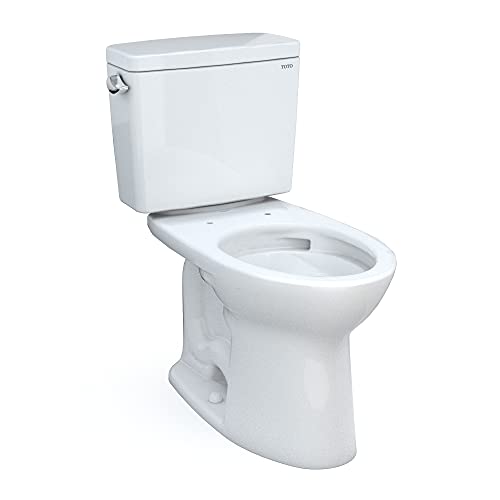
Classic two-piece toilets with tall tanks and elegant, understated proportions, the quiet country-house look that suits a traditional English bathroom without tipping…
Read the guide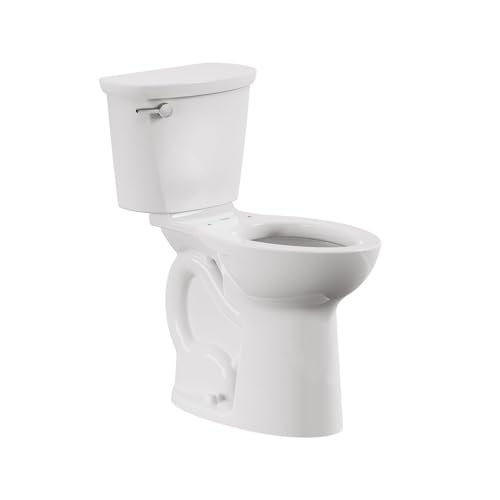
Clean-lined skirted and one-piece toilets with simple geometry and low profiles that suit a broad East Asian-influenced bathroom, backed by real verified…
Read the guide