
TOTO Drake Two-Piece Toilet vs Kohler Highline Two-Piece Toilet: Which Should You Buy?
Comparisons4.6
We compared the TOTO Drake and Kohler Highline two-piece toilets: both hit MaP 1000 at 1.28 GPF. See flush systems, verified specs…
Read the guideWe compare flushing power, water efficiency, clog resistance, and real-world reliability to help you choose the right toilet for your home.
Single flush toilets offer simpler operation and stronger flush power, with models like the TOTO Drake II achieving a MaP score of 1,000 grams. Dual flush toilets save water by offering a reduced flush for liquid waste, but some models sacrifice flush strength on the low-volume setting. For most households, a high-efficiency single flush toilet is the most reliable choice.
The core difference is water usage per flush and user control. Dual flush toilets were designed to reduce water consumption by giving users the option to use less water when appropriate. In practice, the low-volume flush on many dual flush models is weaker, which can lead to double flushing or clogs. Single flush toilets, especially gravity-fed models with large trapways, deliver consistent flush power every time.
From a maintenance standpoint, dual flush toilets have more complex internal mechanisms that can fail over time. The rubber seals and valve assemblies on dual flush models are more prone to leaking or sticking. Single flush toilets use a simpler flapper or flush valve that is easier to repair and replace. If you prioritize reliability and flushing power, a single flush toilet is usually the better investment.
Dual flush toilets save water on paper, but the real-world water savings depend on user behavior. If users consistently press the full flush button, there is no water savings. Single flush toilets with 1.28 GPF are just as efficient as dual flush models when averaged over time, and they flush more reliably.
The MaP (Maximum Performance) test measures how many grams of waste a toilet can clear in a single flush. A score of 1,000 grams means the toilet can handle the heaviest loads. Most dual flush toilets on the low setting score around 600 to 800 grams, which is still adequate for liquid waste but may struggle with solid waste if the wrong button is pressed.
Flush type also matters. Gravity-fed single flush toilets with a 3-inch or 4-inch flush valve create a strong, fast water release that clears the bowl effectively. Pressure-assisted single flush toilets, like the Kohler Wellworth Pressure Lite, use compressed air to boost flush power even further. Dual flush toilets typically use gravity with a smaller flush valve opening on the low setting, which reduces flow rate and can lead to incomplete waste removal.
| Model | MaP Score | GPF | Flush Type | Trapway | Height | Best For | Check Price |
|---|---|---|---|---|---|---|---|
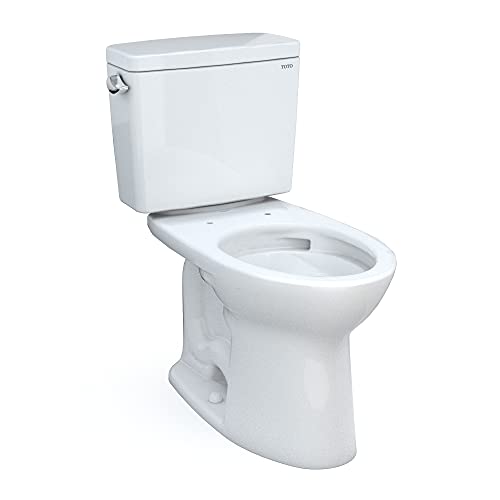
| TOTO Drake II | 1,000g | 1.28 | Single flush gravity | 2-1/8" | 16-1/8" | Best overall power | Check price |
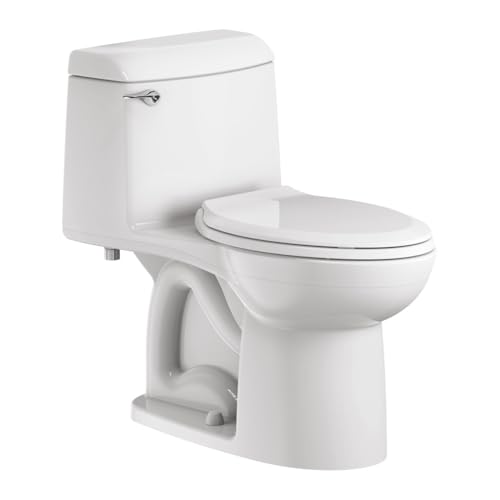
| American Standard Champion 4 | 1,000g | 1.28 | Single flush gravity | 2-3/8" | 16-1/2" | Clog resistance | Check price |
| Kohler Cimarron | 1,000g | 1.28 | Single flush gravity | 2" | 16-1/2" | Quiet operation | Check price |
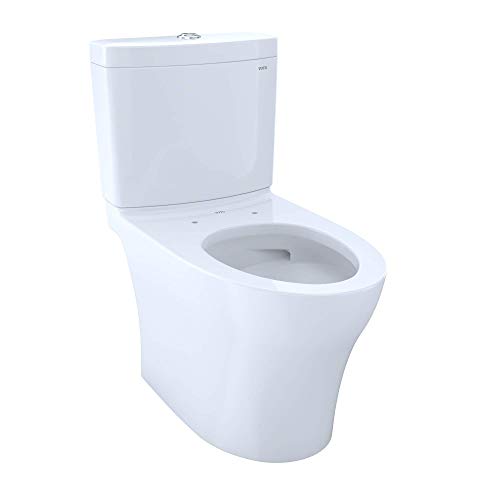
| TOTO Aquia IV | 800g | 1.0 / 1.28 | Dual flush gravity | 2" | 16-1/8" | Water savings | Check price |
| Woodbridge T-0001 | 800g | 0.8 / 1.28 | Dual flush gravity | 2" | 16-1/2" | Budget dual flush | Check price |
| Swiss Madison St. Tropez | 700g | 0.8 / 1.28 | Dual flush gravity | 1-7/8" | 16-1/2" | Compact design | Check price |
The EPA WaterSense program certifies toilets that use 1.28 GPF or less. A dual flush toilet that uses 0.8 GPF for liquid and 1.28 GPF for solid averages about 1.0 GPF across all flushes if the low button is used for 70 percent of flushes. A single flush 1.28 GPF toilet uses 1.28 GPF every time. The difference is about 0.28 gallons per flush, which adds up to roughly 2,000 gallons per year for a family of four.
However, if users press the full flush button more often, the savings disappear. Many homeowners report that family members or guests press the larger button out of habit, negating the water-saving benefit. Additionally, dual flush toilets often require double flushing on the low setting, which can actually increase total water usage. Single flush toilets with 1.28 GPF provide consistent water savings without the risk of user error.
For maximum water efficiency without compromising flush performance, choose a single flush toilet certified by WaterSense at 1.28 GPF. The TOTO Drake II and American Standard Champion 4 both meet this standard and flush better than most dual flush models on their full setting.
The most common repair issues with dual flush toilets include leaking flush valves, stuck buttons, and broken seals. These parts are often proprietary to the brand and model, making them harder to find at local hardware stores. Single flush toilets use universal parts like flappers, fill valves, and flush handles that are available at any home improvement store for under $10.
Labor costs for repairs are also higher because dual flush mechanisms are more time-consuming to disassemble and reassemble. If you are not comfortable with DIY plumbing repairs, a service call for a dual flush toilet can cost $100 to $200. Single flush toilets are simpler and faster to repair, which keeps service costs lower. For long-term reliability and lower maintenance costs, single flush toilets are the more economical choice.
Family homes see high traffic and a wide range of flush demands. Children, guests, and elderly family members all need a toilet that flushes reliably every time without confusion. Dual flush toilets can be confusing for young children who may not know which button to press, leading to incomplete flushes or wasted water. Single flush toilets eliminate this problem with a simple handle or button that does the same thing every time.
Clog resistance is also critical in a family home. Single flush toilets with large trapways, like the American Standard Champion 4 with a 2-3/8 inch trapway, pass waste more easily and require fewer plunger visits. Dual flush toilets often have narrower trapways to maintain siphonic action on the low flush, which increases the risk of clogs. For peace of mind and ease of use, a high-performance single flush toilet is the better family choice.
For single flush toilets, the TOTO Drake II uses the company's proprietary Tornado Flush system, which uses two nozzles to create a centrifugal rinsing action. This design cleans the bowl thoroughly and prevents waste from sticking. The American Standard Champion 4 is another top single flush option with a 2-3/8 inch trapway that resists clogs effectively.
For dual flush toilets, the TOTO Aquia IV is the most reliable option with a proven track record and a MaP score of 1,000 grams on the full flush. The Woodbridge T-0001 is a budget-friendly dual flush alternative that offers a similar design at a lower price point. However, both dual flush models require careful use of the low flush button to avoid clogs.
If you are set on a dual flush toilet, choose one with a full flush volume of at least 1.28 GPF and a MaP score of 800 grams or higher. Avoid models with a low flush volume below 0.8 GPF, as these often lack the water volume to clear the bowl effectively.
GPF stands for gallons per flush, which measures how much water the toilet uses per flush. Standard toilets use 1.6 GPF, while high-efficiency toilets use 1.28 GPF or less.
Yes, when combined with an efficient bowl and trapway design, 1.28 GPF is sufficient. Top models like the TOTO Drake II and American Standard Champion 4 handle 1,000 grams of waste with 1.28 GPF.
Yes, especially on the low-volume flush setting. The reduced water volume can struggle to push waste through the trapway, leading to more clogs compared to a single flush toilet.
Yes, dual flush conversion kits are available for about $20 to $40. However, performance may not match a factory-designed dual flush toilet, and the conversion can void the warranty.
Single flush gravity toilets are generally quieter than pressure-assisted models. Dual flush toilets are also quiet on the low setting but can be louder on the full flush.
Only if you consistently use the low-volume flush and live in an area with high water rates. For most households, a high-efficiency single flush toilet offers better value and performance.
The TOTO Aquia IV is the best dual flush toilet for reliability and performance. The Woodbridge T-0001 is a more affordable alternative with similar water savings.
Most dual flush toilets use two buttons, but some use a single handle that you push forward for liquid and backward for solid. The mechanism is the same regardless of the interface.
MaP stands for Maximum Performance, a standardized test that measures how many grams of waste a toilet can flush. A score of 1,000 grams is the highest possible rating.
With proper maintenance, dual flush toilets can last 10 to 15 years. However, the internal seals and valves may need replacement every 3 to 5 years due to wear.
Both types are available in compact sizes. The Swiss Madison St. Tropez dual flush toilet is a good choice for small spaces, but a single flush model like the TOTO Drake II is also available in a round bowl option.
Many plumbers prefer single flush toilets because they are simpler to repair and have fewer failure points. Dual flush toilets are more prone to leaks and button malfunctions.
Yes, but the savings are modest. A family of four might save $20 to $40 per year compared to a 1.6 GPF toilet. The savings are smaller when compared to a 1.28 GPF single flush toilet.
The TOTO Drake II and American Standard Champion 4 both have MaP scores of 1,000 grams, making them the most powerful single flush toilets available.
Single flush toilets are the better choice for most households. They offer stronger flushing power, simpler operation, lower maintenance costs, and consistent water efficiency. The TOTO Drake II is our top recommendation for its MaP score of 1,000 grams, 1.28 GPF water use, and reliable gravity flush design. Dual flush toilets can save additional water if used correctly, but the risk of clogs, user confusion, and higher repair costs make them a less practical choice for family homes. Choose a single flush toilet for peace of mind and performance.
We compared the TOTO Drake and Kohler Highline two-piece toilets: both hit MaP 1000 at 1.28 GPF. See flush systems, verified specs…
Read the guideHome / Comparisons / TOTO Drake vs TOTO Drake II TOTO Drake Two-Piece Toilet vs TOTO Drake II Two-Piece Toilet: Which Should…
Read the guideA data-driven look at resale impact, long-term availability, and which color choice makes more sense for your bathroom and your budget.
Read the guide