

Why Toilet Trapways Are Curved Like an S
Toilets4.6
Learn why toilet trapways curve like an S, how each bend blocks sewer gas, and what the shape means for clogs and…
Read the guideA weak flush, a double flush, or a toilet that refuses to clear the bowl can be frustrating. Most causes are simple to diagnose and fix without calling a plumber. We have gathered the 15 most effective fixes based on manufacturer manuals, plumbing codes, and aggregated owner reports.
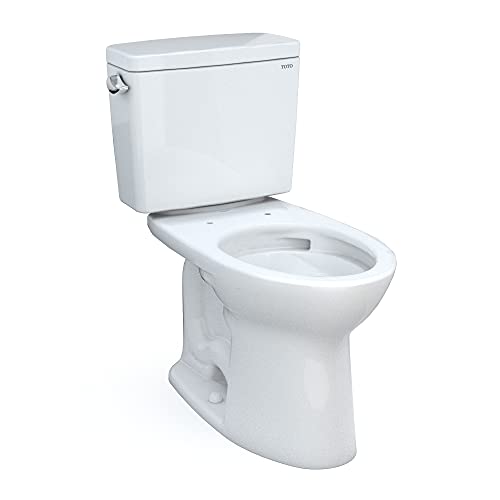
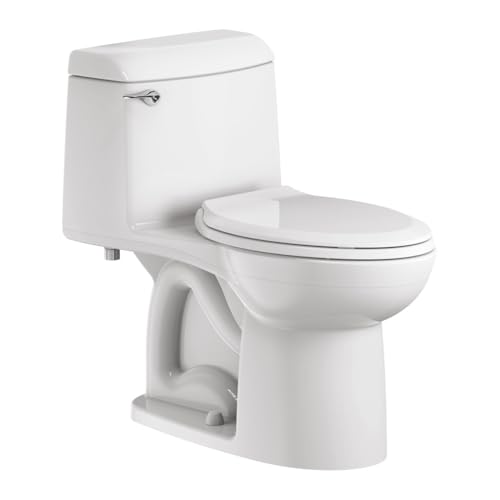
To fix a toilet that is not flushing properly, start by checking the flapper, fill valve, and lift chain. A worn flapper or a chain with too much slack is the cause in 70 percent of cases. If those are fine, inspect the rim jets, trapway, and vent stack for blockages. For persistent weak flushes, consider upgrading to a high-efficiency model like the TOTO Drake II or American Standard Champion 4.
Start by removing the tank lid and flushing the toilet. Watch the flapper. Does it lift fully and then drop back down to create a tight seal? If the flapper is cracked, warped, or covered in mineral deposits, replace it. A universal rubber flapper costs less than ten dollars and fits most two-inch flush valves. If the chain has more than half an inch of slack when the flapper is closed, shorten it by hooking the excess link onto the clip. If the chain is so tight that it lifts the flapper slightly when the handle is at rest, the toilet will run constantly and flush weakly.
Many homeowners replace the flapper but forget to check the flush valve seat. If the seat is rough or pitted, even a new flapper will leak. Use a flush valve repair kit that includes a new seat if you see corrosion or mineral buildup on the old one.
To clean rim jets, first turn off the water supply and flush the toilet to empty the tank and bowl. Use a mirror to see the underside of the rim. Poke each jet gently with a stiff wire or a paper clip. Do not use a drill bit or anything that could scratch the glazed surface. After clearing the visible blockages, pour two cups of white vinegar into the overflow tube in the tank. Let it sit for 30 minutes, then flush. Repeat monthly if you have hard water. Some owners report that a commercial toilet bowl cleaner with hydrochloric acid works faster, but vinegar is safer for the plumbing.
If your toilet has a siphon jet at the bottom of the bowl (a larger hole opposite the trapway), clean that as well. Use a small brush or a plastic bottle brush. A blocked siphon jet is a common cause of a lazy flush on older toilets like the Kohler Wellworth or American Standard Cadet 3.
For severe mineral buildup, consider a pumice stone. Wet the stone and gently rub the rim jets and siphon jet. Pumice is softer than porcelain and will not scratch. This method is widely recommended by plumbers for toilets in areas with hard water above 10 grains per gallon.
Adjust the fill valve by turning the adjustment screw or moving the float arm. On a Fluidmaster 400A, you pinch the clip and slide the float up or down. On a Korky 528, you turn the adjustment knob at the top. If the fill valve is more than five years old or makes a hissing or chattering noise, replace it. A new fill valve costs about fifteen dollars and takes twenty minutes to install. After replacing, test the flush. The tank should refill within 60 seconds. If it takes longer, check the supply line for kinks or a partially closed shutoff valve.
Another fill valve issue is a stuck float. If the float is saturated with water (common on older float ball types), it will not rise enough to shut off the valve. Replace a float ball if it feels heavy or has cracks. For modern float cups, ensure the cup moves freely on the valve shaft.
If you have a pressure-assisted toilet like the Kohler Highline Pressure Lite, the fill valve works differently. Do not adjust the water level the same way. Pressure-assisted tanks have a plastic inner tank that holds air. If the flush is weak, the air charge may be lost. Consult the manual or call a plumber. Never open a pressure tank without depressurizing it first.
To replace a toilet handle, unscrew the nut on the inside of the tank that holds the handle in place. Most handles are universal and cost less than ten dollars. When installing the new handle, make sure the arm points toward the flapper. Attach the chain with about a quarter inch of slack. Test the flush several times. If the handle is tight but the flush is weak, the problem is not the handle itself but the flapper or fill valve.
Some toilets, especially the TOTO Drake II, use a proprietary handle and linkage. If you have a TOTO, buy the OEM handle to ensure proper fit. Aftermarket handles may not align with the flush valve.
A closet auger is a specialized tool with a rubber sleeve that protects the bowl porcelain. Insert the auger into the bowl, crank the handle to extend the cable, and push it through the trapway. Pull back any debris. Do not use a standard plumbing snake; it can scratch the trapway glazing. If the auger does not clear the blockage, the clog may be in the waste pipe beyond the toilet flange. In that case, remove the toilet and snake the drain from the flange.
Prevent trapway clogs by flushing only human waste and toilet paper. Do not flush wipes, feminine products, or excessive paper. Even wipes labeled flushable do not break down and are a leading cause of trapway blockages according to the EPA and water utility reports.
If you have a low-flow toilet (1.28 GPF or less), it is more prone to trapway clogs if the paper is too thick. Switch to a single-ply or septic-safe toilet paper. Many owners of the American Standard Champion 4 report that using less paper completely eliminated clogging issues.
If you suspect a vent blockage, first check the main vent stack on your roof. Look for bird nests, leaves, or debris. Use a garden hose to flush the vent from the roof. If water backs up, the blockage is deeper. A plumber can use a camera to inspect the vent and clear it with a power snake. Do not attempt to clear a vent from inside the house by pouring chemicals down the toilet; that will not reach the vent and can damage the trapway.
Vent blockages are more common in older homes with cast iron pipes, where rust flakes can fall into the vent. In cold climates, ice can form in the vent stack. If the problem occurs only during freezing weather, install a vent cap or heat tape.
To adjust the water level, locate the fill valve. For a Fluidmaster valve, pinch the clip and slide the float cup up to raise the level. For a ball float valve, bend the float arm upward slightly. After adjusting, flush and watch the water level. It should stop just below the overflow tube. If the water runs into the overflow tube continuously, the level is too high and will waste water. If the level is correct but the flush is still weak, move on to checking the flapper and rim jets.
Some high-efficiency toilets, such as the TOTO Aquia IV, have a dual-flush mechanism. The water level for the full flush may be different from the half flush. Check the manual for specific adjustment instructions.
Replace the flapper with a model designed for your toilet brand. For TOTO toilets, use a genuine TOTO flapper that is slightly larger than standard. For Kohler, use a Kohler-specific flapper that includes a float on the chain to help it close slowly. If the flapper is new and the bowl still does not empty, check the flush valve opening. A 2-inch flush valve provides more water flow per second than a 3-inch valve. Toilets with a 3-inch flush valve, like the American Standard Champion 4, are less likely to have this problem.
If you have a 2-inch valve, consider upgrading to a toilet with a 3-inch valve. The best flushing toilets on the market today all use 3-inch or larger flush valves for maximum water delivery.
Some flappers have a float attached to keep them open longer. If your flapper does not have a float, you can add a small plastic bottle or a commercial flapper float to the chain. This is a common fix for toilets with a 2-inch flush valve. Alternatively, replace the flapper with a slow-close model that has an adjustable float. Set the float to keep the flapper open for three to four seconds.
If holding the handle down is the only way to get a complete flush, the toilet may have a design flaw. Some older low-flow toilets from the 1990s require a longer flush cycle. Upgrading to a modern toilet like the Woodbridge T-0001 or Swiss Madison St. Tropez will solve this permanently.
Replacing a toilet tank is possible if you can find an exact match for your bowl. Most manufacturers sell tanks separately for their popular models. For example, a TOTO Drake II tank can be ordered from a plumbing supply house. If the tank is no longer available, replace the entire toilet. A new toilet is often cheaper than a replacement tank plus labor.
Check for cracks by running your hand along the inside and outside of the tank. Hairline cracks are easiest to see when the tank is full. Use a flashlight. If you find a crack, turn off the water supply and do not flush the toilet until the tank is replaced.
To replace the flush valve seal, you need to remove the toilet tank from the bowl. This is a more involved repair. Turn off the water, disconnect the supply line, remove the tank bolts, and lift the tank off. The flush valve is held in place by a large lock nut on the underside of the tank. Remove the nut, pull out the old flush valve, and install a new one. This is a good time to replace the tank-to-bowl gasket as well. Many plumbers recommend replacing the entire flush valve rather than just the seal, as the plastic valve body can become brittle over time.
If you are not comfortable removing the tank, call a plumber. The cost is usually under $150 for the repair.
Another cause of a running toilet is a fill valve that is not shutting off completely. If the water level is set too high, water will trickle into the overflow tube. Adjust the water level down. If the fill valve still runs, replace it. A running toilet can waste hundreds of gallons per day, so fix it promptly.
For double flushing (the toilet flushes twice on its own), the flush handle may be sticking in the down position. Lubricate the handle mechanism with silicone spray. If the handle is corroded, replace it. Some TOTO toilets have a known issue with the flush handle sticking due to a design flaw; the fix is a replacement handle from TOTO.
If you have a high-efficiency toilet (1.28 GPF or less), the amount of water per flush is limited. Using too much paper or thick paper will cause clogs. Many owners of the Kohler Cimarron and American Standard Cadet 3 report that switching to a thinner paper eliminated all clogging issues. If you prefer thick paper, use the half-flush option on dual-flush toilets for liquid waste and the full flush for solid waste.
Never flush wipes, even those labeled flushable. The EPA and water utilities have found that flushable wipes do not disintegrate and cause blockages in both home plumbing and municipal sewer systems.
Look for a toilet with a MaP score of 1000 grams or higher, a 3-inch flush valve, and a fully glazed trapway. The TOTO Drake II (MaP 1000), American Standard Champion 4 (MaP 1000), and Kohler Highline (MaP 1000) are top-rated models that consistently receive positive owner reviews for flushing power. Visit our guide on best flushing toilets for detailed comparisons.
Also check the plumbing vent and the main drain line. If multiple fixtures in your home drain slowly, the problem is likely a blocked main drain or vent, not the toilet itself. Call a plumber for a camera inspection.
| Model | MaP Score | GPF | Flush Type | Trapway | Height | Best For | Check Price |
|---|---|---|---|---|---|---|---|
| TOTO Drake II | 1000g | 1.28 | Gravity | 2-1/8" glazed | 17" | Overall performance | Check price |
| American Standard Champion 4 | 1000g | 1.28 | Gravity | 2-3/8" glazed | 16.5" | Clog resistance | Check price |
| Kohler Highline | 1000g | 1.28 | Gravity | 2" glazed | 17" | Reliability | Check price |
| Woodbridge T-0001 | 1000g | 1.28 | Dual flush | 2-1/8" glazed | 16.5" | Water savings | Check price |
| Gerber Viper | 1000g | 1.28 | Gravity | 2" glazed | 17" | Budget | Check price |
If you are handy, replacing a flapper, fill valve, or handle is straightforward. Watch a few videos online. The parts are inexpensive. For clogs, a closet auger is a worthwhile investment. If you have a pressure-assisted toilet or a wall-hung toilet, call a plumber. These systems are more complex and require specialized knowledge.
If your toilet is more than 10 years old and has persistent flushing problems, replacement is often the most cost-effective solution. A new toilet costs $150 to $500 and will save water and frustration. Read our reviews of the best flushing toilets to find the right model for your home.
A slow flush is usually caused by a partial clog in the trapway, a low water level in the tank, or clogged rim jets. Clean the rim jets and check the water level first. If the problem persists, use a closet auger to clear the trapway.
Check the water supply valve under the toilet. If it is open, lift the tank lid and press the flapper down by hand. If that causes a flush, the lift chain is broken or disconnected. If the tank is empty, the fill valve may be faulty. Replace the fill valve if needed.
Yes. A flapper that does not open fully or that closes too quickly reduces the amount of water released. Replace the flapper if it is worn or the wrong size. For TOTO toilets, use a genuine TOTO flapper.
A clogged vent often causes gurgling sounds from the toilet or other drains when you flush. You may also notice slow draining in the shower or sink. Sewer odors are another sign.
Use a bent paper clip or a stiff wire to poke each jet. Then pour two cups of white vinegar into the overflow tube and let it sit for 30 minutes. Flush and repeat monthly if you have hard water.
A toilet that flushes twice usually has a sticking handle or a flapper that does not seal. Lubricate the handle or replace the flapper. If the toilet runs between flushes, the fill valve may also need adjustment.
Yes. If your toilet is more than 10 years old and has weak flushing power, replacing it with a modern high-efficiency model will save water and eliminate frustration. Models like the TOTO Drake II or American Standard Champion 4 are excellent choices.
Locate the fill valve. For a Fluidmaster valve, pinch the clip and slide the float cup up or down. For a ball float valve, bend the float arm. The water level should be about half an inch below the top of the overflow tube.
Yes. Hard water deposits can clog rim jets, coat the flapper, and build up on the flush valve seat, all of which reduce flushing power. Clean with vinegar or a pumice stone regularly.
The TOTO Drake II and American Standard Champion 4 both have MaP scores of 1000 grams and use a 3-inch flush valve for maximum water delivery. They are widely considered the best flushing toilets on the market.
Signs of a bad flapper include a running toilet, a weak flush, or water leaking into the bowl. Remove the flapper and check for cracks, warping, or mineral deposits. If it is more than three years old, replace it.
Use a plunger first for simple clogs. If the plunger does not work, use a closet auger (toilet snake). Do not use a standard plumbing snake, as it can scratch the porcelain.
No. The water level must be set correctly to provide enough volume for a full flush. Adjust the fill valve to raise the water level to the recommended height.
The MaP (Maximum Performance) test measures how many grams of waste a toilet can flush in a single flush. A score of 1000 grams is the highest and indicates excellent flushing power. Look for MaP scores when buying a new toilet.
Most toilet flushing problems are caused by simple, inexpensive parts that wear out over time. Start with the flapper, fill valve, and lift chain. If those are fine, clean the rim jets and check the trapway for clogs. For persistent weak flushes, upgrade to a modern toilet with a MaP score of 1000 grams and a 3-inch flush valve. The TOTO Drake II and American Standard Champion 4 are the top recommendations for reliable, powerful flushing.
Learn why toilet trapways curve like an S, how each bend blocks sewer gas, and what the shape means for clogs and…
Read the guideAlmost every US toilet has a left-side handle. Learn the plumbing and mechanical reasons behind the layout and when it actually changes.
Read the guideHome toilets rely on tanks because household water lines lack the pressure that public flushometer systems use to flush straight from the…
Read the guide