A toilet that runs after every flush, hisses through the night, or refills on its own is one of the most common and most wasteful problems in any bathroom. The cause is almost always a worn flapper, a misadjusted float, or a stuck fill valve, and nearly every version of it is a tool-free repair that takes a few dollars and under thirty minutes. This guide walks through the diagnosis and the fix in the order a plumber would check them, using the spec-driven research approach we apply across the site rather than guesswork.
Quick Answer
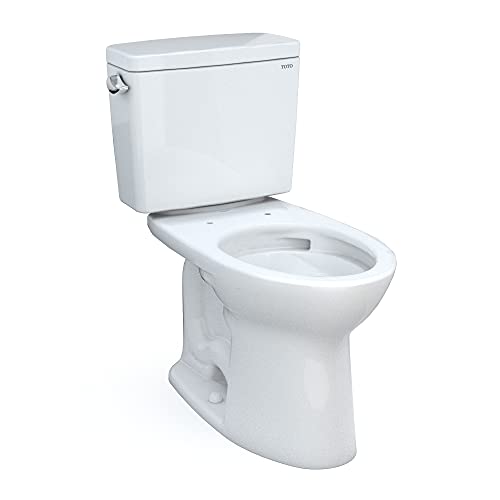
To fix a running toilet, first check the flapper, since a worn flapper that no longer seals is the cause about 80 percent of the time. Replace it, then confirm the chain has a little slack and the tank water sits one inch below the overflow tube. If the toilet itself is old and unreliable, the TOTO Drake ships with a long-life rubber flapper and a simple, parts-friendly valve system.
A running toilet is a leak you can hear. Somewhere between the tank and the bowl, water is escaping past a seal that should be holding it, and the fill valve keeps topping the tank back up to replace it. That constant cycle can waste hundreds of gallons a day in the worst cases, which is why the EPA singles out running toilets as one of the biggest sources of household water loss. The encouraging part is that the system inside a toilet tank is simple, every part is cheap, and you almost never need a plumber to stop the running.
This guide follows the way we research everything on this site. Rather than tearing toilets apart in a lab, we compare how they are engineered, the published specs and certifications that predict reliability, and the repair patterns that show up consistently across aggregated owner reviews and plumbing resources. We start with the free adjustments, move to the cheap part swaps that solve the large majority of cases, and finish with the upgrade path for when the toilet itself has simply worn out. If you want the wider context on flush mechanics, our guide to the best flushing toilets covers the engineering behind a strong, leak-free tank.
Start here. Take the tank lid off and watch a full cycle. Flush, let the tank refill, then stop and listen. If water keeps trickling into the bowl, or the fill valve clicks on every few minutes without anyone flushing, you have a running toilet. Notice where the water is going: down into the bowl past the flapper, or up and over the top of the overflow tube. That single observation splits the problem into the two main families and points you straight to the right fix below.
What causes a toilet to keep running?
A toilet keeps running for one of three reasons: a worn or misaligned flapper that lets tank water leak into the bowl, a float set too high so water spills endlessly into the overflow tube, or a fill valve that fails to shut off after the tank refills. A bad flapper is the most common cause by a wide margin, accounting for roughly four in five running toilets.
Understanding those three causes tells you exactly where to look. The flapper is the rubber seal at the bottom of the tank that lifts when you flush and is supposed to drop and seal once the tank empties. When it warps, stiffens, or sits crooked, it leaks, the bowl level slowly drops, and the fill valve cycles on to replace the loss. The float controls how high the tank fills; set too high, the water rises above the overflow tube and drains away continuously, so the valve never shuts off. The fill valve itself is the part that senses the tank level and stops the water; when its internal seal wears, it can dribble forever. Every one of these is a visible, testable part inside the tank, and every one is inexpensive to replace.
How do you diagnose a running toilet?
Diagnose a running toilet by removing the tank lid and watching where the water goes. If water is trickling into the bowl, the flapper is leaking. If water is flowing over the top of the overflow tube, the float is set too high or the fill valve will not shut off. A dye test confirms a silent flapper leak: add food coloring to the tank and check the bowl twenty minutes later.
The dye test is the single most useful diagnostic for a toilet that runs intermittently or seems to run silently. Drop ten to fifteen drops of food coloring or a dye tablet into the tank, do not flush, and wait fifteen to twenty minutes. If colored water appears in the bowl, water is leaking past the flapper and you have confirmed a flapper or flush-valve-seat problem. If the bowl stays clear but you still hear the valve cycling, the leak is going up and over the overflow tube instead, which points to the float or the fill valve. This two-minute test saves you from replacing the wrong part, and it is the first thing a plumber does before opening any toolbox.
Tip. Mark the tank water line with a pencil after the fill valve shuts off, then turn off the supply valve at the wall and wait thirty minutes. If the water line drops, you have a flapper leak draining the tank into the bowl. If it holds steady, the running is caused by the float or fill valve overfilling, not by a leak down into the bowl. This isolates the two families faster than anything else.
The step by step fix for a running toilet
These steps are ordered from the most common cause to the least, which is also roughly the order from free to cheap part swap. Most running toilets are silenced by the time you finish step three. Work through them in sequence and stop as soon as the running stops.
Step 1: Check and adjust the flapper chain
Before replacing anything, rule out a chain problem, because it is free and surprisingly common. The chain connects the flush handle to the flapper. If it is too short or tangled, it holds the flapper slightly open so water leaks past it continuously. If it is too long, a link can slip under the flapper and prop it open. Lift the lid, flush, and watch the flapper seat. It should drop flat and sit fully closed once the tank empties.
Adjust the chain so there is about a half inch of slack when the flapper is closed, just enough that the handle lifts the flapper fully without holding it open. Clip off excess links or rehook the chain at a different point on the lever arm. Make sure no part of the chain falls under the flapper edge. If a clean, well-adjusted chain still does not stop the running, the flapper itself is the problem, which is step two.
Step 2: Replace a worn or warped flapper
This is the fix that solves the large majority of running toilets, so if the chain looks fine, go straight here. The flapper is a rubber or silicone seal, and rubber does not last forever. Over a few years it absorbs minerals, warps, stiffens, or develops a chalky, slimy surface that no longer presses flat against the flush valve seat. Even a tiny gap lets a steady trickle into the bowl, which is enough to keep the fill valve cycling around the clock.
Turn off the supply valve at the wall, flush to empty the tank, and unhook the old flapper from the overflow tube pegs and the chain. Take it to the store to match the size and shape, since flappers come in 2-inch and 3-inch versions and several styles. Universal adjustable flappers fit most toilets. Snap the new one onto the pegs, reconnect the chain with a half inch of slack, turn the water back on, and run the dye test again to confirm the leak is gone. The whole job takes a few minutes and needs no tools. While you are at the seat, wipe the flush valve seat clean with a cloth, since grit or mineral scale on the seat can keep even a new flapper from sealing.
Avoid this mistake. Do not assume a new flapper alone fixes everything if the running started right after a previous repair. A flapper that leaks immediately after replacement usually means the flush valve seat is pitted or scaled, or the flapper size does not match the seat. Run a finger around the seat to feel for roughness. For that specific situation, our guide on a toilet that runs after a flapper replacement covers the seat and sizing checks in detail.
Step 3: Adjust the float to the correct water level
If the dye test came back clear but water is flowing over the top of the overflow tube, the tank is overfilling. The float tells the fill valve when to shut off, and when it sits too high the water keeps rising until it spills into the overflow tube and drains into the bowl forever. The fill valve never senses a full tank because the excess is always escaping, so it never shuts off and the toilet runs continuously.
The water should sit roughly one inch below the top of the overflow tube. On a modern column-style fill valve, pinch the spring clip on the side and slide the float cup down, or turn the adjustment screw on top counterclockwise, to lower the shutoff level. On an older ballcock with a float ball on a metal arm, gently bend the arm downward. Adjust in small steps, flush, let the tank refill, and recheck the level. Once the water settles about an inch below the overflow tube and the fill valve clicks off cleanly, the running stops.
Step 4: Clean or replace the fill valve
If the float is set correctly and the flapper is sealing, but the fill valve still hisses or cycles on its own, the valve itself is failing. The fill valve has an internal seal that closes when the tank reaches level. Sediment from the supply line or a worn seal can keep it from closing completely, so it dribbles water in slowly and never fully shuts off, which you hear as a faint, constant hiss.
First try cleaning it. Turn off the supply, remove the valve cap, and flush a cup of water from the supply line through the valve to clear sediment, then reseat the cap. If the hiss persists, replace the fill valve, which is an inexpensive universal part. Turn off the supply, flush and sponge out the tank, unscrew the lock nut under the tank, lift the old valve out, and install the new one set to the proper height. A fresh fill valve also refills the tank faster and quieter. For a deeper walkthrough, our toilet fill valve guide covers selection and installation.
Step 5: Inspect the overflow tube and flush valve
In a smaller number of cases the running traces to the overflow tube or flush valve assembly itself. A cracked overflow tube lets water drain straight into the bowl below the rim of the tube, which mimics a flapper leak but cannot be cured by any flapper. A flush valve whose seat is cracked, pitted, or coated in hard mineral scale will not seal against even a brand-new flapper. Inspect the tube for hairline cracks and run a finger around the valve seat to feel for roughness or buildup.
Light scale on the seat can be cleaned off with white vinegar and a non-scratch pad. A cracked overflow tube or a badly pitted seat means replacing the whole flush valve, which is a larger job that involves removing the tank from the bowl to reach the nut underneath. At that point, weigh the cost and effort against the age of the toilet, because a worn-out flush valve on an old low-performance toilet is often the moment a replacement makes more sense than another repair.
Step 6: Check the float for water or damage
A waterlogged or cracked float will not rise high enough to shut off the fill valve, so the valve keeps running. This is more common on older ballcock systems with a hollow plastic or metal float ball, but it can affect any float that has cracked and taken on water. Unscrew the float ball and shake it; if you hear water inside, it has failed and needs replacing. On column-style valves the float cup itself rarely fails, but a binding or stuck cup that does not slide freely up the shaft produces the same symptom, so check that it travels smoothly.
Editorial Take
The single highest-return move on this list is replacing the flapper, and it is the fix people delay because the toilet still flushes and the leak is easy to ignore. We see running-toilet complaints over and over where the owner has lived with a hissing tank for months, replacing nothing, while the water meter quietly spins. A flapper is one of the cheapest parts in your home and the swap is tool-free. If your toilet is more than five years old and starts running, replace the flapper first before touching anything else; it resolves the problem about four times out of five and costs almost nothing.
A quick fix-it order to follow
Working in the right order saves time and avoids replacing parts you did not need. Here is the sequence that resolves the large majority of running toilets, from free to part replacement. The flapper step is marked as the most likely fix.
Step
Fix
Best For
Cost
1
Adjust the flapper chain to a half inch of slack
Flapper held slightly open
Free
2
Replace the worn or warped flapper
Water trickling into the bowl
Low cost part
3
Lower the float to one inch below the overflow
Water spilling over the overflow tube
Free
4
Clean or replace the fill valve
Constant hiss, valve never shuts off
Free to low
5
Inspect overflow tube and flush valve seat
New flapper still leaks
Free to moderate
6
Replace a waterlogged or stuck float
Older ballcock systems
Low cost part
If the running persists after step five and the toilet is an older model that has needed repeated tank repairs, replacement is the lasting answer. A related symptom is a tank that empties on its own and triggers a phantom refill; our guide on a toilet that keeps running covers ghost flushing, and if your weak flush is tied up with the same worn parts, see how to improve toilet flush power.
Which toilet parts wear out first?
The flapper is the first toilet part to wear out, typically lasting three to five years before the rubber stiffens and stops sealing. The fill valve is next, often lasting five to seven years. The flush valve, overflow tube, and the bowl itself usually outlast the rest of the toilet, which is why a running toilet is almost always a cheap parts fix rather than a replacement.
Knowing the wear order helps you decide whether to repair or replace. Because the flapper and fill valve are the consumable parts, a toilet that runs is usually telling you a five-dollar seal has reached the end of its life, not that the toilet is finished. A single toilet repair kit that bundles a fresh flapper, fill valve, and gaskets refreshes the entire tank for a small cost and a few minutes of work. The bowl and trapway, which determine flush strength, are essentially permanent. That is why the running itself is rarely a reason to buy a new toilet; the only time replacement wins is when the flush valve body or the bowl performance has also failed.
When should you replace a running toilet instead of fixing it?
Replace a running toilet instead of repairing it when the flush valve body or overflow tube is cracked, when you have already rebuilt the tank parts and it still leaks, or when the toilet is an old low-efficiency model wasting water on every flush. In most other cases, a new flapper or fill valve fixes the running for a few dollars and the toilet is worth keeping.
The repair-versus-replace line comes down to where the failure is. Soft consumable parts, the flapper, fill valve, and chain, are always worth replacing because they are cheap and easy. A cracked flush valve or overflow tube is a harder, tank-off repair, and if your toilet is also an older 3.5 GPF or first-generation 1.6 GPF model with a weak flush, that is the moment to upgrade to a modern WaterSense toilet. A new high-MaP toilet uses less water, flushes harder, and starts its life with fresh, reliable tank parts. For a structured comparison before you decide, see our guide on why your toilet keeps clogging and how to fix it, which often shares the same root causes as a tired tank.
Top recommendations if you decide to replace
If repeated repairs point to a worn-out toilet, these three models pair reliable, easy-to-service tank hardware with high independent MaP scores and efficient water use, which makes them safe upgrades. Each one suits a different priority, and all three carry EPA WaterSense certification.
Most Reliable
TOTO Drake
Long-life flapper and parts-friendly tank
4.7
A 1,000 gram MaP score, a 3-inch flush valve, and a durable rubber flapper with widely available replacement parts make the Drake a low-maintenance two-piece that rarely starts running at 1.28 GPF.
Kohler's canister flush valve seals across a wide surface instead of a single flapper edge, which resists the slow leaks that make older toilets run, paired with a strong Class Five flush at 1.28 GPF.
The Cadet 3 uses a wide, easy-seating flapper and a reliable fill valve, giving a dependable, quiet tank at an accessible price, with a solid flush and a 1.28 GPF WaterSense rating.
A running toilet can waste anywhere from a few gallons to over 200 gallons of water per day, depending on the size of the leak. The EPA estimates that a single silently leaking toilet can waste thousands of gallons a year, which is why fixing the running quickly pays for the cheap flapper many times over on your water bill.
The waste is invisible because it goes straight down the drain, so many running toilets go unrepaired for months. A small flapper leak that you can barely hear still adds up, and a toilet that fully cycles on its own every few minutes can rival the daily use of the household it serves. Because the fix is usually a flapper costing a few dollars, the return on a quick repair is enormous. If you are unsure whether yours is leaking, the dye test in the diagnosis section catches even a silent leak in twenty minutes. For broader water-saving context, our guide on how to reduce toilet water use covers efficient flushing and leak prevention together.
Editorial Take
Our honest advice on the repair-versus-replace question is to keep the toilet and rebuild the tank if the bowl flushes well, and to upgrade only if the toilet is also an old, weak flusher. A modern toilet repair kit refreshes every consumable seal at once, so you are not back at the hardware store in six months for the next worn part. But if you have already replaced the flapper and fill valve on a pre-2000 low-flow toilet and it still runs or flushes poorly, stop spending on a fundamentally tired fixture. A high-MaP 1.28 GPF replacement like the TOTO Drake or Kohler Cimarron ends the running, flushes harder, and lowers your water bill at the same time.
Putting it all together
Fixing a running toilet is a process of elimination, and the order matters. Take off the lid and watch where the water goes, run a dye test to confirm a flapper leak, then work the fixes in sequence: adjust the chain, replace the flapper, lower the float to an inch below the overflow tube, clean or replace the fill valve, inspect the overflow tube and flush valve seat, and check the float for water. Those steps silence the large majority of running toilets for free or a few dollars. If a cracked flush valve or a worn-out old toilet is the real culprit, a modern high-MaP toilet from TOTO, Kohler, American Standard, Woodbridge, Swiss Madison, or Gerber is the lasting fix.
The most common reason is a worn flapper that no longer seals against the flush valve, so tank water leaks into the bowl and the fill valve cycles on to replace it. Less often the float is set too high, sending water over the overflow tube, or the fill valve itself will not shut off. Watch where the water goes with the lid off, since that single observation identifies which of the three is the cause.
? How do I stop my toilet from running without a plumber?
Most running toilets are a tool-free home fix. Adjust the flapper chain to a half inch of slack, replace the flapper if it is stiff or warped, and lower the float so the tank fills to one inch below the overflow tube. If a hiss continues, clean or replace the fill valve. These steps resolve the large majority of cases for a few dollars.
? What is the most common cause of a running toilet?
A worn flapper is the most common cause by a wide margin, behind roughly four in five running toilets. Rubber flappers stiffen, warp, and develop a chalky surface over three to five years, and even a tiny gap lets a steady trickle into the bowl. Replacing the flapper is the cheapest, fastest repair and the right first move.
? How do I run a dye test for a leaking toilet?
Add ten to fifteen drops of food coloring or a dye tablet to the tank water and do not flush. Wait fifteen to twenty minutes, then check the bowl. If colored water has appeared in the bowl, the flapper is leaking and needs replacing. If the bowl stays clear, the running is caused by the float or fill valve overfilling the tank instead.
? What should the water level be in a toilet tank?
The water should sit roughly one inch below the top of the overflow tube, the open vertical pipe in the center of the tank. Most tanks also have a molded fill line on the inside back wall. If the water rises to the top of the overflow tube and spills over, the float is set too high and the toilet will run continuously until you lower it.
? How do I adjust the float on a toilet?
On a modern column-style fill valve, pinch the spring clip on the side and slide the float cup down, or turn the top adjustment screw counterclockwise, to lower the shutoff level. On an older ballcock with a float ball on a metal arm, gently bend the arm downward. Adjust in small steps, flush, and recheck until the water settles an inch below the overflow tube.
? Why does my toilet run for a few seconds then stop?
Short, intermittent running, sometimes called ghost flushing or phantom flushing, is a slow flapper leak. Water trickles past the flapper just fast enough that every so often the level drops enough to trigger a brief refill. Replace the flapper and clean the flush valve seat. A dye test confirms the slow leak before you start.
? Can a running toilet fix itself?
Occasionally a flapper that is merely stuck on debris or a tangled chain frees itself and the running stops, but a flapper that has worn out or a fill valve that is failing will not recover on its own. If the running comes and goes, it is a slow leak that will get worse, not better. Address it promptly to stop the water waste.
? How much does it cost to fix a running toilet?
If you do it yourself, a replacement flapper or fill valve is an inexpensive universal part, and a full toilet repair kit that refreshes both is still a low cost. The repair needs no special tools. Calling a plumber costs much more, which is why a running toilet is one of the best DIY repairs to learn given how often a flapper is the answer.
? Why does my toilet still run after I replaced the flapper?
A new flapper that still leaks usually means the flush valve seat is pitted, cracked, or coated in mineral scale, so the flapper cannot seal flat against it. It can also mean the flapper size does not match the seat. Run a finger around the seat to feel for roughness and clean off any scale with white vinegar, and confirm you bought the correct 2-inch or 3-inch flapper.
? How much water does a running toilet waste?
It ranges from a few gallons to over 200 gallons per day depending on the leak size, and the EPA estimates a silently leaking toilet can waste thousands of gallons a year. Because the fix is usually a flapper costing a few dollars, repairing the running quickly pays for itself many times over on your water bill.
? What is the hissing sound from my toilet tank?
A constant hiss is the fill valve letting water in slowly without fully shutting off, usually because its internal seal is worn or sediment is holding it open. Try cleaning the valve by flushing water from the supply line through it, and if the hiss continues, replace the fill valve, which is an inexpensive universal part that also refills the tank faster.
? Can a high water level cause a toilet to run?
Yes. If the float is set too high, the tank fills until water spills over the top of the overflow tube and drains into the bowl, so the fill valve never senses a full tank and never shuts off. Lower the float so the water stops an inch below the overflow tube, and the running stops.
? Should I turn off the water to a running toilet?
If you cannot fix it right away, turn off the supply valve at the wall behind the toilet by turning it clockwise. This stops the water waste until you can replace the part. Turn it back on to flush, then off again. It is a reasonable stopgap, but plan to replace the flapper or fill valve promptly rather than living with the valve shut.
? How long does a toilet flapper last?
A flapper typically lasts three to five years before the rubber stiffens, warps, or develops a chalky surface that stops sealing. Hard water and in-tank chlorine cleaning tablets shorten its life by degrading the rubber faster. If your toilet starts running and the flapper is more than a few years old, replacing it first is almost always the right move.
? Do in-tank cleaning tablets cause a running toilet?
They can. Chlorine bleach tablets that sit in the tank degrade rubber flappers and seals faster, leading to early leaks and running. If you use them, expect to replace the flapper more often, or switch to bowl-only cleaners. Many manufacturers warn that in-tank tablets can void warranty coverage on tank parts for this reason.
? When should I replace the whole toilet instead of repairing it?
Replace the toilet when the flush valve body or overflow tube is cracked, when you have already rebuilt the tank parts and it still leaks, or when it is an old low-efficiency model that also flushes weakly. In those cases a modern WaterSense 1.28 GPF toilet from TOTO, Kohler, or American Standard ends the running, flushes harder, and lowers water use, which outweighs another repair.
? Which toilets are least likely to develop running problems?
Toilets with a canister flush valve, such as the Kohler Cimarron, seal across a wide surface rather than a single flapper edge, which resists the slow leaks that make older toilets run. TOTO and American Standard models with durable flappers and parts-friendly tanks also hold up well, and all carry replacement parts that are easy to source when a seal eventually wears.
Manufacturer published specifications (TOTO, Kohler, American Standard)
Our Verdict
Most running toilets are fixed for a few dollars in under thirty minutes. Watch where the water goes, run a dye test, then work the steps in order: adjust the chain, replace the flapper, lower the float to an inch below the overflow tube, clean or replace the fill valve, and inspect the flush valve seat. The flapper is the answer about four times out of five. If a cracked flush valve or a worn-out old toilet is the real cause, a high-MaP upgrade like the TOTO Drake at 1,000 grams and 1.28 GPF ends the running permanently while cutting water use. Confirm the rough-in matches yours and check the current price on Amazon before you order.
D
Researched by Derek Whitman
Derek researches plumbing specifications, installation requirements and parts availability, cross-checking manufacturer claims against owner-reported reliability. Rankings are based on documented data and real owner reports, never paid placement.
Updated August 2026 · Plumbing
Keep reading
Related guides
Best Toilet Flush Valve: How to Choose the Right One
Plumbing
4.6
Which is the best toilet flush valve? Compare 2-inch, 3-inch, adjustable, and canister flush valves by fit and flush power, plus how…