
Why Toilet Trapways Are Curved Like an S
Toilets4.6
Learn why toilet trapways curve like an S, how each bend blocks sewer gas, and what the shape means for clogs and…
Read the guideYou swapped the flapper, expecting silence, and the toilet keeps running anyway. That is one of the most common plumbing surprises in a home, and it almost always means the flapper was never the only problem. A running toilet is a sealing problem somewhere in the flush path: a flush valve seat the new flapper cannot seal against, a chain or float misadjusted during the swap, a fill valve overfilling past the overflow tube, or the wrong flapper size for the valve. This guide walks through every cause in order, from the five-minute checks to the parts worth replacing, so you can stop the run for good and stop wasting up to thousands of gallons a month.
If a toilet still runs after a new flapper, the flush valve seat is usually pitted or scaled so no flapper can seal, or the chain is too tight, the float is set too high, or the flapper is the wrong size. Clean and inspect the seat first, then adjust chain and water level. If the seat is damaged, the lasting fix is a full flush valve, and for chronic running, a canister-flush toilet like the Kohler Cimarron ends the problem.
Replacing the flapper is the standard first response to a running toilet, and most of the time it works. The flapper is the rubber or silicone seal at the bottom of the tank that lifts when you flush and drops back to hold water until the next flush. It wears out, warps and grows brittle with age and chlorine exposure, so swapping it is cheap, fast and fixes the majority of running toilets. When it does not, the lesson is not that you did the repair wrong. The lesson is that the flapper was a symptom, and the real leak lives somewhere else in the flush mechanism.
This guide is built on the same evidence-first principle we use across every ranking on the site. We do not install or bench-test toilets ourselves. Instead we compare published manufacturer specifications, independent MaP (Maximum Performance) flush-test gram scores, EPA WaterSense certification, flush-valve and seal designs, and the patterns across thousands of aggregated owner reviews to see which parts and which toilets actually stop running for good. Below you will find every reason a toilet keeps running after a flapper swap, ranked by how common it is, a clear diagnostic order from the free checks to the parts worth replacing, and the specific toilets worth buying if your tank hardware is simply worn out beyond a single part. For the broadest performance-first ranking across every flush type, start with our guide to the best flushing toilets.
We do not test toilets in a lab. We compare manufacturer specifications, published MaP (Maximum Performance) flush-test gram scores, EPA WaterSense listings, flush-valve and seal designs, fill-valve types, and aggregated owner ratings across major retailers. Where a fix or a part clearly suits a situation better, we say so plainly rather than offering a generic checklist.
A toilet runs when water keeps moving from the tank into the bowl after the flush should have finished. There are only two ways that happens: water is escaping down through the flush valve at the bottom of the tank, or water is rising so high that it spills into the overflow tube. A new flapper addresses only the first path, and only if the surface it seals against, the flush valve seat, is smooth and clean. Mineral scale, hard-water deposits, corrosion or a hairline scratch on that seat leaves a tiny channel that water seeps through no matter how good the new flapper is. This is the single most common reason a fresh flapper does not stop a run, and it is also the one most people never check because the seat is hidden under the flapper itself.
The second cluster of causes comes from the repair itself. Installing a flapper means unhooking and rehooking the chain, and it is easy to set it too tight, which holds the flapper open a hair, or too loose, so it tangles under the flapper and props it ajar. While the tank lid is off, it is also common to bump the float or fill-valve setting, which can leave the water level above the overflow tube so the tank quietly drains into the bowl forever. If you are working through a wider weak-flush or running problem, our guide on how to improve toilet flush power covers the same tank components from the flush-strength angle.
The food-coloring dye test is the fastest diagnostic in plumbing and it costs nothing. Take the tank lid off, drop in enough food coloring or a dye tablet to tint the water clearly, and do not flush for 15 to 30 minutes. If colored water appears in the bowl, you have a seal leak: water is escaping past the flapper or, more likely after a flapper swap, past a damaged flush valve seat. If no color reaches the bowl but the toilet still runs, the leak is at the top: water is rising above the overflow tube and draining into it. Watching the water line tells you which. If it sits within an inch of the overflow tube top or above it, the fill valve or float is set too high.
Once the dye test tells you whether it is a seal leak or an overfill, the rest of the diagnosis is straightforward. A seal leak sends you to the seat and the chain. An overfill sends you to the float and fill valve. Most running toilets after a flapper change are seal leaks at a worn seat, but it is worth ruling out the overfill first because adjusting the water level takes seconds. If the run persists after both the seal and the level check out, the fill valve itself may be failing internally, which is the next part to replace. For a broader look at why a toilet will not behave after maintenance, see Toilet Not Flushing Properly? Here Is How to Fix It.
Not every running toilet hisses or trickles audibly. A slow seal leak can drain the tank quietly, triggering the fill valve to top off every few minutes in what plumbers call a phantom flush. The EPA estimates a single leaking toilet can waste up to 200 gallons a day, which is why the dye test matters even when the toilet seems to have stopped. If you hear the fill valve cycle on its own when no one has flushed, you still have a leak.
Each cause has a distinct signature, and knowing them turns guesswork into a checklist. Below, each is broken out with how to confirm it and how to fix it, in the order you should work through them. Start at the top because the early checks are free and fast, and only move to parts replacement once the simple adjustments are ruled out.
This is the most common reason a new flapper still runs, and the one most often missed. The flapper does not seal against itself; it seals against the rim of the flush valve opening, called the seat. Over years, hard water leaves mineral scale, and chlorine tablets dropped in the tank corrode and pit both the flapper and the seat. A rough, scaled or pitted seat leaves a microscopic gap that the smoothest new flapper cannot close. Run a finger gently around the seat rim. If it feels gritty, rough or has visible pitting, that is your leak. Turn off the water, flush to empty the tank, lift the flapper aside, and clean the seat thoroughly with a non-abrasive scrubbing pad, fine emery cloth or a dedicated seat-resurfacing kit. If the pitting is deep enough to feel as a notch, cleaning will not be enough and the whole flush valve needs replacing.
Reinstalling a flapper means rehooking the lift chain, and chain length is the single most common installation error. If the chain is too short or too tight, it holds the flapper slightly open after each flush, so water trickles down continuously. If it is too long, it can slip under the flapper as it drops, propping it open. The chain should have just a small amount of slack, roughly a half inch of play, when the flapper is closed, with no excess length dangling. Unhook the chain a link or two to add slack if it is tight, or shorten it and trim the excess if it tangles. This is a 30-second adjustment that fixes a surprising share of post-replacement runs.
If the dye test showed no color in the bowl but the toilet still runs, water is rising too high and spilling into the overflow tube, the open vertical pipe in the center of the tank. The fill valve keeps the tank topped past the tube, so it drains into the bowl endlessly. The water line should sit about one inch below the top of the overflow tube, and most tubes have a molded fill line marking the correct level. Lower it by adjusting the float: on a modern column fill valve, pinch the clip and slide the float down; on an older ballcock, bend the float arm down or turn the adjustment screw. This is the fix when the run is an overfill rather than a seal leak.
Flappers are not universal. Toilets use either a 2-inch or a 3-inch flush valve, and a 2-inch flapper on a 3-inch valve, or the reverse, will never seal. Many modern toilets, including a number of TOTO and Kohler models, use a 3-inch valve for faster flushing, and a generic 2-inch flapper from the hardware store simply will not fit. Some toilets also use a proprietary flapper or a rubber seal ring rather than a standard hinged flapper, and a universal replacement will leak. Measure the flush valve opening, or better, match the manufacturer part number for your toilet model. Buying the correct OEM flapper or seal for your brand is the reliable move, especially on TOTO, Kohler and American Standard toilets with non-standard valves.
If the seat is pitted beyond cleaning, or the toilet uses a canister-style flush valve whose seal has hardened, the answer is to replace the entire flush valve, not just the flapper. The flush valve is the full assembly the flapper or canister seal mounts to, and replacing it requires removing the tank from the bowl to reach the large mounting nut underneath. It is a bigger job than a flapper, taking 30 to 60 minutes, but it gives you a fresh, smooth seat and a guaranteed seal. On toilets with a Kohler Class Five canister or a TOTO 3-inch valve, replace the matching OEM assembly rather than converting to a generic flapper, which compromises flush performance.
Less often, the fill valve itself fails internally and will not shut off completely, so it keeps trickling water into the tank, which spills into the overflow tube. You will hear it hiss or cycle on its own. If the water level is correctly set below the overflow tube and the seat seals, but the toilet still runs and you hear the fill valve, replace the fill valve. It is an inexpensive, common part, and a universal adjustable fill valve fits most toilets in about 15 minutes with the water shut off.
The order here is deliberate, and skipping it is why people replace three parts to fix a one-part problem. Run the dye test first, because it tells you in 15 minutes whether you are chasing a seal leak or an overfill. If it is a seal leak after a new flapper, the flush valve seat is the prime suspect nine times out of ten, not the flapper you just installed. Feel the seat with a finger before you buy anything else. A two-dollar scrubbing pad or a fifteen-dollar seat-resurfacing kit fixes most of these, and only deep pitting justifies pulling the tank for a full valve replacement.
The seat is the dividing line between a quick fix and a real repair. If the surface only carries mineral scale, cleaning it with a non-abrasive pad and reinstalling the new flapper usually seals it perfectly. The trouble starts when chlorine tablets or years of hard water have actually eaten into the plastic or brass, leaving pits or a groove. A seat-resurfacing kit, which often includes a stick-on seat ring that creates a fresh sealing surface, can rescue a moderately damaged seat without pulling the tank, and it is worth trying before the bigger job. But if the damage is deep, a full flush valve replacement is the honest fix. At that point, on a toilet whose tank hardware is generally old and worn, many owners decide that replacing the whole toilet with a modern, reliable model makes more sense than rebuilding tank parts piece by piece.
If you have replaced the flapper, the seat and the fill valve and the running comes back, or the toilet is simply old enough that rebuilding it part by part no longer pays, these three models end running for good. Each uses a robust, well-supported flush valve and posts a top MaP score, and all three carry EPA WaterSense certification at the 1.28-gallon standard. They are the toilets owner reviews most consistently describe as quiet and leak-free over many years.
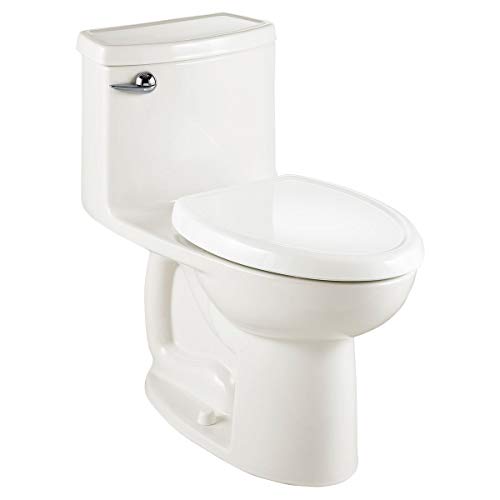
A 1.28-gallon toilet with Kohler's Class Five canister flush, which uses a single one-piece seal that drops straight down instead of a hinged flapper. Far less prone to the partial-seal runs that plague flapper toilets, and it reaches a 1,000-gram MaP score.
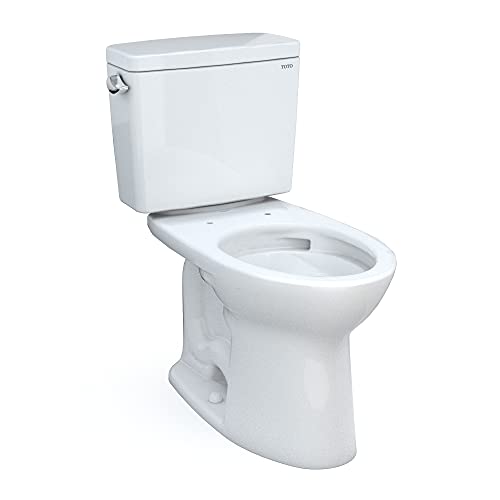
Check price on AmazonA 1.28-gallon gravity toilet whose 3-inch flapper and G-Max flush valve are sold in every hardware store, so seal parts are easy to match correctly. A glazed 2.125-inch trapway and a 1,000-gram MaP score back the quiet, leak-free reputation in owner reviews.
Check price on AmazonA 1.28-gallon toilet whose Cadet flush valve uses a flush-tower design with a tower-mounted seal that resists the slow leaks of a hinged flapper. A 1,000-gram MaP score and EPA WaterSense certification for less than the premium models.
Check price on AmazonIf you are replacing a toilet specifically because it will not stop running, the design of the flush valve matters more than the MaP score. Hinged flappers are the weak point: they rely on a perfect rubber-to-seat seal that hard water and chlorine slowly destroy. A canister flush, like the Kohler Class Five in the Cimarron, drops a single seal straight down onto a wide seat, which is far more forgiving of minor scale and the reason these toilets rarely develop the slow runs that flapper toilets do. The TOTO Drake remains the safe default because its parts are everywhere and easy to match, but for a household that has fought running toilets for years, a canister design is the more permanent answer.
| Toilet | Best For | MaP | GPF | Rating | Check Price |
|---|---|---|---|---|---|
| Kohler Cimarron | Chronic running, canister seal | 1000 g | 1.28 | 4.7 | Check price |
| TOTO Drake | Easy-to-match parts | 1000 g | 1.28 | 4.8 | Check price |
| American Standard Cadet 3 | Budget reliable swap | 1000 g | 1.28 | 4.5 | Check price |
| TOTO Drake II | Quiet, low-profile tank | 1000 g | 1.28 | 4.8 | Check price |
| Kohler Highline | Canister flush value | 1000 g | 1.28 | 4.7 | Check price |
| Woodbridge T-0019 | Skirted, modern seal | 1000 g | 1.28 | 4.5 | Check price |
Flapper size is one of the easiest mistakes to make and one of the easiest to fix. The flush valve opening, the round hole the flapper covers, is either roughly 2 inches or 3 inches across. A 3-inch valve flushes faster and is increasingly common on higher-performance toilets, but a 2-inch universal flapper will sit loosely over it and leak nonstop. The reverse is true too. Before buying, look at the valve opening or check the existing seal. The most reliable approach on TOTO, Kohler and American Standard toilets is to buy the OEM flapper or canister seal listed for your exact model number rather than a universal part, because several brands use proprietary geometry that generic flappers cannot match.
The cost of a running toilet is easy to underestimate because the water disappears quietly down the bowl. A steady run can move hundreds of gallons a day, and even an intermittent phantom flush, where the fill valve clicks on every few minutes to replace water lost past a worn seat, wastes a meaningful amount over a month. The EPA's WaterSense program flags leaking toilets as one of the largest sources of household water waste, often larger than dripping faucets. Fixing the run is not only about the annoyance of the sound; it directly lowers the water bill, which is part of why investing in a reliable flush valve or a leak-resistant canister toilet pays back. For more on water efficiency and certification, the standards live with the EPA WaterSense program.
Working through the fix in order keeps you from buying parts you do not need. Here is the full sequence from the free diagnostic to the final replacement, so you can stop at the step that solves your toilet rather than guessing.
Add food coloring or a dye tablet to the tank, wait 15 to 30 minutes without flushing, and check the bowl. Color in the bowl means a seal leak at the flapper or seat. No color but a high water line means an overfill into the overflow tube. This one test points you to the right fix immediately and takes nothing but a few drops of dye.
If it is a seal leak, first confirm the chain is not holding the flapper open. There should be about a half inch of slack with the flapper closed. Add slack if the chain is tight, or shorten and trim it if it tangles under the flapper. This costs nothing and fixes many post-replacement runs.
Turn off the supply valve, flush to empty the tank, and move the flapper aside. Feel the seat rim for scale, pitting or scratches. Clean it with a non-abrasive pad or fine emery cloth. If it is only scaled, this restores the seal. If you feel a notch or groove, the seat is damaged and needs resurfacing or replacement.
If the dye test showed an overfill, lower the water to about an inch below the top of the overflow tube using the float adjustment on the fill valve. The molded fill line on the tube or the overflow pipe marks the target. This stops water spilling into the overflow tube and into the bowl.
If cleaning and adjustment did not seal it, verify the flapper is the correct 2-inch or 3-inch size and type for your toilet. A mismatched or proprietary-valve toilet needs the OEM part. Swap in the correct flapper or seal for your model number.
If the seat is pitted beyond cleaning, replace the entire flush valve, which means removing the tank to reach the mounting nut. If the fill valve hisses and will not shut off with the level set correctly, replace the fill valve instead. Both are inexpensive parts. If the toilet is old and the hardware is generally failing, replacing the whole toilet with a reliable canister-flush model is often the better value.
The mistake we see most is people buying a second and third flapper when the first new one did not work. The flapper is almost never the issue after you have already replaced it once. Put the finger on the seat. If it is gritty or notched, no flapper will ever seal it, and you are either resurfacing the seat or replacing the valve. The other quiet culprit is chlorine tablets in the tank: they corrode flappers and seats relentlessly. If you use them, drop them in the bowl, not the tank, or you will be back here in a year.
There is a clear tipping point. Replacing a single flapper or fill valve on an otherwise sound toilet is always worth it. But once you are pulling the tank to swap a corroded flush valve on a toilet that is also weak-flushing or clog-prone, the math changes. A modern 1,000-gram MaP toilet with a canister flush solves the running, the flushing and the water use at once, and owner reviews consistently report years of leak-free operation. If your old toilet is borderline on flush power too, our weak toilet flush fix guide can help you decide whether a rebuild or a replacement is the smarter spend.
Because the flapper is rarely the only sealing surface. The most common reason is a flush valve seat that is scaled, pitted or scratched, so no flapper can seal against it. Other causes are a chain set too tight, a water level above the overflow tube, or a flapper that is the wrong size for the valve. Clean and inspect the seat, then check the chain and water level.
Run a dye test. Add food coloring to the tank and wait 15 to 30 minutes without flushing. If color appears in the bowl, the leak is past the flapper or flush valve seat. If no color appears but the water sits high and trickles into the overflow tube, the leak is an overfill from the fill valve or float being set too high.
The flush valve seat is the rim of the opening at the bottom of the tank that the flapper presses down on to seal. The flapper does not seal against itself; it seals against this seat. If the seat is rough, scaled or pitted, water leaks past it no matter how new the flapper is, which is the leading reason a fresh flapper still runs.
Yes. If the lift chain is too short or too tight, it holds the flapper open a fraction after the flush, so water trickles down continuously. The chain should have about a half inch of slack with the flapper closed. Adding a link or two of slack often stops a run that appeared right after a flapper replacement.
Turn off the water supply, flush to empty the tank, and move the flapper aside. Scrub the seat rim with a non-abrasive scouring pad or fine emery cloth to remove scale and buildup. For light pitting, a seat-resurfacing kit with a stick-on seal ring creates a fresh sealing surface without removing the tank.
Yes. Toilets use either a 2-inch or a 3-inch flush valve, and a flapper that does not match will not seal. Many modern TOTO and Kohler toilets use a 3-inch valve, so a generic 2-inch flapper will leak. Measure the valve opening or match the manufacturer part number for your toilet model before buying.
A brand-new flapper that leaks immediately almost always means the seat it presses against is damaged or scaled, or the flapper is the wrong size or type for your valve. It can also mean the chain is holding it slightly open. Inspect the seat and confirm the flapper matches the valve before assuming the part is defective.
The EPA estimates a leaking toilet can waste up to 200 gallons a day, which is thousands of gallons a month. Even a slow, silent leak triggers the fill valve to cycle repeatedly around the clock. This is why a running toilet is worth fixing promptly and why the dye test matters even when the sound seems to have stopped.
A phantom flush is when the fill valve turns on by itself to refill the tank, even though no one flushed. It happens because water is slowly leaking past the flapper or seat into the bowl, dropping the tank level enough to trigger a refill. It is a sign of a slow seal leak that a dye test will confirm.
Replace just the flapper if the seat is smooth and clean. Replace the entire flush valve if the seat is pitted, cracked or corroded deeply enough that cleaning will not restore a smooth surface. A full flush valve replacement requires removing the tank from the bowl, so it is a 30 to 60 minute job rather than a quick swap.
Yes. In-tank chlorine tablets corrode and pit both the flapper and the flush valve seat over time, which leaves gaps that leak. If you use chlorine cleaning tablets, drop them in the bowl rather than the tank, or you will repeatedly destroy the seal and end up with a chronically running toilet.
Intermittent running usually means a slow leak past the flapper or seat. The tank loses water gradually until the level drops enough to trigger the fill valve, which runs briefly to top off, then shuts off until the level falls again. It is the same seal-leak problem as a constant run, just slower, and a dye test will confirm it.
The water should sit about one inch below the top of the overflow tube, and most tubes have a molded fill line marking the level. Lower it by sliding the float clip down on a modern column fill valve, or by bending the float arm down or turning the adjustment screw on an older ballcock valve.
Generally yes. A canister flush, like the Kohler Class Five in the Cimarron and Highline, drops a single seal straight down onto a wide seat rather than relying on a hinged rubber flapper. This design is more forgiving of minor scale and is the reason canister toilets tend to develop the slow seal leaks of flapper toilets far less often.
Yes. A fill valve that fails internally may not shut off completely, so it keeps trickling water into the tank, which spills into the overflow tube. You will usually hear it hiss or cycle on its own. If the water level is correct and the seat seals but the toilet still runs, replacing the fill valve is the fix.
It can. Rubber flappers degrade faster than silicone in chlorinated or hard water, and some toilets are designed for a specific seal material. Using a cheap generic rubber flapper on a toilet that came with a chlorine-resistant seal can lead to a quicker return of the leak. Matching the OEM part avoids this.
A quality flapper typically lasts four to five years, longer with silicone and soft water, shorter with rubber, hard water or in-tank chlorine tablets. If a new flapper fails within months, the seat is almost certainly damaged or the wrong part was used, not the flapper itself.
Replace the toilet when the seat is deeply damaged on an older toilet, when you have replaced multiple tank parts and it still runs, or when it also flushes weakly or clogs often. A modern 1,000-gram MaP canister toilet like the Kohler Cimarron solves running, flushing and water use at once and often costs less than a piecemeal rebuild.
Not always. Several TOTO and Kohler models use 3-inch valves, canister seals or proprietary flappers that generic universal parts do not fit. Always match the OEM part number for your exact model rather than buying a universal flapper, or it will leak and the toilet will keep running.
Yes. Hard water leaves mineral scale on the flush valve seat, which roughens the sealing surface so the flapper cannot close tightly against it. A periodic cleaning of the seat with a non-abrasive pad, and avoiding in-tank chemical tablets, keeps the seal tight in hard-water homes.
A toilet that still runs after a new flapper is telling you the flapper was never the only problem. Run the dye test first to separate a seal leak from an overfill, then work the cheap fixes in order: adjust the chain, clean and inspect the flush valve seat, set the water level below the overflow tube, and confirm the flapper is the right size for your valve. A scaled seat cleans up in minutes, and only a pitted seat justifies pulling the tank to replace the flush valve. If the hardware is generally worn out, or the toilet also flushes weakly or clogs, replacing it is the smarter spend. The Kohler Cimarron is our top recommendation because its canister flush resists the slow runs that plague hinged flappers, the TOTO Drake is the pick when easy-to-match parts matter most, and the American Standard Cadet 3 is the value choice, all three rated 1,000 grams on MaP and WaterSense certified at 1.28 gallons. Confirm your rough-in and valve size, then check the current price on Amazon.
Learn why toilet trapways curve like an S, how each bend blocks sewer gas, and what the shape means for clogs and…
Read the guideAlmost every US toilet has a left-side handle. Learn the plumbing and mechanical reasons behind the layout and when it actually changes.
Read the guideHome toilets rely on tanks because household water lines lack the pressure that public flushometer systems use to flush straight from the…
Read the guide