

Common Bidets Problems and How to Fix Them (2026)
Bidets4.6
Step-by-step fixes for the bidet problems reported most often, from a unit that won't spray and weak water pressure to a seat…
Read the guideA detailed, spec-driven breakdown of heated seats, warm water wash, pressure controls and installation requirements to help you choose the right bidet for your bathroom and budget.
Electric bidets offer heated water, warm seats, adjustable pressure and air drying, making them worth the installation effort for daily comfort. Non-electric bidets cost less and require only a T-valve connection, but deliver unheated water only. For most households with a nearby outlet, an electric seat delivers meaningfully better hygiene.
An electric bidet seat or washlet plugs into a standard GFCI outlet and uses an internal heater to warm both the water and the seat, while also powering features like air drying, deodorization and adjustable spray pressure. A non-electric bidet attaches to your toilet's water supply valve and uses unheated cold water only, with no power connection required. The hardware difference is significant: electric models draw between 400 W and 1,400 W at peak heating, while non-electric models consume zero electricity.
The bidet category has expanded rapidly in recent years. According to market data from plumbing trade publications, bidet attachment sales in North America grew by more than 200 percent between 2019 and 2024, driven by supply-chain disruptions that raised awareness of alternatives to toilet paper. Today the market splits cleanly into two groups: electric seats (also called washlets or electronic bidet toilet seats) and non-electric attachments or handheld sprayers.
Understanding what each type actually delivers in daily use, not just on a spec sheet, is the goal of this guide. We cover water temperature, installation, pressure control, hygiene outcomes, power use and long-term value so you can make a choice grounded in real trade-offs rather than marketing claims.
| Feature | Electric Bidet Seat | Non-Electric Bidet Attachment | Non-Electric Handheld Sprayer |
|---|---|---|---|
| Water temperature | Warm (heated internally, adjustable) | Cold only (ambient supply) | Cold only (ambient supply) |
| Seat heating | Yes, adjustable levels | No | No |
| Air dryer | Most mid-range and above | No | No |
| Spray pressure control | 5 to 10 levels electronically | Dial or lever (2 to 3 levels) | Trigger grip (manual) |
| Posterior + feminine wash | Both, separate nozzle positions | Often both (dual-nozzle models) | Manual aim required |
| Deodorizer | Many mid-range and above | No | No |
| Nozzle self-cleaning | Automatic pre/post wash | Manual rinse only | Manual rinse only |
| Outlet required | Yes, GFCI 120V (North America) | No | No |
| Typical installation time | 30 to 60 minutes | 10 to 20 minutes | 10 to 15 minutes |
| Toilet compatibility | Elongated or round (check fit) | Most standard toilets | Universal |
| Annual energy cost (est.) | $15 to $50 (economy mode) | $0 | $0 |
Winner row highlights the category where electric bidets provide the clearest, most measurable advantage over non-electric alternatives.
For most users in North American climates, warm water is a meaningful comfort upgrade, particularly in winter months when cold supply water can dip below 55 degrees Fahrenheit. Electric seats with tank-style heaters deliver warm water for the first 30 to 45 seconds, while instant-heating tankless models (found on TOTO Washlet S series and Kohler Puretide Electric models) provide continuous warm water without a cut-off. Aggregated owner reviews on major retail platforms show that users who switch from cold-water attachments to electric seats consistently rank water temperature as the top improvement in their experience.
Water temperature matters more than it might seem. Cold water spray, especially in bathrooms that are not climate-controlled, can feel jarring and may cause involuntary muscle contraction that actually reduces cleaning effectiveness. Warm water spray relaxes tissue, which is why Japanese bidet standards (JIS A 4422) specify a wash water range of 30 to 38 degrees Celsius as the comfort zone for posterior hygiene.
TOTO, the Japanese manufacturer widely credited with establishing the modern washlet category, publishes data showing that warm water at 36 to 38 C removes fecal residue more effectively than cold water in laboratory conditions. The brand's Washlet line, including the popular TOTO Washlet C5 and S7 series, uses instant ceramic heating elements rated at 1,080 W to deliver continuous warm water. Kohler's C3 and PureWarmth seat lines use a similar ceramic heating approach.
The single biggest reason people return non-electric bidet attachments within 60 days is cold water shock in cooler climates. If your bathroom is routinely below 65 degrees Fahrenheit in winter and you are not installing a warm-water T-valve connection from a nearby hot supply line, a non-electric attachment is likely to feel uncomfortable for half the year. Electric seats eliminate that problem entirely without any plumbing modification beyond a shutoff valve.
Electric bidet seat installation requires three steps: removing the existing toilet seat, connecting the bidet's T-valve to the toilet's fill valve supply line and plugging the unit into a GFCI-protected outlet within 4 to 6 feet of the toilet. Most homeowners complete installation in under 45 minutes with no plumbing or electrical trade skills, provided a GFCI outlet is already present. If no outlet exists within reach, a licensed electrician must add one, which adds cost but is a one-time effort.
The most common installation obstacle for electric bidets in North American bathrooms is the absence of an outlet near the toilet. The National Electrical Code (NEC) requires GFCI protection for bathroom outlets, but does not require an outlet to be within reach of every toilet. Older homes frequently have only one bathroom outlet located near the vanity, which may be 5 to 8 feet from the toilet - outside the reach of the power cord supplied with most bidet seats (cords are typically 4 feet).
Solutions include having an electrician add an outlet on the wall behind the toilet, using an extension cord rated for bathroom use (check the bidet manufacturer's warranty language before doing this, as some void coverage for extension cord use), or choosing a non-electric attachment if electrical work is not feasible. Brands like TUSHY, Luxe Bidet and Brondell offer dual-nozzle non-electric attachments that install in under 20 minutes using only the included hardware and a standard adjustable wrench.
By contrast, non-electric handheld bidet sprayers require a slightly different install: a T-valve at the fill valve, a hose running to the sprayer holder mounted on the tank or wall. Most kits include all hardware and install in 10 to 15 minutes. These are especially popular in households that already use a bidet culture (common in South Asian, Middle Eastern and Southern European households) because the manual control allows familiar use patterns.
If you are renting, check your lease before making any plumbing modifications. Most non-electric bidet attachments are fully reversible - the T-valve disconnects and the supply line reconnects to original configuration in minutes, leaving no permanent changes. Electric seats require the same reversible plumbing connection, so they are also renter-friendly if an outlet already exists. Neither type requires cutting walls or running new water lines.
Non-electric bidets deliver adequate hygiene cleaning for most users when used with correct technique, since the water pressure alone is the cleaning mechanism regardless of temperature. However, electric bidets with oscillating and pulsating wash modes, adjustable nozzle position motors and posterior-specific water pressure have measurably more versatile cleaning performance. Peer-reviewed hygiene research, including a 2016 study published in the Journal of Wound, Ostomy and Continence Nursing, found that bidet use reduced fecal residue and perianal skin irritation compared to dry toilet paper alone, without distinguishing temperature as the primary variable.
The cleaning mechanism in any bidet is the directed water stream. Non-electric attachments generate pressure from your home's water supply pressure, which is typically 40 to 80 PSI at the point of entry, though pressure at the bidet nozzle after the T-valve is considerably lower. Dual-nozzle non-electric attachments from brands like Luxe Bidet Neo and TUSHY Classic offer a self-cleaning nozzle guard and retractable nozzle that reduces contamination risk between uses.
Electric seats improve on this in several ways. First, nozzle position adjustment via motor allows the spray angle to be matched to individual anatomy rather than relying on a fixed nozzle position. Second, oscillating wash mode moves the nozzle in a front-to-back pattern during the wash cycle, covering a wider area. Third, pulsating mode alternates high and low pressure in a rhythm that research suggests provides a mild massaging effect that may benefit users with constipation or hemorrhoids. Fourth, many electric models include a posterior wash and a separate feminine front wash nozzle, each with its own water pressure and temperature setting.
For users with mobility limitations, elderly users or those managing chronic bowel conditions, the electric seat's remote or side-panel control means no reaching or twisting is required after initiating the wash. This is a meaningful quality-of-life distinction that non-electric models, which all require reaching to a handle or dial, cannot match.
Non-electric bidets use zero electricity and only as much water as the user runs, making them the clear winner on pure energy consumption. Electric bidet seats consume an estimated 15 to 50 dollars in electricity annually in economy mode (based on 0.12 per kWh average U.S. rate), with seat heating being the largest draw at roughly 20 to 60 W in standby eco-mode. Both types use far less water than the production water embedded in toilet paper, which averages 37 gallons per roll according to published water footprint research.
EPA WaterSense certification covers toilet flushing efficiency (requiring 1.28 GPF or less) but does not cover bidet water use, which is a separate flow category. However, the EPA's general guidance on water efficiency notes that bidets use approximately 1/8 of a gallon per use, compared to the 37 gallons of water embedded in the production of one roll of toilet paper. On a water footprint basis, both electric and non-electric bidets dramatically outperform heavy toilet paper use.
For electricity, the difference between bidet seat models is significant. Economy or eco-mode on premium electric seats reduces standby energy consumption by shutting off or lowering seat heating when the toilet has not been used for a set period. TOTO's eWater+ and Auto Power Saving modes, Kohler's Eco mode and Brondell's SmartSeat logic all aim to reduce standby draw below 5 W. In full active use during a wash cycle, draw spikes to 400 to 1,080 W briefly as the heater engages, then drops. Annual energy costs for a household using the bidet twice daily in eco mode are typically $15 to $30, based on independent testing published by bidet review publications.
If a household is on a solar or renewable electricity tariff, the electric bidet's energy cost approaches zero in real terms. If the household is on a high-rate urban electricity plan, the annual cost is still modest relative to the reduction in toilet paper spending, which the Natural Resources Defense Council estimates at $100 to $200 per year for an average household that eliminates or drastically reduces paper use.
The total-cost-of-ownership argument favors electric bidets over a three to five year period for households that were previously buying toilet paper regularly. The upfront cost difference narrows significantly when measured against cumulative paper savings. Non-electric attachments recover their cost faster simply because their upfront price is lower, but they do not generate the same level of paper reduction since most users still reach for some paper after a cold-water wash.
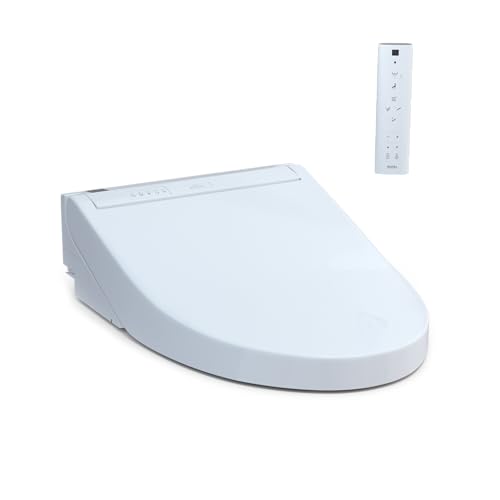
Among electric bidet seats, the TOTO Washlet C5 (elongated) stands as the most widely recommended mid-range model for its combination of instant heating, five pressure levels, posterior and front wash, air drying and auto power saving, at a price point accessible to most homeowners. For non-electric attachments, the Luxe Bidet Neo 320 and TUSHY Classic 3.0 consistently appear at the top of aggregated review rankings for build quality and adjustable dual-nozzle performance. Handheld sprayer kits from brands like Purrfectzone offer the lowest entry cost and greatest control flexibility.
TOTO Washlet C5: The C5 uses an instant-heating system rated at 1,080 W that delivers continuous warm water without a tank. It includes five wash modes (posterior, soft, front, front soft, pulsating), a warm air dryer with three temperature settings, an automatic air deodorizer and TOTO's eWater+ system that mists the bowl and wand with electrolyzed water before and after each use. The seat fits elongated and round bowls, weighs approximately 7.7 lbs and includes a wireless remote. Compatibility with TOTO's own Drake II and UltraMax II toilet models is fully confirmed; for non-TOTO toilets, users should verify bowl dimensions against TOTO's published fit guide. Check TOTO Washlet C5 on Amazon
TOTO Washlet S7: The S7 is TOTO's flagship seat with an auto-open and auto-close lid, position-adjustable wand (individual memory for up to two users), continuous warm water at 1,080 W, rear and front wash with oscillating and pulsating options, air deodorizer, warm air dryer and TOTO's Tornado Flush compatibility when paired with a TOTO Aquia IV or Drake II toilet. The S7 also includes a UV sanitizing mode. Check TOTO Washlet S7 on Amazon
Kohler C3-230: Kohler's C3-230 seat brings the brand's industrial design sensibility to a bidet seat with stainless steel nozzle, three spray settings, adjustable water temperature and pressure, a heated seat with three temperature levels and a slow-close lid. The nozzle includes an oscillating mode and a pulsating massage mode. Kohler supports compatibility with its Highline and Cimarron toilet lines directly; the seat fits most elongated bowls from other manufacturers. Check Kohler C3-230 on Amazon
Brondell Swash 1400: The Swash 1400 is a tankless electric seat that uses two stainless steel nozzles (one posterior, one feminine) with individual pressure and temperature controls per user. It supports up to two user memory profiles via the side control panel and includes a warm air dryer and deodorizer. Brondell publishes detailed compatibility guides for American Standard Champion 4, Cadet 3 and other major toilet brands, which makes the Swash 1400 a reliable choice for existing toilets. Check Brondell Swash 1400 on Amazon
TUSHY Classic 3.0: The TUSHY Classic 3.0 is a slim non-electric attachment that sits between the toilet bowl and the existing seat. It uses a single adjustable dial for pressure control, a self-cleaning nozzle that retracts under a guard when not in use and a braided stainless hose rated to 1.5 times standard supply pressure. The Classic 3.0 fits most elongated and round toilets. A warm-water version (TUSHY Spa 3.0) requires connection to the bathroom sink hot supply line via an included longer hose. Check TUSHY Classic 3.0 on Amazon
Luxe Bidet Neo 320: The Neo 320 is a dual-nozzle model with a separate posterior and feminine nozzle, each with its own pressure dial, and a nozzle guard gate that closes automatically when the nozzle retracts. The housing is metal-bodied, which distinguishes it from most budget plastic alternatives. No hot water connection is included, but the Neo 320's warm water variant (Neo 320 Plus) connects to the sink supply. Check Luxe Bidet Neo 320 on Amazon
Purrfectzone Handheld Bidet Sprayer: A handheld sprayer kit offers the most flexibility for directional control. The Purrfectzone kit includes a T-valve, a 47-inch braided stainless hose, a hook holder and a trigger-grip sprayer head. Users familiar with handheld bidets from South Asian or Middle Eastern household conventions often find this format the most intuitive. The spray pattern is adjustable via the trigger grip rather than a separate dial. Check handheld bidet sprayer kits on Amazon
Choosing between electric and non-electric bidets ultimately comes down to four factors: budget, outlet availability, climate and how much you value comfort features versus simplicity.
Choose an electric bidet seat if: You have a GFCI outlet within reach of your toilet (or are willing to have one added), you live in a climate where cold water in winter would be uncomfortable, you or a household member has mobility limitations that make reaching for controls difficult, you want to reduce toilet paper use significantly and you intend to use the bidet for years rather than as an experiment.
Choose a non-electric attachment if: You are renting and cannot install an outlet, you want the lowest possible upfront cost, you have experience with handheld bidets and prefer manual control, your bathroom has no outlet near the toilet and electrical work is not feasible, or you want to test bidet use before committing to an electric seat investment.
Choose a handheld sprayer if: You prefer directional control, you have household members who use bidets regularly (common in many non-Western households) and find fixed-nozzle attachments limiting, or you need a dual-purpose sprayer for cloth diapering, pet cleaning or other uses beyond personal hygiene.
For households with young children or elderly members with limited mobility, electric seats with remote controls and auto-closing lids (found on TOTO S7 and Kohler Purewash Elite) offer meaningful safety and accessibility improvements that non-electric models cannot provide.
It is also worth noting how your toilet model affects the decision. If you have a TOTO Aquia IV (a popular dual-flush toilet compatible with the full Washlet line), the integration between seat and toilet is seamless, including the single-connection design that routes both the water supply and power through a single cable. If you have an American Standard Champion 4 or Cadet 3, Brondell's published fit charts confirm compatibility with several Swash models. For Kohler Highline and Cimarron toilets, Kohler's own C3 line ensures perfect fit. Swiss Madison and Woodbridge T-0001 owners should verify bolt-hole spacing against seat dimensions before ordering any electric seat, as some of these toilets have non-standard spacing. For guidance on choosing the right base toilet, see our best flushing toilets guide, which covers MaP flush scores, GPF ratings and brand-by-brand reliability data.
Users investigating bidet seats as part of an accessible bathroom setup will also find our ADA-compliant toilet guide useful, particularly for seat height and reach clearance considerations. If you are deciding between toilet upgrade options before adding a bidet seat, our dual-flush toilet comparison covers EPA WaterSense data that informs the water-saving math. For those still deciding whether a bidet is worth the investment at all, our American Standard Spalet review walks through a real-world integrated bidet-toilet unit.
Yes, most non-electric attachments fit one-piece toilets. The T-valve connects to the supply line at the bottom of the toilet tank, which is accessible on all toilet designs. The attachment itself sits between the bowl rim and the seat, and the bolt-hole spacing is standard on most one-piece models. Always measure your bolt-hole spacing (typically 5.5 inches center to center) and compare with the attachment specs before purchasing.
Electric bidet seats require a standard 120V GFCI-protected outlet within reach of the unit's power cord, which is typically 4 feet long. No special voltage, amperage or dedicated circuit is required for most residential models. The NEC requires GFCI protection in bathrooms, so any outlet added near a toilet by a licensed electrician will automatically meet this requirement.
No, a bidet attachment or seat does not affect flush performance because it connects to the supply line before the fill valve, not to the trap or drain system. The T-valve allows water to flow to both the tank fill valve and the bidet nozzle independently. Flush MaP scores, GPF ratings and bowl clearing performance are determined by the toilet's trap design and flush valve, none of which the bidet touches.
Yes, some non-electric attachments (TUSHY Spa 3.0, Luxe Bidet Neo 320 Plus) include a longer dual-inlet hose that connects to both the cold supply line and the bathroom sink's hot supply line. This allows mixing of hot and cold water for a warm wash without any electrical component. The limitation is that the sink hot supply must be accessible and within range of the included hose, which is typically 6 to 8 feet.
Manufacturer warranty periods for electric bidet seats typically range from 1 to 3 years, with TOTO offering 1-year limited warranty on Washlet units and Brondell offering 3-year coverage on the Swash series. Published owner reviews and plumbing trade sources suggest that well-maintained electric bidet seats frequently operate for 7 to 10 years before requiring service. The most commonly replaced component is the nozzle assembly, which is typically available as a spare part from the manufacturer.
Yes, most homeowners can install an electric bidet seat without professional help if a GFCI outlet is already present near the toilet. The installation involves removing the existing seat, attaching the bidet mounting plate to the bowl's bolt holes, connecting the T-valve to the supply line and plugging in the unit. No cutting of supply lines, soldering or electrical work is required. Manufacturers include illustrated instructions, and installation video guides are widely available online.
No, an electric bidet seat will not function during a power outage because all of its features - water heating, motor-driven nozzle, air dryer, deodorizer and remote controls - require electricity. The toilet itself will still flush normally since the fill and flush mechanisms are plumbing-only. During an outage, toilet paper functions as a backup. Non-electric attachments and handheld sprayers work normally during power outages because they rely only on water supply pressure.
Published research, including a 2013 study in the journal Digestive Diseases and Sciences, found that bidet use does not increase bacterial contamination risk and is associated with reduced perianal skin irritation. Electric models with self-sanitizing nozzles (TOTO's eWater+ uses electrolyzed water mist) provide an additional hygiene layer. Non-electric nozzles should be manually rinsed periodically and the nozzle guard should be wiped down weekly to prevent mineral or residue buildup.
A bidet seat is a replacement seat that installs on an existing toilet, providing bidet functions while the original toilet's flush system remains in place. A bidet toilet combo (also called an integrated bidet toilet or intelligent toilet) is a single unit where the bowl, flush system and bidet functions are manufactured together. TOTO's Neorest line and Kohler's Veil Intelligent Toilet are examples of integrated units. Combo units cost significantly more but eliminate fitment compatibility concerns and allow deeper integration between wash and flush functions.
A non-electric attachment can work for users with limited mobility if the pressure dial or lever is positioned within comfortable reach and the user is able to maintain seated position during the wash cycle. However, electric bidet seats with remote controls, auto-open lids and auto-triggering wash functions provide significantly better accessibility because they require no reaching, twisting or manual adjustment during use. For ADA or aging-in-place bathroom setups, electric seats are the recommended category.
A typical bidet wash cycle uses approximately 0.1 to 0.2 gallons of water per use, based on manufacturer published flow rates of 0.07 to 0.18 gallons per minute across a 60 to 90 second wash. This is substantially less than the water embedded in toilet paper production, which NRDC and water footprint research consistently place at 37 gallons per roll. Even households that use a bidet daily and add marginally to their direct water use reduce their total water footprint by eliminating paper use.
TOTO and Kohler focus their bidet product lines on electric washlet and electronic seat technology. Neither brand currently offers a non-electric attachment under their primary brand name. American Standard's Spalet product is an integrated bidet toilet seat (electric). The non-electric attachment category is dominated by brands like TUSHY, Luxe Bidet, Brondell (non-electric SimpleSpa line) and Bio Bidet, which are designed to be compatible with major toilet brands' existing bowls.
Many Woodbridge and Swiss Madison toilets have elongated bowls with standard 5.5-inch bolt-hole spacing, which makes them compatible with many electric bidet seats. However, some Woodbridge T-0001 and Swiss Madison Ivy models have rear-facing tank configurations or one-piece profiles that may require checking the seat's rear clearance dimension against the manufacturer's fit guide. Both Brondell and BioBidet publish model-specific compatibility checkers on their websites that allow verification by toilet model number.
Yes. Non-electric bidet attachments and handheld sprayer kits are ideal for renters and apartment dwellers because installation requires no drilling. The T-valve connects to the supply line at an existing threaded fitting, and the attachment bolts to the existing seat bolt holes. When moving out, the original configuration is restored in minutes. Electric seats are equally reversible on the plumbing side, but require a nearby outlet that may or may not exist in your bathroom.
Electric bidet seats require periodic wiping of the seat surface and lid with a damp cloth and mild non-abrasive cleaner. The nozzle on most electric models runs an automatic self-clean cycle before and after each use (using clean supply water or electrolyzed water on TOTO models). Manual nozzle extension and wiping is recommended monthly. The air dryer and deodorizer vents should be cleared of dust periodically. No internal descaling is required for normal use in areas with soft or moderately hard water, but users in very hard water areas may benefit from a supply-line filter.
A tank-type electric bidet heats a small reservoir (typically 20 to 30 oz) of water before use, providing warm water immediately on startup but potentially running cold if the reservoir is depleted during a long wash cycle. A tankless (on-demand or instant) electric bidet heats water only as it flows through a ceramic or stainless steel heating element, providing continuous warm water for the entire wash duration. TOTO Washlet models from the C2 upward and Brondell Swash 1400 use instant heating. Budget electric seats under $150 typically use tank heating.
Clinical guidance from gastroenterology and colorectal surgery publications suggests that gentle water cleansing is preferable to dry toilet paper wiping for people with hemorrhoids, anal fissures or Crohn's disease-related perianal inflammation, because paper friction can worsen irritation. Both electric and non-electric bidets provide water cleansing that eliminates friction. Electric models with pulsating wash modes and adjustable low pressure are especially recommended for users managing active perianal conditions, as they allow gentle pressure customization. Always consult a physician for condition-specific guidance.
The choice depends on personal preference for control and familiarity. Fixed-nozzle bidet seats (both electric and non-electric attachments) position the spray automatically once installed, requiring no aiming during use. Handheld sprayers require the user to direct the spray manually, which some users find more accurate and others find awkward. Households with members from cultural backgrounds where handheld bidets are standard (common in South Asia, the Middle East and parts of Southeast Asia) often prefer the handheld format. For households new to bidet use, a fixed-nozzle attachment or electric seat is typically easier to learn.
Owner surveys and aggregate review data consistently show that electric bidet users report 75 to 90 percent reduction in toilet paper use, since the air dryer on electric models allows complete drying without paper. Non-electric bidet users typically report 50 to 70 percent reduction because most users still reach for a small amount of paper to finish drying after a cold-water wash in the absence of a dryer. Both categories provide meaningful paper savings, but electric seats with warm air dryers deliver the most complete paper reduction.
Electric bidet seats deliver warm water, heated seats, air drying, adjustable spray modes and hands-free controls that non-electric attachments simply cannot match. For any household with a GFCI outlet near the toilet, the upgrade from a non-electric attachment to an electric seat represents a clear and durable improvement in daily hygiene and comfort. Non-electric bidets remain a smart, cost-effective entry point for renters, budget-conscious buyers and users in areas where outlet access is impractical. Either type reduces toilet paper use substantially, cuts long-term paper spending and is reversible without permanent bathroom modification. Start with a non-electric model if you are unsure; the majority of users who try one convert to an electric seat within a year.
Step-by-step fixes for the bidet problems reported most often, from a unit that won't spray and weak water pressure to a seat…
Read the guideA step-by-step framework for picking the right bidet type, features, and fit based on your toilet, your bathroom's electrical access, and how…
Read the guide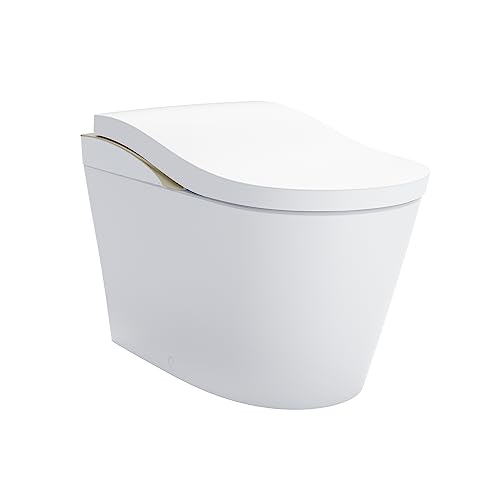
A luxury bidet is judged on a different set of criteria than a standard seat: automatic lid function, a full remote-controlled preset…
Read the guide