Common Bidets Problems and How to Fix Them (2026)
Bidets4.6
Step-by-step fixes for the bidet problems reported most often, from a unit that won't spray and weak water pressure to a seat…
Read the guideProper cleaning protects hygienic nozzle function, extends the life of your bidet seat, and keeps bacteria counts low. This guide covers both electric bidet seats (TOTO Washlet, Kohler Karing, Bio Bidet) and non-electric attachments with the same systematic approach.
Wipe the outer bidet body weekly with a damp microfiber cloth and mild soap. Extend the nozzle using the self-clean or manual-extend mode, then rinse it gently with warm water and a soft cloth. Avoid bleach, abrasive scrubbers, or high-pressure sprays, which damage nozzle seals and deactivate self-cleaning coatings.
Bidet nozzles retract into a protected housing after each use, but residual moisture creates a microenvironment where mineral scale, biofilm, and mold can develop within one to two weeks if not cleaned. Studies on bathroom fixture hygiene published by sanitation researchers at University College London found that retractable nozzles without active antimicrobial coatings accumulated detectable bacterial colonies within 10 days of regular use without manual cleaning. Regular maintenance also directly affects spray quality: clogged nozzle ports deliver uneven, low-pressure streams that reduce the bidet's core hygiene function.
Electric bidet seats from brands like TOTO (C200, S500e Washlet), Kohler (Karing), and Bio Bidet carry self-cleaning cycles that run before and after use. These cycles flush water through internal nozzle channels and are genuinely effective at reducing contamination. However, they do not substitute for periodic manual cleaning of the nozzle exterior, the nozzle port housing, and the bidet body itself. Hard water deposits, soap splatter, and aerosol particles from flushing still accumulate on every surface.
TOTO's eWater+ system, used in the Washlet C200 and S500e, electrolyzed water to create a mild hypochlorous acid solution that coats the nozzle before and after each use. This reduces surface bacteria effectively, but TOTO's own documentation notes that the wand itself still requires manual cleaning with a soft cloth every two to four weeks. This tells you that even the most sophisticated self-cleaning technologies are supplementary, not standalone.
You need a soft microfiber cloth, mild dish soap or a pH-neutral bathroom cleaner, warm water, and optionally a soft-bristle toothbrush for nozzle port detail work. Avoid bleach-based cleaners, hydrogen peroxide sprays, scouring pads, and high-pressure water since these degrade silicone nozzle seals, damage antimicrobial coatings, and can force water into the electrical housing of electric seat models.
Here is a concise supply checklist organized by cleaning zone:
| Cleaning Zone | Recommended Tool | Recommended Cleaner | Frequency | Avoid |
|---|---|---|---|---|
| Nozzle exterior | Soft microfiber cloth | Warm water + mild soap | Every 1-2 weeks | Bleach, scouring pads |
| Nozzle port housing | Soft toothbrush | Diluted dish soap | Monthly | Wire brushes, abrasives |
| Bidet body / lid | Microfiber cloth | pH-neutral bathroom spray | Weekly | Bleach spray, acetone |
| Control panel / remote | Slightly damp cloth | Water only or screen cleaner | Weekly | Soaking, spray directly at panel |
| Seat hinge area | Cotton swab + cloth | Mild soap solution | Monthly | Submerging, pressure washer |
| Water filter (if applicable) | See manual | N/A - replacement part | Every 6-12 months | Cleaning instead of replacing |
Locate the nozzle-clean or manual-extend button on your bidet's control panel or remote, press it to extend the wand, then gently wipe the nozzle from tip to base with a damp cloth and mild soap. Rinse by running the self-clean cycle or pouring warm water over the nozzle. Let the nozzle retract on its own; never force it back manually, as this can damage the retraction mechanism or bend the wand.
Follow these steps in order for the safest, most effective nozzle cleaning routine:
Hard water is the single biggest enemy of bidet nozzle longevity. In areas with water hardness above 150 mg/L (ppm), calcium carbonate and magnesium deposits begin to visibly narrow nozzle port openings within three to four months without cleaning. A monthly wipe with a cloth dampened in a 50/50 solution of white vinegar and water dissolves early-stage mineral deposits without harming most nozzle coatings. TOTO specifically approves diluted white vinegar for nozzle descaling on their Washlet product line, as noted in their care documentation. Kohler and Bio Bidet both recommend the same approach in their user manuals.
Dampen a microfiber cloth with warm water and a small amount of mild soap, then wipe all plastic surfaces including the seat, lid, and outer housing in broad strokes. For the control panel or side arm, use a barely damp cloth and wipe gently -- never spray cleaner directly at electronic components. Most bidet seat bodies use ABS or PP plastic that is safely cleaned with any pH-neutral bathroom cleaner but is degraded by bleach, ammonia-based products, and abrasive scrubbers.
The seat body accumulates far more contamination than most users expect. Aerosol particles from flushing (even with the toilet lid down) settle on horizontal surfaces, and toilet paper lint, dust, and humidity create a persistent film. A weekly wipe-down prevents buildup from becoming a deep-cleaning challenge.
Lid and top surface: This is the lowest-risk zone from a contamination standpoint but collects the most visible grime. A microfiber cloth with pH-neutral spray is ideal. Spray the cloth, not the bidet surface, to avoid moisture entering ventilation gaps in electric models.
Underside of seat: The underside often traps urine splatter and requires the most frequent cleaning. Lift the seat fully and wipe with the same damp microfiber approach. If your bidet has a quick-release seat hinge (common on TOTO Washlets, Kohler Karing, Bio Bidet BB-600 and IB-835), remove the entire unit from the toilet bowl for thorough underside access. Consult your user manual for quick-release instructions specific to your model.
Seat hinge area: Mineral deposits and soap residue collect at the hinge joint where the seat attaches to the mounting bracket. A cotton swab dipped in warm soapy water reaches the narrow crevices here effectively. Follow with a dry swab to remove moisture.
Side control arm or panel: On models with an integrated side arm (TOTO C200, Brondell Swash S1400), the control panel sits in a high-humidity zone. Use a cloth that is only slightly damp. Do not apply cleaner directly to button surfaces since most side panels have membrane-sealed buttons that can be compromised by liquid intrusion over time. Wipe dry immediately.
Remote control: Wireless remotes (common on Bio Bidet IB-835, Kohler Karing, and TOTO S500e Washlet) should be cleaned with a dry or barely damp microfiber cloth. Screen cleaners formulated for electronics work well on touchscreen remotes. Store the remote away from the toilet lid to minimize aerosol exposure.
Clean the bidet body and lid weekly using a damp cloth, clean the nozzle exterior every one to two weeks, and descale the nozzle ports monthly if you have moderately hard water. Run the built-in self-clean cycle before and after every use if available. Replace internal water filters (where fitted) every six to twelve months per manufacturer recommendations, not less frequently.
The following schedule is based on single-user and multi-person household usage patterns compiled from owner reviews of the TOTO C200, Bio Bidet BB-600, Luxe Bidet Neo 320, and Brondell Swash models:
| Task | Solo User | 2-Person Household | 3-4 Person Household | Notes |
|---|---|---|---|---|
| Self-clean cycle | Each use | Each use | Each use | Automatic on most electric models |
| Nozzle exterior wipe | Every 2 weeks | Every 1-2 weeks | Weekly | Most impactful single task |
| Body + lid wipe | Weekly | Weekly | 2x per week | Microfiber + mild soap |
| Nozzle port descale | Every 6-8 weeks | Monthly | Monthly | Vinegar solution in hard water areas |
| Hinge and seat underside | Monthly | Monthly | Every 2-3 weeks | Remove seat if quick-release available |
| Water filter replacement | Annually | Every 9-12 months | Every 6-9 months | Check manual for model-specific interval |
pH-neutral bathroom cleaners, mild dish soap diluted in warm water, and diluted white vinegar (1 part vinegar to 1-2 parts water) are safe for nearly all bidet seat surfaces and nozzle exteriors. Bleach-based cleaners, ammonia products, hydrogen peroxide solutions, and alcohol-based wipes above 70% concentration should be avoided since they degrade silicone nozzle seals, cloud ABS plastic surfaces, and break down antimicrobial nozzle coatings like TOTO's eWater+ treated surfaces over time.
Here is a definitive safe/unsafe reference for common household cleaning products:
| Product | Safe for Nozzle? | Safe for Body? | Safe for Panel? | Verdict |
|---|---|---|---|---|
| Mild dish soap + warm water | Yes | Yes | Barely damp cloth only | Best all-around option |
| pH-neutral bathroom spray | Yes (rinse after) | Yes | Cloth only, not direct spray | Excellent for body surfaces |
| White vinegar (diluted 1:1) | Yes (descaling only) | Yes | No | Best for mineral deposits |
| Isopropyl alcohol 70% | Limited / rare use | Occasional | Yes (electronics grade) | Use sparingly; dries out seals |
| Bleach-based spray | No | No | No | Damages coatings and seals |
| Ammonia-based cleaner | No | No | No | Clouds ABS plastic, degrades rubber |
| Abrasive cream cleaner | No | No | No | Scratches all surfaces |
| Acetone / nail polish remover | No | No | No | Melts ABS plastic |
Many owners reach for Lysol or Clorox wipes out of habit. Both products contain bleach or quaternary ammonium compounds at concentrations that are aggressive enough to dull and eventually crack the polished ABS plastic shells that all major bidet brands use. Over six to twelve months of regular use, this shows up as surface hazing and loss of the glossy finish. Stick to plain soap and water for 95% of your cleaning needs. Reserve the diluted vinegar solution for mineral deposit episodes only.
Extend the nozzle using its clean mode, then apply a cloth dampened in a 1-to-1 solution of white vinegar and warm water directly to the nozzle surface. Hold the damp cloth against the nozzle for three to five minutes to soften calcium carbonate deposits, then gently wipe and follow with a clean water rinse. For severe buildup in the spray ports, a soft toothbrush dipped in the same vinegar solution, used with a gentle circular motion on the port openings, removes most mineral scale without scratching the nozzle surface.
Mineral deposits (limescale) are the most common reason for degraded bidet spray performance. In areas with water hardness above 200 mg/L, nozzle port restrictions can measurably reduce spray force within two to three months of no descaling. According to EPA WaterSense program water quality resources, approximately 85% of U.S. homes have moderately hard to very hard water, making descaling a relevant concern for the majority of bidet users.
If your home uses well water, the mineral content may be even higher and more variable than municipal water supplies. Well water users should plan on monthly descaling regardless of visible buildup. Some bidet brands, including Bio Bidet and TOTO, offer optional inline water filters (such as the TOTO TH7A7Y water filter) that reduce mineral content entering the bidet's internal circuit. These filters do not eliminate external nozzle deposits but significantly slow the buildup rate inside nozzle channels.
For the best bidet water filter options by water hardness level, that guide covers both inline and under-sink filter pairings for bidet seats.
Non-electric bidet attachments like the Luxe Bidet Neo 320 or TUSHY Classic 3.0 have no electronic components and no self-cleaning mode, making manual nozzle cleaning more critical and also simpler since you can use slightly more water without risk of electrical damage. Electric bidet seats require moisture control near the housing vents and control panel. Both types benefit from the same mild soap and microfiber routine, but non-electric units can safely tolerate a low-pressure rinse from a cup of water poured over the extended nozzle.
The cleaning procedures diverge in a few important ways:
Attachments like the Luxe Bidet Neo 320, TUSHY Classic 3.0, and Bio Bidet SlimEdge seat attachment sit between the toilet bowl rim and the toilet seat. Their nozzles typically extend manually by turning the control knob to the rear or front wash cleaning position, which holds the nozzle extended for manual access.
Electric seats like the TOTO C200 Washlet, Bio Bidet BB-600, Brondell Swash S1400, and Kohler Karing seat have electronics embedded in the housing that require moisture discipline during cleaning.
Quick-release seats are one of the most practically useful features in electric bidet design and are significantly underrated when users evaluate models. TOTO's SoftClose quick-release mechanism, present on the C200, S500e, and several other Washlet models, allows you to slide the entire seat assembly off the mounting plate in seconds. This gives you full access to the underside, the nozzle housing from below, and the toilet bowl rim where contamination is highest. If you are choosing between two similarly priced bidet seats, quick-release is worth prioritizing specifically for cleaning access.
A thorough monthly deep clean maintains performance and extends the life of your bidet seat. Allow approximately 20 to 30 minutes for the full process. This routine applies to the TOTO Washlet series, Bio Bidet BB-600 and IB-835, Kohler Karing, and Brondell Swash units. Adjust step 3 based on your specific model's quick-release instructions.
Aggregated owner reviews from users of TOTO, Bio Bidet, Brondell, and Kohler bidet seats identify a consistent set of cleaning errors that cause premature failure or warranty voidance. Avoiding these protects your investment and keeps the manufacturer warranty valid.
Using bleach-based wipes: This is the most commonly reported error in owner reviews. Chlorine bleach degrades the silicone o-rings inside the nozzle retraction mechanism over six to twelve months of repeated exposure, eventually causing nozzle seals to leak internally. Most manufacturer warranties explicitly exclude damage from chemical incompatibility.
Spraying cleaner directly at the unit: Aerosolized cleaners penetrate ventilation slots and reach the heating element, deodorizer filter, and circuit board in electric seats. Always spray onto a cloth first.
Forcing the nozzle manually while powered: Grabbing and pulling the nozzle while it is in its retracted, powered position can strip the retraction mechanism or damage the pivot joint. Use the nozzle-clean mode every time.
Using a high-pressure shower head to rinse: Several DIY cleaning guides suggest this approach. It is not recommended by any bidet manufacturer. High-pressure water intrudes into the nozzle port openings and into the seat housing gaps, potentially reaching electronic components.
Skipping the underside of the seat: Owner-reported hygiene problems, including persistent odors and visible discoloration, most commonly originate from the underside of the seat body near the bowl rim, not from the nozzle itself. Include the underside in every cleaning session.
Using paper towels instead of microfiber: Paper towels are mildly abrasive and leave small scratches on polished ABS plastic over time, dulling the glossy finish. Microfiber cloths are both more effective (higher surface contact) and safer for the finish.
Proper care of your bidet seat connects directly to its value. A TOTO Washlet C200 or Kohler Karing seat represents a meaningful investment in bathroom hygiene, and regular maintenance keeps it performing at spec. For a broader overview of which seats earn the best owner satisfaction across cleaning ease, nozzle quality, and durability, see our best bidet toilet seats guide. If you are considering whether a bidet seat makes sense for your specific situation, the how to use a bidet guide covers operation fundamentals, and our bidet hygiene benefits article covers the health and sanitation research in detail.
For those comparing full smart toilet units against standalone seats, see our bidet seat vs smart toilet comparison for a clear side-by-side breakdown.
For a full overview of toilet performance ratings, MaP flush test scores, and water efficiency certifications, visit our guide to best flushing toilets.
Clean the nozzle exterior every one to two weeks for a single-user household and weekly for two or more users. If your bidet has a self-cleaning cycle, run it before and after every use, but this does not replace periodic manual cleaning of the nozzle surface and ports.
No. Clorox wipes contain sodium hypochlorite (bleach) and quaternary ammonium compounds that degrade silicone nozzle seals and ABS plastic over time. Use a microfiber cloth with mild dish soap and warm water instead. Most bidet manufacturers explicitly prohibit bleach-based cleaners in their care documentation.
The self-cleaning function runs a flush of clean water through the nozzle's internal channel and over the nozzle tip before and after each use. It reduces bacterial contamination on the nozzle surface but does not clean the nozzle exterior thoroughly or remove mineral deposits. It is supplementary to, not a replacement for, manual cleaning.
Extend the nozzle using its clean mode, apply a cloth dampened in a 1-to-1 dilution of white vinegar and warm water, and hold it against the nozzle for three to five minutes. Wipe gently and rinse. For stubborn port buildup, use a soft toothbrush with the same vinegar solution in a gentle circular motion over the port openings.
Yes. TOTO permits the use of diluted white vinegar for nozzle descaling on Washlet models. Use a 1-to-1 dilution with water and limit application to the nozzle wand itself. Avoid applying vinegar solution to the electronic housing, control panel, or seat body plastics, where the acidity can degrade finishes over time.
Yes, if your seat has a quick-release mounting system. TOTO Washlet models, the Kohler Karing, and several Bio Bidet units (BB-600, IB-835) have quick-release brackets that allow the seat to slide off in seconds. This gives much better access to the underside of the seat and the nozzle housing for thorough cleaning. Check your model's manual for the specific release mechanism.
Without regular cleaning, mineral scale progressively narrows nozzle port openings, reducing spray force and coverage. Biofilm can develop on the nozzle exterior surface within one to two weeks in humid bathroom environments. Over six to twelve months, severe mineral buildup can permanently restrict port openings to the point where the nozzle must be serviced or replaced.
Turn the control knob to the cleaning or rear wash position to extend the nozzle, then wipe with a damp microfiber cloth and mild soap. Since there are no electrical components, you can rinse more generously by pouring warm water over the extended nozzle. Clean the body, knobs, and T-valve housing with the same mild soap solution monthly.
Use a dry microfiber cloth for routine wiping. For visible fingerprint buildup, use a cloth barely dampened with water or an electronics screen cleaner. Never spray cleaner directly onto the remote, and avoid letting any moisture enter the seams around the battery compartment or button edges. Store the remote away from the toilet area to minimize aerosol particle accumulation.
Water filters for bidets (like the TOTO TH7A7Y filter used with certain Washlet models) are replacement items, not cleanable items. Replace them on the manufacturer's recommended schedule, typically every six to twelve months depending on usage and local water hardness. Cleaning an inline water filter is not effective and may release trapped contaminants into the water supply line.
Uneven spray after cleaning usually indicates that soap residue was not fully rinsed from the nozzle ports, or that mineral scale remains partially blocking one or more ports. Run a complete self-clean cycle, then re-examine the nozzle ports for residue. If the issue persists, repeat the vinegar descaling process and ensure a thorough rinse before testing spray again.
UV sanitizer wands can reduce surface bacteria on bidet nozzle exteriors and are safe to use on plastic and metal surfaces with no chemical residue concerns. They do not remove mineral deposits or organic buildup, however, so they should supplement rather than replace the standard wipe-and-rinse cleaning routine.
For bidets without a dedicated self-clean mode, gently extend the nozzle by turning the spray control knob to its cleaning or rear wash position (on non-electric attachments), or by using the wand manual position described in your model's user manual. Clean the extended nozzle with a damp cloth and mild soap, then rinse by slowly pouring a cup of clean water over the nozzle before allowing it to retract.
Bidet odors come from three primary sources: biofilm on the nozzle exterior or housing aperture, organic residue on the underside of the seat near the bowl rim, or a clogged deodorizer filter in electric models with built-in deodorizers. Regular cleaning resolves the first two causes. For deodorizer-related odor in electric seats, replace the deodorizer filter per the manufacturer's interval, typically every six to twelve months.
The hinge joint between the seat and mounting bracket is a narrow crevice that collects mineral deposits, lint, and moisture. Use a cotton swab dampened with your mild soap solution to work along the gap at the hinge point. A dry cotton swab immediately after removes moisture from the crevice. If the seat has quick-release capability, removing the seat entirely gives much better access to the hinge zone for monthly deep cleaning.
Isopropyl alcohol at 70% concentration is acceptable for occasional spot cleaning of bidet body surfaces but should not be used routinely on nozzle seals or plastic trim, where it can dry out rubber components and cause hazing on certain finishes. For the control panel and remote, 70% isopropyl on a cloth (not sprayed directly) is a reasonable disinfecting option used sparingly.
Yes. Hard water deposits accumulate inside the heating element chamber of electric bidet seats, inside nozzle channels, and within the internal solenoid valve that controls water flow. Over one to three years without mitigation, severe scaling can restrict internal water flow, reduce heating efficiency, and cause valve failure. An inline water filter or whole-house water softener significantly reduces this risk and extends the serviceable life of the bidet seat.
Cleaning removes surface biofilm, organic residue, and general grime using mild soap and water. Descaling specifically targets calcium carbonate and magnesium mineral deposits using an acidic solution (white vinegar) that chemically dissolves the scale. Both tasks are necessary for full nozzle maintenance, but at different frequencies. Cleaning should happen every one to two weeks; descaling is needed monthly in hard water areas and every two to three months in soft water areas.
No special tools are needed. Microfiber cloths, cotton swabs, and a soft-bristle toothbrush cover 100% of bidet cleaning tasks. Standard household items combined with mild dish soap, warm water, and optionally white vinegar are sufficient for all routine and deep-cleaning maintenance on any residential bidet seat from TOTO, Bio Bidet, Kohler, Brondell, or Luxe Bidet.
No. TOTO's eWater+ system creates a mild electrolyzed water (hypochlorous acid) solution that coats the nozzle before and after each use, reducing surface bacteria effectively. TOTO's own care documentation states that the nozzle wand still requires manual cleaning with a soft cloth every two to four weeks. The eWater+ system is a meaningful hygiene enhancement but is not a substitute for periodic manual cleaning.
Consistent bidet seat maintenance comes down to one weekly habit and one monthly task. Wipe the entire body with a damp microfiber cloth and mild soap every week, and extend the nozzle for a thorough wipe-and-rinse plus vinegar descaling once a month. For electric seats with self-cleaning nozzles (TOTO Washlet, Kohler Karing, Bio Bidet models), run the self-clean cycle before and after every use as a baseline, but treat it as a supplement to manual cleaning rather than a replacement. Avoid bleach-based products on any surface, use microfiber instead of paper towels, and never spray cleaner directly at the housing or control panel. These habits take under five minutes per week and directly protect the performance, hygiene, and longevity of the bidet seat's most critical component: the nozzle itself.
Step-by-step fixes for the bidet problems reported most often, from a unit that won't spray and weak water pressure to a seat…
Read the guideA step-by-step framework for picking the right bidet type, features, and fit based on your toilet, your bathroom's electrical access, and how…
Read the guide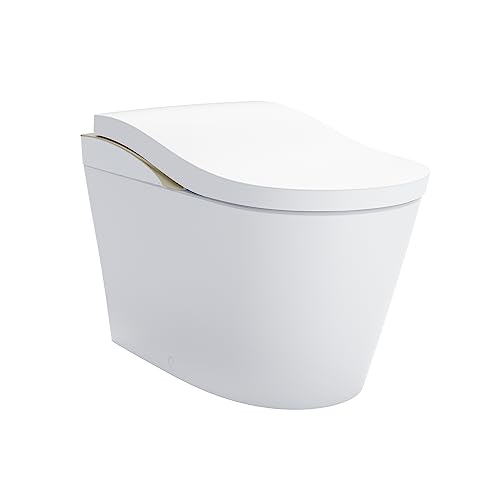
A luxury bidet is judged on a different set of criteria than a standard seat: automatic lid function, a full remote-controlled preset…
Read the guide