Bathroom Vanity Soft-Close Not Working: How to Fix
Bathroom Remodeling4.6
A vanity door or drawer that slams shut instead of easing closed almost never means the whole hinge or slide has failed.…
Read the guideClassic bathtubs lean on clawfoot and pedestal silhouettes, cast iron construction and rolled rims rather than the flat built-in look of a modern alcove tub, and we ranked the strongest picks by material, silhouette and how faithfully each one carries the traditional look.
Research updated June 2026.
The best classic bathtub is the Kohler Iron Works Clawfoot Tub, a cast iron freestanding tub with a rolled rim and traditional ball-and-claw feet that holds heat and finish far longer than acrylic alternatives. For a lighter, easier-install option, the Kingston Brass Aqua Eden Clawfoot Tub is the best acrylic classic pick.
A classic bathtub is meant to stand on its own as a design statement rather than disappear into an alcove, which is why the details that matter most differ from a modern built-in tub: a freestanding clawfoot or pedestal silhouette, a rolled or scalloped rim, exposed traditional feet in polished chrome, brushed nickel or oil-rubbed bronze, and a material, cast iron, acrylic or enameled steel, that determines both weight and heat retention. Get those right and the tub becomes the visual anchor of the bathroom the way a fireplace anchors a living room.
We do not run our own durability trials. Instead we compare published manufacturer specifications, the material and construction of each tub, the silhouette and foot styling, the weight and floor-loading requirements for a freestanding install, and the patterns across thousands of verified owner reviews. For classic tubs specifically we weighted four things above all else: authentic silhouette, since a genuine clawfoot or pedestal shape with a rolled rim is what separates a real classic tub from a modern soaking tub with decorative feet bolted on; material durability, because cast iron holds heat and finish for decades while cheaper materials wear faster; weight and floor support, since a cast iron clawfoot tub filled with water and a bather can weigh over 500 pounds and requires the floor to be checked; and the consistency of owner reviews on finish wear and heat retention. If you want the broadest performance-first ranking of the fixtures that pair with a tub, see our pillar guide to the best flushing toilets.
Every pick here had to combine an authentic freestanding silhouette with solid construction and a clear installation profile, then hold up in real bathrooms according to aggregated owner reports. We favored genuine clawfoot and pedestal shapes with rolled or scalloped rims over modern soaking tubs with add-on feet, cast iron and quality acrylic over thin fiberglass, and traditional foot finishes that match common faucet finishes. We weighted owner reports about heat retention, finish wear and delivery or install difficulty over marketing photography, and we do not accept payment for placement.
| Model | Style Fit | Key Spec | Best For | Check Price |
|---|---|---|---|---|
| Kohler Iron Works Clawfoot | Cast iron, ball-and-claw feet | Cast iron, ~400 lb | Best overall classic tub | Check price |
| Kingston Brass Aqua Eden Clawfoot | Acrylic clawfoot | Acrylic, ~120 lb | Best acrylic classic tub | Check price |
| Kingston Brass Aqua Eden Pedestal | Pedestal base, rolled rim | Acrylic, ~130 lb | Best pedestal classic tub | Check price |
| American Standard Colony Cast Iron | Traditional alcove, rolled rim | Cast iron, ~350 lb | Best classic alcove tub | Check price |
| Kingston Brass Aqua Eden Slipper | Slipper clawfoot, raised end | Acrylic, ~135 lb | Best for reclined soaking | Check price |
| Kohler Iron Works Historic | Deep soak, cast iron | Cast iron, ~450 lb | Best deep-soak classic tub | Check price |
| Kingston Brass Aqua Eden Double-Ended | Symmetrical clawfoot | Acrylic, ~140 lb | Best value classic tub | Check price |
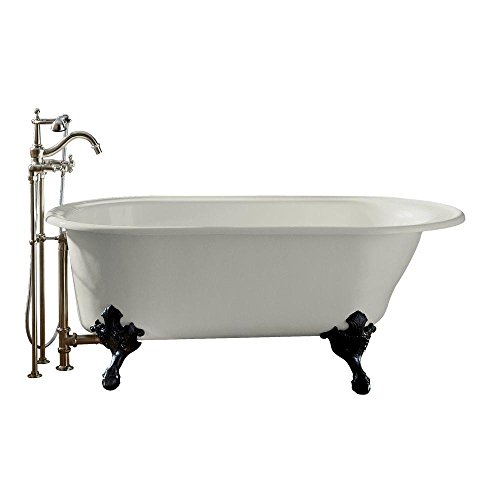
The Kohler Iron Works Clawfoot Tub is the tub we recommend first for a genuinely classic bathroom, because it is built from real cast iron with a fused enamel finish, giving it the heat retention, solid feel and decades-long durability that acrylic imitations cannot match, all wrapped in a true rolled-rim clawfoot silhouette.
The Iron Works tub is cast from a single piece of iron and finished with Kohler's fused enamel process, which bonds glass-like enamel to the iron surface under heat rather than spraying on a coating. That construction is why cast iron tubs keep bathwater noticeably warmer through a long soak than acrylic, and why the enamel resists scratching and staining for decades rather than years. The rolled rim and ball-and-claw feet are a faithful reproduction of the Victorian original, available in polished chrome, brushed nickel or oil-rubbed bronze to match your fixtures.
Owners consistently report that the tub genuinely holds heat longer than any acrylic tub they have owned, that the enamel finish has resisted staining and scratching for years, and that the solid, substantial feel underfoot is worth the extra weight and delivery planning. The clear tradeoff is that empty weight runs around 400 pounds, climbing well past 700 pounds filled with water and a bather, so upper-floor installs need a contractor to confirm floor loading first. For a true heirloom-quality classic tub, it is the standout, and it pairs naturally with the fixtures in our guide to bathroom vanity styles.
The Iron Works tub is the one I point most buyers to when they want a real cast iron clawfoot rather than a lightweight imitation. The heat retention and finish durability are genuinely different from acrylic, and that difference is what you are paying for. Get your floor checked before you order if you are above the ground floor, and this tub will likely outlast the rest of the remodel around it.

The Kingston Brass Aqua Eden Clawfoot brings the same rolled-rim silhouette and ball-and-claw feet to a lightweight acrylic shell, making it the pick for buyers who want the classic look without the weight, floor reinforcement or delivery challenges of cast iron.
This tub reproduces the same rolled rim and exposed ball-and-claw feet as a cast iron clawfoot but molds the basin from acrylic reinforced with fiberglass backing, cutting the weight to roughly a quarter of the cast iron equivalent. That makes it realistic for upper-floor bathrooms and much easier to maneuver into a house during a remodel, while still delivering the classic silhouette from across the room.
Owners value how much easier the lighter tub is to install without a crew of four, and that the acrylic surface stays warm to the touch and cleans easily with normal bathroom cleaners. The tradeoff is heat retention: acrylic cools faster than cast iron over a long soak, and the shell has a slightly less substantial, more hollow feel when stepped into. For a classic clawfoot look on an upper floor or a tighter budget, it is the standout, and it pairs well with fixtures in our best flushing toilets guide.
The Aqua Eden Clawfoot is the tub I recommend when a homeowner wants the classic silhouette but cast iron is not realistic for the floor or the budget. Visually it delivers the same rolled rim and feet from a normal viewing distance, and the weight savings make the whole install simpler. Just expect the water to cool a bit faster during a long soak.

The Aqua Eden Pedestal trades exposed feet for a solid continuous base, making it the pick for buyers who want a freestanding classic silhouette that is easier to clean underneath than a clawfoot design.
The pedestal design keeps the freestanding, rolled-rim classic silhouette but replaces the exposed ball-and-claw feet with a single continuous base that the tub sits on directly. That eliminates the narrow gaps under a clawfoot tub that collect dust and are awkward to clean, and it removes any risk of decorative feet scratching a finished floor, while still reading as a classic freestanding tub rather than a modern built-in.
Owners who dislike cleaning under a clawfoot tub consistently prefer the pedestal base, and many note it feels more stable during use since the weight distributes across a continuous footprint rather than four points. The tradeoff is purely visual: buyers who want the specific look of ornate exposed feet should choose a true clawfoot instead. For a lower-maintenance freestanding classic tub, it is the standout, and it complements the fixtures in our guide to bathroom vanity styles.
The Aqua Eden Pedestal is the tub I recommend when a homeowner wants the freestanding classic look but does not want to deal with cleaning around four exposed feet for years. It keeps the rolled rim and the overall silhouette while trading the ornate feet for practicality. If the feet themselves are the whole point for you, go with a true clawfoot instead.

The American Standard Colony Cast Iron is the pick for buyers who want classic material and finish quality without a freestanding footprint, using cast iron construction and a rolled rim in a standard three-wall alcove installation.
Not every classic bathroom has room for a freestanding tub, and the Colony solves that by delivering the same cast iron construction and fused enamel finish as a premium freestanding tub in a standard three-wall alcove footprint that also supports a shower conversion. The rolled rim carries the traditional detailing into a modern install format, and the drain can be configured left or right-hand to match existing plumbing.
Owners value getting genuine cast iron heat retention and finish durability in a standard tub-shower footprint, which most freestanding classic tubs cannot offer since they rarely support a shower curtain rod cleanly. The tradeoff is that it does not deliver the exposed clawfoot or pedestal silhouette that defines the more dramatic classic tubs on this list. For a classic-material tub in a standard alcove space, it is the standout, and it pairs with the fixtures in our best flushing toilets guide.
The Colony is the tub I recommend when the bathroom layout genuinely cannot accommodate a freestanding tub but the homeowner still wants classic cast iron quality rather than a thin acrylic alcove tub. It will not deliver the dramatic clawfoot silhouette, but the material and finish are the real thing, and it supports a shower conversion that most freestanding classic tubs cannot.
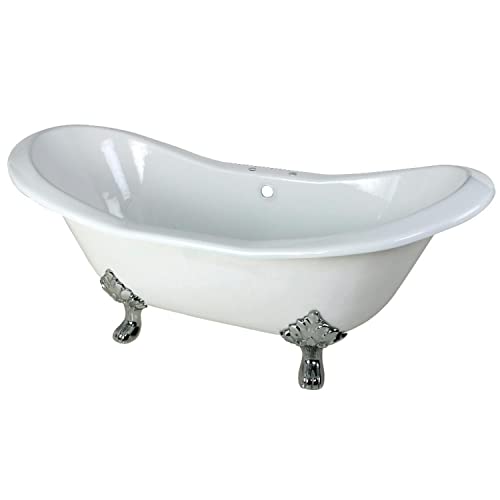
The Aqua Eden Slipper raises one end of the tub into a curved backrest, making it the pick for buyers who want a classic clawfoot silhouette built specifically around a comfortable reclined soak rather than a symmetrical shape.
A slipper tub raises one end into a curved, elevated backrest while the other end stays low, a Victorian-era design meant purely for a single reclined bather rather than the symmetrical shape of a standard clawfoot. The Aqua Eden Slipper keeps the acrylic construction and exposed ball-and-claw feet of the standard clawfoot line while adding that raised end, giving it a more dramatic profile from across the room.
Owners consistently highlight how much more comfortable the raised end is for a long solo soak compared to a flat-rimmed symmetrical tub, and the dramatic silhouette photographs well as a bathroom centerpiece. The tradeoff is that the asymmetrical shape suits one bather at a time rather than two people sharing the tub. For a classic tub built around comfort during a long bath, it is the standout, and it pairs with fixtures in our guide to bathroom vanity styles.
The Aqua Eden Slipper is the tub I recommend when the bathtub is meant primarily for one person's relaxing soak rather than a shared family bath. The raised backrest end is a genuine comfort upgrade over a flat-rimmed clawfoot, and the silhouette is arguably the most striking on this list. Just know it favors one bather over two.
The Kohler Iron Works Historic uses a deeper cast iron basin than the standard clawfoot, making it the pick for buyers who want a fuller, deeper soak in an authentic Victorian-reproduction silhouette rather than a shallower standard depth.
Standard clawfoot tubs, whether original or reproduction, are often shallower than modern soaking tubs because the design predates deep-soak plumbing conventions. The Historic model addresses that directly with a deeper cast iron basin that lets the water line reach higher on a seated bather, while keeping every other detail, the rolled rim, the ball-and-claw feet and the fused enamel finish, faithful to the original design.
Owners who prioritize a genuinely deep soak consistently rate this the most satisfying bathing experience on the list, noting the extra depth is a real, noticeable difference rather than a marketing claim. The tradeoffs mirror any cast iron tub, with even more weight than the standard Iron Works clawfoot due to the deeper basin, plus higher water usage to fill it. For a deep, authentic soak in cast iron, it is the standout, and it pairs with the fixtures in our best flushing toilets guide.
The Historic model is the tub I recommend when depth of soak matters more than anything else on this list. The extra basin depth is a genuine, felt difference, not a spec-sheet exaggeration, and it keeps every classic detail intact. Just confirm your floor can handle the added weight over the standard clawfoot, since this is the heaviest tub here.

The Aqua Eden Double-Ended is the pick for the lowest-cost genuine clawfoot tub, using a symmetrical rolled rim that lets either end serve as the backrest, at the most accessible price of any classic tub on this list.
The double-ended design keeps both ends of the tub symmetrical and equally rolled, so either end can serve as the backrest, which is useful in smaller bathrooms where plumbing placement is fixed. It uses the same acrylic construction as the other Aqua Eden picks, keeping weight and cost down, and is available in slightly shorter length options that suit tighter bathroom footprints without sacrificing the clawfoot silhouette.
Owners on a budget value that it delivers a real clawfoot look and exposed feet at the lowest price point in the category, and the shorter length options help it fit smaller bathrooms where a 67-inch tub would not. The tradeoffs are the same as any acrylic tub against cast iron, faster heat loss and a lighter feel, plus a smaller range of premium foot finishes than the pricier lines. For the most accessible genuine clawfoot tub, it is the standout, and it complements the picks in our bathroom vanity styles guide.
The Double-Ended Aqua Eden is the tub I recommend when budget is the deciding factor but the homeowner still wants a real clawfoot rather than a modern tub with decorative feet added. The symmetrical shape and shorter length options make it flexible for smaller bathrooms too. Expect the entry-level tradeoffs in heat retention that come with any acrylic classic tub.
If I had to cover most classic bathrooms with two tubs, I would keep the Kohler Iron Works Clawfoot for anyone whose floor can support genuine cast iron and who wants the real heat retention and heirloom-quality finish, and the Kingston Brass Aqua Eden Clawfoot for buyers on an upper floor or a tighter budget who still want the authentic rolled-rim silhouette. Both keep the two things that actually define the category, a real freestanding clawfoot shape and traditional exposed feet, rather than faking the look with a built-in alcove tub and stick-on trim.
Cast iron tubs are cast from a single piece of iron and finished with fused enamel, giving them superior heat retention, a very solid feel and decades of durability, but they weigh 250 to 450 pounds empty and often require floor reinforcement. Acrylic tubs mold a lightweight shell reinforced with fiberglass, weighing around 120 to 140 pounds, which makes them easier to install and more affordable but they cool faster and feel lighter underfoot.
Choose cast iron when your floor can support it and heat retention matters most, and acrylic when weight, budget or an upper-floor install are the priority.
It depends on the material and your floor structure. A cast iron clawfoot tub can weigh over 700 pounds filled with water and a bather, concentrated on four small feet, which often requires a contractor to confirm the floor joists can handle that point load, especially on an upper floor. An acrylic clawfoot tub distributes far less weight and rarely requires reinforcement.
Always have a contractor or structural professional confirm floor loading before installing a cast iron tub above the ground floor.
Match the foot finish to your faucet and hardware finish for a cohesive look. Polished chrome suits classic and transitional bathrooms with cooler-toned fixtures, brushed nickel works with both classic and softer traditional palettes, and oil-rubbed bronze suits formal or Victorian-leaning bathrooms with warmer hardware tones.
Most clawfoot tub lines offer the same foot in multiple finishes, so confirm your faucet finish first and match the feet to it.
Yes, with the right accessories. A freestanding clawfoot or pedestal tub can support a shower with a freestanding ring-style curtain rod that surrounds the tub, or a wall-mounted riser if the tub sits against a wall. A classic cast iron alcove tub, built for a standard three-wall footprint, more easily supports a permanent showerhead and glass or curtain enclosure.
If a shower-tub combo is a firm requirement, a classic alcove tub like the American Standard Colony is generally the more practical choice over a freestanding clawfoot.
Buying a classic bathtub comes down to three checks that generic tub guides tend to skip: confirming your floor can support the weight of the material you want, choosing a silhouette, clawfoot, pedestal or slipper, that matches how you plan to bathe, and matching the foot or base finish to the rest of your bathroom's hardware. Work through the sections below before you buy and you will land on a tub that is both authentically classic and realistic for your home.
This is the first and most important check for any freestanding tub, especially cast iron. A filled cast iron clawfoot tub with a bather can exceed 700 pounds concentrated on four feet, which is a meaningfully different load than a built-in alcove tub that spreads weight across a full footprint. Have a contractor confirm your floor joists before ordering, particularly above the ground floor.
A symmetrical clawfoot or pedestal tub suits two people or a household that shares the tub, while a slipper tub with a raised end is built around a single reclined bather and offers a more comfortable backrest for a long solo soak. A deep-soak model like the Kohler Historic prioritizes water depth over other factors, which matters most if you specifically want the water to reach shoulder height.
Choose a foot finish, polished chrome, brushed nickel or oil-rubbed bronze, that matches your faucet and any other exposed hardware in the room. For built-in classic tubs, the rolled rim and overall enamel finish should coordinate with your vanity and tile rather than the feet, since there are no exposed feet to match.
The mistake I see most often with classic tubs is buyers falling for a cast iron clawfoot online without confirming their floor can actually support it, then discovering during a contractor visit that reinforcement adds real cost to the project. Check your floor first, then choose cast iron or acrylic based on that answer, then pick the silhouette that matches how you actually bathe. Get those three right and the tub will be a genuine centerpiece rather than a return.
The Kohler Iron Works Clawfoot Tub is the best classic bathtub overall. It is built from genuine cast iron with a fused enamel finish and a faithful rolled-rim clawfoot silhouette, giving it heat retention, solid feel and finish durability that acrylic reproductions cannot fully match.
Cast iron holds heat longer and feels more solid but weighs 250 to 450 pounds empty and often needs floor reinforcement. Acrylic weighs a fraction of that, installs more easily and costs less, but cools faster during a soak. Choose based on your floor's capacity and budget as much as looks.
A cast iron clawfoot tub can weigh over 700 pounds filled with water and a bather, concentrated on four small feet. This point load is significantly different from a built-in alcove tub, so a contractor should confirm floor joist capacity before installing one, especially on an upper floor.
A slipper tub is a clawfoot-style tub with one end raised into a curved backrest, designed for a single bather to recline comfortably, unlike a symmetrical clawfoot where both ends are level. It is a traditional Victorian-era design still reproduced in modern acrylic and cast iron.
Yes, using a freestanding oval or round shower curtain ring that surrounds the tub, or a wall-mounted riser if the tub sits against a wall. A classic alcove tub built for a standard three-wall footprint more easily supports a permanent showerhead and enclosure than a freestanding clawfoot.
Most clawfoot tubs offer feet in polished chrome, brushed nickel, oil-rubbed bronze and sometimes matte black. Match the foot finish to your bathroom faucet and hardware for a cohesive look, since the exposed feet are a prominent visual element of a freestanding classic tub.
A cast iron tub with a fused enamel finish commonly lasts several decades and can outlast multiple bathroom remodels around it, with the enamel resisting scratches and stains well. Acrylic tubs typically last 10 to 20 years, with the surface more prone to scratching and the material cooling faster during use.
A clawfoot tub sits on four individually exposed decorative feet, typically a ball-and-claw design. A pedestal tub sits on a single continuous molded base instead of exposed feet, which is easier to clean underneath and eliminates the small footprint gaps of a clawfoot while keeping the same freestanding, rolled-rim silhouette.
Yes. While a standard classic tub runs 60 to 67 inches, shorter double-ended and clawfoot models are available in the 54 to 59-inch range, which can fit smaller bathrooms without abandoning the freestanding silhouette.
Freestanding clawfoot and pedestal tubs typically use a floor-mounted or deck-mounted freestanding tub filler positioned at one end, rather than a wall-mounted tub spout. Plan the water supply line placement before the floor is finished if you are installing a freestanding tub during a remodel.
A clawfoot tub's exposed feet create narrow gaps underneath that collect dust and are slightly more effort to clean than a flush built-in tub. A pedestal-style classic tub avoids this since it sits on a continuous base. The tub interior itself, whether cast iron enamel or acrylic, cleans the same as any modern tub with normal bathroom cleaners.
It depends on material more than style. An acrylic classic clawfoot tub costs roughly in line with a mid-range modern acrylic soaking tub. A genuine cast iron classic tub costs more than most modern acrylic tubs due to the material and weight, but it also typically lasts longer.
For the best classic bathtub overall, the Kohler Iron Works Clawfoot wins, pairing genuine cast iron construction and a fused enamel finish with a faithful rolled-rim silhouette. Choose the Kingston Brass Aqua Eden Clawfoot for a lighter acrylic option, the Aqua Eden Pedestal for easier cleaning underneath, the American Standard Colony Cast Iron for a classic-material tub in a standard alcove footprint, the Aqua Eden Slipper for the most comfortable reclined solo soak, the Kohler Iron Works Historic for the deepest authentic soak, and the Aqua Eden Double-Ended for the most accessible genuine clawfoot price. Confirm your floor can support the material you want before anything else.
How we rank & our data sources
We do not run physical lab tests. Rankings are built from published, verifiable data and real owner feedback, never paid placement.
Researched by admin · Last updated July 3, 2026 · Our review method
A vanity door or drawer that slams shut instead of easing closed almost never means the whole hinge or slide has failed.…
Read the guideA sagging, squeaking, or broken vanity door hinge is one of the simplest cabinet repairs, as long as you correctly identify the…
Read the guideFrench-style bathtubs lean on freestanding clawfoot and slipper silhouettes, cast iron or acrylic construction with a rolled rim, and polished brass or…
Read the guide