Bathroom Vanity Hinge Replacement: Step-by-Step
Bathroom Remodeling4.6
A sagging, squeaking, or broken vanity door hinge is one of the simplest cabinet repairs, as long as you correctly identify the…
Read the guideA vanity door or drawer that slams shut instead of easing closed almost never means the whole hinge or slide has failed. In nearly every case, one small part, the cushioning dampener, has worn out, disengaged, or gotten misaligned, and it is replaceable on its own in a few minutes without swapping the entire hardware set.
Research updated July 2026.
Soft-close doors and drawers rely on a small hydraulic or pneumatic dampener, not the hinge or slide itself, to control the last few inches of travel. When soft-close stops working, the dampener piston has almost always worn out, come loose from its mounting clip, or gotten dirty enough to stop compressing smoothly. Cleaning or replacing that one part, which costs very little and takes minutes, fixes the overwhelming majority of cases.
Soft-close hardware became standard on most mid-range and higher bathroom vanities over the past decade, replacing the plain hinges and metal drawer slides that used to slam with every use. The mechanism doing the work is small: a spring-loaded or hydraulic dampener, often called a cushioning piston or soft-close cassette, that engages only in the last inch or two of travel and absorbs the closing force so the door or drawer settles quietly instead of banging shut.
That dampener is a separate, replaceable part from the hinge body or the drawer slide rail. When soft-close function fails, homeowners often assume the entire hinge or slide needs replacing, which is rarely true and considerably more expensive and time-consuming than the actual fix. This guide covers doors and drawers separately, since the mechanisms and fixes differ.
Concealed cabinet hinges, the type used on nearly all modern bathroom vanity doors, integrate a small soft-close dampener directly into the hinge body or as a clip-on cassette attached to the hinge arm. The most common failure is the dampener piston wearing out after years of cycles, losing its cushioning resistance so the door swings freely through the last few inches instead of slowing down. The second most common cause is misalignment: if the door has shifted slightly out of position, the dampener tab may no longer make contact with the striker plate on the door panel at the correct point, so it never engages at all.
A third, less common cause is a broken or disengaged dampener clip. Many soft-close cassettes clip onto the hinge arm and can pop loose if the door has been slammed hard repeatedly or bumped during cleaning. If the clip is intact but simply out of position, it usually snaps back into place by hand. If the plastic clip has cracked, the cassette needs replacement.
| Symptom | Most Likely Cause | DIY Fix | Difficulty |
|---|---|---|---|
| Door slams, dampener not touching striker | Hinge or door misalignment | Adjust hinge screws to reposition door | Easy |
| Door slams, dampener contacts striker but does nothing | Worn-out piston inside dampener | Replace the soft-close cassette, not the whole hinge | Easy |
| Dampener cassette hanging loose | Clip popped off the hinge arm | Snap clip back into place by hand | Very easy |
| Drawer slams shut | Damper not engaging striker on drawer box | Adjust striker position or replace damper | Easy |
| Soft-close works on some doors, not others | Individual worn dampener on that hinge only | Replace just the affected cassette | Easy |
Most concealed hinges, including common brands like Blum, Salice, and Grass, use a cassette-style dampener that clips onto the hinge arm and can be swapped without removing the hinge from the door or cabinet frame.
Cabinet hardware technicians generally recommend replacing the dampener cassette rather than the entire hinge whenever the hinge itself still opens and closes smoothly and holds the door at the correct angle. A full hinge swap requires removing the door, repositioning the hinge cup and mounting plate, and re-adjusting the door alignment from scratch, while a cassette swap takes a few minutes with no tools beyond a small screwdriver. Save the full hinge replacement for cases where the hinge arm itself is bent, cracked, or will not hold the door open on its own.
Soft-close drawer slides, common brands include Blum's Blumotion line and Hettich, use a similar cassette-style dampener mounted at the back of the drawer box or on the rear of the slide rail itself. The dampener engages when a striker pin on the drawer contacts it during the final inches of closing travel. The most frequent cause of a slamming drawer is the striker pin missing contact with the dampener because the drawer box has shifted slightly, often after the drawer was removed and reinstalled for cleaning or during a move.
Debris buildup, dust, hair, and bathroom product residue, can also gum up the piston mechanism inside the dampener over time, especially in a bathroom environment where humidity accelerates dust accumulation on drawer slide hardware. A dampener that feels stiff, sticky, or makes a squeaking sound as it compresses is usually dirty rather than mechanically failed, and can often be revived with cleaning rather than replacement.
| Product | Best For | Notes | Check Price |
|---|---|---|---|
| Blum Blumotion Hinge Dampener | Concealed door hinges | Clip-on cassette fits most Blum Clip Top hinges | Check price |
| Blum Blumotion Drawer Damper | Soft-close drawer boxes | Mounts to rear of drawer slide rail | Check price |
| Universal Soft-Close Damper Kit | Adding soft-close to standard hinges | Surface-mount buffers for hinges with no built-in dampener | Check price |
| Rev-A-Shelf Soft-Close Hinge | Full hinge replacement | Use when the hinge arm itself is damaged, not just the dampener | Check price |
Kitchen and bath installers frequently point out that soft-close failures cluster around drawers used for heavier storage, hair dryers, styling tools, or cleaning supplies, since the added weight increases the force the dampener has to absorb on every closing cycle. If a drawer's soft-close wears out repeatedly despite proper alignment and cleaning, redistributing heavier items to a lower drawer or the cabinet interior reduces the load on the dampener and extends its service life.
If your vanity has standard hinges or slides with no soft-close feature at all, aftermarket dampener kits exist that mount to the inside of the cabinet frame or door and cushion the closing motion without replacing the existing hardware. These surface-mount buffers are less refined than an integrated hinge dampener but are a reasonable low-cost upgrade for a vanity that otherwise functions well and does not need new hardware.
A dampener replacement will not help if the underlying hardware itself is the problem. Replace the full hinge or slide, rather than just the dampener, when:
Soft-close dampeners are wear items, much like the supply line washers or filter screens on plumbing fixtures, and most manufacturers do not claim an indefinite lifespan for them. A few habits extend their service life meaningfully: avoid forcing doors and drawers shut with extra force even when soft-close feels sluggish, since that stresses the piston further; keep drawer interiors reasonably light, particularly in the topmost drawers used most often; and wipe down slide rails and hinge cassettes occasionally, since bathroom humidity accelerates dust and grime buildup compared to kitchen cabinetry.
Soft-close failures on bathroom vanities are almost always a small, inexpensive dampener problem rather than a sign that the entire hinge or slide has failed. Diagnose whether the issue is alignment, contact, or a worn piston before ordering any replacement part, and in most cases a five-minute cassette swap restores quiet, controlled closing without touching the hinge or slide itself. Reserve full hardware replacement for cases where the hinge arm or slide rail shows physical damage beyond the dampener.
Almost never. The soft-close function comes from a small, separate dampener cassette clipped to the hinge arm, not the hinge itself. Unless the hinge arm is bent, cracked, or will not hold the door open on its own, replacing just the dampener cassette restores soft-close function at a fraction of the cost and effort of a full hinge swap.
The most common cause is the striker pin on the drawer box no longer making contact with the dampener piston, usually because the drawer shifted slightly out of alignment after being removed for cleaning. Check contact first, then check whether the piston itself has become dirty or worn if alignment looks correct.
Yes, in many cases. Dust, hair, and bathroom product residue can gum up the piston mechanism and make it feel stiff or unresponsive without the internal spring or hydraulic fluid actually failing. Wipe the piston and striker contact points with a dry cloth and test again before ordering a replacement part.
Most manufacturers design soft-close dampeners for tens of thousands of open-close cycles, which typically translates to several years of normal household use, though heavier drawer loads and frequent use accelerate wear. Dampeners are considered a wear item, similar to a filter screen or washer, not a permanent component.
This points to an individual dampener failure rather than a systemic problem, since each hinge or slide has its own separate cassette. Replace only the affected cassette; there is no need to replace hardware on doors or drawers that are still functioning correctly.
No. While some universal aftermarket kits exist, most integrated cassette-style dampeners are designed for a specific hinge or slide brand and hinge cup size. Blum, Salice, Grass, and Hettich each use their own mounting systems. Confirm your hardware brand before ordering a replacement part to avoid a fit mismatch.
Yes. Aftermarket surface-mount dampener buffers can be installed inside the cabinet frame or on the door itself to add cushioned closing to standard hinges or slides. These are not as refined as an integrated hinge dampener but work well as a low-cost upgrade.
A weak but present soft-close effect usually indicates a partially worn piston that still provides some resistance but not full cushioning, or a dampener that only partially contacts the striker due to minor misalignment. Both are early warning signs and typically progress to a full slam if left unaddressed.
A very light hiss or click during the final inch of closing is normal for hydraulic and pneumatic dampeners. A loud clunk, rattle, or squeak usually indicates the dampener has failed, come loose, or needs cleaning, and should be inspected rather than ignored, since continued slamming stresses the hinge arm and cabinet frame over time.
Yes. The dampener has to absorb more kinetic energy when a heavier drawer closes, which accelerates wear on the internal piston. Distributing heavy items like hair dryers or cleaning supplies to lower drawers or elsewhere in the cabinet reduces the load and extends dampener life.
Start by identifying the hinge or slide brand stamped on the hardware itself, then search for that brand's replacement dampener cassette rather than a generic part. Most major hardware brands sell replacement cassettes separately from full hinge or slide sets specifically because they are a wear item.
Not usually, and it can make things worse. Soft-close dampeners rely on controlled internal resistance from a spring or sealed hydraulic fluid, not on lubrication of moving external parts. Spraying lubricant into the mechanism can dilute the internal fluid or attract more dust, and is not a manufacturer-recommended fix for lost soft-close function.
How we rank & our data sources
We do not run physical lab tests. Rankings are built from published, verifiable data and real owner feedback, never paid placement.
Researched by admin · Last updated July 9, 2026 · Our review method
A sagging, squeaking, or broken vanity door hinge is one of the simplest cabinet repairs, as long as you correctly identify the…
Read the guide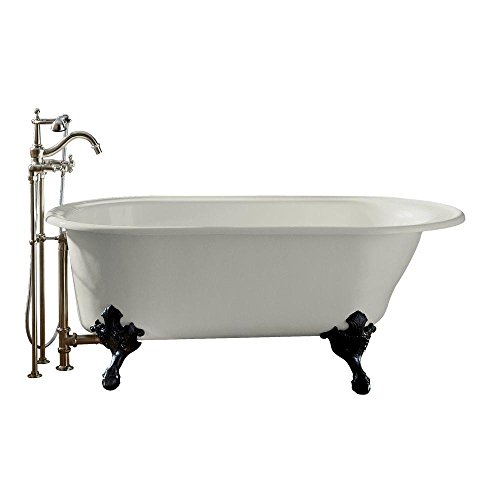
French-style bathtubs lean on freestanding clawfoot and slipper silhouettes, cast iron or acrylic construction with a rolled rim, and polished brass or…
Read the guide
Painted shaker-front cabinets in soft sage, navy and cream with polished brass or nickel hardware, bringing understated country-house elegance to a bathroom…
Read the guide