
Best 30-Inch Bathroom Vanities (2026)
Bathroom Remodeling4.6
Thirty inches is the sweet spot between a cramped 24-inch vanity and a full 36-inch cabinet, giving a single-sink bathroom real drawer…
Read the guideMatte black exteriors, cast iron weight and squared silhouettes for a soaking tub that anchors a converted-warehouse bathroom.
Every pick here had to combine a material and finish that genuinely carry the industrial look, whether that is authentic cast iron enamel or a thick matte-finished acrylic, with a silhouette that leans squared or minimally ornamented rather than curved and traditional. We favored cast iron for its material honesty and heat retention, and high-quality thick acrylic as the practical lighter-weight alternative, over thin fiberglass that flexes and cracks. We weighted aggregated owner reports on finish chipping, heat retention and install difficulty over marketing photography, and we do not accept payment for placement.
| Model | Style Fit | Key Spec | Best For | Check Price |
|---|---|---|---|---|
| Kohler Iron Works Historic | Cast iron, matte black enamel | Cast iron, 66 in length | Best overall | Check price |
| Woodbridge Matte Black Freestanding | Acrylic, matte black exterior | Acrylic, 67 in length | Best acrylic freestanding | Check price |
| Kohler Iron Works Alcove | Cast iron, built-in alcove | Cast iron, 60 in length | Best alcove drop-in | Check price |
| Woodbridge Black Rectangular Soaking Tub | Squared minimalist silhouette | Acrylic, rectangular profile | Best squared silhouette | Check price |
| Kingston Brass Aqua Eden Black Clawfoot | Blackened clawfoot | Acrylic, cast-iron-look claw feet | Best blackened clawfoot | Check price |
| American Standard Cast Iron Alcove | Budget cast iron alcove | Cast iron, 60 in length | Best budget cast iron | Check price |
| Empava Black Freestanding Acrylic Tub | Compact matte black | Acrylic, 59 in length | Best compact freestanding | Check price |
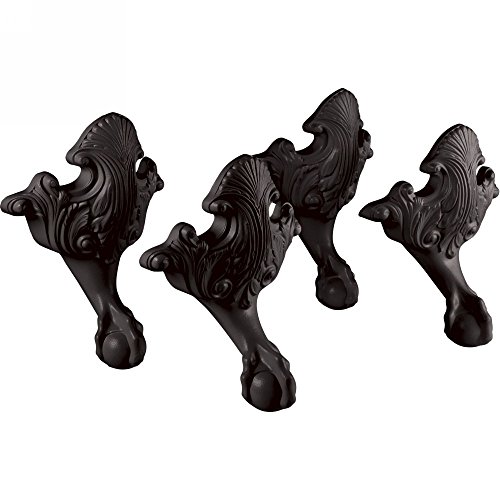
The Iron Works Historic is the pick we recommend first because cast iron is the material industrial design is built around, and available in a matte black enamel exterior, it turns the same raw structural weight that defines factory-salvage furniture into a genuine soaking tub.
Cast iron holds heat far longer than acrylic because the material itself retains thermal energy, which means a bath drawn in a cast iron tub stays warmer longer, a genuine functional benefit alongside the material's industrial credibility. The enameled interior and exterior resist scratching and staining far better than the raw iron it evokes, and in matte black the exterior reads as salvaged factory hardware rather than a decorated fixture.
Owners consistently report that the tub feels immovable and permanent once installed, in a way that acrylic never quite matches, and that the enamel finish has held up over years without the chipping some worry about with cast iron. The main consideration is weight: several hundred pounds empty and considerably more filled, so ground-floor installs are straightforward but upper-floor installs need a structural engineer to confirm floor load capacity before ordering. For an industrial bathroom's centerpiece tub, it is the standout.
Cast iron is the material we point buyers to first when they want the tub itself to carry real industrial weight, literally and visually. The Iron Works Historic keeps that raw material honesty while the enamel finish protects against the wear people worry about. Confirm your floor can bear the load, especially on an upper story, and it becomes the room's anchor piece.

The Woodbridge matte black freestanding tub is the pick for buyers who want the industrial look and a genuinely freestanding silhouette without the weight and structural planning cast iron requires, using thick double-layer acrylic in a matte black exterior.
The double-layer acrylic construction Woodbridge uses is considerably thicker than budget single-layer acrylic tubs, which reduces the flex and creak that thin fiberglass tubs develop over time, while keeping the overall weight low enough that two people can typically maneuver it into place without special equipment. The matte black exterior contrasts with a glossy white interior, giving the exterior industrial presence while keeping the bathing surface bright and easy to see.
Owners value how much easier the install is compared to cast iron, particularly for upper-floor bathrooms or homes with narrow stairwells, and report that the double-layer construction feels solid rather than flexible underfoot. The tradeoff is heat retention, since acrylic loses bath water heat faster than cast iron, so those who take long baths may notice needing to top off with hot water sooner. For a freestanding industrial tub that is realistic to install in most homes, it is the standout.
When cast iron's weight rules out an upper floor or a tricky stairwell, the Woodbridge matte black freestanding tub is the practical alternative that still delivers a genuinely industrial look. The double-layer acrylic is a meaningful step up from thin single-layer tubs that flex and eventually crack. For most freestanding installs, it is the easier real-world choice.

The Iron Works Alcove brings the same cast iron material and matte black enamel option to a standard three-wall alcove footprint, for bathrooms that need a built-in tub and shower combo rather than a standalone freestanding piece.
Most bathrooms in the United States are built around a standard 60-inch three-wall alcove tub opening, and the Iron Works Alcove brings genuine cast iron construction to that most common footprint, so buyers who need both a tub and an overhead shower do not have to choose between industrial styling and a functional combo unit. The matte black apron faces the room while the enameled sides and back seal against the surrounding walls in a standard install.
Owners in standard-footprint bathrooms value that it drops into the same 60-inch opening as their old tub without a remodel, while upgrading the material and finish to genuine cast iron. The tradeoff is the same as any cast iron tub: it needs floor support rated for its weight, and confirming that on an upper floor should happen before ordering. For a functional tub-and-shower alcove that still carries real industrial material, it is the standout.
Most bathrooms cannot fit a dramatic freestanding tub, and the Iron Works Alcove solves that by putting genuine cast iron into the standard 60-inch footprint most homes already have. You get the material honesty and heat retention of cast iron without a full room reconfiguration.

The Woodbridge rectangular soaking tub skips the oval curves most freestanding tubs default to for a squared, boxy profile that leans harder into industrial-architectural minimalism than a rounded silhouette can.
Where most freestanding tubs use a soft oval or slipper shape, the rectangular profile here echoes the squared geometry that runs through industrial furniture and fixtures, from steel-frame vanities to boxy tub fillers. That consistency matters in a room built around straight lines and right angles, since a curved oval tub can look out of place next to a squared vanity and rectangular sink. The matte black acrylic exterior keeps the weight manageable for install.
Owners who built out a fully squared, architectural industrial bathroom report that the rectangular tub ties the room together in a way an oval tub did not, and that the acrylic construction made the install manageable without professional equipment. The tradeoff is that a rectangular footprint can feel bulkier in a smaller room than a tapered oval shape, so measure clearance around all sides before committing. For a bathroom built on squared design language, it is the standout.
If the rest of the bathroom, the vanity, the sink, the tile pattern, leans squared and architectural, an oval tub can look like it wandered in from a different room. This rectangular profile keeps the geometry consistent. Just double-check clearance on all sides, since a boxy footprint uses corner space differently than a tapered oval.

The Aqua Eden black clawfoot tub takes the traditional clawfoot silhouette and finishes both the tub exterior and the cast-iron-look claw feet in matte black, bridging vintage form with an industrial finish for buyers who want elements of both styles.
A blackened clawfoot tub is a genuine style crossover, keeping the ornamented ball-and-claw feet that define vintage bathrooms while finishing everything in the same matte black that defines industrial design, which suits buyers who want to blend the two rather than commit fully to one. It pairs naturally with an exposed floor-mount riser faucet, whose visible black pipe reinforces the industrial half of the pairing even as the tub's silhouette leans traditional.
Owners who wanted a hybrid look report that the black finish genuinely changes how the classic clawfoot shape reads, feeling more architectural and less overtly Victorian than a white or chrome-footed version. The tradeoff is that buyers chasing the most minimal, squared industrial look should choose the rectangular Woodbridge or cast iron alcove instead, since the ornamented feet remain a traditional design element regardless of finish. For a deliberate blend of vintage form and industrial finish, it is the standout.
Not every bathroom needs to choose one style exclusively, and a blackened clawfoot tub is a legitimate way to bridge vintage and industrial design rather than picking a side. The ornamented feet keep the traditional silhouette, while the matte black finish and an exposed riser faucet pull it toward the industrial half of the room.

The American Standard cast iron alcove tub brings genuine cast iron construction to the standard 60-inch alcove footprint at a lower price than the Kohler Iron Works line, for buyers who want real iron without the premium cost.
American Standard's cast iron alcove tub delivers the same core material benefit as the pricier Kohler options, real cast iron with strong heat retention and enamel durability, at a more accessible price point, though with a narrower range of exterior finish colors, typically limited to white rather than a matte black option. For buyers who care most about the material itself rather than a black exterior specifically, painting the surrounding tile, vanity and hardware black around a white cast iron tub still achieves a strongly industrial room.
Owners value getting genuine cast iron's weight, permanence and heat retention without paying Kohler's premium, and report that the enamel finish holds up well under the brand's lifetime warranty. The tradeoff is the more limited color selection, so buyers who want the tub itself in matte black should budget for the Kohler Iron Works line instead. For a budget-conscious buyer who wants real cast iron material honesty, it is the standout value.
If the budget will not stretch to a matte black cast iron tub, this American Standard option still gets you the material that actually matters for the industrial look and the practical heat retention benefit. Lean on black fixtures, tile and vanity hardware around a white cast iron tub to keep the room's overall palette industrial.

The Empava compact freestanding tub brings the matte black industrial exterior to a shorter footprint, fitting bathrooms that cannot accommodate the 66 to 71-inch length of most freestanding tubs on this list.
At 59 inches, the Empava is noticeably shorter than most freestanding tubs, which makes it one of the few realistic freestanding options for a smaller bathroom that still wants the statement-piece presence of a standalone tub rather than a built-in alcove unit. Its matte black acrylic exterior delivers the same industrial visual cue as the longer, pricier options, just in a size that fits more floor plans.
Owners in smaller bathrooms value finally finding a freestanding tub that fits their footprint without a room addition, and that the matte black finish still delivers the full industrial visual impact despite the compact size. The tradeoff is interior length, since taller bathers may find it snugger than a 66-inch or longer tub, and it lacks cast iron's weight and heat retention. For a small bathroom that still wants a freestanding industrial tub, it is the standout.
A freestanding tub feels like it needs a large bathroom, and most of the market assumes that, but the Empava proves a compact footprint can still deliver the same matte black industrial statement. If your bathroom cannot fit a 66-inch tub, this is the option that keeps the freestanding look alive rather than forcing you into a built-in alcove.
A matte black or unfinished-metal exterior instead of glossy white, a material with genuine structural weight like cast iron, and a squared or minimally ornamented silhouette all contribute. A tub can carry one or two of these cues, but genuine industrial styling typically combines a dark matte finish with either real material heft or a distinctly architectural shape.
Cast iron carries more material authenticity and retains bath water heat longer, making it the stronger choice for the industrial look and for long soaks. Acrylic is dramatically lighter, easier to install, especially on upper floors, and available in equally convincing matte black finishes, making it the more practical choice for many homes.
On a ground-floor slab or well-supported joist system, most homes can support a cast iron tub without extra reinforcement. On an upper floor, a filled and occupied cast iron tub can add significant concentrated weight, so have a structural engineer or contractor confirm your floor's load capacity before installing one above ground level.
A freestanding tub, whether cast iron or acrylic, becomes the visual centerpiece of the room and needs floor space clear on all sides plus a floor-mount or wall-mount filler. An alcove tub fits into the standard three-wall footprint most bathrooms already have and supports an overhead shower, making it the practical choice for a combo tub-and-shower bathroom. Choose based on whether the room has space for a standalone piece or needs to double as a shower.
A freestanding tub needs either a floor-mount riser faucet or a deck-mount filler if the tub has a flat rim wide enough to support one, while an alcove tub typically uses a wall-mount filler and shower combo. See our guide to industrial bathtub faucets and showerheads for matte black and exposed-pipe options that pair with each install type.
The biggest planning mistake we see with industrial bathtubs is falling for a cast iron freestanding tub online without confirming the floor, doorway and stairwell can actually get it into the room and support it once it is there. Measure doorway width, confirm floor load on upper stories, and decide honestly whether cast iron's benefits are worth that logistics work, or whether a matte black acrylic tub gets you the same look with a far easier install.
The Kohler Iron Works Historic cast iron tub is the best overall pick, offering genuine cast iron construction in a matte black enamel finish for material authenticity and strong heat retention. For a lighter-weight freestanding alternative, the Woodbridge matte black acrylic tub is the top choice.
Cast iron offers more material authenticity and better heat retention, while acrylic is far lighter, easier to install, and more practical on upper floors. Both are available in convincing matte black exteriors, so the choice comes down to weight, install logistics and budget rather than style limitations.
A cast iron bathtub typically weighs several hundred pounds empty, considerably more once filled with water and an occupant. Always check the manufacturer's exact weight specification and confirm floor load capacity, especially for upper-floor installs, before ordering.
Often yes, but it requires confirming the floor's structural load capacity first, ideally with a contractor or structural engineer, since a filled cast iron tub adds substantial concentrated weight. Many upper-floor bathrooms use acrylic instead specifically to avoid this extra planning step.
A quality matte black acrylic exterior resists everyday wear reasonably well, but cast iron's cured enamel finish generally holds its color and resists scratching longer over many years of use. For the longest-lasting matte black finish, cast iron is the stronger choice.
Compact freestanding tubs run around 55 to 60 inches in length, shorter than the more common 66 to 71-inch models, and still deliver a genuine standalone silhouette in a smaller footprint. Measure your available floor space, including clearance for a floor-mount faucet, before choosing a length.
Not a specific model, but a matte black or exposed-pipe faucet reinforces the style. Freestanding tubs typically pair with a floor-mount riser or a deck-mount filler if the rim supports one, while alcove tubs use a wall-mount filler and shower combo.
Yes, when finished in matte black rather than the traditional white body with chrome or brass feet. A blackened clawfoot tub, like the Kingston Brass Aqua Eden, blends the vintage silhouette with an industrial finish, which works well in a bathroom mixing both design languages.
Use a mild, non-abrasive cleaner and a soft cloth or sponge for both cast iron enamel and acrylic matte black finishes. Avoid abrasive powders or scouring pads on either material, since they can dull the matte finish or create fine scratches that show more visibly on a dark surface than a white one.
Yes. A cast iron alcove tub with a matte black apron, like the Kohler Iron Works Alcove, brings genuine industrial material to the standard three-wall tub-and-shower footprint most bathrooms already have, without requiring a full remodel to accommodate a freestanding piece.
A cast iron tub with a quality enamel finish commonly lasts 50 years or more with normal care, since the base material itself does not degrade and the enamel resists most everyday wear. This longevity is part of why cast iron carries a premium price and a strong resale reputation.
A freestanding tub stands independently with finished exterior sides visible from all angles and needs its own floor space and a floor-mount or deck-mount faucet. A drop-in or alcove tub installs against one or more walls with an unfinished exterior hidden behind a surround, typically paired with an overhead shower.
For the best industrial bathtub overall, the Kohler Iron Works Historic wins on genuine cast iron material, strong heat retention and a durable matte black enamel finish. Choose the Woodbridge matte black freestanding for a lighter-weight acrylic alternative, the Kohler Iron Works Alcove for a standard three-wall tub-and-shower footprint, the Woodbridge rectangular soaking tub for a squared architectural silhouette, the Kingston Brass Aqua Eden black clawfoot for a vintage-industrial hybrid, the American Standard cast iron alcove for genuine iron on a tighter budget, and the Empava compact freestanding for a smaller footprint. Confirm floor load and doorway clearance before committing to cast iron, and acrylic remains the easier practical choice for most upper-floor installs.
Thirty inches is the sweet spot between a cramped 24-inch vanity and a full 36-inch cabinet, giving a single-sink bathroom real drawer…
Read the guideCast iron is the material homeowners choose when heat retention and permanence matter more than installation weight, and Kohler remains the brand…
Read the guideStep-by-step fixes for the bathroom vanity problems that show up most often, from misaligned drawers and doors to water damage at the…
Read the guide