
Why Toilet Trapways Are Curved Like an S
Toilets4.6
Learn why toilet trapways curve like an S, how each bend blocks sewer gas, and what the shape means for clogs and…
Read the guideA complete guide to diagnosing and repairing common toilet flush valve issues, from weak flushes and running water to ghost flushing and handle jams.
Most toilet flush valve problems stem from a worn flapper, mineral buildup on the valve seat, or a misadjusted fill valve. Replacing the flapper and cleaning the valve seat fixes 80% of issues. For persistent weak flushes, check the flush valve height and chain length. This guide covers every fix step by step.
The flush valve sits at the bottom of the toilet tank. When you press the flush handle, a lever lifts the flapper (or a tower-style seal) off the flush valve opening. Water rushes from the tank into the bowl through the siphon jet and rim holes, creating the flushing action. After the tank empties, the flapper drops back down, sealing the valve so the tank can refill. The fill valve then controls water level for the next flush.
Understanding the flush valve's role is key: it's a simple gravity-driven seal. Most failures are mechanical (worn rubber, misaligned chain) or due to mineral deposits. A standard 2-inch flush valve works well for most homes, but high-performance toilets often use a 3-inch flush valve for faster, more powerful flushes.
Start by checking the water level in the tank. It should be about 1/2 inch below the overflow tube. If it's low, adjust the fill valve. Next, inspect the flapper chain: it should have about 1/4 inch of slack. If the chain is too tight, it pulls the flapper closed prematurely, cutting the flush short. If it's too loose, the flapper may not lift fully.
Mineral buildup on the flush valve seat can prevent a proper seal. Turn off the water supply, flush to empty the tank, and scrub the valve seat with a non-abrasive pad. For stubborn deposits, use a vinegar-soaked cloth. If the flapper is over two years old or feels soft and spongy, replace it. A worn flapper is the most common cause of weak flushes.
Many homeowners overlook the flush valve height. If the toilet has a 2-inch flush valve, upgrading to a 3-inch valve can dramatically improve flush power. However, this requires replacing the entire flush valve assembly. For most standard toilets, simply replacing the flapper and cleaning the seat restores full performance.
Ghost flushing occurs when the flapper leaks a small amount of water, causing the tank to slowly lose water. The fill valve then kicks in to refill, creating a brief flush sound. To diagnose, add a few drops of food coloring to the tank water. If color appears in the bowl within 30 minutes without flushing, the flapper is leaking.
Replace the flapper if it's warped, cracked, or covered in mineral deposits. Also check the flush valve seat for roughness or debris. A worn seat may need to be cleaned or replaced. If the fill valve is set too high, water can trickle into the overflow tube, causing continuous running. Adjust the fill valve float to lower the water level.
A common mistake is buying a universal flapper that doesn't match the toilet brand. TOTO and Kohler often use specific flapper designs. Using the wrong flapper can cause leaks. Always check the manufacturer's part number for the correct replacement. If the flush valve seat is damaged, a flush valve repair kit can resurface it without replacing the entire valve.
Remove the tank lid and watch the mechanism as you push the handle. If the flapper doesn't move, the lift chain or wire may be broken or disconnected. Reattach or replace the chain. If the handle feels loose, tighten the nut inside the tank that holds the handle in place. If the handle is broken, replace it.
If the flapper lifts but no water releases, the flush valve may be clogged with mineral deposits. Turn off the water, flush to empty the tank, and use a screwdriver to gently break up any deposits around the valve opening. In rare cases, the flush valve itself may be cracked or broken, requiring replacement of the entire flush valve assembly.
For toilets with a tower-style flush valve (common in newer TOTO models), the seal can become stuck due to calcium buildup. Soaking the tower seal in vinegar for 30 minutes usually restores movement. If the flush valve body is cracked, you'll need to replace the entire assembly, which involves removing the toilet tank.
Signs you need a new flush valve include: water pooling around the base of the flush valve inside the tank, a cracked or broken overflow tube, or a valve seat that's pitted or corroded beyond cleaning. Replacing the flush valve requires draining the tank, disconnecting the water supply, and removing the tank from the bowl. It's a more involved repair but can improve flush performance significantly.
When replacing, choose a flush valve that matches your toilet's size (2-inch or 3-inch) and height. Most standard toilets use a 2-inch valve, but many high-efficiency models use 3-inch valves for faster water flow. Universal replacement kits are available at hardware stores and include a new valve body, gasket, and mounting hardware.
If you're replacing the flush valve, consider upgrading to a 3-inch valve if your toilet tank allows it. A 3-inch flush valve moves water faster, creating a stronger siphon and better waste removal. This is a common upgrade for older toilets that struggle with clogs. Always check tank clearance before buying a taller valve.
| Model | MaP Score | GPF | Flush Type | Trapway | Height | Best For | Check Price |
|---|---|---|---|---|---|---|---|
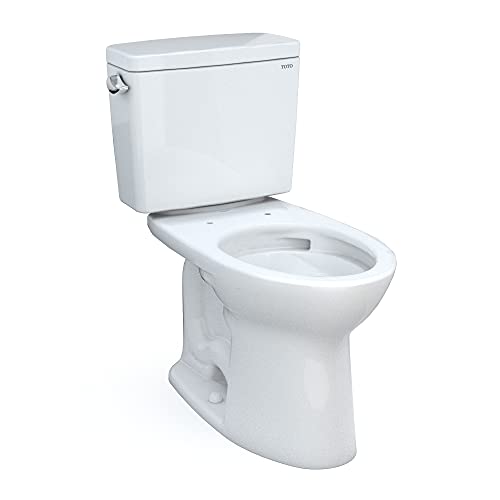
| TOTO Drake II | 1000g | 1.28 | G-Max | 2-1/8" | 16-1/8" | Power and efficiency | Check price |
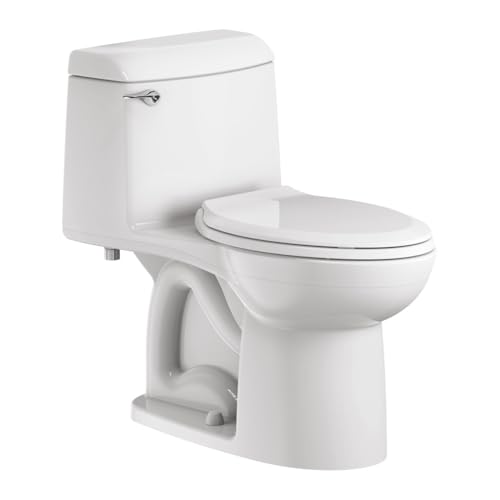
| American Standard Champion 4 | 1000g | 1.28 | Flush Tower | 2-3/8" | 16-1/2" | Clog resistance | Check price |
| Kohler Highline | 1000g | 1.28 | AquaPiston | 2-1/8" | 16-1/2" | Reliable seal | Check price |
| Gerber Viper | 1000g | 1.6 | Gravity | 2" | 15-3/4" | Budget value | Check price |
| Woodbridge T-0001 | 1000g | 1.28 | Dual flush | 2-1/8" | 16-1/2" | Dual flush option | Check price |
These models represent the most reliable flush valves on the market. The American Standard Champion 4 uses a large 3-inch flush valve for rapid water release, while the TOTO Drake II's G-Max system provides a powerful, quiet flush. For more details on top-performing toilets, see our guide to best flushing toilets.
Replace the flapper every 2 to 3 years. Rubber degrades over time, especially in areas with hard water or chlorine. If the flapper feels soft or shows cracks, replace it immediately.
Universal flappers work on most standard toilets, but some brands like TOTO and Kohler require specific flapper designs for proper sealing. Always check compatibility with your toilet model.
A 3-inch flush valve allows water to flow faster into the bowl, creating a stronger siphon and better waste removal. It's common in high-performance toilets like the American Standard Champion 4.
Double flushing often means the flapper is closing too quickly, cutting the flush short. Adjust the chain to have a slight slack, or replace the flapper if it's worn. Low water level in the tank can also cause this.
For most fill valves, turn the adjustment screw or slide the float clip up or down. The water level should be about 1/2 inch below the top of the overflow tube. Check the manufacturer's instructions for your specific fill valve.
Intermittent running, or ghost flushing, is usually caused by a slow leak from the flapper. The tank loses water over time, triggering the fill valve. Add food coloring to the tank to confirm the leak.
Yes, hard water mineral deposits can build up on the flush valve seat and flapper, preventing a proper seal. Regular cleaning with vinegar or a descaling solution helps prevent this.
Turn off the water, flush to empty the tank, and use a non-abrasive pad or brush to scrub the valve seat. For heavy deposits, soak a cloth in vinegar and place it over the seat for 30 minutes before scrubbing.
TOTO recommends using genuine TOTO flappers and flush valve parts for optimal performance. The TOTO THU319S flapper is a common replacement for Drake and Ultramax models.
A stiff handle usually means the lift chain is too tight, or the handle mechanism is corroded. Loosen the chain slightly. If the handle still sticks, replace the handle assembly.
Turn off the water, flush to empty the tank, disconnect the water supply line, and remove the tank from the bowl. Remove the old flush valve from inside the tank, install the new one with the gasket, and reassemble. Tighten the lock nut securely.
Yes, dual flush conversion kits are available that replace the standard flush valve with a dual flush mechanism. These allow you to choose between a full flush for solid waste and a reduced flush for liquid waste.
Basic tools include an adjustable wrench, screwdriver, pliers, and a bucket. For replacing the flush valve, you may also need a putty knife and a new wax ring if you remove the tank.
Measure the diameter of the flush valve opening in the tank. Standard sizes are 2 inches and 3 inches. Most residential toilets use 2-inch valves, but high-performance models often use 3-inch valves.
Toilet flush valve problems are almost always fixable with basic tools and a replacement flapper. Start with the simplest fix: clean the valve seat and replace the flapper. If the problem persists, check the chain length and water level. For persistent weak flushes, consider upgrading to a 3-inch flush valve. Most repairs take under 30 minutes and cost less than $20. If you're replacing the entire valve, choose a model that matches your toilet's specifications for a reliable, long-lasting fix.
Learn why toilet trapways curve like an S, how each bend blocks sewer gas, and what the shape means for clogs and…
Read the guideAlmost every US toilet has a left-side handle. Learn the plumbing and mechanical reasons behind the layout and when it actually changes.
Read the guideHome toilets rely on tanks because household water lines lack the pressure that public flushometer systems use to flush straight from the…
Read the guide