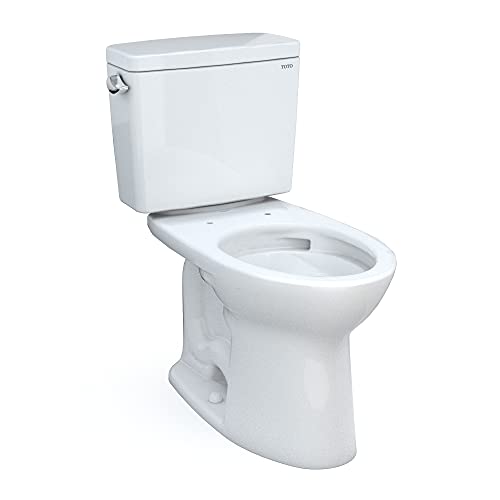
TOTO Drake
Comfort height with a top flush4.8
A near top MaP flush score and an efficient 1.28 gallon flush in a comfort height bowl, the safe default for most adult bathrooms.
Check price on AmazonBowl height is one of the few toilet specs you feel every single day, yet it is the easiest one to overlook on a spec sheet. We compare comfort height and standard height toilets on exact seat measurements, who each one suits, accessibility rules, kids and shorter users, and the patterns in aggregated owner reviews so you pick the right rim height the first time and never think about it again.
Choose a comfort height toilet (16.5 to 19 inches to the seat) for almost any adult bathroom, since the taller rim is easier on knees, hips and backs and is the modern default. The TOTO Drake (comfort height, near top MaP score) is our overall pick. Choose standard height (14.5 to 15.5 inches) only for young children or shorter adults whose feet would otherwise dangle.
Walk a showroom or scroll a retailer and most toilets look interchangeable, but there is one spec hiding in plain sight that changes how the fixture feels under you every day: the height of the bowl rim. Manufacturers split this into two camps. Standard height, the old default, places the seat roughly 14.5 to 15.5 inches off the floor. Comfort height, also sold as right height, chair height or universal height, raises the seat to roughly 16.5 to 19 inches, close to the height of a normal chair. That difference of just a couple of inches sounds trivial on paper, yet it is the single most common reason owners love or quietly regret a new toilet.
Here is the part most buyers miss: bowl height has nothing to do with flush power. A comfort height toilet does not flush harder than a standard height one, and a standard height toilet is not weaker. Flush performance comes from the trapway, the flush valve and the bowl's internal geometry, which is why the same model line, such as the TOTO Drake or the Kohler Cimarron, posts nearly identical MaP flush-test scores in both heights. That means you can pick the height purely on comfort and fit, then choose the model on performance. This guide walks through the exact measurements, who each height suits, the accessibility rules that matter, and three real models worth shortlisting. For the wider picture across every spec, our complete guide to choosing a toilet covers them all in order, and our pillar roundup of the best flushing toilets ranks real models by MaP score.
We do not test toilets in a lab. We compare manufacturer published specifications, MaP (Maximum Performance) flush-test gram scores, gallons per flush, EPA WaterSense listings, ADA reference dimensions and aggregated owner ratings across major retailers. For the comfort height versus standard height question specifically, we weigh seat height, user height and mobility, accessibility, and how each height feels for children, since those are the factors rim height actually affects. Where one height clearly suits a use case better, we say so rather than declaring a universal winner.
The only real difference is the distance from the floor to the top of the seat, but it ripples into comfort, accessibility and who can use the toilet easily.
A standard height toilet measures roughly 14.5 to 15.5 inches from the floor to the top of the seat. That was the residential norm for decades and is still what most people picture when they imagine a toilet. A comfort height toilet raises that seat to roughly 16.5 to 19 inches, with most landing at 17 to 17.5 inches measured to the bowl rim, which becomes about 16.5 inches once you account for the seat. Manufacturers measure to the rim, so a model listed at 17 inches sits very close to a dining chair once seated. That extra 2 to 3 inches is the entire story, and everything people associate with the two heights flows from it.
Because the comfort height bowl sits taller, you sit down a shorter distance and stand up from a higher starting point, which puts far less strain on the knees, hips and lower back. That is why it has become the default in new homes, remodels and any bathroom used by adults. The standard height bowl, by sitting lower, lets a user's feet rest flat and their knees rise slightly above the hips, a position that is genuinely better for children, shorter adults and anyone who finds a deep, supported squat more comfortable. The difference is not about quality, it is about matching the rim to the body that uses it.
Comfort height, right height, chair height, universal height and ADA-compliant height all describe the same taller rim. The names are marketing, not different products. Standard height is the only genuinely lower option. Whenever a listing uses one of those taller-height labels, expect a seat in the 16.5 to 19 inch range, and check the exact bowl rim measurement on the spec sheet to be sure.
How the two heights compare on the factors buyers ask about most. Flush specs assume the same model line offered in both heights. The winner column is tinted where one height has a clear practical edge.
| Factor | Standard height | Comfort height |
|---|---|---|
| Seat height from floor | ~14.5 to 15.5 in | ~16.5 to 19 in |
| Ease of sitting and standing (adults) | Requires a deeper lower | Easier on knees and hips |
| Best for young children | Feet reach the floor | Feet may dangle |
| Accessibility (ADA reference) | Below ADA range | 17 to 19 in meets ADA |
| Typical MaP flush score | Same as comfort height | Same as standard |
| Gallons per flush | 1.28 available | 1.28 available |
| Model selection | Shrinking | Widest current range |
| Resale signal | Can read as dated in a primary bath | Expected in modern homes |
| Best for | Kids' baths, shorter adults, squat preference | Most adult bathrooms, seniors, accessibility |
The reason comfort height has taken over is simple ergonomics. Sitting down onto and rising up from a taller surface uses less knee bend and less effort, which is gentler on aging joints and easier for anyone with hip, back or balance issues. Aggregated owner reviews across TOTO, Kohler and American Standard lean strongly toward comfort height when ease of use is mentioned, and the format is the standard recommendation from accessibility specialists. For a household of adults, comfort height is the safe default that almost nobody regrets.
Standard height is not obsolete, though. A lower seat lets shorter users and children plant their feet flat, which feels more stable and supported, and some people simply prefer the more squatted posture for elimination. The decision is genuinely about the people in the house rather than a quality ranking, which is why we steer it back to who uses the room rather than declaring one height universally superior.
It pays to read the spec sheet carefully because brands measure to the bowl rim, not the top of the installed seat. A toilet listed at 16.5 inches to the rim sits closer to 17 inches once a standard seat is added, and a model listed at 17.5 inches can land near 18 inches seated. That half-inch matters at the edges of the range, especially for very short or very tall users. TOTO, Kohler, American Standard, Woodbridge, Swiss Madison and Gerber all publish bowl height on their spec pages, so confirm the number for the exact model rather than trusting the marketing label alone.
There is also a small group of extra-tall toilets sometimes sold as tall height or super comfort height, with rims of 19 inches or even 20 inches. These suit very tall adults or specific accessibility needs, but they can leave average and shorter users with dangling feet, so they are a niche choice rather than a general upgrade. If you want a deeper look at the tallest options and who they fit, that is its own conversation beyond the standard comfort height range covered here.
The Americans with Disabilities Act sets a reference seat height of 17 to 19 inches measured to the top of the seat, not the rim, which is why many comfort height toilets are marketed as ADA-compliant. The overlap is real, but the labels are not a guarantee. A model that lists a 16.5 inch rim can finish below the ADA minimum once seated, so if accessibility is the goal you need a model that clearly reaches 17 inches or more to the seat. The TOTO Drake, Kohler Cimarron and American Standard Cadet 3 all offer ADA-height comfort versions, and TOTO, Kohler and American Standard publish whether a given SKU meets ADA on their spec pages.
Height is only part of accessibility, though. Genuine accessibility also depends on clear floor space beside and in front of the toilet, the position of grab bars, and an elongated bowl that makes transfers easier. If you are outfitting a bathroom for a senior or a mobility-limited user, treat comfort height as the starting point and build the room around it. The taller seat helps most when it works as part of a properly laid-out, supported space.
Tip: If you cannot find an ADA-compliant toilet you like at the exact height you need, a thick aftermarket seat or a raised seat add-on can lift a comfort height bowl into the 17 to 19 inch range. Confirm the combined height before you rely on it for accessibility, and make sure the seat is rated for the user's weight.
The same extra inches that help adults work against small children. When a child's feet cannot reach the floor, they lose the stability and leverage that make sitting feel secure, and toddlers in particular can find a comfort height bowl intimidating during potty training. In a bathroom used mainly by young kids, a standard height toilet is the more practical choice, letting feet rest flat and knees rise naturally, which also supports better elimination posture for little ones.
That said, plenty of families run comfort height toilets in shared bathrooms without issue by adding a sturdy step stool, which gives children a stable foot platform and doubles as a reach aid at the sink. Children grow into a comfort height bowl quickly, so if you are buying one toilet for a mixed-age household, comfort height plus a stool is a sensible compromise rather than buying a standard height fixture you will outgrow. Match the choice to whether the room is kids-only or shared.
It is a common assumption that a taller toilet flushes differently, but the flush happens inside the bowl and trapway, which are engineered independently of how high the rim sits. When a manufacturer offers the same model in both heights, such as the TOTO Drake or the Kohler Cimarron, the two versions share the same or nearly identical MaP score and the same WaterSense-certified water use. A model rated at 800 to 1000 grams on the MaP test will clear a busy household at either height, so flush power should be decided on the score, not the rim.
If raw clog-clearing force is your priority, focus on the MaP gram score, the flush valve size and the trapway, and pick whichever height suits the people using the room. The TOTO Drake II, Kohler Cimarron and American Standard Champion 4 all post strong MaP numbers and are widely available in comfort height, so you do not have to trade ergonomics for performance. For the full ranking of the strongest flushers regardless of height, our pillar guide to the best flushing toilets sorts real models by MaP score and water use.
If you are buying one toilet for a primary or family bathroom and you are not sure which height to get, buy comfort height. The ergonomic benefit is real and broad, the resale signal is positive, and a step stool solves the kids problem cheaply. The only times we steer buyers to standard height are a dedicated children's bathroom, a household of consistently short adults, or a user who specifically prefers the deeper squatted posture. Everyone else is better served by the taller rim.
Within a single model line the two heights usually cost the same or within a small margin of each other, since the only difference is the bowl mold. Where standard height can look cheaper is at the very bottom of the market, where some basic builder-grade fixtures are still standard height. That apparent saving rarely holds up once you compare flush score and water use, because the strongest, most efficient current models are overwhelmingly comfort height. Value here means buying a well-rated toilet in the height that fits your household, not chasing a few dollars on the rim.
Selection is the quieter advantage. Because comfort height is the modern default, you simply have more choices, more finishes and more skirted and one-piece designs to pick from. Standard height options still exist across TOTO, Kohler, American Standard, Woodbridge, Swiss Madison and Gerber, but the range is narrower and skews toward simpler models. If you have a specific need that demands standard height, confirm the exact model is still in production before you fall in love with it, since some lines now ship comfort height only.
Three short tests settle the question for almost every bathroom.
The bathroom is used mainly by adults, anyone in the house has knee, hip, back or balance issues, you are planning for aging in place, or you want the resale-safe modern default. Confirm the seat reaches 17 inches or more if accessibility is the goal. Comfort height is the right answer for the large majority of full bathrooms and primary suites.
The room is a dedicated children's bathroom, the household is consistently short in stature, or a user specifically prefers the lower, more squatted posture. A standard height seat lets feet plant flat and knees rise above the hips, which is genuinely better for kids and some shorter adults. Just confirm the model you want is still made in standard height.
Once the height is settled, choose the specific toilet on MaP flush score, gallons per flush and WaterSense certification, then confirm it comes in the height you need. Bowl shape, one-piece versus two-piece and trapway design matter far more to daily satisfaction than a couple of inches of rim. If you are still mapping out those other choices, the full toilet buying guide, our look at one-piece versus two-piece toilets and our breakdown of round versus elongated bowls cover them in order.
The mistake we see most often is buyers fixating on height while ignoring the spec that actually determines daily happiness: the MaP flush score. A comfort height toilet that clears only 350 grams will frustrate a household far more than a standard height toilet rated at 1000 grams ever would. Settle the height in five minutes using who uses the room, then spend your real research time on flush performance, water use and trapway design. Height is a comfort decision. Flush score is a satisfaction decision.
Three reliable picks that pair a strong MaP flush with the height most households actually need, so you get ergonomics and power together.
A near top MaP flush score and an efficient 1.28 gallon flush in a comfort height bowl, the safe default for most adult bathrooms.
Check price on Amazon
A comfort height elongated bowl in the ADA seat range with a strong MaP score, a smart pick for seniors or aging-in-place bathrooms.
Check price on Amazon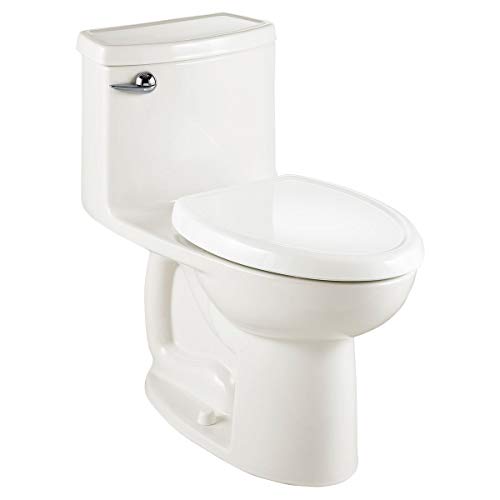
Offered in standard height with a high MaP score, letting children plant their feet flat while still flushing hard in a busy family bathroom.
Check price on AmazonSeat height from the floor. A standard height toilet measures about 14.5 to 15.5 inches to the top of the seat, while a comfort height toilet measures about 16.5 to 19 inches, close to a normal chair. That extra 2 to 3 inches is the only structural difference and it changes how easy the toilet is to sit on and rise from.
Most comfort height toilets list a bowl rim of 17 to 17.5 inches, which works out to roughly 16.5 to 18 inches at the seat depending on the seat thickness. The full comfort height range runs about 16.5 to 19 inches. Always check the bowl height on the spec sheet, since brands measure to the rim, not the installed seat.
Not exactly. ADA guidelines call for a seat 17 to 19 inches from the floor. Many comfort height toilets fall in that range, but some list a 16.5 inch rim that finishes just below ADA once seated. For true accessibility, confirm the seat reaches 17 to 19 inches and check the manufacturer's ADA-compliance note for that specific model.
Yes, for most seniors a comfort height toilet is easier and safer because the taller seat reduces how far they have to lower and rise, which is gentler on knees, hips and balance. Pair it with grab bars and proper clearances for the best result. An ADA-height model at 17 to 19 inches is the usual recommendation.
It can be. If a comfort height seat leaves a shorter adult's feet dangling, it feels less stable and can be less comfortable for elimination. Shorter users often prefer standard height so their feet rest flat. If you already have a comfort height bowl, a small footstool restores a stable, supported posture.
Not ideal in a dedicated kids' bathroom, because young children's feet cannot reach the floor on a taller seat, which feels unstable and can hinder potty training. Standard height suits kids better. In a shared family bathroom, a comfort height toilet plus a sturdy step stool is a common compromise that works as kids grow.
No. Flush strength comes from the flush valve, trapway and bowl engineering, not the rim height. When a model is sold in both heights, the comfort and standard versions carry the same or nearly identical MaP flush scores and the same gallons per flush, so a taller seat never costs you flushing power.
Comfort height refers to the more comfortable, chair-like seated position the taller rim provides for most adults. It is a marketing term, and the same height is also sold as right height, chair height, universal height or ADA height depending on the brand. All describe a seat in the 16.5 to 19 inch range.
For a single shared bathroom, comfort height plus a step stool is usually the best compromise, since adults get the ergonomic benefit and children get a stable foot platform. If you have a bathroom used only by young children, a standard height toilet is the more practical pick there.
Yes. Some models are sold as tall height or extra comfort height with rims of 19 to 20 inches, aimed at very tall adults or specific accessibility needs. They can leave average and shorter users with dangling feet, so they are a niche choice rather than a general upgrade over standard comfort height.
Within the same model line, the two heights usually cost the same or within a small margin. Standard height can look cheaper on entry-level builder-grade models, but the strongest, most efficient current toilets are mostly comfort height, so value comes from picking a high MaP-rated model rather than from the height itself.
Yes. A thick aftermarket seat adds a small amount, and a raised toilet seat or a toilet riser can add 2 to 5 inches for accessibility. Confirm the combined height and the weight rating before relying on it, and make sure any add-on is securely fastened so it does not shift in use.
Yes. TOTO (Drake, Drake II, UltraMax II), Kohler (Cimarron, Highline, Santa Rosa) and American Standard (Champion 4, Cadet 3) all offer comfort height options, many of them ADA-compliant. Woodbridge, Swiss Madison and Gerber also make comfort height models, so the format is available across every major brand.
For many people, yes. Because you lower and rise a shorter distance from a taller seat, comfort height reduces the knee bend and effort involved, which is often easier on sore knees, hips and backs. It is not a medical fix, but aggregated owner reviews consistently mention easier movement on comfort height bowls.
In a primary or full bathroom, comfort height is the expected modern format and reads better to buyers and home inspectors, while a standard height toilet in a main bath can feel dated. In a children's bathroom or secondary half-bath, standard height raises no concerns, so match the height to the room's role.
No. Rough-in is the distance from the finished wall to the center of the drain bolts, almost always 12 inches, and it is independent of seat height. Both heights install the same way and use the same widely stocked wax rings, fill valves and supply lines, so neither height complicates installation or repairs.
For most adult bathrooms, yes. Comfort height and an elongated bowl together give the easiest sit-and-stand and the most supportive seating position, which is why that combination is the modern default and the usual accessibility recommendation. Confirm you have the floor clearance for an elongated bowl before committing.
For the large majority of adult bathrooms, comfort height (16.5 to 19 inches) is the right choice, since the taller rim is easier on knees, hips and backs, meets ADA height when it reaches 17 inches or more, and is the resale-safe modern default. Reserve standard height (14.5 to 15.5 inches) for dedicated children's bathrooms and consistently short users. Because seat height does not affect flushing, settle the height on who uses the room, then choose the specific model on MaP score and water use. The comfort height TOTO Drake is our overall pick, with the Kohler Cimarron for accessibility and the standard height American Standard Cadet 3 for kids' baths.
When you flush, where does it go? Follow toilet water from the bowl through the trap, drain, and stack to a septic…
Read the guideDo toilets need electricity to flush? Most do not. Learn which toilets use power, how a standard flush works, and how to…
Read the guideFind out how many gallons per flush an old toilet really uses, how to check your own tank, and how much water…
Read the guide