A toilet overflowing onto the floor is one of the fastest household emergencies to control once you know the exact order of moves. This guide takes you from the first ten seconds that stop the water, through cleanup, clog clearing, and the long-term fix that ends recurring overflows for good. Everything is based on published toilet specifications, independent MaP flush-test data, and EPA WaterSense standards, not guesswork.
Quick Answer
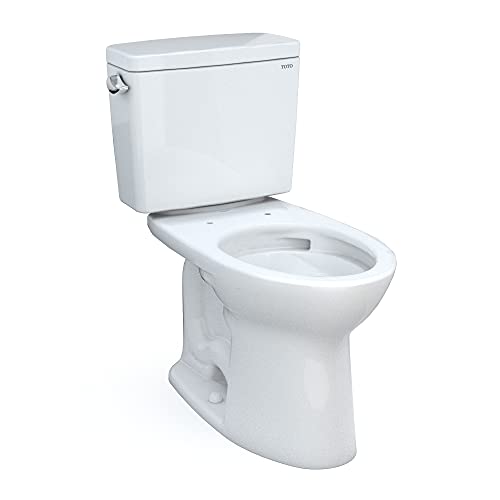
Do not flush again. Lift the tank lid and push the rubber flapper down to seal it instantly, then turn the shutoff valve clockwise to cut the water supply. Bail the bowl to half full, plunge with a flange plunger using 15 to 20 firm strokes, and disinfect afterward. Recurring overflows almost always trace to a weak low-MaP toilet, and the TOTO Drake with its 1,000-gram MaP score and 2-1/8 inch glazed trapway is the permanent fix at 1.28 GPF.
The moment water starts climbing the bowl instead of draining, your instinct is to flush again or to grab a mop. Both are wrong. An overflow happens because something downstream is blocked and flush water has nowhere to go, so the only thing that ends the emergency is stopping more water from entering the bowl. Everything else, cleanup, plunging, the long-term fix, can wait the two minutes it takes to get there calmly. The panic comes entirely from not knowing where the off switch is and in what order to act. This guide hands you that order so a near-flood becomes a five-minute inconvenience.
Rather than repeating general household advice, this guide draws on how we analyze every product on this site: published manufacturer specifications, independent MaP (Maximum Performance) flush-testing scores from the Maximum Performance program, EPA WaterSense certification data, and the failure patterns that surface consistently across aggregated owner reviews. We start with the emergency stop, move through cleanup and clog clearing, then finish with how a toilet's design determines whether you deal with this once or once a month. For anyone who wants the emergency sequence alone, the companion page on how to stop a toilet from overflowing covers just that two-step move.
Do this before you read anything else. If the bowl is rising toward the rim right now, lift the tank lid off and press the rubber flapper at the bottom of the tank down firmly with your hand. That stops the tank from dumping more water into the bowl. Then reach behind the toilet near the floor and turn the shutoff valve clockwise until it stops. Those two moves take about ten seconds and halt every toilet overflow, regardless of the cause.
What should I do first when my toilet is overflowing?
The first thing to do when a toilet overflows is stop more water from entering the bowl. Remove the tank lid and push the rubber flapper down so the tank stops emptying, then turn the shutoff valve behind the toilet clockwise to cut the supply completely. Do not flush again. Both moves together take under fifteen seconds and halt the rising water before it reaches the rim, giving you time to clean up and clear the clog without further flooding.
An overflow is water arriving in the bowl faster than the blocked drain can carry it away, so cutting the inflow is the entire emergency. The flapper is the rubber disc at the bottom of the tank connected to the handle by a chain. When a flush is in progress it lifts and dumps the tank into the bowl, so pressing it back down by hand stops the single largest source of incoming water. Closing the shutoff valve then prevents the tank from refilling and allowing another accidental flush. With no new water entering, the bowl level holds and usually begins dropping as the partial blockage seeps water through, converting a flooding emergency into a routine clog you can clear at your own pace.
If you cannot find or turn the shutoff valve, the flapper press alone buys enough time. As a backup, reach into the tank and lift the float ball or float cup by hand to stop the fill valve from adding water. As a last resort, shut off the main water supply for the house. A shutoff valve that is stiff or seized is worth replacing afterward, because it is the single most important emergency control your toilet has and it costs under ten dollars to replace yourself.
The full step-by-step sequence for an overflowing toilet
Below is the complete response order, from the instant the bowl starts to rise through cleanup, clearing the cause, and confirming the toilet works normally again. Following it in sequence avoids the three classic mistakes that turn a minor incident into real water damage: flushing again to test (which causes a second overflow), reaching for chemical drain cleaners (which can damage the bowl glaze and splash back dangerously during plunging), and skipping the cleanup so contaminated water soaks into subfloor and triggers mold.
Step 1: Stop the inflow at the flapper and shutoff valve
Lift off the tank lid and set it somewhere safe, not balanced on the edge. Find the flapper at the bottom of the tank and press it firmly down onto its valve seat with your hand if water is still draining into the bowl. Then close the shutoff valve, the small oval or football-shaped handle behind the toilet where the supply line meets the wall, by turning it clockwise until it stops. Use steady pressure on an old or stiff valve rather than forcing it, so you do not snap a brittle plastic handle. This step is complete in under twenty seconds and transforms a flooding emergency into a standing-water situation you control.
Step 2: Contain and protect the surrounding area
Once the water stops rising, lay old towels or rags around the base of the toilet to absorb what has already spilled and to catch plunging splashes. If you are in an apartment or above a finished room, this step matters as much as clearing the clog, because toilet overflow water travels through floors quickly and can stain or warp the ceiling below. Set a bucket nearby. Moving fast on containment now prevents a far larger cleanup. Spreading newspapers under the towels adds extra absorption and is easy to roll up and discard afterward.
Prevention tip. Show every adult and older child in the household where the shutoff valve is now, while the toilet is working normally. In an overflow, the difference between a wiped-up floor and a ceiling-damaging flood is whether someone locates that valve in the first ten seconds. This single piece of preparation is the cheapest insurance in any bathroom.
Step 3: Let the bowl settle, then bail to half full
With no new water entering, the bowl level holds and usually begins dropping as the partial blockage allows water to seep past. Wait two or three minutes. If the bowl is still near the rim and you want clearance to plunge without splashing, bail a few cups of water into the bucket using a disposable cup or small container. The target is approximately half full: enough water to seal a plunger bell but not so much that each stroke sloshes over the rim. A bowl that is too full is the single most common reason plunging makes a worse mess than the overflow did.
Step 4: Clear the clog with a flange plunger
The right tool matters more than effort. A flange plunger has an extended rubber sleeve that folds out from the cup to seat into the toilet drain opening and create a true seal. A flat cup plunger designed for sinks and tubs cannot seal against the curved toilet drain and wastes your effort. Place the flange into the drain at the bottom of the bowl and confirm the rubber bell is submerged, because plunging works by moving a column of water against the blockage, not air. Use your first push gently to expel any trapped air without splashing, then pump with firm controlled strokes: push down to force water against the clog, pull up sharply to tug it in the other direction. Keep the seal intact throughout. Ten to twenty deliberate strokes clears the large majority of clogs. When the water drains away with a rush and the bowl empties, the blockage is gone.
Step 5: If plunging fails, use a closet auger
When plunging does not clear it, the blockage is either further into the trapway or it is a solid object a plunger cannot dislodge. A closet auger, sometimes called a toilet snake, is the correct next tool. It has a rigid outer sleeve with a protective rubber boot at the curve, a flexible cable inside, and a crank handle. The boot shields the bowl glaze from scratches while the cable reaches past the trapway curve. Feed the curved tip gently into the drain, crank clockwise until you feel the clog give or hook, then retract slowly. Anything solid the cable hooks, a toy, a toothbrush, a wad of wipes, comes out with it. After augering, plunge a few strokes to clear any remaining debris, then proceed to the next step. Our guide on how to unclog a toilet without a plunger covers the hot-water-and-dish-soap method for paper clogs when no tools are available.
Step 6: Restore the water supply and test carefully
Once the bowl drains freely, turn the shutoff valve counterclockwise to restore the water and let the tank fill completely. Do not flush immediately. First pour a bucket of water slowly into the bowl and watch: if the bowl swallows it cleanly without rising, the path through the trapway is clear. Now do a single controlled flush and watch the entire cycle. A clear drain flushes and refills with the bowl returning to its normal standing level. If the water rises even slightly before draining, the clog is only partly cleared and you need to plunge or auger once more before relying on the toilet again.
Step 7: Disinfect and dry the area
Overflow water can carry waste and bacteria, so cleanup is not optional even if the spill looked minor. Wearing rubber gloves, absorb remaining water with old towels or a wet vacuum, then apply a household disinfectant to the floor, the base of the toilet, and any surface the water reached. Wash soiled towels on hot or discard them in a sealed bag. If water reached carpet, spread under baseboards, or dripped to a floor below, dry the area thoroughly with fans to prevent mold from establishing within the first 24 to 48 hours. Check the ceiling of any room directly below for staining if the overflow was significant or lasted more than a minute.
Editorial Take
The single mistake that turns a routine overflow into real water damage is flushing a second time to test whether the clog cleared. The bowl is already near the rim, so a second flush dumps another full tank of water with nowhere to drain, and that is what floods the floor and the ceiling below. Train everyone in the household to never flush a slow or reluctant toilet twice. The safe test is always to pour water in by hand first, watch whether it drains, and only then touch the handle. That one habit prevents the large majority of overflow-related water damage.
How does each overflow response step compare?
The table below summarizes each stage of the response, what it accomplishes, and how long it takes. The first action, stopping the inflow, is marked the winner because nothing else matters until water stops entering the bowl. All other steps depend on completing it first.
Step
Best For
Tool Needed
Time to Complete
Difficulty
Stop the inflow
Halting the overflow immediately
Hands only + shutoff valve
10 to 20 seconds
Easy
Contain and protect
Saving floors and ceilings below
Old towels, bucket
1 to 2 minutes
Easy
Bail to half full
Splash-free plunging
Cup or container
2 minutes
Easy
Plunge the clog
Most paper and waste blockages
Flange plunger
3 to 5 minutes
Easy
Auger the clog
Deeper or solid blockages
Closet auger
5 to 10 minutes
Moderate
Test the toilet
Confirming the drain is clear
Bucket of water
5 minutes
Easy
Disinfect and dry
Preventing bacteria and mold
Disinfectant, fans
10 to 20 minutes
Easy
What causes a toilet to overflow in the first place?
A toilet overflows when a clog in the trapway, drain line, or vent stack prevents flush water from draining as fast as it enters the bowl. The most common causes are excess toilet paper, wipes or hygiene products that do not break down, a foreign object in the trapway, a blocked main sewer line, or a clogged roof vent that starves the siphon of air. A fill valve that fails to shut off can also overflow the tank into the bowl rather than flooding over the rim.
Understanding the cause tells you whether a quick plunge solves the problem or whether something larger requires professional equipment. Most single-toilet overflows are local bowl-level clogs from toilet paper, from wipes labeled flushable that do not actually dissolve, or from a child's toy. A plunger or closet auger clears these in minutes. A more serious sign is several drains in the house backing up at once, or water rising in a bathtub when you flush the toilet, which points to a blockage in the shared main sewer line and needs professional clearing. A blocked roof vent stack is a quieter cause: it starves the drain of the air needed to form the siphon, so the flush drains slowly and the bowl rides high even without a trapway obstruction. A clue is a gurgling sound from the toilet after flushing. For the full diagnostic breakdown, the companion page on toilet overflow causes covers each scenario. If your toilet clogs again and again regardless of what you flush, the guide to why a toilet keeps clogging covers the mechanical root causes and when replacement makes more sense than repair.
Why does my toilet overflow inside the tank rather than the bowl?
When water spills inside the tank rather than over the bowl rim, the fill valve is not shutting off and is overflowing the central standpipe into the bowl continuously. This is not a clog. Adjust the float arm or float cup so the fill valve stops about one inch below the top of the overflow tube, or replace a worn fill valve. The bowl and trapway are fine in this scenario.
This failure is easy to mistake for a bowl overflow because you hear running water and may find moisture near the toilet base. Here the fill valve, the tower or float mechanism that refills the tank after each flush, never reaches its cutoff level and continues adding water that runs down the central overflow tube into the bowl. The bowl is not blocked; the toilet is simply running constantly and wasting water. The overflow tube is actually doing its job by preventing a true flood onto the floor. The fixes are to adjust the float down so the valve shuts off at the correct level, or to replace a fill valve that is worn and will no longer hold its setting. Our guides on how to stop a toilet from running and how to adjust the toilet water level cover both adjustments step by step.
Which toilet is best for preventing overflows and repeat clogs?
The best toilets for preventing overflows combine a high MaP score of 800 grams or above with a wide, fully glazed trapway of at least 2 inches, because they evacuate their full load in a single decisive flush rather than leaving partial blockages that build into overflows. The TOTO Drake consistently leads this category, scoring a maximum 1,000 grams on independent MaP testing at 1.28 GPF with a fully glazed 2-1/8 inch trapway, the design profile that stops most overflow situations before they start.
If your toilet overflows because the flush is weak or the trapway is too narrow to clear large loads, no plunging routine resolves the underlying problem. The three picks below pair high MaP scores with wide trapways and strong long-term owner reviews, which is the combination that resists the partial clogs that cause overflows. For the full ranked list including budget and value options, see the best toilet for frequent clogs and the pillar guide to the best flushing toilets.
Most Clog Resistant
TOTO Drake
Top MaP score plus wide glazed trapway
4.7
A maximum 1,000-gram MaP score, a 3-inch flush valve, and a fully glazed 2-1/8 inch trapway clear waste completely in one flush at 1.28 GPF, which eliminates the partial blockages that most often cause overflows. EPA WaterSense certified.
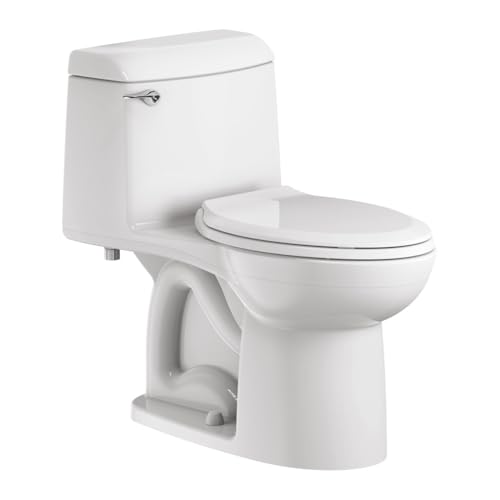
The Champion 4's oversized 2-3/8 inch fully glazed trapway is the widest of any major production toilet, and its 4-inch flush valve moves a large water slug fast, making it the top choice for households that have battled recurring overflows for years.
Kohler's Class Five flushing system drives water with real force through the bowl at 1.28 GPF, and the Cimarron pairs that clearing power with a comfort-height bowl that resists clogs in most family bathrooms at a price well below the premium TOTO lineup.
How do overflow-resistant toilets compare on key specs?
The table below compares leading clog-resistant models on the specifications that actually predict whether a bowl clears in one flush and resists overflows. The TOTO Drake is marked the overall winner for combined clearing power, trapway diameter, and efficiency. MaP scores come from the Maximum Performance flush testing program and represent grams of solid matter cleared in a single flush.
For overflow prevention, a MaP score of 800 grams is the practical minimum, with 1,000 grams being the top rating and the benchmark for shared or high-use bathrooms. MaP testing independently measures how many grams of solid waste a toilet clears in a single flush. A 1,000-gram-rated toilet almost never leaves a partial blockage in the trapway, which is what eventually triggers the overflow cycle in weaker designs.
MaP testing is conducted by the Maximum Performance program and is the most reliable public measure of real clearing strength, because it uses a standardized solid-waste simulant rather than water-volume marketing claims. A toilet that consistently clears 1,000 grams at 1.28 GPF demonstrates the combination of flushing velocity, bowl design, and trapway geometry needed to evacuate the entire load in one pass. That matters specifically for overflows because a partial evacuation leaves material in the trapway that accumulates over several flushes until a later flush cannot get past it at all. Pair a high MaP score with a wide glazed trapway measuring 2 inches or larger, and you have a toilet that simply does not clog under normal household use.
A notable data point: the EPA WaterSense program requires that certified 1.28 GPF toilets meet a minimum flush-performance threshold, so WaterSense certification rules out the very weakest designs. But it does not guarantee a high MaP score. The TOTO Drake, TOTO UltraMax II, TOTO Drake II, and Gerber Viper all hold WaterSense certification and independently score 1,000 grams, which means efficiency and overflow resistance align in these models. If you are unsure where your current toilet falls, a chronically weak or slow flush combined with multiple overflows per year is a reliable indicator of a low-MaP design. Our guide on how to improve toilet flush power covers what you can restore without replacing, while the best toilets of 2026 ranks the full field across every category.
When should I call a plumber for an overflowing toilet?
Call a plumber when a flange plunger and closet auger both fail to clear the clog, when multiple fixtures in the house back up at the same time (which signals a main sewer line blockage), when you suspect a foreign object is lodged so deep the toilet must be lifted to remove it, or when a toilet overflows repeatedly within a short period despite clearing each time. A professional has camera equipment and powered augers that reach blockages 100 feet or more down the line.
The deciding question is whether the blockage is local to the toilet or further down the shared plumbing. A single clogged toilet with every other fixture draining normally is almost always local, and you can clear it with the tools above. The warning signs that it is larger are: gurgling from multiple fixtures, water rising in a bathtub when you flush the toilet, a sewage smell from several drains at once, or a toilet that rebounds to clogged within hours of clearing. All of those point to the shared drain or sewer lateral and require professional cameras and powered augers. A foreign object firmly lodged in the floor flange below the toilet also sometimes requires lifting the toilet to remove from below, a task most homeowners can handle but that benefits from having the right parts on hand. And when a toilet overflows three or more times per year despite the bowl being clear, the toilet design is the problem, and replacement is more cost-effective than repeat emergency clearing.
Editorial Take
Plunging the same toilet four times in a year is not a maintenance routine, it is a signal that the toilet is the problem. Pre-2000 toilets and many budget models from the 2000s were built with 1.6 GPF or less efficient flushing systems, narrow trapways under 2 inches, and no glazing inside the channel, which creates the conditions where partial blockages form and build to overflows regularly. A TOTO Drake at 1.28 GPF and 1,000-gram MaP, or an American Standard Champion 4 with its 2-3/8 inch trapway, resolves the overflow cycle at the source rather than managing the symptom. For households with heavy use, the best toilets for large families guide identifies models built for that daily load specifically. For homes with older or less mobile members, best toilets for seniors adds the comfort-height considerations alongside clog resistance.
How to prevent toilet overflows from happening again
Prevention addresses both household habits and hardware. On the habit side, the single most impactful change is flushing only toilet paper and human waste. Wipes labeled flushable do not break down the way toilet paper does and are the leading cause of recurring trapway clogs across all toilet models. Paper towels, cotton balls, hygiene products, and dental floss should go in the trash. For heavy loads, flushing in two stages, sending a first flush to move the solids, then a second flush for the paper, reduces the strain on any trapway.
On the hardware side, a toilet with a narrow unglazed trapway and a weak flushing mechanism will clog under normal use regardless of what you flush. The glazing inside the trapway matters because it is a slick surface that waste slides through rather than catching on. Trapway diameter matters because a 2-inch or wider channel simply passes material that a 1-3/4 inch channel snags. And flushing velocity matters because a fast-moving water column carries the load all the way through the drain line rather than depositing it partway. A toilet that scores 800 grams or above on MaP testing has passed independent verification that its design clears waste effectively at the rated GPF. Replacing a weak toilet ends most overflow cycles permanently, as opposed to recurring plunging which only treats each episode. See the best toilets for home guide for our ranked recommendations across bathroom types and budgets.
FAQ
Frequently asked questions about toilet overflows
? What is the very first thing to do when a toilet is overflowing?
Stop water from entering the bowl. Lift the tank lid, push the rubber flapper firmly down with your hand to seal the flush valve, and then turn the shutoff valve behind the toilet clockwise until it stops. Do not flush again. These two moves take under twenty seconds and halt the rising water before any further flooding occurs.
? Where exactly is the toilet shutoff valve?
It is the small oval or football-shaped knob on the wall or floor directly behind the toilet, where the flexible supply line connects to the wall. Turn it clockwise to shut off the water. If it has not been turned in years it may be stiff; use firm steady pressure rather than wrenching it. Knowing its location before an emergency is the most useful piece of toilet knowledge in any home.
? Why should I never flush a second time when the toilet is overflowing?
Because the bowl is already at or near the rim from the first flush. A second flush dumps another full tank of water, typically 1.28 to 1.6 gallons, into a bowl with nowhere to send it. That water goes straight onto the floor, and if you are above another room, through the ceiling below. Always stop the inflow first, clear the blockage, and test by pouring water in by hand before touching the flush handle again.
? What kind of plunger actually works on a toilet?
A flange plunger, which has a soft rubber sleeve that extends from the cup and seats into the toilet drain opening for a proper seal. A flat cup plunger designed for sinks cannot seal against the curved toilet drain and wastes your effort. Make sure the bell is submerged so you are pushing a water column against the clog rather than air, which transmits the pressure directly to the blockage.
? Should I remove water from the bowl before plunging?
Yes, if the bowl is near the rim. Bail a few cups into a bucket so the bowl is roughly half full: enough water to cover and seal the plunger bell, but not so much that each plunge stroke sloshes over the rim. A too-full bowl is the most common reason plunging creates a bigger mess than the original overflow. A single cup or small container is all the bailing tool you need.
? What do I do if plunging does not clear the overflow?
Use a closet auger, also called a toilet snake, which is a tool with a protective sleeve that prevents bowl scratches and a flexible cable you crank through the trapway to hook or break up blockages a plunger cannot reach. If an auger also fails, or if multiple drains in the house are backing up at the same time, you are dealing with a main sewer line blockage that needs a professional plumber and camera equipment.
? Is it safe to use chemical drain cleaner in an overflowing toilet?
No. Acid-based and caustic drain cleaners can damage porcelain glaze and bowl seals, and they sit in standing water where they create a serious splash hazard when you plunge over them. They are also formulated for pipe buildup rather than the sudden soft blockages that cause most toilet overflows. A flange plunger or closet auger clears toilet clogs more safely and reliably. Hot water and dish soap is the better chemical-free alternative for paper clogs.
? How do I clean up safely after a toilet overflow?
Put on rubber gloves before touching anything. Absorb standing water with old towels or a wet vacuum. Apply a household disinfectant to all affected floor areas, the toilet base, and any surface the overflow water contacted, since it can carry bacteria. Wash or discard soiled towels. If water reached carpet, spread under baseboards, or dripped to a lower floor, dry the area with fans within 24 hours to prevent mold from establishing.
? Why does water overflow inside the tank rather than over the bowl?
This is a fill valve problem rather than a clog. The fill valve is not shutting off, so water rises until it runs continuously down the central overflow tube inside the tank into the bowl. The bowl and trapway are not blocked. The fix is to adjust the float so the fill valve stops approximately one inch below the top of the overflow tube, or to replace a worn fill valve that can no longer hold its shutoff position.
? Can a blocked roof vent cause my toilet to overflow?
Yes. The roof vent stack provides the air supply that allows the siphon to form when you flush. If a bird nest, leaves, or ice blocks it, the drain siphon is weak and the bowl can ride high or fail to evacuate completely even when there is no clog inside the trapway. A clue is a gurgling sound from the toilet after each flush, or slow drainage across multiple fixtures simultaneously. Clearing the vent restores the siphon and normal bowl function.
? My toilet overflows but every other drain in the house is fine. What does that mean?
It means the blockage is local to that toilet, either in the trapway or just past the floor flange, which you can clear yourself with a plunger or closet auger. If other drains were also backing up or gurgling, that would indicate a shared main drain blockage needing professional clearing. A single misbehaving toilet with every other fixture working normally is nearly always a do-it-yourself fix.
? Are flushable wipes actually safe to flush?
In practice, no. Independent testing has shown that wipes labeled flushable do not break down the way toilet paper does within the time it takes to travel through a household drain. They snag in trapways and accumulate in drain lines, and they are a leading documented cause of recurring clogs and overflows across all toilet models and all trapway sizes. Putting wipes, paper towels, and hygiene products in the trash instead of the bowl prevents a large share of overflow problems.
? Can a weak toilet flush cause overflows?
Yes, indirectly. A toilet with a low MaP score or a narrow trapway often fails to evacuate its full load in one flush, leaving partial blockages that accumulate over several flushes until a later one cannot get past them. Cleaning the rim jets, raising the tank water level to the fill line, and replacing a worn flapper can restore some flush power. If the toilet design is fundamentally weak, those steps help temporarily but a higher-MaP replacement is the lasting fix.
? What toilets are least likely to overflow?
Toilets with a MaP score of 1,000 grams and a wide glazed trapway of 2 inches or more: the TOTO Drake, TOTO UltraMax II, TOTO Drake II, American Standard Champion 4, and Gerber Viper all meet that standard. They evacuate their full load in one flush, which prevents the partial blockage buildup that eventually causes overflows. Both the Drake and UltraMax II also carry EPA WaterSense certification at 1.28 GPF, so efficiency and overflow resistance are aligned.
? Should I keep a closet auger as well as a plunger?
Yes. A flange plunger clears most soft paper and waste clogs within minutes. A closet auger reaches blockages deeper in the trapway or floor drain that a plunger cannot dislodge, including solid objects a child or adult may have flushed accidentally. Together they resolve the vast majority of toilet overflow situations without a service call. Both are low-cost tools that last for years and more than pay for themselves on the first use.
? Does EPA WaterSense certification mean a toilet will overflow more easily?
No. EPA WaterSense certifies toilets that use 1.28 GPF or less while still meeting a minimum flush-performance standard, so certified models must demonstrate adequate clearing ability to earn the label. Many of the most overflow-resistant toilets on the market, including the TOTO Drake and UltraMax II, are WaterSense certified and score 1,000 grams on independent MaP testing. Water efficiency and clog resistance are not in conflict in modern designs.
? How can I prevent future toilet overflows without replacing the toilet?
Flush only toilet paper and human waste, never wipes, paper towels, or hygiene products. For heavy loads, flush in two stages. Keep a flange plunger and closet auger in the bathroom so you can clear a slow drain before it fully blocks. Raise the tank water to the fill line and replace a worn flapper to restore flush velocity. Clean the rim jets annually to maintain even water distribution in the bowl. Address slow drains promptly rather than waiting for an overflow.
? When is an overflowing toilet an emergency that needs a plumber immediately?
Call a plumber immediately if a plunger and closet auger both fail to clear the blockage, if multiple fixtures back up at once or sewage backs up from a floor drain (both signal a main line issue), if a foreign object is lodged too deep to retrieve from above, or if overflow water has reached a ceiling, finished floor, or electrical panel. Recurring overflows that return within hours or days of clearing also indicate a deeper line problem beyond standard home tools.
? What is the best way to test the toilet after clearing an overflow?
Pour a full bucket of water slowly and steadily into the bowl before touching the flush handle. Watch whether it drains completely without the water level rising toward the rim. If the bowl accepts a full bucket cleanly, the drain is clear. Then open the shutoff valve, let the tank refill fully, and do a single controlled flush. Watch the entire cycle. The toilet is clear if it flushes completely and refills with the bowl returning to its normal standing water level.
? How long does it take for mold to develop after a toilet overflow?
Mold can begin establishing itself in wet porous materials like subfloor, drywall, and carpet within 24 to 48 hours, especially in the humidity of a bathroom. Drying the area thoroughly with fans and dehumidifiers within the first 24 hours prevents mold in most cases. If overflow water soaked under flooring, baseboards, or into wall cavities, check the area after a few days for visible mold or a musty odor and consider professional moisture assessment if the soaking was significant.
Manufacturer published specifications (TOTO, Kohler, American Standard)
Our Verdict
A toilet overflow is a sequence you can control in under a minute once you know the order: seal the flapper, close the shutoff valve, contain the spill, bail to half full, clear the clog with a flange plunger or closet auger, test by pouring water in by hand, then disinfect. Never flush a slow toilet twice. If overflows keep returning, the toilet design is the limiting factor, not your technique, and a high-MaP wide-trapway upgrade like the TOTO Drake (1,000 grams, 1.28 GPF, 2-1/8 inch glazed trapway) ends the overflow cycle permanently while reducing water use. Verify your rough-in measurement before ordering any replacement.
Nadia tracks EPA WaterSense certification, GPF and long-term water-saving performance, focusing on fixtures that cut water use without sacrificing flush power. All findings come from published efficiency data and verified owner reviews, not lab testing.
Updated August 2026 · Toilets
Keep reading
Related guides
Why Toilet Trapways Are Curved Like an S
Toilets
4.6
Learn why toilet trapways curve like an S, how each bend blocks sewer gas, and what the shape means for clogs and…