An overflowing toilet feels like a disaster, but the physics behind it are simple and the fix is fast once you know the sequence. Water rises in the bowl because something downstream is blocked, so the flush water has nowhere to go. The moment you stop more water from entering the bowl, the overflow stops, and you have all the time you need to clear the blockage calmly. The panic comes only from not knowing where the off switch is. By the end of this guide you will know exactly where it is and how to use it in under five seconds.
This guide follows the way we research everything on this site. Rather than tearing toilets apart in a lab, we compare how they are engineered, the published specs that predict clog resistance, independent MaP (Maximum Performance) flush-test data, and the failure patterns that show up across aggregated owner reviews. We start with the emergency stop, move to clearing the cause, and finish with how to prevent a repeat overflow for good.
Do this first, before reading anything else. If the bowl is rising toward the rim right now, take the tank lid off and press the rubber flapper at the bottom of the tank down with your hand so it seals and no more water dumps into the bowl. Then reach behind the toilet near the floor and turn the shutoff valve clockwise to off. That two-step move stops the overflow within seconds, every time, regardless of the cause.
How do I stop a toilet from overflowing immediately?
To stop a toilet from overflowing immediately, remove the tank lid and push the flapper down to seal it so the tank stops emptying into the bowl, then turn the shutoff valve behind the toilet clockwise to cut the water supply. These two actions halt the rising water within seconds. After the bowl level drops, clear the underlying clog with a flange plunger.
This works because an overflow is caused by water entering the bowl faster than the blocked drain can carry it away. If the trapway or drain is clogged, flush water stacks up and spills over the rim, so stopping the inflow is the entire emergency. Pressing the flapper down halts the tank dumping its remaining water, and closing the shutoff valve prevents an accidental refill and reflush. Once no new water is arriving, the bowl level holds and settles as the partial blockage seeps through, turning an emergency into a routine clog you can clear at your own pace.
If you cannot find or turn the shutoff valve, the flapper press alone usually buys enough time, but as a backup you can lift the float in the tank by hand to stop the fill valve from adding water, or shut off the main water valve for the house. A shutoff valve that is seized is worth replacing later, because it is the single most important emergency control for the toilet.
The step-by-step sequence to stop and clear an overflow
Below is the full order of operations, from the instant the bowl starts to rise through clearing the cause and confirming the toilet works normally again. Following it in sequence avoids the two classic mistakes: flushing again to test (which causes a second overflow) and reaching for harsh drain chemicals (which can damage the bowl and splash back during plunging).
Step 1: Seal the flapper to stop the tank emptying
The fastest control is inside the tank you are standing next to. Lift off the tank lid and set it aside somewhere it will not fall. Look at the bottom of the tank for the flapper, the rubber or silicone flap connected to the flush handle by a chain. If a flush is in progress and water is still draining into the bowl, press the flapper firmly down onto its seat with your hand so it stops the flow. This instantly cuts off the largest source of water heading into the bowl and is often enough on its own to keep the bowl from cresting the rim.
Step 2: Turn off the shutoff valve
With the flapper sealed, close the water supply so the toilet cannot refill and flush again. The shutoff valve is the small oval or football-shaped handle on the wall or floor behind the toilet, where the supply line meets the wall. Turn it clockwise until it stops. This isolates the toilet completely: the tank will not refill, so even an accidental handle bump cannot send more water into a blocked bowl. If the valve is stiff, use steady pressure rather than force, and avoid snapping an old plastic handle.
Tip. If you have small children or guests, point out the shutoff valve location to everyone in the household now, while nothing is wrong. In an overflow, the difference between a wiped-up floor and a ceiling-damaging flood is whether someone finds that valve in the first ten seconds.
Step 3: Let the bowl level settle, then bail if needed
With no new water arriving, the bowl level holds and usually creeps down as the partial blockage lets water seep past. Wait a few minutes. If the bowl is still brimming and you want room to plunge without splashing, bail a few cups of water out into a bucket using a disposable cup or small container. You want the bowl about half full: enough water to seal the plunger, not so much that it sloshes over when you push. Lay down old towels around the base as insurance.
Step 4: Clear the clog with a flange plunger
The right tool matters. A flange plunger has an extra rubber sleeve that folds out to fit the drain opening and create a tight seal, which a flat cup plunger cannot do on a toilet. Seat the flange into the drain hole at the bottom of the bowl, make sure it is covered by water so you are pushing water and not air, and pump with firm, controlled strokes. Keep the seal and use ten to twenty deliberate pushes. The clearing action comes from the water column moving back and forth against the blockage, so a sealed plunger driving water is far more effective than fast, splashy jabs. When the water suddenly drains away with a gurgle, the clog is clear.
Step 5: If plunging fails, use a closet auger
When a plunger does not clear it, the blockage is either further down or too solid to push. A closet auger (a toilet-specific drain snake) is the next tool. It has a curved sleeve that protects the bowl glaze and a flexible cable you crank into the trapway to hook or break up the obstruction. Feed it in gently, turn the handle until you feel the clog give, then retract. Augers reach blockages a plunger cannot and are the standard next step before calling a plumber. For a tool-free approach when you have neither plunger nor auger on hand, our guide on how to unclog a toilet without a plunger covers hot water and dish soap methods.
Step 6: Restore the water and test carefully
Once the bowl drains freely, turn the shutoff valve back on counterclockwise and let the tank refill fully. Do not flush yet. First confirm the bowl drains on its own by pouring a bucket of water in slowly; if it swallows that without rising, the path is clear. Then do a normal flush and watch. A clear toilet flushes and refills cleanly with the bowl returning to its standing level. If it rises again even slightly, the clog is only partly cleared and you should plunge or auger once more before relying on the toilet.
Editorial Take
The single mistake we see cause real water damage is flushing a second time to see if the clog cleared. The bowl was already near the rim from the first flush, so a second flush has nowhere to go and dumps another full tank straight onto the floor. Train yourself to never flush a slow or risky toilet twice. Stop the inflow, clear the blockage, then test by pouring water in by hand before you ever touch the handle again.
What causes a toilet to overflow in the first place?
A toilet overflows when a clog in the trapway, drain line, or vent stops flush water from draining as fast as it enters the bowl. Common causes are too much toilet paper, flushed wipes or hygiene products, a foreign object, a blocked main drain, or a clogged roof vent that prevents the siphon from forming. A faulty fill valve can also overflow the tank rather than the bowl.
Knowing the cause tells you whether a quick plunge ends the problem or whether something larger is going on. Most overflows are a simple bowl-level clog from paper, wipes labeled flushable but which do not break down, or a child's toy. These clear with a plunger or auger. A few are more serious: if several drains in the house back up at once, the blockage is in the main sewer line, not the toilet, and that needs professional clearing. There is also a quieter cause people miss, a blocked roof vent, which starves the siphon of air so the flush drains weakly and the bowl rides high. And occasionally what looks like an overflow is the tank overfilling because the fill valve will not shut off, which spills into the overflow tube rather than over the rim. For the full diagnostic breakdown, see our companion page on toilet overflow causes.
If your overflows keep coming back, the pattern matters more than any single incident. A toilet that clogs and threatens to overflow repeatedly usually has an underlying issue: a weak flush, a narrow trapway, or a household that flushes too much paper at once. Our guide on why your toilet keeps clogging and how to fix it covers the recurring-clog root causes, and if the flush itself is soft and lets waste hang in the bowl, how to improve toilet flush power walks through restoring clearing strength.
Why does my toilet overflow when the tank, not the bowl, fills up?
If water spills inside the tank rather than over the bowl, the fill valve is not shutting off and water is running endlessly into the overflow tube. This is a tank problem, not a clog. Adjust the float so the fill valve stops about one inch below the top of the overflow tube, or replace a worn fill valve to fix it.
This is a different failure that is easy to confuse with a bowl overflow because you hear running water and may find water on the floor near the tank. Here the fill valve, the tower or float mechanism that refills the tank, never reaches its shutoff point, so it keeps adding water that pours down the central overflow tube into the bowl. The bowl itself is not clogged; the toilet is simply running constantly. The fix is to lower the float so the valve shuts off at the correct level, or to replace the fill valve if it is worn. Our guides on how to stop a toilet from running and how to adjust the toilet water level cover this in detail.
Which toilet is best for preventing overflows and clogs?
The best toilets for preventing overflows pair a high MaP score with a wide, fully glazed trapway, because they clear waste in one decisive flush instead of leaving partial blockages. The TOTO Drake leads here, clearing a full 1,000 grams on independent MaP testing at 1.28 GPF with a 2-1/8 inch glazed trapway, which makes it highly clog and overflow resistant.
If your toilet overflows because the flush is weak or the trapway is narrow, no plunging routine ends the problem, the design does. The models below pair high independent MaP scores with wide glazed trapways and deep, positive owner track records, which is the combination that resists the clogs that cause overflows in the first place. Each one suits a slightly different priority.
Most Clog Resistant
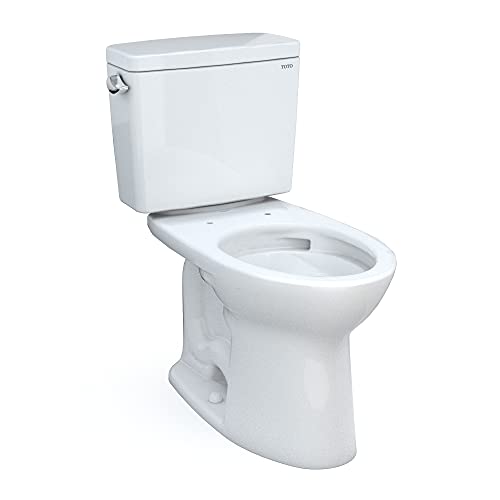
TOTO Drake
Wide glazed trapway and a top MaP score
A 1,000 gram MaP score, a 3-inch flush valve and a fully glazed 2-1/8 inch trapway clear waste in one decisive flush, which is exactly what prevents the partial clogs that lead to overflows, all at 1.28 GPF.
Check price on Amazon
Best Oversized Trapway
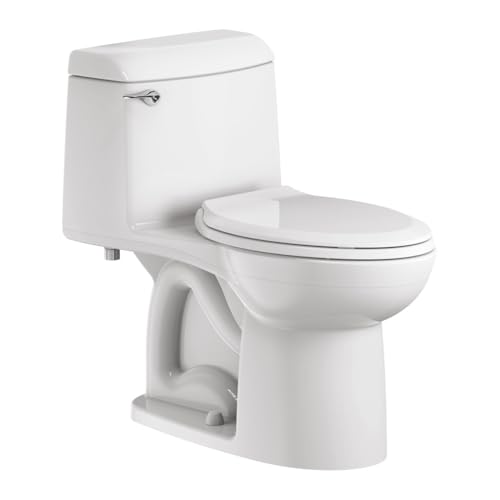
American Standard Champion 4
Extra-wide trapway for tough loads
An oversized flush valve and a wide trapway move a large slug of water fast, which makes the Champion 4 a strong choice for homes that have battled repeated clogs and overflows.
Check price on Amazon
Best Value
Kohler Cimarron
Strong Class Five flush, fair price
Kohler's Class Five flush engine moves water with real force at 1.28 GPF, and the Cimarron pairs that clearing power with a comfort-height bowl that resists clogs in most family bathrooms.
Check price on Amazon
How overflow-resistant toilets compare
If you are replacing a toilet specifically because it keeps clogging and threatening to overflow, the table below compares the leading clog-resistant options on the specs that actually predict whether a bowl clears in one flush. The Drake is marked the overall winner for combined clearing power, trapway design, and value.
What is a good MaP score for avoiding overflows?
A good MaP score for overflow resistance is 800 grams or higher, with 1,000 grams being the top of the scale and the target for busy or shared bathrooms. MaP independently measures how many grams of solid waste a toilet clears in a single flush, so a high score means the bowl empties completely instead of leaving partial blockages that build into overflows.
MaP testing, run by the Maximum Performance program, is the most reliable public indicator of real clearing strength because it uses a standardized waste test rather than marketing claims. For overflow prevention specifically, MaP matters because a toilet that clears its full load in one flush almost never accumulates the partial blockage that later becomes an overflow. Pair a high MaP score with a wide trapway, 2 inches or larger and glazed if possible, and you have a bowl that simply does not clog under normal use. A 1.28 GPF toilet scoring 1,000 grams clears as much as the best older 1.6 GPF models while using a fifth less water, so efficiency and overflow resistance no longer conflict. For models ranked specifically on this, see the best toilet for frequent clogs.
Can a plunger always stop an overflow, or do I need a plumber?
A flange plunger clears most overflow-causing clogs, and a closet auger handles those a plunger cannot reach. You need a plumber when multiple fixtures back up at once, which signals a main sewer line blockage, or when a foreign object is lodged so deep that the toilet must be removed. Recurring overflows on a weak old toilet are best solved by replacing it.
The deciding factor is whether the blockage is local to the toilet or further down the system. A single clogged toilet with all other drains working normally is almost always a local clog you can clear yourself with a plunger or auger. The warning sign that it is bigger is several drains acting up together, gurgling sinks, or water rising in a tub when you flush, which all point to the shared drain or sewer line and need professional equipment. A foreign object wedged in the trapway sometimes also requires lifting the toilet to remove it from below. And when a toilet overflows again and again despite clearing, the toilet itself is usually the problem, and a high-MaP replacement ends the cycle.
Editorial Take
Our honest advice is to keep a flange plunger and a closet auger in every home before you ever need them, and to know your shutoff valve location cold. Those three things turn nearly every overflow from a flood into a five-minute inconvenience. If you have already plunged the same toilet more than a few times this year, stop treating the symptom. A pre-2000 low-MaP toilet that keeps clogging is costing you stress and risking water damage, and a high-MaP 1.28 GPF replacement like the TOTO Drake or UltraMax II ends the overflow problem permanently while cutting your water bill.
Putting it all together
Stopping a toilet overflow is a sequence, and the first move is the one that matters most. Seal the flapper, turn off the shutoff valve, let the bowl settle, then clear the clog with a flange plunger or a closet auger. Restore the water and test by pouring water in by hand before you flush. Never flush a slow toilet twice. If overflows keep returning, the cause is the toilet, the main drain, or a household habit of flushing too much at once, and a high-MaP wide-trapway model from TOTO, Kohler, American Standard, Woodbridge, Swiss Madison, or Gerber is the lasting fix.
Keep reading
Related guides
FAQ
Frequently asked questions
? How do I stop a toilet from overflowing right away?
Take off the tank lid and push the flapper down with your hand to seal it so the tank stops emptying into the bowl, then turn the shutoff valve behind the toilet clockwise to cut the water supply. These two steps stop the rising water within seconds. After the bowl level drops, clear the clog with a flange plunger before you flush again.
? Where is the toilet shutoff valve?
It is the small oval or football-shaped handle on the wall or floor behind the toilet, where the water supply line meets the wall. Turn it clockwise to shut off the water. If it is stiff from age, use steady pressure rather than force. Knowing its location before an emergency is the single most useful thing for preventing water damage.
? What do I do if the toilet keeps overflowing after I plunge it?
If plunging does not clear it, the blockage is deeper or more solid, so use a closet auger, a toilet-specific drain snake with a bowl-protecting sleeve. Crank it into the trapway until you feel the clog give. If an auger also fails or several fixtures are backing up at once, the problem is likely in the main drain line and needs a plumber.
? Why should I never flush an overflowing toilet a second time?
Because the bowl is already near the rim from the first flush, a second flush sends another full tank of water into a bowl that has nowhere to put it, which dumps that water straight onto the floor. Always stop the inflow, clear the clog, then test by pouring water in by hand before you ever touch the handle on a slow toilet.
? What kind of plunger works best on an overflowing toilet?
A flange plunger, which has an extra rubber sleeve that folds out to fit the toilet drain and create a tight seal. A flat cup plunger meant for sinks cannot seal a toilet drain well. Make sure the plunger is covered by water so you are pushing water against the clog, not air, and use firm, controlled strokes rather than fast splashy jabs.
? Can a clogged vent pipe cause my toilet to overflow?
Yes. The vent stack through the roof lets air into the drain so a proper siphon can form. If it is blocked by leaves, a nest, or ice, the flush drains weakly and the bowl can ride high or overflow even without a clog inside the toilet. A clue is a gurgling flush or several fixtures draining slowly at once. Clearing the vent restores normal flow.
? Why does water overflow inside the tank instead of the bowl?
That is a fill valve problem, not a clog. The fill valve is not shutting off, so water runs endlessly into the central overflow tube. Lower the float so the valve stops about one inch below the top of the overflow tube, or replace a worn fill valve. The bowl itself is fine in this case; the toilet is simply running constantly.
? Is it safe to use chemical drain cleaner in an overflowing toilet?
It is not recommended. Harsh acid or caustic drain cleaners can damage the bowl glaze and the internal porcelain, and they sit in standing water where they can splash back dangerously when you later plunge. A flange plunger or closet auger clears toilet clogs more effectively and safely. If you want a chemical-free first try, hot water and dish soap can loosen a paper clog.
? How do I clean up after a toilet overflows?
Wear gloves, soak up the water with old towels or a wet vacuum, then disinfect the floor and any splashed surfaces, since overflow water can carry waste. Wash or discard the towels. If water reached carpet, baseboards, or a lower floor, dry the area thoroughly to prevent mold, and check the ceiling below for staining if the overflow was significant.
? What commonly causes a toilet to overflow?
The usual causes are too much toilet paper, wipes that do not break down despite a flushable label, a foreign object such as a child's toy, a blocked main drain, a clogged roof vent, or a fill valve that overflows the tank. Most are local clogs cleared with a plunger or auger; multiple fixtures backing up at once points to the main sewer line instead.
? Are flushable wipes safe to flush?
In practice, no. Wipes labeled flushable do not break down the way toilet paper does, so they snag in the trapway and drain and are a leading cause of recurring clogs and overflows. The safest rule is to flush only toilet paper and human waste. Putting wipes in the trash instead of the bowl prevents a large share of overflow problems.
? My toilet overflows but other drains are fine. What does that mean?
It means the clog is local to the toilet, in the bowl trapway or the line just past it, which you can usually clear yourself with a plunger or closet auger. If other drains were also backing up or gurgling, that would point to the shared drain or main sewer line and need a plumber. A single misbehaving toilet is almost always a do-it-yourself fix.
? Can a weak flush cause overflows?
Yes, indirectly. A toilet with a weak flush often fails to clear its full load in one go, leaving partial blockages that build up until a later flush overflows. Restoring flush power by cleaning the rim jets, raising the tank level, and replacing a worn flapper helps, and a chronically weak low-MaP toilet is best replaced with a high-MaP model that clears in one flush.
? Which toilet is least likely to overflow?
A toilet with a high MaP score, at least 800 and ideally 1,000 grams, and a wide glazed trapway of 2 inches or more. The TOTO Drake, UltraMax II, American Standard Champion 4, and Kohler Cimarron all fit this profile. They clear waste in one decisive flush, which prevents the partial clogs that cause overflows in the first place.
? Should I keep an auger as well as a plunger?
Yes. A flange plunger handles most clogs, but a closet auger reaches and breaks up blockages a plunger cannot, and the two together resolve nearly every overflow at home. Keep both before you need them, along with knowing your shutoff valve location, and most overflows become a quick inconvenience rather than a flooded bathroom.
? When should I call a plumber for an overflowing toilet?
Call a plumber when plunging and augering both fail, when multiple fixtures back up at the same time (signaling a main sewer blockage), when a foreign object is lodged so deep the toilet must be removed, or when overflows keep recurring despite clearing. A pro has cameras and powered augers to reach and remove blockages beyond home tools.
? Does WaterSense certification make a toilet more likely to overflow?
No. EPA WaterSense certifies toilets that use 1.28 GPF or less and still meet a minimum flush-performance standard, so a certified toilet must clear waste effectively to earn the label. Many of the most overflow-resistant toilets sold today, including the TOTO Drake and UltraMax II, are WaterSense certified and score 1,000 grams on MaP. Efficiency and clog resistance no longer conflict.
? How can I prevent my toilet from overflowing again?
Flush only toilet paper and waste, never wipes or hygiene products, and flush in two stages for heavy loads. Keep a plunger and auger on hand and clear slow drains early before they fully block. If your toilet flushes weakly or clogs repeatedly, replace it with a high-MaP wide-trapway model, which removes the underlying cause rather than treating each overflow.
Sources
- EPA WaterSense, epa.gov/watersense
- MaP (Maximum Performance) flush testing, map-testing.com
- Manufacturer published specifications (TOTO, Kohler, American Standard)
Our Verdict
An overflowing toilet is stopped in seconds once you know the sequence: seal the flapper, close the shutoff valve, let the bowl settle, then clear the clog with a flange plunger or closet auger, and test by pouring water in by hand before you flush. Never flush a slow toilet twice. If overflows keep recurring, the toilet design is usually the limit, and a high-MaP wide-trapway upgrade like the TOTO Drake at 1,000 grams and 1.28 GPF ends the problem permanently while cutting water use. Confirm the rough-in matches yours and check the current price on Amazon before you order.