
Why Toilet Trapways Are Curved Like an S
Toilets4.6
Learn why toilet trapways curve like an S, how each bend blocks sewer gas, and what the shape means for clogs and…
Read the guideA frozen toilet vent pipe is one of winter plumbing's sneakiest failures. Learn the exact warning signs, why it happens, how to thaw it safely, and what to do so it never freezes again.
A frozen toilet vent pipe blocks the sewer-gas escape route, causing slow flushes, gurgling after each flush, and sewer odors indoors. Thaw it by pouring hot (not boiling) water down the vent stack from the roof, or use a heat cable rated for plumbing. Fix the root cause with an insulated vent cap or a larger-diameter vent pipe to prevent recurrence.
The toilet vent pipe (also called the vent stack or plumbing vent) is a vertical pipe that runs from your drain system up through the roof. It performs two jobs simultaneously: it lets fresh air into the drain lines so waste flows freely by gravity, and it lets sewer gases escape outside instead of building up inside your home.
Without a functioning vent, every flush creates negative pressure in the drain line. That negative pressure can siphon water out of the P-trap in your toilet or other fixtures, breaking the water seal that blocks sewer gas. The result is a sluggish flush, gurgling sounds, and that unmistakable rotten-egg smell drifting through your bathroom.
Most homes built after 1970 have at least one main vent stack, typically 3 or 4 inches in diameter, that terminates above the roofline. Older homes sometimes have undersized stacks -- 2-inch pipes -- that are far more prone to ice blockages because the opening is smaller and airflow is already restricted.
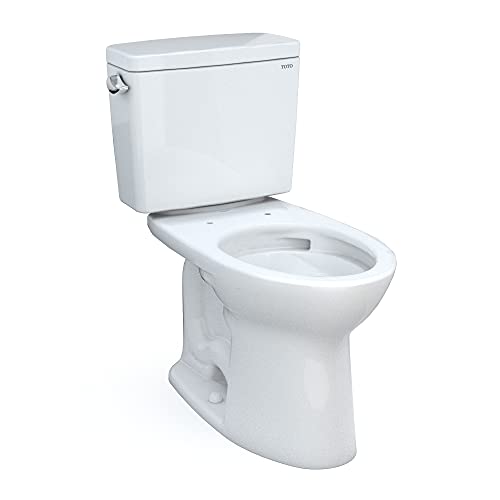
The plumbing system in a modern toilet like the TOTO Drake II or the Kohler Highline depends entirely on that vent being clear. No matter how powerful the flush valve or how large the trapway, a blocked vent pipe degrades flush performance to a fraction of what it should be. MaP testing -- the industry benchmark for flush performance -- assumes venting is adequate; a frozen vent can make even a 1,000-gram MaP-rated toilet seem weak.
The three most reliable symptoms are: a gurgling sound from the toilet (or nearby drains) immediately after flushing, noticeably slower-than-normal draining even when the trapway is clear of obstructions, and a sewer gas smell indoors that appears or worsens during a cold snap. These symptoms tend to appear together and get worse as temperatures drop further.
Unlike a clogged drain, a frozen vent problem typically affects multiple fixtures at once -- the toilet, the nearby bathroom sink, and sometimes a bathtub -- because they all share the same vent stack. If only one fixture is affected, the culprit is more likely a partial drain clog rather than a frozen vent.
Here is a breakdown of every symptom, ranked by how commonly they appear:
| Symptom | Likelihood of Frozen Vent | Other Possible Cause | Test to Confirm |
|---|---|---|---|
| Gurgling after flush | Very High | Partial drain clog | Run sink -- gurgling persists = vent issue |
| Slow flush, bowl drains slowly | High | Partial trap clog | Snake the drain; if clear, check vent |
| Sewer odor indoors | High | Dry P-trap, wax ring failure | Refill P-trap; if smell returns = vent |
| Multiple fixtures slow simultaneously | Very High | Main drain blockage | Check roof vent for ice cap |
| Toilet water level drops after flush | Moderate | Faulty flapper or fill valve | Inspect tank parts; if fine = vent siphon |
| Bubbles in toilet bowl when not in use | Moderate | Sewer line obstruction | Camera inspection |
Gurgling that begins only after a cold snap -- and disappears when temperatures rise above freezing -- is the clearest diagnostic sign of a frozen vent. If your toilets flush perfectly in October and badly in January with no other changes, the vent is almost certainly the culprit. Do not spend money on a plumber to snake the drain until you have ruled this out from the roof first.
Vent pipes freeze because warm, moist sewer gases rise through the pipe and hit the cold outside air at the roof termination. Water vapor in the gas condenses and freezes on the pipe walls, progressively narrowing the opening until it seals completely. The process accelerates when outdoor temperatures drop below 15 degrees Fahrenheit (-9 Celsius) and wind chill drives heat out of the pipe faster than the rising gas can replenish it.
Smaller-diameter pipes (2 inches) freeze far faster than 3 or 4-inch stacks because the ice can bridge the entire opening with less accumulation. Short vent pipe extensions that barely clear the roofline are also higher risk because they are exposed to more wind and have less insulating pipe length below the roof deck.
Several design and installation factors raise the risk significantly:
The physics are worth understanding. Sewer gas is approximately body temperature (98°F / 37°C) when it leaves the drain line, but it cools rapidly in a long, exposed vertical pipe. In extreme cold, the gas can drop below freezing before it exits the top, meaning condensation freezes as it forms rather than draining back down. This is why problems appear suddenly at a specific temperature threshold rather than gradually.
The safest method for most homeowners is to pour hot water -- approximately 160 to 180 degrees Fahrenheit -- slowly down the vent opening from the roof while a helper monitors the indoor fixtures for restored drainage. Use a garden hose filled with hot tap water or carry water up in a large thermos. Pour slowly to avoid thermal shock cracking older PVC pipes.
If roof access is unsafe due to ice or steep pitch, a plumbing heat cable threaded down the vent from inside the attic is the next best option. Never use an open flame, a torch, or boiling water directly on plastic pipe -- PVC softens at around 140 degrees Fahrenheit and can deform under sustained heat, creating a permanent restriction worse than the ice blockage.
Follow this sequence to thaw a frozen vent pipe without damaging the system or risking injury:
Never use a propane torch, heat gun aimed into the pipe, or any open flame to thaw a vent. PVC begins to deform at sustained temperatures above 140°F and ABS pipe is similarly vulnerable. Beyond the pipe damage risk, sewer gas is flammable at concentrations between 5 and 15 percent in air -- introducing an open flame to a blocked vent that may have accumulated gas is a serious fire hazard. Hot water is always the first tool to reach for.
The most effective long-term prevention strategy is upsizing an undersized 2-inch vent to a 3 or 4-inch pipe, which dramatically reduces the chance of ice bridging the opening. Second most effective is extending the pipe height above the roof to at least 12 inches in climates that regularly see temperatures below 10 degrees Fahrenheit, giving the pipe more exposure to building heat before it exits. An insulated vent cap rated for cold climates provides additional protection at low cost.
Heated vent caps and self-regulating heat cables installed at the pipe termination are the best option for extremely cold climates (zones 6 and 7 on the USDA hardiness map) where structural solutions alone may not be enough. These products draw minimal power -- typically 5 to 15 watts -- and eliminate freeze risk entirely as long as power is maintained.
| Solution | Approximate Cost | DIY or Pro | Effectiveness | Best For |
|---|---|---|---|---|
| Upsize vent to 4-inch diameter | $200 to $800 installed | Pro recommended | Excellent | Homes with 2-inch vents in cold climates |
| Extend vent pipe above roofline (12+ inches) | $75 to $300 installed | Pro recommended | Very Good | Pipes terminating less than 6 inches above roof |
| Insulated vent pipe cover/cap | $20 to $60 DIY | DIY | Good | Mild-to-moderate cold climates (Zone 4-5) |
| Heated vent cap (electric) | $40 to $120 DIY | DIY (outlet needed in attic) | Excellent | Zones 6-7, severe cold climates |
| Self-regulating heat cable on vent | $30 to $80 DIY | DIY | Excellent | All cold climates, existing pipe |
| Annual hot-water flush before freeze season | $0 | DIY | Minimal | Supplement to other solutions only |
Insulated vent caps are the most accessible DIY prevention for most homeowners. These are specialized caps that fit over the standard vent pipe termination and use foam, fiberglass, or reflective insulation to slow heat loss from the top of the pipe. The cap must be designed specifically for plumbing vents -- standard roof flashing caps or bird screens do not provide insulation and can actually trap ice if debris accumulates on them.
When shopping for an insulated cap, match the cap's inner diameter exactly to your pipe's outer diameter (typically 3 or 4 inches for the main stack). Measure from outside to outside on the pipe. Caps that are slightly loose can be sealed with plumber's putty or silicone caulk rated for outdoor use and temperature extremes down to -40°F.
Self-regulating heat cables designed for pipe freeze protection can be threaded down into the vent pipe to warm the most vulnerable section -- the top 18 to 24 inches near the roof opening. Installation is straightforward:
Homeowners in USDA climate zones 5 through 7 -- roughly the northern third of the United States and all of Canada -- should treat vent pipe freeze protection the same way they treat pipe insulation: a required maintenance task, not an optional upgrade. The combined cost of an insulated cap and a heat cable is typically under $150 and can prevent a service call that costs five to ten times more in mid-winter emergency rates.
A frozen vent pipe itself rarely causes direct damage to the toilet or pipes, but the secondary effects can be serious. Sustained negative pressure in the drain line siphons water from P-traps throughout the home, allowing sewer gas (including hydrogen sulfide and methane) to enter living spaces. In rare cases, methane concentrations can reach flammable levels if multiple fixtures lose their traps simultaneously in a tightly sealed home.
Prolonged back-pressure can also stress older wax ring seals at the toilet base. If the toilet is repeatedly flushed against a blocked vent, the waste water and air have nowhere to go efficiently and can force small amounts of water past the wax seal over time, causing a slow leak at the toilet base that damages the subfloor. Addressing a frozen vent promptly prevents this cascade of secondary damage.
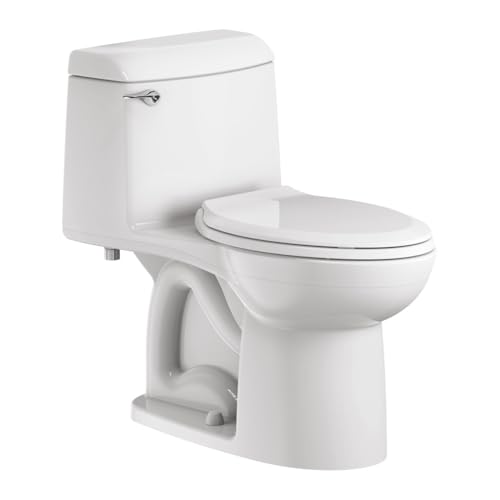
The risk profile depends on the home's age and construction. Newer homes with modern PVC drain lines and fresh wax rings or wax-free gaskets (the type used under toilets like the American Standard Champion 4) are generally more resilient to temporary pressure irregularities. Older homes with cast iron drain lines and older wax rings may develop leaks faster when the system is stressed.
Sewer gas exposure is the most immediate health concern. Hydrogen sulfide -- the compound responsible for the rotten-egg odor -- is detectable by smell at concentrations as low as 0.5 parts per million. At concentrations above 100 ppm, it causes headache, dizziness, and nausea. While a frozen vent alone is unlikely to produce dangerous concentrations in a well-ventilated home, occupants who experience headaches or nausea along with the typical frozen-vent symptoms should ventilate the home and address the blockage as an urgent repair, not a convenience issue.
A frozen vent is not the only cause of venting failures. Before committing to a roof repair, also consider:
For a broader understanding of venting and how it affects flush performance, see our guide to toilet venting problems and our article on how to improve toilet flush power. If you are evaluating a new toilet for a home that has experienced chronic venting issues, our guide to the best flushing toilets covers models with the most generous flush systems and the least sensitivity to back-pressure.
Most frozen vent situations can be handled DIY, but certain conditions warrant calling a licensed plumber immediately:
Emergency plumber rates in winter typically run 50 to 100 percent above standard rates, so prevention investment pays for itself quickly in regions with sustained below-zero temperatures. If your home has a history of frozen vents, budget the prevention solutions before the next winter season rather than reacting each January.
The fall plumbing checkup is the right time to address vent pipe vulnerability. Work through this checklist each October or November before temperatures drop:
If you are also evaluating the toilet itself for replacement, our toilet winterization guide covers the full process for vacation homes and seasonal properties where plumbing is shut down completely.
The most reliable test is to snake or plunge the toilet to rule out a physical drain clog. If the drain is clear but the toilet still flushes slowly with gurgling, and the problem started during a cold snap, the vent is the most likely cause. A frozen vent also tends to affect multiple fixtures simultaneously, while a drain clog is usually isolated to one toilet or sink.
The threshold varies by pipe diameter and installation height, but most freeze events occur when sustained outdoor temperatures drop below 15°F (-9°C) for 12 or more hours. Smaller 2-inch pipes can freeze at temperatures as high as 20°F (-6°C) if wind chill is significant. A 4-inch pipe in a well-heated home may tolerate temperatures down to -10°F (-23°C) before blocking.
No. Boiling water (212°F / 100°C) can damage PVC vent pipes, which begin to soften and deform at sustained temperatures above 140°F. Use hot tap water or water heated to 160 to 180°F. At that temperature, the water thaws ice effectively without risking pipe damage. Always pour slowly to give heat time to transfer through the ice without thermal shocking the pipe.
Depending on how thick the ice blockage is, a hot-water thaw typically takes 15 to 45 minutes. Light surface ice caps at the termination may clear after a single pour. Heavier blockages that extend 12 or more inches into the pipe may require multiple pours over an hour or more. If a heat cable is used instead of hot water, allow 20 to 40 minutes for the cable to melt through a solid ice plug.
It can be. A blocked vent allows sewer gas -- including hydrogen sulfide and methane -- to escape into the home instead of exiting through the roof. Low concentrations cause the classic rotten-egg odor; higher concentrations can cause headaches, nausea, and dizziness. Methane is also flammable at certain concentrations. Address a frozen vent promptly and ventilate the home if indoor sewer odors are noticeable.
A severely blocked vent can contribute to slow drainage, which raises the risk of overflow if the toilet is flushed repeatedly in a short period. However, overflow requires a blocked drain as well -- a frozen vent alone slows drainage but rarely stops it completely in homes with modern large-trapway toilets. If you experience an overflow during a cold snap, both a frozen vent and a partial drain clog may be present simultaneously.
Yes, in most cases. Once outdoor temperatures rise consistently above freezing, the ice in the vent pipe will melt naturally within a few hours. However, in extremely cold climates, waiting for a warm spell may mean days or weeks of degraded toilet performance and sewer gas exposure indoors. Active thawing is faster and eliminates the health risk more quickly.
Modern toilets with large 3- to 2-3/8-inch fully glazed trapways -- such as the TOTO Drake, TOTO UltraMax II, or American Standard Champion 4 -- maintain adequate drainage with somewhat less positive air pressure than older designs with narrower passageways. However, no toilet operates optimally without a clear vent. The flush system and the vent work as a pair; a MaP-rated 1,000-gram flush toilet will perform significantly below its rating with a blocked vent.
DIY thawing with hot water costs nothing beyond your time and a trip to the roof. A plumber called for emergency winter service typically charges $150 to $400 for a vent thaw, with after-hours or weekend rates running higher. Permanent prevention upgrades -- insulated cap, heat cable, or pipe upsizing -- range from $20 for a DIY cap to $800 or more for a professional pipe upsizing project.
Partially. An AAV (air admittance valve) can be installed on the drain line inside the attic or a cabinet to provide supplementary venting that is not exposed to outdoor cold. However, an AAV does not replace the main roof vent -- it supplements it. For homes where roof access is genuinely unsafe, a licensed plumber can install an AAV as a backup venting system that maintains drainage even when the primary vent is blocked.
A 4-inch main vent stack is the most freeze-resistant common pipe size. The larger opening requires significantly more ice accumulation to block completely, and the greater pipe volume retains more warmth from rising sewer gases. Building codes in cold-climate jurisdictions sometimes require 3-inch minimum vent pipes specifically for this reason. If you have a 2-inch vent and live where temperatures regularly drop below 0°F, upsizing to 3 or 4 inches is the highest-impact single improvement you can make.
Yes, indirectly. Increasing attic insulation raises the attic temperature slightly and reduces the length of the vent pipe exposed to outdoor cold before it exits the roof. However, the top section of the pipe -- above the insulation line -- is always exposed to outdoor air. Attic insulation alone is rarely sufficient in climates below -10°F; combine it with a pipe extension, insulated cap, or heat cable for reliable protection.
Yes. Fine mesh bird screens trap condensation and ice more readily than open vent caps because the small openings accumulate frost and close off before the pipe itself would. If you use a screen cap, choose one with openings at least 1/2 inch in diameter. In climates with consistent below-zero temperatures, remove bird screens in winter and reinstall them in spring, or switch to a large-opening guard designed for cold climates.
Temperature-correlated gurgling is one of the clearest indicators of a vent issue rather than a drain obstruction. A drain clog does not appear and disappear with outdoor temperature. If the gurgling begins within 24 hours of a cold snap and clears within a day of temperatures rising above freezing, the vent pipe is almost certainly developing a partial ice blockage that thaws naturally during mild spells. Prevention measures are warranted to stop the cycle.
Dual-flush toilets -- including the popular TOTO Aquia IV and Woodbridge T-0001 -- use less water per flush than single-flush gravity models, particularly on the light-flush setting (typically 0.8 GPF). Less water volume means less hydraulic force pushing waste through the drain when vent pressure is reduced. During a partial vent freeze, a dual-flush toilet on the liquid-waste setting may be more likely to fail to clear the bowl than a 1.6 GPF single-flush model. Using the full flush setting when venting is compromised improves reliability.
Yes. When the main vent is blocked, negative pressure in the drain system can siphon water from P-traps throughout the house, including the floor drain P-trap in a basement. Once that trap loses its water seal, the direct path to the sewer system is open and sewer gas enters the basement. Refilling the floor drain with water restores the seal temporarily, but the odor will return until the vent is cleared. This is often how homeowners first notice a frozen vent -- through basement odors before the toilet symptoms become obvious.
Pressure-assist toilets -- which use compressed air inside a sealed tank to drive the flush -- are less dependent on the drain vent than gravity-flush models because the compressed air provides positive pressure independent of atmospheric conditions. Brands like Flushmate (used in American Standard Cadet 3 pressure-assisted versions and some Gerber models) maintain strong flush performance with reduced vent pressure. However, pressure-assist toilets are louder and the sealed inner tank is not DIY-serviceable. They are worth considering for problem vent situations that are difficult to correct structurally.
Look for a vertical pipe, typically PVC (white or grey), ABS (black), or galvanized steel, protruding directly above or within a few feet of the main bathroom in the house. In most single-story homes, the main vent stack is located above the bathroom closest to the main drain cleanout. Multi-story homes may have the vent directly above a bathroom stack wall. A plumbing diagram or your home's original building permit drawings will show the exact location if visual inspection is unclear from the ground.
Technically a toilet will flush without a vent, but performance suffers significantly and sewer gas accumulation becomes a serious concern. Codes in all U.S. jurisdictions and Canadian provinces require vented drain systems for this reason. If you are building a new bathroom in a location where running a vent to the roof is difficult -- a basement, a remodeled garage, or a home addition -- an approved AAV can serve the venting function for fixtures within the distance limits specified by your local plumbing code.
A frozen toilet vent pipe is a genuinely fixable winter problem that requires three responses in sequence: thaw it now with hot water from the roof, restore safe sewer-gas venting to eliminate the indoor health risk, and then invest in permanent prevention before the next cold season. The right combination of a larger-diameter pipe, an insulated or heated vent cap, and a self-regulating heat cable eliminates recurrence in virtually every climate zone. Choosing a high-performance toilet -- a TOTO Drake or American Standard Champion 4 with a large glazed trapway -- provides the best starting point for reliable cold-weather flushing, but no toilet performs at its rated MaP score with a blocked vent. The fix starts on the roof.
Learn why toilet trapways curve like an S, how each bend blocks sewer gas, and what the shape means for clogs and…
Read the guideAlmost every US toilet has a left-side handle. Learn the plumbing and mechanical reasons behind the layout and when it actually changes.
Read the guideHome toilets rely on tanks because household water lines lack the pressure that public flushometer systems use to flush straight from the…
Read the guide