
Best Black Toilets (2026)
Toilets4.6
Black has moved from a rare custom-order finish to a real stocked color across several major toilet brands, giving buyers a bold,…
Read the guideWhy your toilet only flushes when you hold the handle and how to fix it yourself in minutes.
Research updated June 2026.
A toilet handle that must be held down to flush is almost always caused by a loose or misadjusted lift chain inside the tank. The chain connecting the flush lever to the flapper is too slack, so the flapper does not lift fully or stay open. Tightening the chain to leave about 1/4 inch of slack usually solves the problem without any parts or tools.
The most common reason is a lift chain that is too loose. When you press the handle, the chain has extra slack so it pulls the flapper only partway open. Holding the handle keeps tension on the chain, forcing the flapper to stay up long enough for a full flush. A simple chain adjustment fixes it 90 percent of the time.
If you have ever flushed your toilet and watched the water swirl weakly before stopping, you know the frustration. The toilet handle has to be held down to flush completely. This is not a sign of a major plumbing failure. It is a sign that the connection between the handle and the flapper needs attention.
The flush mechanism inside a toilet tank is simple. The handle connects to a lever arm. That arm lifts a chain or rod attached to the flapper. When the flapper lifts, water rushes from the tank into the bowl. If the chain is too long, the lever moves before the chain pulls tight. The flapper barely opens and then drops back down. Holding the handle keeps the chain taut, which holds the flapper up.
Most modern toilets use a chain and clip system. The chain attaches to the lever arm on one end and the flapper on the other. Over time, the chain can stretch, the clip can slip, or the flapper arm can bend. All of these cause the same symptom: a flush that only works when you hold the handle.
Before calling a plumber, try the chain adjustment first. It takes 30 seconds and requires no tools. Open the tank lid, look for the chain connecting the handle lever to the flapper. You should see a small clip or hook where the chain attaches to the lever. Unhook it, pull the chain one link shorter, and reattach. Test the flush. The chain should have about 1/4 inch of slack when the flapper is closed. If it is too tight, the flapper will not seal and the toilet will run constantly.
Chain adjustment is the first step in any flush performance diagnosis. A chain that is too long is responsible for more "weak flush" complaints than any other single cause. Always check the chain before replacing the flapper or the fill valve.
Three parts are usually responsible: the lift chain (too loose or broken), the flapper (worn or misaligned), or the handle lever arm (bent or broken). The chain is the most common culprit, but a flapper that has become stiff or a lever arm that has snapped can also prevent a full flush.
When the chain adjustment does not fix the problem, the issue is likely with the flapper or the lever arm itself. The flapper is a rubber valve at the bottom of the tank. Over years of use, it can harden, crack, or become coated with mineral deposits. A stiff flapper does not lift easily. Holding the handle gives it the extra force needed to open.
The handle lever arm is a metal or plastic piece inside the tank. It pivots when you press the handle. If the arm is bent, it may not lift the chain high enough. If the arm is broken, the chain may not move at all. In both cases, holding the handle can sometimes force the arm to move just enough to lift the flapper.
Less common causes include a fill tube that is misdirected or a flush valve that is partially blocked. The fill tube sends water into the bowl during the refill cycle. If it is aimed into the overflow tube instead of the bowl, the flush can be weak. A blocked flush valve can also restrict water flow, but this is rare in modern toilets.
To diagnose the exact part, remove the tank lid and watch the mechanism as someone flushes. If the chain moves but the flapper barely lifts, the chain is too loose. If the chain lifts the flapper but the flapper drops immediately, the flapper may be too light or the chain may be catching. If the lever arm does not move freely, the handle or arm needs replacement.
If the chain adjustment does not work, replace the flapper first. Flappers are inexpensive and universal. A new flapper costs less than $10 and solves most remaining flush problems. Only replace the handle lever arm if it is visibly bent or broken.
Start by adjusting the lift chain to remove excess slack. If that fails, replace the flapper with a new universal model. If the problem persists, inspect the handle lever arm for damage and replace it if needed. These three steps fix the issue in nearly every case without calling a plumber.
Fixing a toilet that only flushes when you hold the handle is a DIY job that takes less than 15 minutes. Here is a step-by-step guide.
Step 1: Adjust the Lift Chain
Open the tank lid. Locate the chain connecting the handle lever to the flapper. The chain should have a small amount of slack, about 1/4 inch, when the flapper is closed. If the chain is drooping or has more than 1/2 inch of slack, it is too loose. Unhook the chain from the lever arm, move the clip to a shorter link, and reattach. Test the flush. If the chain is too tight, the flapper will not seal and water will leak into the bowl.
Step 2: Replace the Flapper
If adjusting the chain does not work, the flapper is likely worn. Flappers are universal and cost a few dollars. Turn off the water supply to the toilet. Flush to empty the tank. Disconnect the old flapper from the flush valve ears and unhook the chain. Install the new flapper by attaching it to the flush valve ears and hooking the chain to the lever arm. Adjust the chain to have 1/4 inch of slack. Turn the water back on and test.
Step 3: Replace the Handle Lever Arm
If the chain and flapper are fine, inspect the handle lever arm. Press the handle and watch the arm move. If it is bent, it may not lift the chain high enough. If it is broken, it may not move at all. Replacement lever arms are sold at hardware stores. Remove the nut holding the handle to the tank, pull the old handle and arm out, and install the new one. Adjust the chain and test.
These three steps cover the vast majority of cases. If the problem continues after all three, the issue may be with the flush valve or the water level. Check that the water level in the tank is at the fill line marked on the overflow tube. If it is low, adjust the fill valve to raise the water level.
Always use a universal flapper that matches your toilet brand. TOTO and Kohler use slightly different flapper shapes. A universal flapper works in most cases, but a brand-specific flapper ensures a perfect seal. If you have a TOTO toilet, use a TOTO flapper for best results.
If you have adjusted the chain, replaced the flapper, and checked the lever arm, the problem may be a low water level in the tank or a partially clogged flush valve. Raise the water level to the fill line on the overflow tube. If that does not work, check the flush valve for debris or mineral buildup.
A low water level in the tank is a common cause of weak flushes. The toilet needs a certain volume of water to create the siphon effect that clears the bowl. If the water level is too low, the flush will be weak even if the flapper opens fully. Adjust the fill valve to raise the water level to the mark on the overflow tube. This is usually a simple turn of a screw or a clip adjustment on the fill valve.
Mineral buildup inside the flush valve can also restrict water flow. Hard water deposits can form on the flush valve seat or inside the valve itself. Remove the flapper and inspect the flush valve seat. If you see white or brown deposits, clean them with a vinegar solution or a mild abrasive. A clogged flush valve is rare but possible in areas with very hard water.
Another possibility is that the toilet itself is not designed for a high-performance flush. Older toilets use 3.5 or 5 gallons per flush (GPF). Newer toilets use 1.28 or 1.6 GPF. If you have a low-flow toilet, the flush may be weaker by design. Holding the handle may be the only way to get a complete flush. In that case, consider upgrading to a toilet with a better flush system. Our guide to best flushing toilets covers models with MaP scores above 1000 grams.
If the problem is intermittent, check the chain for snags. Sometimes the chain catches on the edge of the flapper or the overflow tube. This can prevent the flapper from lifting fully. Reposition the chain so it hangs straight and does not touch any other parts.
If you have a TOTO toilet with a G-Max or E-Max flush system, the flapper is different from standard models. Using a universal flapper may not work. Always check the manufacturer specifications before buying replacement parts. The wrong flapper can cause the handle to need holding even after replacement.
Call a plumber if you have adjusted the chain, replaced the flapper, checked the lever arm, and raised the water level, but the problem persists. A plumber can inspect the flush valve, trapway, and vent system for blockages that are not visible from inside the tank.
Most toilet flush problems are simple fixes. But if you have tried everything and the toilet still needs the handle held down, there may be a hidden issue. A partial clog in the trapway can prevent the bowl from emptying fully. A blocked vent pipe can prevent air from entering the system, which weakens the flush. These problems require professional diagnosis.
Another reason to call a plumber is if you are not comfortable working with plumbing parts. Replacing a flapper or adjusting a chain is easy, but some people prefer professional help. Plumbers can also identify if the toilet needs replacement. If the toilet is old or has a low MaP score, a new toilet may be a better investment than repeated repairs.
If you decide to replace the toilet, look for models with high MaP scores and WaterSense certification. The MaP test measures how many grams of waste a toilet can flush in a single flush. A score of 1000 grams or higher indicates excellent performance. WaterSense certification ensures the toilet uses 1.28 GPF or less. These toilets save water without sacrificing flush power.
For more information on choosing a new toilet, read our guide on best flushing toilets. We also have articles on toilet won't flush, toilet runs intermittently, and toilet flapper replacement.
If you have a toilet that is more than 15 years old, consider replacing it instead of repairing it. Older toilets use 3.5 GPF or more. A new 1.28 GPF toilet will save water and likely flush better. The cost of a new toilet is often offset by water savings within a few years.
The lift chain connecting the handle to the flapper is too loose. Holding the handle keeps tension on the chain, which holds the flapper open.
Open the tank lid, unhook the chain from the lever arm, move the clip to a shorter link, and reattach. The chain should have about 1/4 inch of slack.
Yes. A flapper that is stiff, cracked, or coated with mineral deposits may not lift easily. Holding the handle provides the extra force needed.
A universal flapper costs $5 to $10. Brand-specific flappers for TOTO or Kohler may cost $10 to $15.
No tools are needed for chain adjustment. Replacing the flapper may require a screwdriver to remove the old clip.
A chain that is too tight prevents the flapper from sealing, causing the toilet to run constantly. Adjust the chain to have 1/4 inch of slack.
Yes. A bent lever arm may not lift the chain high enough. Holding the handle can force the arm to move further.
Remove the nut holding the handle to the tank, pull the old handle and arm out, and install the new one. Adjust the chain and test.
Yes. If the water level is below the fill line on the overflow tube, the flush will be weak. Adjust the fill valve to raise the water level.
MaP stands for Maximum Performance. It measures how many grams of waste a toilet can flush. A score of 1000 grams or higher is excellent.
Only if you have adjusted the chain, replaced the flapper, and checked the lever arm without success. A plumber can inspect for hidden blockages.
Yes. Mineral deposits can stiffen the flapper or clog the flush valve. Cleaning with vinegar can help.
Yes, it is safe but inconvenient. The toilet will still flush, but you must hold the handle for several seconds.
Most fixes take 5 to 15 minutes. Chain adjustment takes 30 seconds. Flapper replacement takes 10 minutes.
A toilet handle that must be held down to flush is almost always a simple fix. Adjust the lift chain to remove excess slack. If that does not work, replace the flapper. In rare cases, the handle lever arm may need replacement. These repairs take minutes and cost very little. If the problem persists after these steps, check the water level or call a plumber for a hidden blockage. Most homeowners can fix this issue themselves without professional help.
How we rank & our data sources
We do not run physical lab tests. Rankings are built from published, verifiable data and real owner feedback, never paid placement.
Researched by Marcus Bell · Last updated March 17, 2026 · Our review method
Black has moved from a rare custom-order finish to a real stocked color across several major toilet brands, giving buyers a bold,…
Read the guide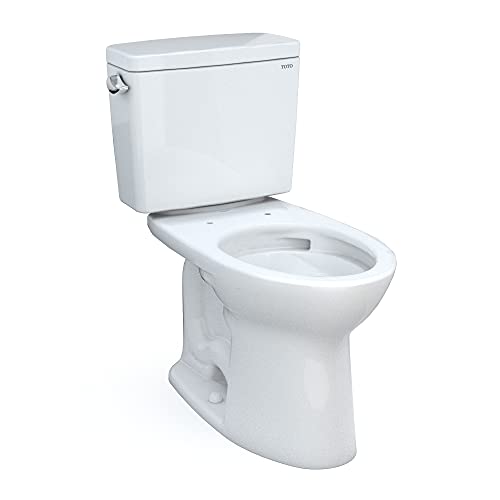
White is still the finish nearly every toilet on the market ships in first, which means it is also the finish with…
Read the guide
Almond was one of the most common toilet colors installed in American homes from the late 1980s through the early 2000s, and…
Read the guide