

Why Toilet Trapways Are Curved Like an S
Toilets4.6
Learn why toilet trapways curve like an S, how each bend blocks sewer gas, and what the shape means for clogs and…
Read the guideStop the panic and fix the clog. This guide covers the fastest methods to unclog a toilet using tools you already have, with honest advice on when to upgrade to a better flushing toilet.
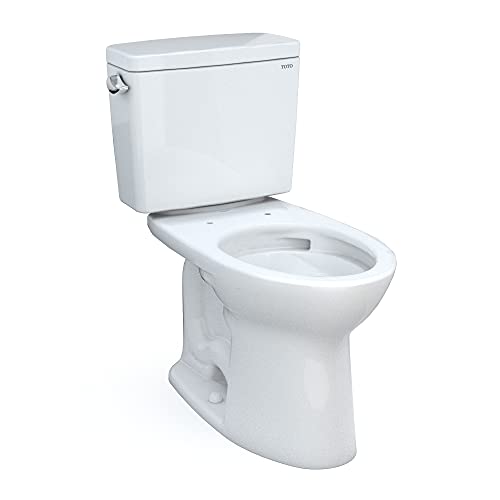
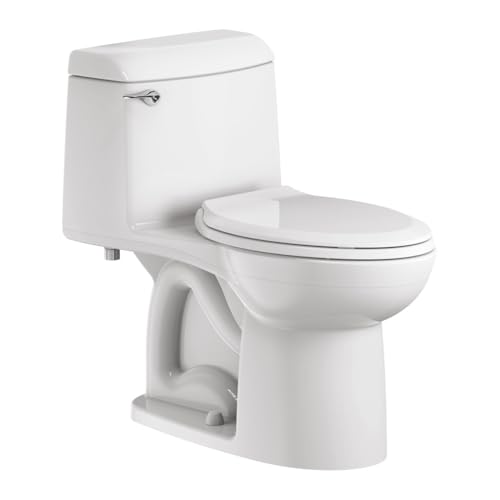
The fastest way to unclog a toilet is with a flange plunger, not a standard sink plunger. For stubborn clogs, a toilet auger (closet snake) works in under a minute. If your toilet clogs weekly, the real fix is replacing it with a model that has a 3-inch trapway and a MaP score above 800 grams, like the TOTO Drake II or American Standard Champion 4.
Most toilets clog because the trapway is too narrow (under 2 inches) or the flush lacks enough force to push waste through the bend. Low-flow toilets from the 1990s and early 2000s are notorious for this. If you have to plunge more than once a month, the toilet itself is the problem, not your habits.
Repeated clogs are almost always a design flaw, not user error. A toilet with a MaP score under 500 grams will struggle with solid waste. The trapway diameter is the biggest factor: 2-inch trapways clog often, while 3-inch trapways (found on models like the TOTO Drake II and Kohler Highline) pass waste easily. Water efficiency matters too. A 1.6 GPF toilet with a poor flush engine will clog more than a 1.28 GPF model with a well-engineered siphon jet.
If you are plunging every week, do not buy another bottle of drain cleaner. That money is better saved for a toilet with a proven flush. Look for a MaP score of 800 grams or higher and a trapway of at least 2 1/8 inches. The TOTO UltraMax II has a 3-inch trapway and a MaP score of 1000 grams. That toilet will not clog under normal use.
The fastest plunger-free method is hot water and dish soap. Pour a generous squirt of liquid dish soap into the bowl, then add a pot of hot (not boiling) water from waist height. The soap lubricates the trapway, and the hot water breaks down the clog. Wait 5 to 10 minutes. If that fails, use a toilet auger.
Hot water and dish soap works best on organic clogs. Do not use boiling water, as it can crack the porcelain. For a faster version, add a cup of baking soda followed by a cup of vinegar. The fizzing action can dislodge minor blockages. This method is slower than a plunger but avoids the mess of splashing water.
Another no-tool trick is the plastic bottle method. Take a 2-liter soda bottle, cut off the bottom, and use the neck as a manual plunger. Place the open end over the drain hole and push down quickly. The air pressure can break up soft clogs. This is a last resort if you have no plunger and no auger.
Hot water and dish soap is a legitimate first step, but do not wait more than 10 minutes. If the water level is rising, stop adding water. You do not want an overflow. For pet owners, enzymatic drain cleaners are safe for pipes and can break down hair and paper clogs overnight, but they are not fast.
Use a flange plunger, not a cup plunger. The flange fits into the toilet drain and creates a better seal. Place the plunger over the hole, push down gently to expel air, then pull up sharply. Repeat 10 to 15 times with steady force. The suction and pressure will break up most clogs.
Most people use the wrong plunger. A standard sink plunger has a flat rubber cup that does not seal in a toilet bowl. A flange plunger has an extra rubber flap that extends into the drain. You can buy one for under ten dollars. Before plunging, close the toilet seat lid to prevent splashing. If the water level is dangerously high, scoop out some water with a cup to avoid overflow.
The technique matters more than the tool. Do not push hard on the downstroke, as that can force the clog deeper. The upstroke creates suction that pulls the clog back toward the bowl. Once the water drains, flush once to confirm the clog is gone. If the water rises again, the clog is still there. Repeat the process or switch to an auger.
A flange plunger works on 90 percent of toilet clogs. The mistake people make is not getting a good seal. If you hear air escaping, adjust the angle. Also, never use a plunger after using chemical drain cleaner. The chemicals can splash back and burn your skin or eyes.
Use a toilet auger when the plunger fails after 20 attempts or when the clog is deeper in the trapway. A toilet auger (closet snake) has a long flexible cable that can reach past the bend and break up or retrieve the obstruction. It is faster than repeated plunging and causes less mess.
Toilet augers cost between 15 and 30 dollars. They have a protective rubber sleeve that prevents scratching the bowl. Insert the cable into the drain and crank the handle clockwise. When you feel resistance, push through the clog. Pull the cable back slowly. Most clogs are caused by a wad of paper or a foreign object. The auger can hook onto the object and pull it out.
Do not use a standard plumbing snake designed for sinks. Those are too stiff and can damage the toilet porcelain. A dedicated toilet auger has a shorter, more flexible cable. After using the auger, flush the toilet to verify the clog is gone. If the water still drains slowly, the clog may be in the main sewer line, which requires a professional.
Every home should have a toilet auger. It is the definitive tool for clogs that a plunger cannot fix. If you have a toilet that clogs often, keep an auger in the bathroom. It will save you from calling a plumber for a simple issue. Just remember to clean the auger with bleach afterward.
Yes, but only for minor clogs. Pour one cup of baking soda into the bowl, then add one cup of white vinegar. Wait 10 to 15 minutes for the fizzing reaction to break down the clog. Follow with a pot of hot water. This method is safe for pipes and septic systems but is slower than a plunger.
The chemical reaction between baking soda and vinegar creates carbon dioxide gas, which can push through soft clogs. It works best on clogs caused by toilet paper and organic matter. It will not dissolve hard objects like plastic or hair ties. For stubborn clogs, this method is a waste of time. Use an auger instead.
Some people recommend using a commercial drain cleaner like Drano. Avoid this. Chemical drain cleaners generate heat that can warp PVC pipes and damage the wax ring seal on your toilet. They also create toxic fumes. The baking soda and vinegar method is the only chemical-free option that actually works for minor blockages.
Baking soda and vinegar is a good maintenance flush, not a rescue tool. If you do this monthly, it can prevent buildup in the trapway. But if the toilet is completely blocked, you need mechanical force. Do not wait 30 minutes for fizzing to work when a plunger can clear it in 30 seconds.
Toilets with a 3-inch trapway and a MaP score above 800 grams are the least likely to clog. The TOTO Drake II, American Standard Champion 4, and Kohler Highline are top choices. These models have wide flush valves and large trapways that pass waste easily without double flushing.
If you are replacing a clog-prone toilet, focus on these specifications. The trapway diameter is the most important number. A 3-inch trapway is standard on high-performance toilets. The flush type also matters. Gravity-fed toilets with a 3-inch flush valve (like the TOTO Drake II) create a strong, quiet flush. Pressure-assisted toilets (like the Kohler Wellworth) are even more powerful but louder.
The MaP score is the industry standard for flush performance. A score of 600 grams is the minimum for a decent toilet. Scores above 800 grams indicate excellent waste removal. The TOTO UltraMax II has a MaP score of 1000 grams, meaning it can flush a full pound of waste in one go. That toilet will never clog under normal household use.
| Model | MaP Score | GPF | Flush Type | Trapway | Height | Best For | Check Price |
|---|---|---|---|---|---|---|---|
| TOTO Drake II | 1000g | 1.28 | Gravity (3 in.) | 3 in. | 17 in. | Best overall | Check price |
| American Standard Champion 4 | 1000g | 1.28 | Gravity (4 in.) | 2 3/8 in. | 16.5 in. | High performance | Check price |
| Kohler Highline | 800g | 1.28 | Gravity (3 in.) | 2 1/8 in. | 16.5 in. | Reliable value | Check price |
| Woodbridge T-0001 | 800g | 1.28 | Gravity (3 in.) | 2 1/8 in. | 16.5 in. | Budget pick | Check price |
| Gerber Viper | 1000g | 1.6 | Gravity (2 in.) | 2 in. | 16.5 in. | Basic use | Check price |
Do not buy a toilet based on looks alone. The Gerber Viper is cheap and looks fine, but its 2-inch trapway and 600g MaP score mean it will clog more often. Spend the extra 100 dollars on a TOTO Drake II. You will never need to plunge again. That is the honest trade-off.
Prevent clogs by using less toilet paper, flushing twice for large waste, and never flushing wipes or feminine products. If your toilet clogs regularly despite good habits, replace it with a high-MaP model. Annual cleaning with a toilet auger can also remove buildup in the trapway.
Toilet paper is the number one cause of clogs in well-designed toilets. Use single-ply paper or a septic-safe brand. Do not flush "flushable" wipes. They do not break down like toilet paper and cause blockages in the trapway and main sewer line. Municipal wastewater departments report that flushable wipes are the leading cause of home sewer backups.
For households with children, teach them to flush only after using the toilet. Small toys and objects are common causes of clogs. If a foreign object gets flushed, use a toilet auger immediately. Do not try to flush again, as that can push the object deeper into the pipe. If the object is stuck beyond the toilet, call a plumber.
Regular maintenance helps. Once a year, remove the toilet and inspect the trapway for mineral buildup. Hard water can deposit calcium and lime scale, narrowing the passage. A vinegar soak can dissolve these deposits. If you live in an area with hard water, consider a toilet with a glazed trapway, like the TOTO Aquia IV, which resists buildup.
The best prevention is a toilet that does not clog. If you have a low-MaP toilet, you are fighting a losing battle. We have seen homes where every toilet clogs weekly, and the owners blame the kids. Then they install a TOTO Drake II, and the problem disappears. The toilet is almost always the culprit.
No. A sink plunger has a flat cup that does not seal in the toilet bowl. Use a flange plunger designed for toilets. It has an extra rubber flap that fits into the drain.
No. Bleach does not dissolve clogs. It can damage the wax ring and rubber seals. Use hot water and dish soap or a toilet auger instead.
Wait 5 to 10 minutes. If the water level does not drop, do not add more water. Use a plunger or auger to avoid overflow.
MaP stands for Maximum Performance. It measures how many grams of waste a toilet can flush in one test. A score above 800 grams is excellent.
No. A well-designed 1.28 GPF toilet with a 3-inch trapway flushes better than an old 1.6 GPF toilet with a 2-inch trapway. GPF does not cause clogs; design does.
Only as a last resort. A wire coat hanger can scratch the porcelain and damage the trapway. Use a toilet auger instead. It is safer and more effective.
Your toilet likely has a low MaP score or a narrow trapway. Check the model number and look up its MaP score. If it is under 600 grams, replace the toilet.
Yes. Flushable wipes do not break down like toilet paper. They cause clogs in the trapway and main sewer line. Never flush them, even if the package says they are safe.
A basic toilet auger costs 15 to 30 dollars. It is a one-time purchase that will save you from calling a plumber for simple clogs.
Sometimes. Organic clogs can break down overnight if the water is hot and soapy. But if the toilet is completely blocked, it will not clear on its own. Use a plunger or auger.
The TOTO Drake II and American Standard Champion 4 have MaP scores of 1000 grams and 3-inch trapways. They are the most clog-resistant toilets on the market.
Only if the auger and plunger fail. If the clog is in the main sewer line, you will see water backing up in other drains. That requires a professional.
No. The reaction is safe for porcelain and pipes. It is the only chemical-free method that works for minor clogs. It will not damage the wax ring or seals.
Check the manufacturer specifications online. Most modern high-performance toilets list the trapway diameter. If it is not listed, assume it is 2 inches and consider upgrading.
Unclogging a toilet fast is about using the right tool: a flange plunger for most clogs, a toilet auger for stubborn ones, and hot water and dish soap as a backup. If your toilet clogs weekly, the fastest fix is to replace it with a model that has a 3-inch trapway and a MaP score above 800 grams. The TOTO Drake II is the best choice for a clog-free home. Stop plunging and start flushing with confidence.
Learn why toilet trapways curve like an S, how each bend blocks sewer gas, and what the shape means for clogs and…
Read the guideAlmost every US toilet has a left-side handle. Learn the plumbing and mechanical reasons behind the layout and when it actually changes.
Read the guideHome toilets rely on tanks because household water lines lack the pressure that public flushometer systems use to flush straight from the…
Read the guide