
Best Black Toilets (2026)
Toilets4.6
Black has moved from a rare custom-order finish to a real stocked color across several major toilet brands, giving buyers a bold,…
Read the guideA leaking toilet can waste up to 200 gallons of water per day. Replacing the flapper is the most common and cost-effective fix, taking less than 15 minutes with no special tools.
Research updated June 2026.
To replace a toilet flapper, turn off the water supply, flush to drain the tank, disconnect the old flapper from the overflow tube and chain, then attach a new universal flapper of the correct size. Most toilets use a 2-inch or 3-inch flapper. The entire job requires no tools and costs less than $10.
A toilet flapper is a rubber valve at the bottom of the tank that lifts to release water into the bowl during a flush. Over time, rubber degrades, warps, or accumulates mineral deposits, causing a poor seal that leads to a constantly running toilet or phantom flushes.
The flapper sits on the flush valve opening at the bottom of the tank. When you press the flush handle, a chain lifts the flapper, allowing water to rush into the bowl. After the tank empties, the flapper drops back down to seal the opening, and the fill valve refills the tank.
Most flappers fail because of age. Chlorine in municipal water and cleaning tablets accelerate rubber breakdown. A flapper that is too hard, too soft, or covered in slime will not form a watertight seal. You may hear the tank refilling periodically even when no one has flushed, or see ripples in the bowl water.
Signs include a running toilet that refills every few minutes, a faint hissing sound from the tank, or a water bill that suddenly spikes. The simplest test is to add a few drops of food coloring to the tank. If color appears in the bowl within 15 minutes without flushing, the flapper is leaking.
Many homeowners mistake a running toilet for a fill valve issue when the flapper is the actual culprit. Always perform the dye test before replacing parts. If the flapper is more than three years old, replacement is cheap insurance against water waste.
Other visual indicators include a flapper that feels stiff or crumbles when touched, mineral crust around the seal area, or a chain that is too tight or too loose. A flapper that stays lifted after flushing or drops too slowly also needs replacement.
Measure the diameter of the flush valve opening at the bottom of the tank. Standard residential toilets use a 2-inch flapper. High-efficiency and some pressure-assist toilets use a 3-inch flapper. If unsure, buy a universal flapper that adjusts to fit both sizes.
To measure, remove the tank lid and look at the opening where the flapper sits. A 2-inch opening is roughly the size of a baseball. A 3-inch opening is closer to the size of a softball. You can also check the model number on the back of the tank or inside the tank wall.
Some toilets, particularly older models or brands like TOTO and Kohler, use proprietary flappers. For example, the TOTO Drake II uses a specific 3-inch flapper with a unique mounting bracket. Always verify compatibility before purchasing.
| Flapper Size | Common Brands/Models | Typical GPF | Replacement Type |
|---|---|---|---|
| 2-inch | American Standard Cadet 3, Kohler Cimarron | 1.28 or 1.6 | Universal fit |
| 3-inch | TOTO Drake II, Kohler Highline Comfort Height | 1.28 | Universal or brand-specific |
| Proprietary | TOTO Aquia IV, Gerber Viper | 1.28 | Brand-specific only |
Turn off the water supply valve behind the toilet, flush to empty the tank, and disconnect the old flapper by unhooking its ears from the overflow tube pegs and removing the chain clip. Attach the new flapper, adjust the chain to have about 1/2 inch of slack, and turn the water back on to test.
You need only a new flapper. No tools are required, though a small bucket and towel can catch drips. Most universal flappers come with a replacement chain and clip.
Locate the shut-off valve on the wall or floor behind the toilet. Turn it clockwise until it stops. Flush the toilet to drain the tank. Sponge out any remaining water at the bottom.
Unhook the flapper ears from the pegs on the overflow tube. Unclip the chain from the flush handle lever. Discard the old flapper.
Hook the new flapper ears onto the overflow tube pegs. Ensure the flapper sits flat over the flush valve opening. Clip the chain to the flush lever, leaving about 1/2 inch of slack. A chain that is too tight prevents the flapper from sealing. A chain that is too loose may get caught under the flapper.
Turn the water supply back on. Let the tank fill. Flush several times. The flapper should lift fully and drop cleanly. Listen for any hissing or running water. If the toilet runs, adjust the chain length or check that the flapper is centered.
The most common installation error is a chain that is too tight. This lifts the flapper slightly off the seat, causing a slow leak. Always err on the side of more slack. If the flapper does not seal after adjustment, the flush valve seat may be rough or mineral-encrusted and require cleaning with a scouring pad.
The best flapper matches your toilet's flush valve size and brand. For most standard toilets, a universal 2-inch or 3-inch silicone flapper offers the longest life. For TOTO or Kohler models, a genuine OEM flapper ensures proper fit and performance.
When choosing a flapper, consider material. Rubber flappers are inexpensive but degrade faster, especially with chlorine tablets. Silicone flappers cost slightly more but resist warping and last years longer. Some universal flappers include an adjustable float that lets you tune the flush volume.
For homes with hard water, a flapper with a built-in overflow tube seal or a weighted design can improve reliability. Always check owner reviews for fitment issues with your specific toilet model.
This is the most widely compatible 2-inch flapper on the market, fitting over 95% of standard toilets.
Aggregated owner reviews praise its reliable seal and simple installation. Some users report needing to replace it every 2-3 years in chlorinated water. It works well with American Standard, Kohler, and most generic toilets.
For a standard 1.6 GPF toilet, this flapper provides consistent performance. It includes a chain and clip, so no additional parts are needed.
For the price, this is the go-to flapper for most homeowners. Keep a spare on hand for quick swaps.
Made from silicone, this flapper resists chlorine damage and lasts significantly longer than rubber models.
Owner reviews highlight its durability and resistance to warping. Many users report 5+ years of trouble-free service. The silicone material stays flexible even in hard water conditions.
It includes an adjustable overflow tube height and a universal mounting bracket. Installation is straightforward for most 2-inch flush valves.
Silicone is the superior material for flappers. This model is a top recommendation for longevity.
Designed specifically for TOTO toilets with a 3-inch flush valve, this OEM part ensures perfect fitment.
TOTO owners consistently report that aftermarket flappers fail to seal properly on their toilets. This genuine part solves that issue. It includes the correct mounting bracket and chain length.
Installation is plug-and-play for TOTO Drake II, Ultramax II, and similar models. The rubber is formulated to resist TOTO's specific water flow dynamics.
If you own a TOTO, spend the extra money on the OEM flapper. It saves frustration from leaks.
This is the OEM replacement for many Kohler toilets, including the Cimarron and Highline models.
Kohler toilets often have unique flush valve designs. This OEM flapper eliminates guesswork. Owner reviews note it stops leaks that universal flappers could not fix.
It comes with a pre-attached chain and requires no adjustment for most Kohler models. Check your toilet's model number to confirm compatibility.
Kohler's flush valve geometry is proprietary. Always use the OEM part for best results.
For toilets with a 3-inch flush valve, this universal option offers broad compatibility at a low price.
This flapper works with American Standard, Glacier Bay, and many other brands using a 3-inch flush valve. It includes an adjustable float to fine-tune flush volume.
Owner reviews are positive for most applications, though some TOTO users report leaks. It is a solid choice for non-proprietary 3-inch systems.
A good budget option for 3-inch toilets, but verify compatibility before buying.
Technically yes, but it is not recommended. If you do not shut off the water, the tank will refill as you work, and you risk water spilling onto the floor. Always turn off the supply valve for a clean, dry installation.
If the shut-off valve is stuck or broken, you can turn off the main water supply to the house. Alternatively, lift the float arm in the tank to prevent refilling, but this is less reliable. For safety and ease, fix or replace a faulty shut-off valve before attempting flapper replacement.
Replace the flapper every 3 to 5 years, or sooner if you notice signs of leakage. Toilets in homes with chlorinated water or those using in-tank cleaning tablets may need annual replacement. Silicone flappers can last 5 to 10 years.
Regular inspection during cleaning helps catch early wear. If the flapper feels spongy, cracked, or leaves black residue on your fingers, replace it immediately. Proactive replacement prevents water waste and avoids emergency repairs.
The flush valve seat may be rough or mineral-encrusted. Clean it with a scouring pad. Also check that the chain has proper slack and the flapper is centered.
No. The flapper must match the flush valve diameter. A 3-inch flapper will not seal on a 2-inch opening.
No tools are required. You may want a towel and a small bucket for any residual water in the tank.
Leave about 1/2 inch of slack when the flapper is closed. The chain should not lift the flapper, but should not be so loose that it bunches up.
The fill valve may need adjustment, or the flapper chain may be too tight. Also check that the overflow tube height is correct.
Yes, for longevity. Silicone resists chlorine and mineral damage, lasting 5-10 years compared to 2-3 years for rubber.
No. Flappers come in 2-inch and 3-inch sizes, and some brands use proprietary designs. Always verify compatibility.
Yes. A flapper that opens too slowly or does not lift fully can reduce flush power. A flapper that leaks can prevent a complete flush.
You can wipe it with a vinegar-soaked cloth to remove mineral deposits. If it is warped or cracked, replace it instead.
Chlorine in municipal water and in-tank cleaning tablets accelerate rubber breakdown. Use a silicone flapper or avoid chemical tablets.
Yes, but pressure-assist toilets often use a different type of seal. Consult the owner's manual for the correct part.
The flapper may be waterlogged or have air trapped inside. Replace it with a new one. Some flappers have a built-in float that can be adjusted.
A slow leak can waste up to 200 gallons per day. A visible trickle can waste thousands of gallons monthly.
Most new flappers include a chain. If the old chain is corroded or too short, replace it. Otherwise, you can reuse it.
Replacing a toilet flapper is the simplest and most effective DIY fix for a running toilet. Measure your flush valve size, choose a quality silicone flapper for longevity, and ensure the chain has proper slack. For most standard toilets, the Fluidmaster 5403 or Korky 528BP will solve the problem. For TOTO or Kohler models, use OEM parts. This 15-minute repair saves water and money.
How we rank & our data sources
We do not run physical lab tests. Rankings are built from published, verifiable data and real owner feedback, never paid placement.
Researched by Marcus Bell · Last updated June 28, 2026 · Our review method
Black has moved from a rare custom-order finish to a real stocked color across several major toilet brands, giving buyers a bold,…
Read the guide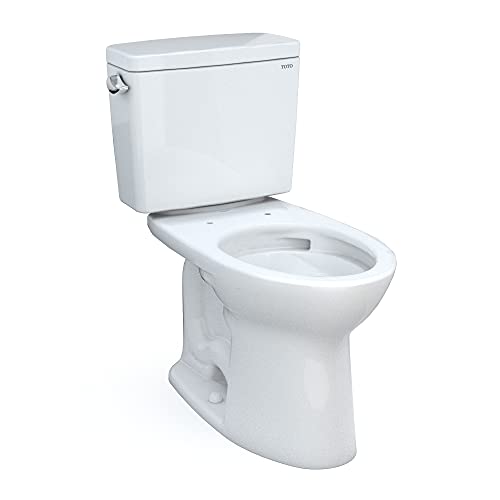
White is still the finish nearly every toilet on the market ships in first, which means it is also the finish with…
Read the guide
Almond was one of the most common toilet colors installed in American homes from the late 1980s through the early 2000s, and…
Read the guide