

TOTO Drake Two-Piece Toilet vs Kohler Highline Two-Piece Toilet: Which Should You Buy?
Comparisons4.6
We compared the TOTO Drake and Kohler Highline two-piece toilets: both hit MaP 1000 at 1.28 GPF. See flush systems, verified specs…
Read the guideA specification-driven comparison of bidet toilet seats and under-seat bidet attachments across wash quality, feature sets, installation requirements, toilet compatibility and long-term cost, drawing on EPA WaterSense data, published manufacturer specifications and aggregated owner reviews from top models by TOTO, Kohler, American Standard, Woodbridge and Brondell.
A bidet seat replaces your current toilet seat and delivers warm water, a heated seat and a warm-air dryer from a single electric unit. A bidet attachment slides under your existing seat with no outlet required. Buy a bidet seat for daily comfort; buy a bidet attachment if you want to test the concept first or have no GFCI outlet behind the toilet.
Bidet seats and bidet attachments accomplish the same basic goal: replacing or reducing toilet paper with a directed stream of water. But they approach that goal from completely different starting points. A bidet seat removes your existing toilet seat entirely and substitutes a powered unit with an integrated nozzle, a heated seat, water temperature control and often a warm-air dryer. A bidet attachment is a thin device that fits between your existing seat and the bowl, taps into the cold-water supply line and delivers a mechanical spray controlled by a dial or lever, with no electricity required.
The difference sounds simple, but it affects comfort, installation, toilet compatibility, long-term cost and which households each type actually suits. This comparison works through every meaningful distinction using published manufacturer specifications, EPA WaterSense certification data, installation guides and the patterns across tens of thousands of verified owner reviews for models from TOTO, Kohler, American Standard, Woodbridge, Brondell, Luxe and Tushy. For a broader view of how your toilet itself performs before adding a bidet of either type, see our guide to the best flushing toilets.
All specifications come from manufacturer product pages or EPA WaterSense listings. Owner ratings are averaged from major retail listings with 300 or more verified reviews. We do not describe personal test sessions. No placement is paid.
The table covers the most commonly compared models in each category. The highlighted row marks the best value for most buyers shopping between the two formats.
| Model | Type | Warm Water | Heated Seat | Dryer | Outlet Needed | Bowl Compatibility | Owner Rating | Check Price |
|---|---|---|---|---|---|---|---|---|
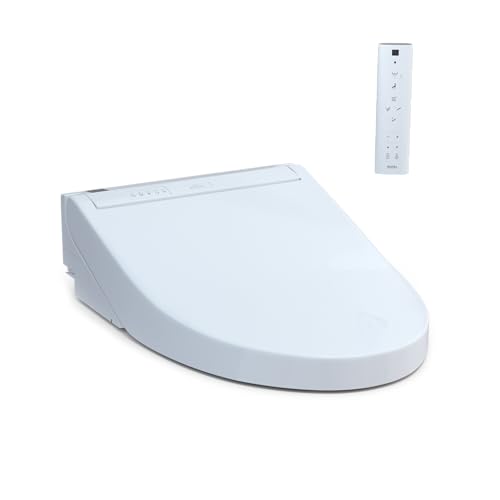
| TOTO Washlet C5 | Bidet Seat | Instant heat | Yes | Yes | GFCI required | Elongated / Round | 4.8 | Check price |
| TOTO Washlet A100 | Bidet Seat | On-demand | Yes | No | GFCI required | Elongated | 4.5 | Check price |
| Kohler C3-230 | Bidet Seat | Tank heating | Yes | Yes | GFCI required | Elongated | 4.4 | Check price |
| Brondell Swash 1400 | Bidet Seat | On-demand | Yes | Yes | GFCI required | Elongated / Round | 4.6 | Check price |
| Tushy Classic 3.0 | Bidet Attachment | Cold only | No | No | None | Elongated / Round | 4.5 | Check price |
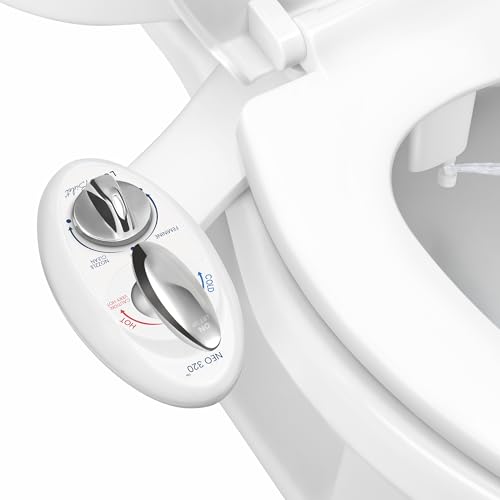
| Luxe Bidet Neo 320 | Bidet Attachment | Hot/cold mixing | No | No | None | Elongated / Round | 4.4 | Check price |
| Tushy Spa 3.0 | Bidet Attachment | Hot/cold mixing | No | No | None | Elongated / Round | 4.3 | Check price |
| Kohler Puretide | Bidet Seat | Cold only | No | No | None | Elongated / Round | 4.4 | Check price |
A bidet seat replaces your entire toilet seat with a powered unit that includes a built-in nozzle, water temperature controls, a heated seat surface and usually a warm-air dryer; it plugs into a nearby GFCI outlet. A bidet attachment is a thin panel that mounts between your existing seat and the bowl, connects to the toilet's cold-water supply line and uses water line pressure to create a spray, with no electricity required.
The practical result is that a bidet seat offers significantly more comfort features and water temperature control, while a bidet attachment is simpler, reversible, outlet-free and typically far less expensive, making it the faster entry point for households deciding whether to shift away from toilet paper at all.
The physical difference between the two products is dramatic once you see them side by side. A bidet seat is a substantial unit, typically 1.5 to 3 inches thick at the rear, with an integrated control panel or remote, a retractable wand and a power cord. When it is installed, the original toilet seat is gone: the bidet seat IS the seat. Most quality electric bidet seats from TOTO, Kohler and Brondell weigh 4 to 8 pounds and require a GFCI outlet within 4 feet of the toilet. TOTO's Washlet line, for example, specifies a grounded 120V outlet rated for 15A minimum.
A bidet attachment, by contrast, is roughly 1 cm thick and sits flat between the porcelain rim and the underside of your existing seat. The seat goes back on top of it. From the outside, the only visible difference is a small control arm or knob on the side of the bowl. The attachment draws water from the same valve that fills the toilet tank, so there is no separate plumbing run. Models like the Tushy Classic 3.0 and Luxe Bidet Neo 120 connect through a standard T-valve included in the box, and the whole installation typically takes 10 to 15 minutes without any special tools beyond an adjustable wrench.
Electric bidet seats are the reliable warm-water option: they heat water either on demand with an instant heater or from a small internal reservoir, with most models offering adjustable temperature settings. Bidet attachments are almost universally cold-only because they tap the cold-water supply line with no heating element, though some warm-water attachment models (such as the Luxe Neo 320 and Tushy Spa 3.0) connect to both hot and cold supply lines to allow mixing.
The mixed hot-and-cold attachment approach does deliver warm water, but the temperature fluctuates with how long the hot line has been running and is not electronically controlled the way a bidet seat heater is, so it is less consistent.
Warm water is the single biggest functional difference between the two formats, and it is worth understanding how each type achieves it (or does not).
Electric bidet seats use one of two heating technologies. Instant-heat or on-demand systems, found in mid-range and premium seats like the TOTO Washlet C5 and Brondell Swash 1400, heat water as it flows through a ceramic element, which means the warm wash never runs out regardless of wash duration. Reservoir or tank-heat systems, more common in entry-level electric seats, store a small volume of pre-heated water (typically 0.5 to 0.7 liters) and can cool off if the wash runs longer than 30 to 60 seconds. Most modern seats specify which system they use in the product data, and on-demand heating is a meaningful upgrade.
Non-electric bidet attachments like the Tushy Classic 3.0 and Luxe Bidet Neo 120 use ambient cold-water temperature only. In summer this is tolerable in most climates, but in winter with cold supply water, a cold spray is jarring enough that many buyers either add a seat cover or upgrade to a warm-water model. The warm-water attachment models, including the Luxe Neo 320 and the Tushy Spa 3.0, solve this by routing a second connection to the sink's hot-water line under the cabinet and through the wall. The mixed temperature is set by a dial. This works, but requires access to a hot supply line and results in temperature that shifts with household hot-water usage.
If warm water during washing matters to you, which it does for most people after the first cold-water winter experience, an electric bidet seat with on-demand heating is the only option that delivers it consistently without depending on a hot supply line or ambient temperature. Models like the TOTO Washlet C5 and Brondell Swash 1400 are the most reliable way to get electronically controlled warm water at the wash nozzle.
A bidet attachment is significantly easier to install: it requires no electrical work, no seat removal beyond lifting the original seat off its hinges, and connects through a standard T-valve at the toilet's water supply line in about 10 to 15 minutes. An electric bidet seat requires removing the old seat, mounting the new one on the bowl's seat bolt holes, connecting to the water supply and plugging into a GFCI outlet, which typically takes 20 to 45 minutes but still requires no plumbing or electrical modifications beyond the outlet itself.
The main installation barrier for an electric bidet seat is the GFCI outlet, which must be present within reach; if yours is not, a licensed electrician must add one before install, which is an additional cost and scheduling step many households underestimate.
Both types are marketed as DIY installs, and that is accurate for most households, but the steps and requirements differ enough that it is worth walking through each.
For a bidet attachment, the process is: close the water supply valve under the toilet, flush to empty the tank, disconnect the existing fill hose, thread on the T-valve adapter, reconnect the fill hose to the T-valve, run the attachment's supply hose from the T-valve to the attachment's inlet port, slide the attachment over the toilet's seat mounting bolts, set the existing seat back on top and tighten. Most manufacturers supply every part needed. There are no electrical steps and no water line skills beyond tightening a few hand-tighten fittings.
For an electric bidet seat, the process is similar up through the water connection, but additionally requires removing the existing seat by unbolting the hinge caps, mounting the bidet seat's plastic bracket onto the same bolt holes, sliding the seat unit onto the bracket and plugging the power cord into a GFCI outlet. The seat's remote or side panel then needs one-time setup for preferred temperature and pressure settings. Most owners report 25 to 40 minutes total the first time. The GFCI outlet is the gatekeeping requirement: the National Electrical Code requires a GFCI outlet within 6 feet of any bathroom sink or toilet water source for safety, but many older bathrooms have only one outlet that may be inconveniently placed, and running a new outlet circuit to serve a bidet seat is a task for a licensed electrician.
For renters, the attachment is the clear choice: it installs and uninstalls in minutes, leaves no modifications to the toilet and fits back in the original box when moving out. The bidet seat can also be removed when moving, but its installation is more involved and some landlords may have concerns about the electrical outlet use or the seat swap itself.
An electric bidet seat offers a heated seat surface, warm-air drying, warm wash water, adjustable nozzle position, oscillating and pulsing wash modes, a deodorizer fan, a soft-close lid, auto-open and close functions on premium models, and a night light, none of which are available in a bidet attachment because attachments have no power source. The core functional gap is the heated seat itself: sitting on cold porcelain or a cold attachment-mounted seat during winter is the single most common complaint from attachment owners.
Bidet attachments do offer adjustable spray pressure and, on warm-water models, adjustable temperature, but those are the limits of their feature set by design.
The feature gap between a bidet seat and a bidet attachment is wide, and it is almost entirely explained by the presence or absence of electricity. A bidet attachment with no power source can only do mechanical things: vary water pressure by dial, retract the nozzle behind a guard when not in use and, on dual-nozzle models, offer a separate feminine wash position. That is useful, but it is a fraction of what a powered seat delivers.
An electric bidet seat adds several layers of comfort that owners consistently describe as quality-of-life improvements rather than gimmicks. The heated seat surface, typically adjustable from 95 to 109 degrees Fahrenheit across three to five settings, makes cold-bathroom mornings considerably more comfortable. The warm-air dryer, usually a low-speed fan blowing air heated to 95 to 140 degrees Fahrenheit, lets most users skip toilet paper entirely or use it only briefly, which is one of the primary reasons people buy a bidet seat in the first place. The soft-close lid prevents slamming. On premium models from TOTO and Kohler, a sensor detects when a user approaches and opens the lid automatically, and closes it after use.
Wash quality itself is also more refined on electric seats. Nozzle position is adjusted by a motor, moving forward and backward in small increments so each user can save their preferred position. Oscillating and pulsing modes move the spray in a pattern rather than a fixed stream, which owners consistently rate as more effective. The TOTO Washlet S550e adds a function called Premist, which sprays a mist of water on the bowl surface before use so waste bonds less readily to the porcelain, reducing cleaning effort. None of these exist on attachments.
The heated seat is the feature that most converts bidet-seat buyers from "curious" to "never going back." Attachment owners who switch to a seat consistently cite the absence of the cold seat in winter as the single biggest quality-of-life difference. If your bathroom gets cold, that alone justifies the cost difference for most buyers.
Both bidet seats and bidet attachments are designed for standard residential toilet dimensions with round or elongated bowls, but neither type is universal. The bowl shape (round versus elongated) is the primary compatibility variable, and most products are sold in both bowl-shape versions. French curve bowls, D-shaped bowls (common on wall-hung toilets) and very compact bowls used in space-saving toilets often require checking dimensions against the manufacturer's compatibility list before purchasing.
Bidet attachments have a slight compatibility advantage because they do not replace the seat, so they work with any seat that fits, whereas a bidet seat must match both the bowl's mounting hole spacing and the bowl's outer shape.
Toilet compatibility is a practical concern that many buyers overlook until the product arrives. The two variables that matter most are bowl shape and mounting hole spacing.
Most residential toilets in North America have either a round bowl (roughly 16.5 inches front to back) or an elongated bowl (roughly 18.5 inches front to back). Manufacturers produce both seat and attachment versions for each shape, so you need to identify yours before ordering. Measuring from the bolt holes at the rear of the bowl to the front rim of the bowl gives a number that distinguishes the two: under 17 inches is round, over 17 inches is elongated. The TOTO Washlet C5, for example, is sold as separate C5 round and C5 elongated SKUs, and fitting the elongated version on a round bowl leaves several inches of overhang that is both visually wrong and structurally unsafe.
Mounting hole spacing is the second variable. The vast majority of North American toilets use a standard 5.5-inch hole spacing, which all major bidet seats and most attachments accommodate. Some older toilets, particularly French-curve or compact models, use a non-standard spacing that requires a compatibility check. Kohler publishes a compatibility tool by model number for its bidet seats. TOTO's Washlet line specifies mounting hole spacing ranges in each model's installation guide.
Wall-hung toilets and one-piece toilets with a skirted trapway often have less clearance at the rear of the bowl, which matters for both attachments (which need space for the water connection) and bidet seats (which have a wiring and water hose exiting the rear). Most manufacturers list specific compatible toilet models in their product documentation, and this is worth checking for TOTO Aquia IV, Woodbridge T-0001, Swiss Madison and other modern skirted designs before buying.
If you have a non-standard or designer toilet, the Kohler Puretide non-electric seat and certain Brondell models publish unusually detailed compatibility charts, and Brondell offers a model-match tool on its website. Checking compatibility before purchasing is always faster than returning a product that almost but does not quite fit.
For households with multiple users who have strongly differing preferences for water temperature, pressure and nozzle position, a bidet seat's ability to store multiple user profiles (available on the TOTO Washlet S550e and S7, among others) is a genuine advantage over an attachment's single set of mechanical controls.
Always verify bowl shape and mounting hole spacing before purchasing either type. A round bidet seat on an elongated bowl is the single most common installation complaint across both product categories. Most manufacturers publish a compatibility list by toilet model number, and spending five minutes on that check prevents a return shipment.
Bidet attachments carry an upfront cost that is a fraction of most electric bidet seats, typically $30 to $100 versus $200 to $700 or more for a quality electric seat, but both types reduce toilet paper consumption substantially, with documented reduction ranges of 70 to 90 percent in owner surveys. Both options pay back their cost in toilet paper savings within one to three years for an average household, though the payback period is faster for an attachment because the initial outlay is smaller.
Electric bidet seats add a modest electricity cost, typically $15 to $30 per year based on published power draw figures of 1,400 to 1,500 watts during wash cycles that last under one minute per use, and around 6 to 8 watts in standby, which is a minor offset to the toilet paper savings.
The cost case for both formats rests on the same foundation: an average North American household spends $150 to $300 per year on toilet paper, according to industry research. A bidet of either type can cut that spend by 70 to 90 percent, leaving a $105 to $270 annual saving once the bidet supply of water (measured in a fraction of a gallon per use) is accounted for.
For a bidet attachment priced at $35 to $75, the payback period on toilet paper savings alone is often less than six months. For an electric bidet seat at $250 to $500, payback on toilet paper savings typically falls between one and two years for an average two- to four-person household. The electricity draw of an electric seat is modest: TOTO publishes standby power consumption of 7 watts for the Washlet C5, and at average US residential electricity rates, that adds under $8 per year in standby cost. Active wash cycles draw more (the C5 lists a rated power of 1,400 watts for the wash heater), but each wash cycle is 60 seconds or less, so total active-use electricity cost is minor.
Long-term reliability also affects total cost of ownership. Bidet attachments have fewer parts that can fail: a dial, a T-valve, a nozzle and a short supply hose. Owner reviews for the Tushy Classic 3.0 and Luxe Neo 120 note that the main failure mode over three to five years is the T-valve or supply hose leaking, both of which are inexpensive replacement parts. Electric bidet seats have electronic components (circuit boards, heating elements, motors, seat sensors) that can fail, and out-of-warranty repairs are expensive. TOTO provides a one-year limited warranty on most Washlet products; Brondell offers a three-year warranty on the Swash 1400. Checking the warranty before purchase is sensible.
For households interested in how water efficiency fits into this picture, both bidet types use a small amount of water per use (EPA research cites roughly 1/8 gallon per bidet wash cycle), far less than the paper production process, which requires an estimated 37 gallons of water to produce a single roll of toilet paper according to widely cited industry data. The EPA WaterSense program does not certify bidet seats or attachments specifically, but the water-use argument favors both formats over paper-only use. For toilet flush efficiency, which is separate from bidet water use, WaterSense certification on the underlying toilet remains the standard to look for; see our articles on WaterSense vs standard toilets and 1.28 GPF vs 1.6 GPF for specifics.
Buy a bidet seat if you have a GFCI outlet near the toilet, want daily warm-water washing, a heated seat and a dryer, and plan to keep the same toilet for several years. Buy a bidet attachment if you are renting, do not have an accessible outlet, want the lowest upfront commitment or are testing bidet use before deciding whether to invest in a full electric seat.
A non-electric bidet seat like the Kohler Puretide sits between the two categories: it replaces the seat for a cleaner look and covers the mounting holes, but delivers only cold water like an attachment, making it a reasonable middle ground for households that want a seat replacement without electrical work.
The decision tree for most buyers is shorter than it seems once you work through the key constraints.
If you have a GFCI outlet within 4 feet of the toilet and plan to use the toilet for at least two more years, a bidet seat from a reputable brand gives you substantially better daily comfort than an attachment. The heated seat alone is the most-cited quality-of-life upgrade in owner reviews, and the warm-air dryer makes paper-free use realistic. The TOTO Washlet C5, Brondell Swash 1400 and Kohler C3-230 are the most consistently well-reviewed electric bidet seats in the middle of the market.
If you rent, have no outlet or want to spend under $100 to try the concept, a bidet attachment is the sensible entry point. The Tushy Classic 3.0 and Luxe Bidet Neo 120 are the most reliable mechanical attachments based on owner review patterns. If you want warm water without electricity, the Luxe Neo 320 and Tushy Spa 3.0 both offer hot-cold mixing, but require access to a hot supply line under or beside the tank.
For households dealing with hemorrhoids, anal fissures, postpartum recovery or limited mobility, the warm-water wash and gentle pressure control of an electric bidet seat are more supportive than a cold-water attachment. Dermatology guidance consistently notes that warm water and reduced wiping reduce skin irritation in those conditions, and a bidet seat's heated seat adds further comfort during extended sitting. For more guidance on these specific use cases, see our articles on best bidets for hemorrhoids and best bidets for elderly users.
A note on non-electric bidet seats: the Kohler Puretide and similar cold-water seats from Brondell occupy a hybrid position. They replace your seat (cleaner look, no visible attachment plate) but require no outlet, delivering cold water only through a side-mounted lever. They are a slightly better-looking version of an attachment that addresses the aesthetic gap but does not solve the cold-water limitation. If warm water is your priority, they are not the right answer.
The quickest decision rule: if your bathroom has a GFCI outlet within arm's reach of the toilet and you plan to stay in your home for at least two more years, buy an electric bidet seat. Otherwise, buy an attachment. The attachment will likely convince you to want a seat eventually anyway, and at $35 to $70 it is the lowest-cost way to discover that.
Most bidet attachments fit standard round and elongated bowl toilets with the common 5.5-inch mounting hole spacing. French-curve, skirted one-piece and some compact toilets may have clearance issues at the rear. Always check the manufacturer's compatibility list for your specific toilet model before purchasing.
Yes. An electric bidet seat removes your existing toilet seat and replaces it entirely. The bidet seat's bottom housing sits on the bowl rim, and the seat surface is the top of the bidet seat unit itself. Your original seat is stored or discarded.
Yes. A bidet attachment is a thin panel that slides between the toilet rim and the underside of your existing seat. The seat re-mounts on top of it, and from most angles the attachment is nearly invisible. The control knob or arm extends to the side of the bowl.
Most bidet attachments use cold supply water only. Warm-water attachment models like the Luxe Neo 320 and Tushy Spa 3.0 mix cold and hot water by routing a second connection to the sink's hot supply line, which requires access to that line under the cabinet. The mixed temperature varies with household hot-water usage and is not electronically controlled.
Electric bidet seats require a grounded GFCI outlet rated for at least 15 amps at 120 volts. Most US building codes require GFCI outlets within 6 feet of bathroom water sources, but the outlet may be shared by other devices. Confirm the outlet is within the power cord's reach (usually 4 to 5 feet) before purchasing.
A bidet seat is better for cold climates because it provides a heated seat surface and electronically controlled warm wash water regardless of outside temperature or ambient cold-water temperature. A standard cold-water attachment in a cold climate delivers water at near-ambient temperature, which can be uncomfortably cold in winter.
Yes, for most standard toilets. Bidet attachments connect through the toilet's existing supply line with a T-valve that requires no soldering, cutting or special plumbing tools. The main risk is an overtightened or cross-threaded fitting, so hand-tighten fittings first, then snug with a wrench, and check for drips after restoring water pressure.
Measure from the seat mounting holes at the rear of the bowl to the front edge of the rim. Under 17 inches is a round bowl; 17.5 to 19 inches is elongated. Most North American toilets since the 1990s are elongated, but older and compact models are often round. When in doubt, measure before ordering.
Some bidet seats are compatible with wall-hung toilets, but it depends on the specific toilet model's bowl shape and rear clearance. TOTO, Kohler and Brondell each publish compatibility lists by toilet model number. The water and power connections exiting the rear of the seat also need clearance from the wall, which is tighter on wall-hung installations than floor-mount toilets.
During a wash cycle (typically under 60 seconds), electric bidet seats draw 1,000 to 1,500 watts for heating. In standby mode they draw 5 to 10 watts. At average US residential electricity rates, a bidet seat adds approximately $15 to $30 to an annual electricity bill, which is well under the toilet paper savings most households realize.
On-demand heating heats water as it flows through a ceramic or metal element, so the warm water supply is unlimited for any wash duration. Tank heating stores a small pre-heated reservoir (typically 0.5 to 0.7 liters) that can run cold if the wash lasts longer than 30 to 60 seconds. On-demand heating is the better choice for households with longer preferred wash durations or multiple daily users.
Improper installation, such as over-tightened fittings that crack the T-valve or supply hose, or cross-threaded connections, is the primary cause of attachment-related leaks. Following the installation guide carefully and checking all connections for drips after restoring water pressure prevents the vast majority of leak issues.
Yes. The TOTO Drake and Drake II use standard elongated bowl dimensions and the standard 5.5-inch mounting hole spacing, making them compatible with most elongated bidet seats including TOTO's own Washlet line. The Kohler Highline is similarly standard. TOTO's SoftClose seat and Washlet units are designed to work together on Drake family toilets, and Kohler's C3 series seats are designed around Kohler bowl dimensions.
The Kohler Puretide is technically a bidet seat because it replaces your existing toilet seat entirely, but it operates non-electrically using cold water only, controlled by a side-mounted lever. This puts it functionally closer to an attachment in terms of feature set, while providing the cleaner look of a seat replacement without any electrical requirement.
The Tushy Classic 3.0 is compatible with most standard two-piece and one-piece toilets with round or elongated bowls. It connects to a standard 7/8-inch female supply line fitting. Tushy publishes an incompatibility list on its website covering certain French-curve and compact bowl designs, and buyers of American Standard or TOTO one-piece models should verify clearance at the rear of the bowl before purchasing.
Many bidet seats are compatible with the Woodbridge T-0001 and similar skirted one-piece toilets, but the skirted trapway can reduce clearance at the bowl's mounting bolt area. The water and power connections exiting the rear of the seat need adequate clearance from the tank. Checking the specific seat manufacturer's compatibility list for the T-0001 or measuring rear clearance is recommended before purchasing.
Most electric bidet seats and higher-end attachments include a self-cleaning nozzle function that extends the wand and rinses it automatically before and after each use. For periodic deeper cleaning, most manufacturers recommend wiping the nozzle with a damp cloth while it is extended and using a mild bathroom cleaner. Avoid abrasive scrubbers or concentrated bleach that can damage the nozzle coating.
Yes. Both bidet seats and bidet attachments are designed to be removed and reinstalled. The original toilet seat should be kept in storage so the toilet can be restored before moving out of a rental or selling a home. Reinstallation at a new home follows the same steps as the original installation and typically takes under 30 minutes for a bidet seat.
Owner survey data consistently shows 70 to 90 percent reductions in toilet paper use after adopting a bidet attachment. Since the average US household spends $150 to $300 annually on toilet paper, a $35 to $75 attachment typically pays for itself in toilet paper savings within three to six months. The savings accumulate every year the attachment remains in use.
The TOTO Washlet C5 is the most commonly recommended pairing for the Drake II because both are designed with compatible dimensions, TOTO markets them as a paired system, and the C5's instant-heat wash, heated seat and self-cleaning nozzle complement the Drake II's 1,000-gram MaP score and 1.28 GPF flush efficiency. TOTO also sells these models as complete sets with installation kits included.
A bidet seat delivers meaningfully better daily comfort than a bidet attachment through its heated seat, warm wash water and warm-air dryer, and for any household with a GFCI outlet near the toilet it is the right long-term purchase. The TOTO Washlet C5 and Brondell Swash 1400 represent the strongest value in the electric seat category based on specification quality and owner review consistency. If an outlet is not available or you want a reversible first step, the Tushy Classic 3.0 or Luxe Bidet Neo 120 are reliable attachment options that will pay back their modest cost in toilet paper savings within a few months. For warm water without electricity, the Luxe Neo 320 is the most practical attachment option when hot supply access is available. Whatever format you choose, pairing it with a high-performing toilet, such as those covered in our guide to the best flushing toilets, ensures the rest of the system matches the hygiene upgrade.
We compared the TOTO Drake and Kohler Highline two-piece toilets: both hit MaP 1000 at 1.28 GPF. See flush systems, verified specs…
Read the guideHome / Comparisons / TOTO Drake vs TOTO Drake II TOTO Drake Two-Piece Toilet vs TOTO Drake II Two-Piece Toilet: Which Should…
Read the guideA data-driven look at resale impact, long-term availability, and which color choice makes more sense for your bathroom and your budget.
Read the guide