Common Bidets Problems and How to Fix Them (2026)
Bidets4.6
Step-by-step fixes for the bidet problems reported most often, from a unit that won't spray and weak water pressure to a seat…
Read the guideHotel bidets range from freestanding porcelain basins to electronic TOTO Washlets worth $1,000+. This guide explains how each type works, what hygiene protocols hotels follow, and how to use them correctly so you leave the bathroom cleaner than you arrived.
Hotel bidets are safe and hygienic when used correctly. Electronic seat bidets (Washlet-style) self-clean their nozzles before and after each use. Traditional standalone bidets require the same basic technique: position, select temperature and pressure, cleanse, then dry with provided towels. No special training needed.
Hotels install one of three bidet formats: a freestanding porcelain bidet basin (common in European and South American luxury properties), an integrated electronic bidet toilet (the TOTO Neorest or Washlet-equipped toilet standard in Japanese and high-end U.S. hotels), or a bidet toilet seat retrofit (Kohler C3 or TOTO Washlet S550e) fitted to an existing toilet bowl. A fourth option -- the handheld bidet sprayer or "shattaf" -- appears in Middle Eastern and Southeast Asian properties. Each format uses fresh tap water from the hotel's plumbing supply; none recirculate used water.
The oldest form, porcelain bidets look like a low sink or footbath installed beside the toilet. They have two taps (hot and cold) or a single mixing valve, plus a drain. Water flows upward from a central nozzle or outward from a rim filler depending on the model. These are fixed plumbing fixtures under local building codes and must be installed by licensed plumbers -- the same regulations that govern the main toilet bowl.
European hotels, especially in France, Italy, Spain, Portugal, and Argentina, treat the porcelain bidet as standard bathroom furniture. They appear in three- to five-star properties and budget guesthouses alike. Because the basin is separate from the toilet, a hotel room with a porcelain bidet technically offers two plumbing fixtures for hygiene, which some luxury rating bodies count positively in room scores.
Electronic bidet seats attach to standard elongated or round toilet bowls. TOTO Washlet models (the S550e, C5, and A100) and Kohler's C3-155 are the most common in North American hotels. TOTO's Neorest NX2 and RH series are fully integrated, one-piece units where the bowl and electronic seat are manufactured as a single appliance. These appear in flagship Marriott, Hyatt, and Four Seasons properties.
| Format | Common Brands / Models | Typical Hotel Tier | Nozzle Self-Clean | Heated Seat | Regions Common |
|---|---|---|---|---|---|
| Integrated electronic toilet | TOTO Neorest NX2, RH | 5-star luxury | Yes (electrolyzed water) | Yes | Japan, USA, UAE |
| Electronic bidet seat | TOTO Washlet S550e, Kohler C3-155 | 4-5 star | Yes (pre/post-use rinse) | Yes | USA, Canada, Japan |
| Freestanding porcelain bidet | American Standard, Duravit, Villeroy & Boch | 3-5 star | No (manual rinse) | No | Europe, South America |
| Handheld bidet sprayer | Various OEM | All tiers | N/A (no nozzle) | No | Middle East, SE Asia |
| Non-electric bidet seat | Tushy Classic, BioBidet SlimEdge | Budget/mid | Manual self-rinse knob | No | USA, UK |
Yes, when hotel housekeeping follows standard protocols. Electronic bidet nozzles run a self-rinse cycle automatically; TOTO Washlet models also use ewater+ (electrolyzed water) to sterilize the nozzle wand before and after use. Porcelain standalone bidets are ceramic surfaces cleaned with hotel-grade disinfectants between guests, the same products used on the toilet bowl itself.
Hygiene concerns about bidets in public-use settings are common but largely unfounded when the unit is properly maintained. The nozzle on a TOTO Washlet S550e, for example, retracts under a cover plate when not in use and runs a short rinse cycle powered by filtered tap water at the start and end of each use cycle. The nozzle never contacts the user's skin directly -- it sprays a stream of water from a distance of roughly 1 to 2 cm.
Housekeeping protocols at major hotel chains typically require staff to wipe the nozzle area with a disinfectant wipe or spray during room turnover, in addition to the unit's automated self-clean. The American Hotel and Lodging Association (AHLA) does not publish a specific bidet-cleaning standard, but most major chain property operating manuals (POMs) require disinfection of all toilet-adjacent surfaces between guests, which includes bidet seat covers and nozzle covers.
Public health guidance consistently notes that bidets reduce fecal contamination on skin more effectively than toilet paper alone. A 2017 review published in the Journal of Wound, Ostomy and Continence Nursing found bidet use reduced perianal skin irritation and bacterial counts. The tap water supply used by hotel bidets is the same potable water source as the sink -- there is no documented pathway for cross-infection from a properly maintained electronic nozzle.
Use the toilet first, then approach the freestanding bidet. Straddle or sit facing the taps, adjust the temperature with the mixing valve (start cool, add warm gradually), then position over the water stream for rinsing. Pat dry with the small towels provided -- they are not for hand-drying and should not be used on the face.
Step one is to complete toilet use. A porcelain bidet is not a toilet and has no flushing mechanism -- it is a rinse basin only. Many first-time users confuse the two fixtures, particularly when the bidet looks like a low toilet without a seat lid in its full upright position.
Step two: test the water temperature before positioning. Turn the cold tap slightly, then blend in hot water until the stream is comfortably warm. Water that is too hot can cause skin irritation; err on the side of lukewarm. Hotel water heater settings vary, and some older plumbing systems in European properties deliver very hot water rapidly.
Step three: straddle the basin facing the taps (most ergonomically comfortable) or facing away from the taps, depending on which direction provides better aim for your anatomy. There is no universal rule -- personal preference and the specific anatomy being cleaned determine orientation. Most plumbing guides suggest facing the taps allows easier tap adjustment mid-use.
Step four: lower yourself onto the bidet rim or hover slightly above it. The water stream rises from the central nozzle or rim filler to meet you. Adjust the stream's intensity and direction. Many units allow you to block the nozzle partially with your hand to redirect flow.
Step five: rinse for 20 to 30 seconds, or until clean. Step six: dry with the dedicated bidet towels (typically small white hand towels folded and stacked nearby) or toilet paper. Bidet-specific towels in hotels are single-use-per-stay items laundered between guests. Do not flush bidet towels -- they will clog the drain.
Sit on the toilet normally and complete use. Then press the wash button on the side panel or remote control -- TOTO models use a side-arm panel, Kohler units use a wireless remote. The nozzle extends automatically, sprays, then retracts and self-rinses. Use the dry function or toilet paper to finish.
Electronic bidet seats in hotels operate through one of two control interfaces: a side-arm panel attached to the seat itself (common on TOTO Washlet A100 and C5 models) or a wall-mounted wireless remote (standard on TOTO Neorest and Kohler Veil series). A few properties provide a handheld remote on a charging dock near the toilet.
The controls typically offer: posterior wash, feminine wash (front wash), nozzle position adjustment (forward/backward), water pressure (three to five levels), water temperature (three to five levels), and a dryer function. The seat itself is heated on most hotel-grade electronic units -- TOTO Washlet seats maintain a default of approximately 37 degrees Celsius (body temperature).
First-time users often activate the nozzle accidentally or cannot find the stop button. On TOTO Washlet panels, the Stop button is usually the largest button, labeled in both Japanese and English. Pressing any wash button a second time stops the spray. On Kohler C3 remotes, a Stop or Close button with a circle-and-X symbol halts the wash cycle.
TOTO's ewater+ technology -- standard on the Neorest AH, NX2, and Washlet S550e -- mists the bowl and nozzle wand with electrolyzed water before and after each use. Electrolyzed water has demonstrated antimicrobial properties in controlled testing. This automated cycle runs without guest input, meaning the nozzle is sanitized regardless of whether the guest initiates it. This makes TOTO-equipped rooms arguably more hygienic than rooms with toilet paper alone, not less.
There are no formal rules, but several practices protect the fixture and plumbing. Never use a bidet as a toilet -- it has no waste trap designed for solid material. Never put toilet paper or wet wipes into the bidet drain. Report any malfunction (leaking nozzle, stuck seat) to the front desk rather than attempting to adjust the internal mechanism yourself.
Beyond the basics, a few points of etiquette matter in shared facilities. In hotels where the bidet is in a shared bathroom (some European boutique properties still have communal bathrooms on a floor), treat the bidet as you would the toilet -- clean up any water splashed on the rim or floor and leave the fixture ready for the next user.
Do not place clothing, toiletry bags, or anything else inside the bidet basin. Although it looks like a low sink, the drain pipe leads to the soil stack, not the gray water line -- meaning anything dropped in travels to the sewage system. Some travelers use the basin as a foot soak, which is a well-established secondary use in French and Italian hotel culture, but do clean it after if you do so.
For electronic bidet seats, adjust the seat heating down if you prefer not to use it -- sustained heat on an unoccupied seat wastes electricity (minor, but hotels increasingly track energy use for sustainability certifications). Some TOTO Neorest models have an eco mode activated by pressing the Seat Temp button down to its lowest setting.
In Japan, where bidet toilets (called "washlets" locally) are standard in over 80% of hotel rooms according to TOTO's own market data, printed instruction cards are common. Many North American travelers staying at Japanese hotel brands (Hyatt Regency Tokyo, Park Hyatt Tokyo) find a laminated guide card on the tank lid. These cards are useful -- they are not condescending, they are practical.
Hotels with LEED or Green Key sustainability certification increasingly cite bidet installation as part of their reduced-paper initiative. A bidet that replaces toilet paper for posterior cleansing can reduce per-room paper consumption by 75% or more per stay, according to estimates cited by the Natural Resources Defense Council (NRDC). This is not a marginal effect -- a 300-room hotel switching all rooms to electronic bidets has measurable impact on its annual paper procurement and waste figures.
Bidets are generally safe and are frequently recommended by colorectal surgeons and urogynecologists for people recovering from surgery, managing hemorrhoids, or living with inflammatory bowel disease. Electronic bidet seats with heated seats and low-pressure wash settings are particularly accommodating. Wheelchair-accessible hotel rooms increasingly include bidet seats as part of ADA-compliant bathroom design.
The American Society of Colon and Rectal Surgeons (ASCRS) does not specifically recommend bidets in its published patient guidelines, but gastroenterologists and colorectal specialists routinely advise bidet use to patients who experience pain or irritation from toilet paper friction. For people with Crohn's disease, ulcerative colitis, or hemorrhoids, the gentle water spray of an electronic bidet is significantly less irritating than repeated wiping.
Post-surgical patients recovering from episiotomy, hemorrhoidectomy, or prostate procedures are sometimes specifically advised to use a bidet or sitz bath for perineal hygiene. Many electronic bidet seats function as a sitz bath equivalent when set to a warm, low-pressure stream. TOTO's Washlet+ series and the Kohler Novita BH90 both allow sustained wash modes that approximate this use.
For travelers with mobility limitations, electronic bidet seats reduce the physical demands of toilet hygiene significantly. ADA-compliant hotel rooms in the United States are not legally required to include bidet seats, but the ADA Standards for Accessible Design do permit their installation without conflict. Some boutique and luxury accessible travel specialists -- including companies like Sage Traveling and Wheel the World -- specifically screen hotels for bidet availability when booking for clients with mobility disabilities.
If you have a latex allergy, note that some older-model bidet seat gaskets use latex components. TOTO and Kohler have both moved to latex-free materials in their current hotel-grade product lines, but if you have a severe latex allergy, contact the hotel property management to confirm the specific model installed before arrival.
Travelers with sensitive skin should start at the lowest pressure setting on electronic bidets. TOTO Washlet models offer three to five pressure levels; the lowest setting delivers a gentle spray appropriate for post-surgical use or pediatric use. Increasing pressure beyond comfortable levels can cause discomfort and, with prolonged use, mild mucosal irritation -- medical case reports in Japanese literature document this as "bidet-associated proctitis" from extreme pressure use, though this is rare and associated with daily high-pressure misuse, not casual hotel use.
Electronic hotel bidet seats use an internal heating element or a tankless instantaneous heater to warm water to a preset temperature, typically 30 to 40 degrees Celsius. Freestanding porcelain bidets mix hot and cold tap water via manual taps. Water temperature is user-adjustable on both types, though electronic units offer more precision.
Two heating technologies appear in hotel electronic bidet seats. Tank-type heaters (used in lower-cost retrofit seats) maintain a reservoir of warm water -- typically 0.5 to 1 liter -- that depletes during use, with a brief cool period as new water heats. Instantaneous heaters (used in TOTO Washlet S550e, Neorest series, and Kohler Veil) heat water on demand with no reservoir, so warm water is continuous without temperature drop.
Hotel-grade units almost universally use instantaneous heaters because they eliminate the "cold surprise" that can occur with tank models when the reservoir empties. TOTO's Neorest NX2, the flagship model found in ultra-luxury properties, uses what TOTO calls a "warm water supply system" that draws from the hotel's hot water line and blends it with cold to reach the user-selected temperature instantaneously.
For porcelain freestanding bidets with separate hot and cold taps, guests should run the cold tap alone first to flush any standing water in the supply line before blending in hot. Hotel supply lines can have stagnant water if the bidet has not been used recently, and running cold only first reduces risk of a hot-water surge.
Whether a hotel uses a TOTO Washlet or a standalone porcelain bidet, the toilet itself plays an equally important role in bathroom hygiene and experience. For a complete picture of toilet performance -- including flushing power, MaP flush-test scores, and water efficiency -- see our guide to the best flushing toilets. Hotels that invest in high-performance toilets from TOTO, Kohler, or American Standard alongside bidet installations generally demonstrate stronger commitment to overall bathroom quality. Our TOTO Washlet guide and bidet toilet seat buying guide cover the seat models you are most likely to encounter. If you are considering adding a bidet to your own home after a positive hotel experience, our bidet vs toilet paper comparison covers the full cost and hygiene case.
No. A freestanding bidet is a separate plumbing fixture used only for rinsing after toilet use. It has no flushing mechanism and should not be used as a toilet. Electronic bidet seats are attached to a regular toilet and add a wash function to an existing toilet bowl.
It depends on personal preference and whether the unit has a dryer function. Most users find that a brief pat-dry with toilet paper or the provided bidet towels is sufficient after using an electronic bidet on a moderate pressure setting. Hotels with electronic bidets typically still provide toilet paper.
Japan (80%+ of hotel bathrooms according to TOTO market data), South Korea, France, Italy, Spain, Portugal, Argentina, Brazil, Greece, Turkey, and the UAE all have high rates of bidet installation in hotel bathrooms. The United States, Canada, and the UK have lower rates but luxury and boutique properties increasingly include them.
Electronic bidet nozzles self-rinse before and after each use automatically. TOTO models with ewater+ technology also sterilize the nozzle with electrolyzed water. Housekeeping staff additionally wipe the seat, nozzle cover, and control panel with disinfectant during room turnover as part of standard toilet-area cleaning protocols.
TOTO is the most common electronic bidet brand in hotels globally, especially in Japan, the United States, and premium international properties. The TOTO Washlet S550e and Neorest series appear most often in high-end rooms. Kohler's C3-155 and Veil series are common in North American Marriott, Hilton, and Hyatt properties.
The feminine wash (often labeled "front wash" on English-language controls) positions the nozzle forward and uses a softer, wider spray pattern designed for anterior cleansing. It operates at a lower default pressure than the posterior wash setting. The feature is particularly useful during menstruation or postpartum recovery.
Yes. Electronic bidet seats on the lowest pressure setting are safe for children who are old enough to use the toilet independently. Children should be shown how to press Stop to end the wash cycle. Freestanding porcelain bidets require manual balancing and are less suitable for young children without adult assistance.
Press the Stop button (usually the largest button on the control panel, often red or marked with a circle-X symbol). If the nozzle remains extended, pressing Stop a second time or turning off the seat's main power switch typically retracts it. Do not touch the nozzle with your hands. Report any persistent malfunction to hotel staff.
Yes. Hotel bidets use the building's potable tap water supply -- the same water that comes from the sink. The water is not recirculated or filtered separately. In countries where tap water is potable, bidet water is equally potable. In countries where tap water should not be consumed, the same caution applies to bidet water.
Yes. Many hotels note bidet availability in room descriptions on their booking pages or on the hotel's amenities list. You can also call the property directly to ask which room categories include bidet-equipped bathrooms. Some travel booking platforms (Booking.com, Expedia) allow you to filter or search by bidet availability in certain markets.
Small towels near a freestanding bidet are intended for drying the skin after bidet use -- they are not hand towels and should not be used on the face or hands. These towels are laundered between guests. They should not be flushed or dropped into the bidet basin, as they will not break down like toilet paper.
A typical electronic bidet wash cycle uses approximately 0.03 to 0.08 gallons of water (120 to 300 milliliters) per use -- a fraction of the 1.28 gallons used by an EPA WaterSense-certified toilet flush. On balance, bidet use reduces total bathroom water consumption when it reduces toilet paper production needs (paper manufacturing is significantly water-intensive).
Electronic bidet seats maintain a heated seat temperature (typically 30 to 38 degrees Celsius) to provide immediate comfort on contact. The seat uses a low-wattage element similar to a heated car seat. If you prefer no heat, there is typically a Seat Temp button that can be turned down or off on the side panel or remote.
No documented infection risk exists from properly maintained hotel electronic bidets. The nozzle does not contact skin and self-rinses with fresh water. Theoretical contamination risk from an improperly cleaned freestanding porcelain bidet exists in the same way as any bathroom surface, but standard hotel disinfection protocols address this. Travelers with immunocompromising conditions can use alcohol wipes on the rim surface as an additional precaution.
Posterior wash (sometimes labeled "rear wash" or shown with a symbol of a human backside) directs the water stream toward the anal region for post-defecation cleansing. It is the primary wash function of most bidets. The nozzle positions slightly behind center and uses a focused stream at user-selected pressure and temperature.
The bidet is designed for post-toilet-use rinsing, not pre-use preparation. However, some users do use a brief rinse cycle as a refreshing wash at any time of day. Electronic bidet seats can be activated without using the toilet first -- the nozzle extends and sprays on command regardless. There is no technical restriction on timing.
Freestanding porcelain bidets are plumbed in fixed positions determined by the room's layout and waste pipe location. Some installations align the taps closer to the wall, others away from it. The facing direction does not indicate proper use orientation -- the correct direction is whichever positions you most comfortably over the water stream based on your anatomy.
Japanese-market TOTO and Lixil (INAX) bidet controls often have more features including odor deodorizers, automatic lid opening/closing, and music functions. US hotel versions of TOTO Washlets are typically simplified for international guests, with English labeling and fewer auto-functions. The core wash, pressure, temperature, and stop functions operate identically regardless of market.
The warm air dryer on electronic bidet seats (present on TOTO Washlet C5, S550e, and Neorest series) works but is slower than towel drying -- typically requiring 30 to 60 seconds of airflow for thorough drying. Most hotel guests use one or two sheets of toilet paper to speed the process. The dryer function is most valued by users who prefer to eliminate toilet paper entirely.
Yes, virtually all hotels provide toilet paper regardless of bidet installation. Even in Japan, where bidets are standard, hotels supply toilet paper rolls in the holder. Bidet use reduces but does not necessarily eliminate toilet paper need -- the dryer function covers drying only if the guest chooses to wait for it.
Hotel bidets -- whether a freestanding European porcelain basin or a TOTO Neorest electronic seat in a luxury suite -- are safe, hygienic, and straightforward to use once you know the basic technique. Electronic nozzles self-clean before and after every use. Porcelain basins are cleaned with hotel disinfectants between guests. Learning to use a hotel bidet is worth the brief adjustment period: the result is superior cleansing hygiene, significantly less toilet paper waste, and a more comfortable bathroom experience -- particularly for travelers managing skin sensitivity, surgical recovery, or long-haul jet lag and gastrointestinal disruption. If this experience inspires a home installation, start with our guide to the best flushing toilets and the bidet toilet seat buying guide to find the right fit for your bathroom.
Step-by-step fixes for the bidet problems reported most often, from a unit that won't spray and weak water pressure to a seat…
Read the guideA step-by-step framework for picking the right bidet type, features, and fit based on your toilet, your bathroom's electrical access, and how…
Read the guide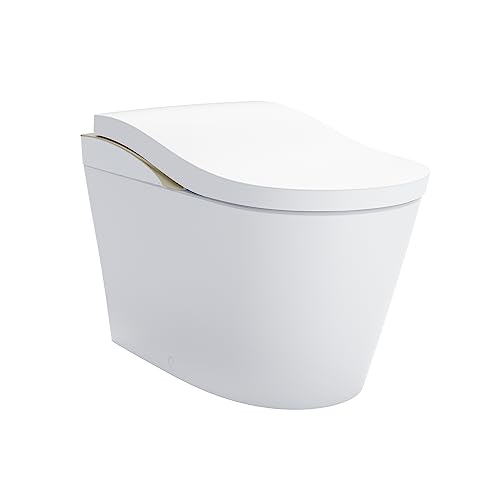
A luxury bidet is judged on a different set of criteria than a standard seat: automatic lid function, a full remote-controlled preset…
Read the guide