
Common Bidets Problems and How to Fix Them (2026)
Bidets4.6
Step-by-step fixes for the bidet problems reported most often, from a unit that won't spray and weak water pressure to a seat…
Read the guideRenters can add a bidet seat or attachment in under 30 minutes without drilling, damaging fixtures, or voiding a lease. Here is exactly how to do it safely, what products to choose, and what to watch out for.
Most bidet attachments and non-electric bidet seats install tool-free in 15 to 30 minutes using only your existing toilet's water supply valve. You remove the toilet seat, slide on the bidet plate, reconnect the supply line through the bidet T-adapter, and reinstall the seat. No drilling, no plumber, and no lease risk.
Apartment renters face a specific problem when shopping for bidets: nearly every "easy install" product still assumes you own your bathroom. The reality is gentler than that. The majority of bidet attachments and bidet seats sold today require zero permanent modifications. No holes in the wall, no new shut-off valves, no electrical outlet rewiring. You unscrew two bolts from your current toilet seat, slide a mounting plate onto the bowl, and reconnect a single water supply hose through a small brass or polymer T-adapter.
This guide walks through the full process, covers every product type (non-electric attachment, electric bidet seat, handheld bidet sprayer), explains what landlords typically allow under standard leases, and flags the three most common mistakes renters make. If you are also shopping for a new toilet to pair with your bidet, see our guide to the best flushing toilets for full MaP-tested rankings.
Renters have three practical options: a non-electric bidet attachment (clips under the existing seat, cold water only or warm/cold), an electric bidet seat (replaces the current seat entirely), or a handheld bidet sprayer (attaches to the shut-off valve with a T-adapter). All three are reversible and leave no permanent marks.
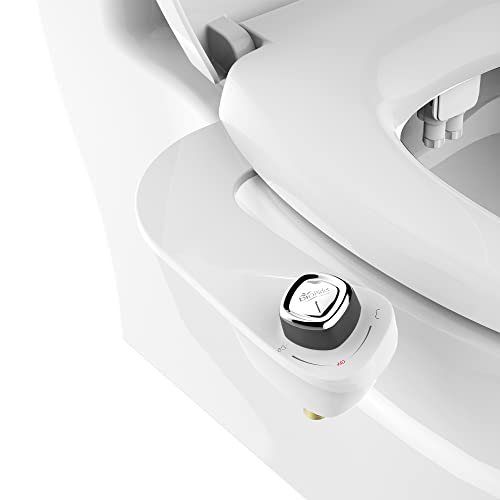
These are the most popular entry point. A slim plate slides between your existing toilet bowl rim and your existing toilet seat. One braided hose runs from the bidet to a T-adapter you install on the toilet's water supply line at the fill valve connection point. Cold-water-only models cost far less and require no electrical outlet nearby. Dual-temperature models tap a second T-adapter onto the hot water supply under the sink, which is only practical if the sink is within about 3 feet of the toilet.
Brands that have earned consistently high owner satisfaction scores in aggregated reviews include Tushy Classic, Bio Bidet SlimEdge, and the Luxe Bidet Neo line. Installation time runs 15 to 20 minutes for most renters, and every major manufacturer certifies these as tool-free (a coin or the hand-tightened knobs on the T-adapter are sufficient).
An electric seat replaces your entire toilet seat and lid with a unit that includes a heated seat, warm water wash, and usually an air dryer and deodorizer. This is the format used by TOTO Washlets, Kohler C3 and Puretide seats, and American Standard's SpaLet line. The seat bolts onto your toilet bowl in exactly the same location as your old seat, so removal is completely reversible at move-out.
The only requirement is a grounded 120V outlet within reach of the power cord, typically 4 to 5 feet. Most bathrooms have one behind or beside the toilet for a night light or hair dryer. If yours does not, you will need an extension cord (use only a UL-listed bathroom-rated cord rated for the seat's wattage) or consider a non-electric option instead. GFCI protection is required by code in bathroom electrical circuits, and any competent landlord will have already installed it.
A handheld sprayer, sometimes called a shattaf or Muslim shower, mounts on a small hook on the side of your tank. A braided hose and T-adapter connect to the shut-off valve. These are popular in South Asian and Middle Eastern households and use simple plumbing principles identical to a toilet's fill valve connection. They are completely reversible. The main downside is potential for minor splashing if the trigger is squeezed with the spray head misdirected, which is a user habit issue, not a product defect.
Plumbing codes in all U.S. states allow T-adapter connections on toilet supply lines without a licensed plumber, provided the connection is hand-tightened and uses manufacturer-supplied components. Renters are legally permitted to make temporary, reversible plumbing connections as a matter of routine fixture use, and standard lease language does not prohibit this. Permanently cutting or capping supply lines, or installing a wall-mounted spray pipe, would be a different matter.
Turn off the water supply to the toilet, flush to empty the tank, disconnect the supply line at the fill valve, attach the T-adapter to the fill valve and reconnect the line, slide the bidet mounting plate onto the bowl, reconnect the bidet's braided hose to the T-adapter, turn the water back on, and check for drips. No tools are needed; hand pressure is sufficient for all connections.
The following steps apply to the most common bidet attachment format. Electric bidet seat installation follows the same water steps and adds a seat-mounting step identical to a standard toilet seat replacement.
Open the bidet packaging before touching anything. Most reputable brands include: the bidet plate or seat, a T-adapter (sometimes two for dual-temperature), a braided stainless steel supply hose (typically 12 to 14 inches), rubber washers, and in some cases a foam gasket for the bowl rim. Lay everything on a towel and confirm no pieces are missing. Some boxes include a small wrench or coin tool -- set it aside unless you genuinely need it for a stubborn fitting.
Locate the shut-off valve on the wall behind and below the toilet, usually on the left side. Turn it clockwise until it stops. If the valve has not been moved in years, it may be stiff. Do not force it with pliers; use steady hand pressure and give it a few seconds. If it truly will not budge or leaks when partially closed, stop and contact your landlord before proceeding -- this is a pre-existing maintenance issue you should not be held responsible for.
Flush the toilet once to drain the tank. Hold the flush lever until water stops running. A small amount of water will remain in the tank at the fill valve level; this is normal and will drain when you disconnect the supply line.
The supply line connects the wall shut-off valve to the bottom of the toilet fill valve (the tower visible inside the tank). Unscrew the connection at the fill valve end by turning counterclockwise. Have a small bowl or folded towel ready to catch the residual water that will drip out. Most connections are hand-tight already; if someone previously over-tightened it, use the flat side of a coin on the nut's flat edge for leverage rather than reaching for pliers.
The T-adapter is a three-port brass or polymer fitting. One port threads onto the fill valve inlet (where the supply line was connected), one port accepts the original supply line coming from the wall, and the third (usually a side port with a ball-valve shutoff) accepts the bidet's supply hose. Thread the T-adapter onto the fill valve by hand, turning clockwise. Tighten firmly with hand pressure plus a quarter turn. Do not overtighten polymer fittings -- snug is sufficient, and cross-threading is the most common mistake at this step.
Reconnect the original wall supply line to the lower port of the T-adapter. Hand-tighten.
Most toilet seat bolts are plastic with a snap cap on top. Pop off the cap with a fingernail, then unscrew the plastic nut under the bowl by hand. Older porcelain toilets sometimes have metal bolts that corrode and need a coin for grip. Lift the seat and lid off as a unit and set aside (you will reinstall it on top of the bidet plate).
Note: if the toilet seat is a one-piece slow-close or specialty seat, check whether your bidet mounting plate is compatible with that bowl's bolt hole spacing (standard is 5.5 inches center-to-center). Most bidet plates are adjustable to fit both standard and elongated bowls.
Slide the bidet mounting plate backward over the toilet bowl until the bolt holes align. The nozzle tip should rest inside the bowl rim, angled upward toward the wash zones. Slide the plate forward or back to center it on the bowl, then hand-tighten the mounting brackets into the bolt holes. Some designs use a click-lock mechanism; you will hear or feel it seat fully.
Place your original toilet seat on top of the bidet plate, aligning the bolt holes. Re-thread the bolts through both the seat and the bidet plate into the bowl holes. Hand-tighten the plastic nuts under the bowl. Press down on the front of the seat to make sure it does not rock; if it does, readjust the bidet plate position.
Attach the braided hose (included with the bidet) from the T-adapter side port to the bidet inlet fitting on the mounting plate. Hand-tighten both ends. Make sure the rubber washers are seated inside each fitting before threading -- missing washers are the number one cause of drips after first use.
Open the shut-off valve by turning it counterclockwise. Let the tank fill. Watch all three T-adapter connections for 60 seconds. A single drop of water at any joint means that connection needs a quarter-turn more. Once dry, activate the bidet control knob or lever with the nozzle positioned over the bowl and confirm spray direction and pressure are correct. Adjust the nozzle angle if the product allows it.
The most reliable way to confirm a drip-free install is to lay a dry paper towel under the T-adapter and all connections, leave it for 10 minutes, then check for moisture. Visual inspection under running water misses slow seeps that only appear after pressure builds. This paper-towel test takes less than a minute of actual effort and can save you a landlord dispute over water damage.
In nearly all standard U.S. residential leases, installing a reversible bidet attachment or seat is permitted because it constitutes a temporary personal property addition rather than a structural alteration. Landlords cannot prohibit the use of removable fixtures that connect to existing supply valves and leave no permanent marks. If in doubt, a one-paragraph written notice to the landlord is the safest step.
Lease clauses that restrict "modifications to the premises" almost universally refer to painting, drilling, cutting drywall, or replacing hard-wired fixtures. A bidet attachment or seat sits in the same legal category as a water-saving showerhead you swap out and store until move-out -- permissible personal property.
Three situations do warrant landlord notification or permission:
When move-out comes, remove the bidet, reinstall the original toilet seat using its original hardware (keep the bolts and nuts in a labeled bag), and reconnect the original supply line directly to the fill valve. The toilet returns to the exact condition it was in before. There is no landlord-visible trace.
Non-electric bidet attachments are the best default choice for renters because they cost less, require no outlet, and reverse in under five minutes. Electric bidet seats like the TOTO Washlet or American Standard SpaLet are worth the additional cost if your bathroom has a nearby GFCI outlet and you value heated water and a seat dryer.
| Bidet Type | Install Time | Tools Required | Outlet Needed | Warm Water | Reversible | Best For |
|---|---|---|---|---|---|---|
| Non-Electric Attachment | 15 to 20 min | None | No | Optional (sink T-adapter) | Yes | Most renters |
| Electric Bidet Seat | 20 to 30 min | None | Yes (120V GFCI) | Yes (tank-heated) | Yes | Comfort-focused renters |
| Handheld Sprayer | 10 to 15 min | None | No | No | Yes | Budget renters |
| Travel Bidet (bottle) | 0 min | None | No | No (manual fill) | N/A | Temporary/travel use |
The top-rated apartment-friendly bidets based on aggregated owner reviews and installation simplicity are the Tushy Classic 3.0, Bio Bidet SlimEdge, Luxe Bidet Neo 320, TOTO SW2044 Washlet C5, and American Standard AquaWash SpaLet. All five use T-adapter connections to the toilet supply line and leave no permanent modifications.
The Tushy Classic 3.0 is one of the most reviewed non-electric bidet attachments on the market, with aggregated ratings consistently above 4.5 stars across major retail platforms. It uses a single T-adapter connection to the toilet supply line and includes all hardware for installation. The nozzle is self-cleaning (rinses before and after each use) and pressure is adjustable via a single dial. Fit is compatible with round and elongated bowls; a foam gasket is included for bowls with an inner rim slope that causes the plate to tip.
A notable limitation: the cold-water-only design means winter use in unheated bathrooms can feel uncomfortable. The Classic 3.0 Spa model adds a sink hot water connection for those who want temperature control.
Check price on AmazonTOTO's Washlet line sets the reference standard for electric bidet seats. The SW2044 C5 provides rear and front warm water wash, heated seat, warm air dryer, and TOTO's ewater+ electrolyzed water pre-misting system, which reduces bowl cleaning frequency. TOTO uses a premix water-heating tank that delivers consistent temperature without the cold surge common in tankless designs. TOTO seats are engineered for TOTO toilets but fit most standard elongated bowls with 5.5-inch bolt hole spacing.
Installation requires a grounded 120V GFCI outlet within 4 feet of the toilet. The seat mounts with a universal bracket and slides off for cleaning -- entirely reversible. Owner reviews flag a short power cord on some models, so measure your outlet distance before ordering.
Check price on AmazonThe Bio Bidet SlimEdge is the thinnest profile non-electric attachment widely available, measuring approximately 3/8 of an inch at the rim -- relevant if your existing toilet seat's hinge design leaves little vertical clearance. It includes dual nozzles (rear and feminine wash), a self-cleaning function, and adjustable pressure. The mounting system uses standard side-bolt brackets that fit virtually all elongated and round bowls.
Aggregated owner feedback notes that the water pressure is strong for a cold-water-only design, making it particularly popular in households that find the Tushy's pressure mild. The SlimEdge does not include a warm water option.
Check price on AmazonThe Luxe Neo 320 is a dual-temperature non-electric attachment that taps a second T-adapter onto the hot water supply line under the adjacent sink. It includes both a cold and hot supply hose and mixes temperature at the bidet nozzle through a dual-dial control. The main constraint is proximity: the bidet must be within reach of a hot water supply line, which is typically limited to bathrooms where the vanity sink is 24 to 36 inches from the toilet.
Build quality is above average for the price tier. The Neo 320 uses a brass T-adapter rather than polymer, which reduces the long-term risk of warping or cracking from water pressure cycles. Nozzle positions are adjustable independently for rear and front wash angles.
Check price on AmazonAmerican Standard's SpaLet 1.0 seats have earned strong owner satisfaction scores in the electric bidet category, with particular praise for the side-panel control design (versus remote-only designs that can be misplaced). The AquaWash line features adjustable water temperature, seat temperature, and nozzle position, with a stainless steel self-cleaning nozzle. The seat body is designed with a slim side profile that suits contemporary bowl shapes including the American Standard Studio and Boulevard models.
As with all electric bidet seats, a GFCI outlet within cord reach is required. American Standard includes a 3-year limited warranty on SpaLet units, which is one of the stronger warranty terms in the midrange segment alongside Kohler's comparable offering.
Check price on AmazonThe three most frequent mistakes are missing the rubber washer inside the T-adapter fitting (causing an immediate drip), cross-threading the T-adapter onto the fill valve (causing a slow leak), and using an unrated extension cord for an electric bidet seat (a safety and code violation). All three are avoidable with a slow, methodical approach and a 10-minute post-install leak check.
Every threaded water connection in a bidet install requires a rubber washer seated inside the female fitting. These washers create the compression seal; threading two metal or polymer surfaces together without one produces a slow drip that appears only after pressure builds. Before threading any connection, look inside the fitting for the washer. If it is absent, check the parts bag or contact the manufacturer -- do not proceed without it, and do not use plumber's tape as a substitute on these compression-style fittings.
The fill valve inlet and the T-adapter are both threaded components, typically 7/8-inch or 3/4-inch BSP depending on the toilet model. Cross-threading happens when you start the thread at a slight angle and force it. The fitting feels like it is tightening but is actually stripping. The result is a fitting that spins but does not seal. Prevention: start the T-adapter thread by hand with zero downward pressure, turn it clockwise until you feel the threads catch smoothly, then seat it with firm but not forceful hand pressure. If resistance spikes in the first two turns, stop and restart.
If your bathroom lacks a conveniently located outlet for an electric bidet seat, the temptation is to use any available extension cord. This is a safety issue, not merely a convenience one. The NFPA and UL require bathroom electrical extensions to be rated for bathroom use (splash-resistant housing) and sized for the appliance wattage. Most electric bidet seats draw 400 to 1200 watts depending on heating function. Use an extension cord rated for the wattage and marked for wet-location or bathroom use. Do not use indoor general-purpose lamp cord extensions.
A bidet plate resting on an uneven bowl rim will rock, which causes both discomfort and a potential for the bidet nozzle to move out of position during use. Before installing, press down on the front and both sides of the bowl rim with your hand. Movement means the porcelain may have a hairline crack or the toilet was shimmed unevenly. Notify your landlord of this pre-existing condition in writing before your bidet install so you are not blamed for it later.
The most overlooked step in any renter bidet install is the move-out checklist. When you uninstall, take a photo of the toilet with your original seat reinstalled and all connections restored. Store the bidet's original packaging if feasible. Document the condition with a timestamp. This 5-minute task eliminates 99% of security deposit disputes related to bathroom fixtures.
Published lifecycle analysis consistently shows bidets use significantly less water per use than the manufacturing process required to produce toilet paper. A typical bidet wash uses 1/8 to 1/2 liter of water per use. By comparison, EPA WaterSense data and pulp-and-paper industry lifecycle figures suggest manufacturing a single roll of toilet paper consumes approximately 140 liters of water, with the average household using roughly 100 rolls per year.
The EPA WaterSense program does not currently certify bidet fixtures specifically -- WaterSense focuses on toilets, showerheads, faucets, and irrigation. However, EPA WaterSense-certified toilets (those consuming 1.28 GPF or less, certified to flush at least 350 grams per MaP test) pair naturally with bidets because the combination reduces both flush volume (less paper to flush) and the frequency of heavy-waste flushes.
If you are evaluating water efficiency holistically for your apartment bathroom, the combination of a 1.28 GPF WaterSense toilet and a non-electric bidet attachment represents the best available outcome for water conservation without infrastructure changes. See our article on dual flush toilet performance and water-saving toilet models for context on GPF efficiency ratings across tested models.
From a practical apartment standpoint, the bidet also reduces toilet paper volume in the waste stream, which matters in buildings with older or smaller-diameter drain lines where paper buildup is a recurring clog issue. For drain and clog management context, see our guide on clog-resistant toilets.
Yes. Bidet mounting plates are sold in elongated and round versions. An elongated bowl is typically 18.5 inches from the bolt holes to the front rim; a round bowl is approximately 16.5 inches. Installing an elongated plate on a round bowl results in the bidet nozzle extending too far, potentially past the front rim. Most major brands offer both, and several designs -- including the Tushy Classic 3.0 and the Bio Bidet SlimEdge -- have adjustable plates that fit both sizes. Measure your bowl before ordering.
Some TOTO toilet models, including the TOTO Drake and TOTO UltraMax II, use a specific seat bolt hole distance and mounting depth that is best matched with TOTO-brand Washlet seats for guaranteed fit. American Standard's Champion 4 and Cadet 3 toilets use standard elongated dimensions that accept most universal bidet seats. If you are unsure of your toilet model, check the underside of the tank lid for a date stamp and model number sticker.
In most cases, yes -- reversible bidet attachments and seats do not require landlord permission under standard residential lease terms, because they are removable personal property rather than structural alterations. If you are uncertain, a brief written note to your landlord documenting the temporary install is sufficient protection. Keep a copy.
No, if installed correctly. The plate rests on the bowl rim under the seat and applies no stress to the porcelain. The T-adapter connection is a standard compression fitting that does not modify the shut-off valve or fill valve in any way. An incorrect install -- such as overtightening a plastic T-adapter -- can crack the fitting and cause a leak, but this is user error, not a product risk to the toilet itself.
No. Bidet attachments and seats use the existing toilet supply line connection and require no plumber. If you are adding a brand-new GFCI outlet for an electric seat, that electrical work does require a licensed electrician, and you would need landlord permission for permanent electrical work.
Most first-time renters complete a non-electric bidet attachment installation in 20 to 30 minutes, including reading the instructions. Experienced users complete it in 10 to 15 minutes. Electric bidet seat installation takes slightly longer -- 25 to 40 minutes -- because the old seat is discarded and the new seat's bracket requires more precise alignment.
Technically none. All connections are hand-tightened. A coin or the edge of a flathead screwdriver is helpful for stubborn seat bolts, but most renter installations complete without any tool. Do not use an adjustable wrench on polymer T-adapter fittings -- hand-tight plus a quarter turn is the correct torque.
Slow drips are possible if the rubber washer inside the fitting is missing, mispositioned, or missing entirely, or if the thread was started at an angle. The paper towel test after install (leave a dry sheet under all connections for 10 minutes) reliably catches seeps before they become a problem. Reputable bidet brands include extra washers in the parts bag for this reason.
Non-electric bidet attachments typically require 30 to 80 PSI of inlet water pressure, which is the standard residential range in U.S. buildings. Very old apartment buildings (pre-1960) occasionally have pressure below 30 PSI due to aged supply lines. If other fixtures in your bathroom feel low-pressure, test at the tap before purchasing. Most manufacturers list a minimum pressure spec in their documentation.
Yes, if your toilet is close to the bathroom sink. Dual-temperature non-electric bidet attachments (such as the Luxe Neo 320 and Tushy Spa) use a second T-adapter on the hot water supply under the sink and route a separate warm water hose to the bidet. The two water streams mix at the bidet control for adjustable temperature. If your sink is more than 36 inches from the toilet, the hot water hose routing becomes impractical.
A bidet seat replaces your entire toilet seat and lid with a new unit that has the bidet nozzle integrated inside the seat body -- electric models also add heating and drying functions. A bidet attachment is a separate thin plate that slides between your existing toilet seat and the bowl. Attachments are cheaper and simpler; seats provide more features but cost more and require an outlet for electric models.
If your bathroom has a grounded 120V GFCI outlet, yes. U.S. electrical code has required GFCI protection in bathrooms since 1975; nearly all apartments built or renovated since then meet this requirement. The outlet must be within cord reach of the bidet seat (typically 4 to 5 feet). Most electric bidet seats draw 400 to 1,200 watts, well within a standard 15-amp or 20-amp bathroom circuit.
Reverse the installation steps: turn off the water, disconnect the bidet supply hose from the T-adapter, remove the bidet plate from the bowl, reinstall the original toilet seat, remove the T-adapter from the fill valve, and reconnect the original supply line directly to the fill valve. Turn the water back on and confirm the toilet flushes normally. The bathroom should be indistinguishable from its pre-bidet state.
Most attachments fit standard round and elongated bowls with 5.5-inch center-to-center bolt hole spacing, which covers the vast majority of American Standard, Kohler, TOTO, Woodbridge, Swiss Madison, and Gerber toilets sold in the U.S. Exceptions include French-curve bowls, D-shaped bowls, and some compact wall-hung designs. Check your toilet's bowl shape and measure bolt spacing before ordering.
Published household surveys and bidet manufacturer usage data suggest users reduce toilet paper consumption by 50 to 80% after transitioning to daily bidet use. Even a 50% reduction has a meaningful cumulative impact on both household spending and drain load over a year. Most users report the adjustment period is one to two weeks before bidet use feels natural and preferred.
The T-adapter (also called a three-way valve or Y-splitter) is the plumbing component that allows both the toilet fill valve and the bidet supply hose to draw from the same shut-off valve. It is the most critical hardware component in a bidet install. Brass T-adapters are more durable than polymer ones and less prone to failure from pressure cycling or temperature variation. Most reputable bidet brands include a T-adapter rated for 125 PSI or higher.
Most bidet nozzles are self-rinsing -- the nozzle extends, rinses under running water, and retracts before and after each use. Beyond this, a monthly wipe with a damp cloth is sufficient for most users. Avoid harsh bathroom cleaners (bleach, acid-based descalers) on polymer nozzle bodies; a dilute vinegar spray or the manufacturer's recommended cleaner is appropriate. Non-electric attachment nozzles are typically removable for separate soaking.
Published research in the Journal of Wound, Ostomy and Continence Nursing and similar clinical literature consistently shows bidets are at least as hygienic as toilet paper and superior for specific populations including the elderly, post-surgical patients, and those with mobility limitations. Contamination risk is minimal on quality units with self-cleaning nozzles and water flowing outward from the nozzle tip. The key variable is ensuring the nozzle is clean, which self-rinsing designs handle automatically.
No. A bidet attachment or seat uses the same water supply as the toilet and drains into the same bowl. It does not add a separate drain connection, modify the drain line, or increase drain load in any meaningful way. If anything, reduced toilet paper use slightly decreases the likelihood of partial clogs in shared drain stacks, which is a concern in buildings with smaller-diameter older piping.
EPA WaterSense-certified toilets flush at 1.28 GPF or less and must pass MaP flush testing at a minimum 350-gram waste load. Pairing a WaterSense toilet with a bidet makes the combination more efficient: reduced paper use means lighter flush loads, which means WaterSense toilets can function effectively at even lower average flush weights. See our full breakdown of WaterSense-certified toilet models for specific MaP scores and GPF comparisons.
Installing a bidet in an apartment is a 20-minute, tool-free project that is legal under virtually all standard U.S. residential leases, fully reversible at move-out, and genuinely beneficial for water efficiency and hygiene. Non-electric attachments are the right default for most renters; electric bidet seats like the TOTO Washlet are worth the additional investment if a GFCI outlet is available nearby. Use a brass T-adapter, seat the rubber washers before threading any fitting, and run the paper towel drip test for 10 minutes after install. That is the complete playbook.
Step-by-step fixes for the bidet problems reported most often, from a unit that won't spray and weak water pressure to a seat…
Read the guideA step-by-step framework for picking the right bidet type, features, and fit based on your toilet, your bathroom's electrical access, and how…
Read the guide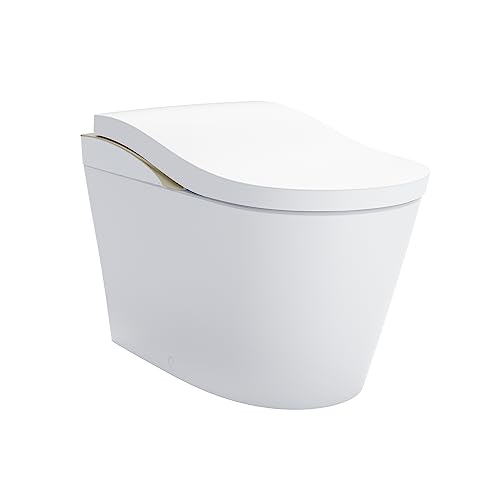
A luxury bidet is judged on a different set of criteria than a standard seat: automatic lid function, a full remote-controlled preset…
Read the guide