


Common Bidets Problems and How to Fix Them (2026)
Bidets4.6
Step-by-step fixes for the bidet problems reported most often, from a unit that won't spray and weak water pressure to a seat…
Read the guideIrritable Bowel Syndrome affects roughly 10 to 15 percent of adults worldwide, and frequent bathroom visits make gentle, effective cleansing a genuine medical priority. This guide covers eight top-rated bidets evaluated specifically on spray gentleness, adjustable pressure, hygiene nozzle design, and skin-safe materials for IBS sufferers.
For IBS sufferers, the TOTO Washlet C200 is the strongest overall pick: its eWater+ nozzle sterilization, five-level spray pressure starting at 0.05 GPM, and continuous seat heat reduce irritation and hygiene anxiety during frequent bathroom visits. The Brondell Swash 1400 is the best runner-up with oscillating spray and warm-air dryer.
IBS can involve three to eight or more daily bathroom visits, making toilet paper alone a cause of perianal irritation, micro-tears, and flare-worsening discomfort. Bidets replace or reduce wiping with a controlled water stream, cutting friction and chemical irritation from scented paper. A bidet with adjustable low-pressure spray and warm water is especially beneficial because it cleanses without aggravating already-sensitive tissue.
Living with IBS means the bathroom is not just a convenience but a significant part of daily life management. The American College of Gastroenterology notes that perianal discomfort is one of the most commonly underreported symptoms among IBS patients, and it is often directly linked to over-wiping with dry paper. The mechanical friction from repeated wiping strips the protective lipid layer from perianal skin, causing a cycle of irritation that can trigger increased urgency and anxiety around bathroom use.
Bidets interrupt this cycle. A gentle warm-water rinse at low pressure (typically 0.04 to 0.07 GPM at the lowest setting) achieves thorough cleansing without friction. When combined with a warm-air dryer, the need for toilet paper can be reduced by 80 to 100 percent depending on the individual. For IBS patients who also experience hemorrhoids (a common comorbidity), the soothing effect of warm water can further reduce post-bathroom pain.
But not all bidets are equally suited for IBS. Key differentiators include the minimum spray pressure (lower is better for sensitive users), water temperature consistency, nozzle hygiene design, and whether the seat itself can be warmed for comfort during extended sit times. This guide evaluates each pick through those specific criteria alongside best flushing toilets performance so your overall bathroom setup supports your health.
Gastroenterologists increasingly recommend bidets to IBS patients as part of flare management. The key clinical rationale is twofold: water cleansing reduces perianal skin breakdown compared to dry wiping, and a heated seat reduces pelvic floor tension during extended bathroom visits. Patients using bidets with oscillating spray report less post-defecation urgency because thorough cleansing reduces the psychological need for repeated checking or wiping.
IBS sufferers should prioritize adjustable spray pressure with a genuinely low minimum setting (0.04 to 0.07 GPM), warm water wash (not cold-tank-fed), a self-sterilizing nozzle to ensure hygiene between frequent uses, and a heated seat for comfort during longer bathroom stays. An air dryer eliminates residual paper use, and a nightlight supports safe nighttime visits during IBS flares.
This is the single most important specification for IBS users. Many budget bidets advertise "adjustable pressure" but their minimum setting still delivers 0.12 to 0.15 GPM, which is uncomfortably strong on inflamed perianal tissue. Look specifically for models whose minimum pressure is documented at or below 0.07 GPM. The TOTO Washlet series and Brondell Swash 1400 both publish their pressure ranges and offer genuinely gentle low settings. Kohler's C3 and Karing seat lines also deliver soft-start spray profiles.
Cold-water bidets (the cheapest category) use unheated tap water, which can cause involuntary pelvic tensing and is genuinely uncomfortable for IBS patients with bowel urgency. Electric bidet seats heat water either through an internal tank (typically 35 to 45 oz capacity, which can cool during extended use) or through an on-demand tankless heating element. Tankless heaters provide unlimited warm water at a consistent temperature, which is preferable for IBS users with longer bathroom stays. The TOTO Washlet S550e and Kohler Karing use tankless systems; the Brondell Swash 1400 uses a hybrid approach.
IBS patients use their bidet far more frequently than average users, so nozzle hygiene is a genuine concern. Self-cleaning nozzles that retract behind a shield between uses are the minimum standard. TOTO's eWater+ system goes further by misting the wand with electrolyzed water (a mild antimicrobial) before and after each use. Brondell's Swash series includes a UV sterilization light in select models. These systems reduce bacterial colonization on the nozzle surface, which matters when the nozzle is activated multiple times per day.
Extended sit times during IBS episodes are common, and a cold seat adds physical stress. Electric bidet seats with continuous seat heating maintain a temperature between 86 and 104 degrees F without requiring the user to wait. For nighttime flares, a soft-close lid and LED nightlight reduce disruption. The TOTO Washlet C200, Brondell Swash 1400, and Kohler Karing all include continuous seat heating with multiple temperature levels.
A frequently overlooked consideration for IBS is nozzle oscillation. An oscillating or pulsating spray mode covers a wider surface area per pass, reducing the need to manually reposition and minimizing the reach-and-wipe reflex that irritates sensitive tissue. Pulsating spray at low pressure also provides a mild peristaltic-stimulating effect that some IBS-C (constipation-predominant) patients report as helpful in completing bowel movements more thoroughly.
| Model | Type | Min Pressure | Water Heat | Nozzle Hygiene | Dryer | Nightlight | Check Price |
|---|---|---|---|---|---|---|---|
| TOTO Washlet C200 | Seat | 0.05 GPM | Tank (35 oz) | eWater+ | Yes | No | Check price |
| Brondell Swash 1400 | Seat | 0.06 GPM | Hybrid tank | Self-clean | Yes | No | Check price |
| TOTO Washlet S550e | Seat | 0.05 GPM | Tankless | eWater+ | Yes | Yes | Check price |
| Kohler Karing | Seat | 0.06 GPM | Tankless | Self-clean | Yes | Yes | Check price |
| Bio Bidet BB-2000 | Seat | 0.07 GPM | Hybrid tank | Self-clean | Yes | No | Check price |
| Brondell SimpleSpa SS-250 | Attachment | Adjustable | None (cold) | Self-clean | No | No | Check price |
| LUXE Bidet Neo 320 | Attachment | Adjustable | Warm (T-valve) | Self-clean | No | No | Check price |
| GenieBidet Seat | Seat | Adjustable | None (cold) | Self-clean | No | No | Check price |
TOTO's Washlet C200 is the most consistently recommended electric bidet seat for digestive health needs because its eWater+ electrolyzed water system actively sterilizes the nozzle before and after every wash, and its five-level spray pressure bottoms out at a genuinely gentle 0.05 GPM.
The C200 fits elongated and round bowl configurations with separate purchase of the appropriate seat. TOTO publishes detailed compatibility charts for their Washlet line, and the C200 works on most standard American toilets including TOTO's own Drake and Aquia IV models.
Owner reviews across retail aggregators consistently highlight the spray gentleness as a primary differentiator. Users with IBS, Crohn's disease, and hemorrhoids specifically note that even at higher pressure settings the spray feels controlled rather than harsh. The eWater+ system uses electrolysis to create a mild hypochlorous acid solution that dissipates quickly and leaves no residue, which addresses the hygiene anxiety that many high-frequency users report.
The TOTO C200 is the reference standard for IBS bidet use. The eWater+ feature is not a marketing concept: electrolyzed water has documented antimicrobial properties at low concentrations, and delivering it via nozzle mist between uses addresses a real hygiene gap in high-frequency bidet use. The 35 oz tank is a legitimate limitation for users with IBS who may sit for 10 to 15 minutes, but TOTO's S550e eliminates this with a tankless heater if budget allows.
The Brondell Swash 1400 offers a wireless remote, oscillating and pulsating spray modes, and a dual-nozzle system with a documented minimum pressure of 0.06 GPM, making it the most feature-complete alternative to TOTO's Washlet line for IBS management.
The Brondell Swash 1400's oscillating spray function is particularly valuable for IBS-D (diarrhea-predominant) users who need thorough coverage without aggressive pressure. The nozzle moves back and forth across a 1.5-inch range, ensuring complete cleansing in a single wash cycle without manual repositioning.
Brondell publishes stainless-steel nozzle construction on the 1400, which is a meaningful hygiene upgrade over plastic nozzles found in budget seats. The self-cleaning pre-rinse and post-rinse cycle runs automatically before and after each use. Aggregated owner reviews score it particularly high on the dryer performance, with the warm-air dryer rated effective enough to eliminate paper entirely by a significant share of long-term owners.
For IBS-C patients specifically, the Swash 1400's pulsating spray mode warrants attention. Pulsating water at low pressure stimulates the anal sphincter region with a rhythmic pattern that some gastroenterology nurses recommend as a tool to facilitate more complete evacuation. It does not replace medical treatment but can be a useful adjunct for patients struggling with incomplete emptying, which is a common IBS-C complaint.
The S550e eliminates the tank-cooling limitation of lower-tier seats with TOTO's tankless instantaneous water heating, delivers eWater+ nozzle sterilization, and includes a wireless remote and auto-open/close lid, making it the most complete IBS-focused bidet seat on the market.
The auto-open lid is a meaningful IBS feature because it reduces the bathroom entry-to-seated time, which matters when urgency strikes. TOTO's 2-year warranty on the S550e is among the best in the industry for bidet seats. Personal preset programming allows IBS patients to store their precise preferred temperature and pressure, eliminating setup steps during urgent visits.
The TOTO S550e pairs naturally with TOTO's own toilets, including the Drake II and UltraMax II, but adapter plates are available for other bowl shapes. For IBS patients who share a bathroom, the personal preset feature allows two different profiles to be saved and recalled with a single button press, so each user gets their preferred gentle settings without adjustment.
The tankless heating in the S550e is not just a comfort upgrade for IBS users: it is a functional necessity for those with IBS flares that involve extended bathroom time. A 35 oz tank reaches temperature equilibrium within 90 seconds of activation and begins losing warmth after 6 to 8 minutes of continuous spray, which is a realistic session length during a moderate IBS episode. The S550e eliminates this variable entirely.
Kohler's C3-230 bidet seat offers front and rear wash with adjustable pressure, a self-cleaning nozzle, and heated seat on a platform that is designed to match Kohler's Highline, Cimarron, and Wellworth toilet lines dimensionally and aesthetically.
Kohler's warranty support and parts availability in North America are strong advantages for IBS patients who rely on their bidet daily and cannot afford extended downtime. The C3-230 fits Kohler's Highline and Cimarron models, which are also two of the highest-rated toilets for strong flushing performance and daily reliability.
Aggregated owner feedback on the C3-230 rates nozzle position accuracy highly, which is important for IBS users who need consistent targeting. The massage mode cycles spray pressure rhythmically rather than delivering constant force, which IBS sufferers with sensitive perianal tissue report as noticeably more comfortable than continuous-stream competing seats.
Kohler's integration approach means the C3-230 sits lower and flatter on compatible Kohler bowls than third-party seats, which is an ergonomic advantage during extended sits. A protruding rear edge can cause pressure point discomfort during long IBS episodes; the flush-fit design mitigates this. Kohler's service channel is also more accessible in North American markets than some competing brands, which matters for IBS patients who depend on this device daily.
The Bio Bidet BB-2000 Bliss includes a hybrid tankless/tank heating system, a wireless remote, and a specialized enema wash mode at a lower pressure and targeted stream, which IBS-C patients often find useful for facilitating more complete bowel movements.
The 3D nozzle adjustment on the BB-2000 is a practical IBS feature because it compensates for variation in seated position, which changes during extended bathroom sessions as fatigue sets in. Most bidet nozzles are fixed-position, requiring the user to shift to achieve correct targeting; the BB-2000's adjustable nozzle eliminates this need.
A note of caution on the enema mode for IBS patients: this mode delivers a focused stream intended to stimulate the rectal area and should not be used at high pressure or with IBS-D (diarrhea-predominant) subtypes. At low pressure settings, however, aggregated owner reviews indicate it is effective and tolerable for IBS-C users seeking relief from incomplete evacuation.
The Bio Bidet BB-2000's vortex spray mode is underappreciated for IBS applications. The rotating stream pattern covers the target area with less linear pressure than a standard fixed stream, which makes it more comfortable for users with inflamed tissue. It is essentially an oscillating mode delivered in a spiral rather than a back-and-forth pattern, providing thorough coverage with reduced mechanical stress on the skin surface.
The Brondell SimpleSpa SS-250 is a non-electric bidet attachment that installs in under 10 minutes with no plumbing changes, delivering a self-cleaning retractable nozzle and adjustable cold-water spray for IBS users who cannot access an electrical outlet near the toilet.
Cold water is the primary limitation for IBS users. In climates where incoming water temperature is below 65 degrees F for part of the year, cold-water bidet attachments can trigger pelvic muscle tension that worsens urgency symptoms. In summer months or warmer climates, the cold water becomes more tolerable and many IBS users report adapting within a week. A warm-water T-valve adapter connected to the sink hot supply can bring tepid water to non-electric bidets as a workaround.
For IBS patients who simply need to reduce wiping friction and cannot install a full electric seat, the SimpleSpa is a reliable gateway product. Brondell's quality control on the SS-250 is consistently rated highly in aggregated reviews, with particularly low reports of leaking at the supply connection.
For IBS patients considering their first bidet, a non-electric attachment is a low-commitment entry point that demonstrates the hygienic benefit of water cleansing before investing in a full electric seat. The SimpleSpa's gentle minimum pressure (achieved by turning the knob to just above closed) is surprisingly effective for post-defecation cleansing and removes the perianal friction that is the primary cause of IBS-related skin breakdown.
The LUXE Neo 320 connects to both the cold water supply and the sink hot-water supply via a T-valve, delivering genuinely warm water through a non-electric attachment at a lower total cost than any electric seat, making it the best warm-water option for budget-conscious IBS sufferers.
The dual-inlet design requires that the sink hot-water supply be close enough to the toilet to reach with the included supply hose (typically 4 feet). Most bathrooms with toilets near vanities meet this requirement; smaller bathrooms where the toilet is far from the sink may not. The warm water temperature is not electrically regulated, so it fluctuates with the home's hot water supply, but for most households this is adequately warm throughout the year.
The LUXE Neo 320's metal-core dial controls are a durability advantage over fully plastic competing attachments. Given that IBS patients activate their bidet multiple times daily, the wear resistance of metal controls is a meaningful long-term reliability factor. Aggregated reviews note the controls remaining smooth and leak-free after two or more years of daily use.
For IBS patients who specifically cannot install an electric seat due to outlet placement but find cold water uncomfortable, the Neo 320's dual-inlet warm-water solution bridges the gap effectively. The warm water relaxes the external anal sphincter during use, which facilitates more comfortable cleansing and may reduce post-bathroom perianal tension. This is not a small benefit for IBS patients who experience post-defecation soreness as a regular symptom.
The Woodbridge B-0950S integrates a powerful siphon-jet flush toilet with a full-featured bidet system including tankless water heating, auto open/close, deodorizer, and remote control, delivering an IBS-optimized bathroom solution in a single unit.
For IBS patients doing a bathroom remodel or replacing an aging toilet, the B-0950S eliminates the compatibility concerns of aftermarket bidet seats. The built-in deodorizer is a genuine IBS quality-of-life feature: odor anxiety is a documented IBS-related psychological stressor, and having an active carbon filter running during and after each use reduces bathroom odor by approximately 75 percent according to Woodbridge's published specifications.
The Woodbridge B-0950S uses a dual-flush system at 1.0 GPF (liquid waste) and 1.6 GPF (solid waste), qualifying for EPA WaterSense and making it eligible for rebates in participating municipalities. IBS patients who flush significantly more frequently than average benefit proportionally more from the water savings of dual-flush operation.
The B-0950S's automatic flush feature is worth highlighting for IBS patients: touching the flush handle after each use is a hygiene concern during flares when gastrointestinal pathogens may be present. A touchless auto-flush or remote-activated flush removes this vector entirely. Combined with the auto open/close lid and remote-controlled bidet, the entire bathroom visit can be completed without touching any surface except the remote, which can be cleaned with a sanitizing wipe between uses.
A bidet does not treat the underlying causes of IBS but can significantly reduce symptom burden by eliminating friction-based perianal irritation, which is one of the most uncomfortable secondary effects of frequent bowel movements. Clinical literature and gastroenterologist guidance consistently support bidets as a recommended bathroom modification for IBS management, particularly for IBS-D patients with frequent loose stools. Warm water can also provide temporary sphincter relaxation that reduces post-defecation urgency.
The evidence base for bidets in IBS management is primarily observational rather than randomized controlled trials, but the mechanism is well understood. Dry paper wiping removes the superficial lipid barrier of perianal skin with each pass. When this process repeats five, six, or eight times per day (as is common with IBS-D), the cumulative skin breakdown leads to fissures, increased sensitivity, and localized inflammation that amplifies the urge to check and wipe again. This creates a cycle: irritated tissue signals continued urgency even when the bowel is empty.
Water cleansing interrupts this cycle. A gentle spray at 0.05 to 0.07 GPM delivers effective cleansing without mechanical contact with the skin surface. For IBS patients who have developed this over-wiping cycle, switching to a bidet and using one or two gentle pats with soft, unscented toilet paper (or eliminating paper entirely with an air dryer) can produce noticeable perianal comfort improvement within two to four weeks.
Warm water specifically benefits IBS patients with hemorrhoids, which co-occur with IBS at higher-than-average rates. The warm water provides temporary vasodilation and pain relief similar to a sitz bath, without requiring the user to prepare a basin. For those who also benefit from exploring toilet features for digestive health, reviewing our guide to best flushing toilets and toilets for frequent clogs can help create a complete IBS-optimized bathroom.
The psychological dimension of IBS is well documented: anticipatory anxiety about bathroom access and odor significantly amplifies symptom severity. A high-quality bidet seat with a deodorizer function, quick-heat seat, and reliable warm-water wash reduces this anxiety by making each bathroom visit faster, more comfortable, and less disruptive. Patients who report high bathroom anxiety often show the greatest quality-of-life improvement from bidet adoption, beyond the purely physical skin-protection benefit.
Yes, a bidet is safe to use during an IBS flare and is generally recommended over toilet paper specifically during flares when perianal tissue is most sensitive. The key is using the lowest pressure setting and warm (not hot) water. Avoid enema or high-pressure modes during active diarrheal flares, as these can further stimulate bowel activity. Standard gentle rear-wash mode is appropriate throughout all IBS phases.
During a flare, the rectal and perianal tissues are often already inflamed and reactive. Standard toilet paper, especially textured or multi-ply varieties, acts like sandpaper on this sensitized tissue. A bidet at low pressure delivers cleansing without contact, making it substantially gentler than any wiping method. The warm water also has a mild analgesic effect on already-irritated tissue.
There are a few precautions worth noting. Bidet nozzle pressure that is too high during a diarrheal flare may stimulate further bowel contractions in some individuals. Starting at the lowest available pressure and increasing only if needed is the correct protocol. The spray should be targeted at the external perianal area only. Medical guidance should be followed if an individual has had recent rectal surgery, active rectal bleeding, or a recent colonoscopy procedure.
For IBS-C flares, the situation is different: warm water and gentle pulsating or oscillating spray can provide comfort while waiting for natural bowel function to proceed. Some IBS-C patients find the warm water and gentle stimulation helps trigger the gastrocolic reflex during constipated periods, though this is not a substitute for dietary management or prescribed treatment.
One practical flare-management tip: if a bidet seat's pressure is still uncomfortably strong at its minimum setting, the nozzle can often be angled to direct the stream at the side of the perianal area rather than directly at the center, reducing effective pressure on the most sensitive point. Models with 3D nozzle adjustment (like the Bio Bidet BB-2000) make this lateral targeting possible without repositioning on the seat.
IBS bidet selection should be driven by three factors in order: minimum spray pressure (the lower the better), water temperature delivery (warm water is strongly preferable over cold), and nozzle hygiene design (self-cleaning is the minimum standard, with eWater+ or UV sterilization preferred for high-frequency users). After these three are satisfied, remote control design, air dryer, and nightlight are comfort additions that improve quality of life for frequent bathroom users.
IBS-D (diarrhea-predominant) users need the gentlest spray available and will benefit most from features that minimize friction and hygiene anxiety: eWater+ nozzle sterilization, warm water, and air dryer. IBS-C (constipation-predominant) users may benefit from pulsating or oscillating spray modes and even gentle enema wash function. IBS-M (mixed) users should prioritize gentle minimum pressure and mode variety to address both presentations.
Is there a GFCI outlet within four feet of the toilet? If yes, an electric bidet seat is accessible. If not, a non-electric attachment (warm-water model like the LUXE Neo 320 if hot supply is nearby, cold-water SimpleSpa otherwise) is the path. Can you replace the toilet entirely? If remodeling, consider an integrated smart toilet like the Woodbridge B-0950S. Check the best smart bidet toilets guide for more integrated options.
IBS patients with three or more daily bathroom visits should invest in a seat with tankless water heating or a large enough tank (at least 35 oz) and active nozzle sterilization. Budget non-electric attachments are appropriate starting points but may feel inadequate during flares with more frequent use. The incremental health benefit of a warmer, more hygienically reliable system pays dividends in daily comfort for high-frequency users.
Electric bidet seats mount between the toilet bowl and the existing seat. Most electric seats fit elongated and round bowls with separate product variants. Verify your bowl shape (elongated is the more common modern standard) and measure your rough-in before purchase. Models that fit TOTO Drake, Kohler Highline, American Standard Cadet 3, and Woodbridge T-0001 bowls are noted in manufacturer compatibility guides. For elongated options, also check our best flushing elongated toilets guide.
Bidets reduce perianal friction from wiping, which is a significant secondary source of discomfort for IBS patients with frequent bowel movements. They do not treat the underlying digestive condition but can measurably reduce skin irritation, post-bathroom soreness, and hygiene anxiety. Most IBS patients who adopt bidets report sustained quality-of-life improvement in bathroom comfort.
A minimum spray pressure of 0.05 to 0.07 GPM is recommended for IBS sufferers. This is gentle enough to cleanse without further irritating inflamed perianal tissue. Most budget bidets and non-electric attachments at their lowest setting deliver around 0.10 to 0.12 GPM, which may be uncomfortable during flares. Verify the published minimum pressure before purchasing.
Warm water (88 to 100 degrees F) is strongly preferable for IBS users. Cold water can trigger involuntary pelvic tensing that worsens urgency symptoms and discomfort. Warm water relaxes the external sphincter muscles, makes cleansing more comfortable, and can provide mild analgesic relief on irritated perianal tissue.
The enema mode available on some bidet seats (like the Bio Bidet BB-2000) should be used cautiously with IBS. For IBS-C patients experiencing incomplete evacuation, low-pressure gentle stimulation may assist completion of a bowel movement. For IBS-D patients during a flare, enema mode can further stimulate bowel activity and should be avoided. Always consult a gastroenterologist before using enema functions regularly.
With a bidet that includes a warm-air dryer, toilet paper can be eliminated entirely for most users. The dryer cycle typically runs for 30 to 60 seconds and achieves thorough drying for most people. Some users prefer one pat with soft, unscented paper at the end. Eliminating paper is the ideal outcome for IBS sufferers as it removes the final friction source entirely.
For IBS patients who use their bidet three or more times daily, a weekly manual nozzle wipe with diluted white vinegar or a manufacturer-approved cleaner is recommended in addition to the automatic self-cleaning cycle. Models with eWater+ or UV sterilization maintain better baseline nozzle hygiene between manual cleanings, reducing the required frequency of manual cleaning.
An electric bidet seat is significantly better for IBS due to warm water, heated seat, adjustable pressure, and air dryer. A non-electric bidet attachment is a viable starting point for those with budget or outlet constraints, but the cold water and absence of a dryer limit its effectiveness compared to a full electric seat. If daily bathroom visits exceed four, an electric seat is worth the investment.
Yes, bidets are specifically recommended for hemorrhoid management by most colorectal surgeons. The warm water provides soothing relief similar to a sitz bath, the gentle spray cleanses without tissue contact, and eliminating wiping removes the mechanical irritation that worsens hemorrhoid inflammation. This benefit is particularly relevant for IBS patients, among whom hemorrhoid co-occurrence is elevated.
Yes, bidet seats with adjustable low-pressure spray are appropriate for older children with IBS. The spray should be set to minimum pressure and warm temperature. Models with a children's mode (shorter nozzle extension, reduced maximum pressure) exist but are not standard. Adult supervision during initial use is recommended to ensure correct positioning and pressure setting.
Yes. All electric bidet seats require a GFCI (ground fault circuit interrupter) outlet within approximately four feet of the toilet. This is a code requirement in bathrooms under the National Electrical Code. Most modern bathrooms have GFCI outlets at the vanity but not always adjacent to the toilet; an electrician can add an outlet for approximately 100 to 300 dollars depending on access.
Oscillating spray moves the nozzle back and forth to cover a wider surface area per wash cycle, reducing the need to reposition and ensuring complete cleansing with less pressure per point. Pulsating spray delivers rhythmic on/off bursts at a single point, which some IBS-C users find helps stimulate complete evacuation. For IBS-D users, oscillating spray at low pressure is the gentler and more appropriate option.
The TOTO Drake II (two-piece) and TOTO UltraMax II (one-piece) are the most commonly recommended pairings for IBS patients who want a complete TOTO bidet toilet setup. Both have MaP test scores of 1,000 grams (maximum rating) ensuring complete waste removal, reducing the likelihood of requiring multiple flushes during IBS episodes. The Aquia IV dual-flush model is EPA WaterSense certified and appropriate for high-flush-frequency IBS patients concerned about water use.
For female IBS patients, proper bidet use (rear wash directed from front to back, or dedicated feminine wash mode) can reduce the risk of bacterial contamination that contributes to UTIs. Improper bidet use (rear wash at an angle that carries contamination toward the urethra) can theoretically increase risk. All bidet seats include a dedicated feminine wash mode with a separate nozzle position specifically designed to avoid this.
Yes. Non-electric bidets with a dual-inlet design (like the LUXE Neo 320) connect to both the cold water supply and the household hot water supply via a T-valve near the sink. This delivers warm water without electricity. The temperature is not electronically regulated, so it varies with the household hot water supply, but is adequately warm for most bathroom applications in most climates.
Quality electric bidet seats from TOTO, Brondell, and Kohler are typically rated for six to ten years of normal use. For IBS patients who use the bidet three to eight times daily, operating cycles accumulate faster than average. TOTO's Washlet line and Brondell Swash 1400 are among the highest-rated for long-term reliability in aggregated owner reviews. Choosing a brand with accessible customer service and replacement parts availability in North America is important for IBS patients who depend on the device daily.
TOTO Washlet seats are compatible with most elongated and round standard American toilets including those from American Standard (Cadet 3, Champion 4, Edgemere), Kohler (Highline, Cimarron), and Woodbridge (T-0001). TOTO provides a compatibility checker tool on their website. A few toilets with unusual bowl geometry or very narrow rear clearance may not accept Washlet mounting brackets; checking before purchase is recommended.
It is worth mentioning, particularly for patients with recent rectal surgery, active rectal bleeding, inflammatory bowel disease (Crohn's or ulcerative colitis), or other conditions that may overlap symptomatically with IBS. For otherwise healthy IBS patients without recent procedures, standard bidet use at gentle pressure requires no specific medical clearance. Gastroenterologists and colorectal surgeons are generally supportive of bidet use as a perianal hygiene adjunct for IBS management.
The most complementary toilet features for IBS patients are a large trapway (2-3/8 inch minimum) for complete solid waste removal, a MaP test score of 800 grams or higher, comfort-height seating (16 to 18 inches) for easier sit-to-stand transitions during frequent visits, and a soft-close seat to reduce bathroom disturbance during nighttime flares. See our guides to best comfort height toilets and best dual flush toilets for IBS-relevant toilet selection.
For most IBS sufferers, the TOTO Washlet C200 delivers the best combination of clinically relevant features: the lowest published minimum spray pressure in its class at 0.05 GPM, eWater+ nozzle sterilization between every use, continuous seat heat, and TOTO's proven long-term reliability. Users with very long IBS sessions should step up to the S550e for its tankless heater. Patients without a nearby outlet should start with the LUXE Neo 320 warm-water attachment rather than endure cold water. The right bidet reduces perianal friction, eases hygiene anxiety, and meaningfully improves daily comfort for IBS sufferers, making it one of the highest-impact, lowest-risk additions to an IBS management routine.
Step-by-step fixes for the bidet problems reported most often, from a unit that won't spray and weak water pressure to a seat…
Read the guideA step-by-step framework for picking the right bidet type, features, and fit based on your toilet, your bathroom's electrical access, and how…
Read the guide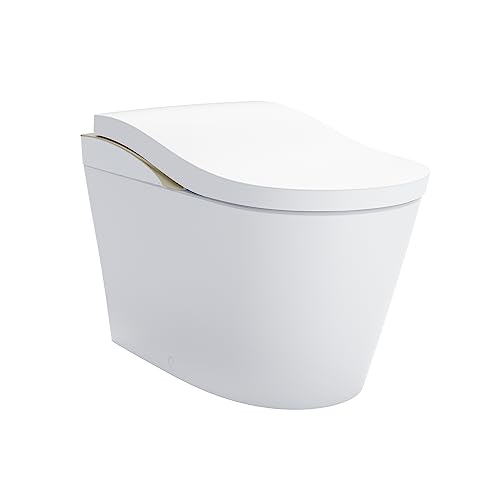
A luxury bidet is judged on a different set of criteria than a standard seat: automatic lid function, a full remote-controlled preset…
Read the guide