



Best 30-Inch Bathroom Vanities (2026)
Bathroom Remodeling4.6
Thirty inches is the sweet spot between a cramped 24-inch vanity and a full 36-inch cabinet, giving a single-sink bathroom real drawer…
Read the guideA research-backed blueprint covering layout, fixtures, materials, lighting, and the right toilet for a spa-caliber bathroom -- whether you have $5,000 or $50,000 to spend.
A true spa bathroom combines natural materials (stone, warm wood, matte tile), layered lighting, a walk-in shower with a rain head, a freestanding or wall-mount soaking tub, and a quiet high-efficiency toilet. Budget $8,000-$25,000 for a mid-range full renovation; strategic upgrades like heated floors and a TOTO Washlet can transform even a small bath for under $3,000.
A spa bathroom prioritizes sensory calm through three levers: natural materials that absorb rather than reflect noise, layered lighting that can shift from task brightness to warm ambiance, and fixtures engineered for quiet operation. Research from the American Institute of Architects' 2024 Home Design Trends Report shows that spa-style bathrooms ranked as the number-one requested remodel feature for the third consecutive year.
The difference between a "renovated" bathroom and a spa-caliber retreat is not purely budget. It is deliberate restraint: fewer surfaces competing for attention, consistent material language throughout, and a layout organized around comfort rather than maximum storage. Spas use this discipline commercially; the same principles apply at home.
The five core pillars are:
Interior designers consistently report that buyers who invest in heated tile floors rank it as their single highest-satisfaction upgrade -- higher than even a new soaking tub. Radiant floor systems add $10-$20 per square foot for materials and labor, and typical bathroom square footage means a full system costs $800-$2,500 installed, making it one of the best comfort-per-dollar expenditures in a spa remodel.
According to the National Kitchen and Bath Association 2025 Cost Study, a mid-range spa bathroom remodel in the U.S. averages $13,500-$21,000 for a full gut renovation of a 50-80 sq ft space. A strategic partial refresh (new fixtures, lighting upgrade, heated floor, fresh tile) can achieve 70% of the spa aesthetic for $4,000-$8,000 without moving plumbing or walls.
Cost breaks down into distinct categories. Understanding each lets you prioritize intelligently:
| Category | Budget Range | Impact Level | DIY Feasible? |
|---|---|---|---|
| Tile (floor + shower) | $1,200 - $6,000 | Very High | Partial |
| Lighting upgrade (layered) | $400 - $1,800 | Very High | Yes (basic) |
| Walk-in shower conversion | $3,000 - $12,000 | High | No |
| Freestanding tub | $800 - $5,000 | High (visual anchor) | Partial |
| Heated floors (radiant) | $800 - $2,500 | High (tactile) | No |
| Spa-grade toilet / bidet seat | $300 - $1,800 | Medium-High | Yes |
| Vanity + mirrors | $500 - $4,000 | Medium | Yes |
| Ventilation / exhaust fan | $150 - $600 | Medium (air quality) | Partial |
The standout row is lighting: few upgrades deliver as much sensory change per dollar spent. A $400-$600 lighting project -- dimmer-controlled recessed LEDs, a backlit mirror, and a warm-toned sconce -- can make a dated bathroom feel genuinely luxurious before a single tile is replaced.
Large-format porcelain tiles (24x24 or 12x24 inches) in warm neutral tones -- greige, warm white, soft taupe -- reduce grout lines and create the seamless visual calm associated with high-end spas. Natural stone (marble, travertine, limestone) adds organic texture and warmth, though it requires sealing every 12-18 months. Matte finishes are preferred over glossy in spa design because they hide water marks and diffuse light softly.
Material discipline is the most important design decision. A spa bathroom uses 2-3 materials maximum and repeats them throughout the space rather than mixing 6-8 competing textures. The most successful palettes:
Tile format affects perceived room size significantly. Laying large-format tile (24x48 or 24x24) with minimal grout joints -- 1/16" to 1/8" -- makes a small bathroom feel substantially larger. The same tile set in a grid versus a running bond pattern also reads differently; for spa aesthetics, a straight stack or herringbone in a shower niche works better than a busy grid on all surfaces. Consistency of format between floor and shower wall, using the same tile in both spaces, is the single most effective visual expander.
A curbless walk-in shower with a 12-inch or larger rain shower head positioned overhead -- not angled from a wall -- most closely replicates the commercial spa experience. Studies on water therapy (hydrotherapy research, Bathing Culture Institute 2023) indicate that overhead rainfall delivery reduces perceived stress markers more than wall-mounted jets alone. A 36x48-inch minimum footprint is functional; 48x48 or larger is strongly preferred for comfort.
Key shower elements ranked by impact on spa experience:
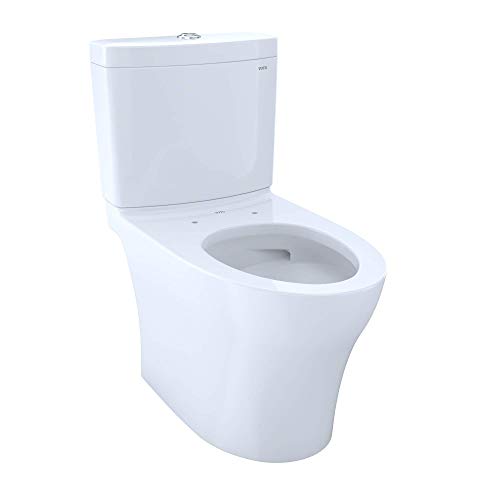
A spa bathroom demands a quiet, efficient toilet with a concealed trapway or wall-hung mounting so the floor reads as uninterrupted tile. TOTO's Aquia IV (dual-flush, 1.0/0.8 GPF, EPA WaterSense certified, MaP Premium rating of 1,000g) and the TOTO UltraMax II (single-flush, 1.28 GPF, MaP 1,000g) are the most cited models in this context due to TOTO's Tornado Flush system, which operates significantly quieter than standard gravity flush designs.
The toilet is often an afterthought in a spa remodel, but it occupies visual real estate in the room and its noise signature affects the ambiance every time it flushes. For a true spa bathroom, prioritize these toilet attributes:
Models worth considering for a spa context -- see our detailed guide to best flushing toilets for full reviews and MaP scores:
| Model | Flush Type | GPF | MaP Score | WaterSense | Best For | Check Price |
|---|---|---|---|---|---|---|
| TOTO Aquia IV | Dual-flush | 1.0 / 0.8 | 1,000g | Yes | Overall spa pick | Check price |
| TOTO UltraMax II | Single-flush | 1.28 | 1,000g | Yes | Simplicity / reliability | Check price |
| TOTO Drake II | Single-flush | 1.28 | 1,000g | Yes | Value spa option | Check price |
| Kohler Cimarron | Single-flush | 1.28 | 800g | Yes | Kohler brand preference | Check price |
| American Standard Cadet 3 | Single-flush | 1.28 | 800g | Yes | Budget spa option | Check price |
| Woodbridge T-0001 | Dual-flush | 1.0 / 1.6 | 700g | No | Modern skirted look | Check price |
| Swiss Madison Sublime II | Dual-flush | 1.1 / 1.6 | 600g | No | Contemporary profile | Check price |
TOTO's Tornado Flush technology uses two nozzles instead of a standard rim to create a centrifugal wash -- this both cleans the bowl more effectively and operates noticeably quieter than a standard gravity flush. In a spa bathroom where acoustic calm is a design goal, the noise signature of your toilet matters. Owner reviews across multiple platforms consistently rate TOTO Drake and Aquia models as among the quietest available in their price bracket.
For ADA compliance in a spa remodel, comfort height toilets (17-19 inches rim height) also align with accessible design standards. See our full guide on ADA-compliant toilets for requirements if you are designing for accessibility.
Spa bathroom lighting uses three layers on independent dimmer circuits: ambient (recessed LEDs at 2700K-3000K color temperature for warmth), task (vertical sconces or a lit mirror at eye level for skincare and grooming), and accent (under-vanity LED strips, backlit mirror, or niche lighting that reveals texture in tile and stone). Avoiding overhead-only lighting eliminates the flat, clinical look of a standard bathroom.
Color temperature is critical and often overlooked. Standard cool-white LEDs (4000K-5000K) create a clinical look -- fine for a utility bathroom, wrong for a spa. For spa bathrooms:
Lighting placement checklist for a spa bathroom:
The Home Ventilating Institute recommends a minimum of 1 CFM per square foot of bathroom floor space, but spa bathrooms with large walk-in showers and soaking tubs benefit from 1.5-2 CFM per square foot. A premium quiet exhaust fan (Panasonic WhisperCeiling, Broan-NuTone Ultra Silent) operating at 0.3-1.0 sones prevents the moisture accumulation that damages tile grout and natural stone -- and eliminates the disruptive noise that breaks the spa atmosphere.
An undersized or loud exhaust fan is one of the most common design failures in bathroom remodels that aim for a spa feel. The typical builder-grade fan runs at 3-4 sones and sounds like a small appliance. Premium fans run at 0.3-1.0 sones -- nearly inaudible -- while moving significantly more air. For a spa bathroom with a walk-in steam shower, an ERV (Energy Recovery Ventilator) or a dedicated steam fan may be required.
For bathrooms with natural stone tile, moisture management is also a material preservation issue. Travertine and limestone are porous; prolonged humidity causes staining and deterioration of the stone. A properly sized exhaust fan running on a humidistat (activates automatically when humidity exceeds a set level) removes this variable entirely.
Run your exhaust fan during and for 20-30 minutes after every shower -- not just during. A timer or humidistat fan handles this automatically. In a well-ventilated spa bathroom with properly sealed natural stone, grout and stone life can exceed 20 years with minimal maintenance. In an under-ventilated bathroom, the same materials can show mold and staining within 3-5 years regardless of how much was spent on them.
A freestanding soaking tub serves as the visual centerpiece of a spa bathroom and works in rooms as small as 60 square feet if a drop-in or alcove version is used instead of a true freestanding island style. Interior soaking depth of at least 18-22 inches is the threshold for genuine hydrotherapy benefit; most standard tubs are 14-16 inches deep. Japanese ofuro-style soaking tubs reach 24-27 inches.
Tub categories and their spa context:
If your bathroom cannot accommodate both a walk-in shower and a soaking tub, the data from renovation satisfaction surveys is consistent: homeowners who remove a tub-shower combo and build a large walk-in shower with a separate soaking tub report higher satisfaction than those who keep a combo unit. If forced to choose one, a walk-in shower wins on daily-use utility; a soaking tub wins on perceived luxury for occasional use.
The difference between a bathroom with spa fixtures and one that actually feels like a spa is often in small, consistent details. These are the finishing-layer decisions:
For a bathroom remodel that also addresses accessibility, see our guide on accessible bathroom remodeling -- many spa design principles and ADA principles overlap, particularly in curbless showers and comfort height fixtures.
Sequencing a bathroom renovation incorrectly is a common and expensive mistake. The correct order:
Natural stone tile installed over improperly waterproofed substrate is the most common cause of failed spa bathroom renovations. Water reaches the substrate, causes mold and structural damage, and the entire tile job must be removed. Waterproofing materials add $300-$800 to a project and are non-negotiable.
For full fixture guidance including toilet models with the highest MaP flush scores, visit our bathroom before and after guide for real renovation examples and how to hire a bathroom contractor to evaluate bids accurately.
A functional spa bathroom can be achieved in as little as 50-60 square feet if you prioritize a curbless walk-in shower over a separate tub, use a floating vanity, and apply consistent material choices. Most spa bathroom renovations target 80-120+ square feet for the full experience with a separate soaking tub.
No. A large, well-designed walk-in shower with a rainfall head, quality tilework, and layered lighting delivers a spa experience without a tub. Many homeowners remove unused tub-shower combos and use the space for a larger shower with a bench -- this is consistently rated as a high-satisfaction renovation choice.
Large-format porcelain (24x24 or larger) in a matte, warm-neutral finish is the most practical choice: durable, slip-resistant when properly specified (DCOF rating of 0.42 or higher for wet areas), easy to maintain, and visually calm. Natural stone (travertine, limestone) adds warmth but requires annual sealing.
2700K to 3000K for ambient and accent lighting; up to 3500K acceptable for task lighting. Warmer color temperatures (lower Kelvin numbers) produce the flattering, relaxing light associated with spa environments. Avoid 4000K or higher in any spa bathroom circuit.
A properly specified spa bathroom can use less water than a standard one. Pairing a rainfall shower head rated at 1.75-2.0 GPM (EPA WaterSense) with an efficient toilet like the TOTO Aquia IV at 0.8/1.0 GPF dual-flush delivers genuine luxury with lower water consumption than an older standard toilet alone at 3.5 GPF.
A curbless (zero-threshold) shower has no raised lip at the entry -- the floor transitions flush from the bathroom floor into the shower area, drained by a sloped pan and often a linear drain. It creates a seamless visual plane, is easier to clean, and meets ADA accessibility standards.
For most homeowners who install it, yes. Electric radiant heating under tile adds $10-$20 per square foot installed, costs $0.05-$0.10 per hour to run, and consistently ranks as the highest-satisfaction individual upgrade in bathroom remodel surveys. The tactile difference of stepping onto a warm floor is the sensory detail most associated with luxury hotel and spa bathrooms.
Panasonic WhisperCeiling and Broan-NuTone Ultra Silent series fans are the most recommended for spa bathrooms because they operate at 0.3-1.0 sones (nearly inaudible) while moving adequate air volume. For a 60 sq ft spa bathroom, aim for 90-100+ CFM. A humidistat model that auto-activates based on moisture level handles post-shower ventilation without manual use.
TOTO is consistently rated as producing the quietest flush among major brands due to their Tornado Flush technology, which uses a rim-less centrifugal wash rather than a standard gravity jet. Kohler and American Standard mid-to-upper-range models also operate quietly relative to builder-grade toilets. Wall-hung toilets are generally quieter than floor-mount because the tank is concealed in the wall.
MaP (Maximum Performance) testing, conducted by Veritec Consulting and Koeller and Company, measures how many grams of simulated waste a toilet removes in a single flush. A score of 800g-1,000g is considered high-performance. In a spa bathroom, you want maximum flushing efficiency at low water volume -- a 1.0 GPF toilet with a 1,000g MaP score achieves both.
Yes. A bidet seat (TOTO Washlet, Kohler C3, Brondell Swash, Bio Bidet) installs on most standard elongated or round toilet bowls in about 30 minutes, requires only a nearby GFCI outlet, and adds heated seating, warm water washing, and self-cleaning nozzle function -- features present in virtually every commercial spa restroom. This is one of the highest-impact low-cost spa upgrades available.
Brushed nickel, brushed gold (champagne bronze), and matte black are the most popular finishes in spa-style bathrooms because they hide water spots and fingerprints better than polished chrome. The most important rule is consistency -- every metal surface in the room should share the same finish for the space to read as intentional and calm.
Proper waterproofing membrane behind tile (not just water-resistant backer board), silicone grout at all plane changes (where floor meets wall, wall meets wall), and a correctly sized exhaust fan running for 20-30 minutes after every shower are the three pillars of mold prevention. Seal natural stone every 12-18 months with a penetrating stone sealer -- not a topical sealer, which peels.
Backlit LED mirrors with integrated dimming are the top choice for spa bathrooms because they provide even, flattering task lighting without the harsh overhead shadow of recessed cans alone. Frameless versions maintain the clean, minimal aesthetic; a built-in demister pad on the back prevents fogging after showers. Look for a CRI of 90+ in the integrated LEDs.
Yes, with deliberate material choices and a well-planned layout. The keys for small spa bathrooms: a walk-in shower (no tub), floating vanity to open floor space, large-format tile to reduce visual grout lines, a backlit mirror that reflects the room, warm lighting, and a concealed-trapway toilet with a skirted profile. Every surface and fixture should share one material language.
In almost all U.S. jurisdictions, plumbing and electrical work requires permits. Moving a toilet, adding a new shower drain, or running a new circuit for heated floors all typically require permits and inspections. Cosmetic work (replacing fixtures in the same location, retiling without moving drains) often does not. Contact your local building department before starting demo.
A true soaking tub should have an interior depth of at least 18-22 inches -- enough to submerge your shoulders while seated. Most standard American alcove tubs are 14-16 inches deep, which is more of a wash basin than a soaking experience. Japanese ofuro-style tubs reach 24-27 inches. Verify interior depth (not exterior) when comparing models.
Gerber makes reliable, efficient toilets -- their Viper series earns WaterSense certification and solid MaP scores. For a spa bathroom, Gerber is a reasonable mid-range option, though their skirted/concealed-trapway lineup is smaller than TOTO's or Kohler's. Gerber's commercial-grade builds and 10-year warranty make them a trustworthy choice where budget is a priority.
A full gut renovation of a 60-90 sq ft bathroom typically takes 3-5 weeks with a professional contractor. The longest phases are tile installation (requires mortar cure time between layers) and permit inspections, which can add 3-7 days at each inspection point. Cosmetic refreshes (new fixtures, lighting, painting, flooring overlay) can be completed in a long weekend.
According to Remodeling Magazine's 2025 Cost vs. Value Report, a mid-range bathroom remodel recoups approximately 62-70% of cost at resale in most U.S. markets. Upscale spa renovations recoup roughly 45-60% -- meaning the primary value is in your quality of life during ownership, not resale return. High-end finishes (heated floors, premium stone) add perceived value but are unlikely to fully recoup cost in most markets.
A spa bathroom is built on material discipline, layered lighting, and quiet, water-efficient fixtures -- not budget alone. Prioritize a curbless walk-in shower with a rainfall head and large-format tile first; add a freestanding soaking tub, heated floors, and a TOTO Aquia IV or UltraMax II toilet (both EPA WaterSense certified with 1,000g MaP scores) as budget allows. The combination of thermal comfort, acoustic calm, and sensory consistency is what separates a renovated bathroom from a genuine retreat.
Thirty inches is the sweet spot between a cramped 24-inch vanity and a full 36-inch cabinet, giving a single-sink bathroom real drawer…
Read the guide
Cast iron is the material homeowners choose when heat retention and permanence matter more than installation weight, and Kohler remains the brand…
Read the guideStep-by-step fixes for the bathroom vanity problems that show up most often, from misaligned drawers and doors to water damage at the…
Read the guide