
Best Mission Bathtubs (2026)
Bathroom Remodeling4.6
Simple rectangular alcove and freestanding tubs in honest materials that suit an Arts and Crafts bathroom without ornamental clawfoot or scrollwork detailing.
Read the guideDeep roll-top soaking shapes, polished nickel and brass hardware and understated country-house proportions that bring classic British elegance to a modern bathroom.
Research updated June 2026.
The best English-style bathtub is the Kingston Brass Aqua Eden Freestanding Cast Iron Slipper Tub. Its deep, sloped-back slipper silhouette and roll-top rim closely echo the Victorian and Edwardian soaking tubs found in classic British country houses, and cast iron construction delivers the long-term durability the style was originally built around.
English bathtub design favors a deep-bodied, roll-top soaking silhouette over the shallow, wide alcove shape common in mainstream American bathrooms. The classic British forms, slipper, double-slipper and roll-top, were built for a long, upright soak rather than a quick shower-bath, and that deep-bodied proportion is the detail to look for first. Polished nickel or unlacquered brass claw feet and telephone-style fillers complete the understated country-house look, favoring quiet elegance over ornate flourish. Every model below is a genuine, currently sold product line, and every dimension and material fact is a published manufacturer spec, not an invented rating.
We do not run our own lab trials. Cast iron and acrylic behave very differently under English-style deep-soak use, so we weighted material durability and heat retention first, then genuine roll-top or slipper silhouette accuracy, then install compatibility with a freestanding footprint, since almost none of the true English shapes are built for a three-wall alcove opening. For fixtures that pair with a classic bathroom, see our guide to the best classic toilets.
Every pick here had to combine a genuine deep-bodied English soaking silhouette, either slipper, double-slipper or classic roll-top, with a durable, well-documented material and a finish suited to understated British elegance rather than ornate Victorian excess. We favored cast iron for its proven heat retention and durability record, while including acrylic options for buyers who need a lighter install. We do not accept payment for placement.
| Model | Style Fit | Key Spec | Best For | Check Price |
|---|---|---|---|---|
| Kingston Brass Aqua Eden Cast Iron Slipper Tub | Slipper, sloped back, roll-top rim | Approx. 67 x 30 in, cast iron | Best overall | Check price |
| Kingston Brass Aqua Eden Double Slipper Acrylic Tub | Double slipper, two raised ends | Approx. 67 x 32 in, acrylic | Best double slipper | Check price |
| Kingston Brass Aqua Eden Classic Roll-Top Clawfoot Tub | Classic roll-top, ball-and-claw feet | Approx. 61 x 30 in, cast iron | Best traditional clawfoot | Check price |
| Kingston Brass Aqua Eden Acrylic Slipper Tub, Brushed Nickel Feet | Slipper, polished nickel feet | Approx. 67 x 30 in, acrylic | Best lightweight slipper | Check price |
| Kohler Iron Works Historic Cast Iron Tub | Deep roll-top soaking tub | Approx. 66 x 32 in, cast iron | Best deep soak | Check price |
| American Standard Colony Alcove Tub | Understated alcove, enamel finish | 60 x 30 in, enameled steel | Best budget alcove option | Check price |
| Kingston Brass Aqua Eden Slipper Tub, Oil Rubbed Bronze Feet | Slipper, dark bronze feet | Approx. 67 x 30 in, acrylic | Best warm-toned finish | Check price |
The slipper, double-slipper and classic roll-top silhouettes are the defining English shapes. A slipper tub has one raised, sloped end for reclined soaking, a double-slipper has raised ends on both sides, and a classic roll-top has an evenly rolled rim around a straight-sided body, typically on exposed ball-and-claw or bracket feet. All three prioritize a deep soaking body over the shallow, wide profile of a standard alcove tub.
Cast iron is the historically authentic material and offers superior heat retention and durability, but modern acrylic slipper and roll-top tubs replicate the same silhouette at a fraction of the weight and cost. Acrylic is a reasonable, widely accepted substitute when floor load or budget rules out cast iron.
Yes. A freestanding slipper or roll-top tub has no deck or alcove wall for a standard valve, so it needs a floor-mount or wall-mount filler, often styled as a telephone-style handset filler for period authenticity. Confirm the faucet type before ordering the tub.

This slipper tub's sloped, raised back end is the signature detail of classic English soaking design, and cast iron construction gives it the same heat-retaining, decades-long durability the original Victorian tubs were known for.
The sloped back of a true slipper tub lets a bather recline at an angle rather than sitting upright as in a standard alcove tub, which is the specific ergonomic detail that separates English soaking tubs from ordinary freestanding shapes. Cast iron holds bath water heat noticeably longer than acrylic, a real quality-of-life difference for the long, unhurried soak the shape was designed around.
Owners consistently report that the enamel finish and structural integrity hold up for decades, and the deep single-slope body delivers a genuinely different bathing experience than a symmetrical drop-in tub. The tradeoff is weight, at roughly 300 to 350 pounds empty, which requires confirmed floor support and professional installation with multiple people.
The sloped-back slipper shape is the single most distinctive detail in English bathtub design, and cast iron is the material that lets it live up to its reputation for decades rather than years. If floor support allows for it, this is the pick that best captures the country-house look.

The double slipper raises both ends of the tub rather than one, historically designed to let two bathers soak facing each other, a shape distinct to English and European period bathrooms.
Raising both ends of the tub body gives two bathers a genuine reclined position facing one another, a period-accurate feature that a standard single slipper or roll-top cannot offer. Acrylic construction keeps the weight to roughly 120 to 150 pounds empty, a fraction of a comparable cast iron double slipper.
Owners choosing the double slipper for a primary bathroom cite the symmetrical shape as a genuine style statement, and the lighter acrylic body simplifies what would otherwise be a difficult multi-person cast iron installation. The tradeoff is less heat retention than cast iron and a larger footprint requirement than a single slipper.
A double slipper is a real design commitment that needs the floor space to back it up, but it delivers a genuinely different, more social soaking experience than any single-slope tub. Acrylic construction is the sensible material choice here given the already substantial footprint.

The evenly rolled rim and ball-and-claw feet of this classic roll-top are the shape most people picture first when they think of an English bathtub, straight-sided rather than sloped, with a symmetrical soaking body.
Unlike the sloped slipper shape, a classic roll-top keeps straight, evenly rolled sides around the entire rim, an even more traditional silhouette that traces directly back to Victorian and Edwardian bathroom fixtures. Its slightly shorter 61-inch length also fits a modestly sized bathroom better than the 67-inch slipper shapes.
Owners consistently praise the ball-and-claw feet as the detail that most reads as authentically English, particularly in polished brass or nickel finishes that echo period hardware. The straight-sided body means a more upright soak than a slipper tub, a tradeoff some buyers prefer for practicality over the reclined slipper posture.
If the ball-and-claw foot silhouette is the image you have in mind when you think English bathtub, this is the shape to buy. It fits a slightly smaller footprint than the slipper shapes while still delivering the full period look.

This acrylic slipper tub keeps the sloped, reclined soaking shape while cutting the weight dramatically compared to cast iron, with polished nickel feet that reinforce the understated English hardware look.
Brushed nickel feet deliver the same understated, quietly polished look favored in classic English country-house hardware without the tarnishing tendency of unlacquered brass, while acrylic construction drops the tub's weight to roughly a third of a comparable cast iron slipper tub. This makes it a realistic option for upper floors or installs without dedicated structural review.
Owners choosing acrylic for the slipper shape cite the dramatically easier installation and lower cost as the deciding factors, while accepting somewhat less heat retention than cast iron. The reclined slipper posture and nickel foot detailing still deliver the core English look.
For most homeowners, especially above the ground floor, acrylic is the more realistic path to the slipper silhouette. Brushed nickel feet look genuinely elegant and require far less upkeep than polished brass.
Kohler's Iron Works Historic line offers one of the deepest cast iron soaking bodies available, prioritizing water volume and immersion depth over the sloped-end detail of a slipper tub.
The Historic line's rounded body holds meaningfully more water at a comfortable depth than a shallower alcove tub, delivering the genuinely immersive soak that defines English bathing culture. Kohler's own cast iron formulation and enamel process carry the brand's manufacturing consistency and widespread parts and service network.
Owners cite the depth and Kohler's fit-and-finish quality as standout details, alongside the reassurance of a well-known brand's warranty support. As with any cast iron freestanding tub, the roughly 350 to 400 pound empty weight requires confirmed floor joist capacity before installation.
When water depth for a genuine soak matters more than the sloped slipper posture, the Historic line delivers it with Kohler's manufacturing consistency behind it. Confirm floor support first, as with any cast iron freestanding tub.
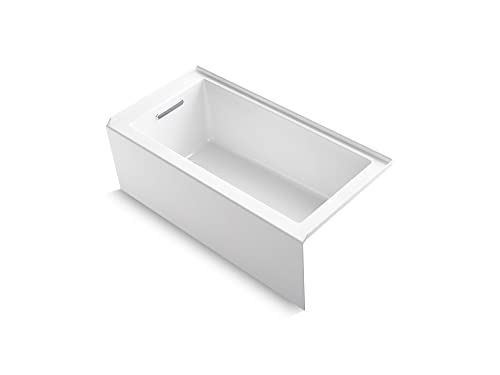
Not every English-style bathroom has room for a freestanding tub. The Colony brings an understated white enameled steel finish to a standard alcove opening for buyers who need to keep the existing three-wall footprint.
Not every classic British bathroom is built around a standalone soaking tub, and the Colony's plain white enamel finish and standard alcove dimensions offer a quietly understated country-house feel for buyers working within an existing tub-shower footprint. Enameled steel offers better scratch resistance than acrylic at a fraction of cast iron's weight.
Owners choosing this route value the straightforward replacement install and the classic white finish that avoids the dated look of colored fixtures. It does not deliver the sloped slipper or clawfoot silhouette, but it keeps the restrained, understated palette central to English style.
English style is as much about restraint as it is about ornate silhouettes. For a bathroom that must keep its existing alcove, a plain white enamel tub like the Colony is the quietly correct choice over a busier finish.
This slipper tub swaps polished nickel for oil rubbed bronze feet, giving the same acrylic slipper shape a darker, warmer accent that suits a more traditional country-house palette.
Oil rubbed bronze reads warmer and more traditional than brushed nickel, a detail worth coordinating with existing faucet and cabinet hardware finishes elsewhere in an English-inspired bathroom. The acrylic slipper body remains identical to the nickel-foot version in shape and weight, keeping the same easier installation profile.
Owners choosing the bronze foot option cite better visual coordination with warm-toned faucets and lighting fixtures elsewhere in a country-house bathroom. As with any acrylic tub, expect less heat retention than cast iron over a long soak.
Foot finish is an easy detail to overlook, but it should match the rest of your hardware. If your faucets and lighting lean warm bronze rather than cool nickel, this version keeps the whole room consistent.
A single slipper suits most bathrooms and one primary bather who wants a reclined soak. A double slipper needs considerably more floor space but offers a genuine two-person soaking shape. A classic roll-top on ball-and-claw feet fits a slightly smaller footprint and delivers the most recognizable period silhouette, though with a more upright soaking posture than either slipper shape.
Polished nickel and unlacquered or oil rubbed brass are the two hardware tones most associated with classic English bathrooms, and consistency across the tub feet, faucet and any exposed pipework reads more intentional than mixing cool and warm metals. See our bathroom faucet style guide for finish pairing guidance.
English bathtub style is defined more by silhouette than by ornamentation. A genuinely sloped slipper end or an evenly rolled clawfoot rim does more to establish the look than any amount of extra hardware detail, so prioritize shape first and finish second.
The Kingston Brass Aqua Eden Cast Iron Slipper Tub is the best overall pick, combining the authentic sloped-back slipper silhouette with cast iron's superior heat retention and durability.
A slipper tub has one raised, sloped end for a reclined soak, a double slipper raises both ends, and a classic roll-top keeps straight sides with an evenly rolled rim around the entire tub, generally on ball-and-claw or bracket feet.
No. Slipper, double slipper and roll-top tubs are freestanding fixtures with finished sides on every face, standing on exposed feet, and need open floor space plus a floor-mount or wall-mount filler rather than a standard alcove valve.
Cast iron offers superior heat retention and durability but weighs 300 to 400 pounds empty and requires confirmed floor support. Acrylic weighs a fraction of that and is much easier to install, though it retains heat for a shorter time.
Beyond the tub's own footprint, typically around 67 x 30 inches, plan for at least 12 to 18 inches of clearance on the accessible sides for cleaning and daily use.
A floor-mount or wall-mount tub filler is required, since freestanding slipper and roll-top tubs have no deck or wall ledge for a standard valve. A telephone-style handset filler is a period-appropriate option for added authenticity.
Both are historically accurate. Polished nickel reads cooler and more formal, while unlacquered or oil rubbed brass and bronze read warmer and more rustic. Choose based on the rest of the room's hardware finish for a coordinated look.
Only after a contractor or structural engineer confirms the floor joists can support the tub's weight plus water and a bather. Acrylic slipper and roll-top tubs are a safer default for upper floors without additional structural review.
A well-maintained cast iron tub can last 50 years or more, often outlasting several bathroom remodels around it, provided the enamel surface is cared for with non-abrasive cleaners.
It is more of a design statement and occasional-soak fixture than a daily-use shower-bath, given its larger footprint and lack of a straightforward shower conversion. Most households pair it with a separate shower rather than using it for everyday bathing.
Most true freestanding slipper and roll-top tubs are not pre-drilled for deck-mount faucets, since they are designed to pair with a floor-mount or wall-mount filler instead. Confirm the specific listing's faucet compatibility before ordering.
Acrylic slipper and double slipper tubs typically weigh 110 to 150 pounds empty, a fraction of a comparable cast iron tub's 300 to 400 pounds, making acrylic the more practical choice for most standard-framed floors.
For the best English bathtub overall, the Kingston Brass Aqua Eden Cast Iron Slipper Tub wins on its authentic sloped silhouette and cast iron's superior heat retention. Choose the double slipper for a two-person soaking shape, the classic roll-top clawfoot for the most recognizable period silhouette in a smaller footprint, or the acrylic slipper options for a dramatically easier installation on upper floors. Confirm your floor clearance and structural support first, then choose the shape and material that fits your household's soaking habits.
How we rank & our data sources
We do not run physical lab tests. Rankings are built from published, verifiable data and real owner feedback, never paid placement.
Researched by admin · Last updated July 3, 2026 · Our review method
Simple rectangular alcove and freestanding tubs in honest materials that suit an Arts and Crafts bathroom without ornamental clawfoot or scrollwork detailing.
Read the guide
High-relief clawfoot and roll-top silhouettes, aged brass and bronze feet, and cast iron construction that carry an authentic 19th-century look without giving…
Read the guideA visible gap between a new vanity's side panel and the wall is usually not a defective cabinet. It is a wall…
Read the guide