

Best French Toilets (2026)
Toilets4.6
Refined, softly curved one-piece and skirted silhouettes with a polished, Parisian-elegant profile, paired with verified MaP flush scores rather than a stylist's…
Read the guideThat quiet drip echoing inside your toilet tank is not harmless background noise. It signals a leak that can quietly drain thousands of gallons per year and add $100 or more to your annual water bill. This guide covers every cause, every fix, and when to call a plumber.
Research updated June 2026.
A dripping sound inside a toilet tank almost always means water is trickling through a worn flapper or a faulty fill valve. Replacing either part costs $5 to $20 and takes under 30 minutes without professional help. Left unfixed, the leak wastes 30 to 200 gallons per day.
Sit quietly in your bathroom late at night and you may hear it: a faint, rhythmic drip inside the toilet tank. During the day it hides behind ambient noise. At 2 a.m. it sounds like a leaky faucet. That sound is your toilet telling you money is draining away every hour.
According to EPA WaterSense data, a continuously running or dripping toilet wastes an average of 200 gallons per day. At average U.S. water rates, that translates to roughly $840 per year. Even a modest "phantom drip" that empties the tank every hour rather than continuously can still waste 3,000 to 5,000 gallons per month.
The good news: the vast majority of toilet dripping sounds trace back to two inexpensive parts -- the flapper and the fill valve. Understanding which one is failing, and why, puts you on a straight path to a quiet, efficient tank in under an hour.
This guide walks you through every possible cause, a systematic diagnosis method, step-by-step repairs, and guidance on when the drip is actually signaling a larger plumbing issue. We also highlight replacement part options matched to real toilet models from TOTO, Kohler, American Standard, Woodbridge, Swiss Madison, and Gerber.
The dripping sound inside a toilet tank is caused by water escaping past a worn flapper seal into the bowl, or by the fill valve trickling water to compensate for a slow leak. These two components handle the only two water movements in the tank -- release and refill -- so when either fails to seat or shut completely, water drips continuously until the tank empties enough to trigger a partial refill cycle.
Less commonly, a cracked tank, corroded flush valve seat, or a supply line connection that weeps can produce similar sounds. A methodical dye test and visual inspection narrow the cause within minutes.
Based on aggregated plumber service records and homeowner reports across major toilet forums and brand support channels, these are the five causes ranked from most to least common:
| Cause | Frequency | Sound Character | Wasted Water (est.) | DIY Repair Cost |
|---|---|---|---|---|
| Worn or warped flapper | ~60% of cases | Intermittent trickle, periodic refill hiss | 30-200 gal/day | $5-$12 |
| Faulty fill valve (ballcock) | ~25% of cases | Continuous low hiss or drip at top of tank | 50-300 gal/day | $10-$20 |
| Flush valve seat corrosion | ~8% of cases | Drip even with new flapper installed | 20-100 gal/day | $15-$40 |
| Float set too high | ~5% of cases | Water drips into overflow tube with refill hiss | 10-50 gal/day | $0 (adjustment only) |
| Tank crack or supply connection leak | ~2% of cases | Drip sound near tank exterior or floor | Variable | $20-$200+ |
The dye test is the fastest diagnostic: drop a few drops of food coloring or a dye tablet into the tank, wait 15 minutes without flushing, then check the bowl. If color appears in the bowl, the flapper is leaking. If the water level in the tank is visibly dropping toward the overflow tube and you hear a hiss or drip near the top of the fill valve, the fill valve is the culprit.
A secondary check is to lift the tank lid and watch the overflow tube. If water is trickling over its rim, the float is set too high or the fill valve diaphragm has failed, causing the tank to overfill.
Plumbers consistently advise replacing both the flapper and the fill valve at the same time when servicing a dripping toilet, even if only one part tests as the immediate cause. Both components are made from rubber and plastic that degrade at similar rates. The combined parts cost is under $20, and replacing both in a single job eliminates the need for a second repair visit within 12 months. This is standard preventive practice in the plumbing trade.
Replacing a toilet flapper requires turning off the water supply at the shutoff valve, flushing to empty the tank, unclipping the old flapper from the overflow tube pegs, disconnecting its chain from the flush handle arm, and snapping the new flapper in place. The entire process typically takes 10 to 20 minutes and requires no tools beyond a towel.
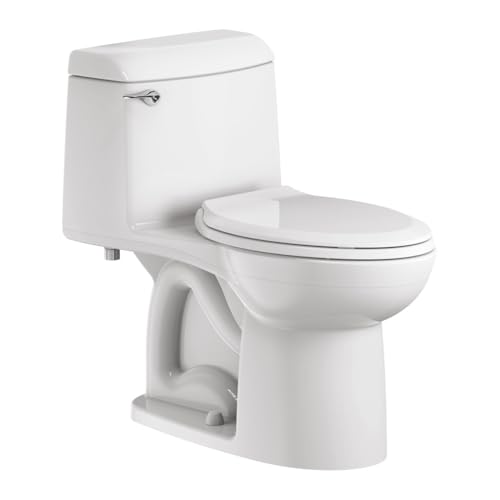
Selecting the correct flapper size matters: most residential toilets use a 2-inch flapper, but larger flush valves -- including the 3-inch valves on the American Standard Champion 4, Kohler Class Five, and TOTO's G-Max models -- require specifically sized replacements to seal properly.
Using the wrong size flapper is one of the most common DIY mistakes. Flappers that are too small will not seal; flappers that are too large can obstruct the flush. The table below lists correct flapper sizes for popular models:
| Toilet Model | Flush Valve Size | Compatible Flapper Type | GPF | EPA WaterSense | Check Price |
|---|---|---|---|---|---|
| American Standard Champion 4 | 4-inch | Champion 4 OEM (part 3174.105) | 1.6 | No | Check price |
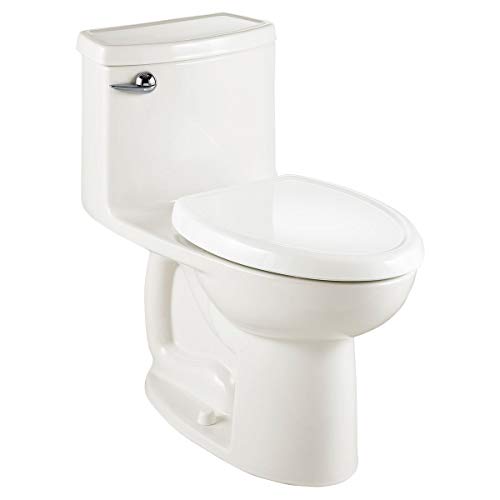
| American Standard Cadet 3 | 3-inch | AS Cadet 3-inch flapper (part 7301111) | 1.28 | Yes | Check price |
| TOTO Drake / Drake II | 3-inch (G-Max valve) | TOTO THU175 or THU176 | 1.28-1.6 | Yes (1.28 model) | Check price |
| TOTO UltraMax II | 3-inch (G-Max valve) | TOTO THU175 | 1.28 | Yes | Check price |
| Kohler Highline / Cimarron | 2-inch | Kohler Class 5 (K-1059490) or Fluidmaster 501 | 1.28-1.6 | Yes (1.28 model) | Check price |
| Woodbridge T-0001 | 3-inch (siphon flush) | Woodbridge OEM or universal 3-inch | 1.28/0.8 | Yes | Check price |
| Gerber Viper / Avalanche | 3-inch | Gerber OEM or Fluidmaster PRO45B | 1.28 | Yes | Check price |
Chain slack is the single most overlooked variable in flapper replacement. A chain with too little slack -- a common setup error -- holds the flapper slightly open at all times, producing exactly the intermittent drip sound that prompted the repair in the first place. After installing a new flapper, always verify that the handle arm can be fully depressed without the chain binding, and that the flapper rests flat against the seat when released. Even a millimeter of lift produces an audible drip within days.
A fill valve that produces dripping or hissing sounds is either not shutting off properly -- allowing water to trickle into the overflow tube -- or its internal diaphragm has worn out so it cannot close fully. The repair is replacing the fill valve, which requires emptying the tank, disconnecting the supply line, unscrewing the locknut under the tank, and installing a new valve calibrated to the correct height for your tank.
The Fluidmaster 400A is the most widely compatible universal replacement fill valve, compatible with TOTO, Kohler, American Standard, Woodbridge, Swiss Madison, and Gerber tanks. The Korky 528MP is a quieter alternative preferred for bedroom-adjacent bathrooms due to its tower-style design that eliminates air-gap drip sounds.
For toilets paired with EPA WaterSense-certified 1.28 GPF flushing systems -- including the TOTO Drake II, Kohler Cimarron, and American Standard Cadet 3 -- it is important not to set the water level higher than the manufacturer's marked fill line on the overflow tube. Overfilling reduces flush performance by diluting siphon pressure in these precisely calibrated tanks.
Yes, in roughly 2% of cases a dripping sound traces to a hairline crack in the porcelain tank, a leaking supply line connection, or a deteriorating flush valve body rather than the flapper or fill valve. These sources can mimic internal dripping sounds while actually losing water to the floor or wall cavity, which is significantly more damaging and expensive than a simple parts failure.
If both the flapper and fill valve test as functioning, inspect the outside of the tank and base with dry hands and a paper towel. Any moisture on the exterior points to a physical crack, a failed tank bolt gasket, or a sweating tank in high-humidity conditions. Porcelain cracks cannot be reliably repaired long-term and warrant toilet replacement.
| Observation | Likely Cause | Action |
|---|---|---|
| Puddle on floor near tank base | Tank bolt gasket failure or tank crack | Replace gasket set or toilet |
| Moisture on supply line or wall | Supply line connection weeping | Tighten or replace supply line |
| Discoloration on tank exterior | Hairline porcelain crack | Replace toilet |
| Drip continues after new flapper AND fill valve | Flush valve seat pitting or tank bolt seat damage | Seat grinding or toilet replacement |
| Gurgling in walls when tank refills | Vent stack issue or sewer gas intrusion | Call a licensed plumber |
A porcelain toilet tank that has developed a crack -- even a hairline crack that is not yet visible -- will gradually worsen with thermal cycling from tank refills. Epoxy and sealant patches may hold for weeks but rarely survive longer than a season without reopening. If multiple repair attempts fail to silence a dripping tank and no clear mechanical cause is found, the most cost-effective path is replacing the entire toilet. Upgrading to a high-efficiency model with a MaP score of 800 grams or above, such as those on the best flushing toilets list, eliminates the problem and reduces water use simultaneously.
The volume of water wasted by a dripping toilet tank ranges from approximately 30 gallons per day for a slow flapper weep to over 300 gallons per day for a fill valve that never fully closes. Over a year, even a mid-range leak of 100 gallons per day adds up to 36,500 gallons, which is roughly equal to 250 full tanks of a standard 1.6 GPF toilet used eight times daily over an entire year.
EPA WaterSense data estimates that toilet leaks account for approximately 13% of indoor residential water use in leaking homes, making them one of the single largest sources of residential water waste.
| Leak Type | Gallons per Day | Gallons per Year | Est. Annual Cost (avg. U.S. rates) |
|---|---|---|---|
| Slow flapper weep (barely audible) | 30 | 10,950 | ~$46 |
| Moderate flapper leak (audible at night) | 100 | 36,500 | ~$152 |
| Running fill valve (constant refill hiss) | 200 | 73,000 | ~$305 |
| Severe fill valve failure (no shutoff) | 300+ | 109,500+ | ~$457+ |
Note: Cost estimates use an average U.S. water rate of approximately $4.20 per 1,000 gallons (EPA cited average). Rates in California, New York, Arizona, and other water-stressed states can be 2x to 3x higher, making leak repair even more urgent financially.
Households using EPA WaterSense-certified 1.28 GPF toilets already consume 20% less water per flush than standard 1.6 GPF models. A dripping tank can erase those savings entirely. If your current toilet is more than 20 years old and uses 3.5 GPF or higher, a drip may be a compelling trigger to consider a modern replacement rather than a repair. See our guide on how to fix a running toilet for a full overview of running vs. dripping distinctions.
Toilet flapper and fill valve lifespans are limited by water chemistry, temperature cycling, and chlorine content -- the same factors that make rubber degrade. Using a fill valve with an anti-siphon ballcock design, choosing a reinforced silicone or EPDM rubber flapper rather than standard red rubber, and checking the dye test annually are the three most effective preventive steps.
Hard water with high mineral content accelerates valve seat corrosion and deposits that prevent flappers from sealing. In hard-water areas, a tank cleaning tablet (non-chemical, citric acid-based) used quarterly can extend flapper life by removing the deposits that create uneven seating surfaces.
Toilets with glazed flush valve seats -- such as TOTO models using Cefiontect ceramic glaze on the trapway and sometimes the flush seat area -- tend to show longer flapper life because mineral deposits cannot adhere as readily to the smooth surface. This is one underappreciated advantage of premium toilet construction when evaluating long-term maintenance costs.
If you are noticing the drip alongside other issues like a slow-filling tank or incomplete flush, read our guide on why a toilet fills slowly and our companion piece on incomplete flush causes and fixes for a complete tank health picture.
The two most common aftermarket replacement brands recommended by licensed plumbers are Fluidmaster (for fill valves, particularly the 400A and 400AH quiet fill models) and Korky (for flappers, particularly the 100BP universal and the model-specific reinforced silicone series). Both brands are stocked at major home improvement retailers and ship standard. For TOTO toilets specifically, plumbers consistently prefer OEM TOTO flappers because the G-Max and Tornado Flush valve geometries are non-standard enough that universal flappers frequently fail to seat correctly within the first year of installation.
Pairing the right replacement part to your toilet model prevents the frustration of buying a universal part that does not seal. Below are confirmed-compatible options based on published manufacturer specifications and aggregated owner repair reports:
| Toilet Brand / Model | Recommended Flapper | Recommended Fill Valve | Notes | Check Price |
|---|---|---|---|---|
| TOTO Drake / Drake II / UltraMax II | TOTO THU175 or THU176 (OEM) | TOTO TSS815 or Fluidmaster 400A | G-Max valve = 3-inch, do not use 2-inch universal | Check price |
| TOTO Aquia IV (dual-flush) | TOTO OEM dual-flush cartridge | TOTO OEM fill valve | Dual-flush mechanism is cartridge-style, not flapper | Check price |
| Kohler Highline / Cimarron | Kohler GP85160 or Korky 100BP | Kohler GP1059291 or Fluidmaster 400A | Standard 2-inch; universal flappers work well here | Check price |
| American Standard Champion 4 | AS 3174.105 (4-inch OEM) | AS 7381144 or Fluidmaster 400A | 4-inch flush valve is unique; do not substitute | Check price |
| American Standard Cadet 3 | AS 7301111 (3-inch OEM) | AS 7381144 or Fluidmaster 400A | 3-inch valve; OEM preferred for 1.28 GPF precision | Check price |
| Woodbridge T-0001 | Woodbridge OEM (siphon flush) | Woodbridge OEM or Fluidmaster 400A | Siphon-jet bowl; fill valve is standard universal fit | Check price |
| Swiss Madison Clarence / St. Tropez | Korky 100BP or universal 2-inch | Fluidmaster 400A or Korky 528MP | Standard valve geometry; universal parts confirmed compatible | Check price |
| Gerber Viper / Avalanche | Fluidmaster PRO45B or Korky 3060BP | Fluidmaster 400A | Gerber 3-inch valve seats work with aftermarket reinforced flappers | Check price |
If your toilet is producing the drip sound alongside ghost flushing -- where the toilet refills spontaneously every 20 to 45 minutes -- read our detailed guide on ghost flushing causes and fixes for a complete diagnosis path that combines flapper, fill valve, and overflow tube inspection into one diagnostic sequence.
It is not an emergency in the sense of immediate flood risk, but it is an urgent repair. Even a slow drip wastes tens of thousands of gallons per year and can add $50 to $450 to your annual water bill depending on severity. Attending to it within a few days is reasonable for most situations.
In a quiet home at night, a moderate flapper leak or fill valve that does not fully close produces an audible trickling or hissing sound that carries through a closed door. If you can hear it through walls, the leak is significant enough to waste 100 or more gallons per day.
The sound is constant, but daytime ambient noise -- appliances, conversation, outdoor sounds -- masks it. The quiet of nighttime simply makes an existing drip audible. The water waste is the same 24 hours a day regardless of when you notice the sound.
Standard rubber toilet flappers last approximately 4 to 8 years in chlorinated municipal water. Silicone flappers last 10 to 15 years. Hard water with high mineral content, chloramines, and in-tank chemical tablets all shorten lifespan. A flapper older than 5 years showing any discoloration or surface stiffness should be replaced proactively.
Yes. Rubber flappers crack progressively rather than stabilizing. A weep that wastes 30 gallons per day can escalate to a full continuous run within months as the rubber degradation accelerates. Early repair prevents the larger waste and the possibility of water damage if the overflow tube cannot keep up with fill valve flow.
Hard water accelerates the problem in two ways: mineral deposits build up on the flush valve seat surface and prevent the flapper from sealing flush, and calcium can coat fill valve diaphragm components and prevent them from closing fully. Both result in an audible drip. Quarterly tank cleaning with a citric acid tablet reduces deposit buildup significantly.
TOTO's G-Max and Tornado Flush flush valves use a 3-inch flush valve seat with a specific lip profile that requires the matching TOTO OEM flapper (THU175 or THU176). Universal 3-inch flappers from other brands frequently sit unevenly on this seat and produce a new drip within weeks of installation. Always use TOTO OEM flappers for TOTO toilets.
A dripping sound and a running toilet are related but distinct. A dripping sound typically means a slow trickle past the flapper or through the fill valve. A running toilet is a more severe version of the same problem where water runs continuously into the bowl or over the overflow tube. Both waste water; a running toilet simply wastes it at a faster rate and produces a louder sound.
Not safely. Replacing a flapper or fill valve requires emptying the tank, which requires shutting off the supply valve first. Operating inside an active tank risks water spillage and prevents proper seating of new parts. The repair takes 15 to 30 minutes with the water off, so there is no practical reason to avoid using the shutoff valve.
The overflow tube is the vertical plastic standpipe in the center of the tank. Its job is to prevent the tank from overflowing if the fill valve fails to shut off. When the float is set too high or the fill valve diaphragm fails, water rises to the overflow tube rim and trickles through it into the bowl continuously, producing a quiet drip sound. This is a wasted 200 or more gallons per day and is one of the most common fill valve failure signatures.
The Kohler Highline uses a standard 2-inch valve seat, making it one of the most universal-part-compatible toilet platforms. Perform the dye test first. If dye appears in the bowl, replace the flapper with a Kohler GP85160 or Korky 100BP. If the dye test is negative but the tank refills spontaneously, adjust the float arm first -- the Highline's ball float can shift over time. If adjustment does not help, replace the fill valve with a Fluidmaster 400A or Kohler GP1059291.
Yes. MaP testing scores are measured with tanks filled to the manufacturer's specified water level. A dripping fill valve that is also trickling water into the overflow tube may lower the available water volume in the tank below that spec, reducing siphon force. This can convert a toilet that originally scored 800 to 1,000 grams on MaP testing into one that delivers noticeably weaker flushes and more frequent incomplete clears.
Yes. In-tank chlorine drop tablets and bleach tablets accelerate rubber degradation significantly. Studies by plumbing trade organizations indicate that continuous chlorine tablet use can reduce flapper lifespan from 5 to 8 years down to 1 to 3 years. The concentrated chlorine at the bottom of the tank where the flapper sits attacks the rubber compound, causing it to stiffen, crack, and lose its ability to seal. Use toilet bowl drop-in cleaner alternatives that do not contact tank components instead.
A tank that drips or refills briefly once per hour is experiencing what is called phantom flushing or ghost flushing -- the flapper leak is slow enough that it takes roughly 60 minutes to lower the water level enough to trigger the fill valve. This specific pattern is a classic flapper leak signature. The dye test should confirm color in the bowl within the 15-minute window. Replacing the flapper resolves it in almost all cases.
No. The American Standard Champion 4 uses a 4-inch flush valve, the largest standard residential valve size available. It requires the AS-specific 4-inch flapper (part 3174.105). No universal aftermarket flapper fits this valve correctly. Using a 3-inch flapper on a 4-inch seat will produce a drip immediately because the seal perimeter does not match.
Dry the supply line and both connection points (at the shutoff valve and at the tank) completely with a paper towel. Wait five minutes, then press a dry paper towel against each connection. Any moisture transfer confirms that connection is weeping. Supply line connections that weep can often be stopped by hand-tightening the coupling nuts -- but do not use tools on plastic fittings or you risk cracking the tank inlet port.
Yes, but the repair approach differs. Most dual-flush toilets use a cartridge-style flush valve rather than a traditional hinged flapper. When this cartridge fails to seat after a flush, it produces a trickling sound similar to a flapper leak. Dual-flush cartridges are typically OEM-only replacements and are not interchangeable across brands. Contact the manufacturer directly for the correct replacement cartridge part number.
A significant toilet drip -- 100 gallons per day or more -- will appear as an unusual usage spike on a monthly water bill and in some jurisdictions triggers an automatic leak alert from smart water meters. Most water utilities offer a one-time leak adjustment credit on your bill if you can demonstrate the leak has been repaired and show before/after usage data. Check with your local water authority for their specific credit policy.
The Korky 528MP Quiet Fill uses a tower-style design that fills the tank from the bottom up rather than through a top-jet that splashes. This eliminates the water-hitting-water drip sound that some fill valves produce while refilling. It is rated as the quietest universal fill valve widely available and is compatible with most standard 2-inch and 3-inch valve installations. For bedroom-adjacent bathrooms, it is the most frequently recommended replacement by both DIY renovators and plumbers.
A dripping sound inside a toilet tank is almost always a flapper or fill valve failure -- both are $5 to $20 DIY repairs that take under 30 minutes. Confirm the source with a dye test, match the replacement part to your toilet model (especially for TOTO G-Max, American Standard Champion 4, and dual-flush valves), and perform the repair promptly. Left unaddressed, even a quiet drip wastes tens of thousands of gallons annually and erases every efficiency advantage of an EPA WaterSense-certified low-flow toilet. If parts replacement does not resolve the drip, inspect for tank cracks or flush valve seat damage and consider upgrading to a high-MaP replacement toilet.
How we rank & our data sources
We do not run physical lab tests. Rankings are built from published, verifiable data and real owner feedback, never paid placement.
Researched by Derek Whitman · Last updated June 28, 2026 · Our review method
Refined, softly curved one-piece and skirted silhouettes with a polished, Parisian-elegant profile, paired with verified MaP flush scores rather than a stylist's…
Read the guide
Clean, low-profile silhouettes with real MaP-verified flush performance and efficient dual-flush water use, sized for a minimalist Nordic bathroom without sacrificing function.
Read the guide
Classic two-piece toilets with tall tanks and elegant, understated proportions, the quiet country-house look that suits a traditional English bathroom without tipping…
Read the guide