
Best Mission Bathtubs (2026)
Bathroom Remodeling4.6
Simple rectangular alcove and freestanding tubs in honest materials that suit an Arts and Crafts bathroom without ornamental clawfoot or scrollwork detailing.
Read the guideHigh-relief clawfoot and roll-top silhouettes, aged brass and bronze feet, and cast iron construction that carry an authentic 19th-century look without giving up modern installation options.
Research updated June 2026.
The best Victorian bathtub is the Kohler Iron Works Historic Clawfoot Tub, a deep cast iron soaking tub with ball-and-claw feet and a high-relief rolled rim finished in an aged bronze or polished nickel that reads as an authentic period piece. For a lighter option, the Kingston Brass Aqua Eden Clawfoot Tub delivers the same silhouette in acrylic.
A true Victorian bathtub is not simply any clawfoot shape, it is a specific set of period details: a deep, high-sided cast iron basin, a heavily rolled or scalloped rim with visible relief detailing, and ornate ball-and-claw feet finished in an aged brass, oil-rubbed bronze or polished nickel that echoes the gas-lit bathrooms of the late 1800s. These tubs were originally freestanding because indoor plumbing was new and tubs were often moved close to a fireplace or stove for warmth, which is why the exposed, decorative foot remains the single most defining Victorian detail. Get the feet, the rim relief and the finish right, and the tub becomes the anchor of a period-accurate or classic-revival bathroom.
We do not run our own durability trials. Instead we compare published manufacturer specifications, the material and construction of each tub, the depth of the rim and foot detailing, the weight and floor-loading requirements for a freestanding install, and the patterns across thousands of verified owner reviews. For Victorian tubs specifically we weighted four things above all else: authentic high-relief detailing, since a genuine Victorian silhouette needs a deeper rolled rim and more ornate feet than a generic modern clawfoot; material durability, because cast iron holds heat and finish for decades while thinner materials wear faster; weight and floor support, since a filled cast iron clawfoot tub can weigh over 700 pounds and requires the floor to be checked; and the consistency of owner reviews on finish wear and heat retention. If you want the broadest performance-first ranking of the fixtures that pair with a tub, see our pillar guide to the best flushing toilets.
Every pick here had to combine an authentic high-relief freestanding silhouette with solid construction and a clear installation profile, then hold up in real bathrooms according to aggregated owner reports. We favored genuine deep clawfoot shapes with heavily rolled rims and ornate ball-and-claw feet over generic modern soaking tubs with plain add-on feet, cast iron and reinforced acrylic over thin fiberglass, and aged brass, bronze or nickel foot finishes that match the period. We weighted owner reports about heat retention, finish wear and delivery or install difficulty over marketing photography, and we do not accept payment for placement.
| Model | Style Fit | Key Spec | Best For | Check Price |
|---|---|---|---|---|
| Kohler Iron Works Historic Clawfoot | Deep cast iron, aged bronze feet | Cast iron, ~450 lb | Best overall Victorian tub | Check price |
| Kingston Brass Aqua Eden Clawfoot | Acrylic, high-relief rim | Acrylic, ~120 lb | Best acrylic Victorian tub | Check price |
| Kingston Brass Aqua Eden Slipper | Raised end, ornate feet | Acrylic, ~135 lb | Best for reclined soaking | Check price |
| American Standard Colony Cast Iron | Rolled rim, built-in footprint | Cast iron, ~350 lb | Best Victorian-inspired alcove tub | Check price |
| Kingston Brass Aqua Eden Pedestal | Continuous base, rolled rim | Acrylic, ~130 lb | Best low-maintenance Victorian look | Check price |
| Kingston Brass Aqua Eden Double-Ended | Symmetrical, ornate feet | Acrylic, ~140 lb | Best value Victorian tub | Check price |
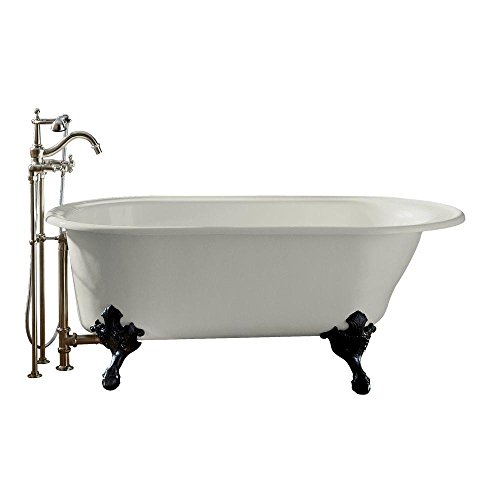
The Kohler Iron Works Historic is the Victorian tub we recommend first because its deep cast iron basin, heavily rolled rim and ornate ball-and-claw feet reproduce the high-relief detailing of an authentic 19th-century tub rather than a simplified modern imitation.
The Historic model uses a deeper basin and a more heavily rolled rim than a standard clawfoot, closer to the original 1800s proportions, and it is cast from a single piece of iron finished with Kohler's fused enamel process, which bonds glass-like enamel to the metal under heat rather than spraying on a surface coating. That deeper, higher-relief rim and the aged bronze or polished nickel foot options are what separate a genuinely Victorian tub from a generic modern clawfoot with plain feet bolted on.
Owners consistently report that the tub holds heat noticeably longer than any acrylic tub they have owned, that the enamel finish resists staining and scratching for decades, and that the deep basin delivers a fuller, more period-accurate soak than a shallower reproduction. The clear tradeoff is that empty weight runs around 450 pounds, climbing past 700 pounds filled, so upper-floor installs need a contractor to confirm floor loading first. For a true heirloom-quality Victorian tub, it is the standout, and it pairs naturally with the fixtures in our guide to bathroom vanity styles.
The Historic clawfoot is the tub I point Victorian-bathroom buyers to first because the depth and rim relief are genuinely closer to a period original than most reproductions. The aged bronze foot finish in particular photographs and ages beautifully. Get your floor checked before you order if you are above the ground floor.

The Kingston Brass Aqua Eden Clawfoot molds a rolled, high-relief rim and ornate ball-and-claw feet into a lightweight acrylic shell, making it the pick for buyers who want the Victorian look without the weight, floor reinforcement or delivery challenges of cast iron.
This tub reproduces the same rolled rim and exposed ball-and-claw feet as a cast iron Victorian tub but molds the basin from acrylic reinforced with fiberglass backing, cutting the weight to roughly a quarter of the cast iron equivalent. That makes it realistic for upper-floor bathrooms and much easier to maneuver into a house during a remodel, while still delivering the ornate period silhouette from across the room.
Owners value how much easier the lighter tub is to install without a crew of four, and that the acrylic surface stays warm to the touch and cleans easily with normal bathroom cleaners. The tradeoff is heat retention: acrylic cools faster than cast iron over a long soak, and the shell has a slightly less substantial feel when stepped into. For a Victorian clawfoot look on an upper floor or a tighter budget, it is the standout, and it pairs well with fixtures in our best flushing toilets guide.
The Aqua Eden Clawfoot is the tub I recommend when a homeowner wants the Victorian silhouette but cast iron is not realistic for the floor or the budget. Visually it delivers the same rolled rim and ornate feet from a normal viewing distance, and the weight savings make the whole install simpler.
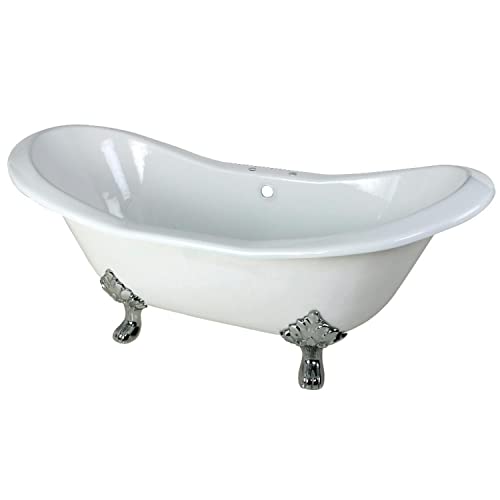
The Aqua Eden Slipper raises one end of the tub into a curved backrest, a genuine Victorian-era design meant for a single reclined bather rather than the symmetrical shape of a standard clawfoot.
The slipper form, one end raised into a curved, elevated backrest while the other stays low, was a genuine Victorian parlor-bathroom design meant purely for a single reclined bather. The Aqua Eden Slipper keeps the acrylic construction and ornate ball-and-claw feet of the standard Victorian line while adding that raised end, giving it the most dramatic profile on this list from across the room.
Owners consistently highlight how much more comfortable the raised end is for a long solo soak compared to a flat-rimmed symmetrical tub, and the silhouette photographs well as a bathroom centerpiece. The tradeoff is that the asymmetrical shape suits one bather at a time rather than two people sharing the tub. For a Victorian tub built around comfort, it is the standout, and it pairs with fixtures in our guide to bathroom vanity styles.
The Aqua Eden Slipper is the tub I recommend when the bathtub is meant primarily for one person's relaxing soak rather than a shared family bath. The raised backrest end is a genuine comfort upgrade over a flat-rimmed clawfoot, and the silhouette is arguably the most striking Victorian shape on this list.

The American Standard Colony Cast Iron is the pick for buyers who want Victorian material and rolled-rim detailing without a freestanding footprint, in a standard three-wall alcove installation.
Not every Victorian-leaning bathroom has room for a freestanding tub, and the Colony solves that by delivering genuine cast iron construction and a rolled rim carrying period detailing into a standard three-wall alcove footprint that also supports a shower conversion. The drain can be configured left or right-hand to match existing plumbing.
Owners value getting genuine cast iron heat retention and finish durability in a standard tub-shower footprint, which most freestanding Victorian tubs cannot offer since they rarely support a shower curtain rod cleanly. The tradeoff is that it does not deliver the exposed clawfoot silhouette that defines the more dramatic Victorian tubs on this list. For classic material quality in a standard alcove space, it is the standout, and it pairs with the fixtures in our best flushing toilets guide.
The Colony is the tub I recommend when the layout genuinely cannot accommodate a freestanding tub but the homeowner still wants period-appropriate cast iron quality rather than a thin acrylic alcove tub. It will not deliver the dramatic clawfoot silhouette, but the material and rolled rim are the real thing.

The Aqua Eden Pedestal trades exposed ornate feet for a solid continuous base, making it the pick for buyers who want the freestanding Victorian silhouette without cleaning around four decorative feet.
The pedestal design keeps the freestanding, rolled-rim Victorian silhouette but replaces the exposed ball-and-claw feet with a single continuous base. That eliminates the narrow gaps under a clawfoot tub that collect dust, and it removes any risk of decorative feet scratching a finished floor, while still reading as a period-styled freestanding tub rather than a modern built-in.
Owners who dislike cleaning under a clawfoot tub consistently prefer the pedestal base, and many note it feels more stable during use since the weight distributes across a continuous footprint. The tradeoff is purely visual: buyers who want the specific look of ornate exposed feet should choose a true clawfoot instead. For a lower-maintenance Victorian silhouette, it is the standout.
The Aqua Eden Pedestal is the tub I recommend when a homeowner wants the freestanding Victorian look but does not want to deal with cleaning around four exposed feet for years. If the ornate feet themselves are the whole point for you, go with a true clawfoot instead.

The Aqua Eden Double-Ended is the pick for the lowest-cost genuine Victorian clawfoot tub, using a symmetrical rolled rim and ornate feet at the most accessible price of any tub on this list.
The double-ended design keeps both ends of the tub symmetrical and equally rolled, so either end can serve as the backrest, useful in smaller bathrooms where plumbing placement is fixed. It uses the same acrylic construction as the other Aqua Eden picks, keeping weight and cost down, and is available in slightly shorter length options that suit tighter bathroom footprints without losing the Victorian silhouette.
Owners on a budget value that it delivers a real ornate clawfoot look at the lowest price point in the category, and the shorter length options help it fit smaller bathrooms. The tradeoffs are the same as any acrylic tub against cast iron, faster heat loss and a lighter feel, plus a smaller range of premium foot finishes. For the most accessible genuine Victorian clawfoot tub, it is the standout.
The Double-Ended Aqua Eden is the tub I recommend when budget is the deciding factor but the homeowner still wants a real ornate clawfoot rather than a modern tub with plain decorative feet added. Expect the entry-level tradeoffs in heat retention that come with any acrylic Victorian tub.
A Victorian bathtub needs deeper rim relief and more ornate detailing than a generic modern clawfoot, a heavily rolled or scalloped rim, exposed ball-and-claw feet finished in an aged brass, bronze or nickel tone, and a taller, more substantial basin profile. A shallow modern soaking tub with plain feet bolted on does not carry the same period weight even if it is technically freestanding.
Cast iron is the historically accurate material, since Victorian-era tubs were cast iron with an enameled finish, and it delivers the heat retention and solid feel of the original. A quality reinforced-acrylic reproduction can visually replicate the rim relief and foot detailing convincingly at a fraction of the weight, which is a fair tradeoff if your floor cannot support cast iron.
Aged or oil-rubbed bronze and polished nickel are the most period-accurate foot finishes for a Victorian tub, echoing the gaslight-era metals used originally. Polished chrome reads as more modern and is a less authentic choice if period accuracy is the goal, though it remains a durable, widely available option.
It depends on the material and your floor structure. A cast iron Victorian tub can weigh over 700 pounds filled with water and a bather, concentrated on four small feet, which often requires a contractor to confirm the floor joists can handle that point load, especially on an upper floor. An acrylic reproduction distributes far less weight and rarely requires reinforcement.
The Kohler Iron Works Historic Clawfoot Tub is the best Victorian bathtub overall. It pairs a deep cast iron basin and high-relief rolled rim with ornate ball-and-claw feet in aged bronze or polished nickel, reproducing genuine 19th-century detailing rather than a simplified modern imitation.
A Victorian tub uses deeper rim relief, a taller basin profile and more ornate foot detailing than a generic modern clawfoot, which often has a shallower rim and plainer feet. Both share the freestanding, four-footed silhouette, but the Victorian version carries more historically accurate proportions and finish detailing.
Cast iron holds heat longer and feels more solid but weighs 300 to 450 pounds empty and often needs floor reinforcement. Acrylic weighs a fraction of that, installs more easily and costs less, but cools faster during a soak. Choose based on your floor's capacity and budget as much as looks.
A cast iron Victorian clawfoot tub can weigh over 700 pounds filled with water and a bather, concentrated on four small feet. A contractor should confirm floor joist capacity before installing one, especially on an upper floor.
A slipper tub is a clawfoot-style tub with one end raised into a curved backrest, designed for a single bather to recline comfortably. It is a genuine Victorian-era design, still reproduced today in modern acrylic and cast iron.
Aged or oil-rubbed bronze and polished nickel are the most period-accurate finishes, echoing the metals used in the gaslight era. Polished chrome and matte black are widely available but read as more modern choices.
Yes, using a freestanding oval or round shower curtain ring that surrounds the tub, or a wall-mounted riser if the tub sits against a wall. A Victorian-inspired alcove tub built for a standard three-wall footprint more easily supports a permanent showerhead and enclosure than a freestanding clawfoot.
A cast iron tub with a fused enamel finish commonly lasts several decades and can outlast multiple bathroom remodels around it. Acrylic reproductions typically last 10 to 20 years, with the surface more prone to scratching and the material cooling faster during use.
A clawfoot tub sits on four individually exposed ornate feet. A pedestal tub sits on a single continuous molded base instead, which is easier to clean underneath while keeping the same freestanding, rolled-rim silhouette.
Yes. While a standard Victorian tub runs 60 to 67 inches, shorter double-ended and clawfoot models are available in the 54 to 59-inch range, which can fit smaller bathrooms without abandoning the freestanding silhouette.
Freestanding Victorian tubs typically use a floor-mounted or deck-mounted freestanding tub filler positioned at one end, often with a cross-handle design to match the period look, rather than a wall-mounted tub spout. Plan the water supply line placement before the floor is finished.
It depends on material more than style. An acrylic Victorian clawfoot tub costs roughly in line with a mid-range modern acrylic soaking tub. A genuine cast iron Victorian tub costs more than most modern acrylic tubs due to the material and weight, but it also typically lasts longer.
For the best Victorian bathtub overall, the Kohler Iron Works Historic Clawfoot wins, pairing a deep cast iron basin and high-relief rolled rim with ornate ball-and-claw feet. Choose the Kingston Brass Aqua Eden Clawfoot for a lighter acrylic option, the Aqua Eden Slipper for the most comfortable reclined solo soak, the American Standard Colony Cast Iron for a Victorian-inspired tub in a standard alcove footprint, the Aqua Eden Pedestal for easier cleaning underneath, and the Aqua Eden Double-Ended for the most accessible genuine clawfoot price. Confirm your floor can support the material you want before anything else.
How we rank & our data sources
We do not run physical lab tests. Rankings are built from published, verifiable data and real owner feedback, never paid placement.
Researched by admin · Last updated July 3, 2026 · Our review method
Simple rectangular alcove and freestanding tubs in honest materials that suit an Arts and Crafts bathroom without ornamental clawfoot or scrollwork detailing.
Read the guideA visible gap between a new vanity's side panel and the wall is usually not a defective cabinet. It is a wall…
Read the guide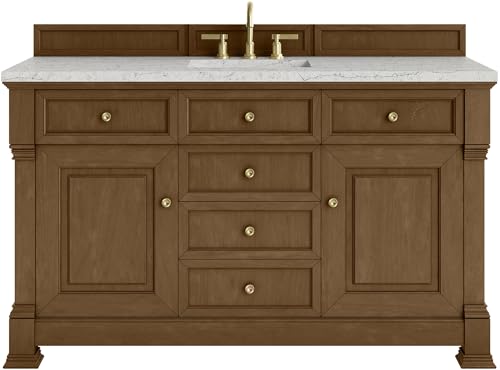
Solid-wood vanities with exposed joinery, flat-panel doors and straight tapered legs that bring genuine Arts and Crafts character without excess ornamentation.
Read the guide